
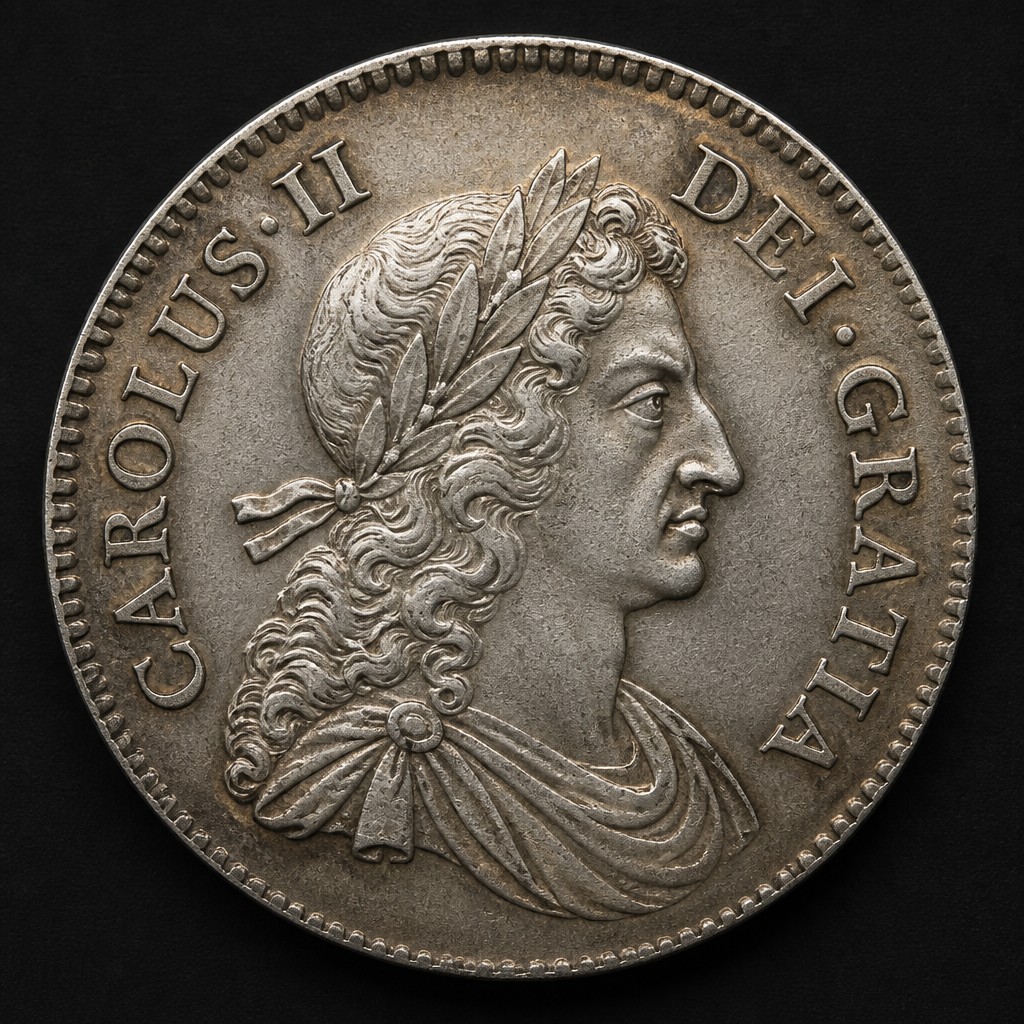
Maundy Penny
The smallest coin of the four-piece Royal Maundy set, a tiny silver penny given by the British monarch in an ancient Holy Thursday alms ceremony, minted every year in very limited numbers.
- Country
- United Kingdom
- Denomination
- One Penny (Maundy)
- Metal
- Sterling/Fine Silver
Got a coin like this?
Identify any coin from a photo, free.
Overview
The Maundy Penny is the smallest denomination in the set of four small silver coins (1d, 2d, 3d, 4d) struck annually for the Royal Maundy ceremony, a centuries-old rite in which the reigning British monarch distributes alms to elderly recipients on the Thursday before Easter. Though tiny, it is a genuine legal-tender coin and has been struck in a recognizable modern format since the reign of Charles II.
Collectors value Maundy pennies for their long, uninterrupted design tradition, their genuinely low annual mintages, and the appeal of assembling complete date runs or full four-coin Maundy sets by monarch or by year.
History & Background
Royal alms-giving on Maundy Thursday dates back to medieval England, but the modern practice of distributing specially struck small silver coins in four denominations became standardized in the later Stuart period and was further regularized in the 19th century under William IV and Victoria. The number of recipients, and the value of coins given, traditionally corresponds to the monarch's age in years.
Because the coins are ceremonial rather than intended for general circulation, mintages have always been small, with figures matching the needs of the yearly service plus a modest number struck for collectors. The tradition continues into the present reign, making the Maundy penny one of the few British coin types with an essentially unbroken multi-century design lineage.
How to Identify
The obverse bears a portrait of the reigning monarch, matching the general royal portrait style used on that monarch's circulating coinage of the era. The reverse shows a crowned numeral '1' within a wreath, identifying the denomination, with the legend and date around the rim.
At only about 11mm in diameter, the Maundy penny is one of the smallest coins ever issued for United Kingdom use, and it is normally found as part of a matched four-coin set rather than alone, though single pieces do circulate in the collector market. Because the wreath-and-numeral reverse format has remained consistent for generations, the monarch's portrait and the coin's diminutive size are the clearest identifiers.
Value & Collectibility
Individual Maundy pennies are generally the most affordable piece within a Maundy set, though genuinely low-mintage years and coins from short or historically significant reigns can bring outsized premiums. Condition is important since the coins are small and prone to wear, and toning or original mint luster affects desirability.
Complete four-coin Maundy sets in their original case, especially in high grade, are worth considerably more than the sum of loose individual coins, and full date runs for a given monarch are a popular long-term collecting goal. Values for common single pennies often range from about $20 to $60, with early or scarce dates reaching much higher.
Frequently asked questions
What is the Royal Maundy ceremony?
It is an annual pre-Easter service where the British monarch personally distributes specially struck silver coins to elderly recipients as an act of charity, a tradition going back centuries.
How many pennies are struck each year?
Mintages are small and vary by year, generally just enough for the ceremony's recipients plus a limited number for collectors.
Do Maundy pennies ever circulate as ordinary money?
They are legal tender but are almost never spent; nearly all are kept as ceremonial gifts or collected.
Why is the coin so small?
It continues a design tradition of tiny silver pennies that predates larger modern coinage, deliberately preserved for the historic ceremony.
Other coins you may enjoy
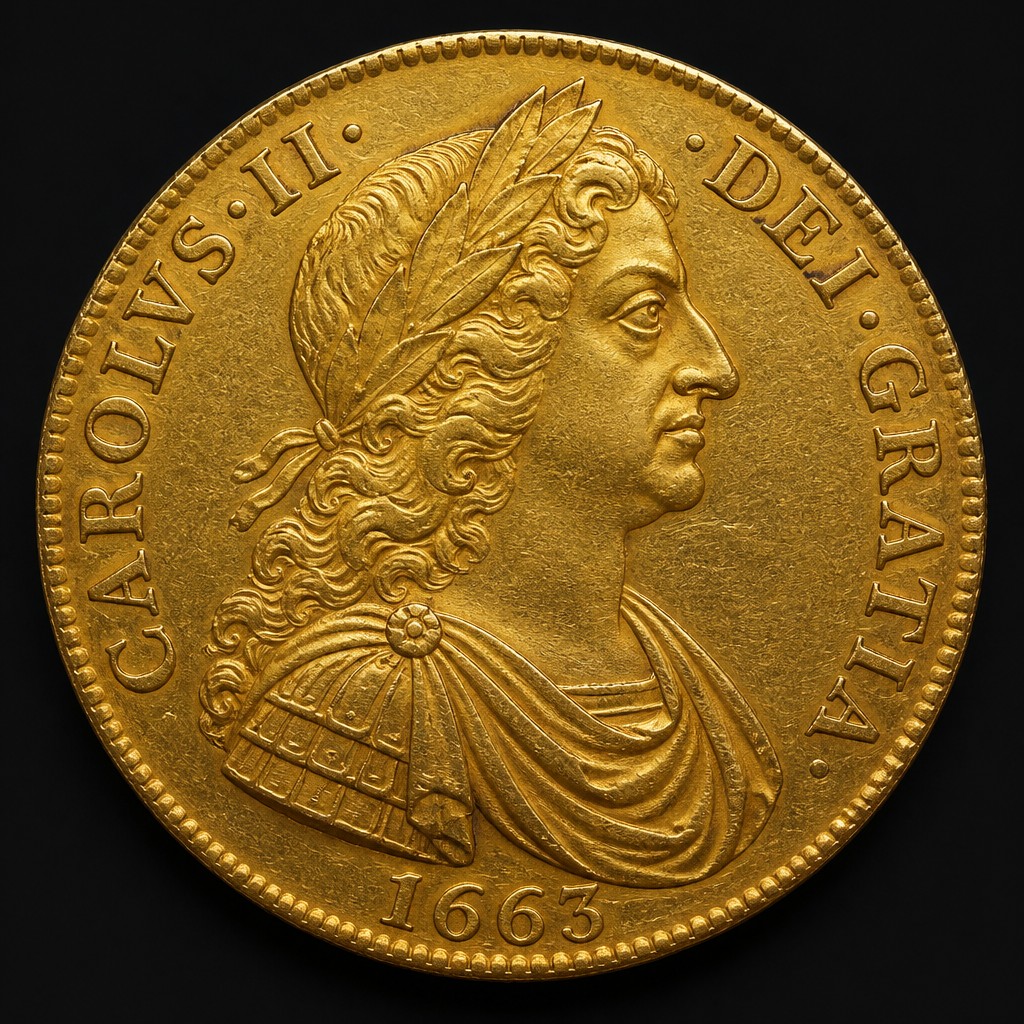
British Guinea
1663–1814
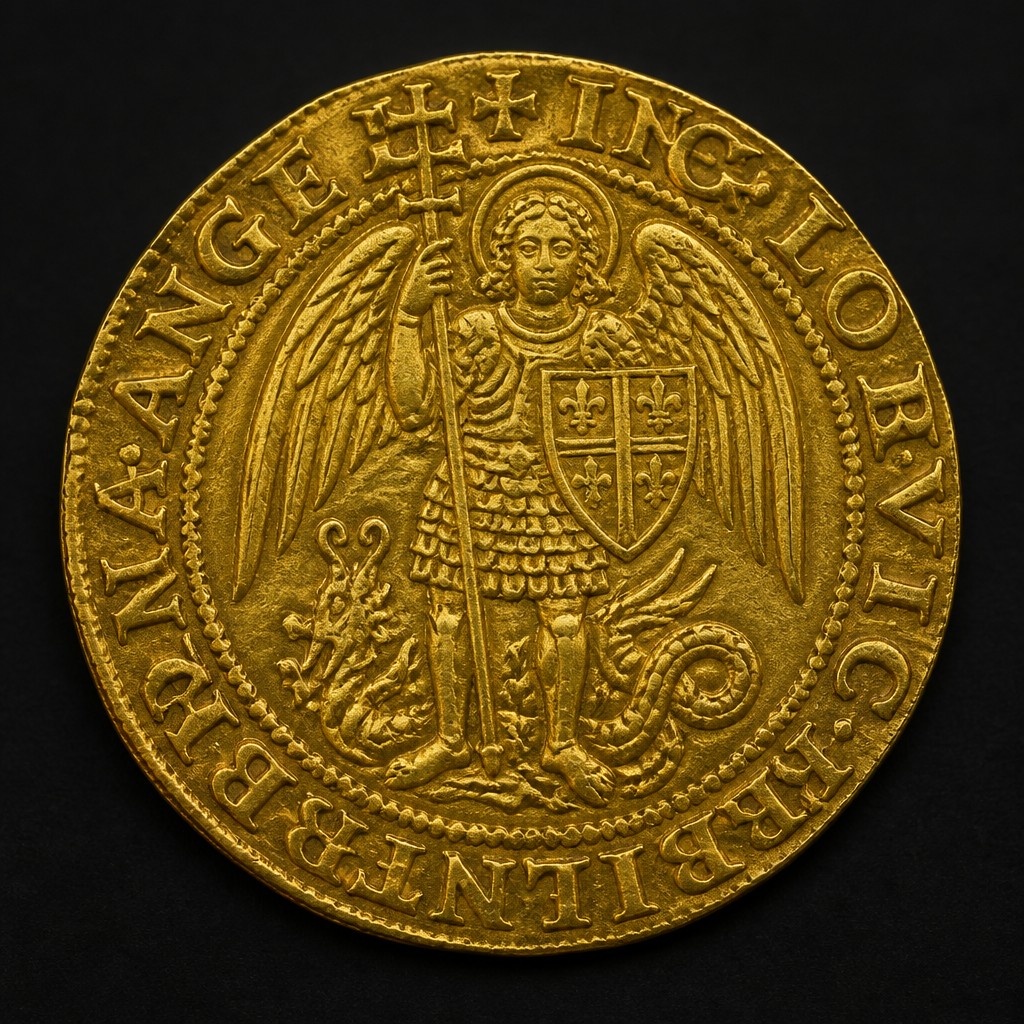
English Angel
1465–1642
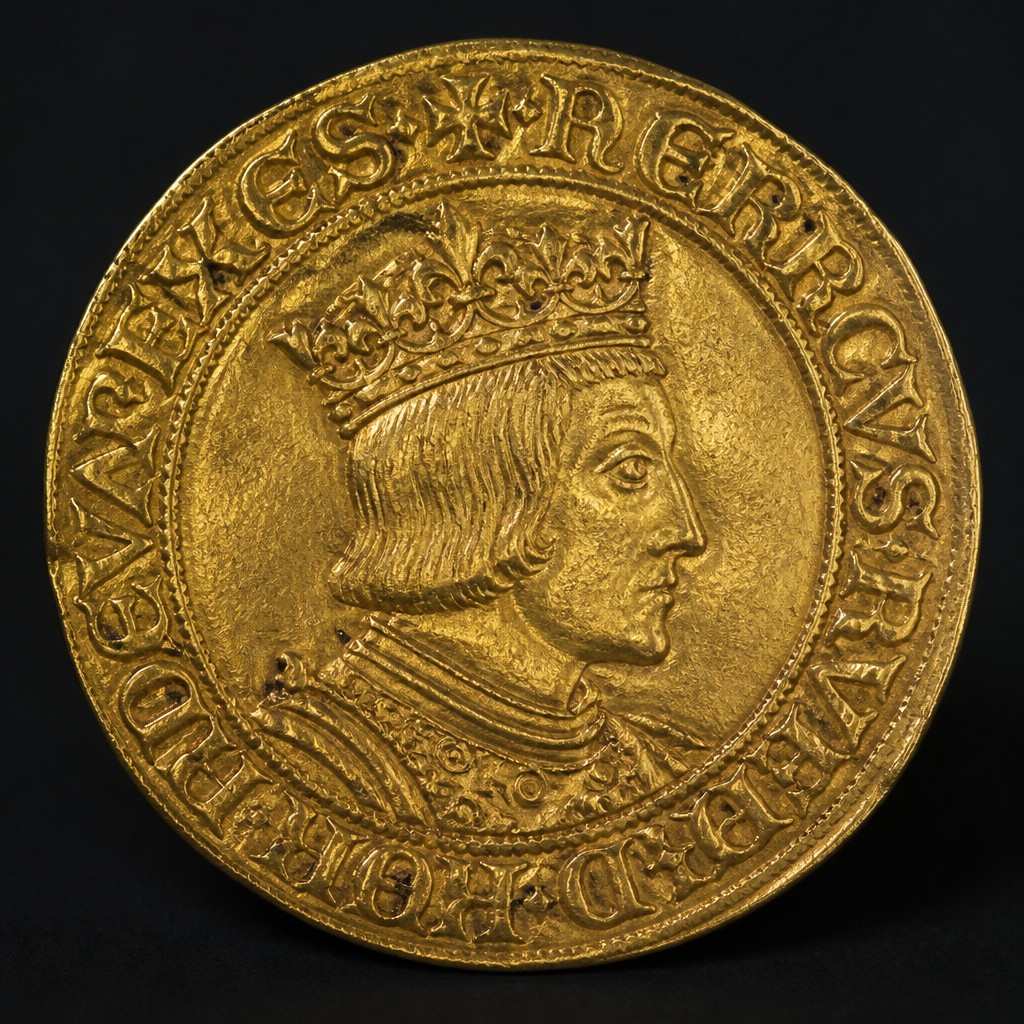
English Sovereign of Henry VII
1489–1509
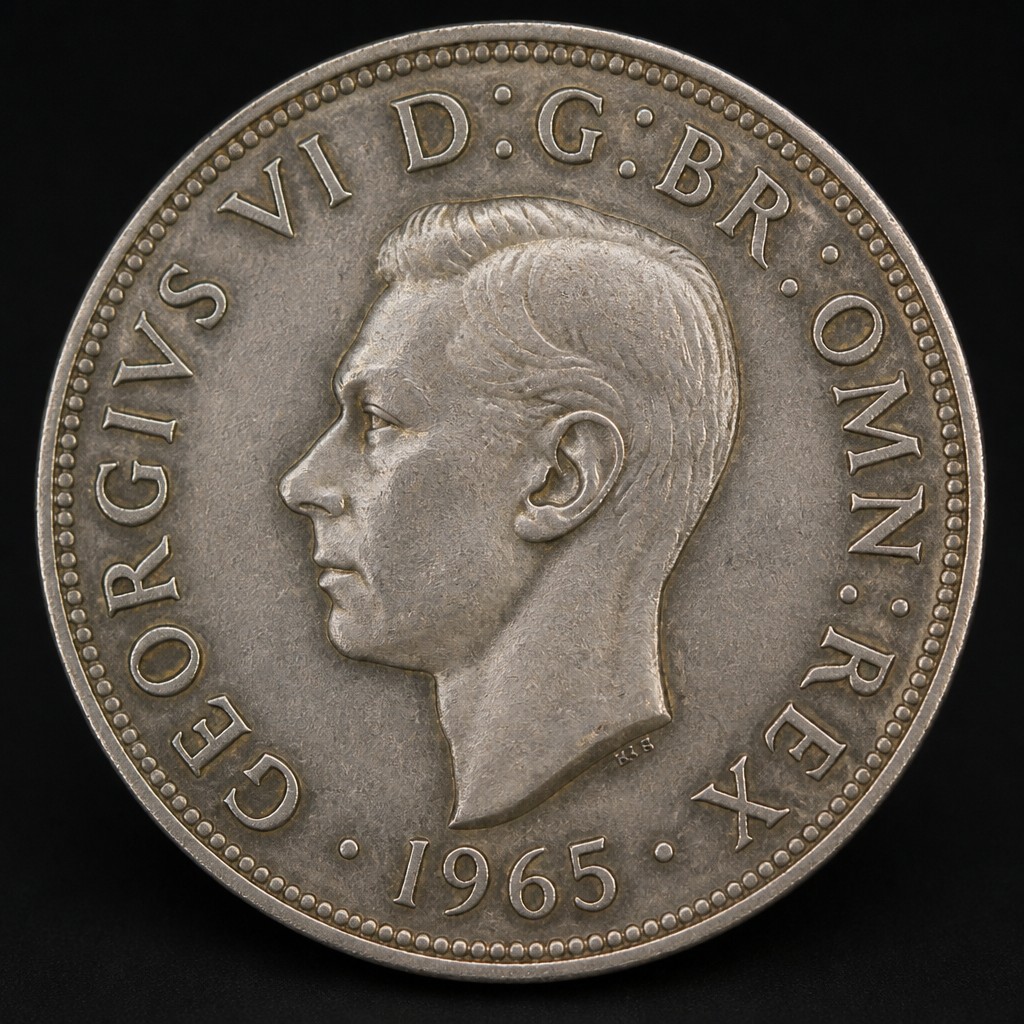
English Crown
1526–1965 (pre-decimal; commemorative crown-sized coins continue as five pound coins)
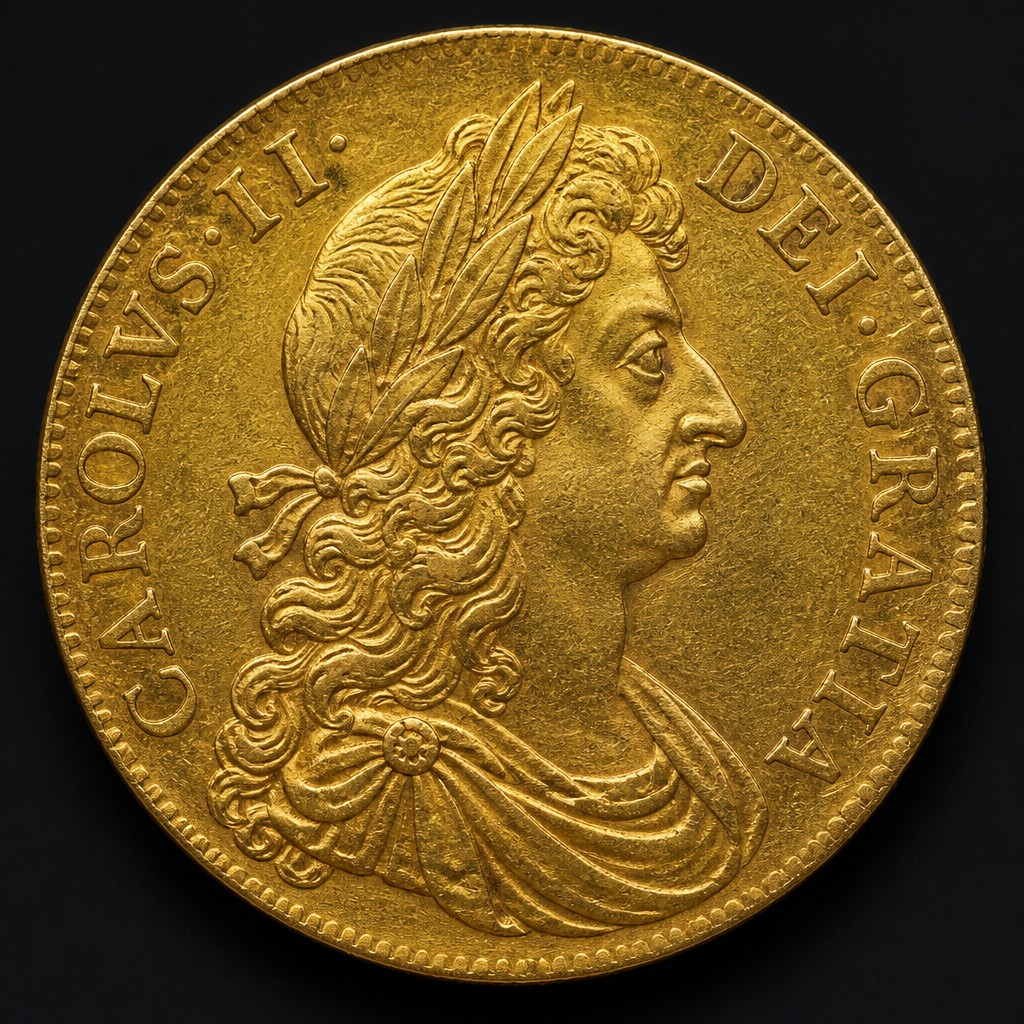
British Gold Guinea
1663–1814
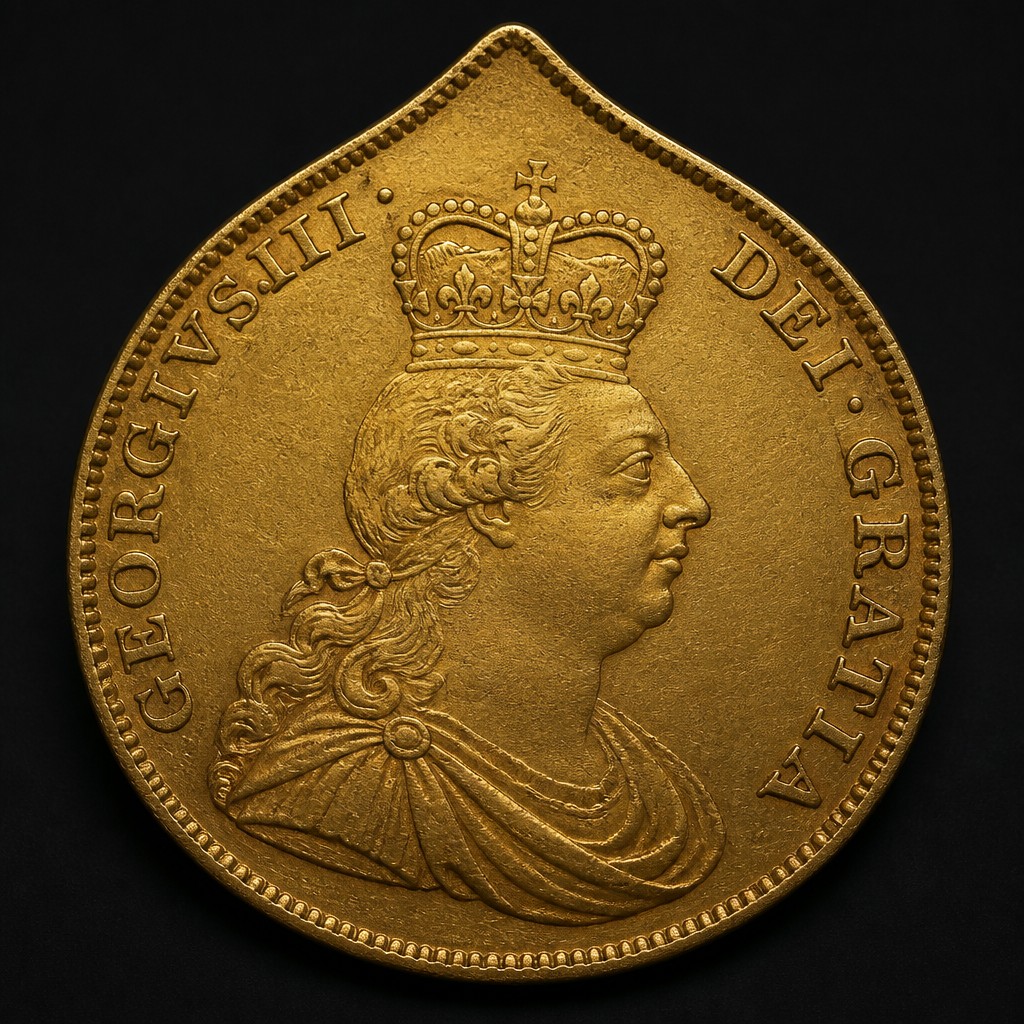
Spade Guinea
1787–1799
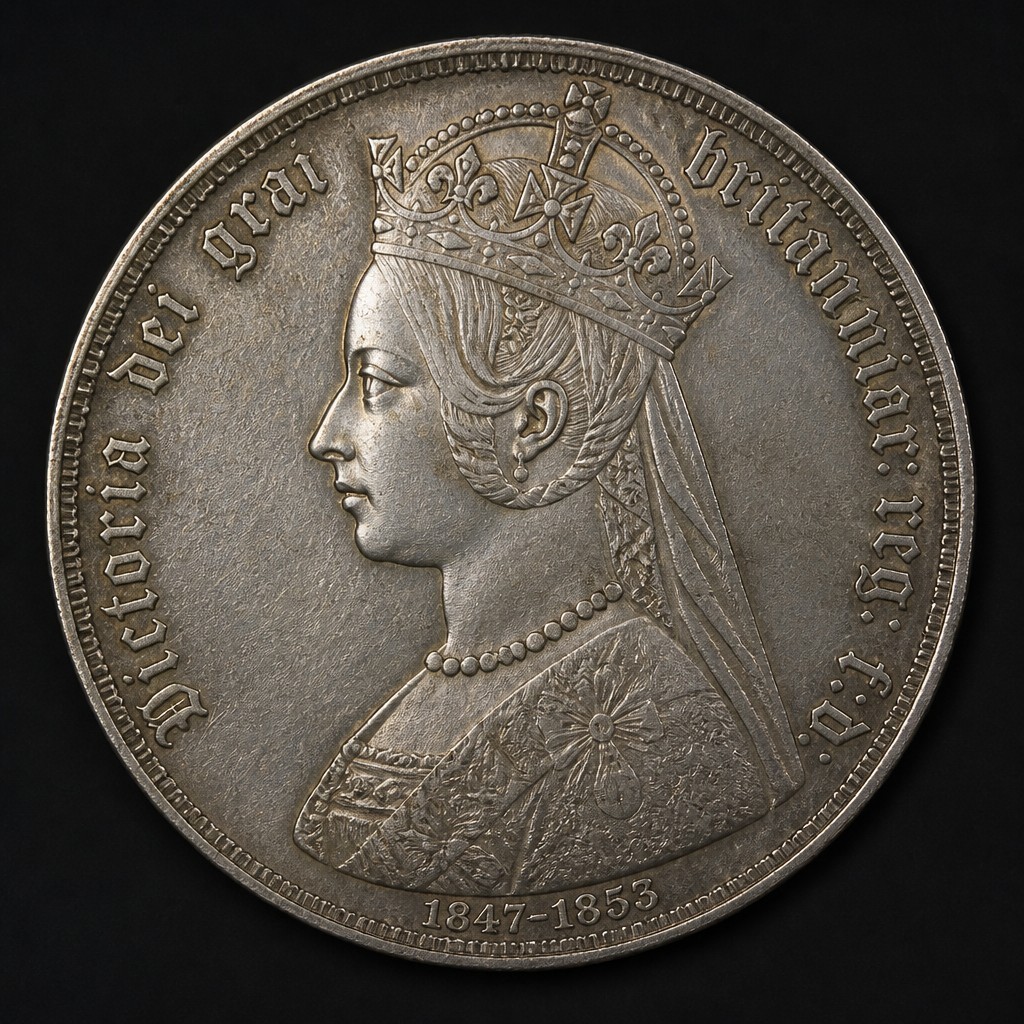
Gothic Crown
1847–1853
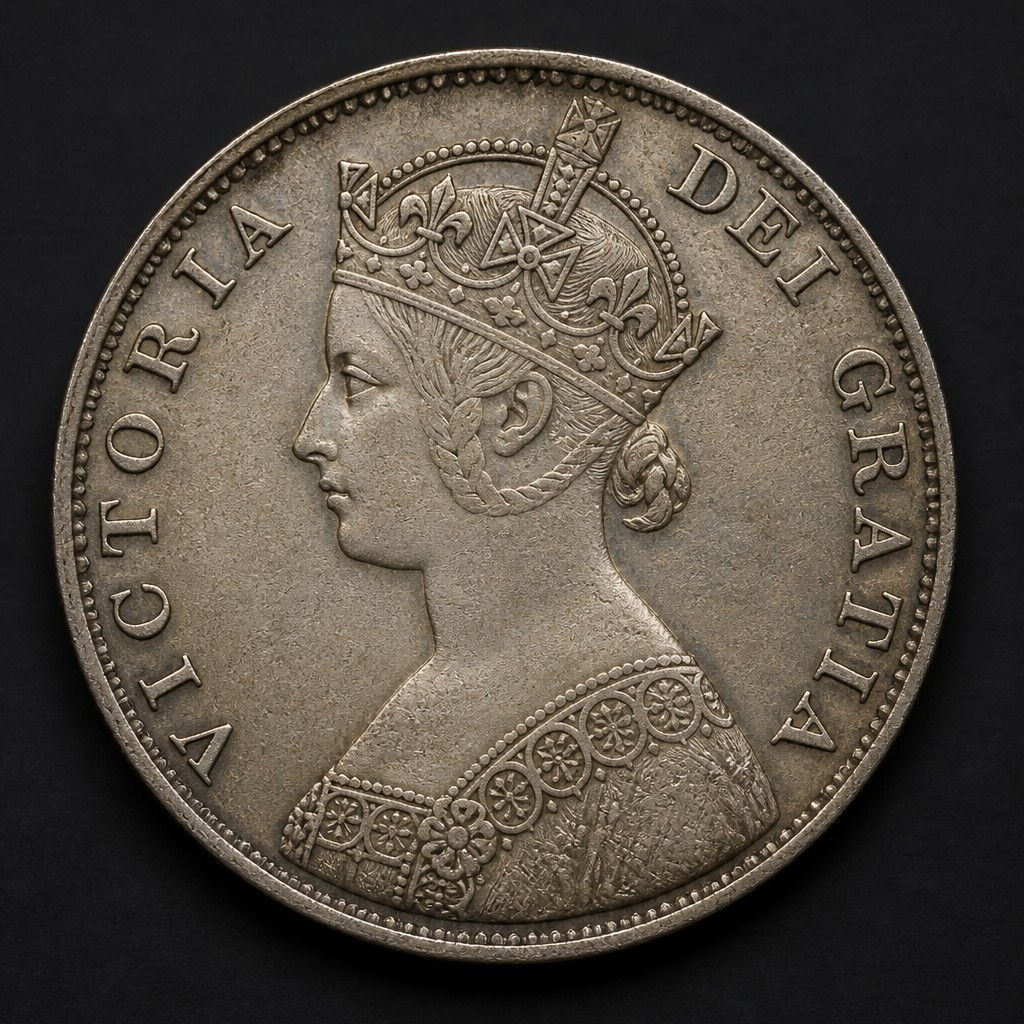
Groat (Fourpence)
1279–1888 (various revivals)
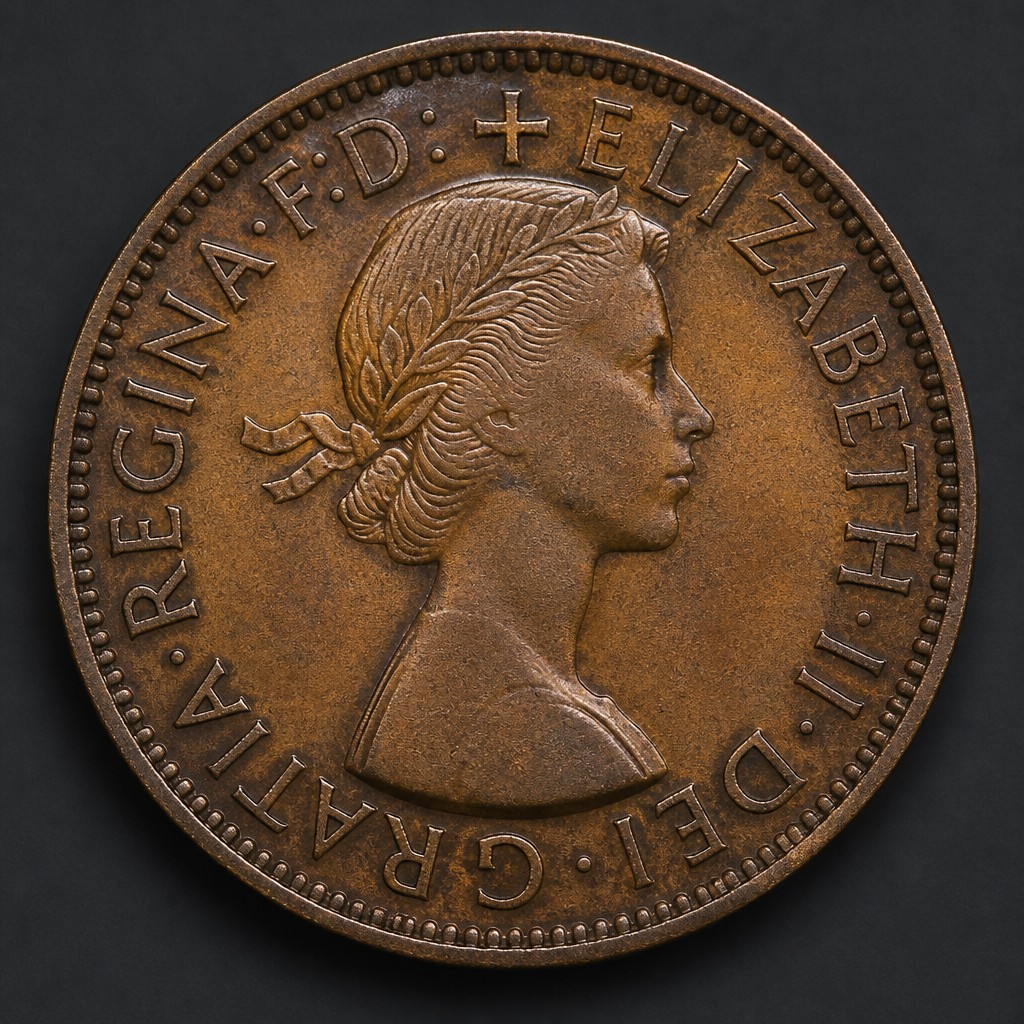
Farthing
13th century–1956
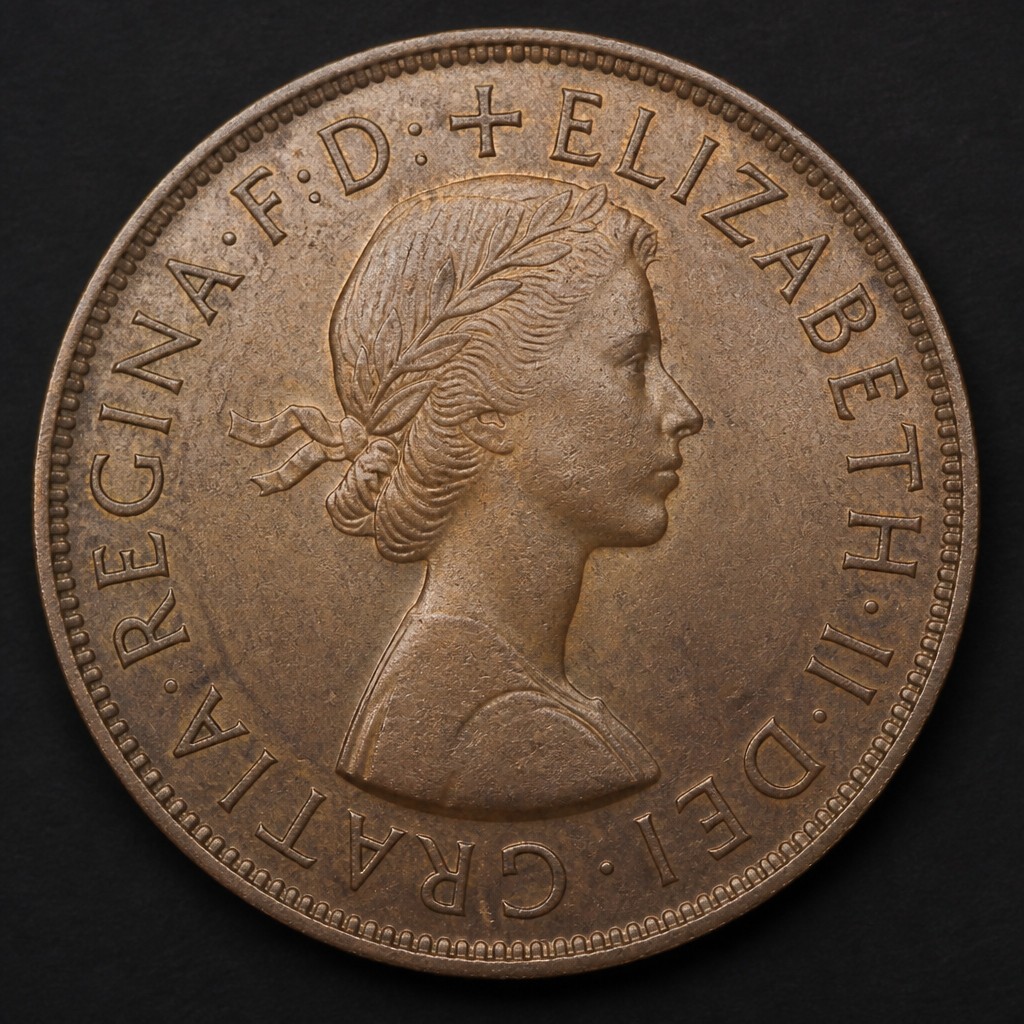
Halfpenny
c. 800s–1969
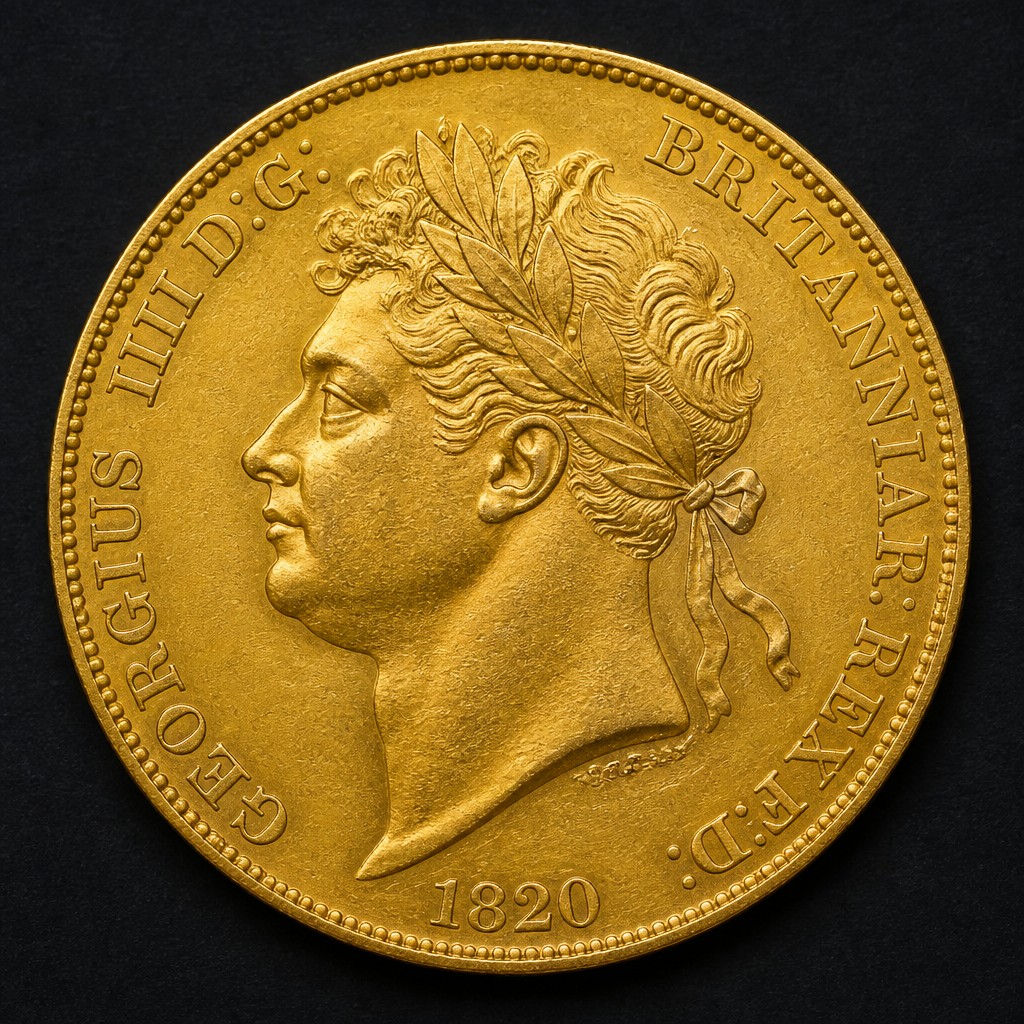
Five Pound Gold (Quintuple Sovereign)
1820–present (intermittent)
Threepence
1547–1970