
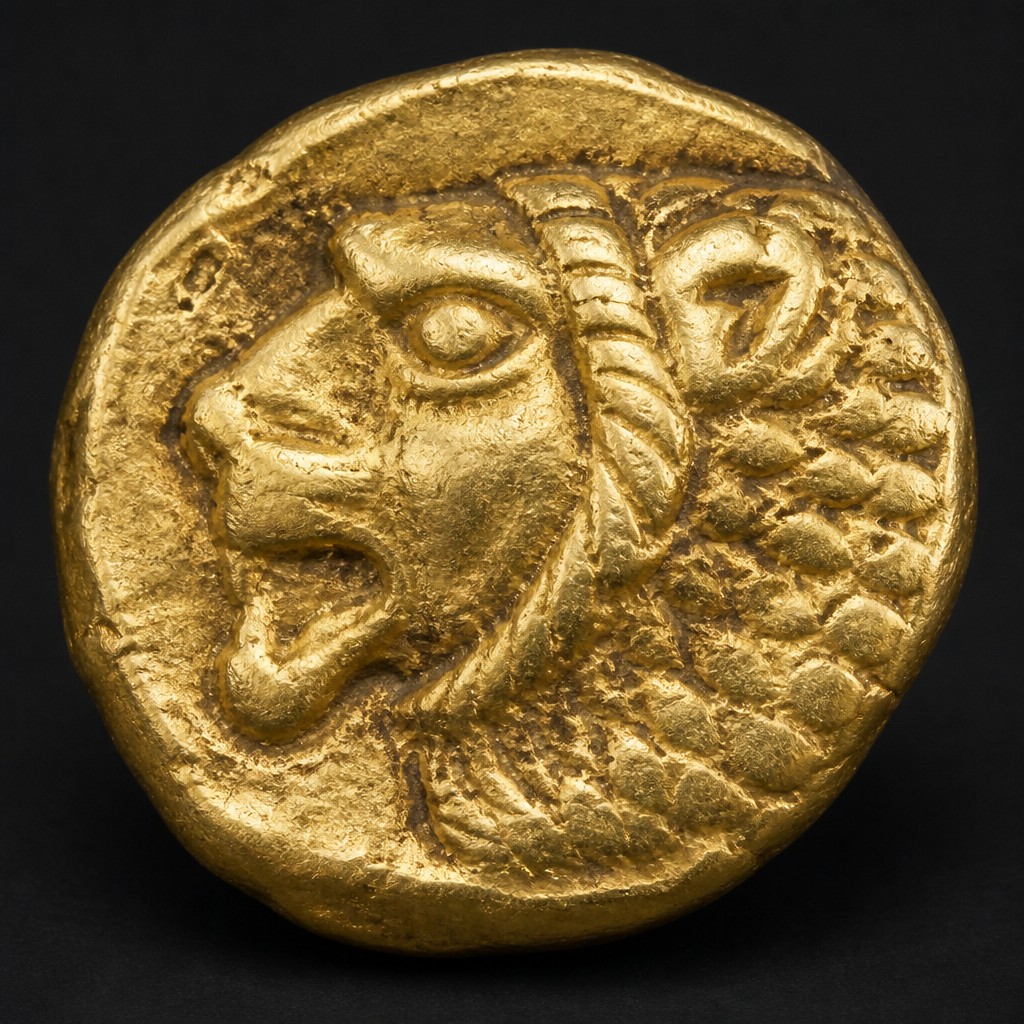
Kroisos (Croeseid) Gold Stater of Lydia
A pure gold stater struck under King Croesus of Lydia, part of history's first coinage issued in separate fixed-purity gold and silver denominations.
- Country
- Kingdom of Lydia
- Denomination
- Stater
- Metal
- Gold (.980 approx.)
Got a coin like this?
Identify any coin from a photo, free.
Overview
The Croeseid gold stater, issued under the legendarily wealthy King Croesus of Lydia, marks a pivotal moment in the history of money. Rather than continuing the earlier electrum coinage of variable and uncertain gold content, Croesus's reform introduced separate coins struck in refined gold and refined silver, each of guaranteed purity and weight, an innovation that greatly increased confidence in coined money as a medium of exchange.
For collectors, the Croeseid stater carries enormous historical weight as one of the direct ancestors of virtually all subsequent gold coinage, and its striking lion-and-bull design is instantly recognizable among ancient coin types.
History & Background
Croesus ruled the Kingdom of Lydia in western Asia Minor from around 560 to 546 BC and became proverbial for his immense wealth, giving rise to the enduring English phrase "rich as Croesus." Building on the earlier electrum coinage pioneered by his Lydian predecessors, Croesus is credited with reforming the system by separating the metal into distinct pure gold and pure silver issues of standardized weight, addressing the inconsistent natural composition of electrum.
This reform is considered one of the most significant developments in the early history of coinage, since it allowed merchants and states to trust the value of a coin based on its stamped denomination rather than needing to test its metal content individually. Lydia's coinage circulated widely in Asia Minor and influenced neighboring cultures.
Croesus's kingdom fell to the Persian king Cyrus the Great in 546 BC following the conquest of the Lydian capital, Sardis, after which Persian rulers adapted and continued similar coinage traditions, eventually developing their own gold and silver denominations, the daric and the siglos, drawing directly on Lydian precedent.
How to Identify
The obverse depicts the confronted foreparts of a lion and a bull facing each other, with the lion often shown with a sunburst-like knob on its forehead, a motif carried over from earlier Lydian electrum coinage. The reverse shows two, and sometimes unequal-sized, incuse square punch marks, reflecting the coin's origins in an earlier, simpler minting technology.
The coin is struck in notably pure gold for the era, with weight standards distinguishing the full stater from smaller fractional denominations that were also issued alongside it. Because genuine Croeseid staters are historically important and valuable, and their basic lion-and-bull design was influential on later regional issues, careful attention to weight, metal purity, and die style is important when evaluating authenticity, ideally with input from an ancient coin specialist.
Value & Collectibility
Genuine Croeseid gold staters are rare and highly prized by collectors of ancient coinage, given their foundational role in monetary history, with well-preserved examples often commanding prices from the low thousands of dollars into much higher figures depending on condition, weight standard, and provenance. Fractional gold and silver Croeseid denominations are somewhat more available and generally more affordable than full staters.
Because of the type's fame and historical significance, both authentic ancient pieces and later imitations or fakes circulate in the market, so buyers typically place strong weight on provenance, metal testing, and expert authentication before purchase.
Frequently asked questions
Why is King Croesus famous?
Croesus ruled Lydia and became legendary for his vast wealth, giving rise to the phrase 'rich as Croesus,' and he is credited with a major reform of early coinage.
What made Croesus's coinage reform significant?
He separated coinage into distinct pure gold and pure silver denominations of fixed weight, replacing the earlier variable-composition electrum coins used in Lydia.
What does the coin depict?
The obverse shows the confronted foreparts of a lion and a bull, while the reverse has plain incuse square punch marks rather than a pictorial design.
What happened to Lydia's coinage after Croesus?
After Persia conquered Lydia in 546 BC, the Persians adapted similar gold and silver coinage traditions, eventually developing their own daric and siglos denominations.
Are Croeseid staters rare today?
Yes, genuine examples are considered rare and historically important, and they typically command significant prices reflecting their foundational role in the history of coinage.
Other coins you may enjoy
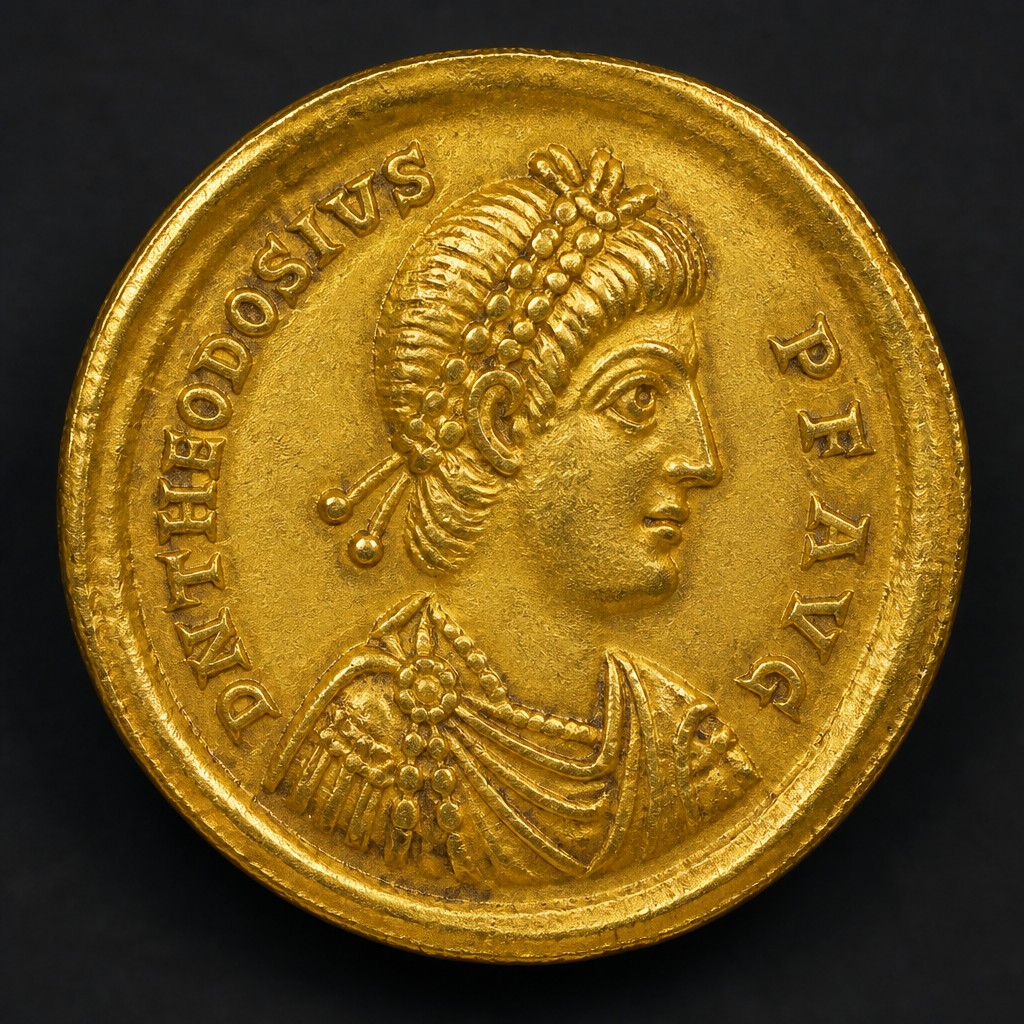
Theodosius I Solidus
379–395 AD
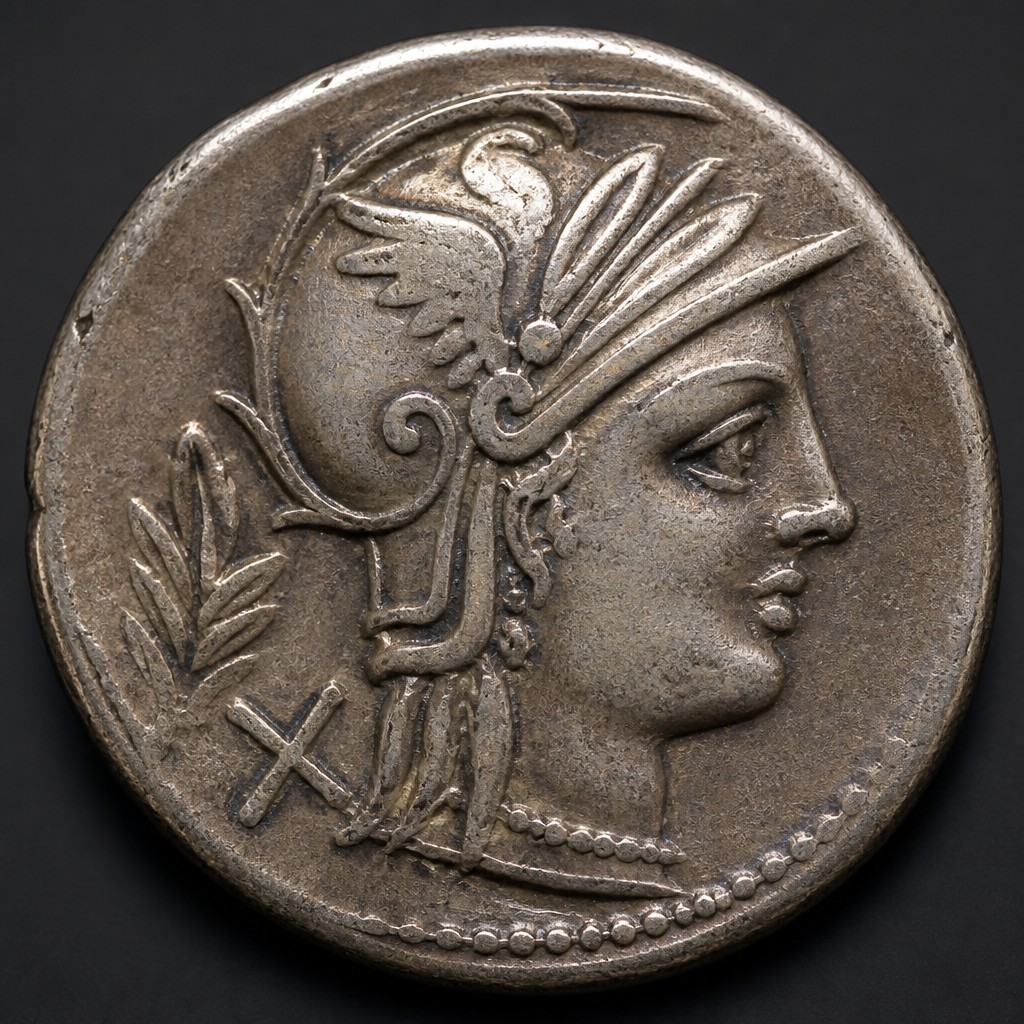
Republican Victoriatus
c. 211–170 BC
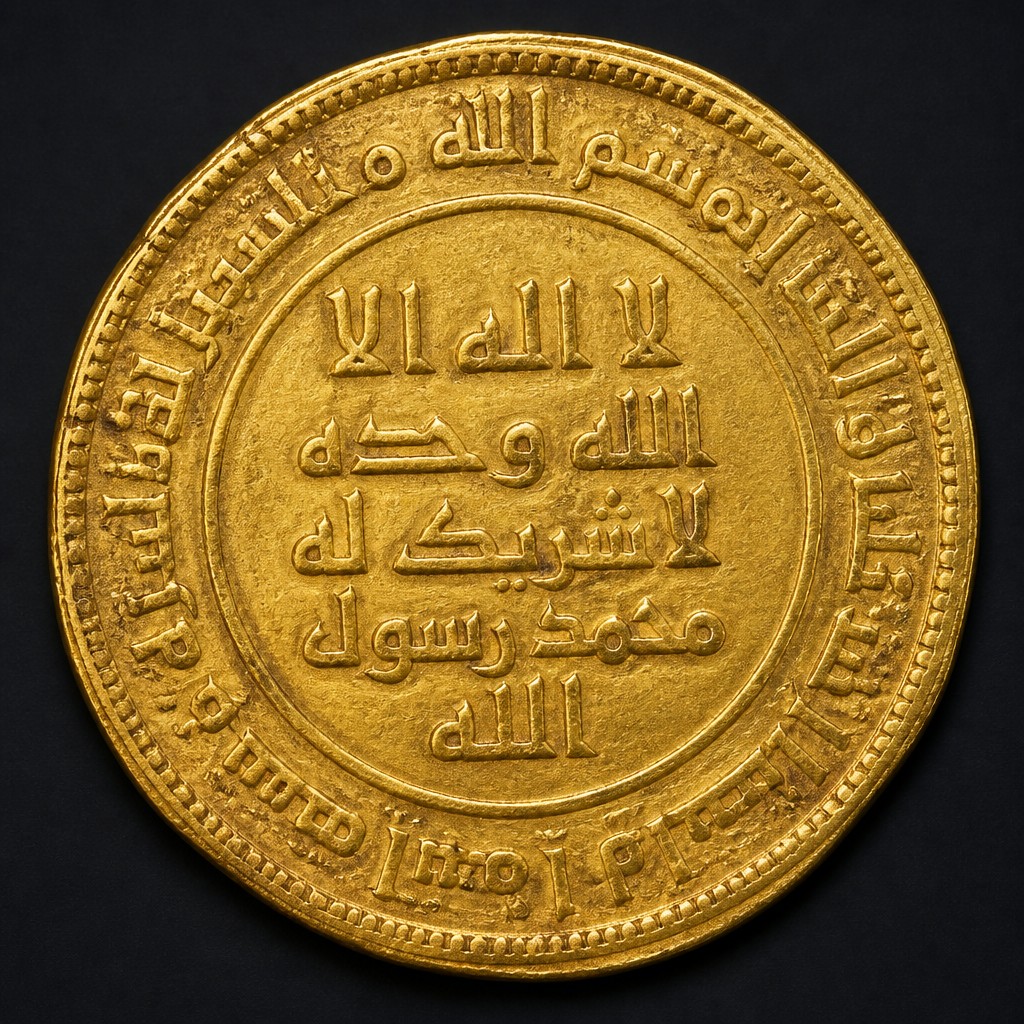
Islamic Gold Dinar (Umayyad)
c. 696–750 AD
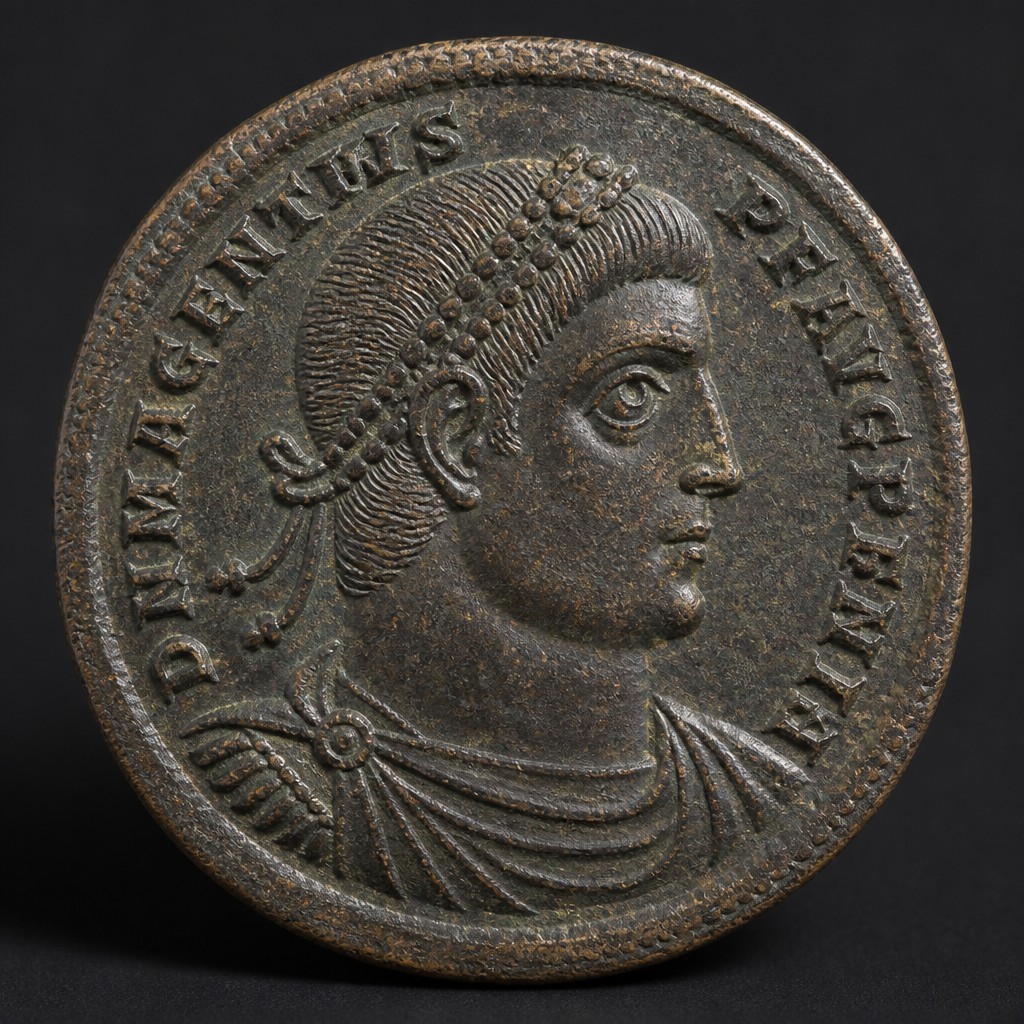
Magnentius Double Centenionalis
350–353 AD
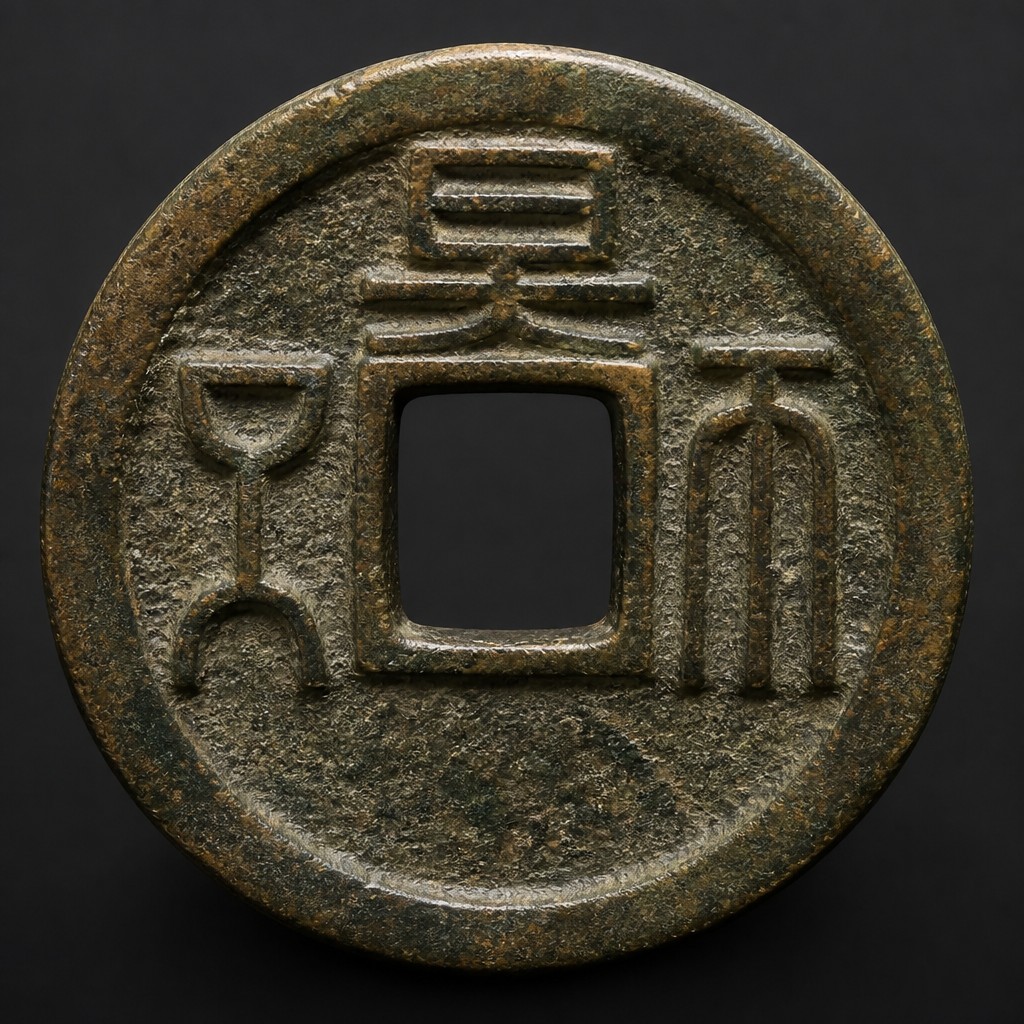
Chinese Wu Zhu Cash
118 BC – 618 AD
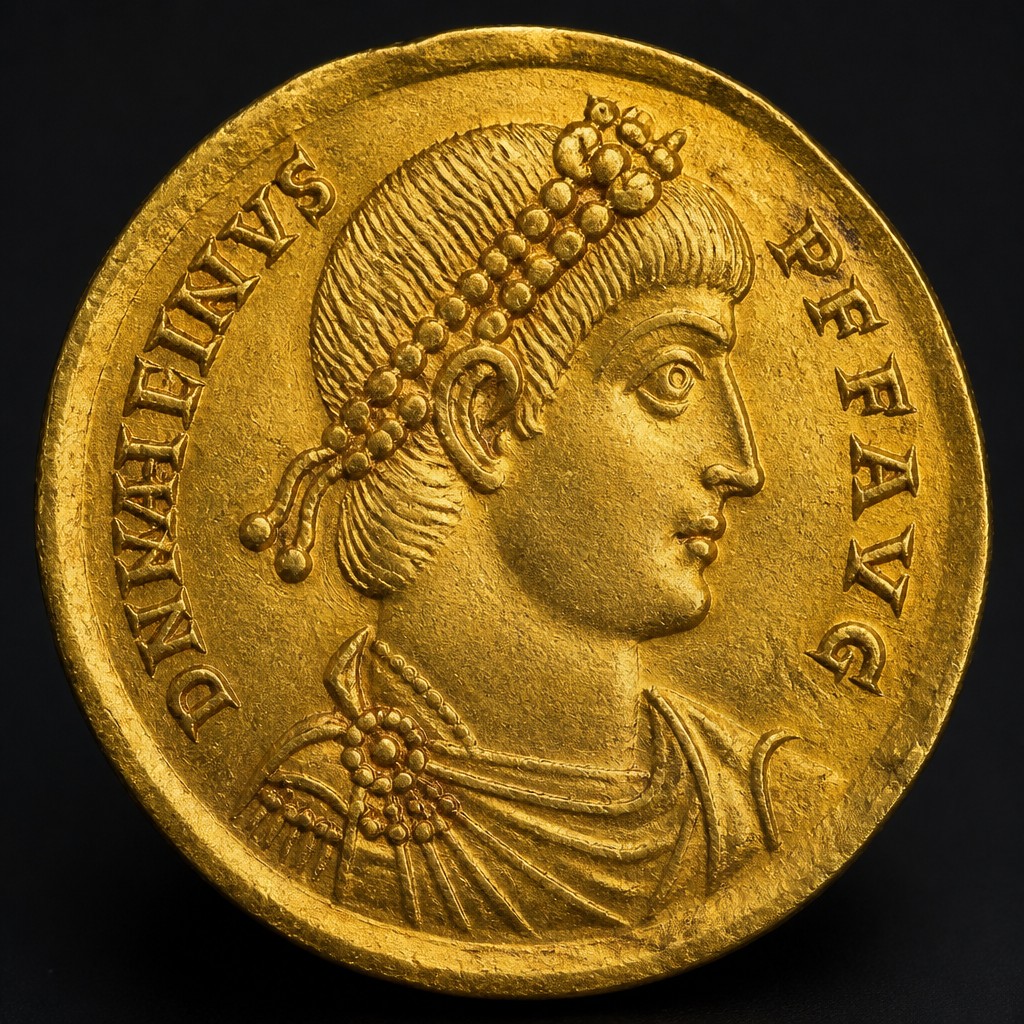
Valentinian I Solidus
364–375 AD
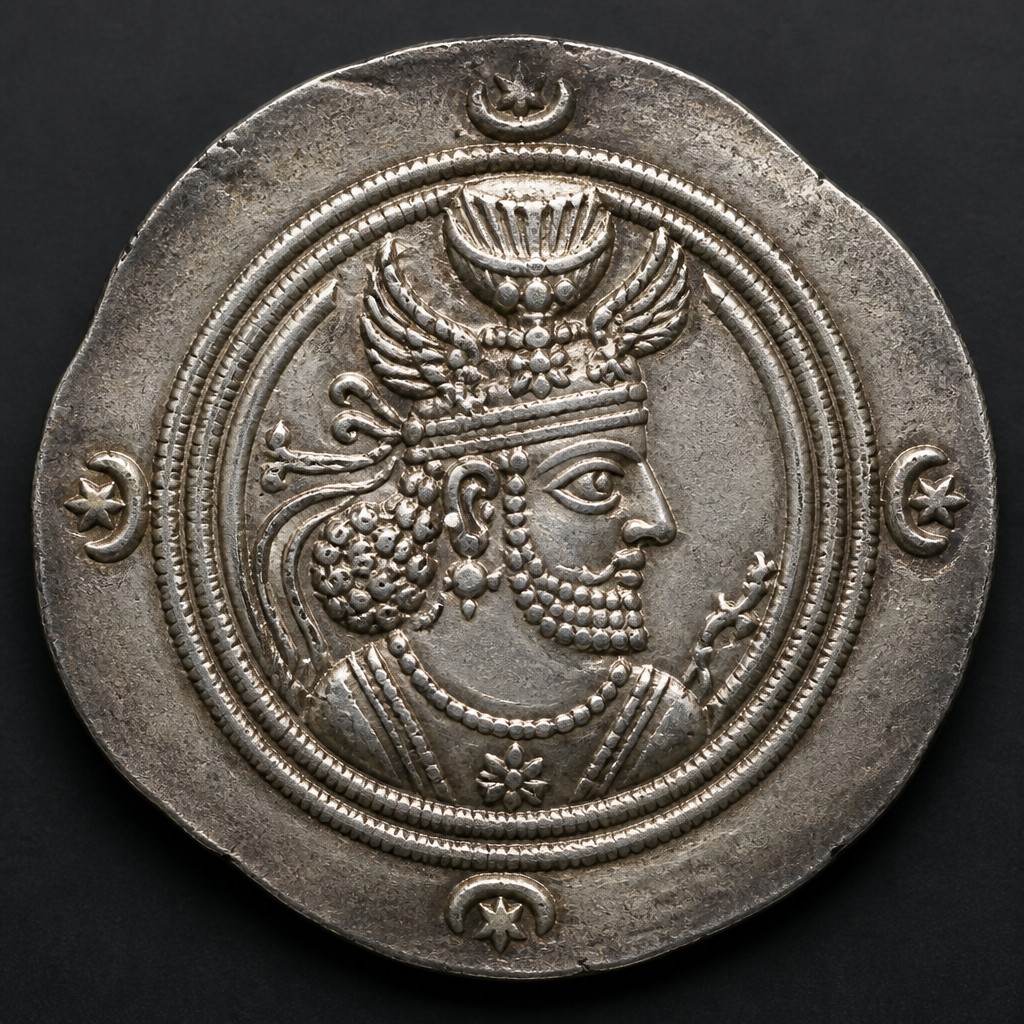
Sassanian Silver Drachm
c. 224–651 AD
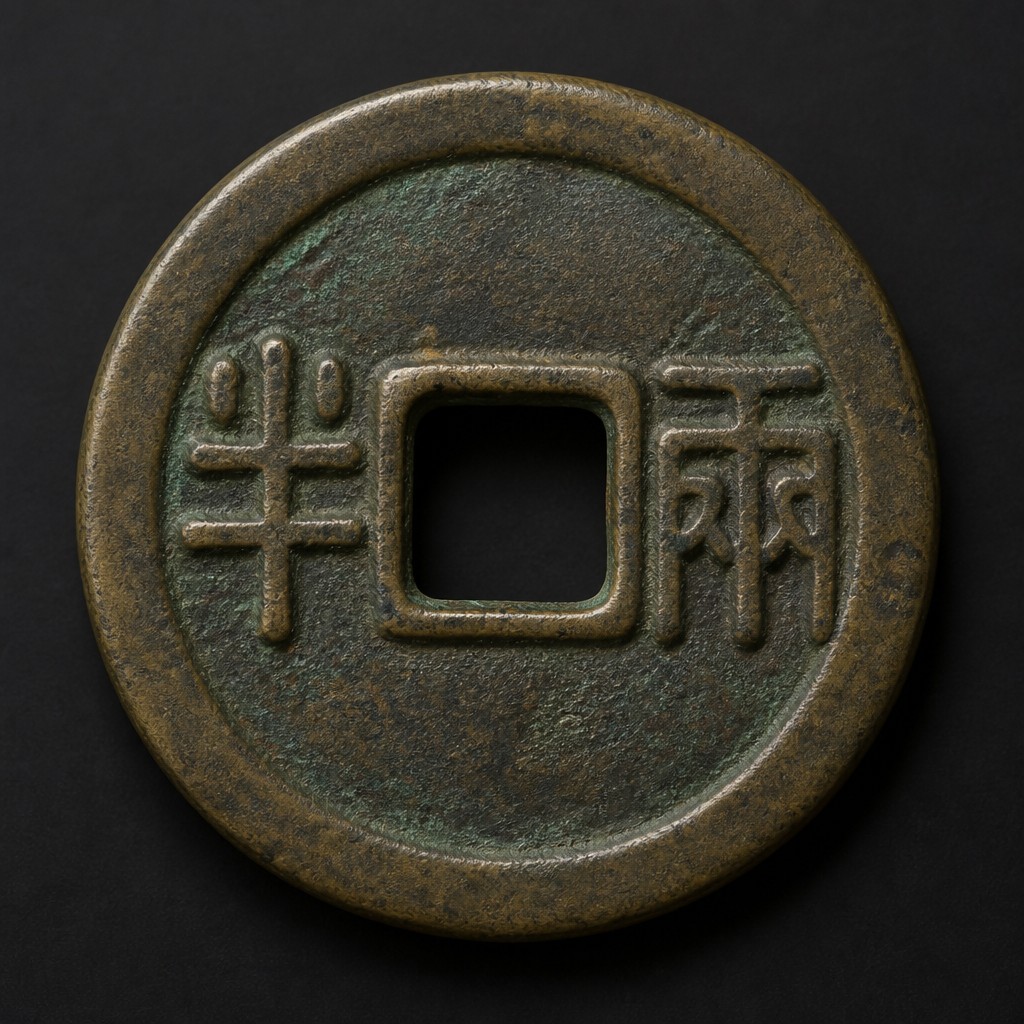
Chinese Ban Liang Cash
c. 221–118 BC
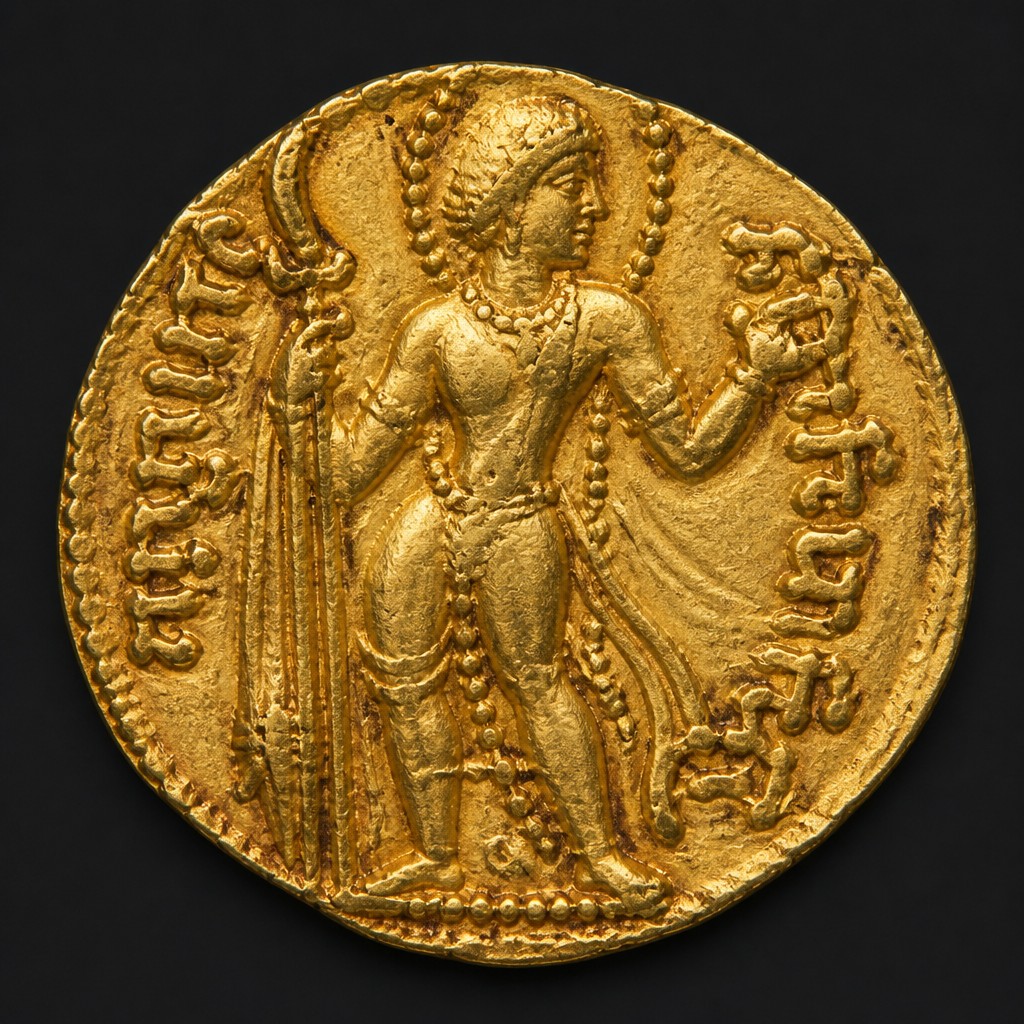
Gupta Empire Gold Dinar
c. 320–550 AD
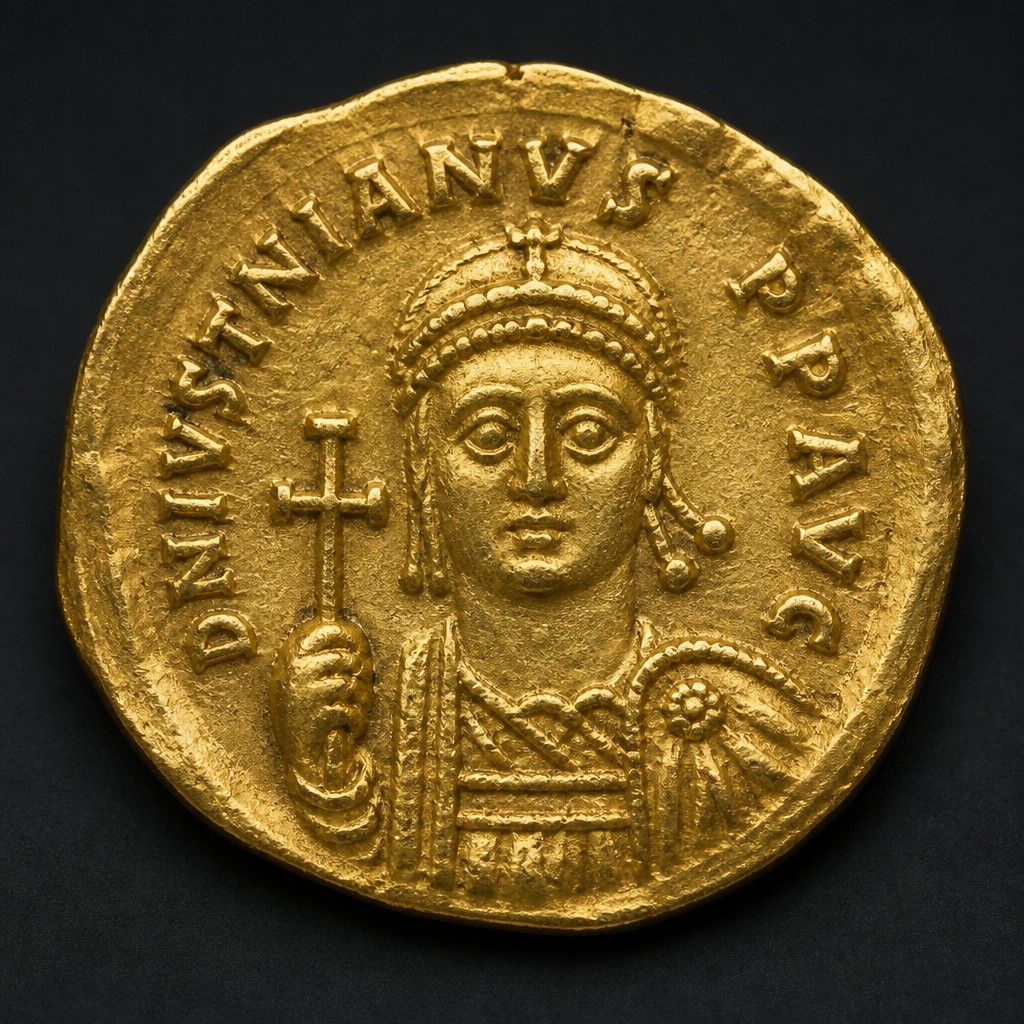
Byzantine Gold Tremissis
c. 4th–7th century AD
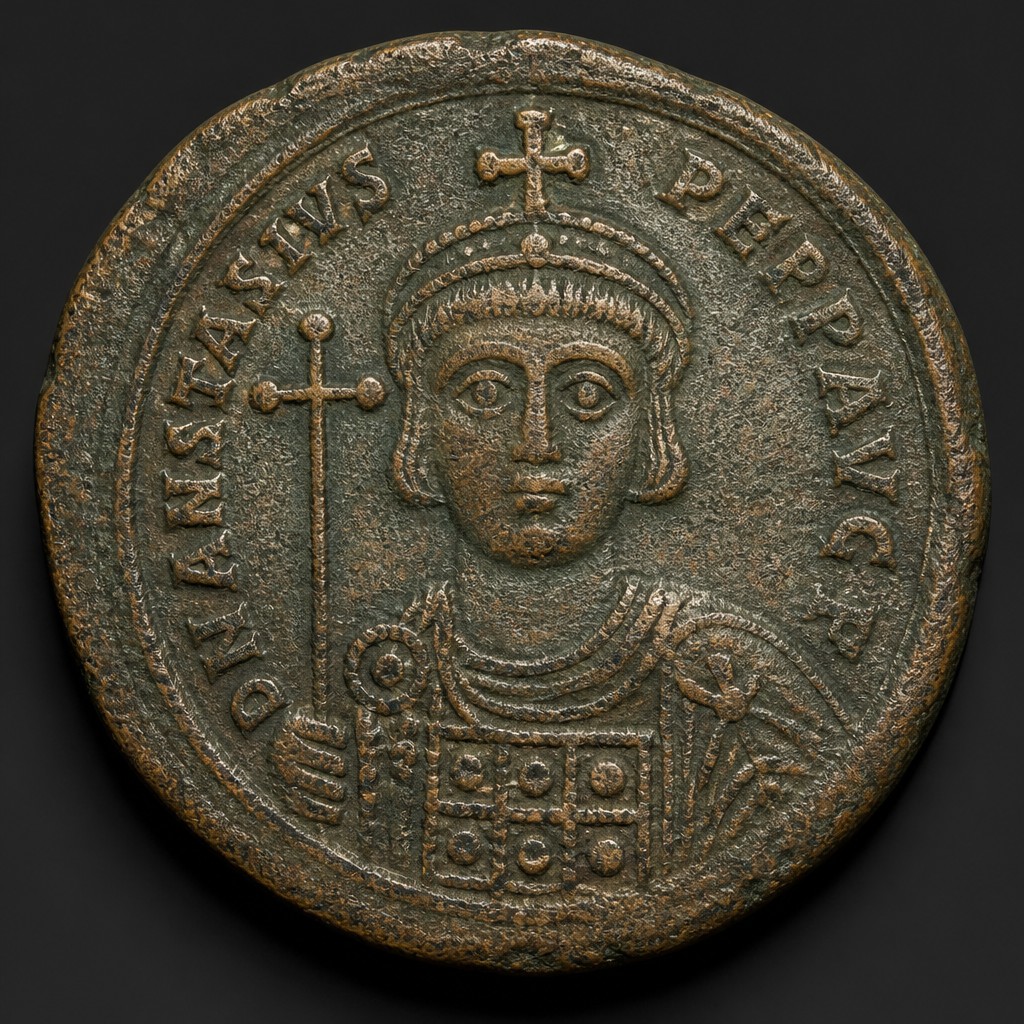
Byzantine Follis
498–c. 11th century AD
Celtic Gold Stater
c. 3rd century BC – 1st century AD