
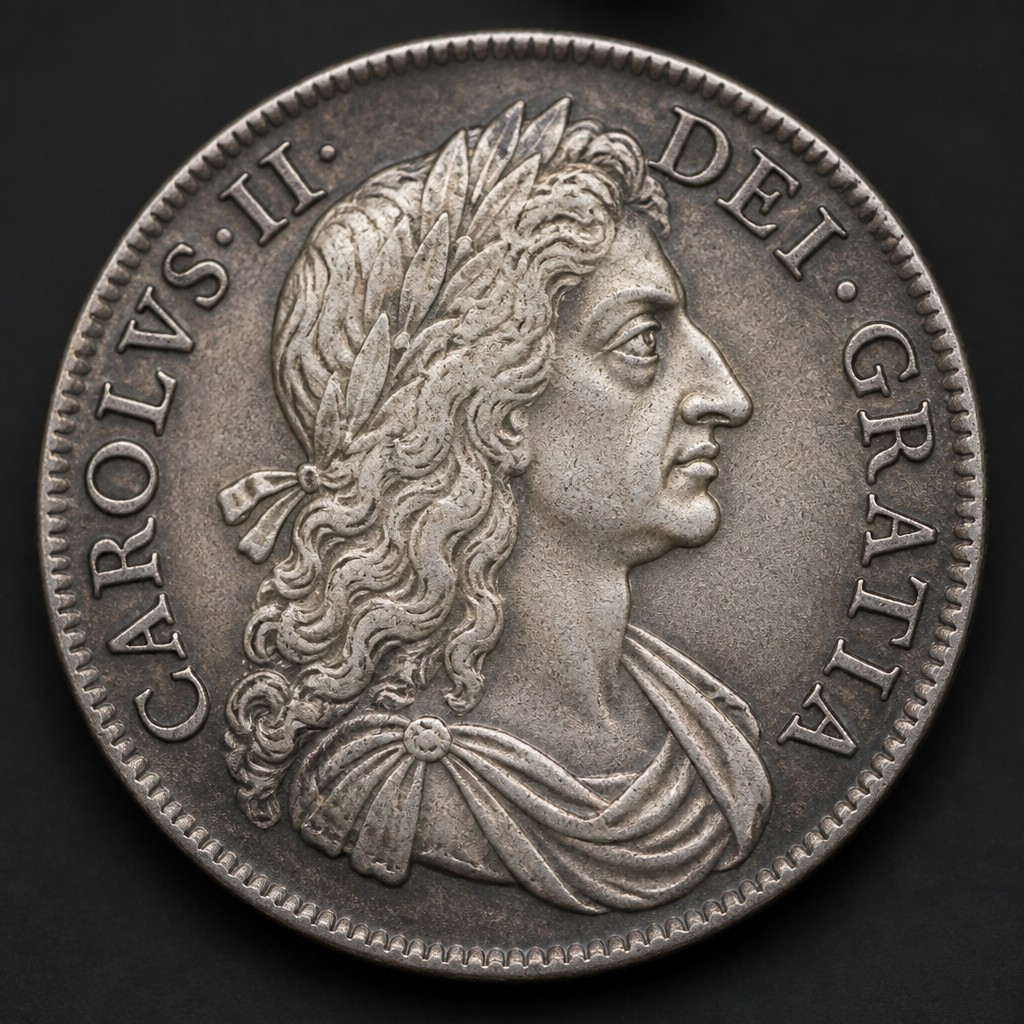
Maundy Money Set
A set of tiny sterling silver coins in four denominations, specially struck each year for the monarch to distribute personally to elderly recipients in the Royal Maundy ceremony on Maundy Thursday.
- Country
- United Kingdom
- Denomination
- One Penny, Two Pence, Three Pence, Four Pence (set of four)
- Metal
- Sterling Silver (.925)
Got a coin like this?
Identify any coin from a photo, free.
Overview
The Maundy money set consists of four small silver coins - the penny, twopence, threepence, and fourpence - struck each year specifically for the Royal Maundy service, a centuries-old ceremony held on the Thursday before Easter. Unlike ordinary coinage, Maundy money has never been intended for general circulation; it is presented directly by the sovereign to as many elderly men and women as the monarch's age in years, as a symbol of royal charity and humility.
Because mintages are small and the coins are handed out individually in specially prepared purses rather than released into commerce, Maundy sets are genuinely scarce relative to regular coinage of the same era, and complete dated sets in original condition are keenly sought by British coin collectors.
The series also offers an unusual collecting angle: because the four denominations share a design each year but differ only in size and numeral, a complete Maundy set from a single year makes an attractive, compact display piece.
History & Background
The custom of a monarch washing the feet of the poor and giving alms on Maundy Thursday dates back to medieval England, with royal participation recorded from at least the reign of Edward I. Over time the alms evolved into the giving of specially made money, and by the reign of Charles II in the 1660s and 1670s the set of four small silver denominations - 1d, 2d, 3d, and 4d - had become standardized in something close to its modern form.
For centuries the coins were largely identical in design to circulating 'small silver,' but from the nineteenth century onward Maundy coins retained an older, more traditional portrait and design style even as ordinary coinage was updated, reinforcing their special ceremonial status.
Today the reigning monarch (or a designated royal representative) still distributes Maundy money in a cathedral or abbey each year, continuing an unbroken tradition of royal charity that predates most other surviving British coin series.
How to Identify
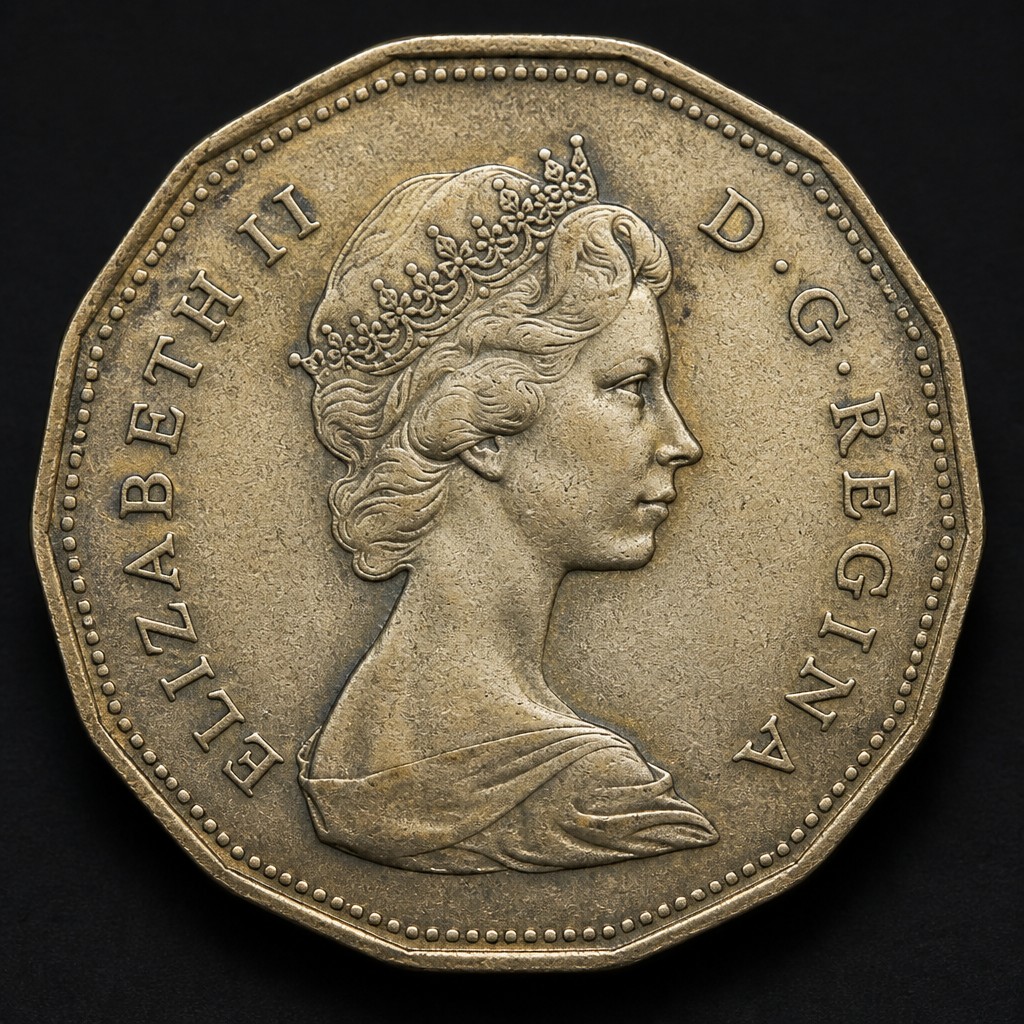
Each coin in the set carries the monarch's portrait on the obverse, generally rendered in a plainer, more traditional style than contemporary circulating coinage of the same reign. The reverse of each denomination simply shows a crowned numeral - 1, 2, 3, or 4 - indicating its value in pence, without elaborate pictorial designs.
The coins are noticeably small and thin, ranging from about 11 to 18 millimeters depending on denomination, and are struck in sterling silver. A genuine dated set will show consistent wear (or lack thereof) across all four pieces, since they were issued and typically kept together; individual pieces sold separately are common since many recipients broke up their sets over time.
Value & Collectibility
Values vary considerably by monarch, date, and completeness. Complete four-coin sets in choice uncirculated condition, especially from more modern reigns with documented low distribution, typically command a solid premium over their silver content, often ranging from roughly one hundred to several hundred dollars for common recent dates, while earlier or scarcer Maundy sets from the eighteenth and nineteenth centuries can reach into the thousands of dollars.
Condition is especially important since Maundy coins were handled as ceremonial gifts and often kept carefully, so well-preserved original sets are valued far above worn or dispersed individual coins. Sets that retain their original presentation case or purse can add further collector appeal.
Frequently asked questions
Can Maundy money be spent as ordinary currency?
Technically it remains legal tender at face value, but its silver and collector value is far higher, so it is never spent in commerce.
How many coins make up a full Maundy set?
Four coins: the penny, twopence, threepence, and fourpence, each showing a crowned numeral on the reverse.
Who receives Maundy money?
Elderly recipients selected for community service, with the number of recipients each year matching the monarch's age.
Why are Maundy coins scarce compared to regular coinage?
They are struck in small numbers solely for the annual ceremony and handed out individually rather than released into general circulation.
Other coins you may enjoy
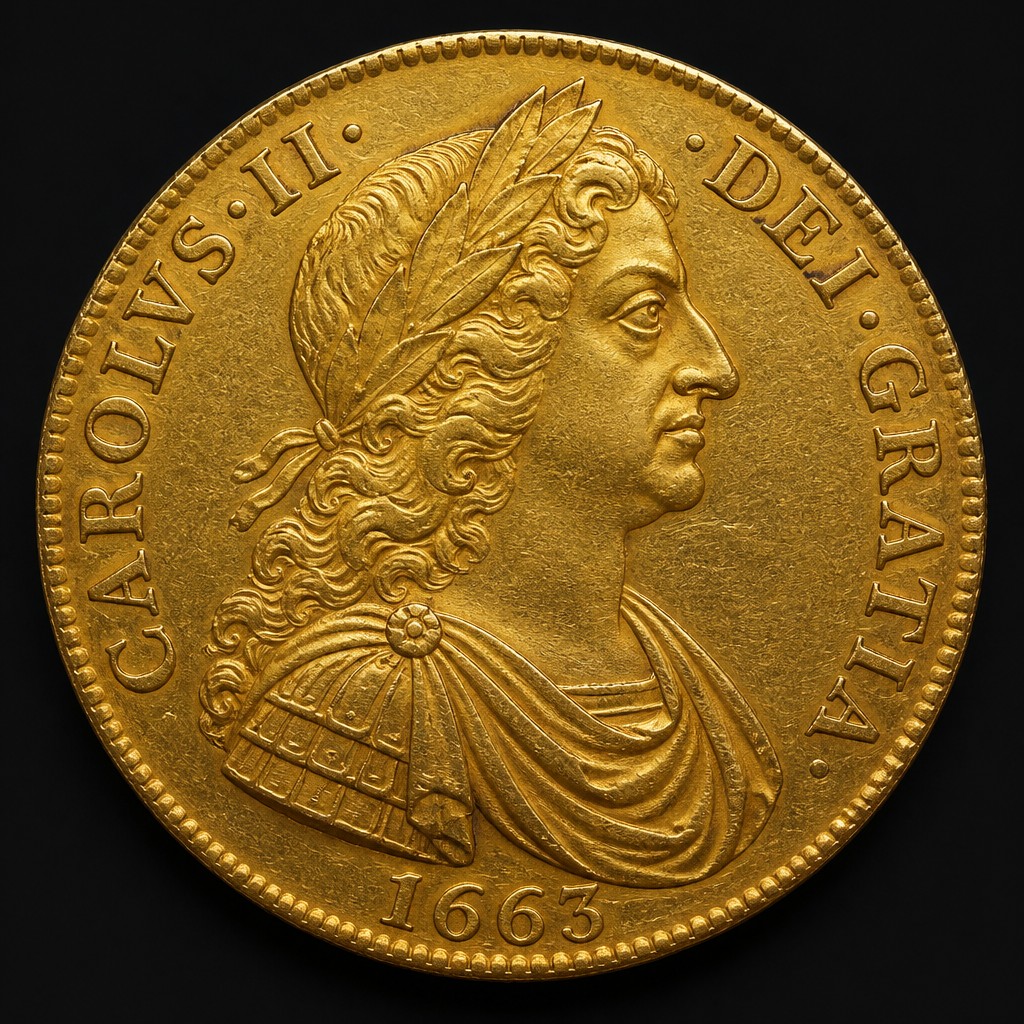
British Guinea
1663–1814
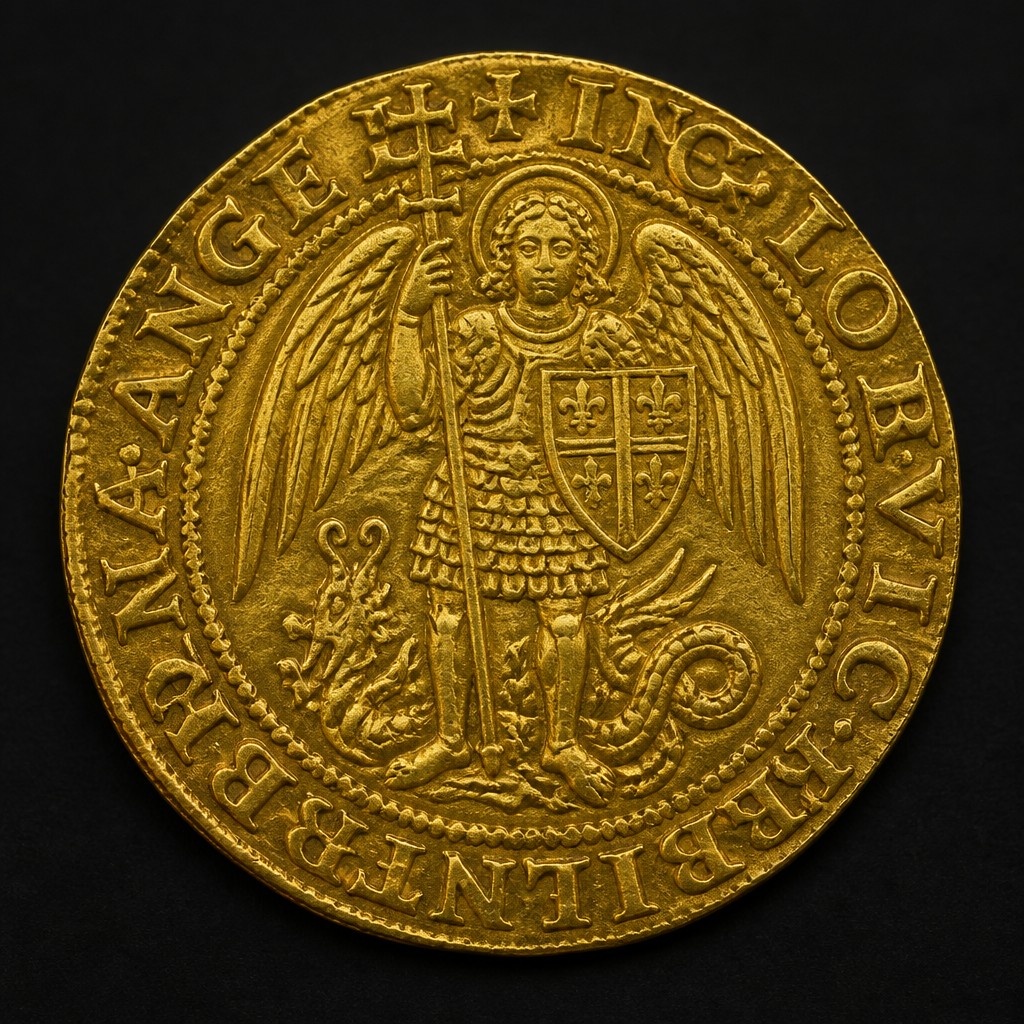
English Angel
1465–1642
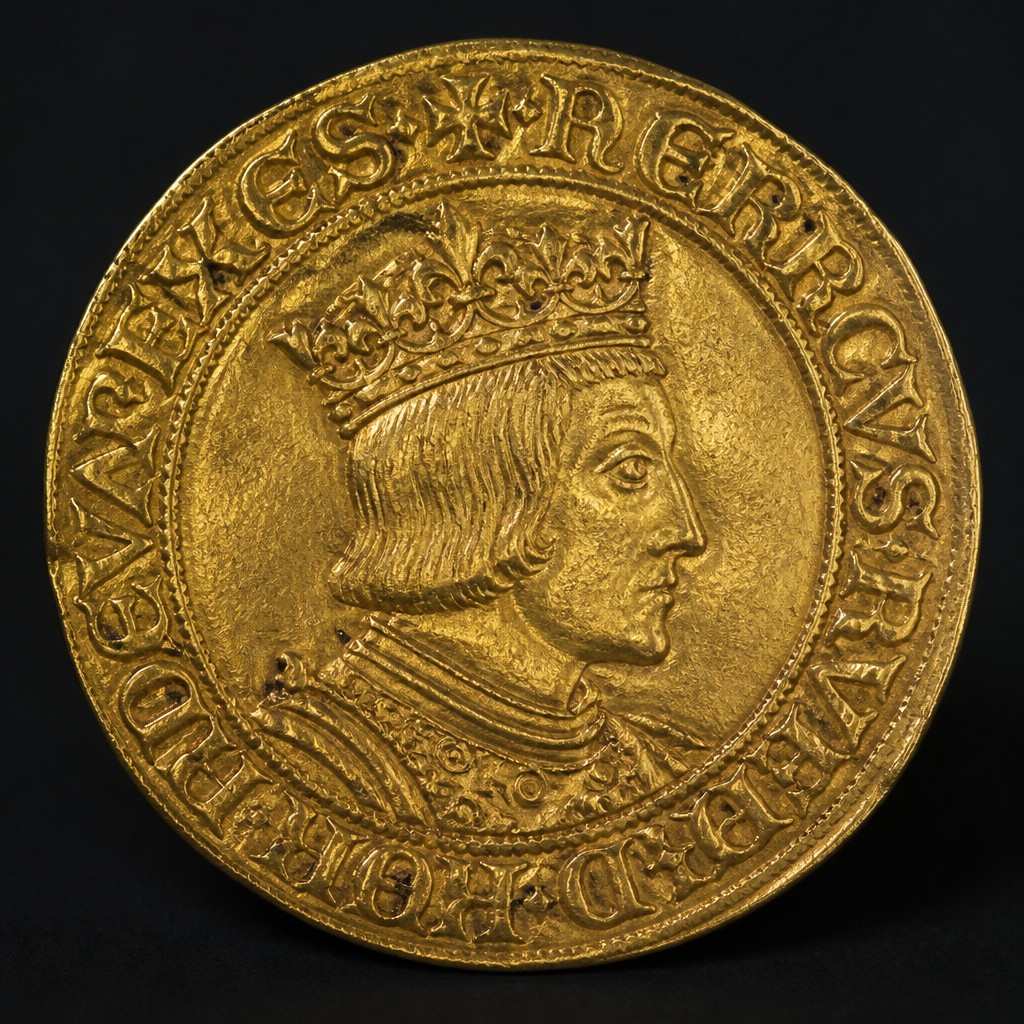
English Sovereign of Henry VII
1489–1509
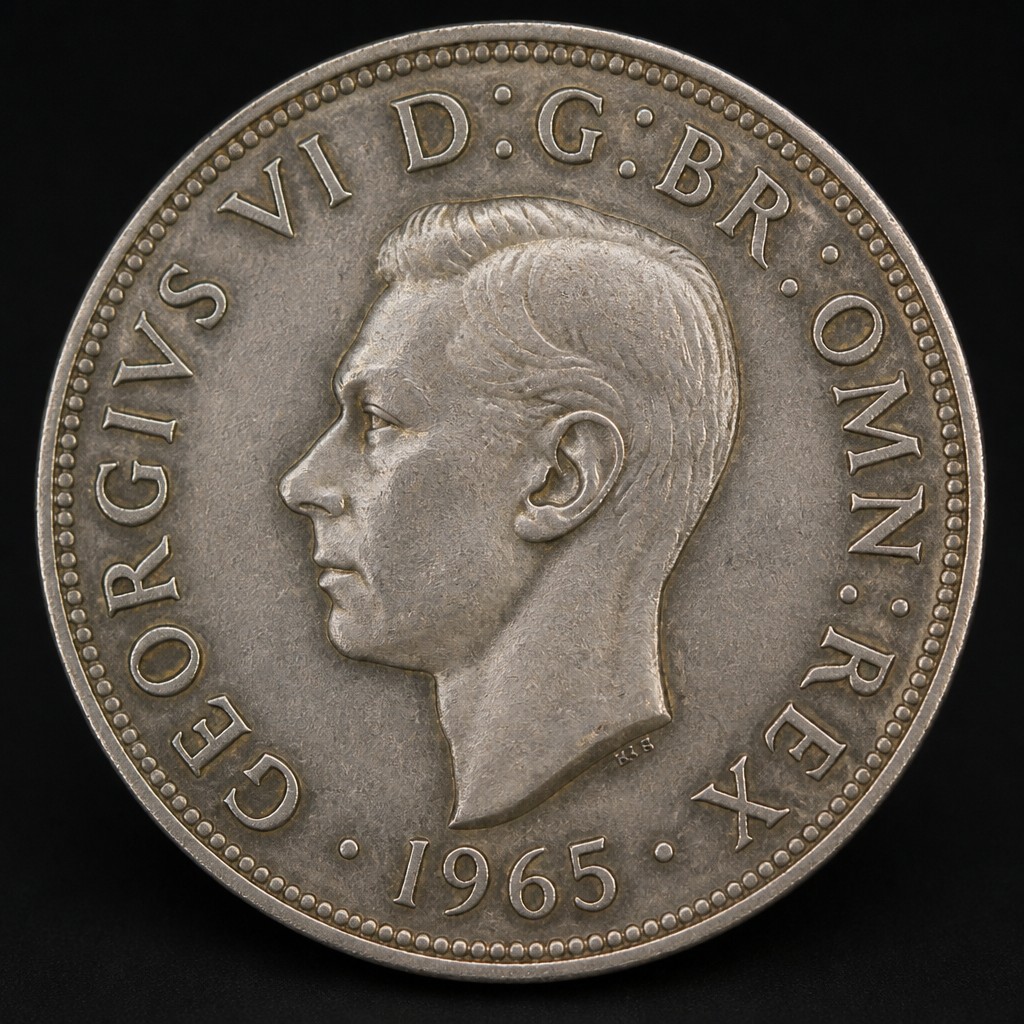
English Crown
1526–1965 (pre-decimal; commemorative crown-sized coins continue as five pound coins)
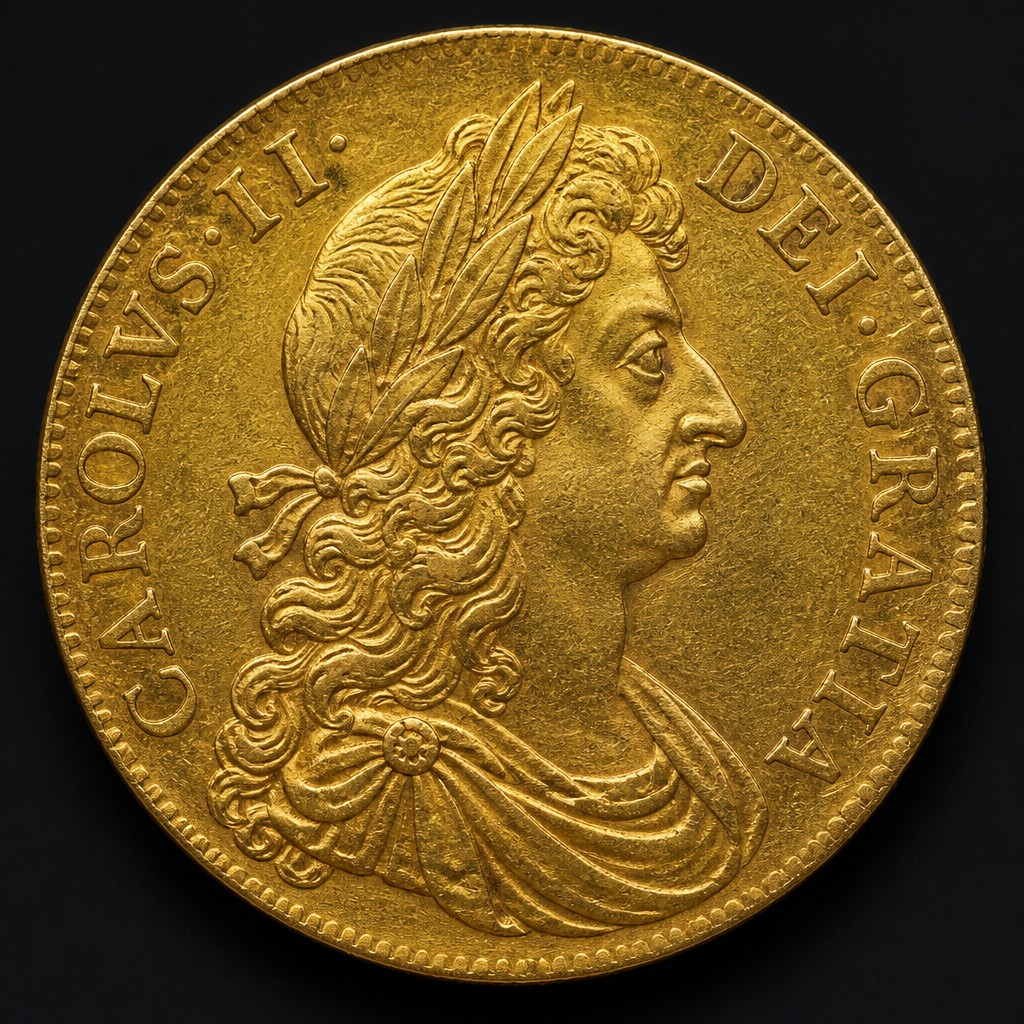
British Gold Guinea
1663–1814
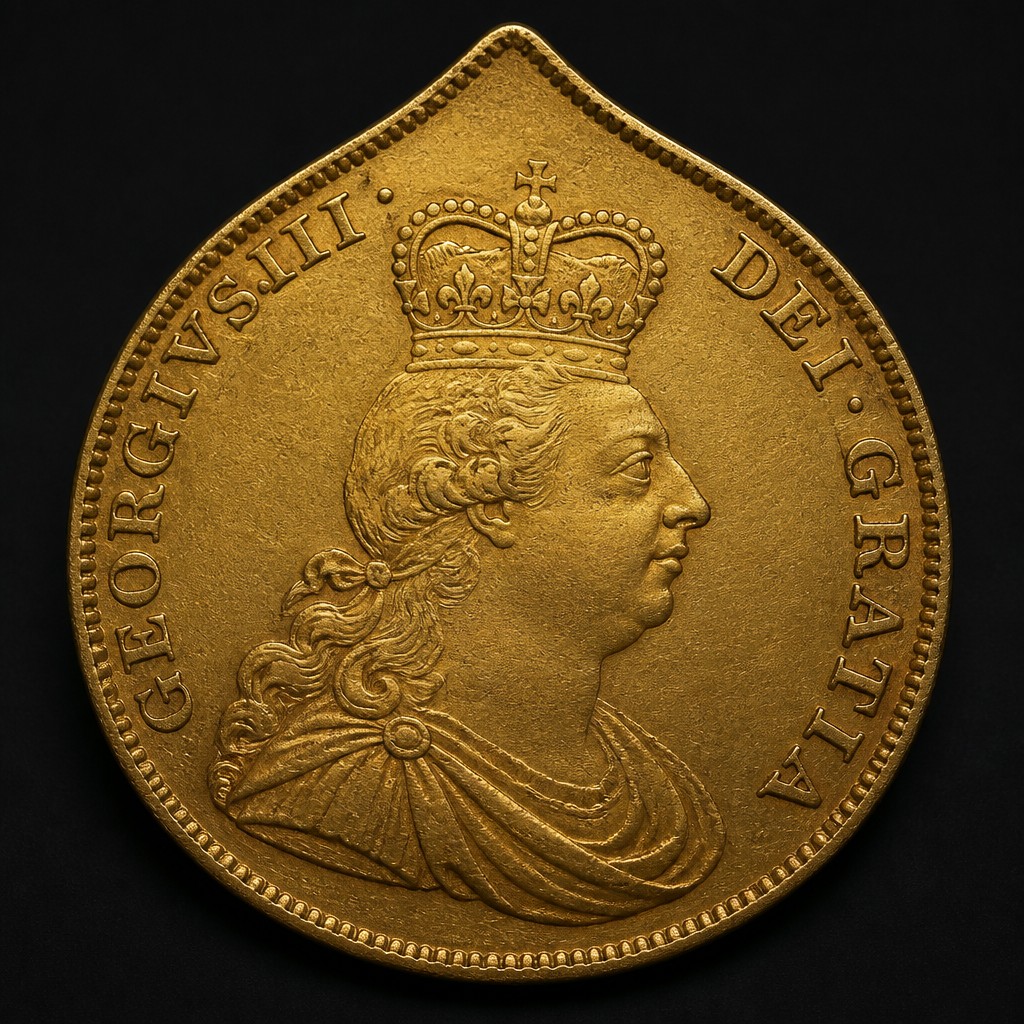
Spade Guinea
1787–1799
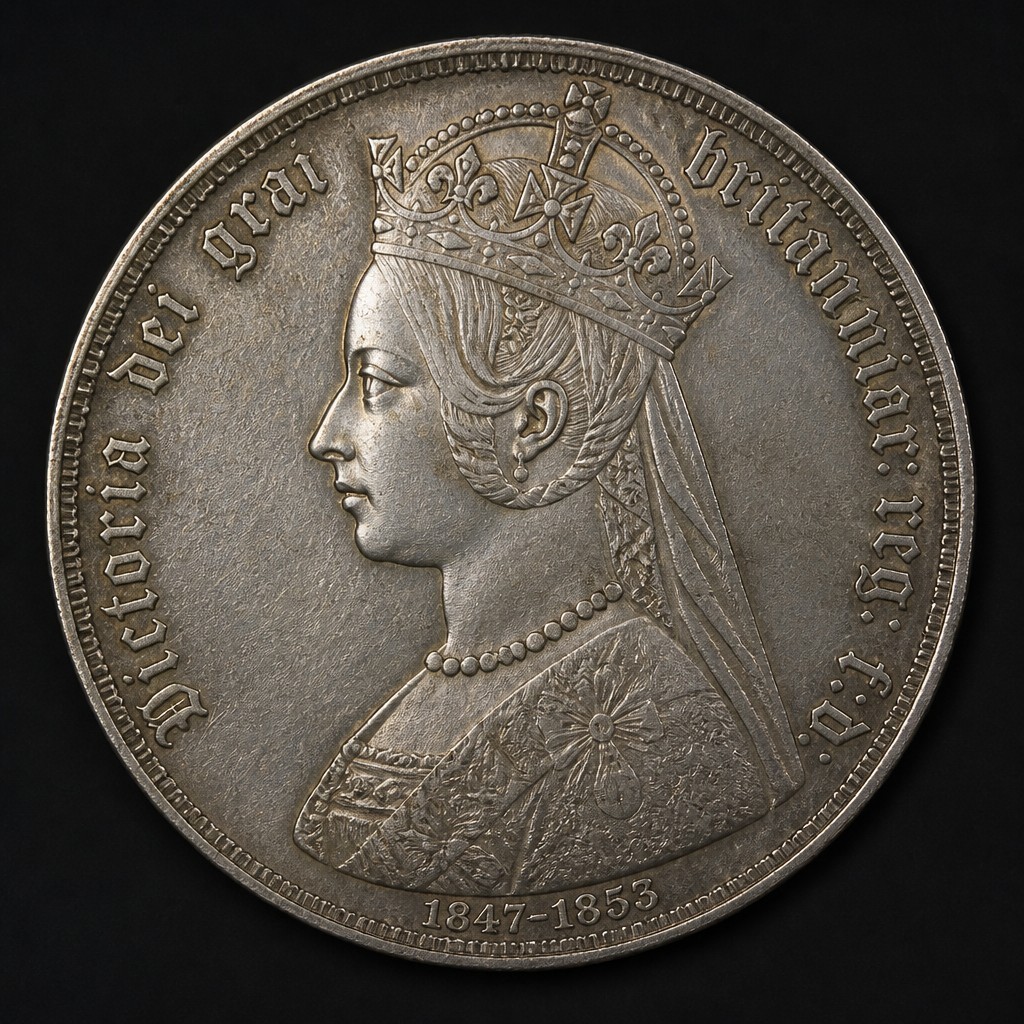
Gothic Crown
1847–1853
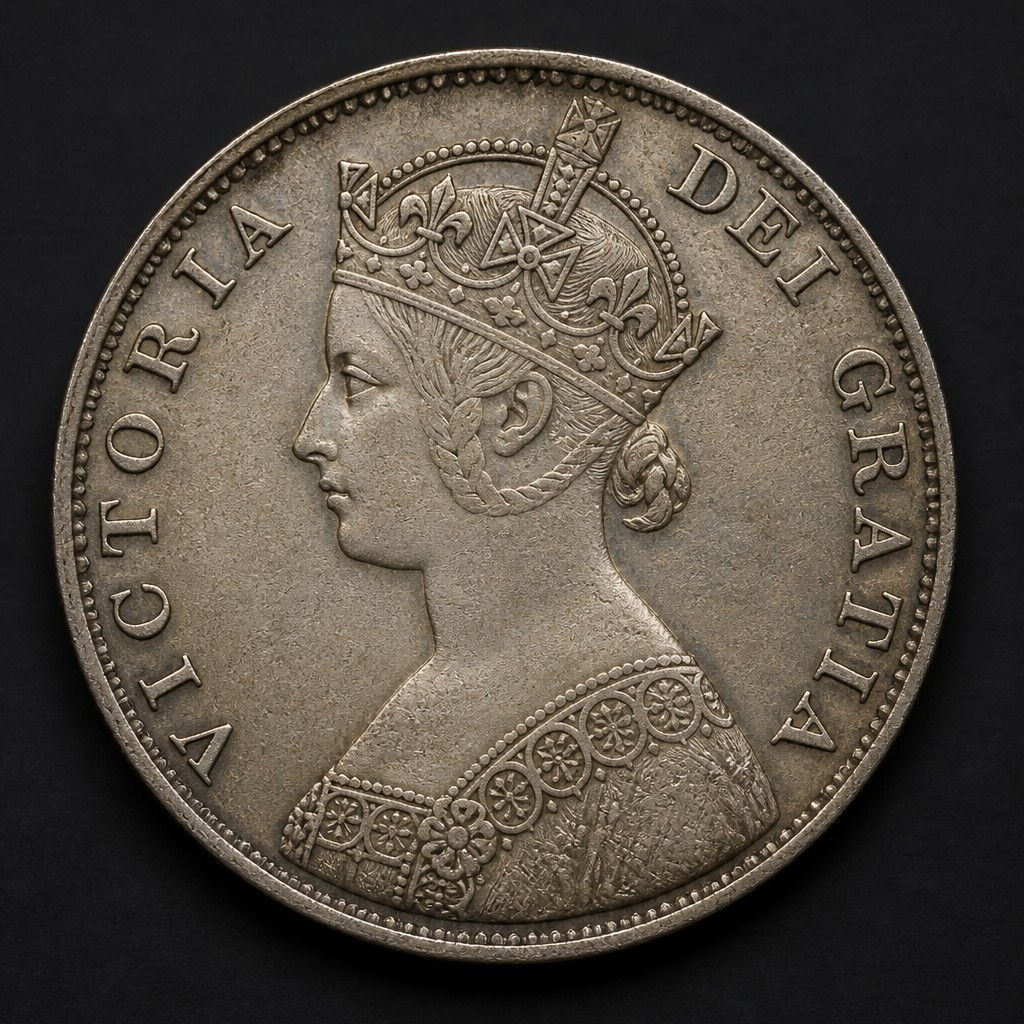
Groat (Fourpence)
1279–1888 (various revivals)
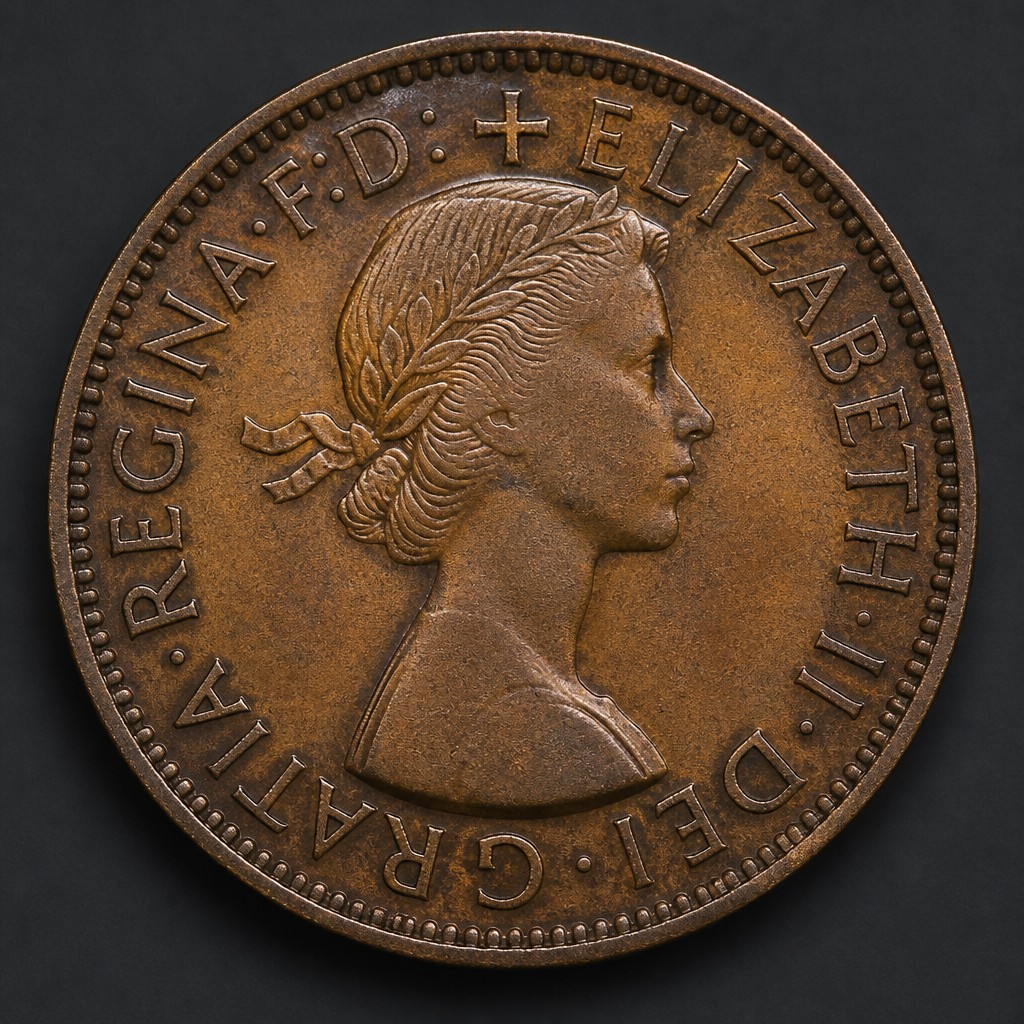
Farthing
13th century–1956
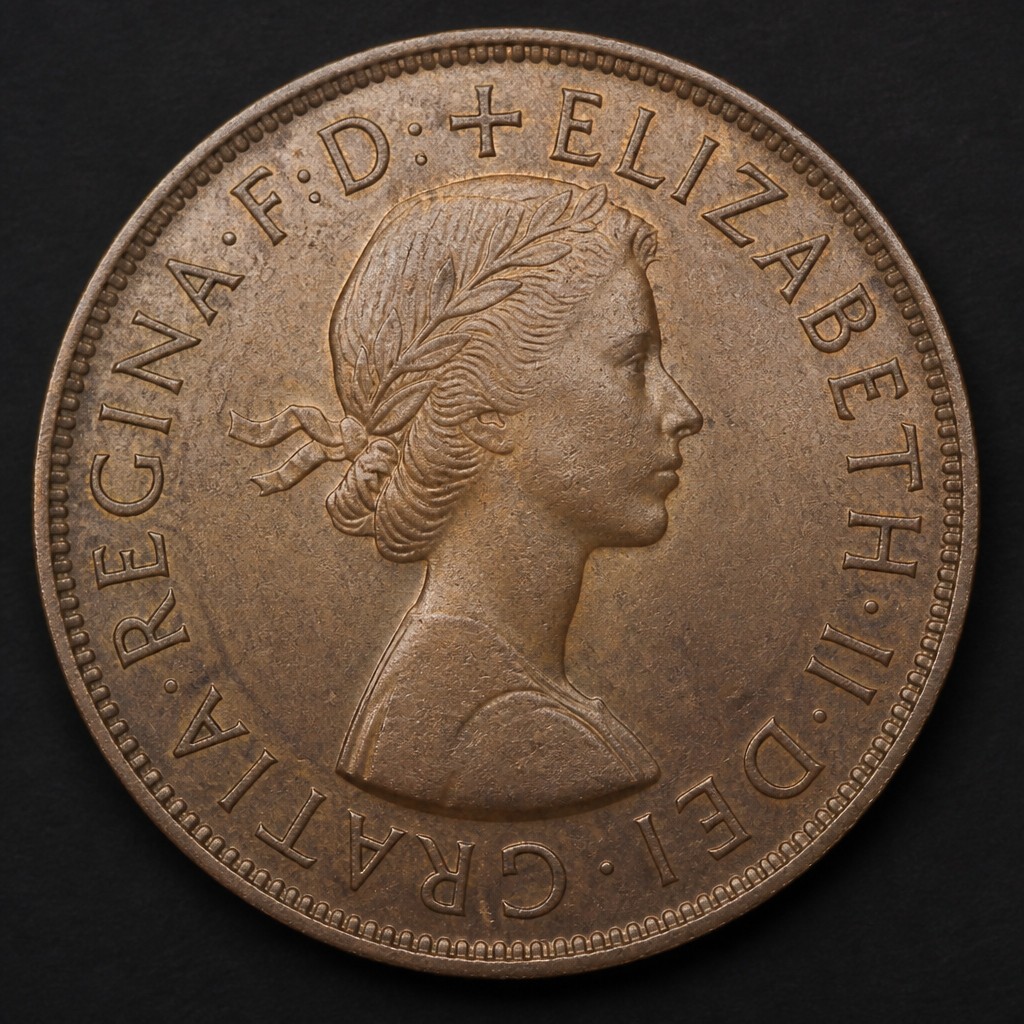
Halfpenny
c. 800s–1969
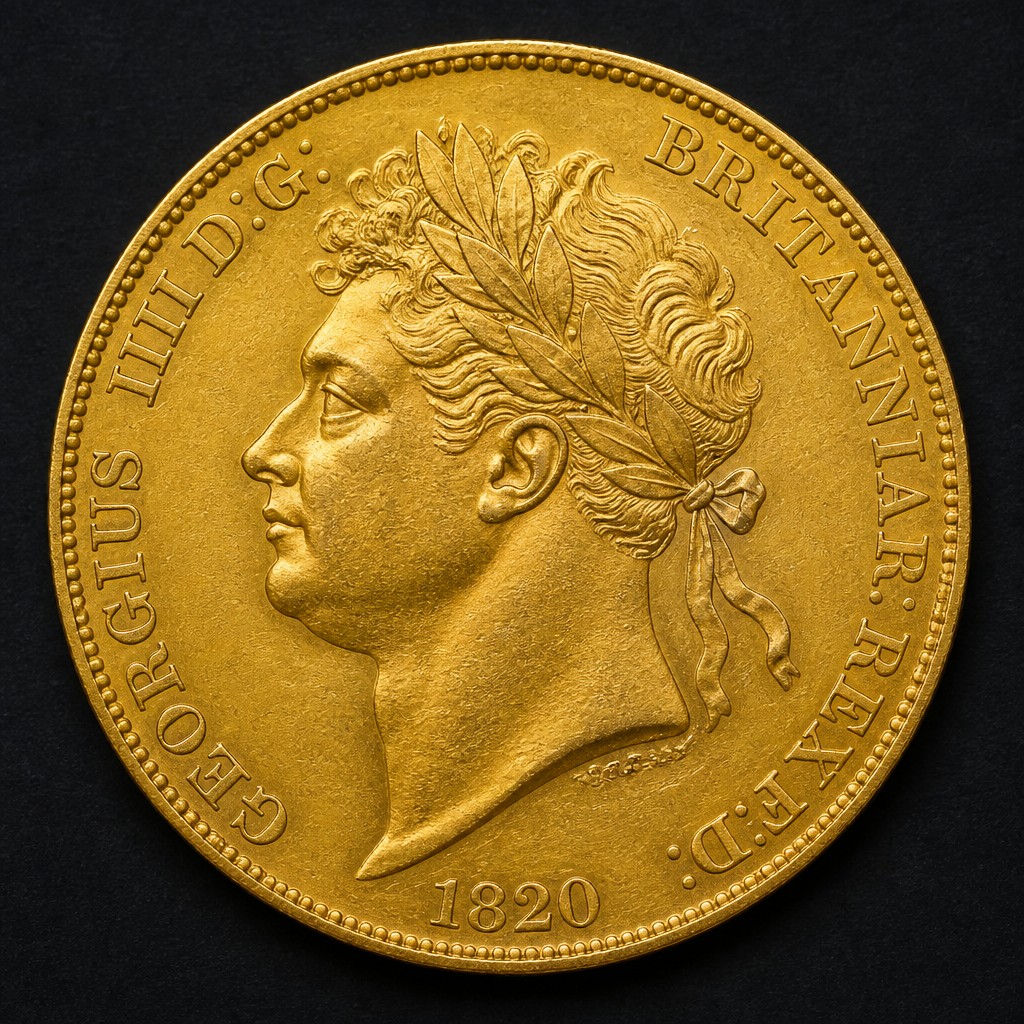
Five Pound Gold (Quintuple Sovereign)
1820–present (intermittent)
Threepence
1547–1970