
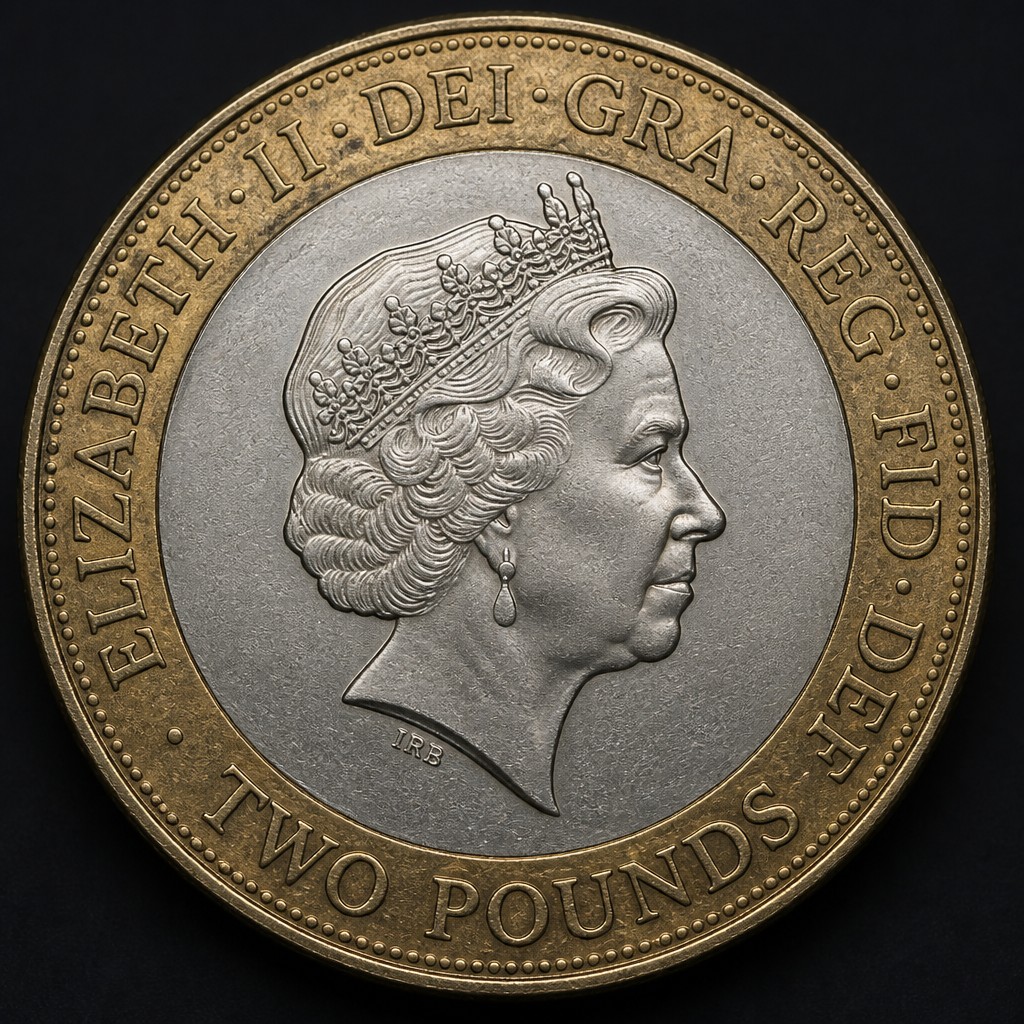
Two Pound Coin
The UK's bimetallic £2 coin, standardized for circulation in the late 1990s, widely used for a rotating series of commemorative reverse designs.
- Country
- United Kingdom
- Denomination
- Two Pounds
- Metal
- Bimetallic: Nickel-Brass (or Nickel) Outer Ring, Cupro-Nickel Inner Core
Got a coin like this?
Identify any coin from a photo, free.
Overview
The two pound coin is the highest-denomination coin in regular UK circulation and is instantly recognizable by its two-tone bimetallic construction. While a commemorative version was first struck in 1986, the coin only entered everyday circulation with a standardized design toward the end of the 1990s.
It has since become one of the most actively collected modern British coins, thanks to the Royal Mint's frequent use of the denomination for commemorative reverse themes covering historical anniversaries, science, sport, and popular culture.
History & Background
The first £2 coin was issued in 1986 solely as a commemorative piece marking the Commonwealth Games held in Edinburgh, and it did not enter general circulation. It was not until 1997, with coins dated 1998 and circulating widely from then on, that the Royal Mint introduced a standard bimetallic £2 coin intended for everyday use, featuring a technology-themed design on the reverse.
Since the coin's general introduction, the Royal Mint has issued numerous commemorative reverse designs within the same bimetallic format, marking events such as the anniversaries of Magna Carta and the World Wars, and figures like Charles Darwin and William Shakespeare, alongside occasional standard-circulation designs.
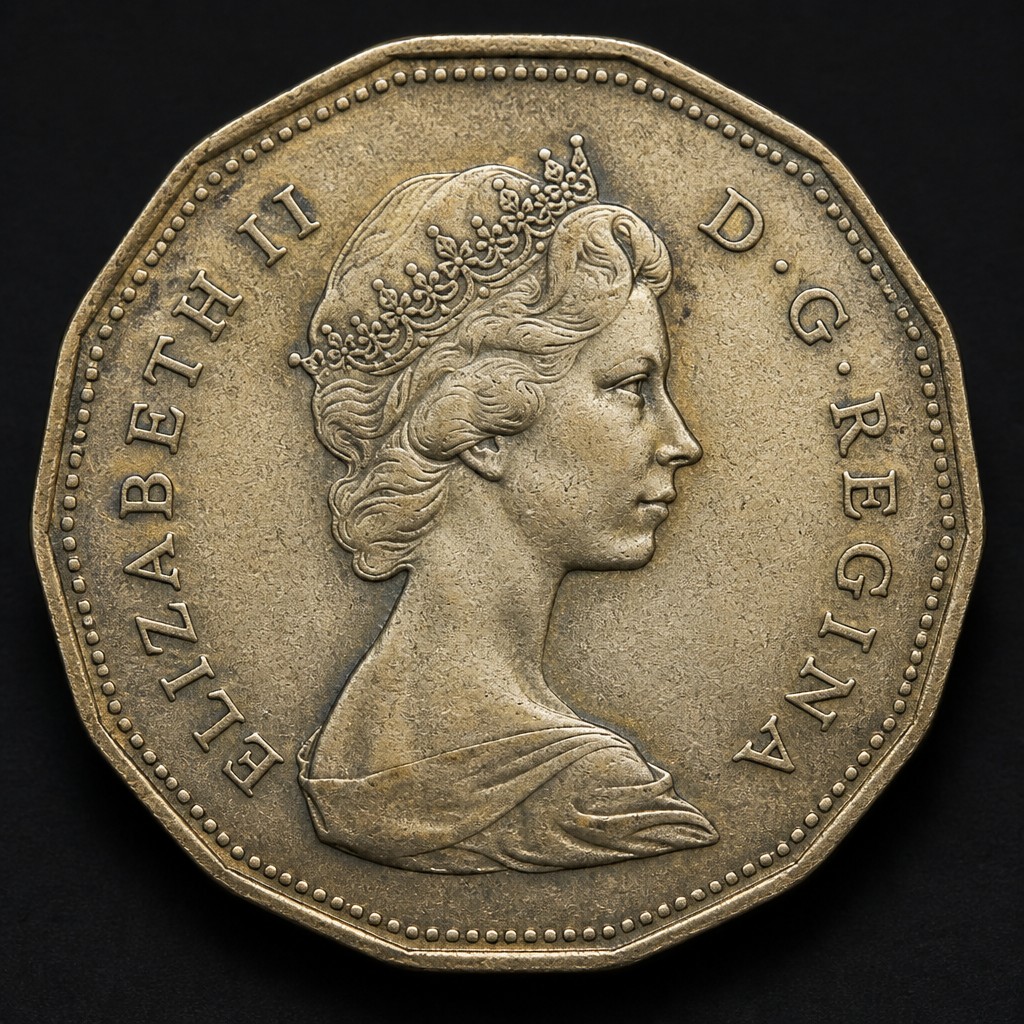
As with other UK coinage, the obverse portrait transitioned from Queen Elizabeth II to King Charles III following her death in 2022.
How to Identify
The two pound coin is bimetallic, with an outer ring of nickel-brass (or nickel, depending on the version) and an inner core of cupro-nickel, giving it a distinctive gold-and-silver two-tone appearance. It is round, larger and heavier than the one pound coin.
The obverse carries the reigning monarch's portrait, while the reverse changes frequently depending on the commemorative theme, often including an edge inscription related to the design, a security feature that helps deter counterfeiting.
Because so many different reverse designs exist, identification generally requires matching the specific reverse imagery and edge lettering to the relevant commemorative year rather than relying on a single "standard" design.
Value & Collectibility
The overwhelming majority of two pound coins circulate and are worth only face value. A small number of design and date combinations are considered scarcer due to lower mintages or well-known errors, such as certain early technology-themed issues or specific commemorative dates, and these can trade for a modest premium among collectors.
As with the pound coin, value is driven mainly by completing a themed or chronological collection rather than by any single coin being a major rarity, with exceptions for a handful of genuinely low-mintage or error varieties.
Frequently asked questions
When did the £2 coin enter regular circulation?
A standardized bimetallic design entered general circulation from 1997/1998, after a one-off 1986 commemorative version.
What are the two metals used?
An outer ring typically of nickel-brass and an inner core of cupro-nickel.
Why are there so many different £2 coin designs?
The Royal Mint frequently uses the denomination for commemorative themes marking historical anniversaries and notable figures.
Are any £2 coins particularly valuable?
A few low-mintage or error varieties carry a premium, but most circulated examples are worth face value.
Other coins you may enjoy
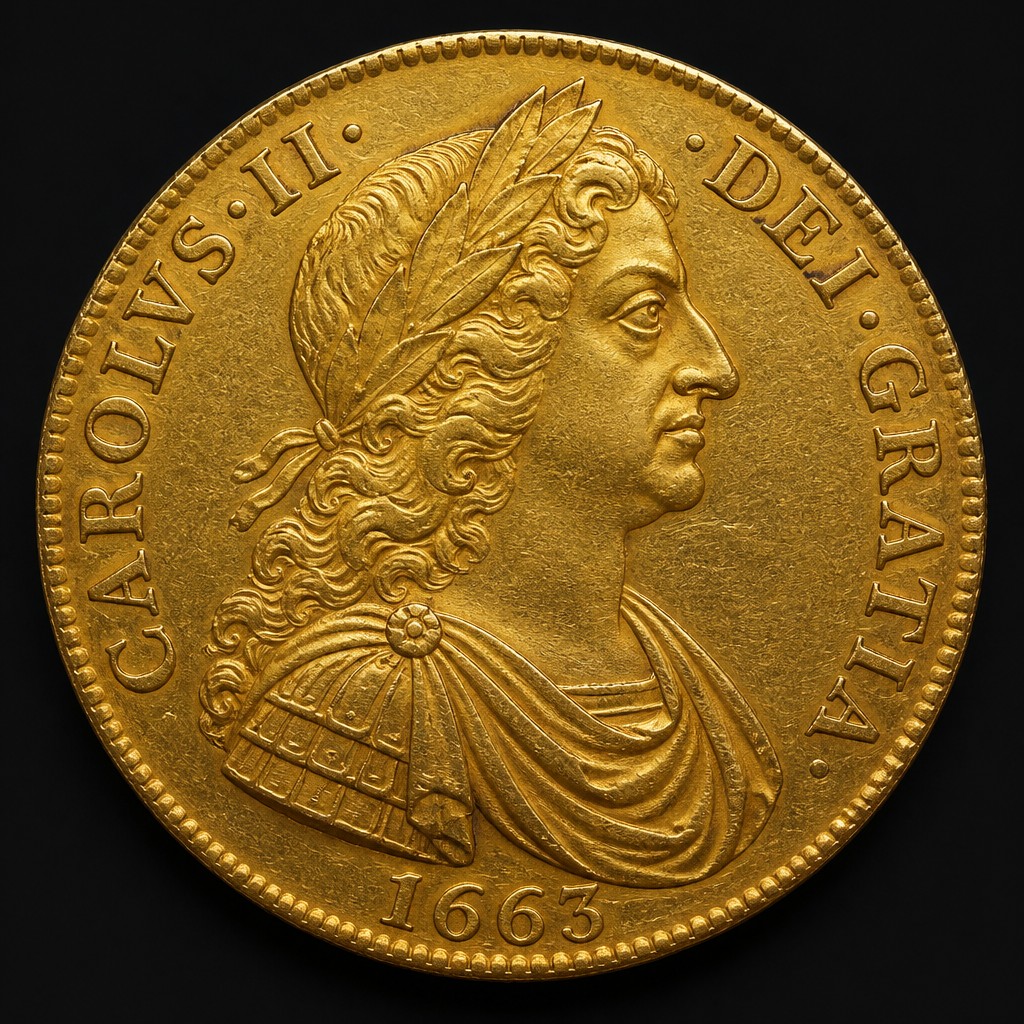
British Guinea
1663–1814
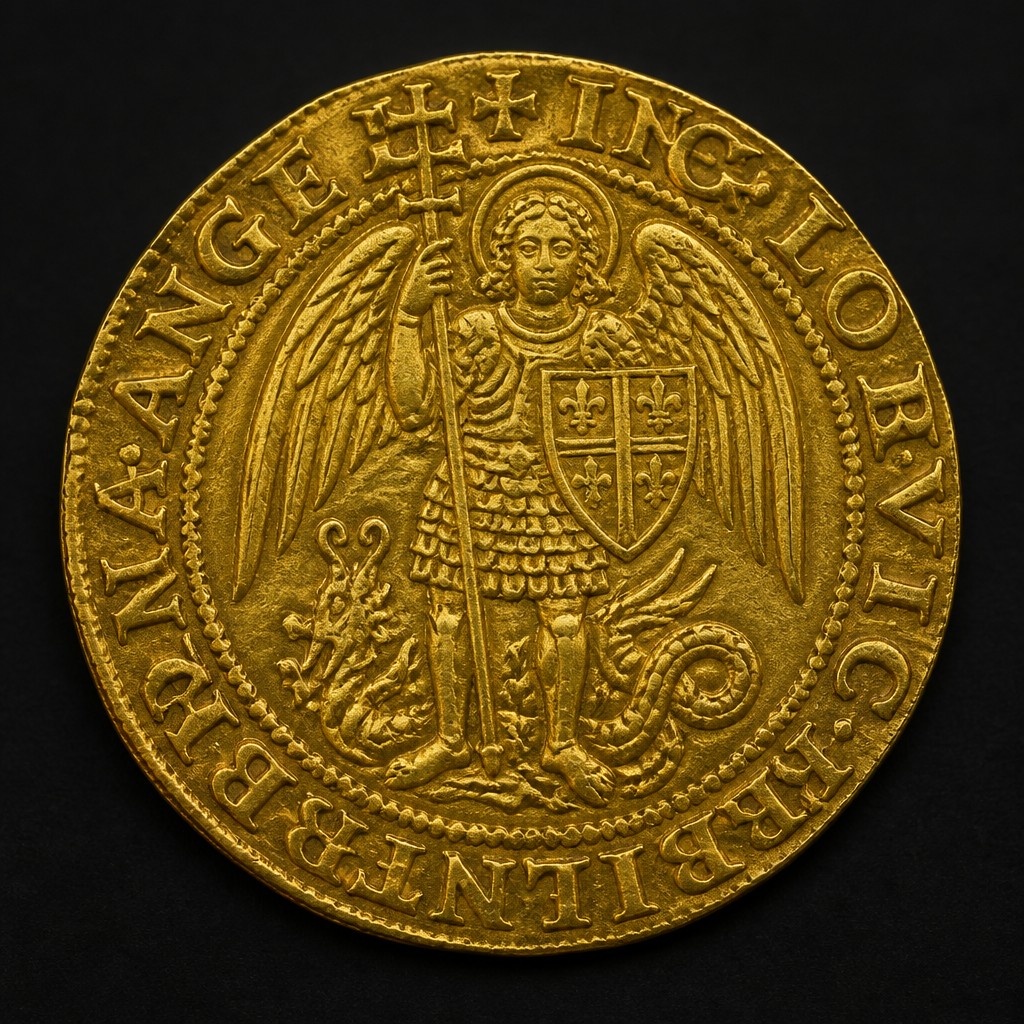
English Angel
1465–1642
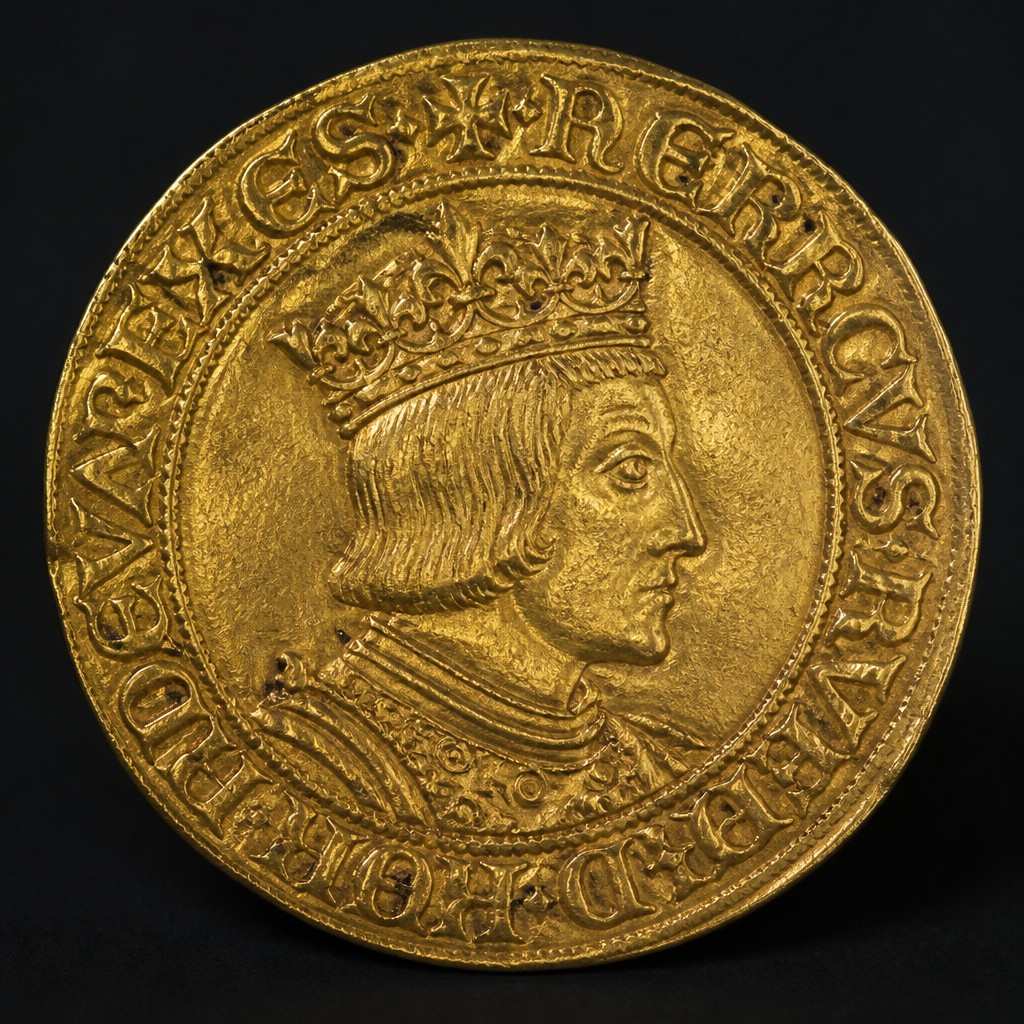
English Sovereign of Henry VII
1489–1509
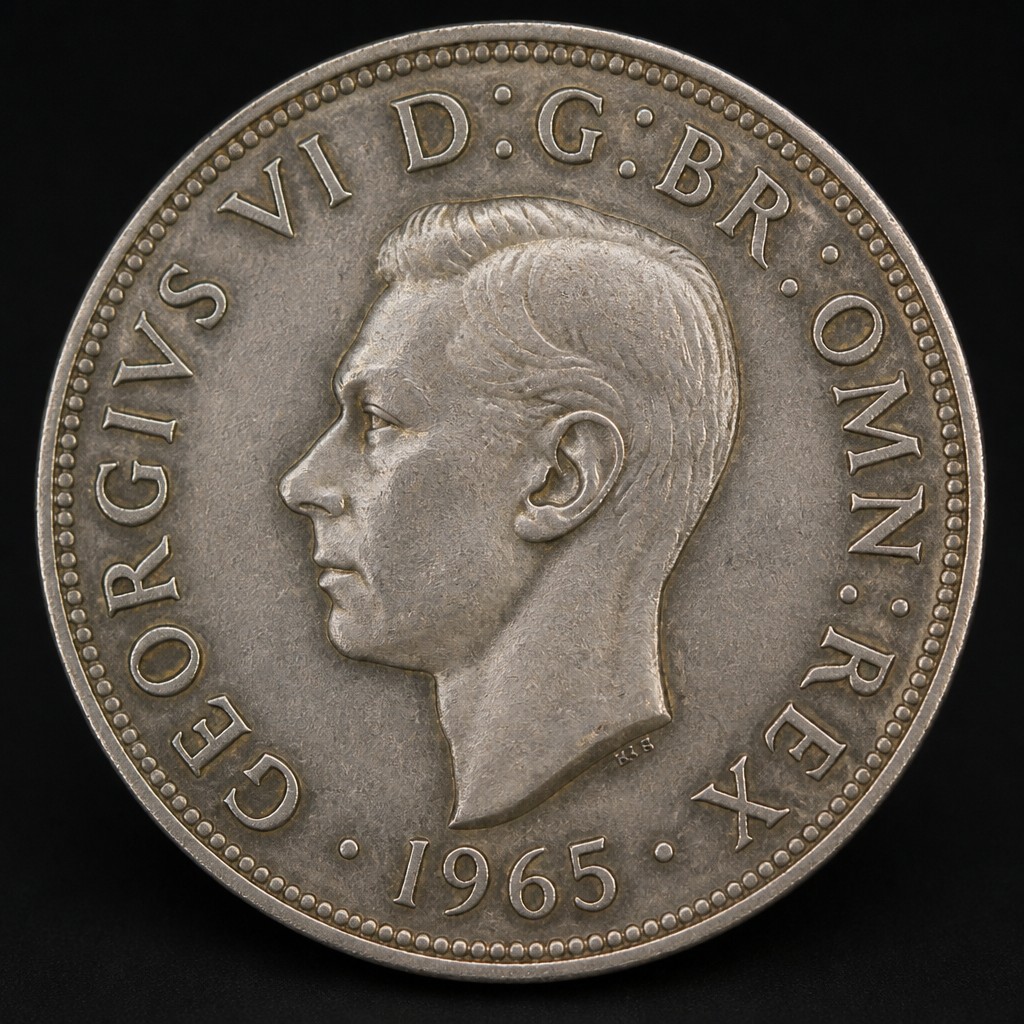
English Crown
1526–1965 (pre-decimal; commemorative crown-sized coins continue as five pound coins)
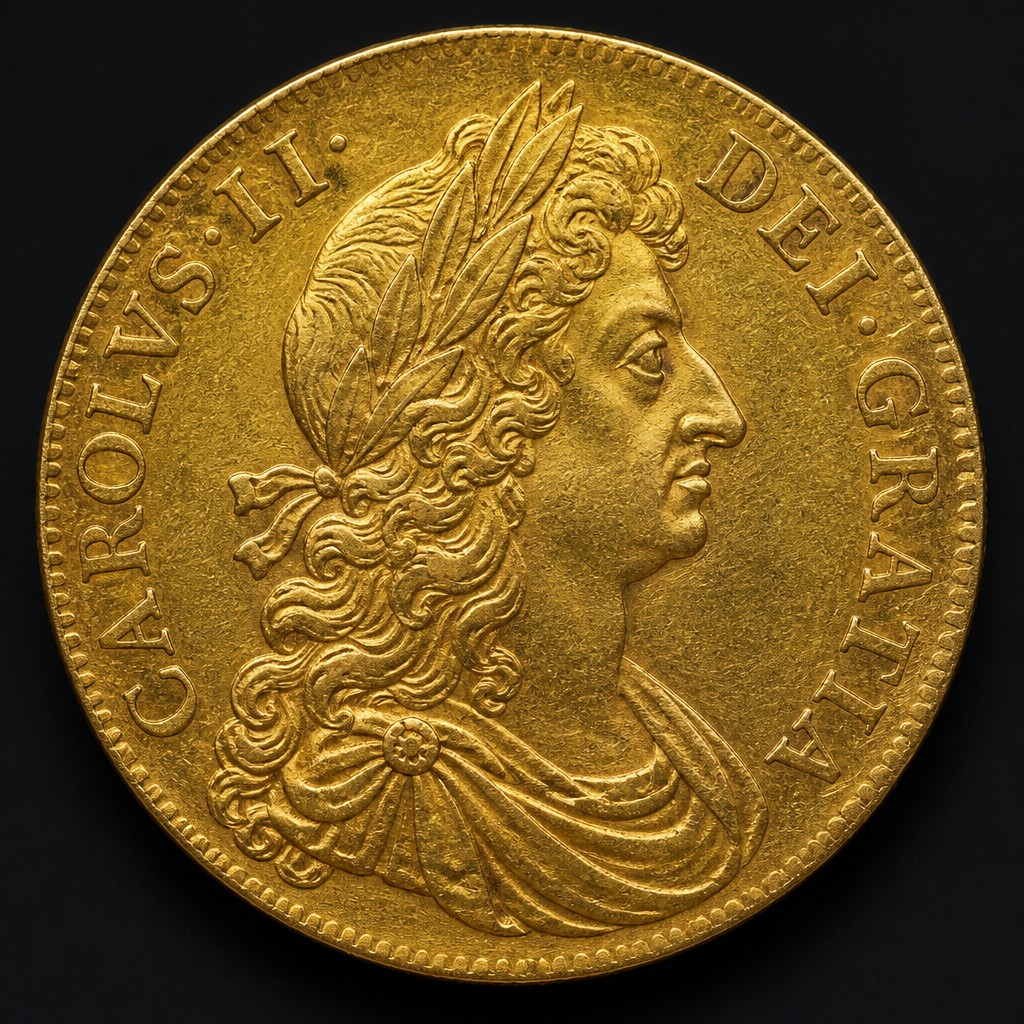
British Gold Guinea
1663–1814
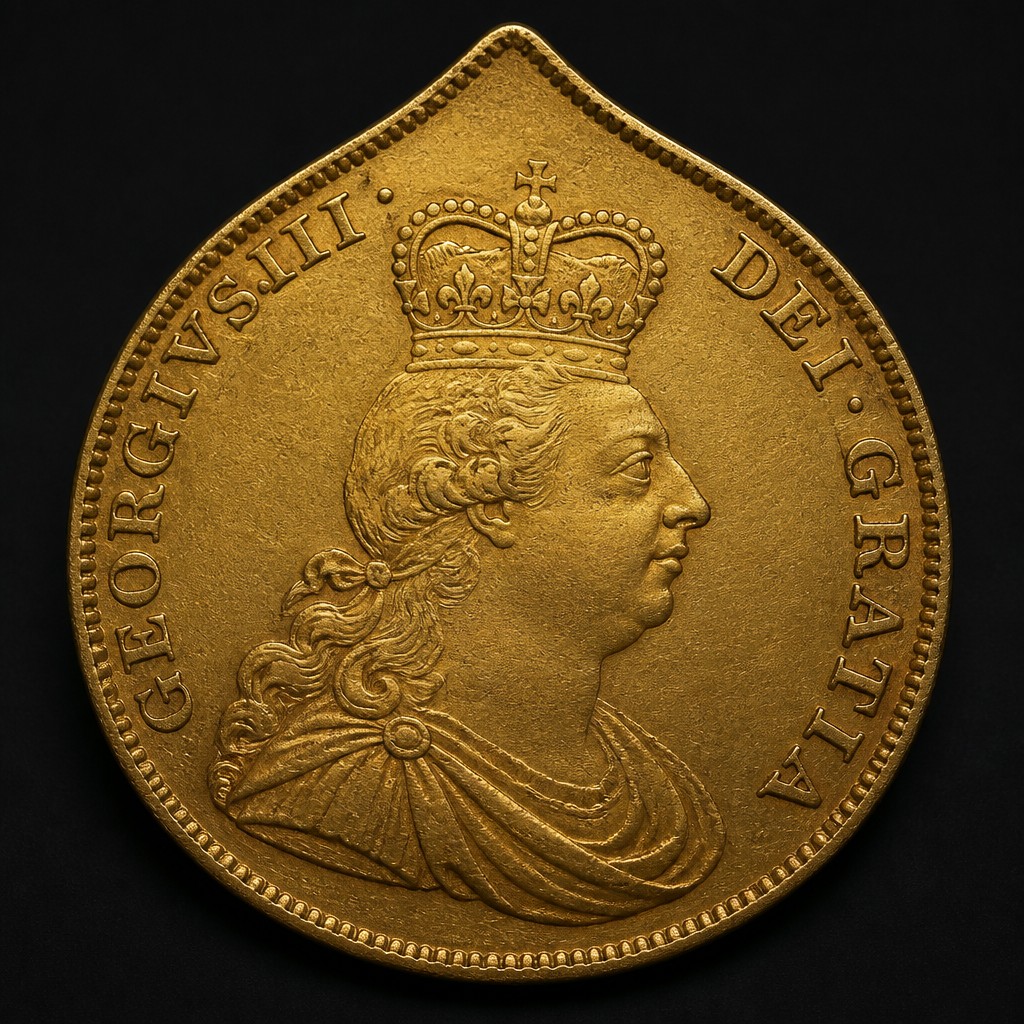
Spade Guinea
1787–1799
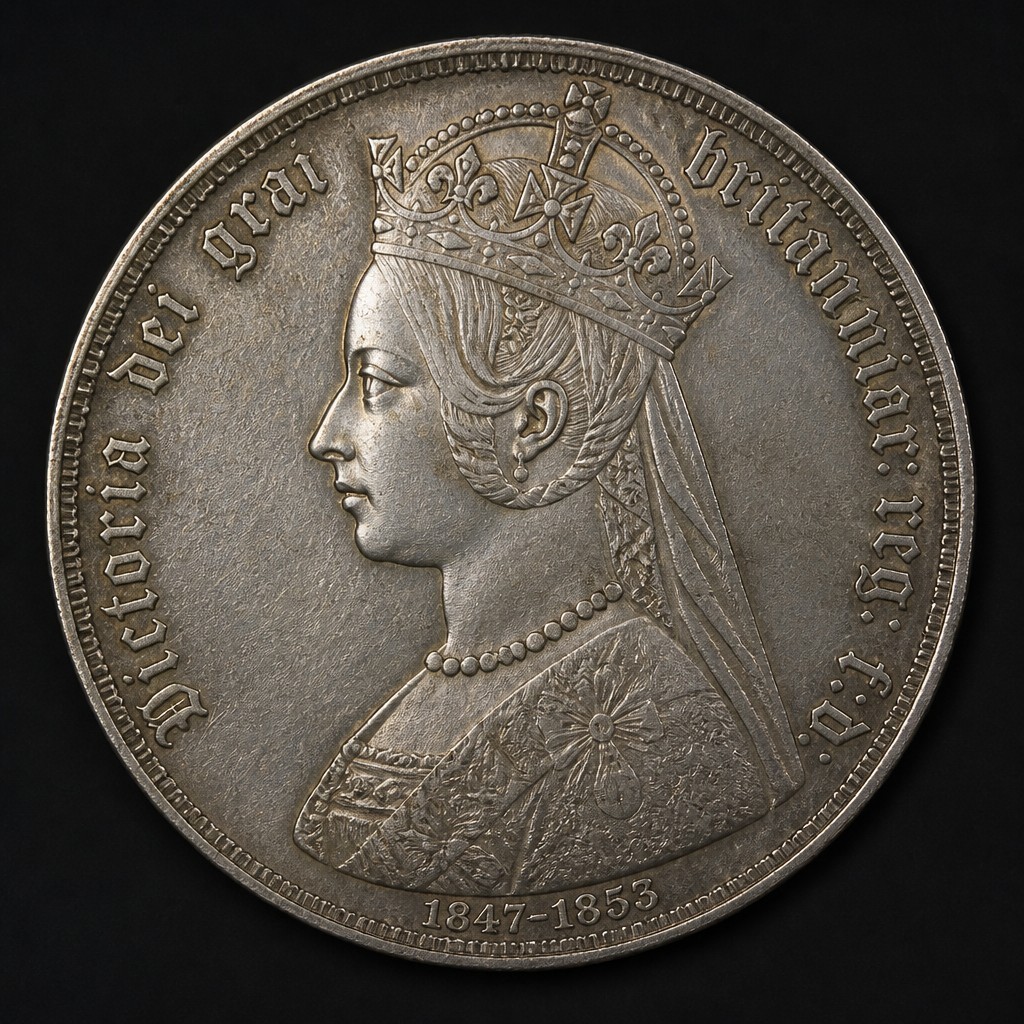
Gothic Crown
1847–1853
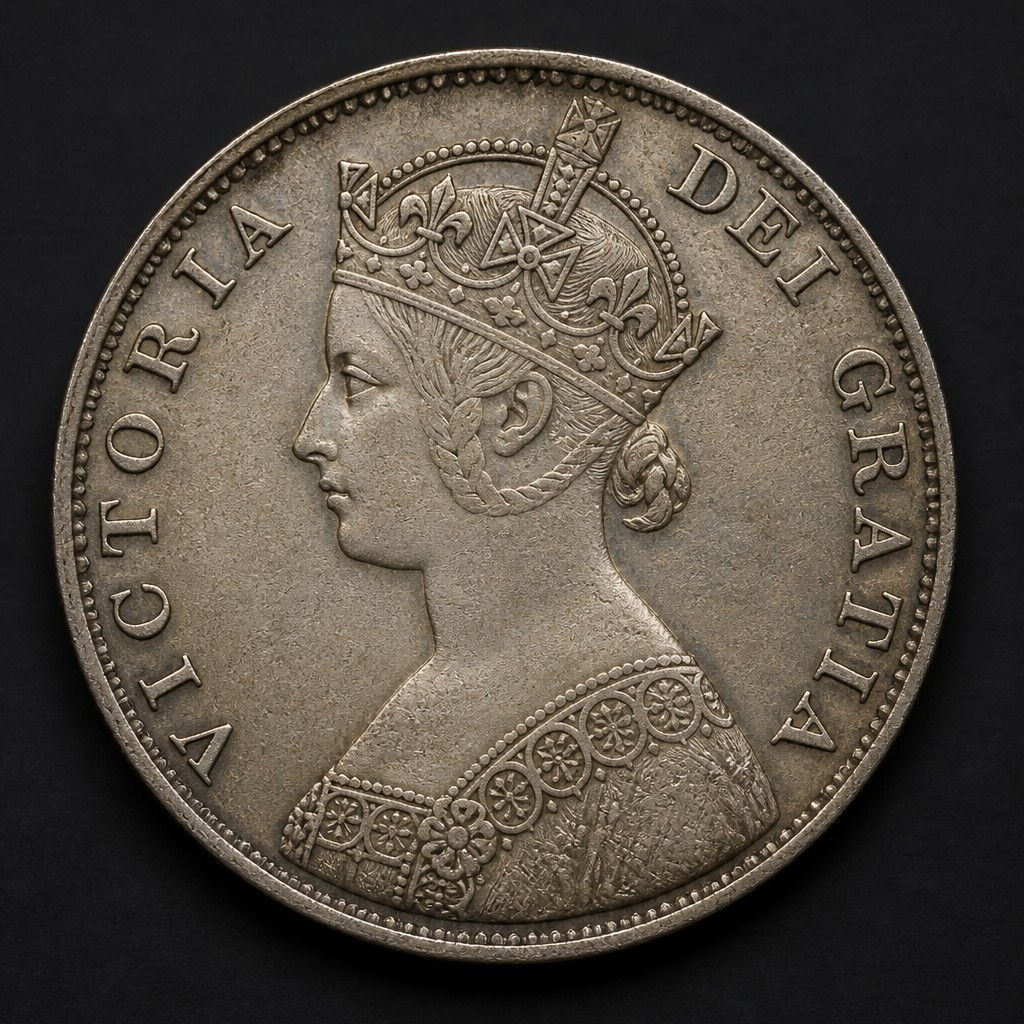
Groat (Fourpence)
1279–1888 (various revivals)
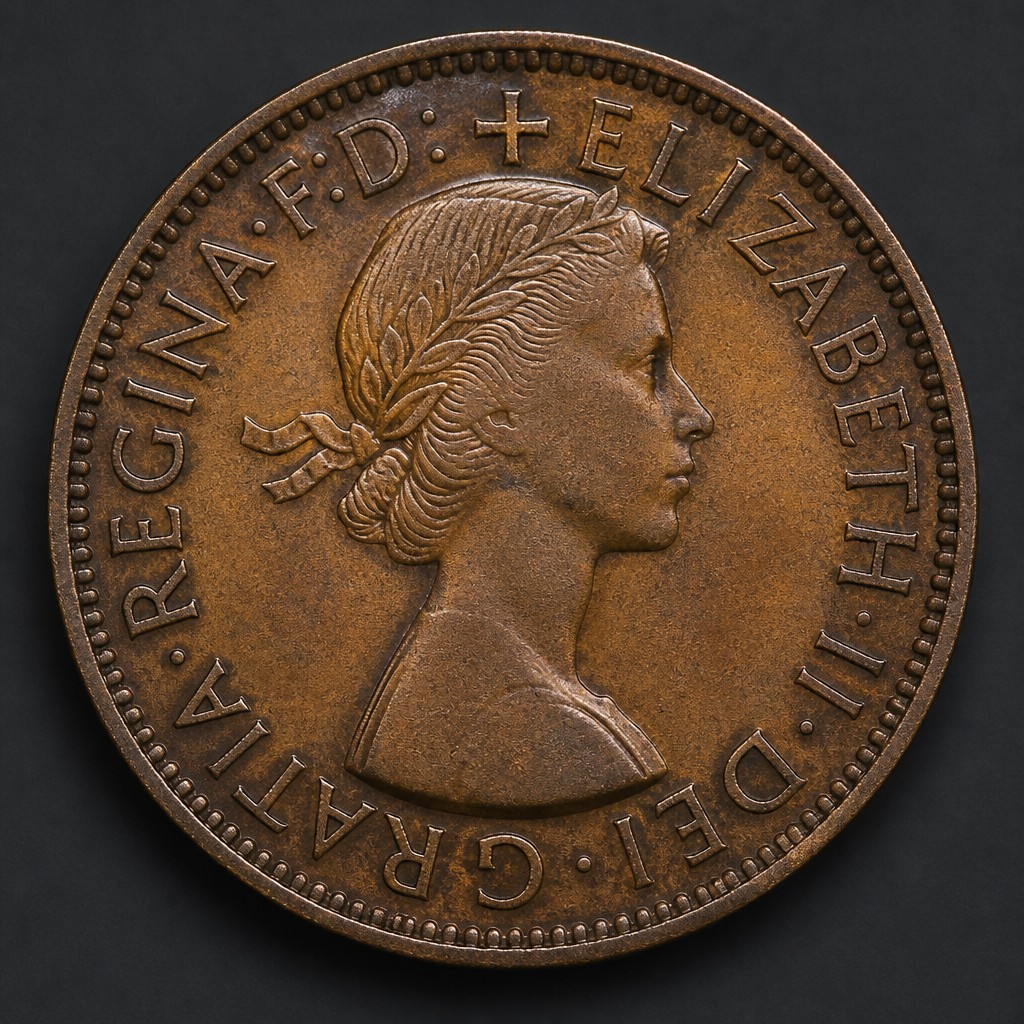
Farthing
13th century–1956
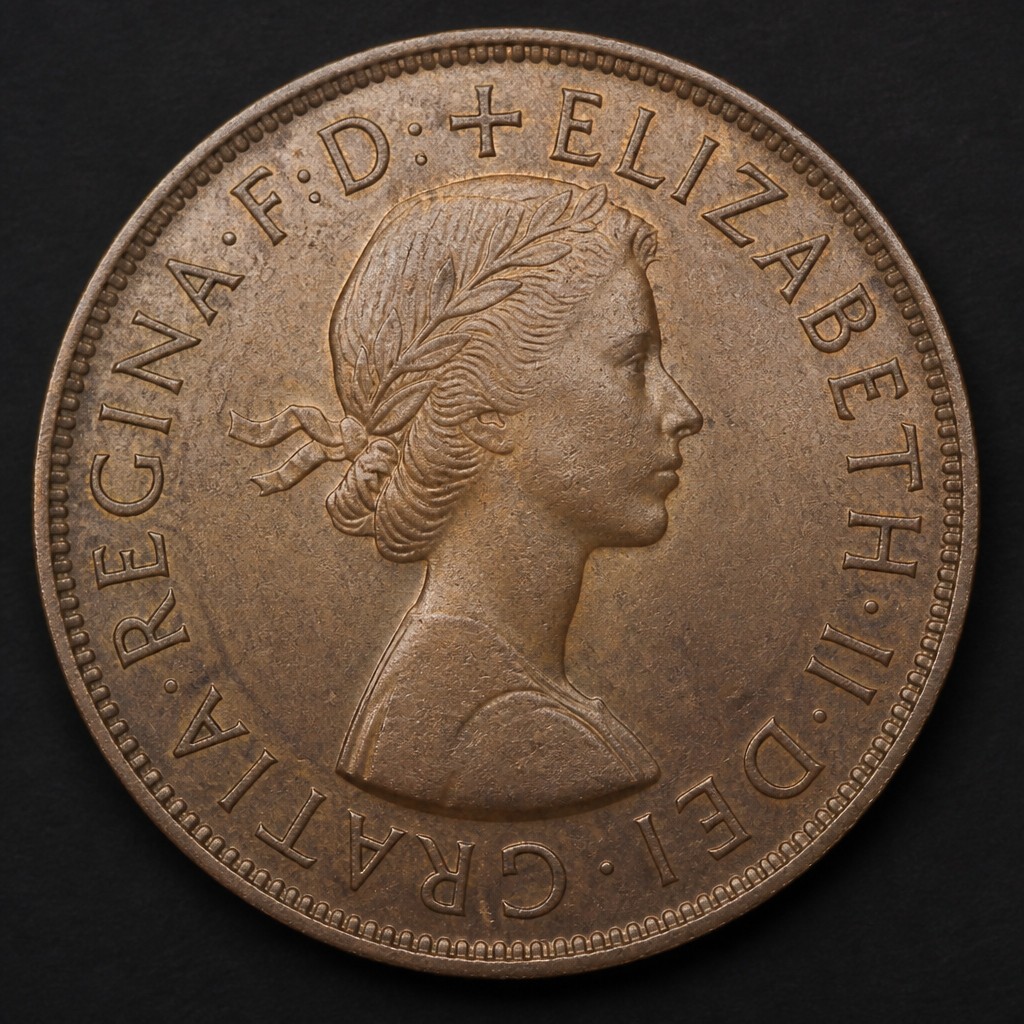
Halfpenny
c. 800s–1969
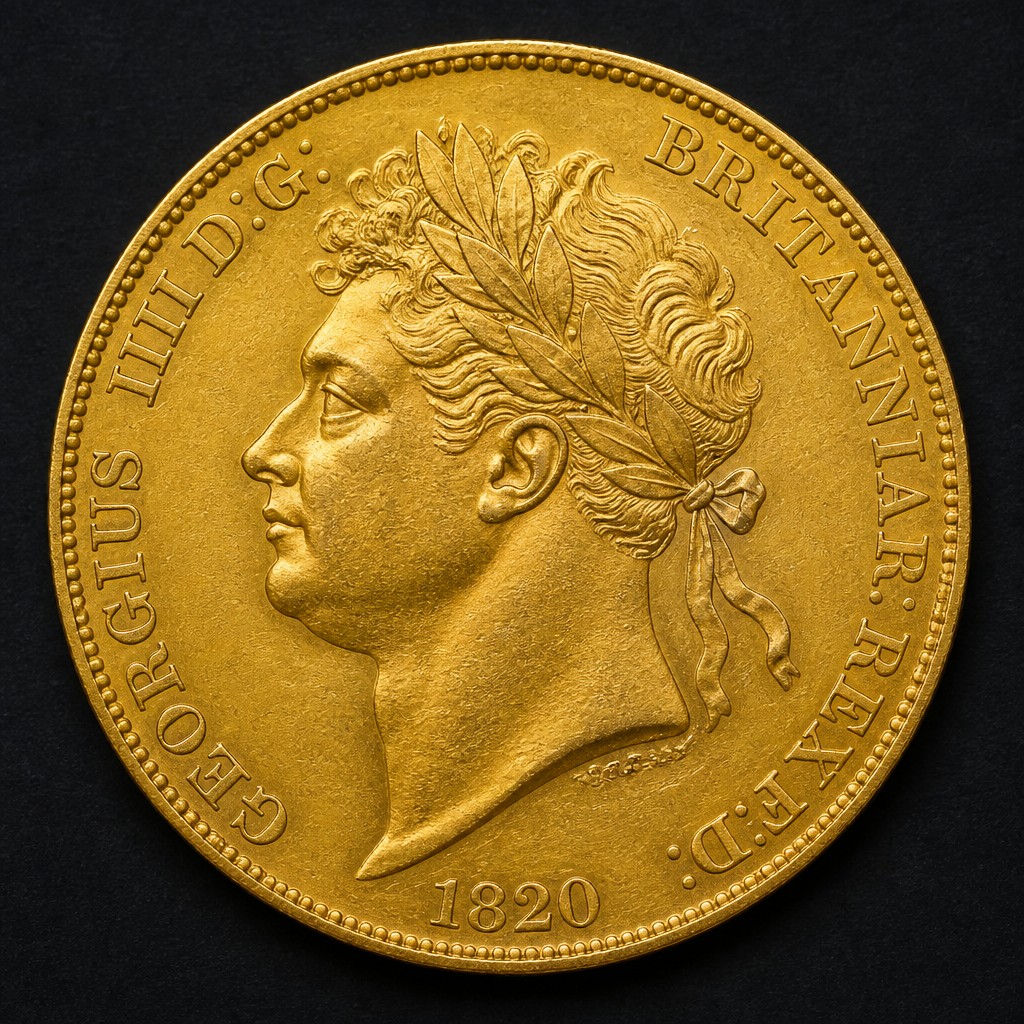
Five Pound Gold (Quintuple Sovereign)
1820–present (intermittent)
Threepence
1547–1970