
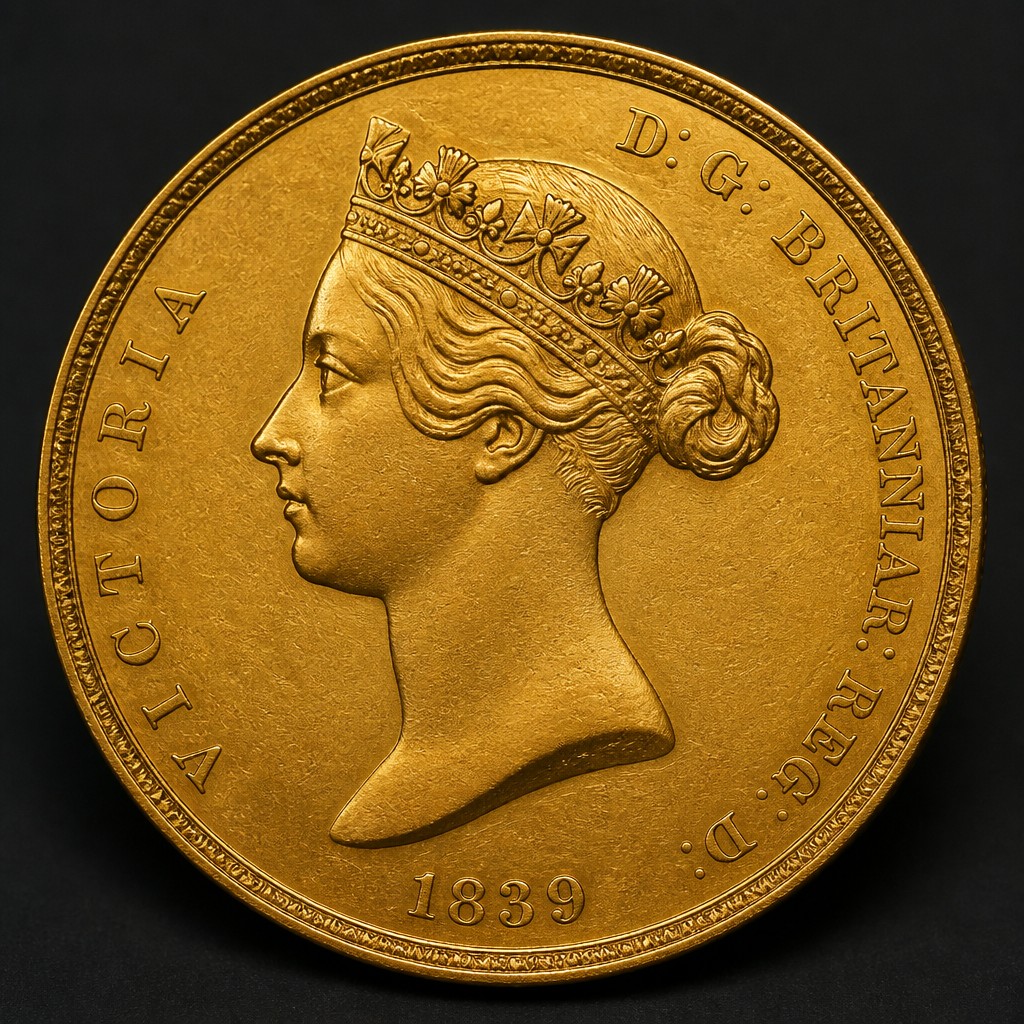
Una and the Lion Five Pound
A legendary 1839 gold proof depicting young Queen Victoria as Una leading a lion, widely considered one of the most beautiful coins ever struck and a benchmark of Victorian coin art.
- Country
- United Kingdom
- Denomination
- Five Pounds
- Metal
- Gold (.917, 22 carat)
Got a coin like this?
Identify any coin from a photo, free.
Overview
The Una and the Lion five pound piece is a proof-only gold coin struck in 1839 to mark the early years of Queen Victoria's reign, famous for its allegorical reverse showing the young queen, personified as Una from Edmund Spenser's poem The Faerie Queene, leading a lion representing the British nation. Designed by William Wyon, it is frequently ranked among the most artistically accomplished coins ever produced by the Royal Mint.
Because it was struck only as a proof for presentation and collector purposes, never intended for circulation, original 1839 examples are extremely scarce and have long been prized centerpieces of major gold coin collections, commanding some of the highest prices realized for any British coin.
The design's fame has led the Royal Mint to revive it periodically on modern commemorative gold coins, allowing contemporary collectors to own a version of the imagery even though original 1839 pieces remain out of reach for most.
History & Background
William Wyon created the design in 1839, drawing on Spenser's sixteenth-century poem to craft an allegory suited to the young Victoria's accession: Una, symbolizing truth and the young queen, guides a lion representing the strength and loyalty of the British people. The piece was struck only in proof format, with a very limited number produced for presentation to dignitaries and serious collectors rather than for everyday use.
For much of the nineteenth and twentieth centuries the coin remained an object of near-mythical status among collectors due to its rarity and artistic ambition, appearing only occasionally at major auctions where it consistently drew intense interest.
In the twenty-first century the Royal Mint has issued new gold coins reusing or reinterpreting the Una and the Lion design as part of modern proof and commemorative programs, introducing the imagery to a new generation of collectors while the original 1839 pieces remain a pinnacle rarity of British numismatics.
How to Identify
The obverse shows a youthful portrait of Queen Victoria. The reverse is the coin's defining feature: a graceful figure of Una, robed and crowned, leads a large lion by a ribbon or cord, set against a plain field with the denomination and legend arranged around the edge, often including the Latin phrase referencing her guiding the lion.
Original 1839 examples are gold proofs with mirror-like fields and sharp, cameo-like relief in the design elements, a finish quite different from ordinary circulation coinage of the period. The coin is a hefty five pound gold piece, considerably larger than a sovereign, at roughly 36 millimeters in diameter. Modern Royal Mint restrikes reproduce the design on current gold coinage but are clearly marked with their modern date and can be distinguished from the original by their date, finish, and accompanying certification.
Value & Collectibility
Original 1839 Una and the Lion five pound proofs are among the most valuable British coins in existence, with high-grade examples having sold at auction for prices well into six figures, and exceptional specimens reaching considerably higher. Because so few were struck and fewer still survive in top condition, even modestly graded originals attract serious collector and investor attention whenever offered.
Modern Royal Mint reissues of the design, struck as gold proof coins in recent years, are far more accessible and trade closer to their gold content plus a collector premium, offering a way to own the celebrated imagery without the extreme cost of an original. As always with rare gold coinage, authentication and provenance matter enormously at the high end of this market.
Frequently asked questions
What does the design on the reverse represent?
It is an allegory from Spenser's Faerie Queene, with young Queen Victoria depicted as Una leading a lion that represents the British nation.
How many original 1839 examples exist?
It was struck only in small proof quantities for presentation purposes, making surviving originals genuinely rare and highly sought after.
Are modern versions of this coin available to collectors?
Yes, the Royal Mint has issued modern gold coins reusing the design, which are far more affordable than an original 1839 proof.
Why is this coin considered so significant artistically?
Its elaborate allegorical scene and fine engraving by William Wyon are often cited as a high point of nineteenth-century coin design.
Other coins you may enjoy
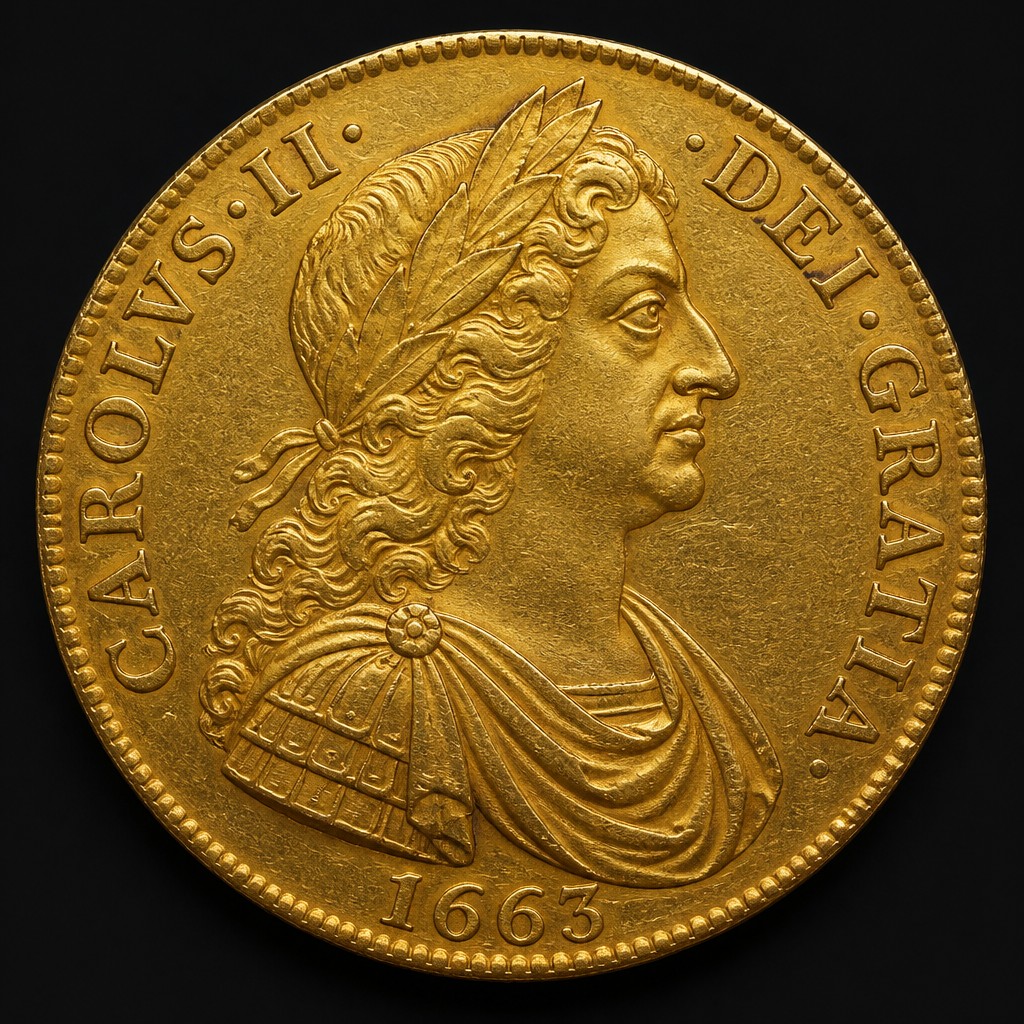
British Guinea
1663–1814
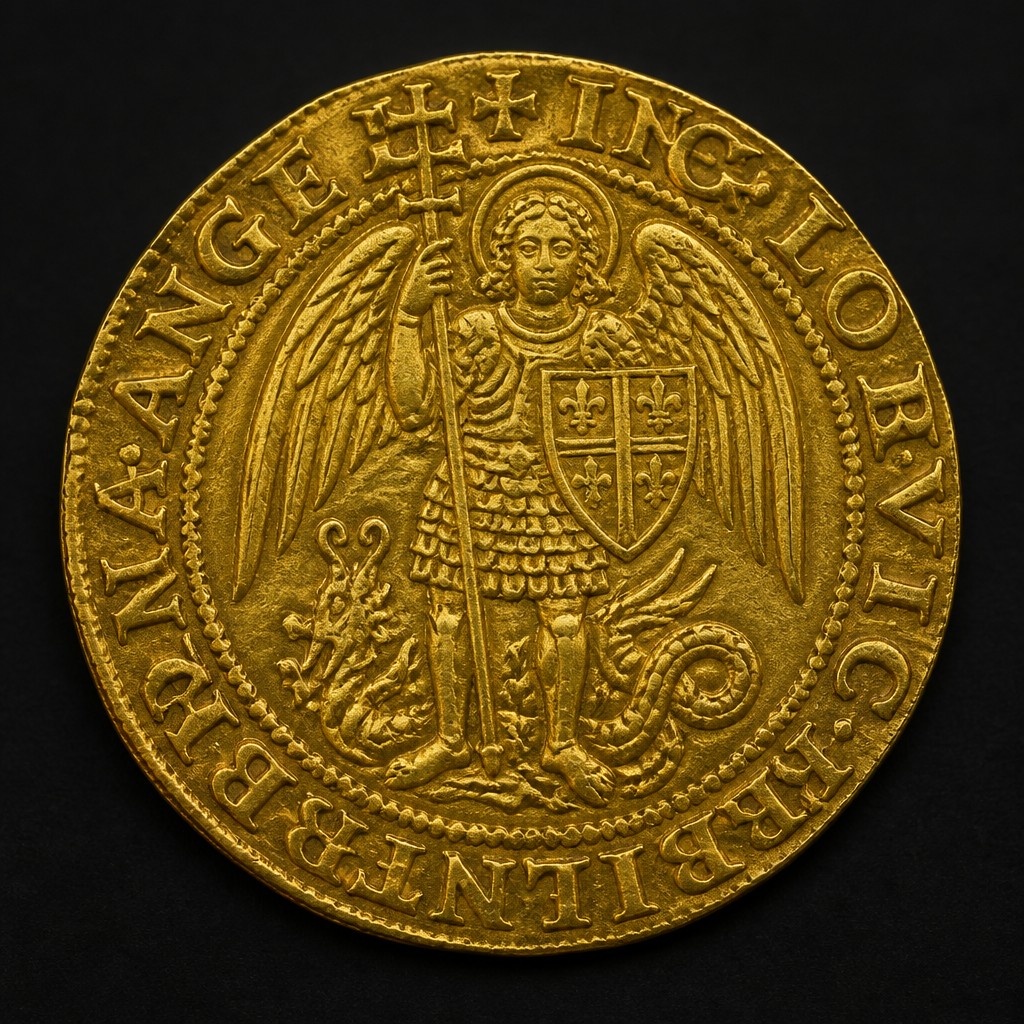
English Angel
1465–1642
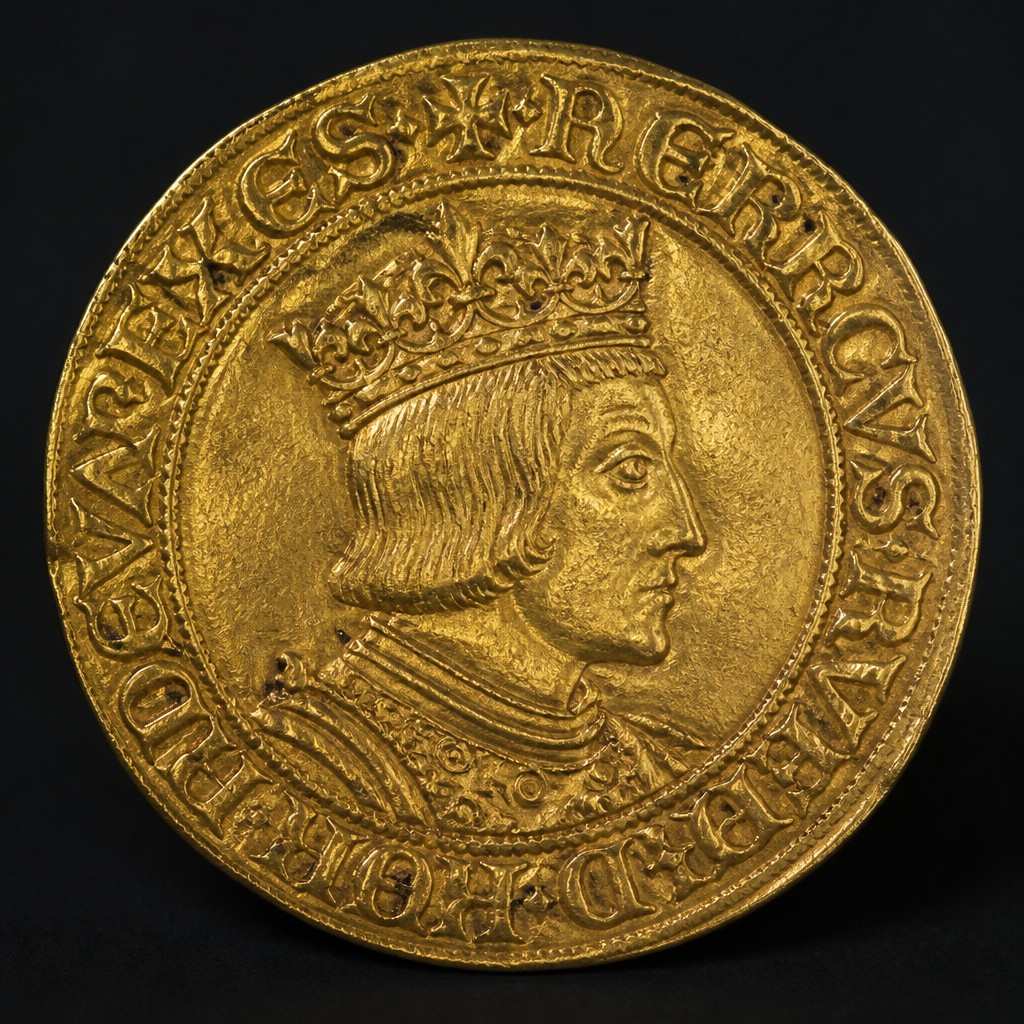
English Sovereign of Henry VII
1489–1509
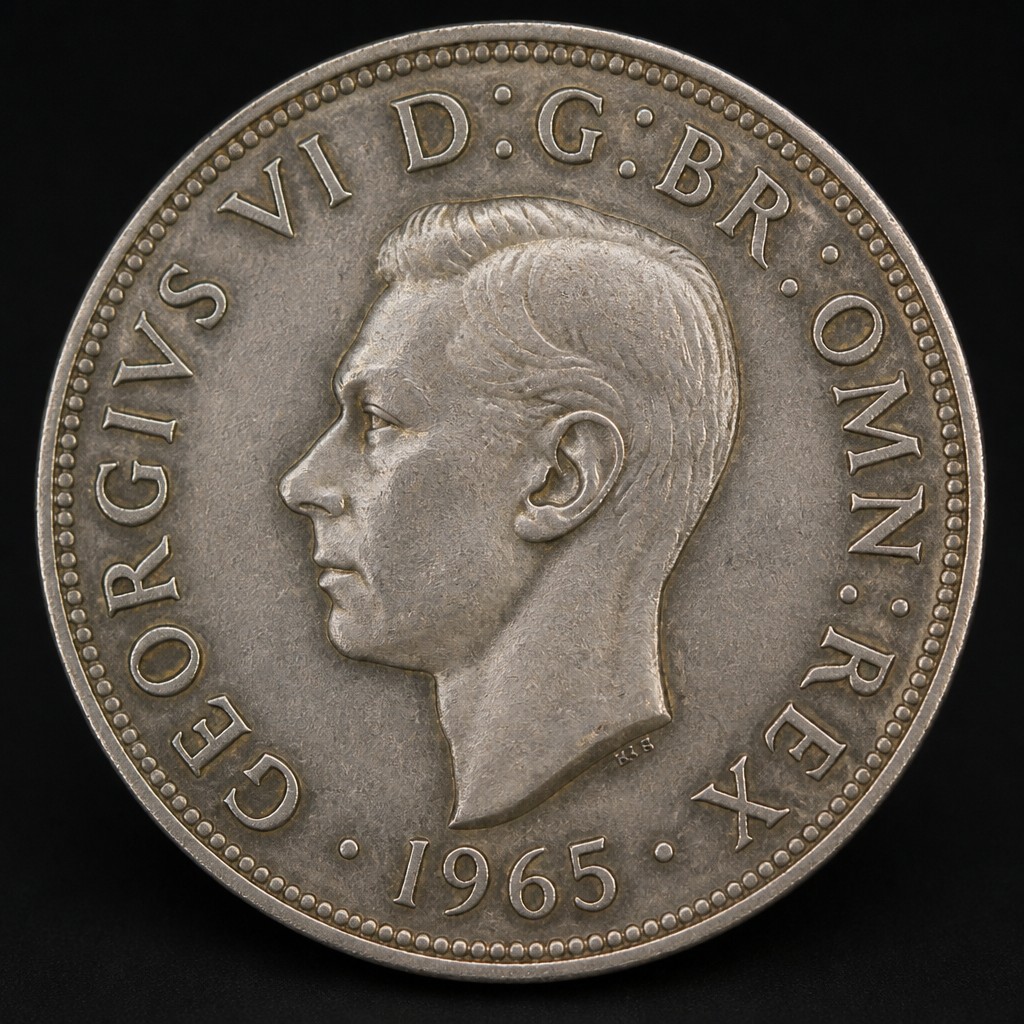
English Crown
1526–1965 (pre-decimal; commemorative crown-sized coins continue as five pound coins)
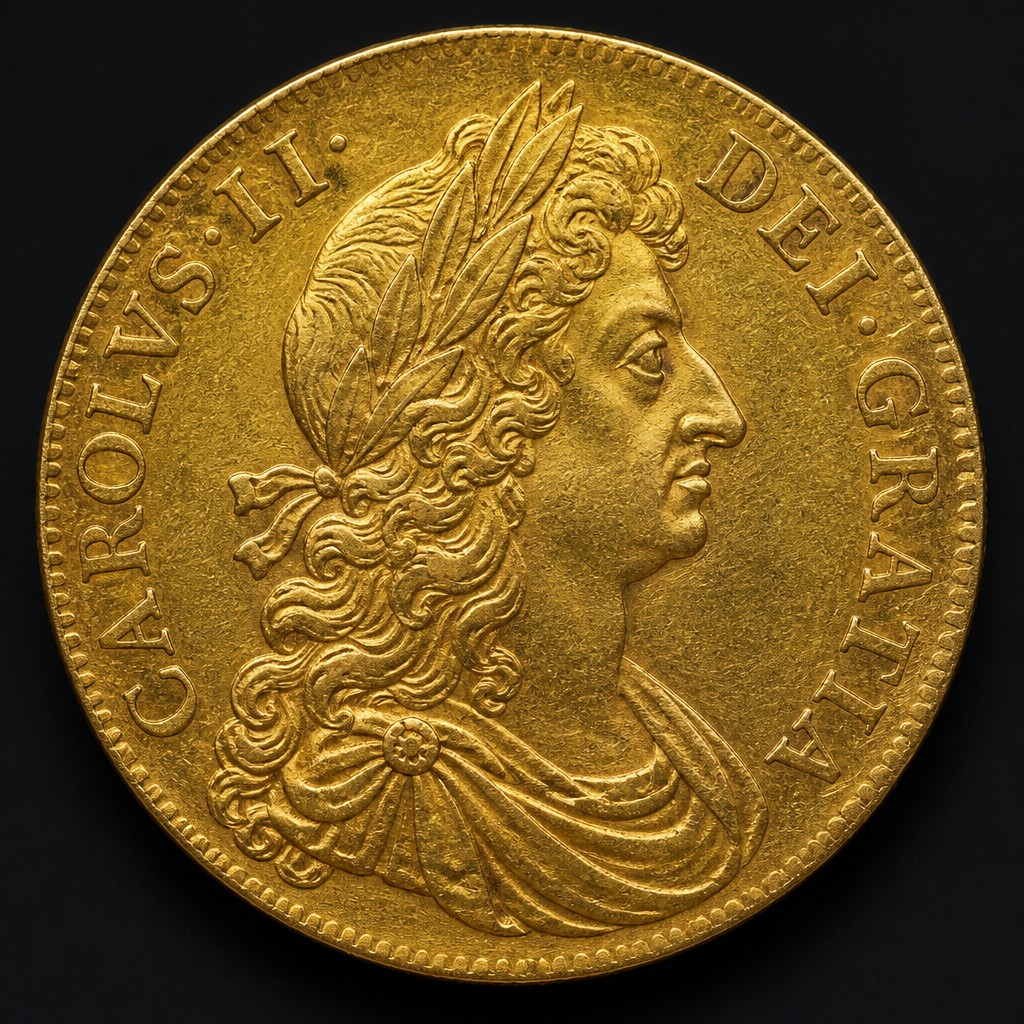
British Gold Guinea
1663–1814
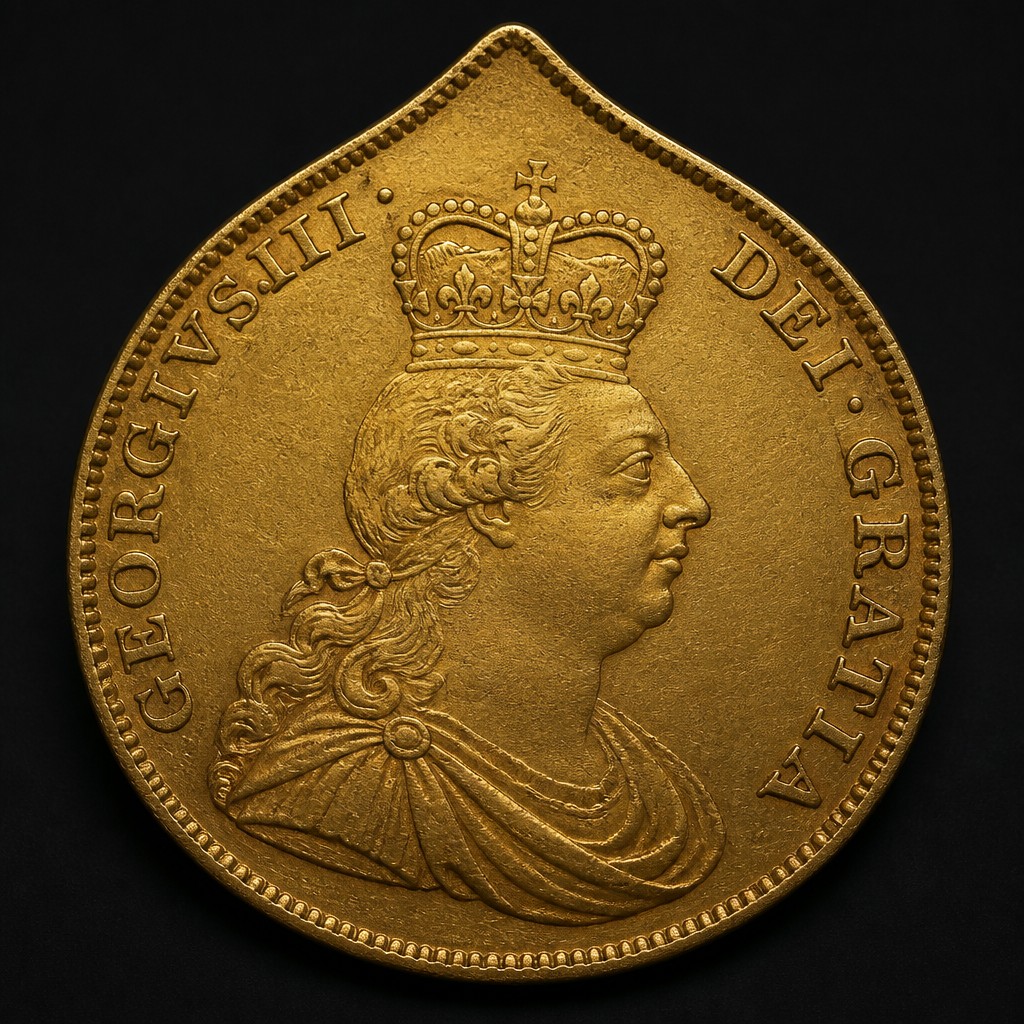
Spade Guinea
1787–1799
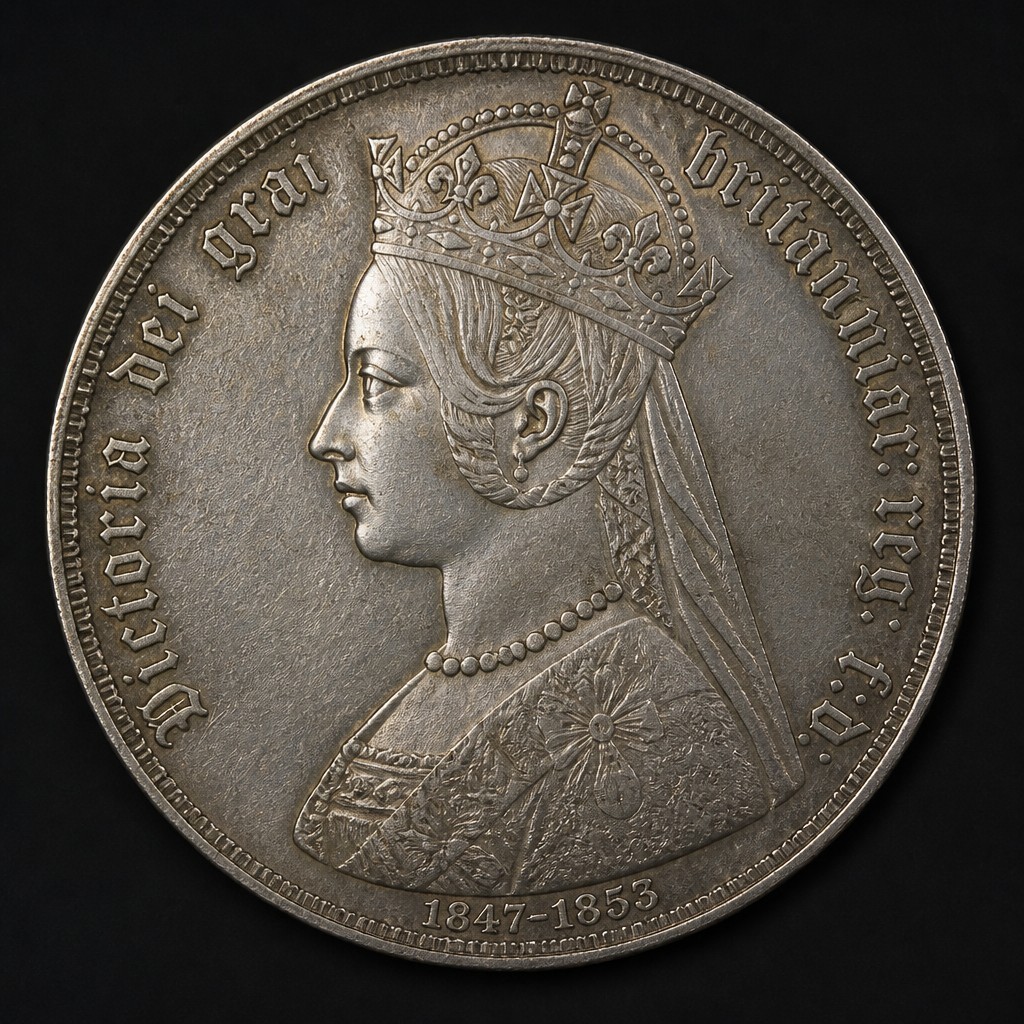
Gothic Crown
1847–1853
Groat (Fourpence)
1279–1888 (various revivals)
Farthing
13th century–1956
Halfpenny
c. 800s–1969
Five Pound Gold (Quintuple Sovereign)
1820–present (intermittent)
Threepence
1547–1970