
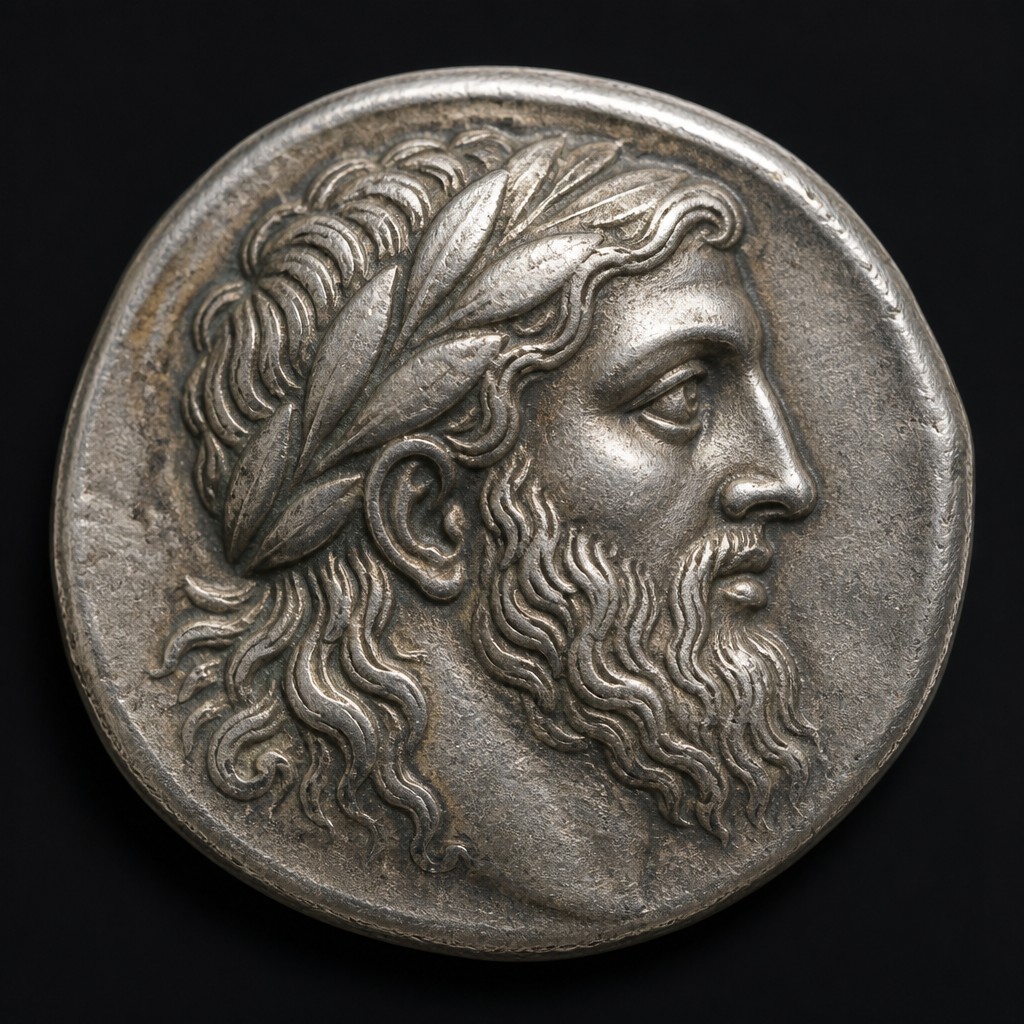
Poseidonia (Paestum) Poseidon Stater
An early Magna Graecia silver stater from Poseidonia showing the sea god Poseidon striding forward with a raised trident, named for and emblematic of the city itself.
- Country
- Ancient Greece (Poseidonia/Paestum, Lucania)
- Denomination
- Stater
- Metal
- Silver
Got a coin like this?
Identify any coin from a photo, free.
Overview
Poseidonia, later renamed Paestum after it passed to Lucanian and then Roman control, took its very name from the sea god Poseidon, who dominates its earliest coinage. The archaic-period staters, struck in the distinctive thin, broad 'incuse' fabric shared by several early Achaean colonies of southern Italy, show the god striding purposefully with trident raised, a design of real dynamism for its era.
Collectors of early Magna Graecia coinage prize these pieces both for their historical primacy, among the earliest struck in the region, and for the vigorous, almost sculptural rendering of Poseidon in motion.
History & Background
Poseidonia was founded around the late seventh or early sixth century BC by Greek settlers, traditionally from Sybaris, on the western coast of Lucania. The city's coinage in its first phase followed the unusual 'incuse' technique shared by nearby Achaean colonies such as Sybaris, Kroton, and Metapontum, in which the reverse die produced a mirror-image incuse version of the obverse type rather than a distinct design.
As the incuse technique gave way to standard relief coinage in the fifth century BC, Poseidonia continued to feature Poseidon, later joined by other types such as a bull. The city eventually fell under the control of the Italic Lucanians around 400 BC, who renamed it Paestum, and it was later refounded as a Latin colony by Rome in 273 BC, after which its coinage ceased in favor of Roman issues.
How to Identify
On the earliest incuse-style staters, the obverse shows Poseidon striding to the right, nude but for a cloak over his shoulders, brandishing a trident overhead, with the reverse bearing an incuse (sunken, mirror-reversed) version of the same figure. Later relief-style staters retain a similar obverse Poseidon but pair him with a more conventional, non-incuse reverse type.
The city ethnic appears in early Achaean-alphabet lettering reading some form of the city's name. Collectors distinguish the archaic incuse issues, which are thinner, broader, and technically distinctive, from the later thicker relief-struck staters, and pay close attention to the completeness of Poseidon's trident and stance, which are often weakly struck on surviving examples.
Value & Collectibility
Early incuse staters from Poseidonia are scarce and highly sought after by specialists in archaic Greek coinage, commanding prices from the low thousands of dollars for modest examples up to substantially more for well-centered, sharply struck pieces. Later relief-style staters are somewhat more available and can be found at more moderate price points.
As with all incuse-fabric coinage, full centering on both sides is unusually difficult to achieve and correspondingly adds a strong premium, since many surviving examples show significant off-centering or weak strike on either the obverse or the mirrored reverse.
Frequently asked questions
What does 'incuse' mean on these coins?
It refers to an early minting technique where the reverse die was a sunken, mirror-image version of the obverse design, rather than a separate distinct image.
Why is Poseidon on the coin?
The city was named Poseidonia in honor of the sea god, making him the natural and enduring emblem of its coinage.
How did the city become 'Paestum'?
It was renamed Paestum after falling under the control of the Italic Lucanian people around 400 BC, and the Latinized name persisted after Rome later refounded it as a colony.
Are incuse staters rarer than the later type?
Generally yes; the archaic incuse issues are earlier, more technically demanding to strike well, and are prized accordingly by specialist collectors.
Other coins you may enjoy
Theodosius I Solidus
379–395 AD
Republican Victoriatus
c. 211–170 BC
Islamic Gold Dinar (Umayyad)
c. 696–750 AD
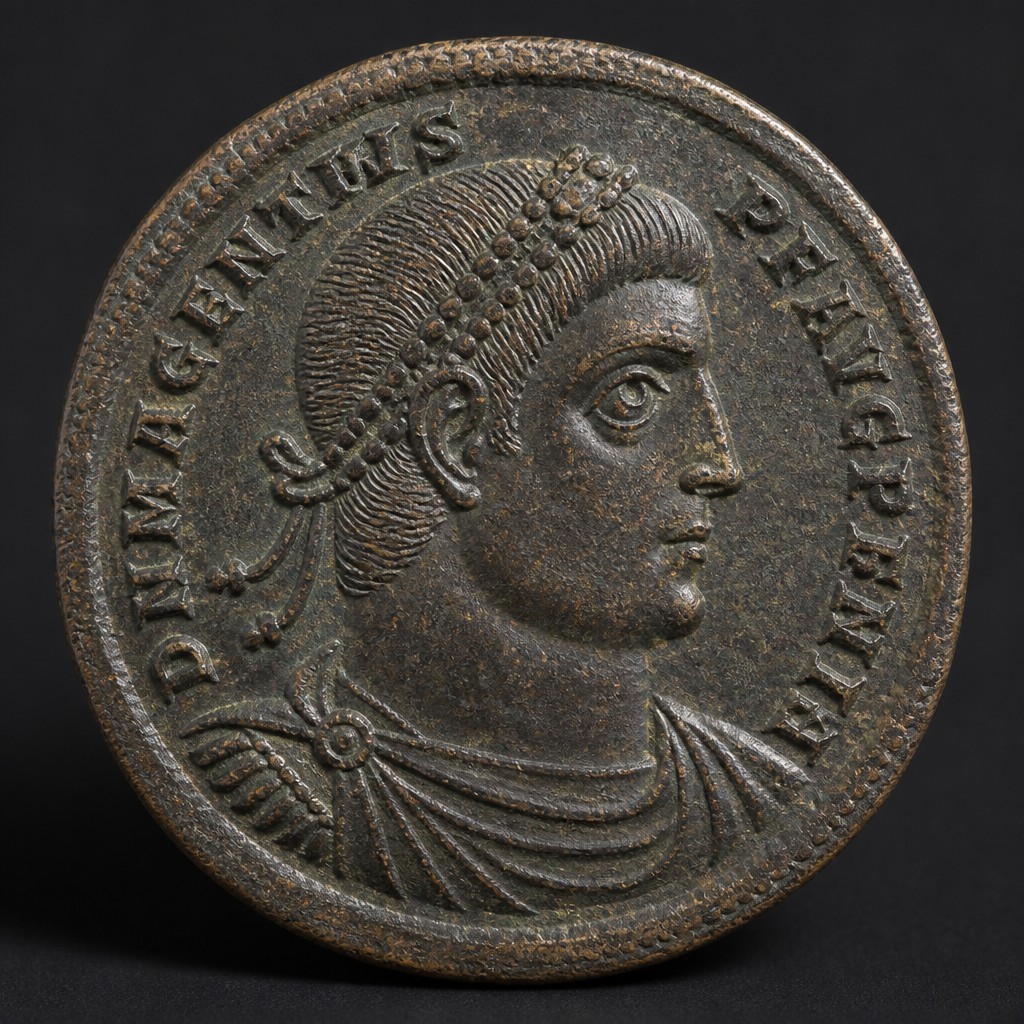
Magnentius Double Centenionalis
350–353 AD
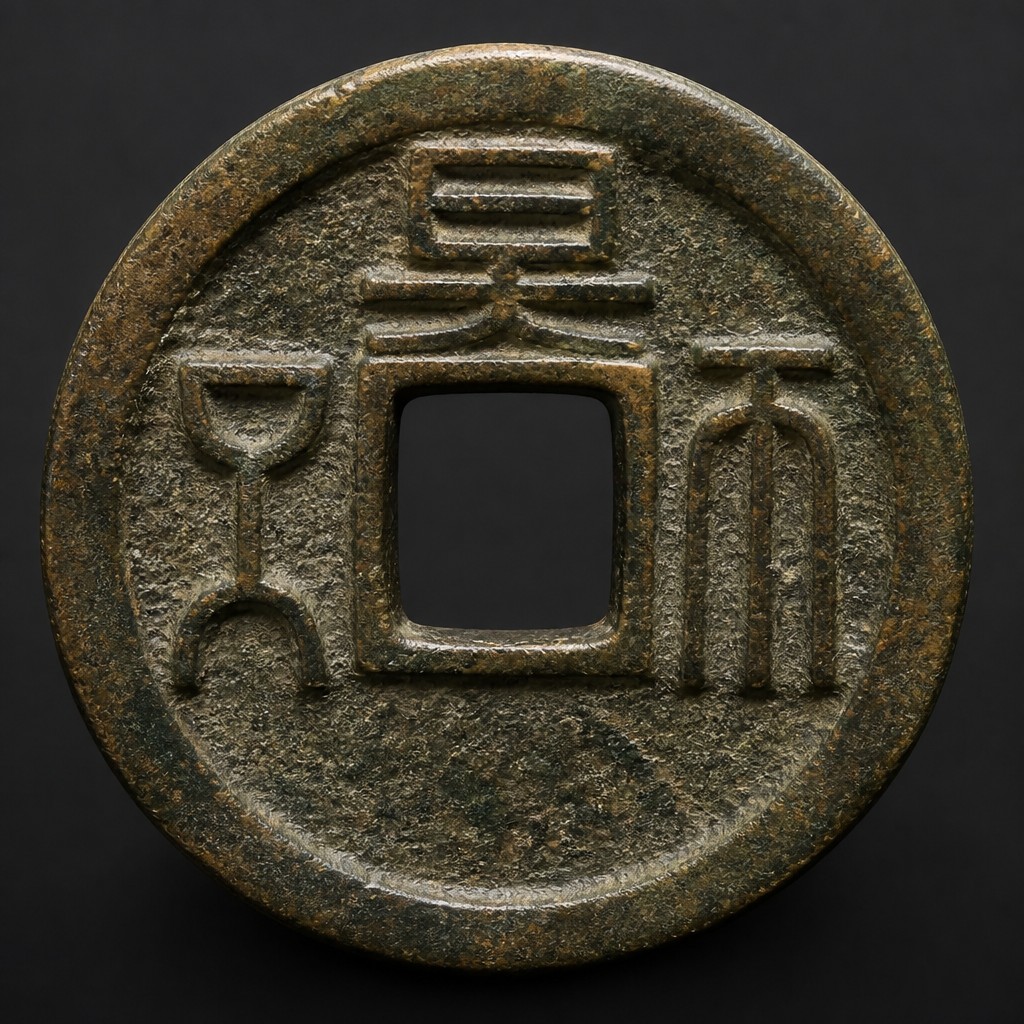
Chinese Wu Zhu Cash
118 BC – 618 AD
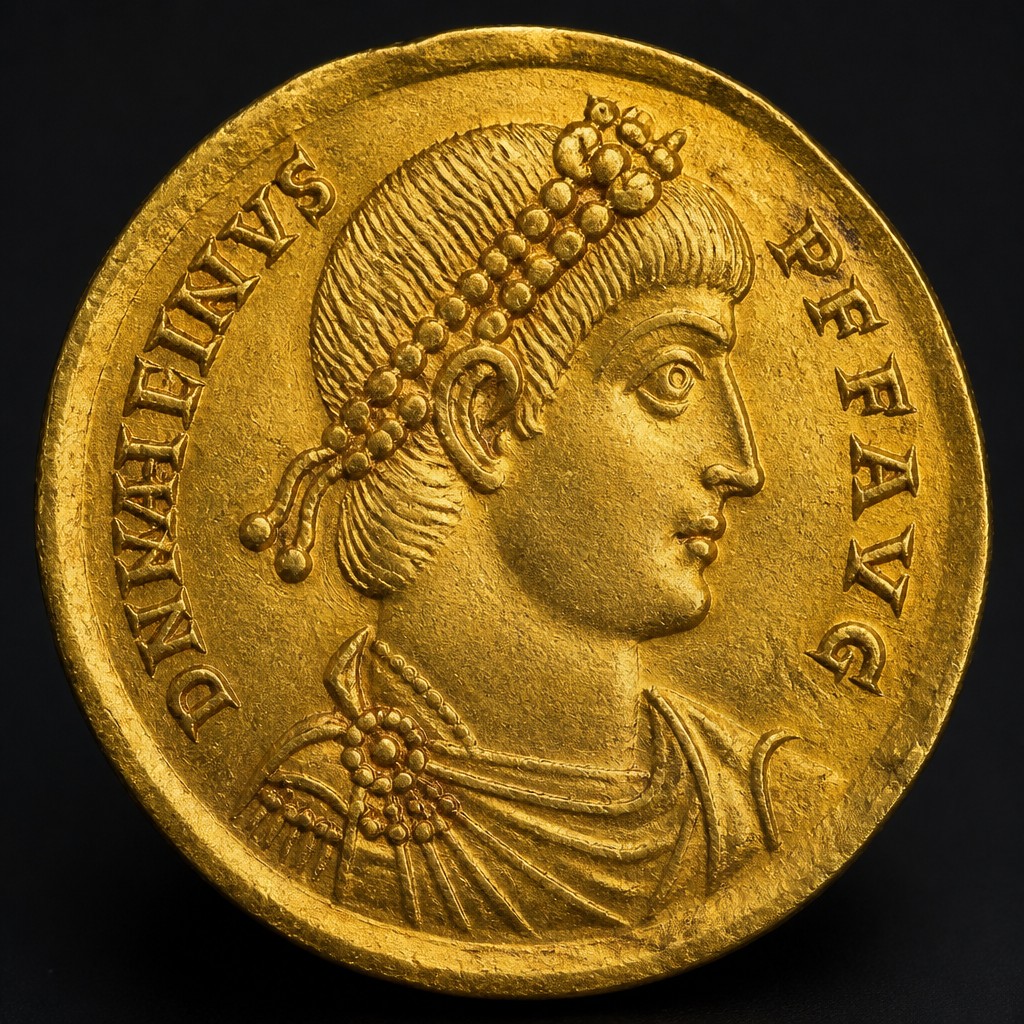
Valentinian I Solidus
364–375 AD
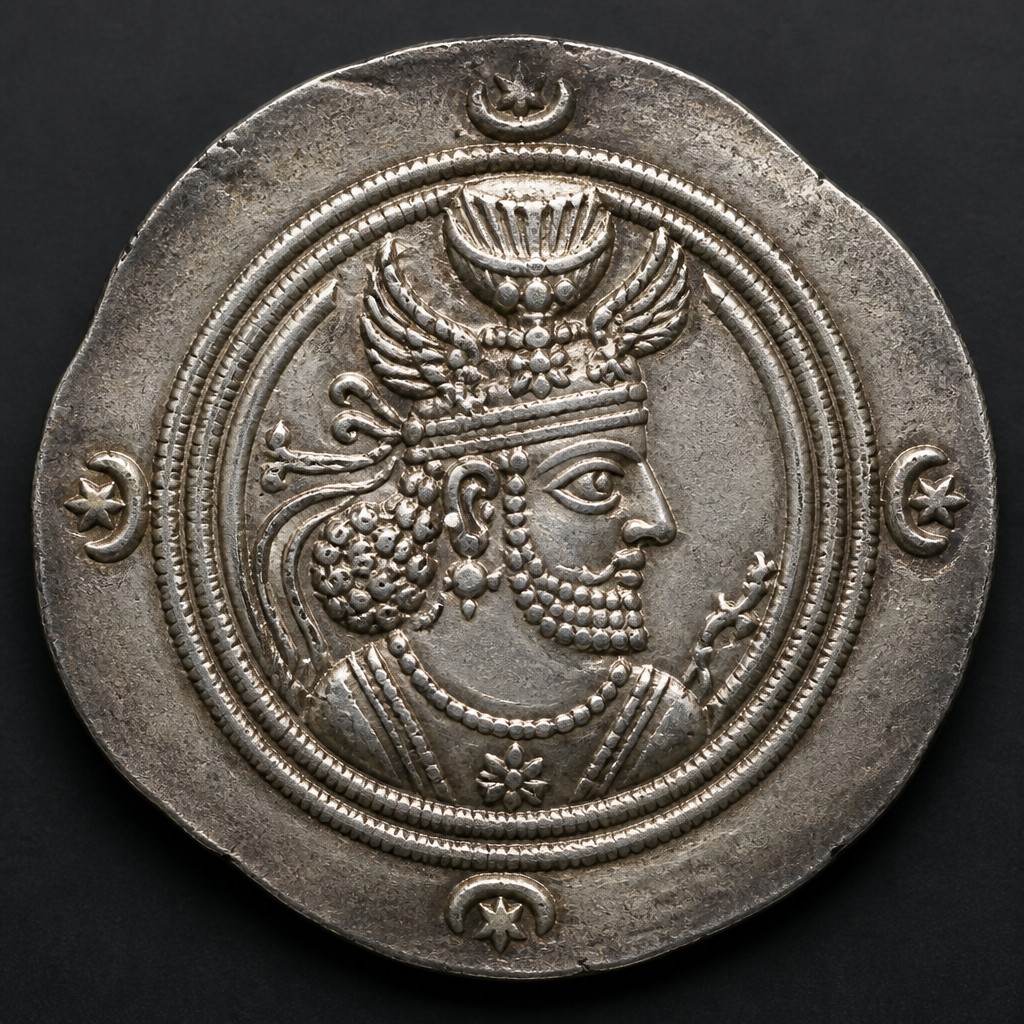
Sassanian Silver Drachm
c. 224–651 AD
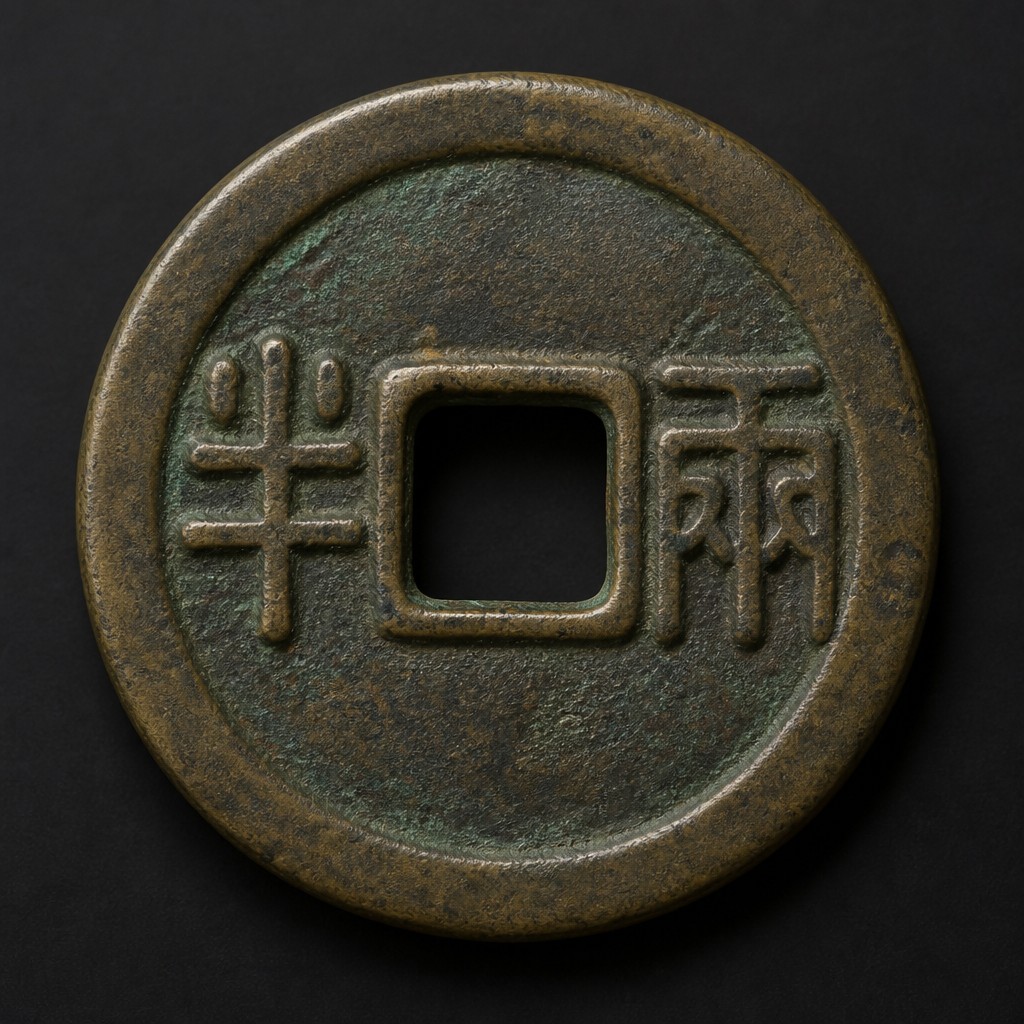
Chinese Ban Liang Cash
c. 221–118 BC
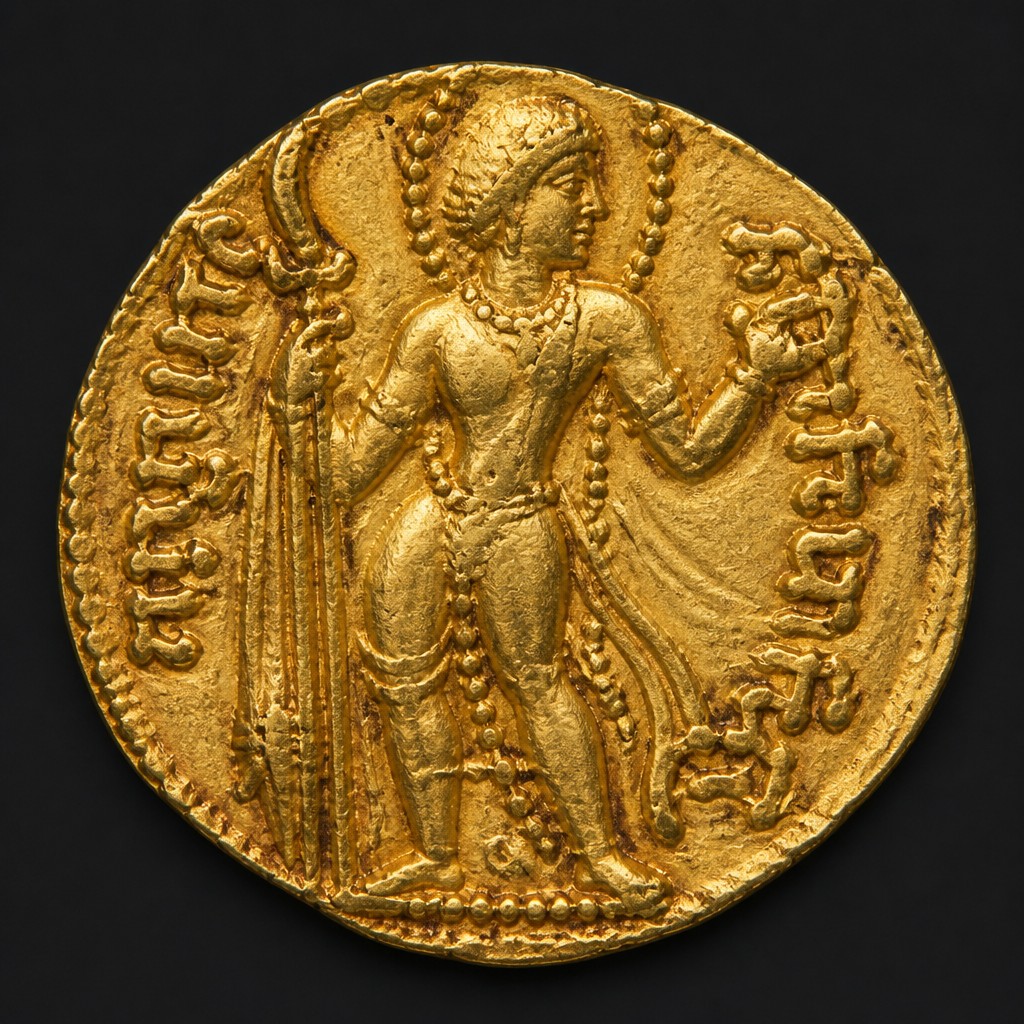
Gupta Empire Gold Dinar
c. 320–550 AD
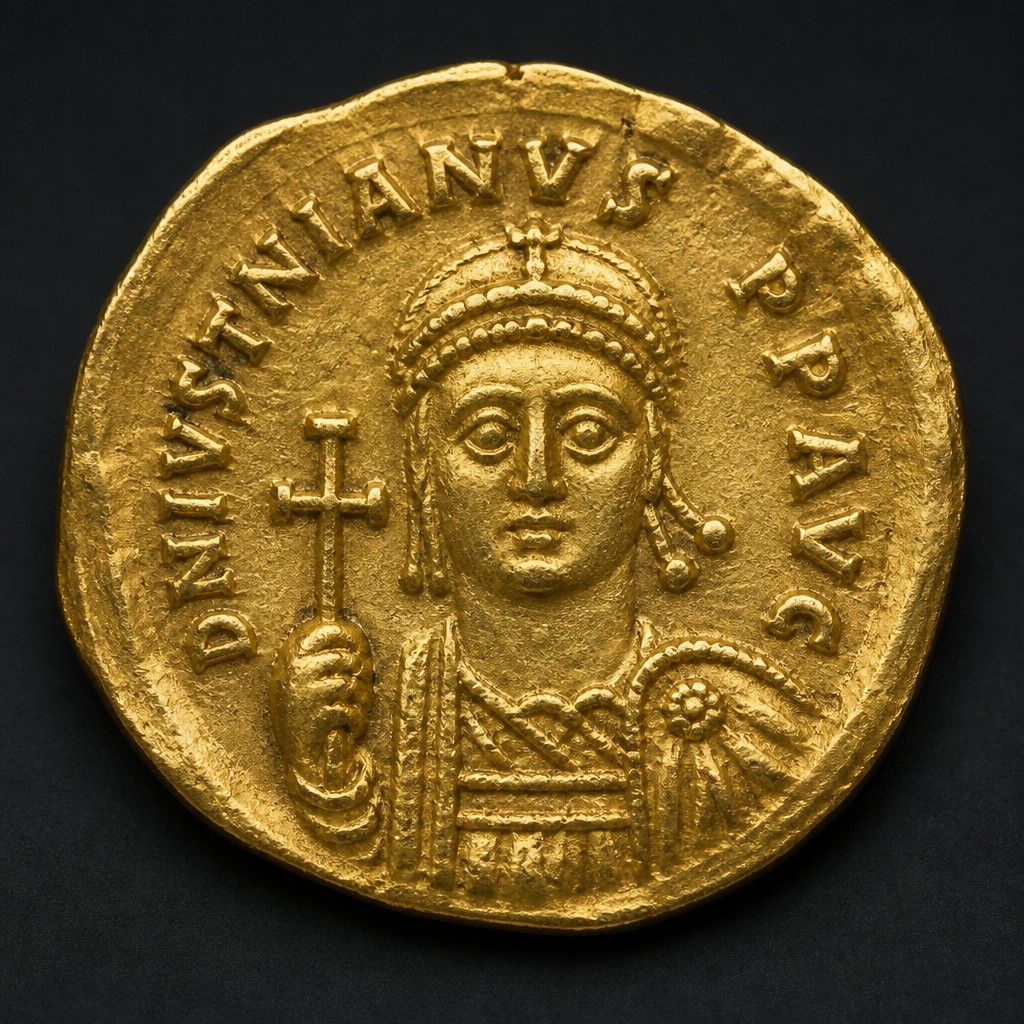
Byzantine Gold Tremissis
c. 4th–7th century AD
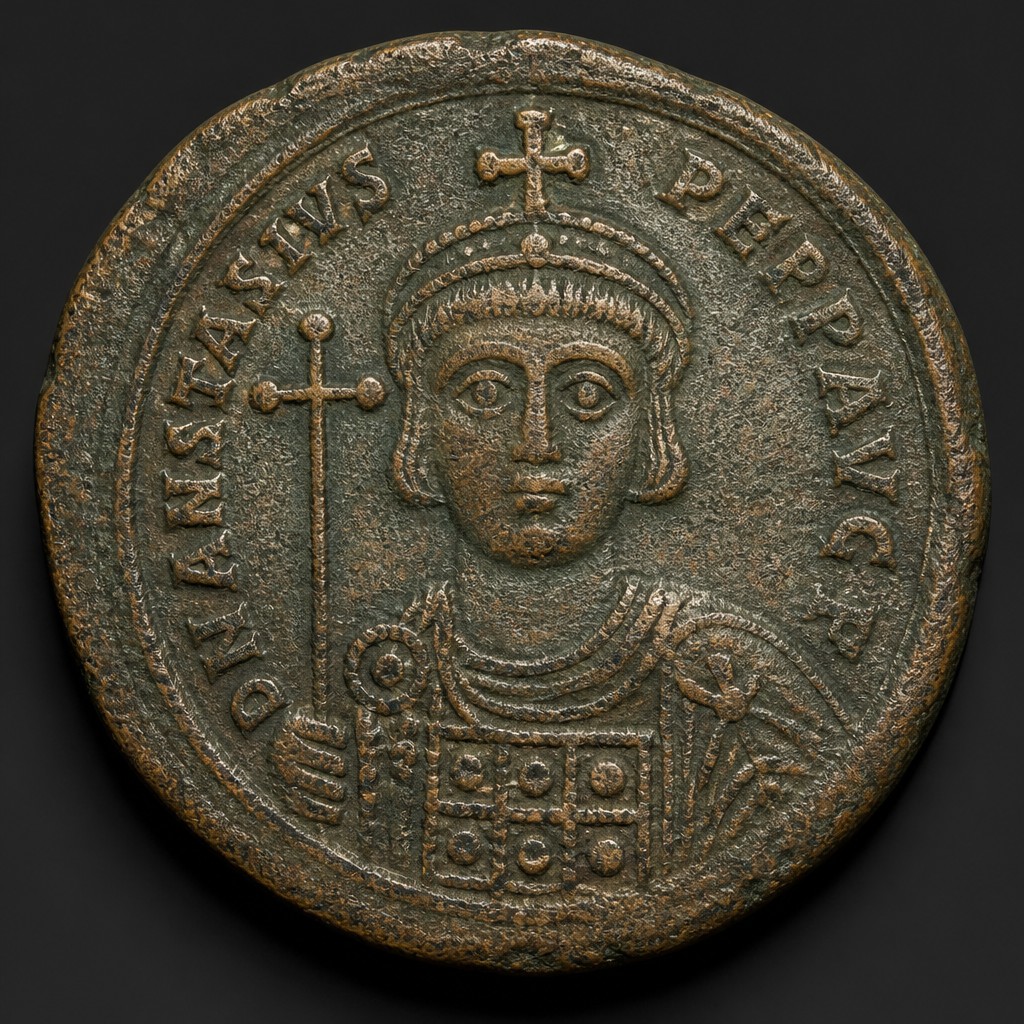
Byzantine Follis
498–c. 11th century AD
Celtic Gold Stater
c. 3rd century BC – 1st century AD