
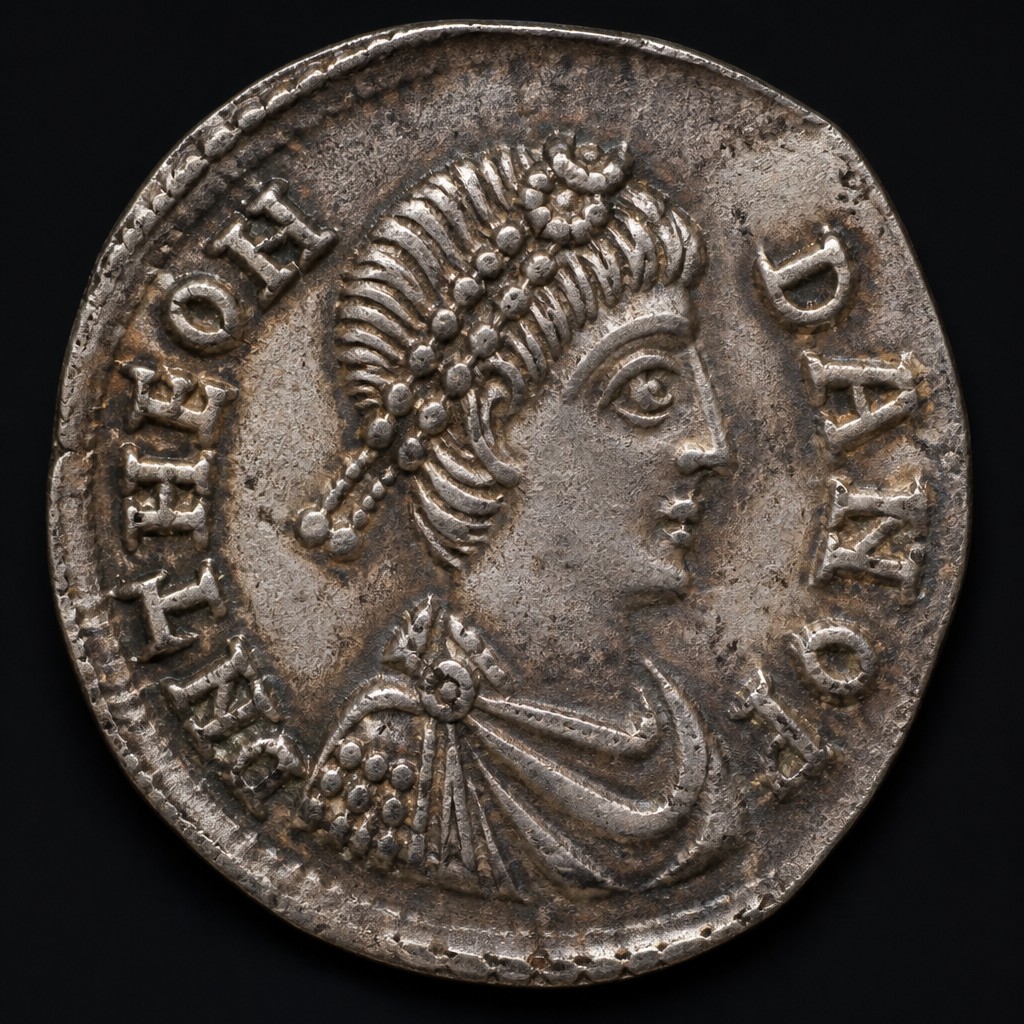
Ostrogothic Silver Quarter Siliqua
Small silver coin struck by the Ostrogothic kings of Italy in the name of the reigning Byzantine emperor, bearing the Gothic king's monogram on the reverse.
- Country
- Ostrogothic Kingdom of Italy
- Denomination
- Quarter siliqua
- Metal
- Silver
Got a coin like this?
Identify any coin from a photo, free.
Overview
The Ostrogothic quarter siliqua was one of several small silver denominations struck in Italy under Theodoric the Great and his successors after the Ostrogoths took control of the peninsula in the late fifth century. Unlike fully independent coinages, these issues were struck in the name of the reigning Byzantine emperor, reflecting the Ostrogoths' formal (if largely nominal) subordination to Constantinople.
What distinguishes these coins from ordinary Byzantine issues is a distinctive royal monogram placed within a wreath on the reverse, identifying the Gothic king under whose authority the coin was actually struck. This dual system, imperial obverse and royal Gothic reverse, makes the series a fascinating bridge between the Roman world and early medieval Italy.
The coinage circulated throughout Ostrogothic Italy until the kingdom's collapse following the prolonged Gothic War with the Byzantine Empire in the mid-sixth century.
History & Background
Theodoric the Great established Ostrogothic rule over Italy in 493 AD after defeating Odoacer, but he governed as a technically subordinate ruler acting on behalf of the Eastern Roman emperor. This political arrangement was reflected directly in his coinage, which continued to name and depict the Byzantine emperor (Anastasius I, and later Justin I and Justinian I) on the obverse.
Theodoric and his successors, including Athalaric, Theodahad, and Witigis, added their own royal monograms to the reverse of silver issues as a mark of local authority without breaking the formal fiction of imperial sovereignty. This arrangement allowed the Ostrogothic kingdom to maintain trade and diplomatic legitimacy with Constantinople while still asserting a distinct royal identity.
The coinage effectively ended with the Gothic War (535–554), in which the Byzantine Empire under Justinian I reconquered Italy, dismantling the Ostrogothic kingdom and its distinct coinage.
How to Identify
The obverse shows a diademed or helmeted bust of the reigning Byzantine emperor with a Latin or Greek-influenced legend naming him, following standard late Roman imperial style. This can make the coins superficially resemble ordinary Byzantine silver at first glance.
The key identifying feature is the reverse, which typically bears a royal monogram, an abbreviated combination of letters spelling out the Gothic king's name, enclosed within a wreath or simple border rather than a full imperial reverse scene. Different monograms correspond to Theodoric, Athalaric, Theodahad, and Witigis.
The coins are small and thin, generally under 20mm and a gram or two in weight, consistent with fractional silver denominations of the period. Mint attribution (Ravenna, the Ostrogothic capital, Rome, or Milan) is based on stylistic details and control marks rather than an explicit mint name.
Value & Collectibility
Ostrogothic silver fractions are scarce specialist coins, and values depend heavily on which king's monogram appears and the coin's overall condition and centering. Common Theodoric-era pieces can be found in the low hundreds of dollars, while issues of short-reigned kings like Theodahad or Witigis are considerably rarer and more costly.
Because the coins are small and often weakly struck, sharpness of the monogram and legibility of the imperial legend both affect desirability. Well-centered, clearly monogrammed examples command a premium over off-center or worn pieces.
This series appeals mainly to specialists in late antique and early medieval European coinage, and expert attribution is recommended before purchase given the coins' small size and subtle distinguishing features.
Frequently asked questions
Why does an Ostrogothic coin show a Byzantine emperor?
The Ostrogothic kings ruled Italy nominally as subordinates of the Byzantine emperor, so their coins continued to display the emperor's portrait and name.
How can I tell which Gothic king issued the coin?
Look at the reverse monogram, an abbreviated combination of letters within a wreath that identifies the specific Ostrogothic king who authorized the striking.
What is a siliqua?
A siliqua was a small late Roman and early medieval silver coin; the quarter siliqua is a smaller fractional denomination of it.
When did this coinage end?
It ended around the mid-sixth century as the Byzantine Empire reconquered Italy during the Gothic War, dismantling Ostrogothic rule.
Where were these coins minted?
Primary mints included Ravenna, the Ostrogothic capital, along with Rome and Milan.
Other coins you may enjoy
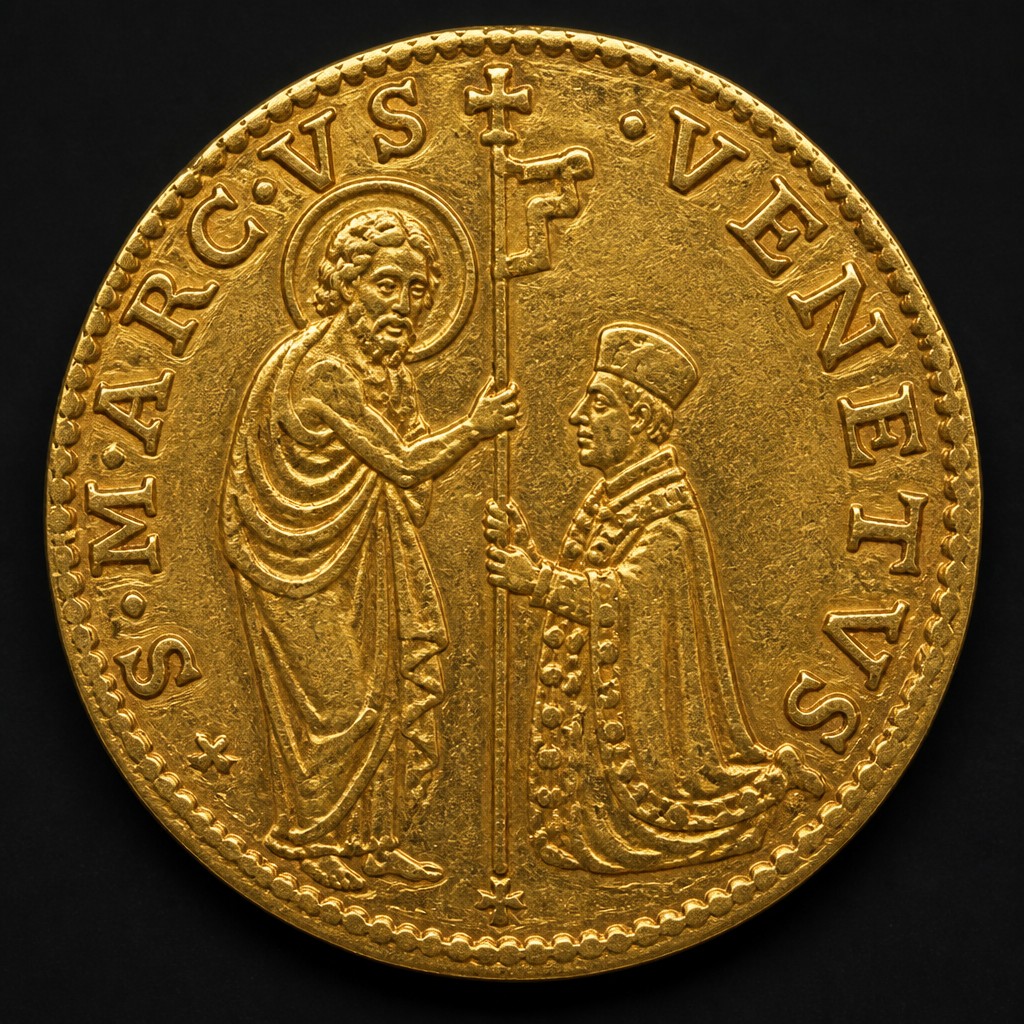
Venetian Ducat
1284–1797
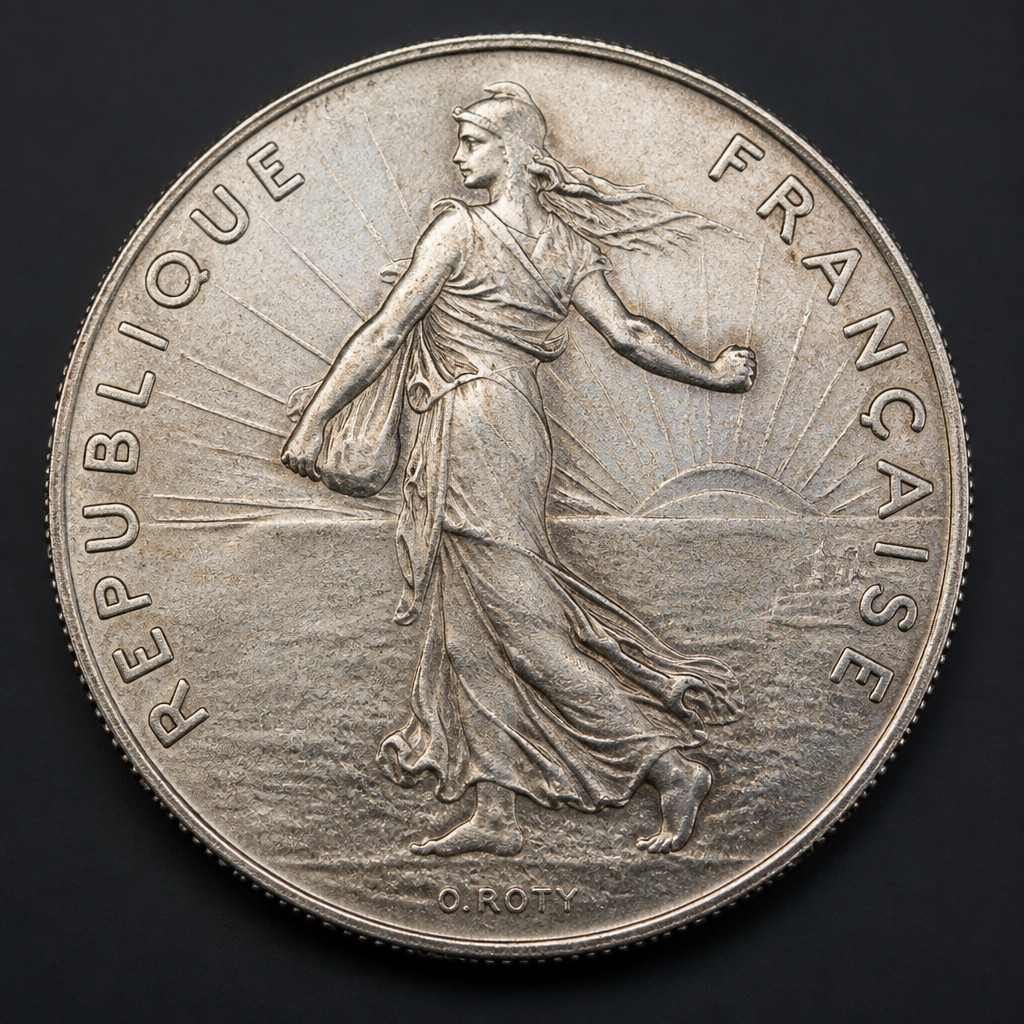
French 100 Francs Silver
1980s–2001 (pre-euro era)
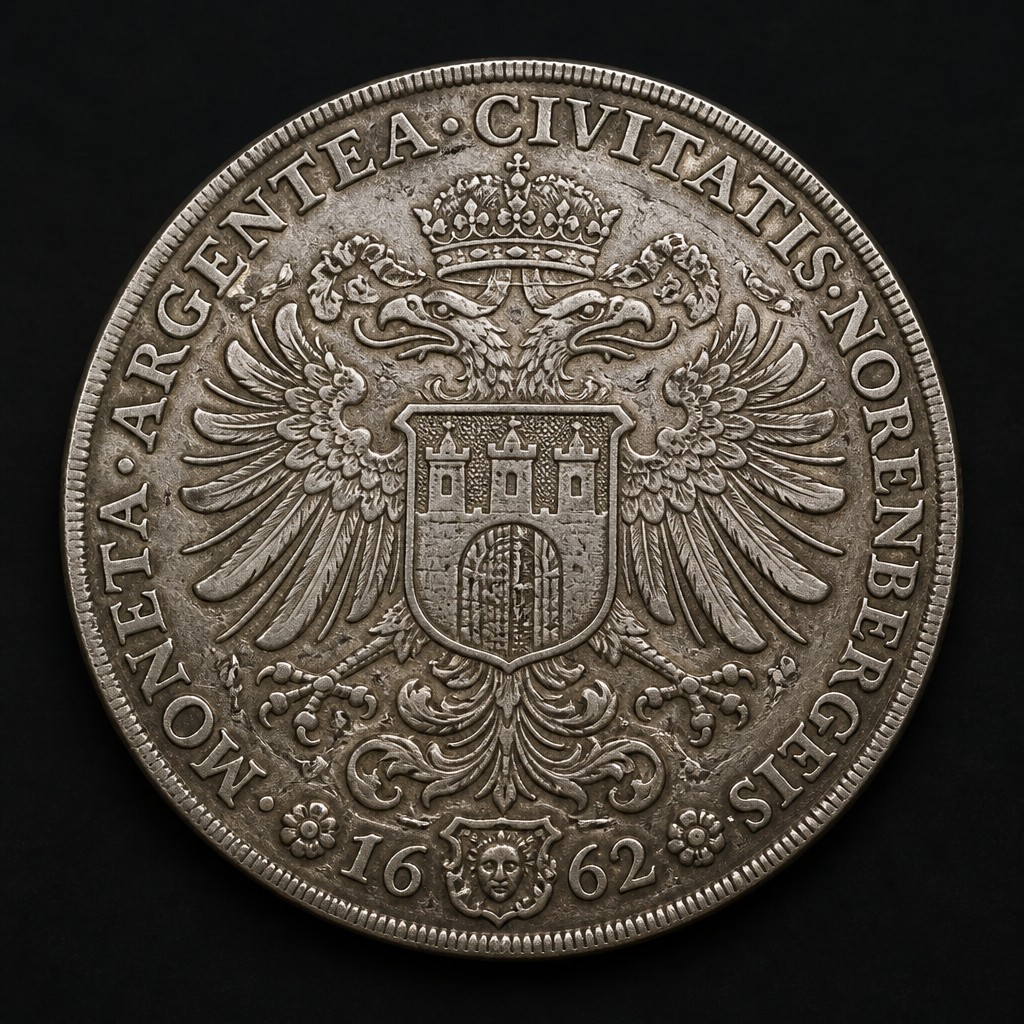
Nuremberg Thaler
16th–18th century
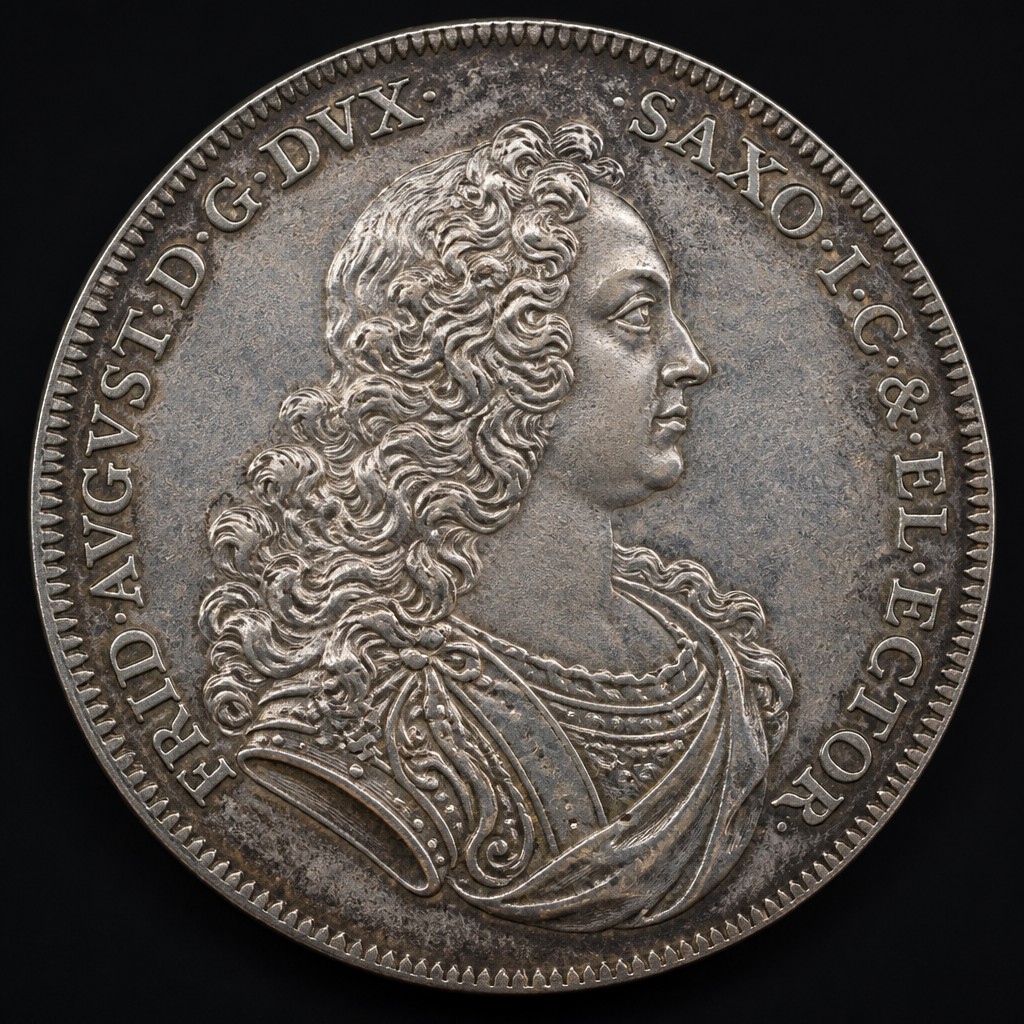
Saxon Speciestaler
17th–19th century
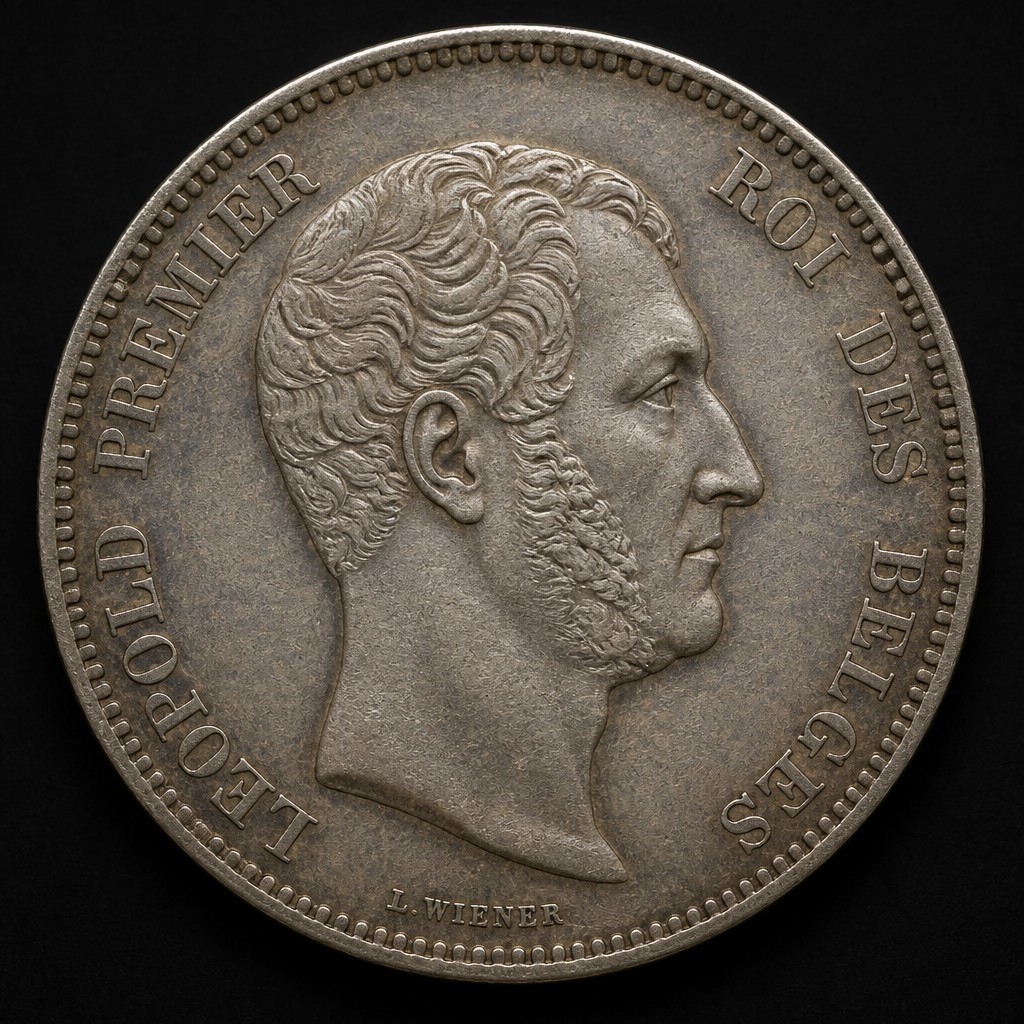
Belgian 5 Francs
1832–1876 (large silver type); later reduced-size and later-metal issues into the 20th century
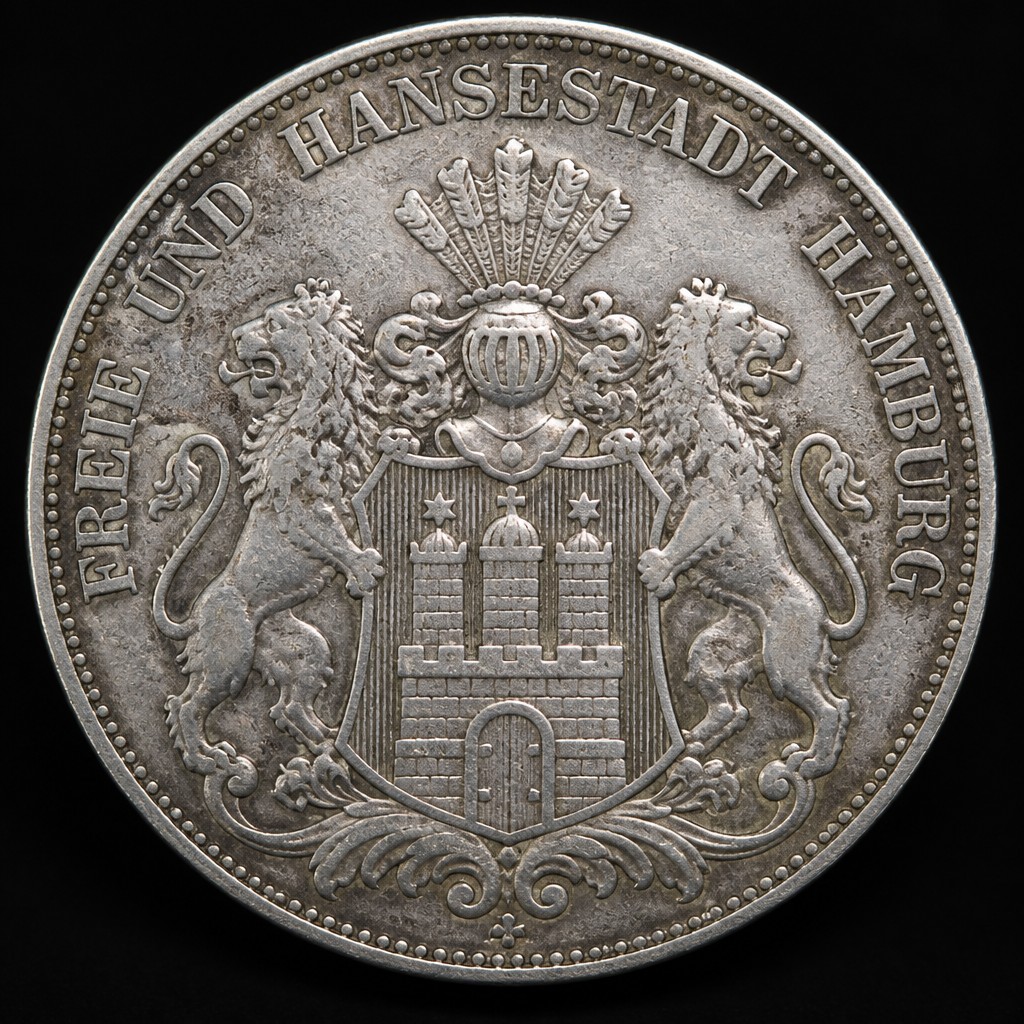
Hamburg Thaler
17th century–1871
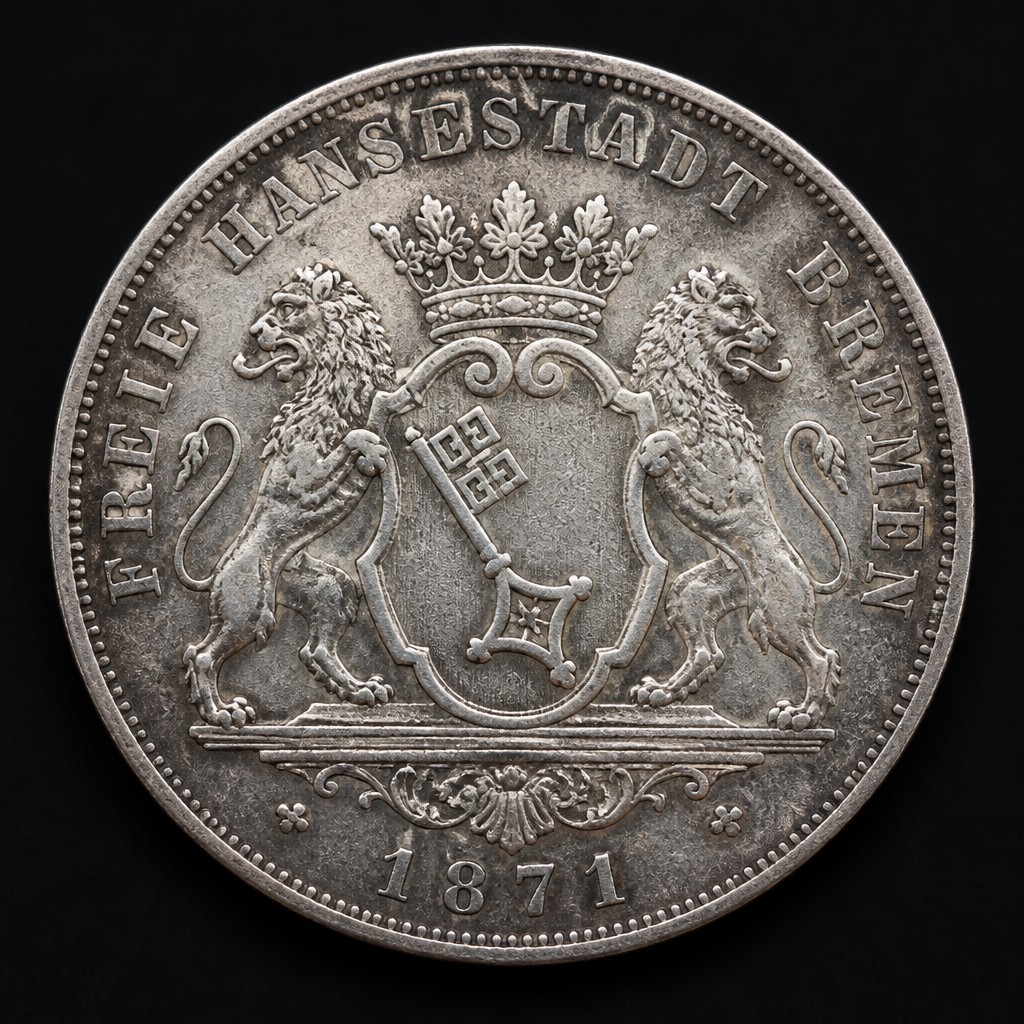
Bremen Thaler
17th century–1871
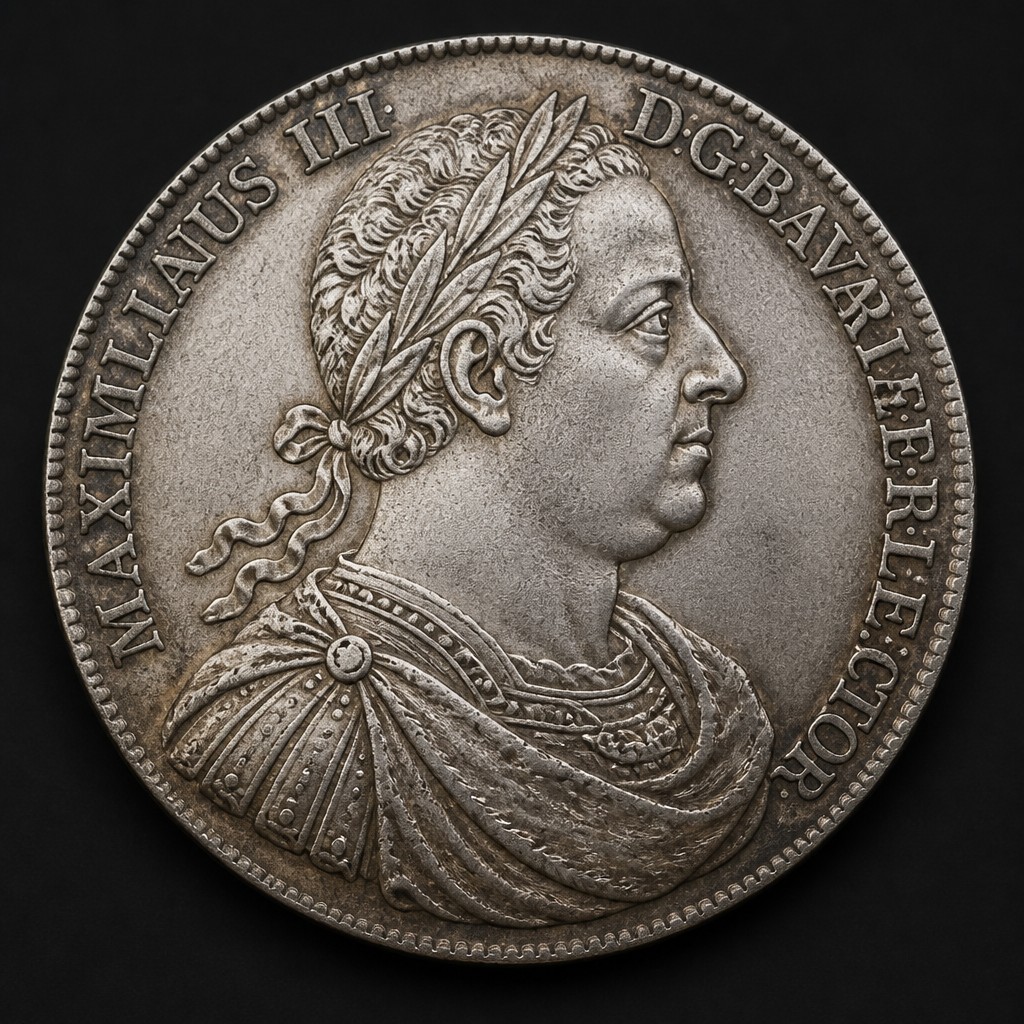
Bavaria Thaler
Circa 1620s-1871
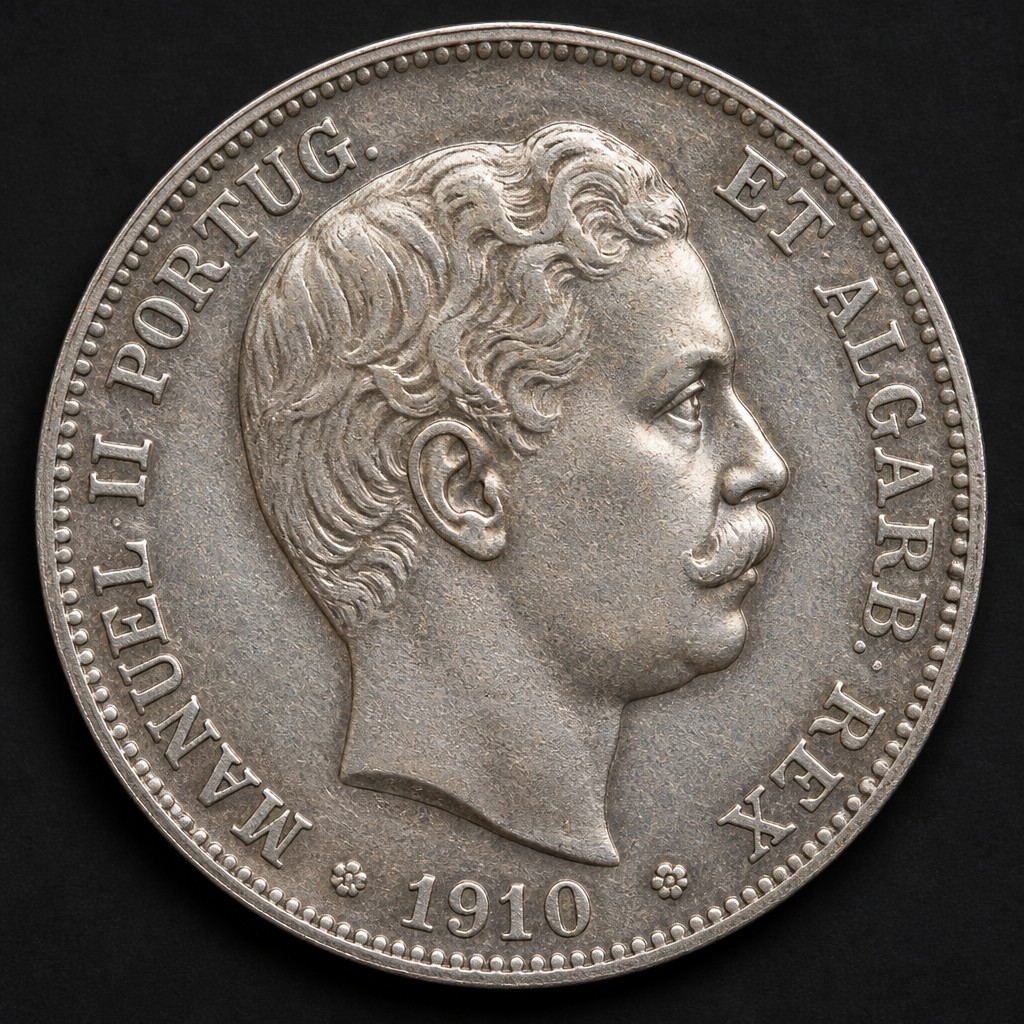
Portuguese 1000 Reis
19th century–1910 (Kingdom period)
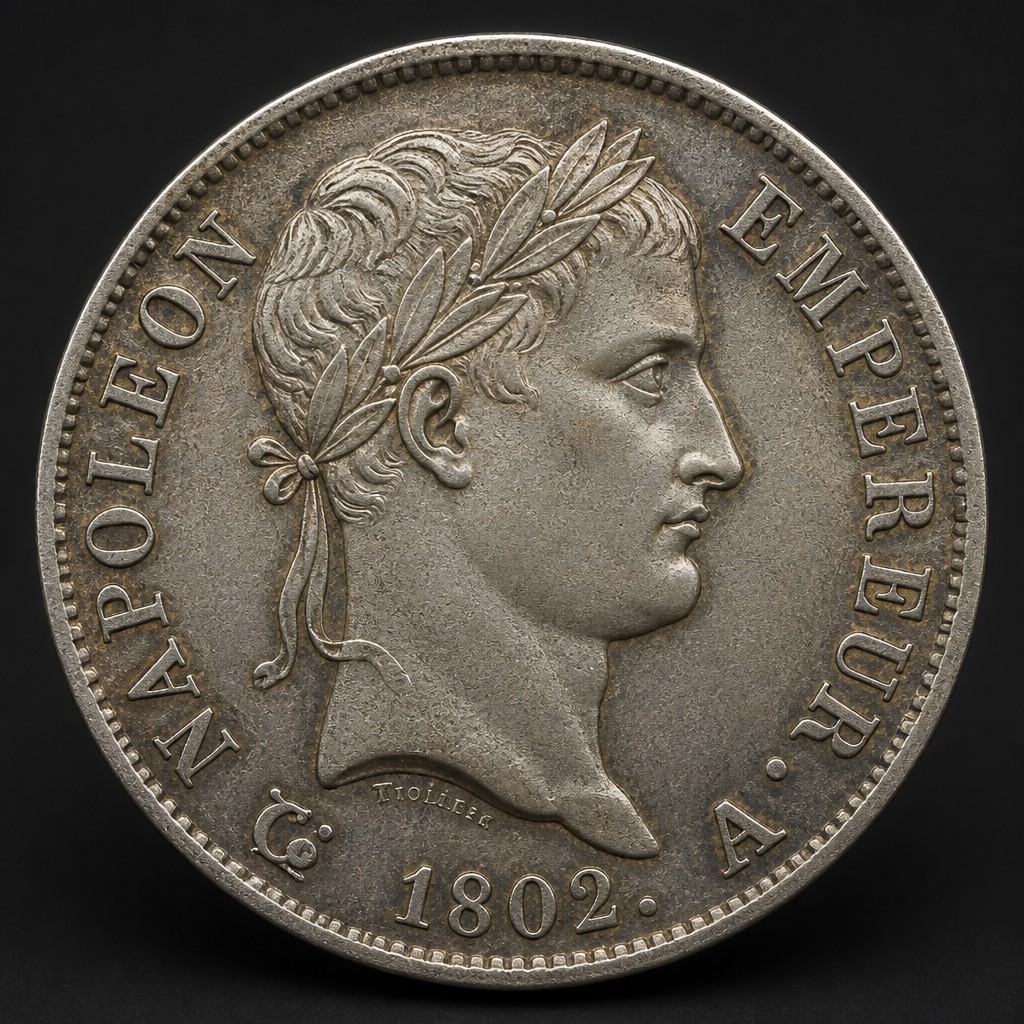
French 5 Francs "Napoleon"
1802–1815
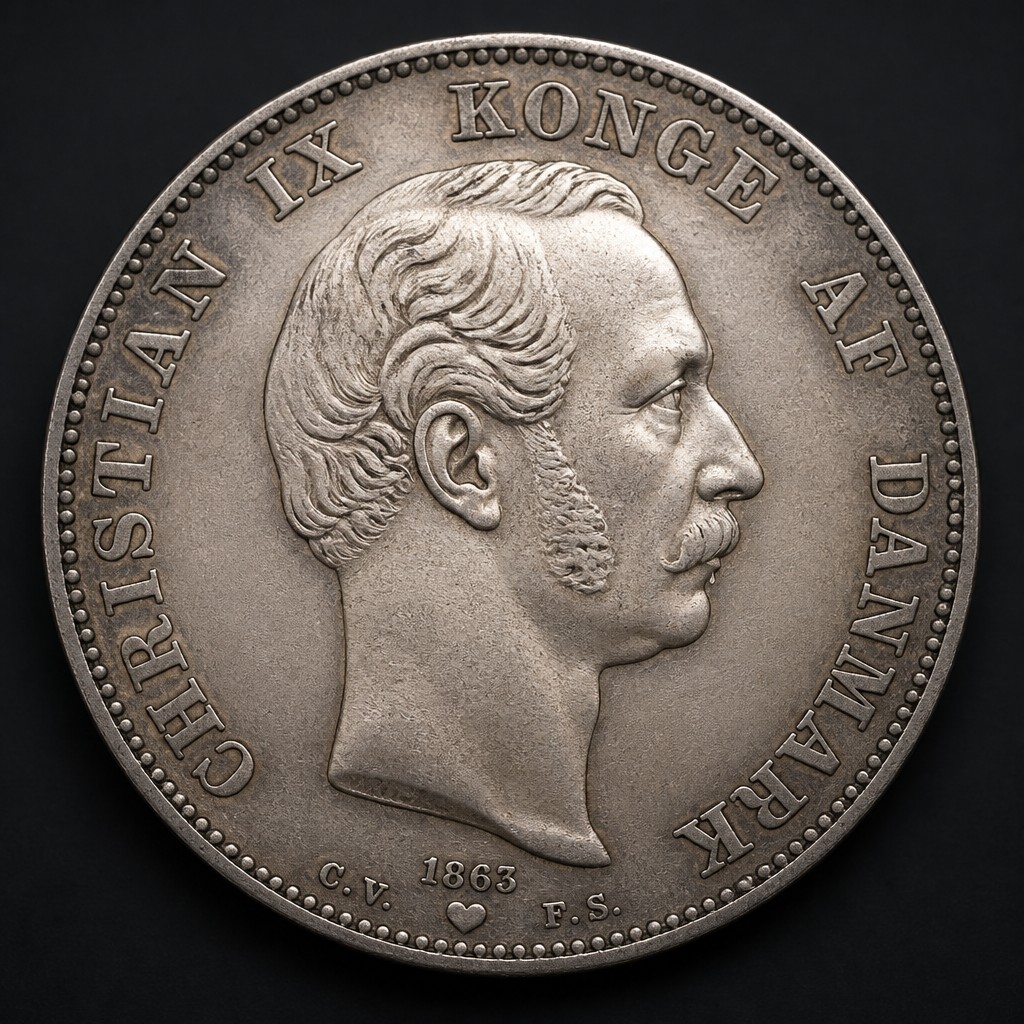
Danish 2 Rigsdaler
19th century (until 1873 currency reform)
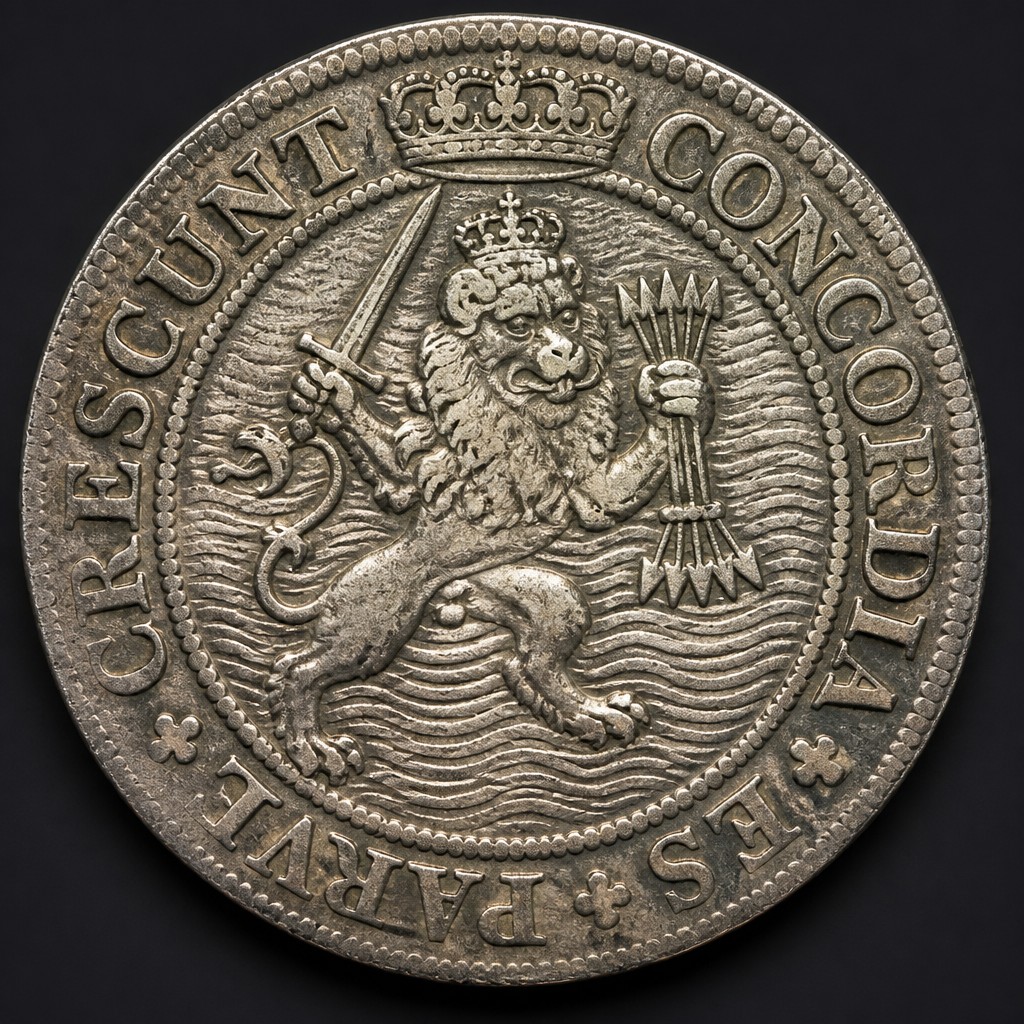
Dutch Lion Daalder (Leeuwendaalder)
c. 1575–1713