
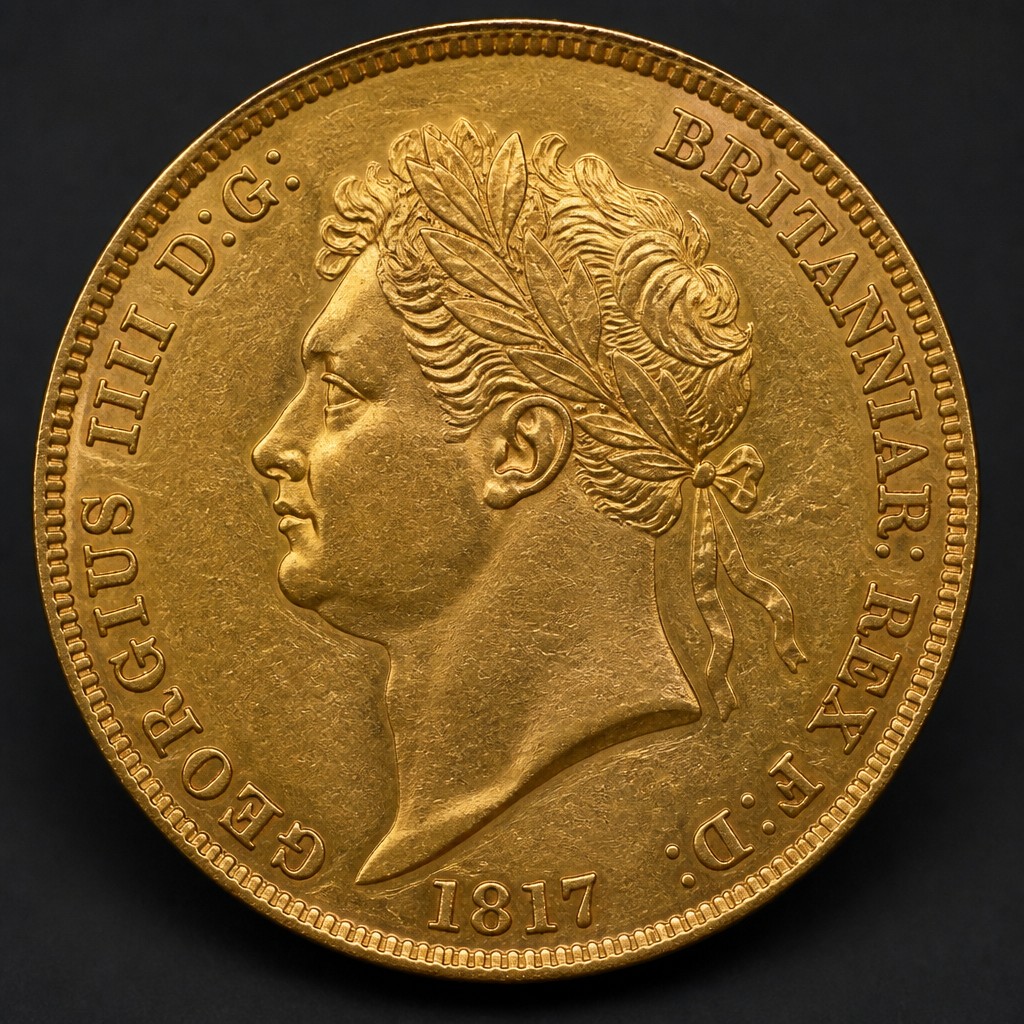
British Gold Sovereign
Historic British gold coin featuring Saint George slaying the dragon, minted since 1817 and still struck today as both a circulation-era relic and modern bullion/collector coin.
- Country
- United Kingdom
- Denomination
- One Pound (Sovereign)
- Metal
- Gold (.9167, 22 karat)
Got a coin like this?
Identify any coin from a photo, free.
Overview
The gold Sovereign is one of the most enduring coin designs in the world, first struck in its modern form in 1817 and continuously associated with British monetary history and the Commonwealth. It has functioned both as circulating currency in the 19th and early 20th centuries and, since the modern era, as a widely traded bullion and collector coin.
Its reputation for consistent gold content and recognizable design made it a trusted international trade coin, struck not only in London but at branch mints across the British Empire.
History & Background
The Sovereign traces its name to an earlier large gold coin of Henry VII from 1489, but the modern Sovereign was introduced in the Great Recoinage of 1816-1817 under George III, replacing the guinea as Britain's standard gold coin. Benedetto Pistrucci's design of Saint George and the Dragon, created for this new coinage, became instantly iconic and has been used, with interruptions, ever since.
As the British Empire expanded, branch mints in Australia, Canada, India, and South Africa struck Sovereigns to serve the needs of colonial trade and gold production, each identifiable by a small mint mark. The coin served as a global trade and reserve currency into the 20th century, and although it ceased general circulation after World War I, the Royal Mint has continued to strike Sovereigns for collectors and investors, with the design still updated periodically for royal anniversaries.
How to Identify
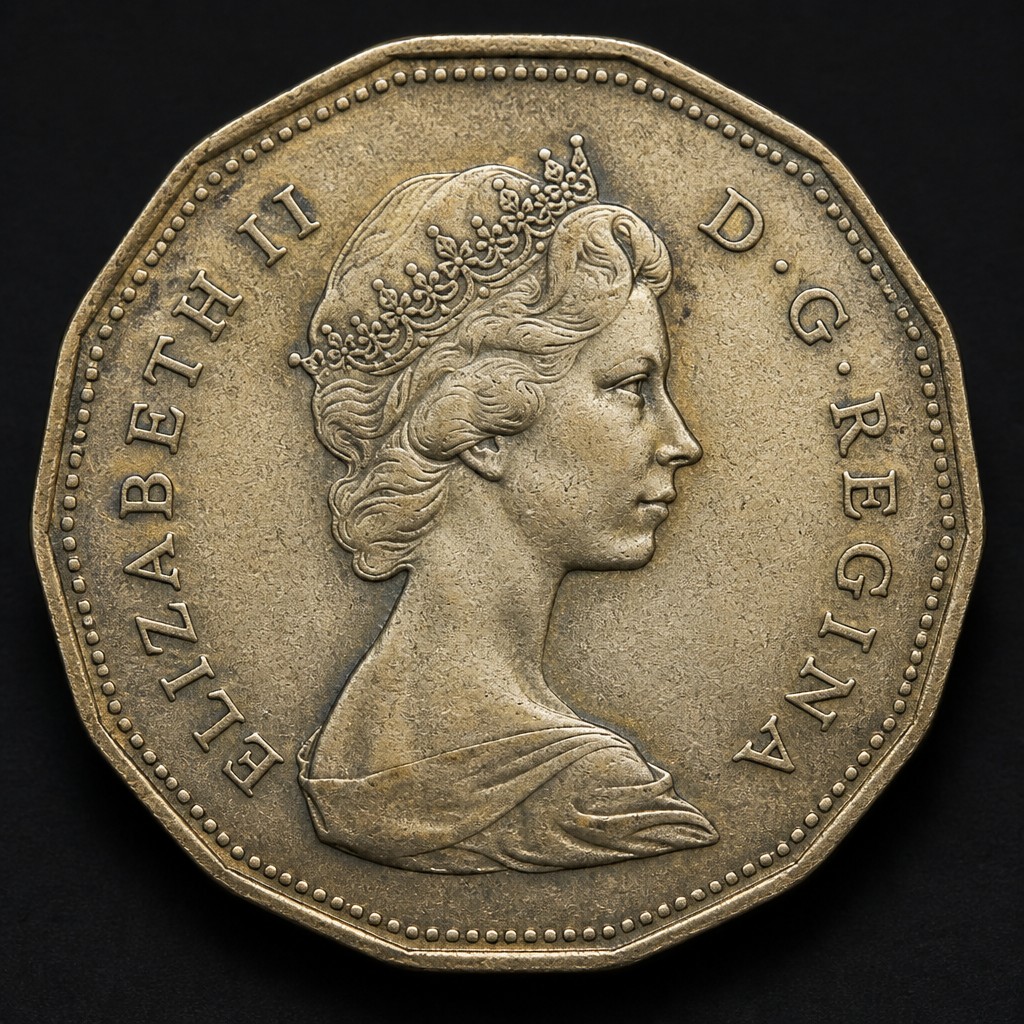
The obverse bears the reigning monarch's portrait, which has changed with each new sovereign (Elizabeth II, Charles III, and earlier monarchs each have distinct portraits), along with the ruler's name and title in Latin. The reverse, in its classic form, depicts Benedetto Pistrucci's Saint George on horseback slaying a dragon, with the date typically appearing on the obverse or in the coin's exergue.
The coin measures 22.05 mm in diameter and weighs 7.988 grams of 22-karat gold, giving it a distinctive warm, slightly reddish-gold color compared to purer gold bullion coins. Mint marks, when present (such as S for Sydney, M for Melbourne, P for Perth, C for Ottawa, or SA for Pretoria), appear on the reverse just above the date line beneath the horse.
Value & Collectibility
Common-date Sovereigns, especially Victorian and Edwardian issues, trade close to their gold bullion value with a modest numismatic premium, making them popular as an accessible way to own historic gold. Scarcer dates, certain branch-mint issues in low mintages, and coins in exceptional uncirculated condition can command significantly higher prices among specialists.
Condition, strike quality, and originality of surfaces matter for collector-grade pieces, while investment-oriented buyers often focus simply on gold content and authenticity. Modern proof and commemorative Sovereigns issued by the Royal Mint are sold at a premium over bullion value tied to their limited mintages and presentation.
Frequently asked questions
How much gold is in a Sovereign?
A Sovereign contains 0.2354 troy ounces of pure gold within its 7.988 gram, 22-karat gold composition.
What does the Saint George design represent?
It depicts Saint George slaying a dragon, a design created by Italian engraver Benedetto Pistrucci in 1817 that has become the coin's most recognizable image.
Are Sovereigns still made today?
Yes, the Royal Mint continues to strike Sovereigns annually for collectors and investors, updating the monarch's portrait as needed.
What do the small letters on some Sovereigns mean?
They are mint marks indicating branch mints such as Sydney, Melbourne, Perth, Ottawa, or Pretoria that struck Sovereigns during the imperial era.
Other coins you may enjoy
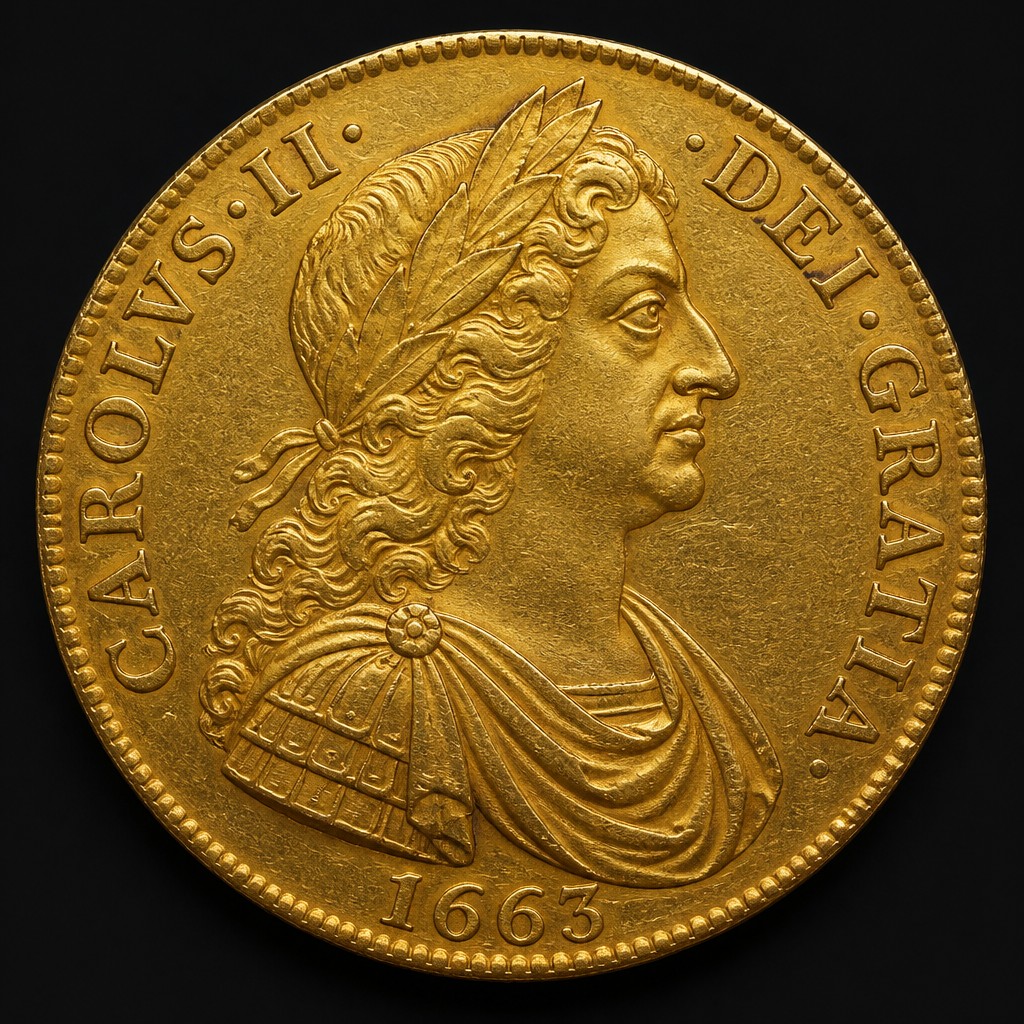
British Guinea
1663–1814
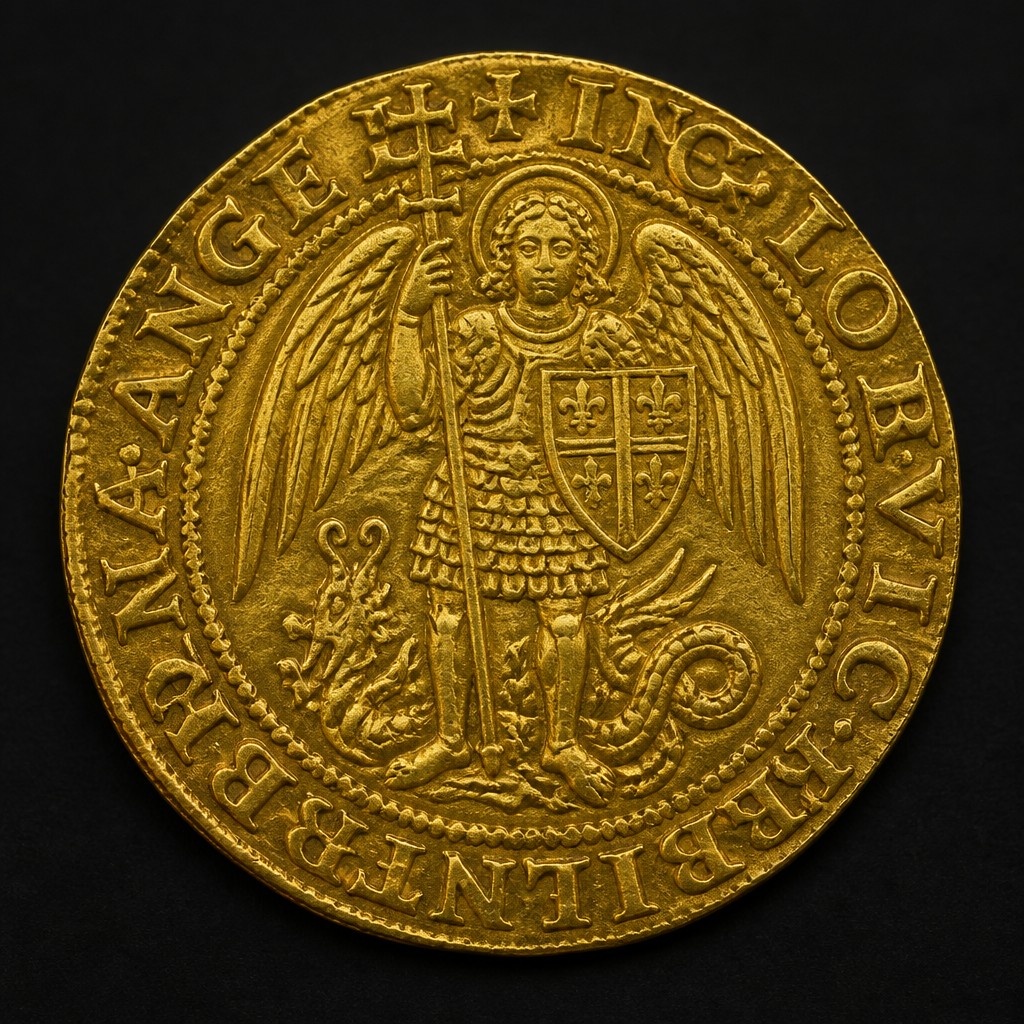
English Angel
1465–1642
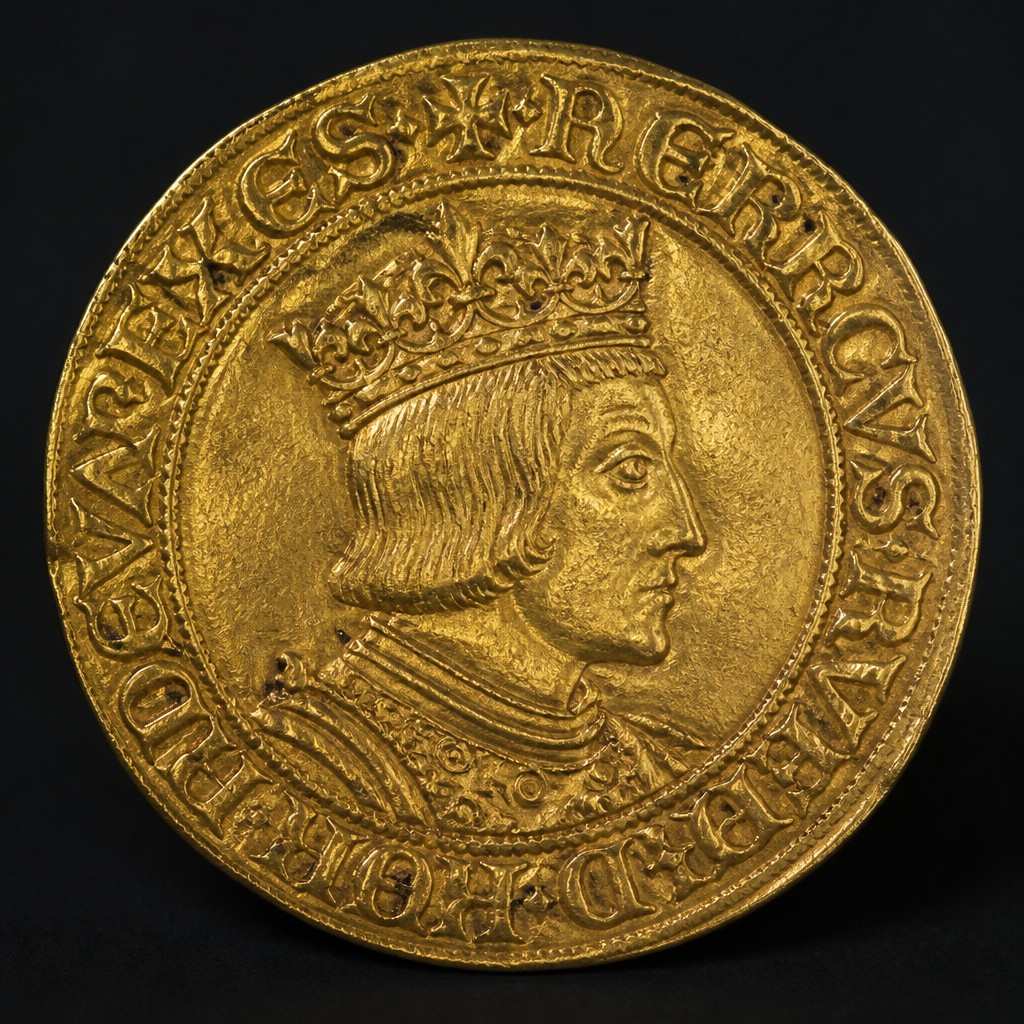
English Sovereign of Henry VII
1489–1509
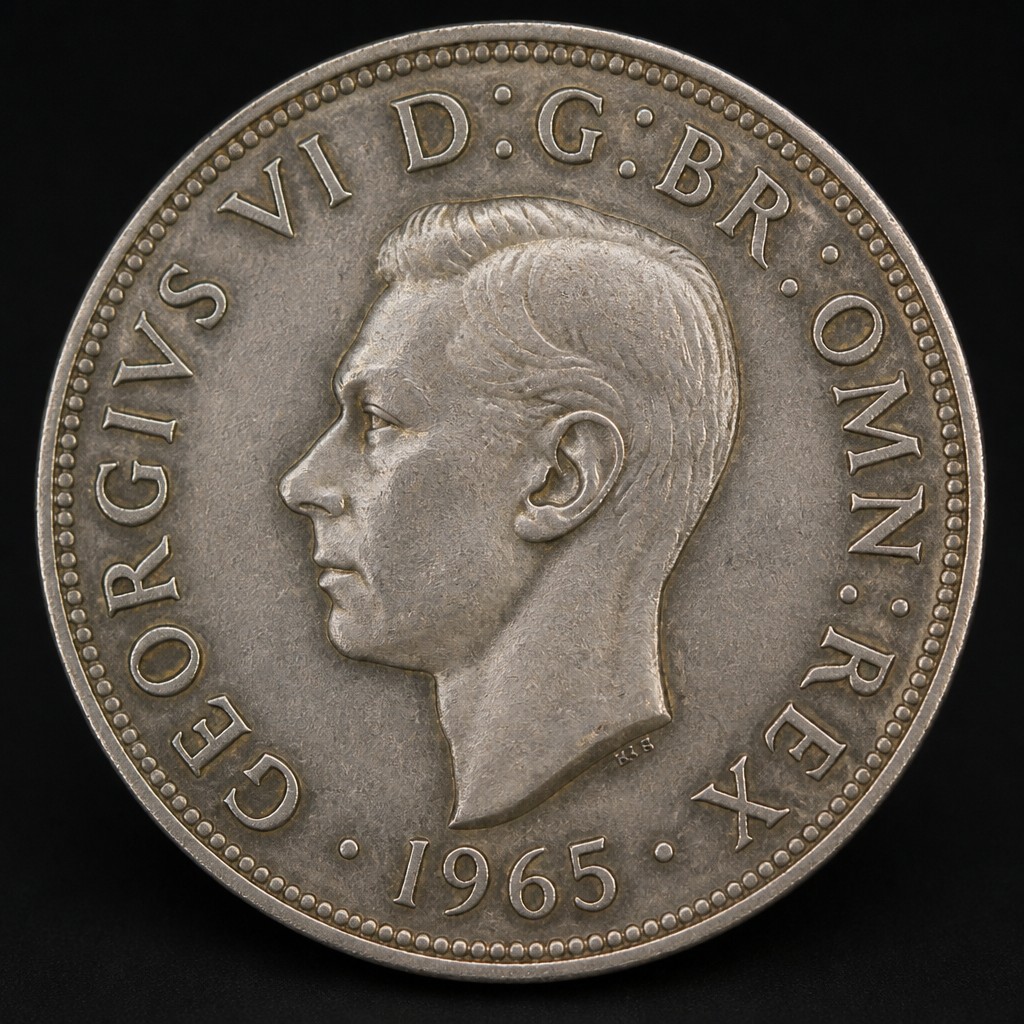
English Crown
1526–1965 (pre-decimal; commemorative crown-sized coins continue as five pound coins)
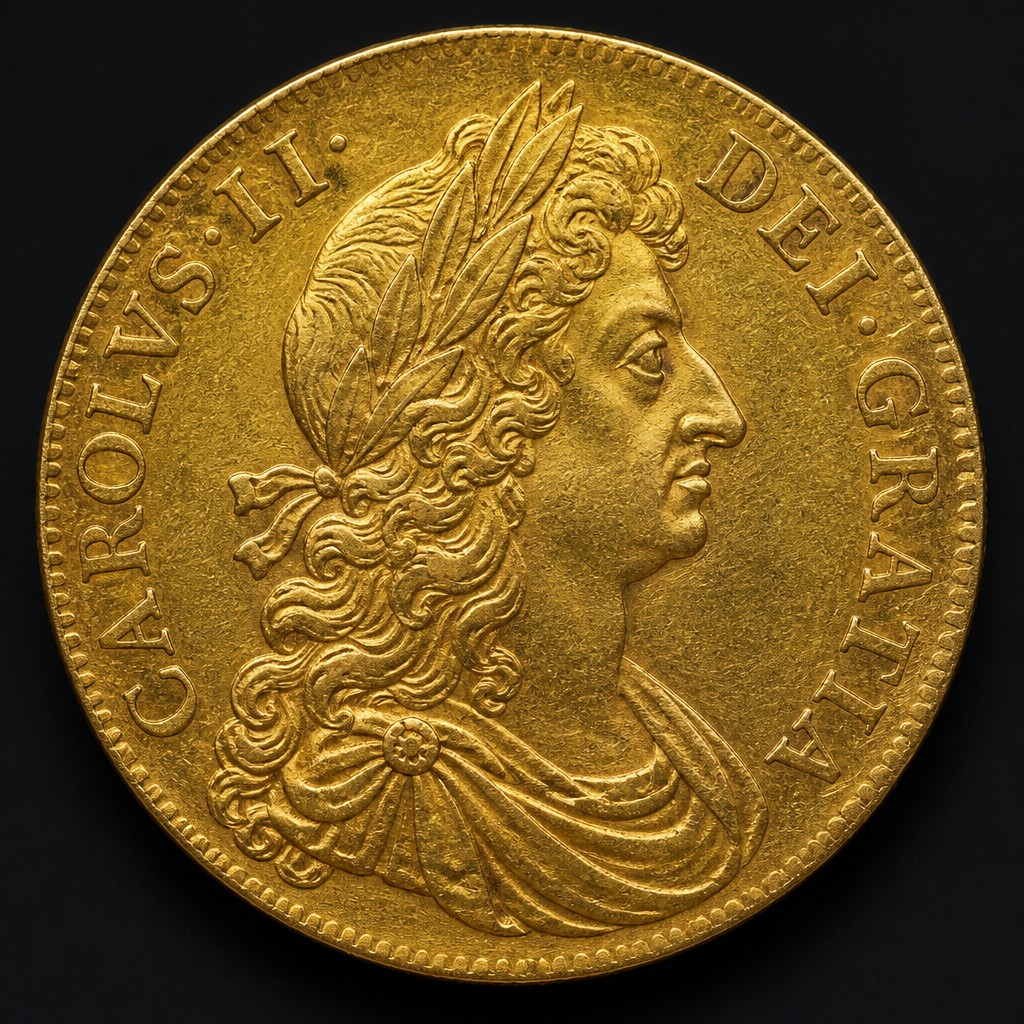
British Gold Guinea
1663–1814
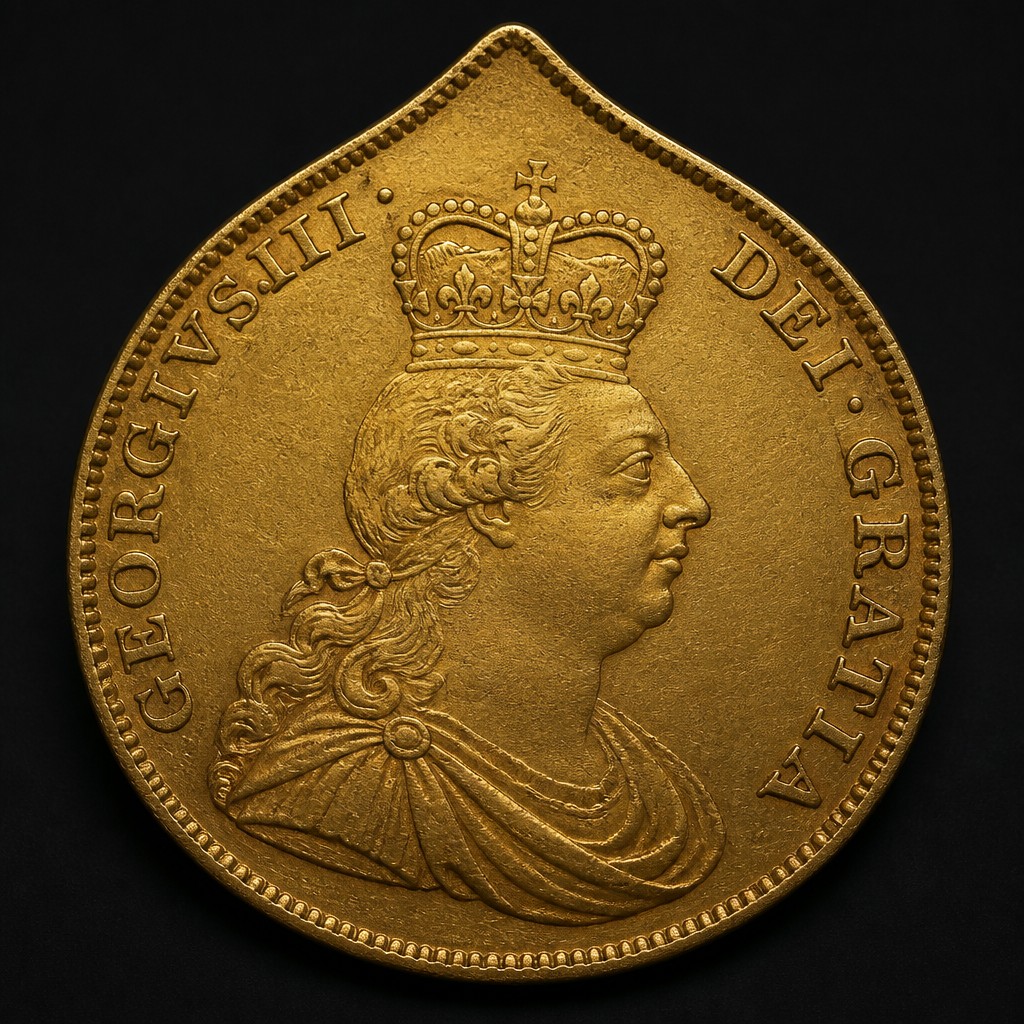
Spade Guinea
1787–1799
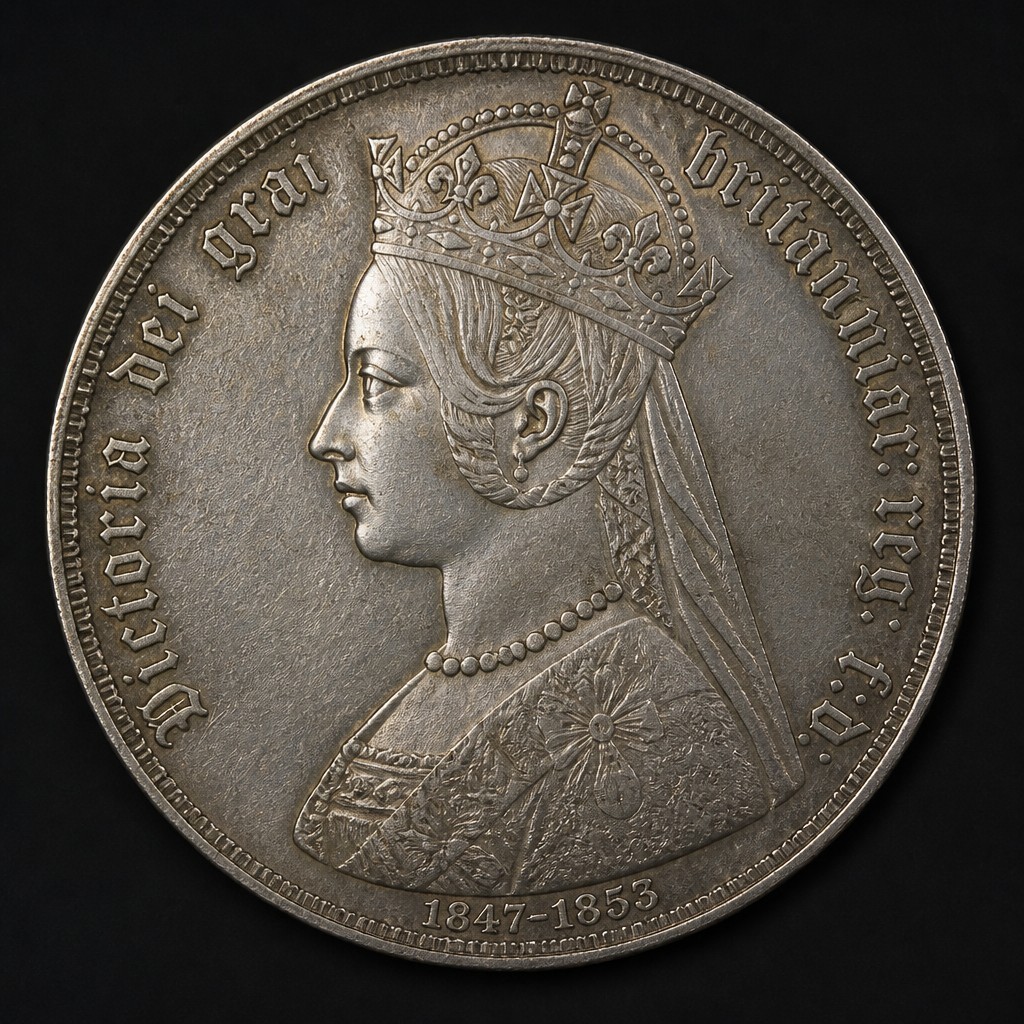
Gothic Crown
1847–1853
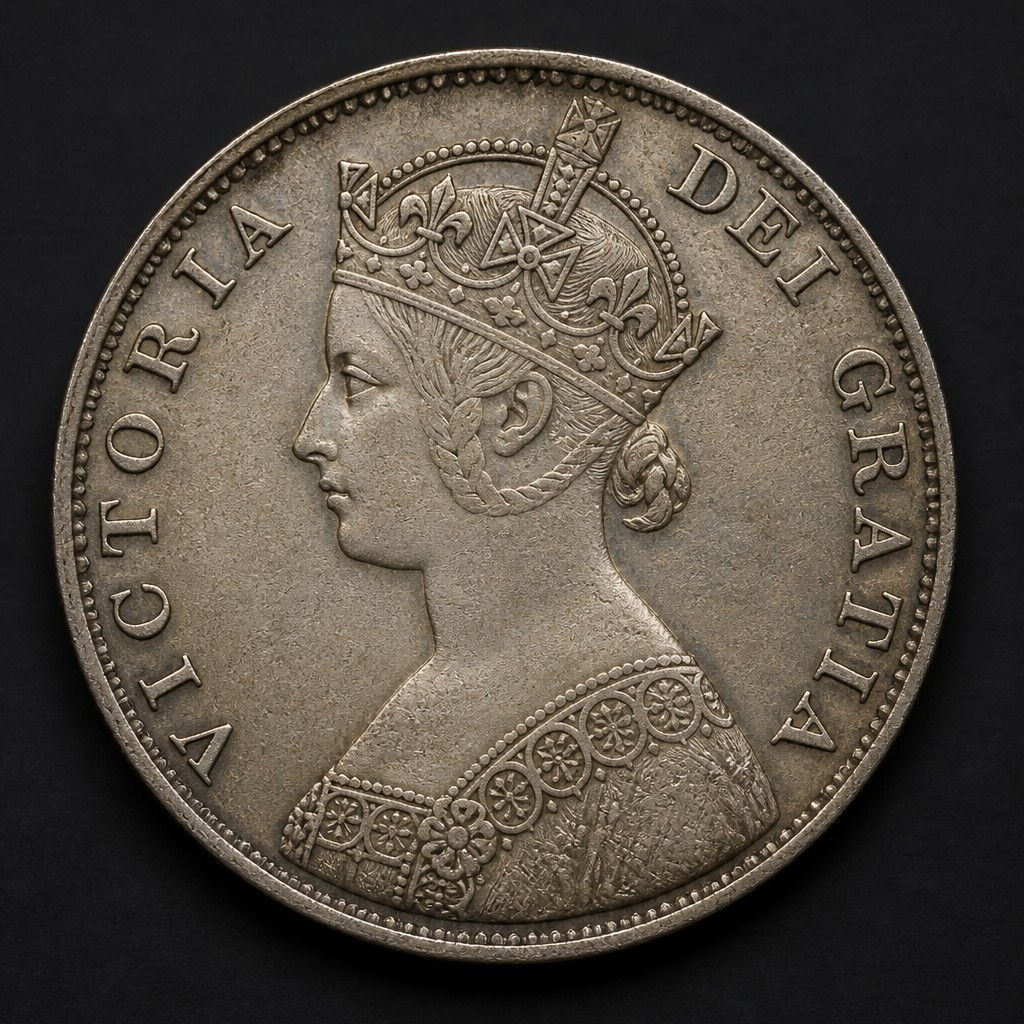
Groat (Fourpence)
1279–1888 (various revivals)
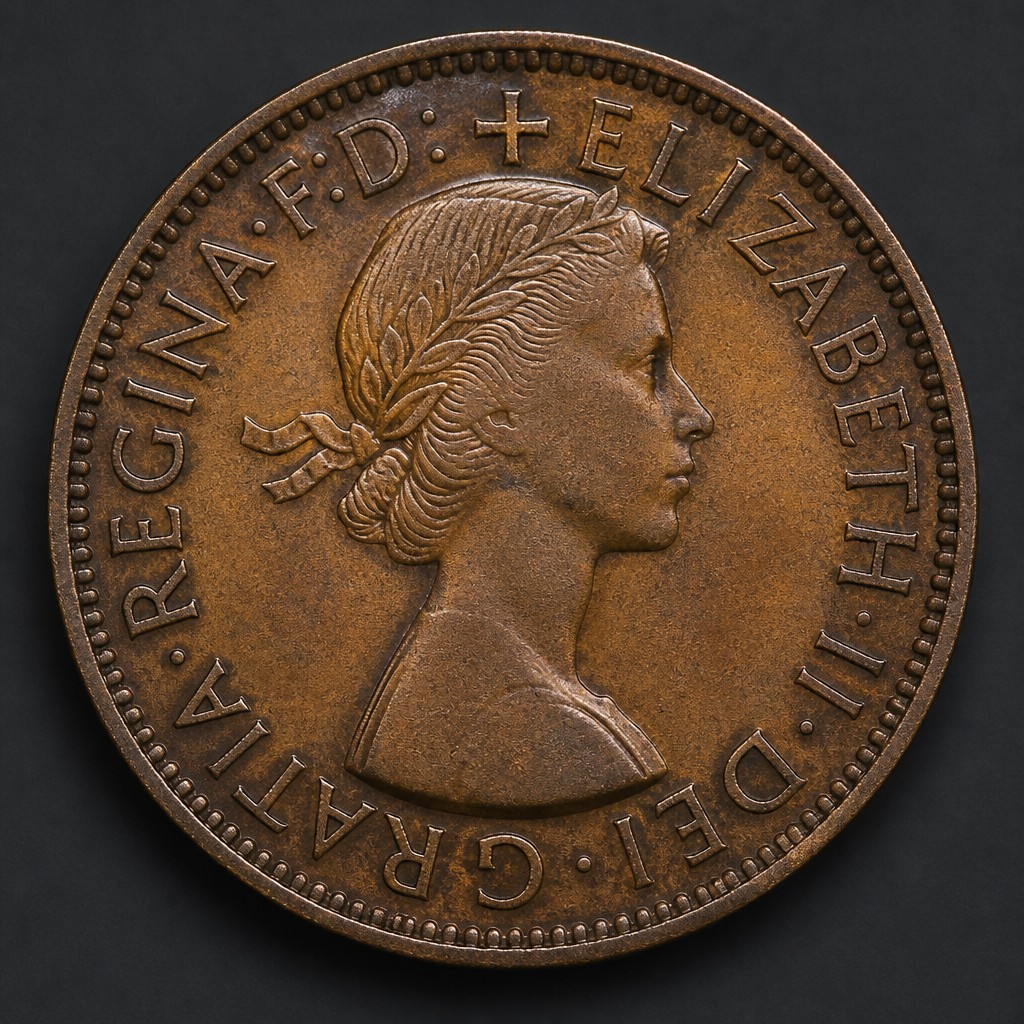
Farthing
13th century–1956
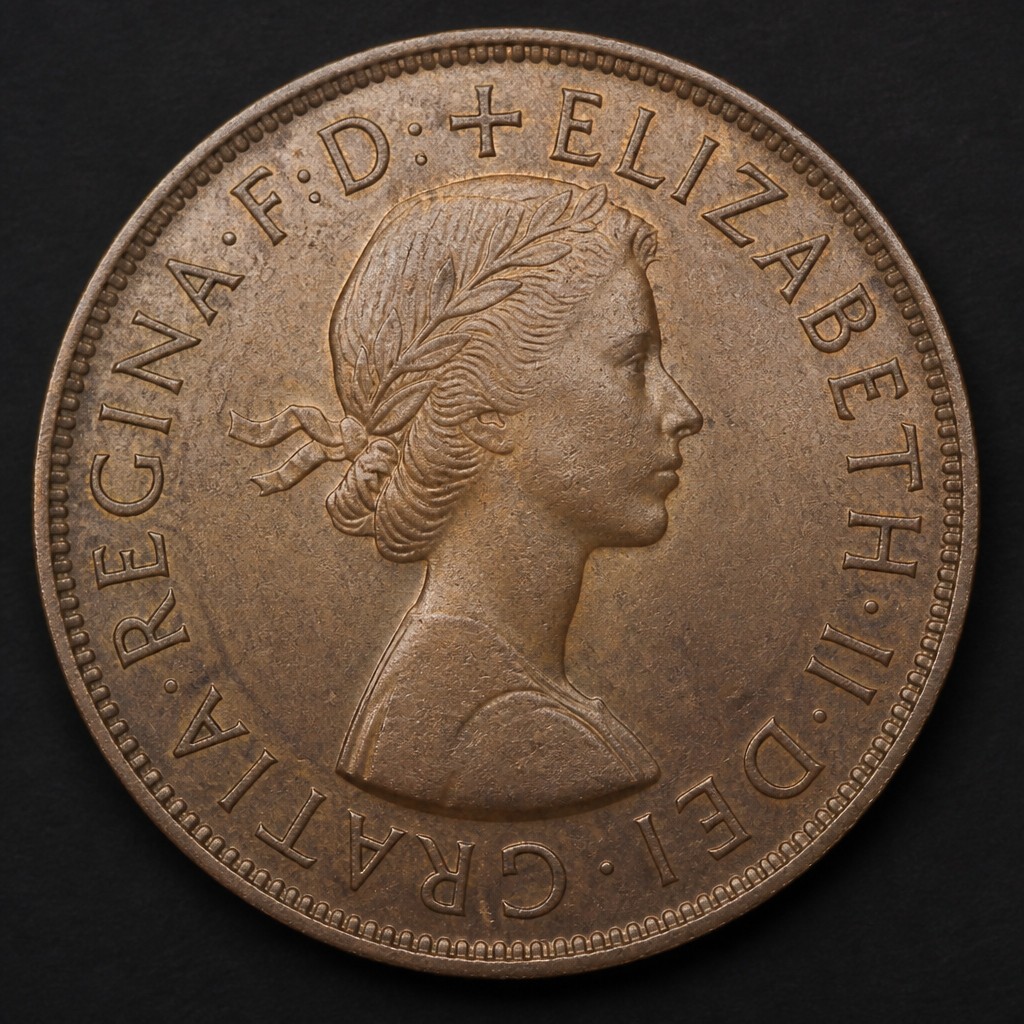
Halfpenny
c. 800s–1969
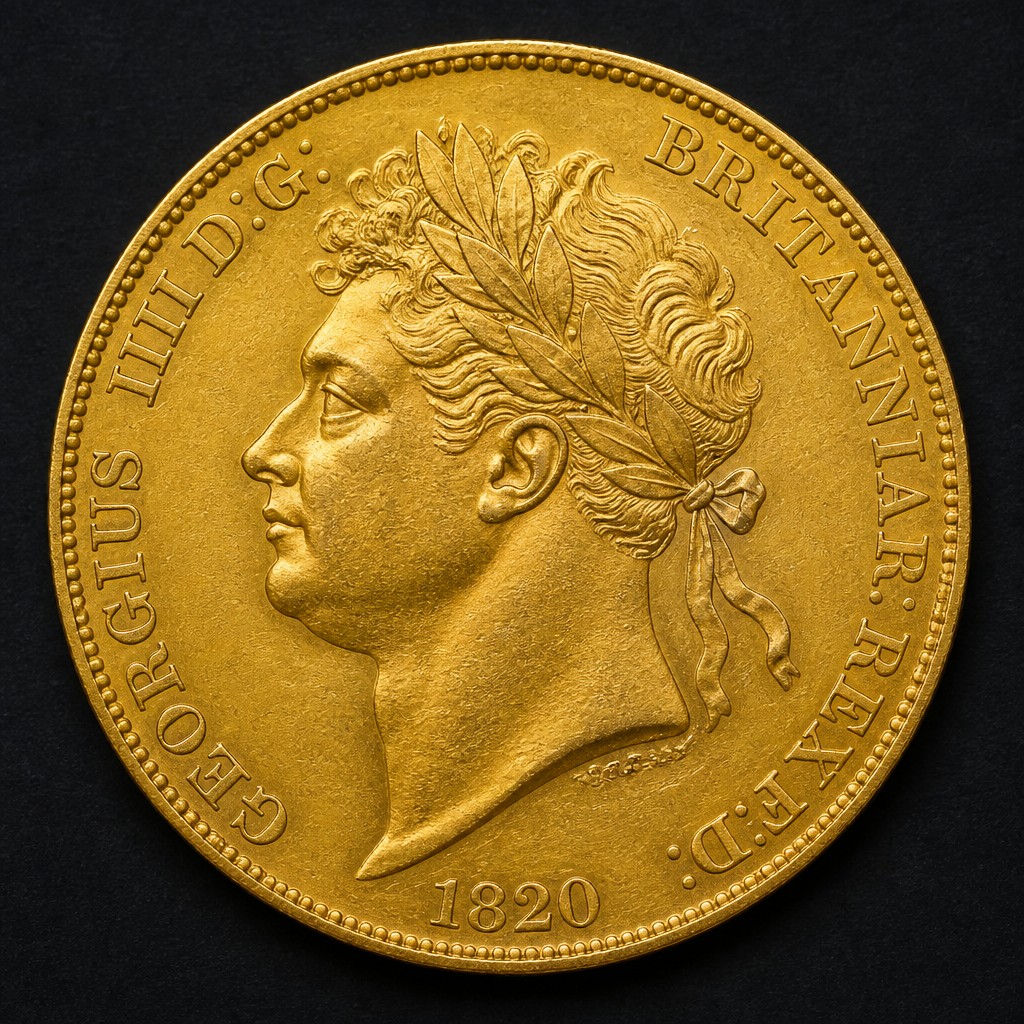
Five Pound Gold (Quintuple Sovereign)
1820–present (intermittent)
Threepence
1547–1970