
Coin Encyclopedia
Search and identify coins from around the world — with country, denomination, metal, mint, history, and how to tell them apart.
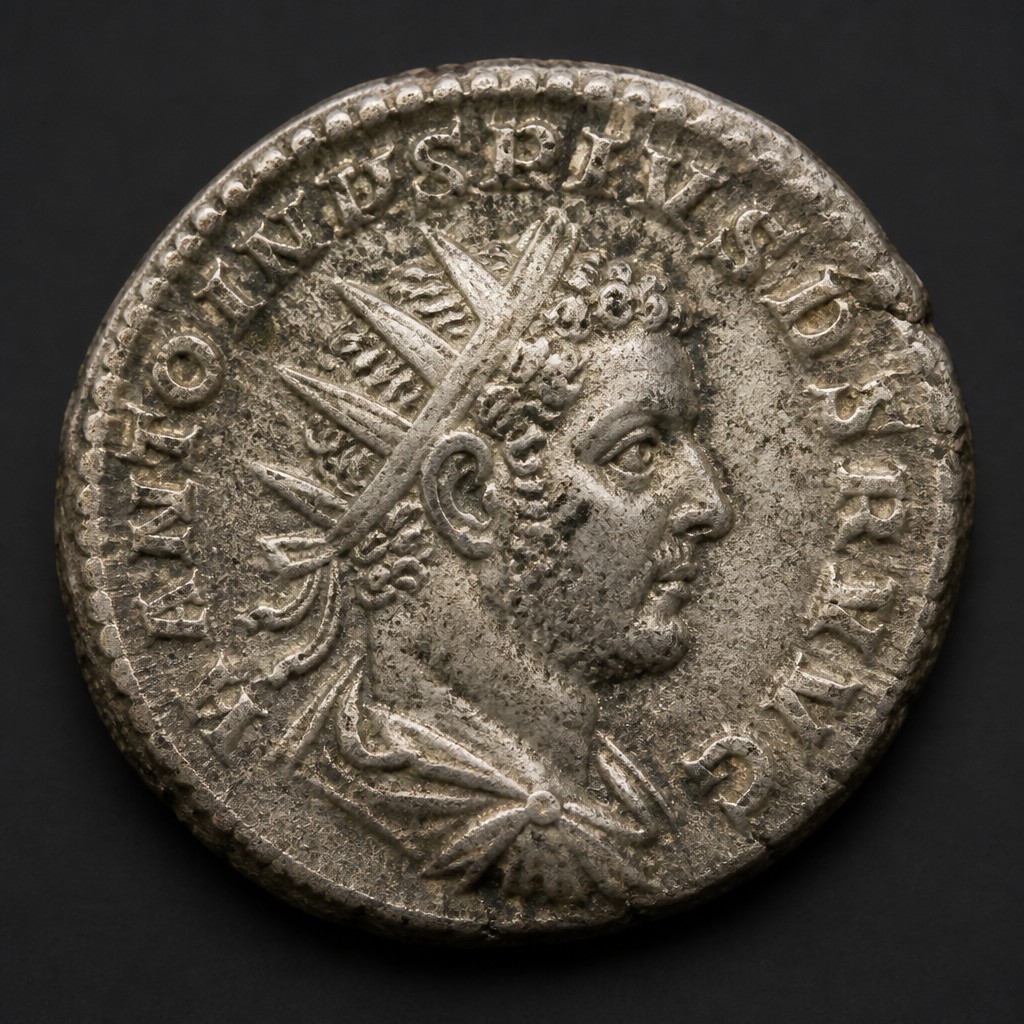
Caracalla Antoninianus
The first antoninianus coins, introduced by Caracalla in 215 AD as a debased double-denarius identified by the emperor's radiate crown.
Ancient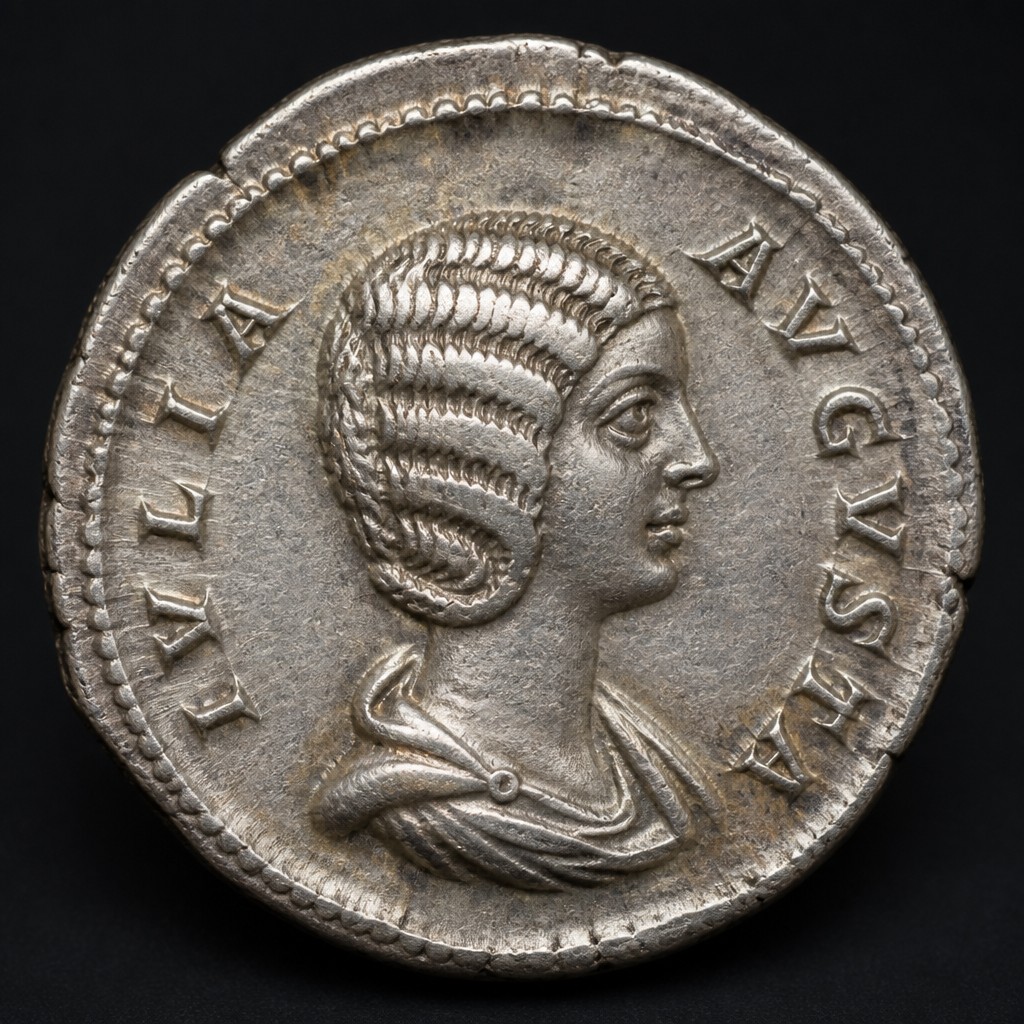
Julia Domna Denarius
Silver denarius of Julia Domna, Syrian-born wife of Septimius Severus and mother of Caracalla, a politically influential empress of the Severan dynasty.
Ancient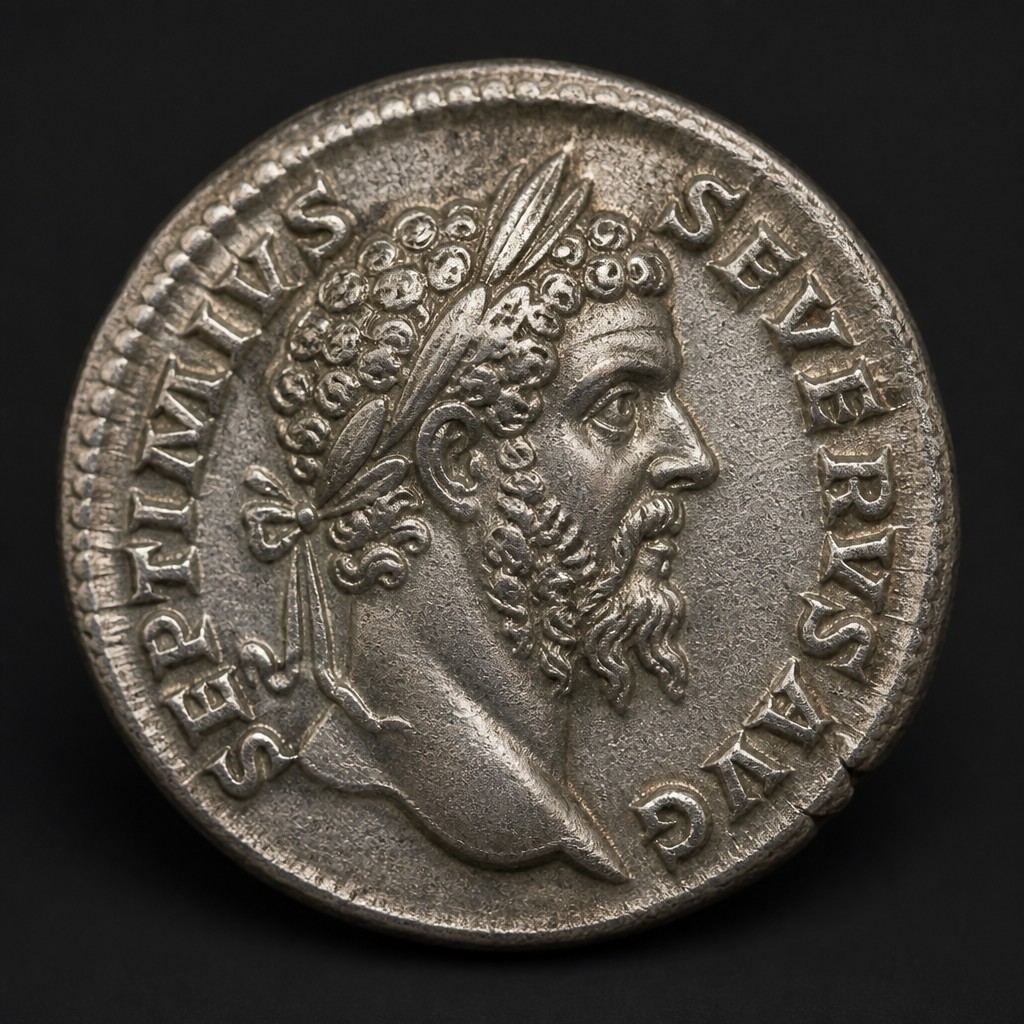
Septimius Severus Denarius
Silver denarius of Septimius Severus, African-born founder of the Severan dynasty, who rose to power through the civil wars following Commodus's death.
Ancient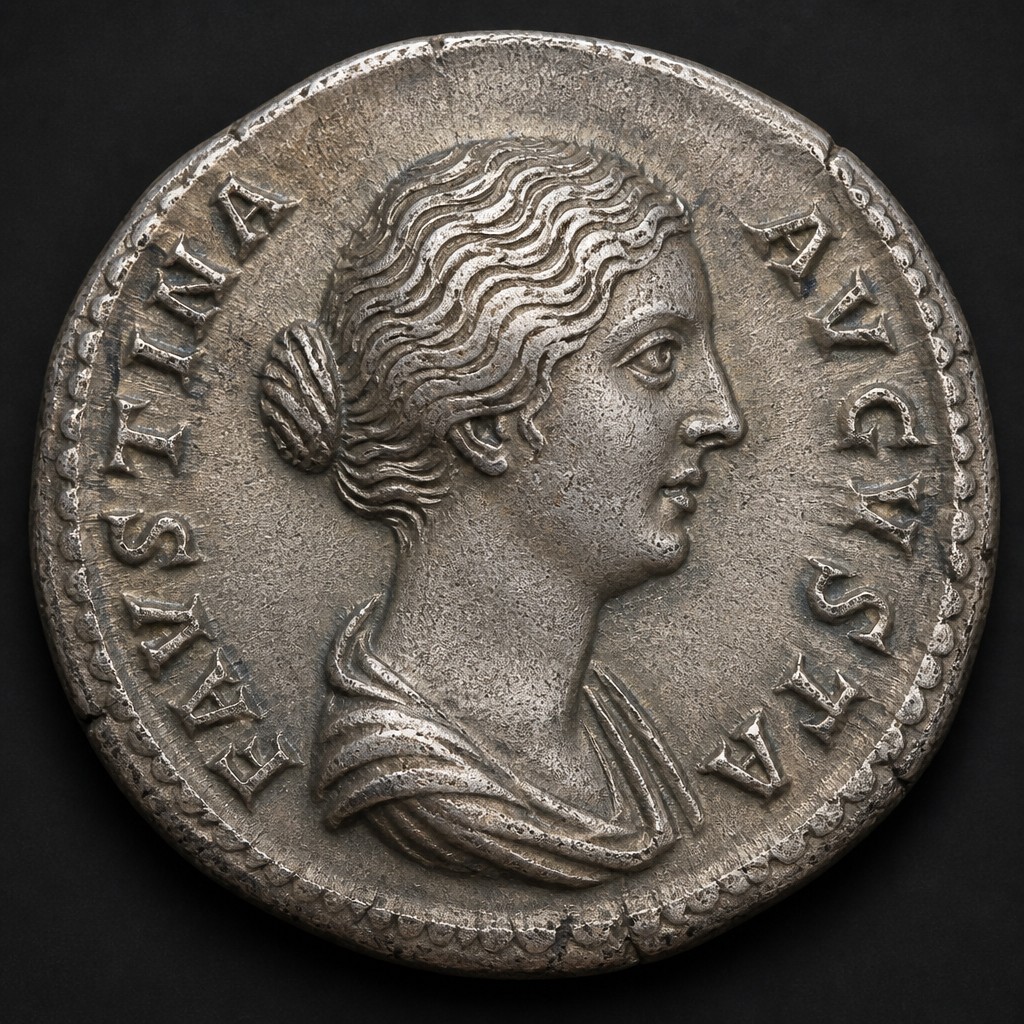
Faustina the Younger Denarius
Silver denarius of Faustina the Younger, daughter of Antoninus Pius and wife of Marcus Aurelius, whose coinage emphasizes fertility and family themes.
Ancient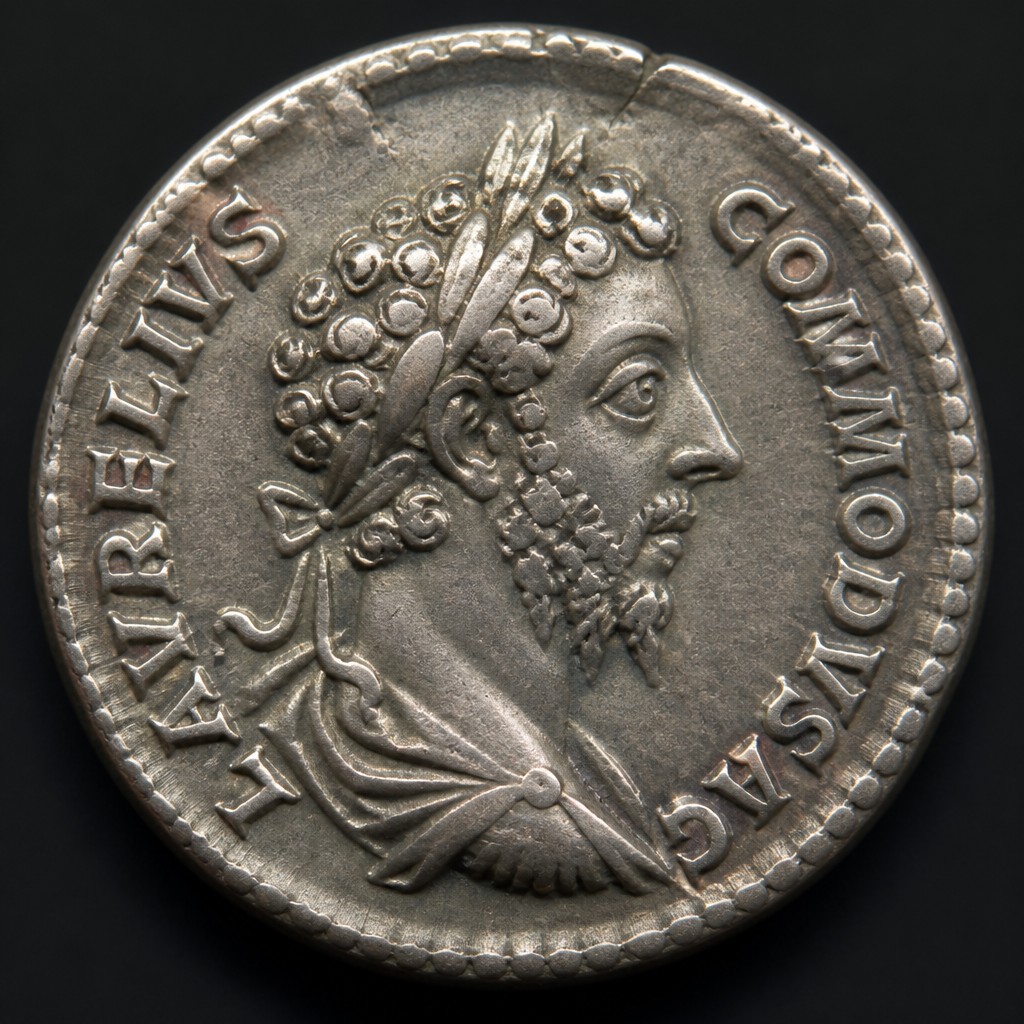
Commodus Denarius
Silver denarius of Commodus, the erratic son of Marcus Aurelius, whose later coinage famously depicted him as Hercules with lion skin and club.
Ancient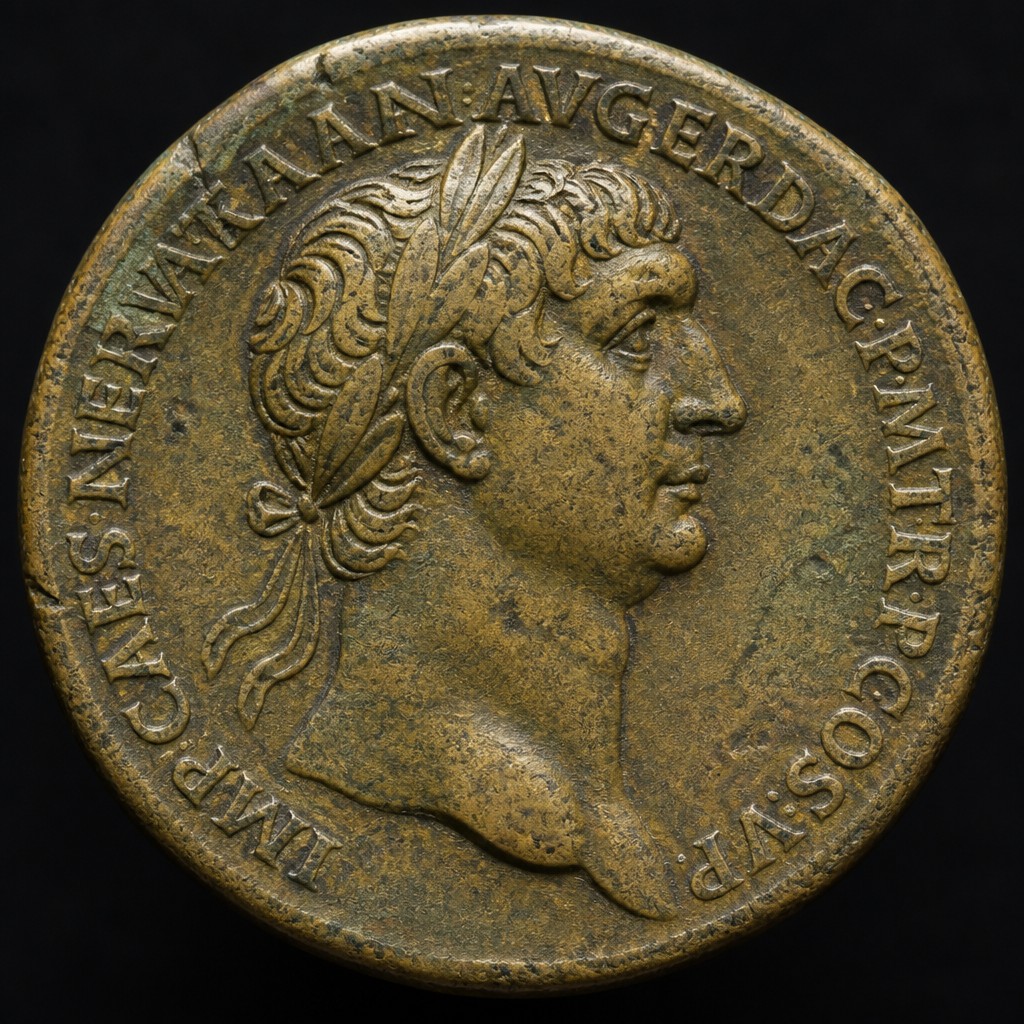
Trajan Sestertius
A large bronze coin of Trajan, whose reign brought the Roman Empire to its greatest territorial extent, with reverses celebrating Dacian conquest, public works, and Trajan's Column.
Ancient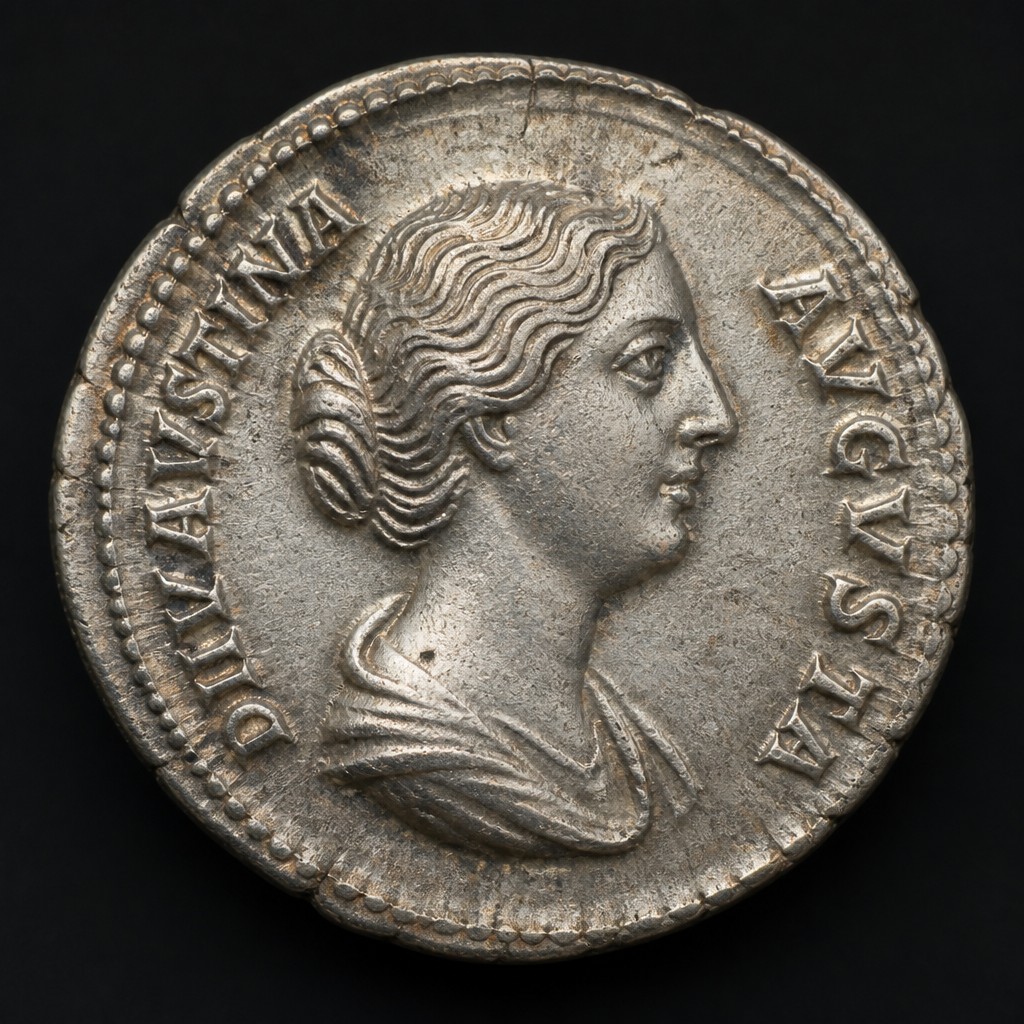
Faustina the Elder Denarius
Posthumous silver denarius honoring Faustina the Elder, wife of Antoninus Pius, struck for two decades after her death and deification in 140/141 AD.
Ancient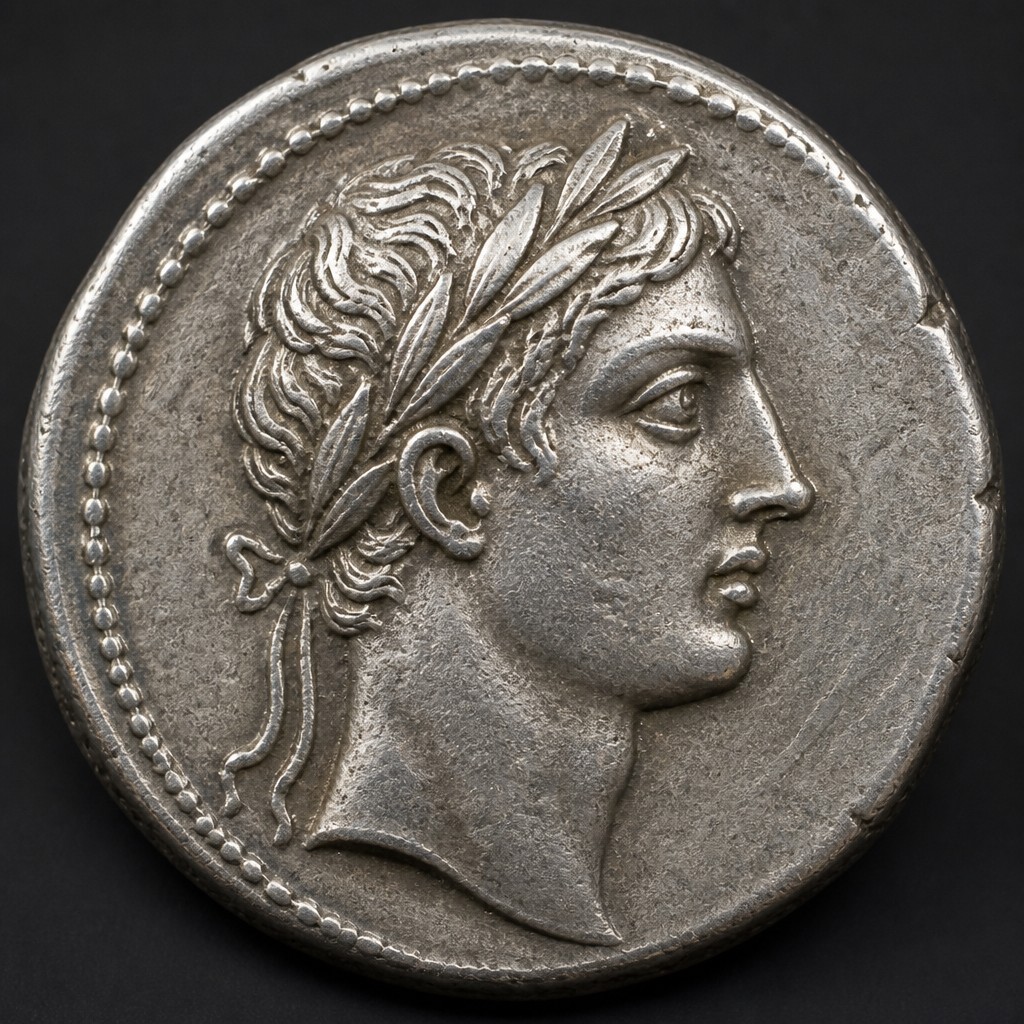
Ides of March Denarius (EID MAR)
A denarius struck by Brutus in 42 BC commemorating Julius Caesar's assassination, showing daggers and a liberty cap — one of the most famous and valuable ancient coins ever made.
Ancient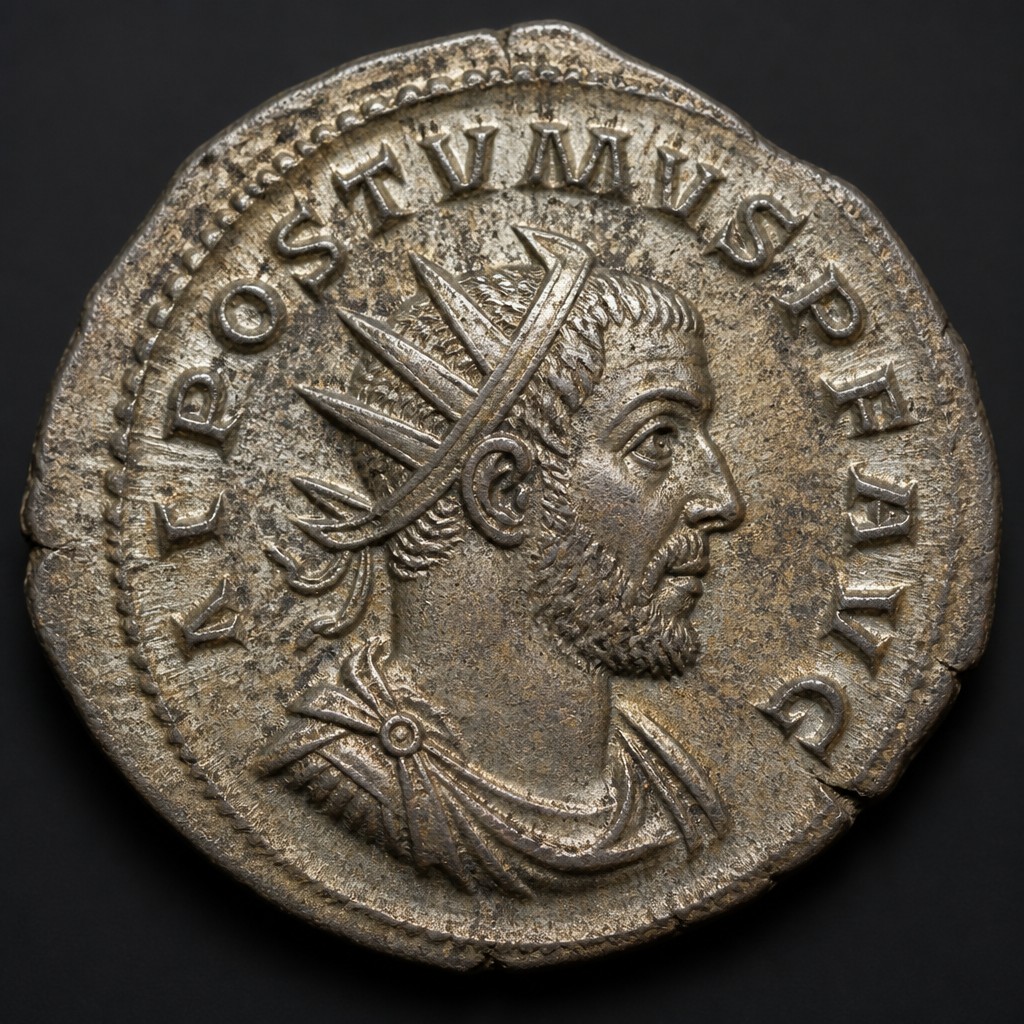
Postumus Antoninianus
Radiate coin of Postumus, the general who broke away from Rome to found the separatist Gallic Empire covering Gaul, Britain, Germania, and Hispania during the Crisis of the Third Century.
Ancient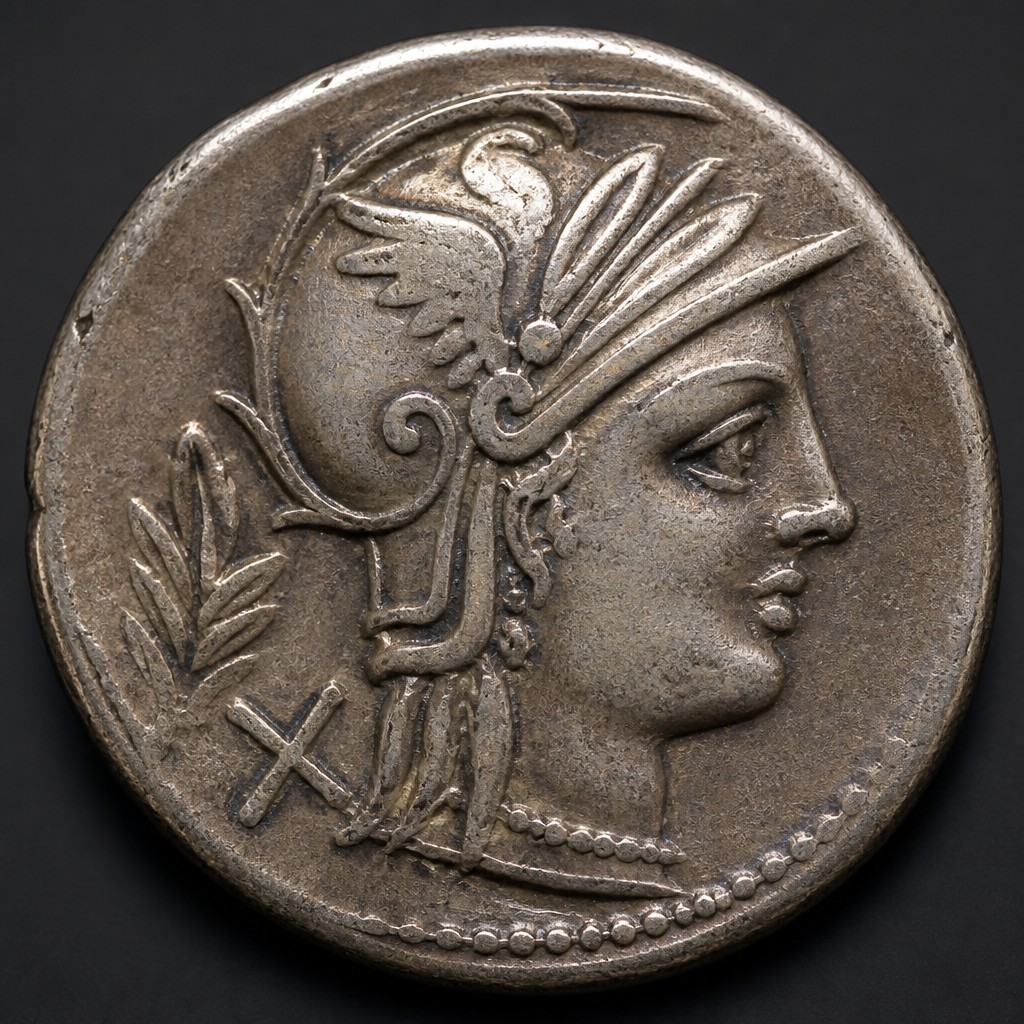
Republican Victoriatus
A lighter-weight Roman Republican silver coin depicting Jupiter and a Victory crowning a trophy, used largely for trade with the Greek-influenced south.
Ancient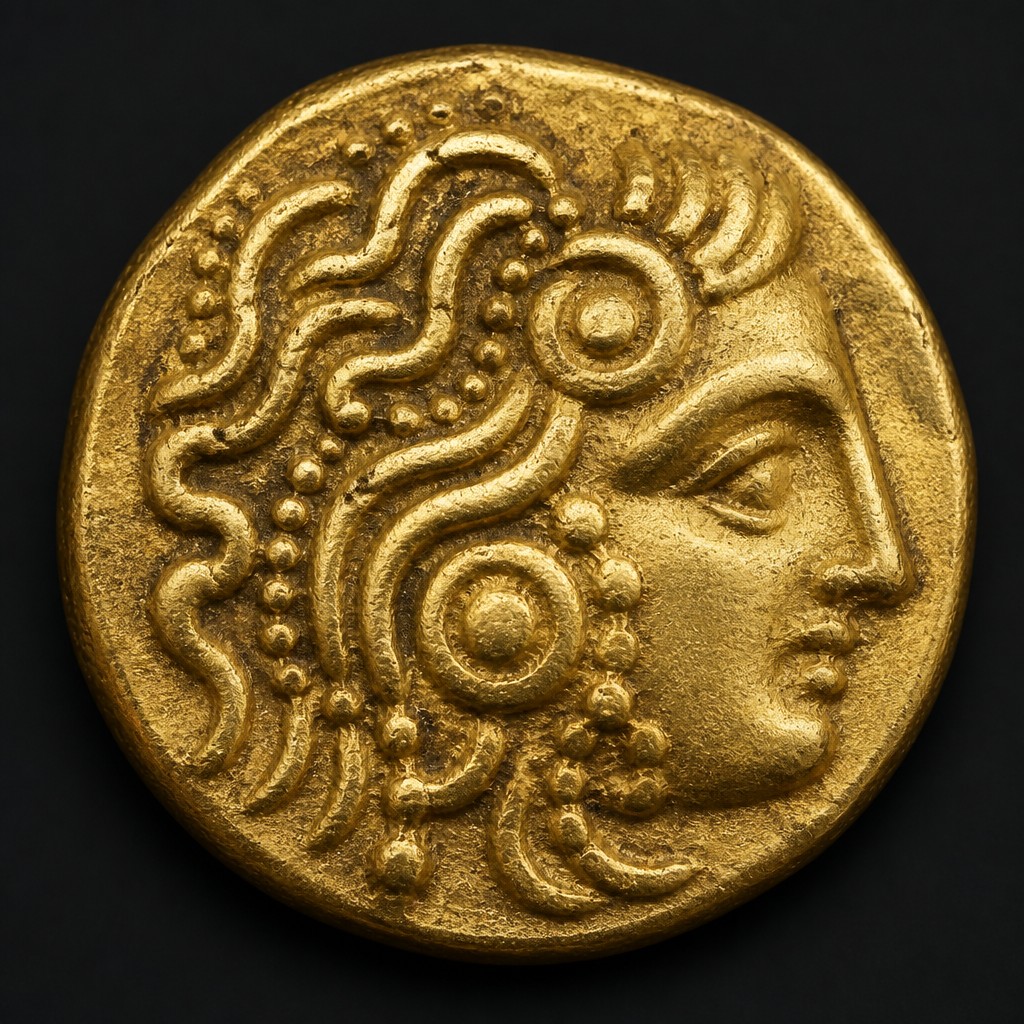
Celtic Gold Stater of the Parisii
A gold stater struck by the Parisii, the Gallic tribe that gave its name to Paris, showing highly abstracted, stylized versions of Greek prototype designs.
Ancient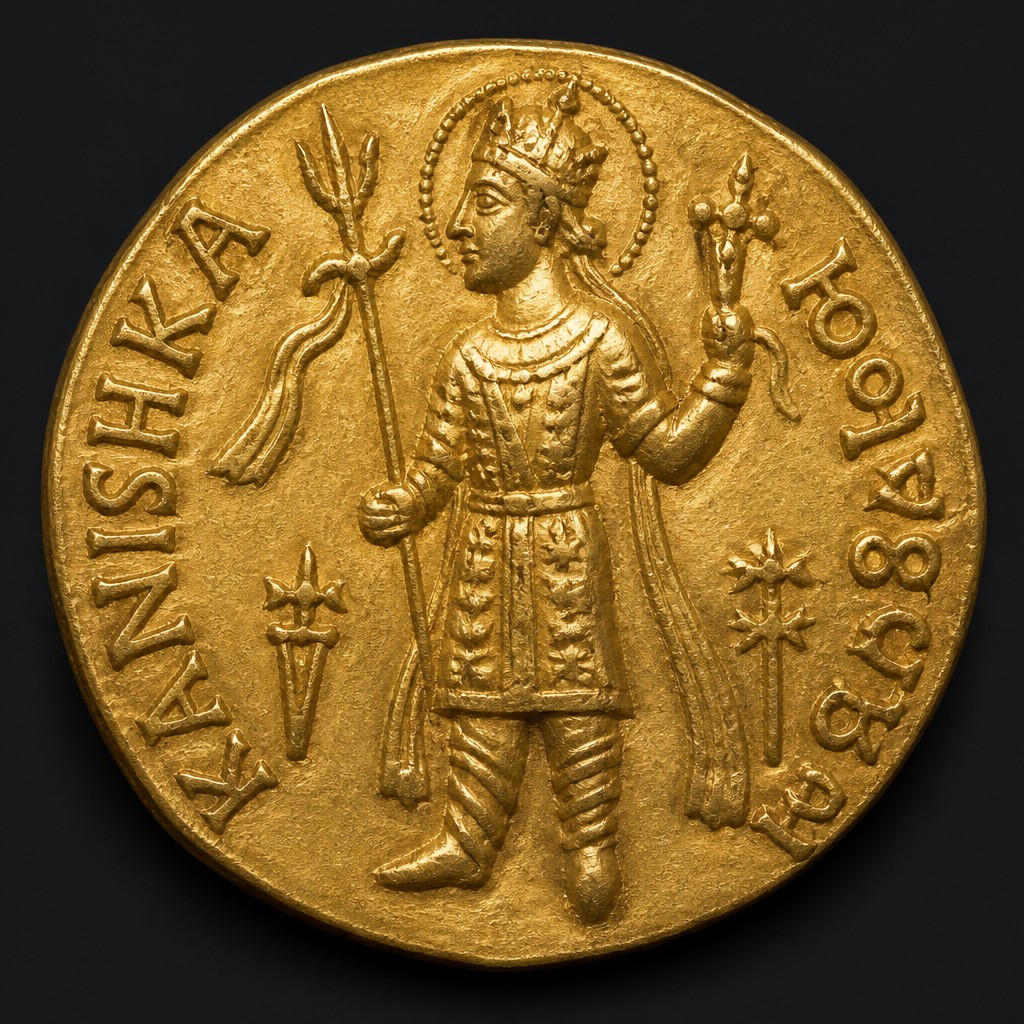
Kushan Gold Dinar of Kanishka
A gold dinar of the great Kushan emperor Kanishka I, famous for its rich mix of Greek, Iranian, Indian, and Buddhist deities depicted on the reverse.
Ancient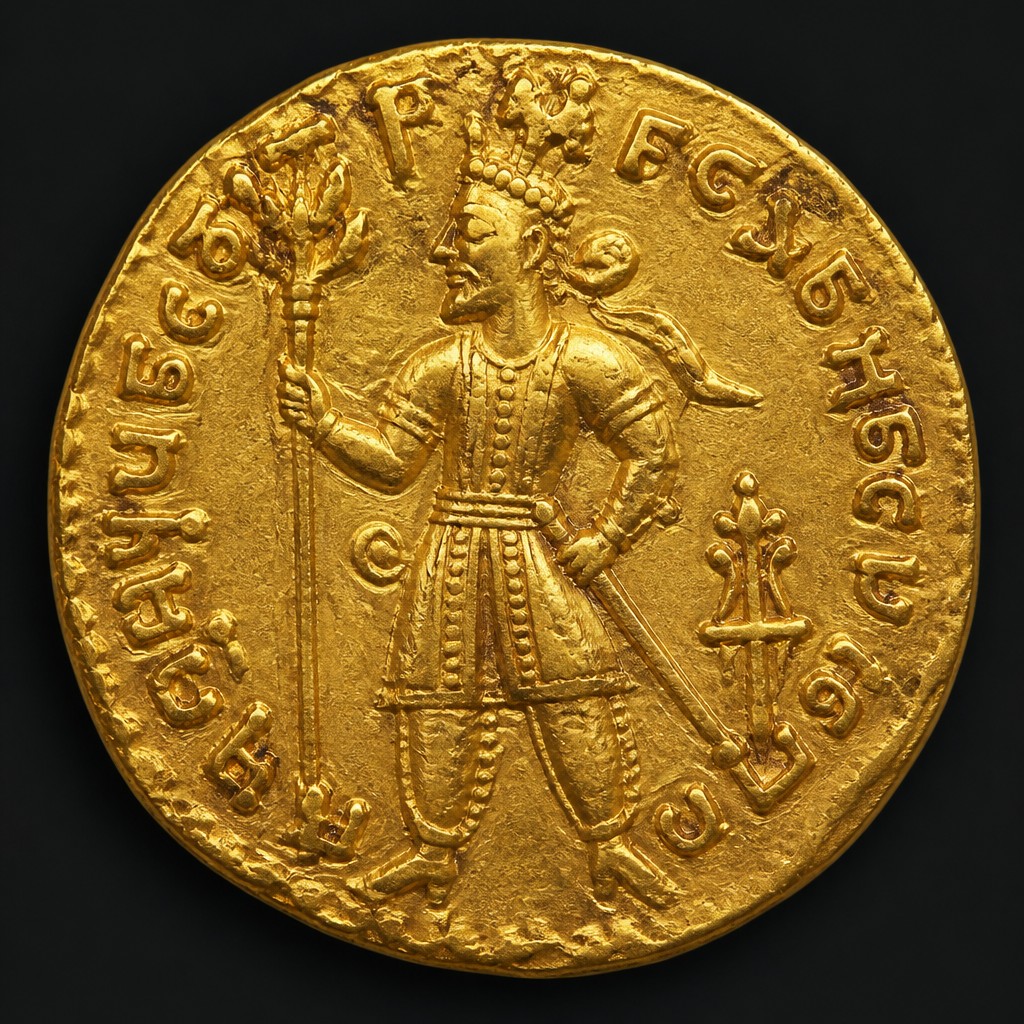
Kushan Gold Dinar
Gold coin of the Kushan Empire modeled on the Roman aureus standard, notable for depicting a rich blend of Greek, Iranian, Indian, and Buddhist deities on its reverse.
Ancient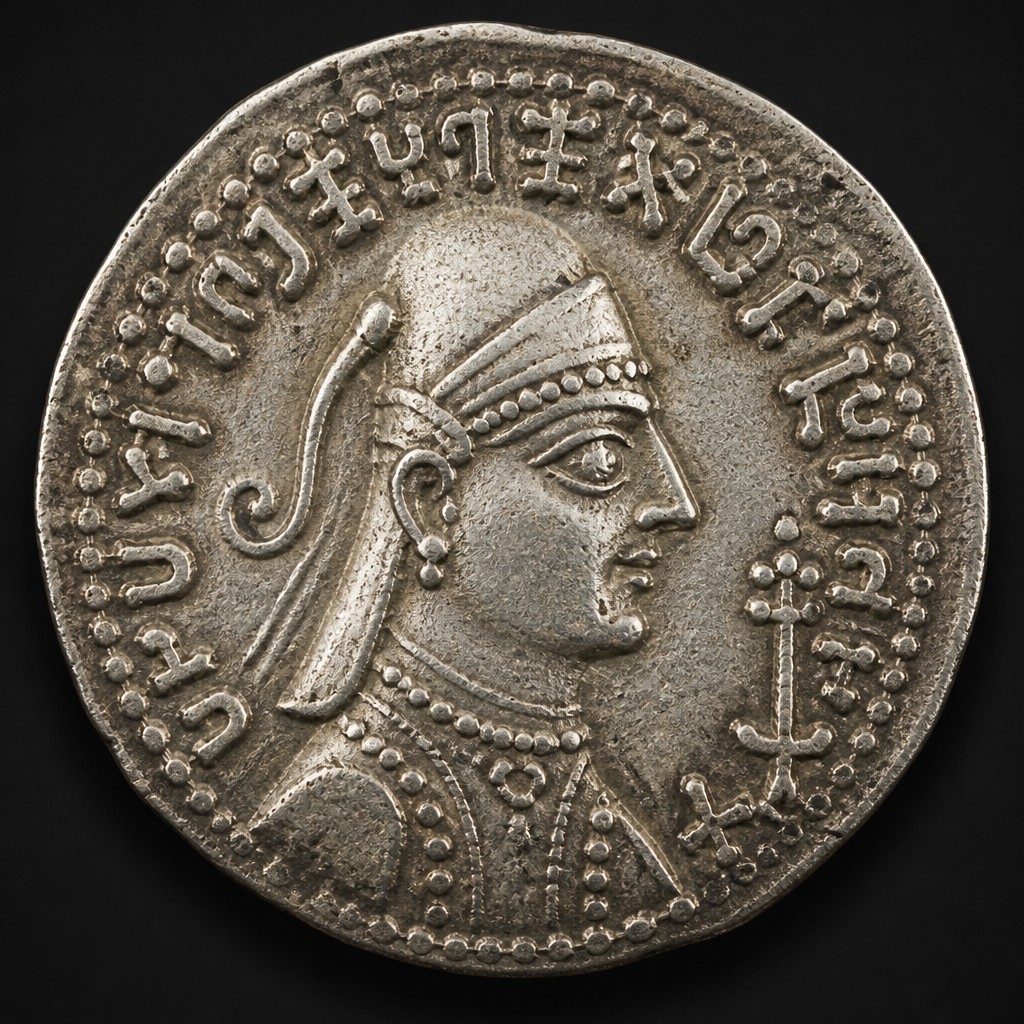
Western Satrap Silver Drachm
A silver drachm of the Western Satraps, Saka rulers of western India, easily identified by a crude Greek-style portrait obverse and a three-arched hill reverse.
Ancient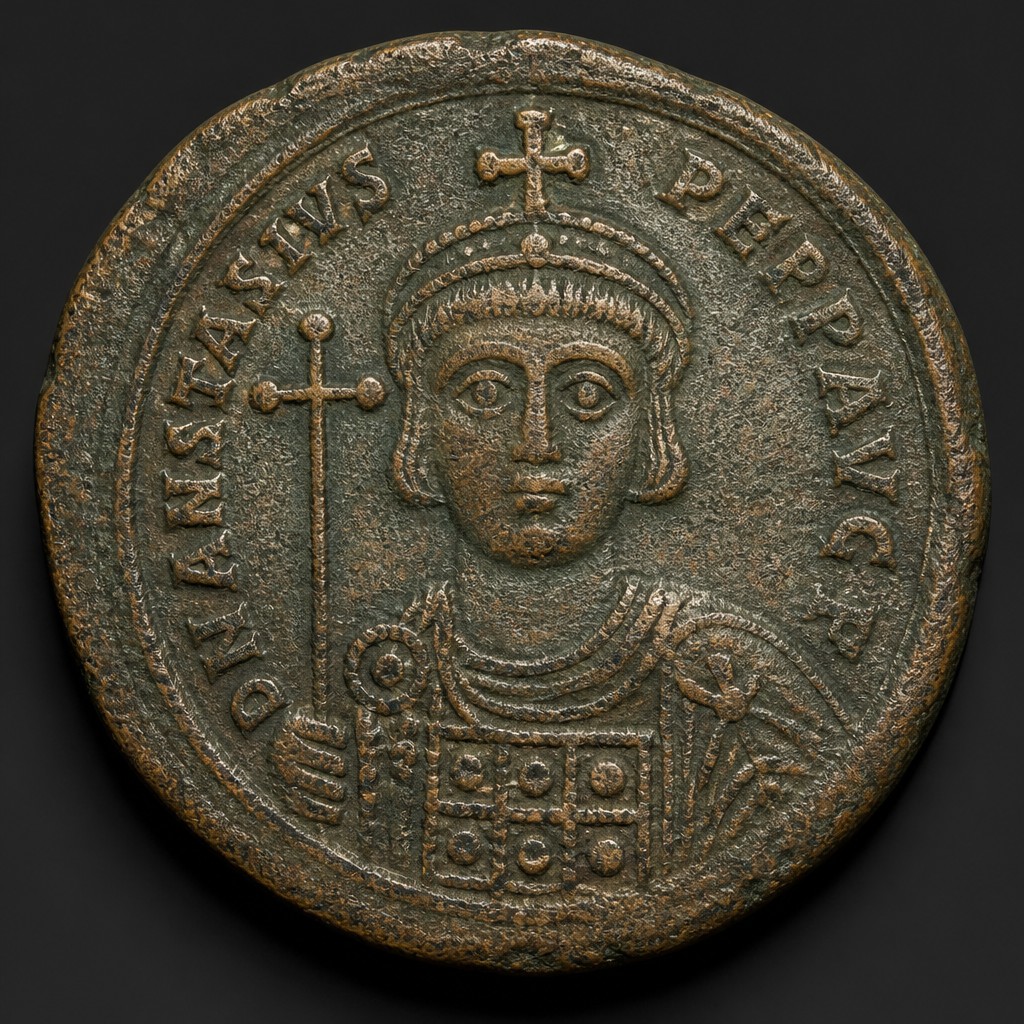
Byzantine Follis
The large bronze workhorse coin of everyday Byzantine commerce, reformed by Emperor Anastasius I in 498 AD with a prominent Greek numeral denoting its value of 40 nummi.
Ancient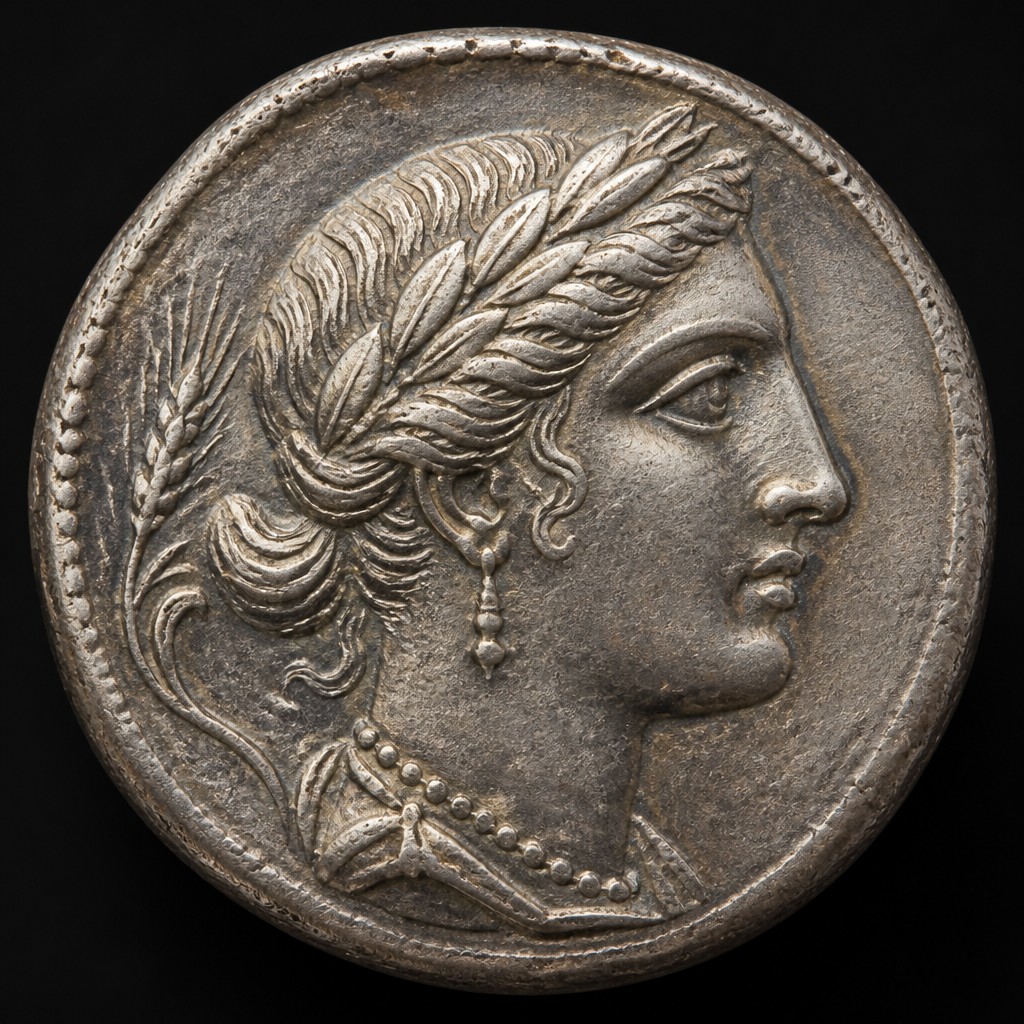
Panormus Siculo-Punic Tetradrachm
A silver tetradrachm struck at Panormus under Carthaginian control in Sicily, blending Greek artistic style with Punic legends, a hallmark of the distinctive Siculo-Punic coinage series.
Ancient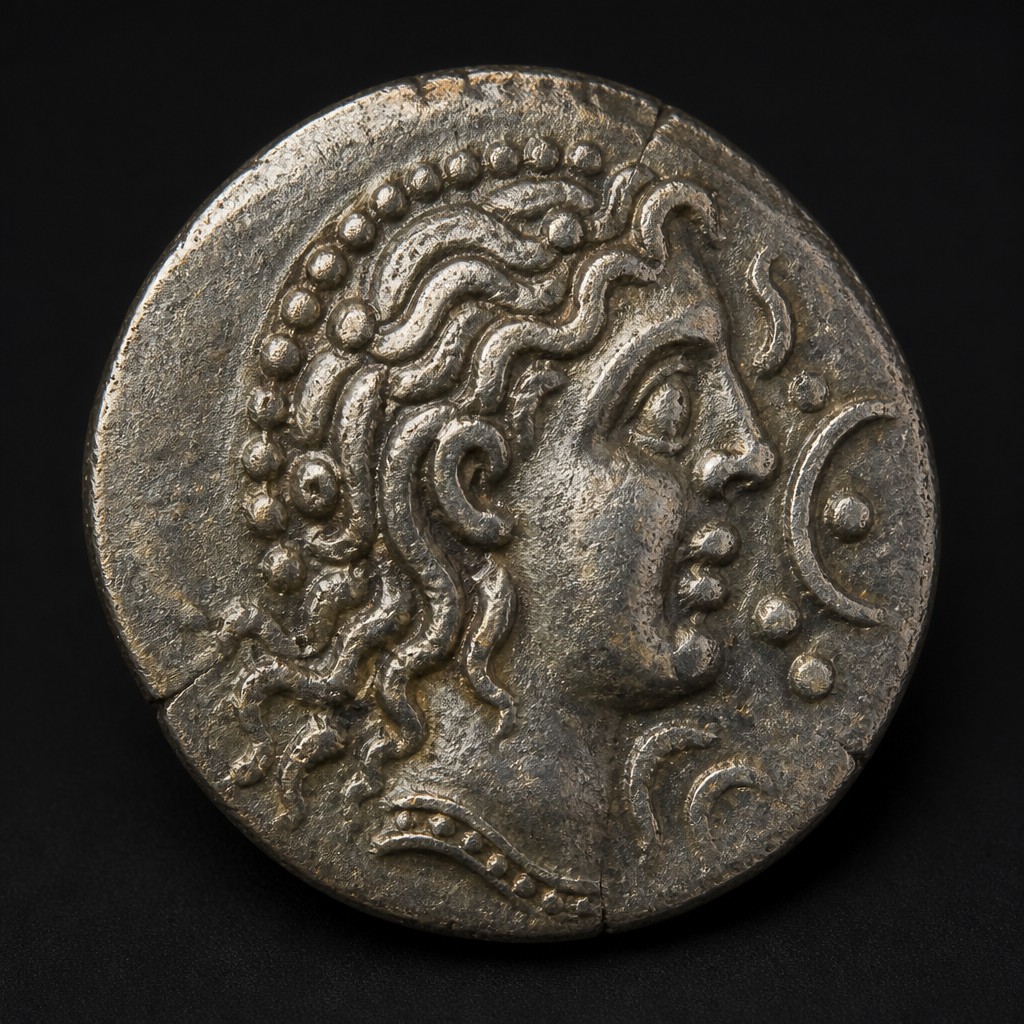
Armorican Billon Stater
A debased silver-alloy stater struck by Celtic tribes of Armorica (modern Brittany), showing wildly abstracted horse and head designs derived from Greek prototypes.
Ancient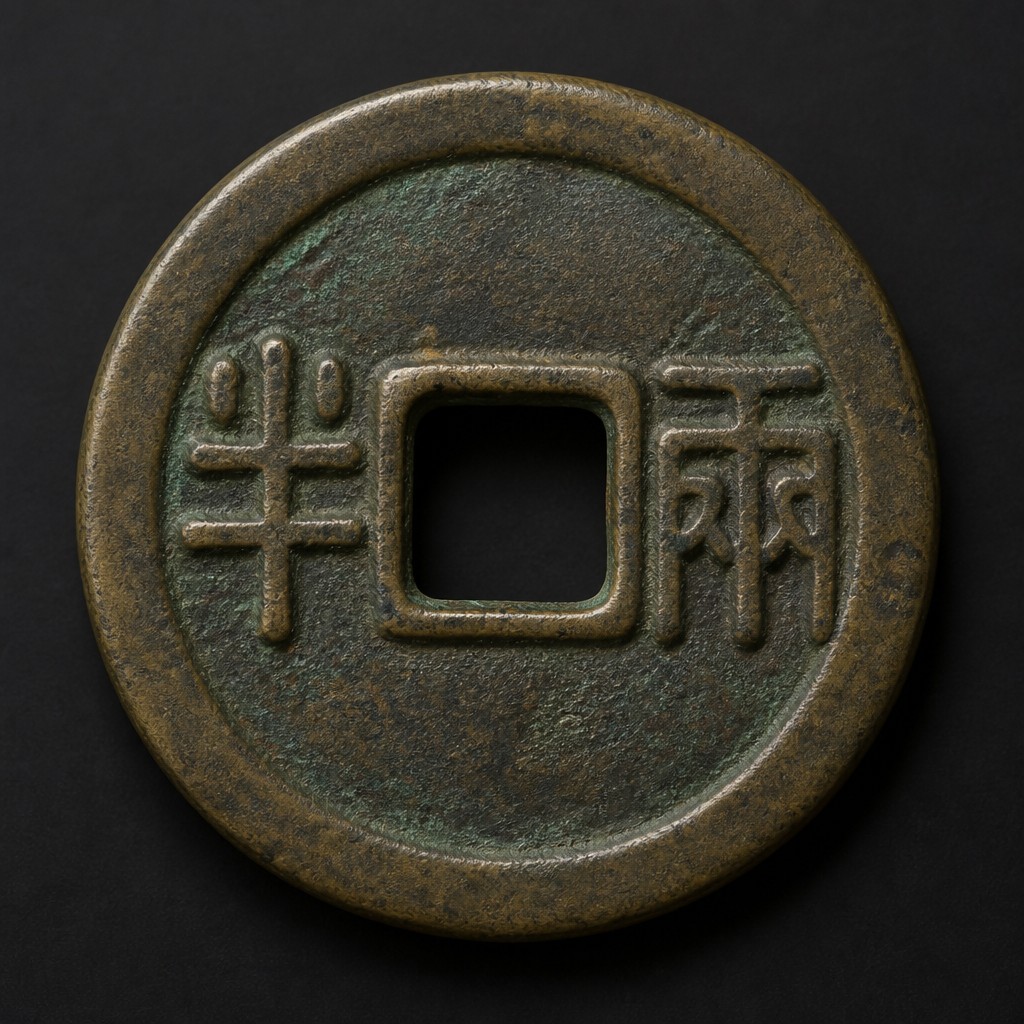
Chinese Ban Liang Cash
China's first standardized round coin with a square center hole, introduced under Qin Shi Huang to unify currency across the newly consolidated Chinese empire.
Ancient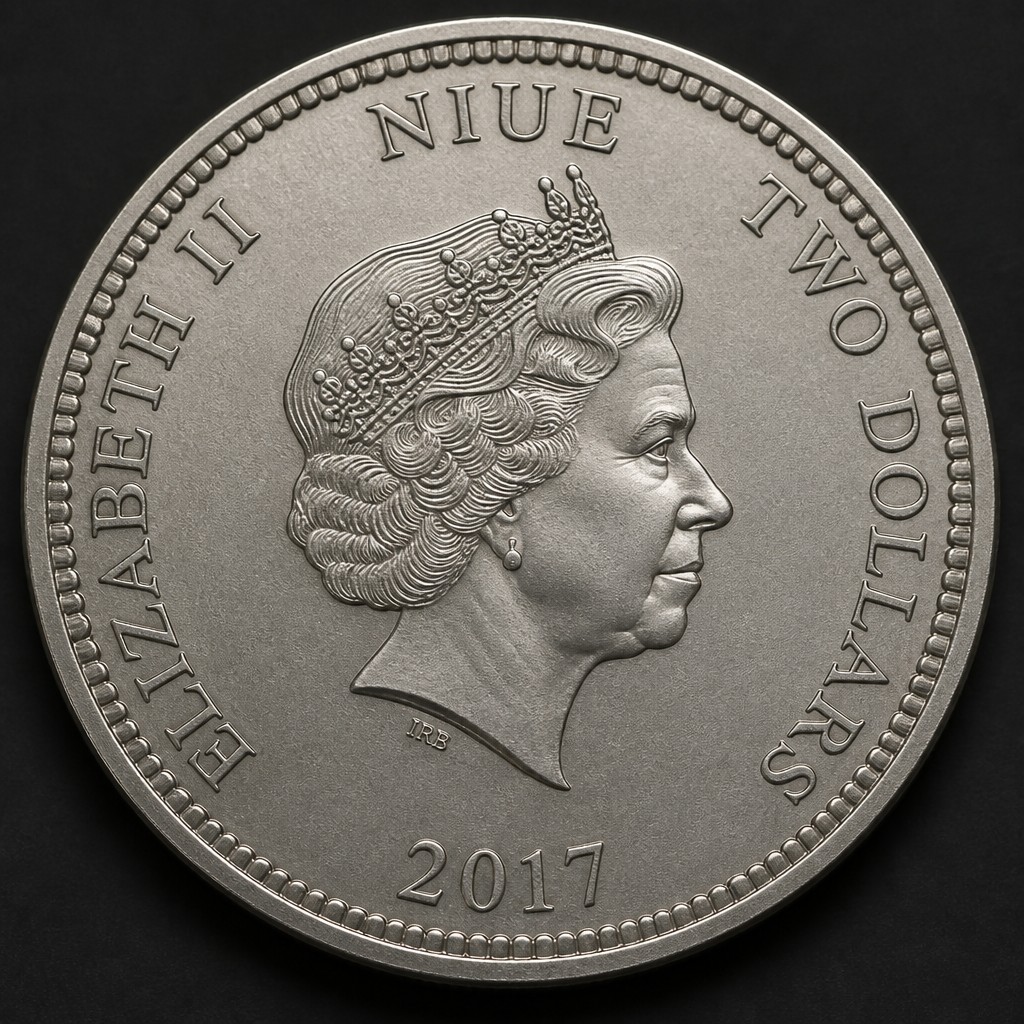
Niue Silver Owl (Athenian)
A modern silver bullion coin issued in the name of Niue, reviving the design of the ancient Athenian owl tetradrachm as a tribute to classical coinage.
Bullion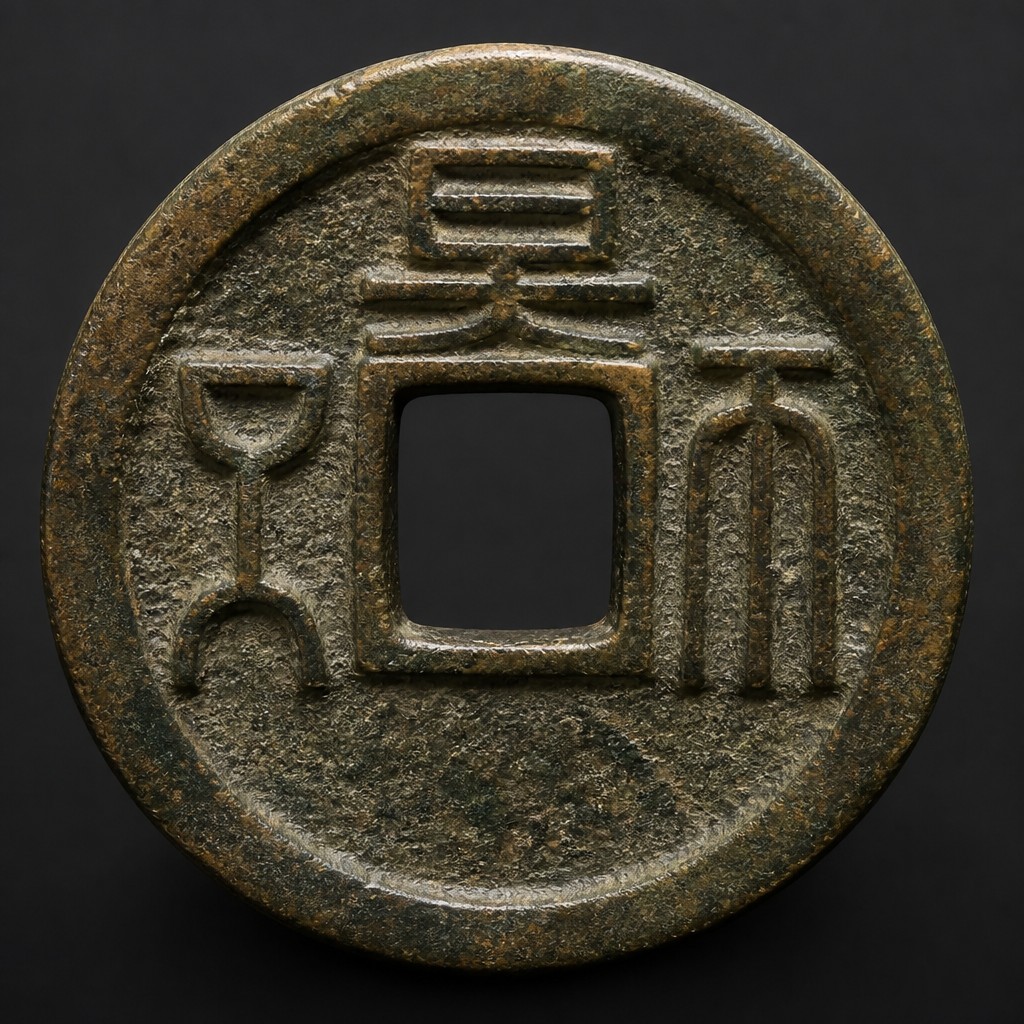
Chinese Wu Zhu Cash
One of history's longest-running coin types, cast continuously for over seven centuries across multiple Chinese dynasties after its introduction under Emperor Wu of Han.
Ancient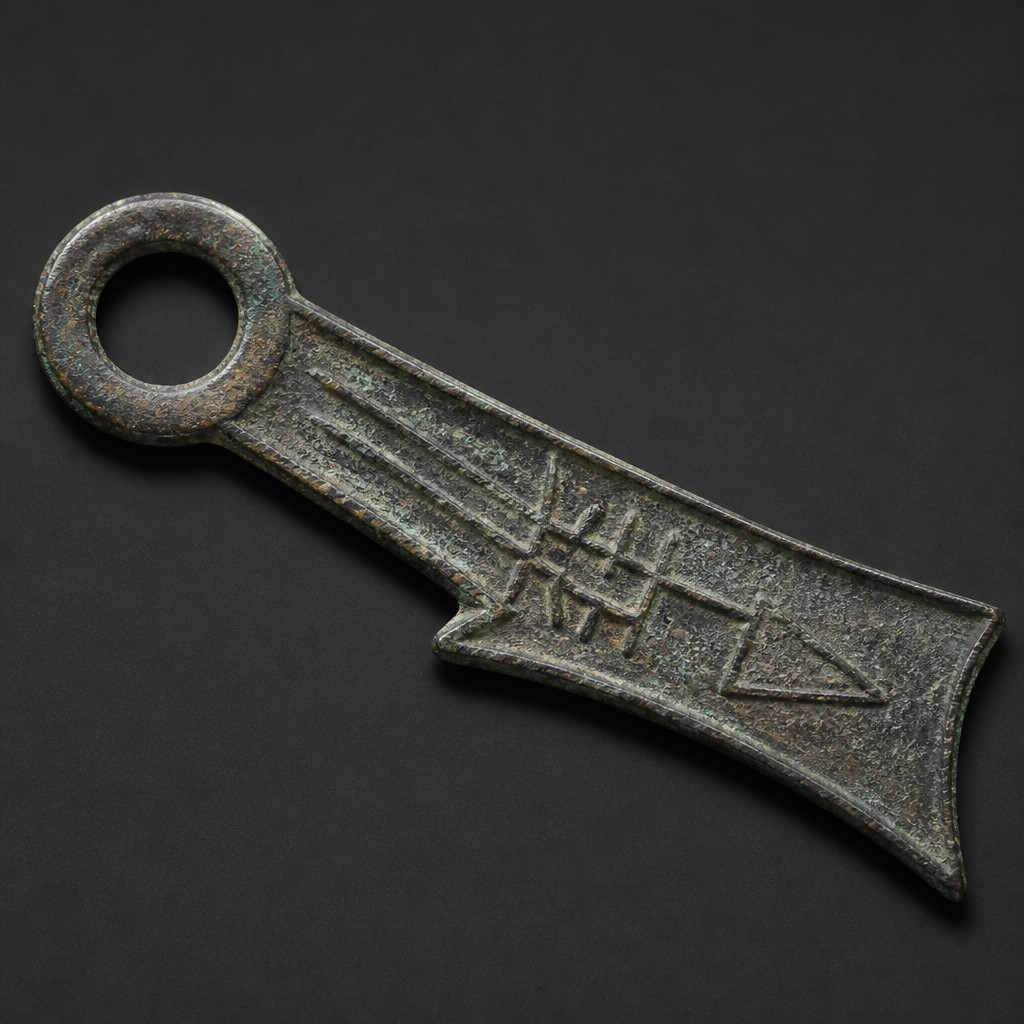
Chinese Knife Money (Ming Dao)
An ancient Chinese bronze currency cast in the shape of a knife, bearing a character often read as "Ming" on its blade, used mainly by the northern state of Yan before round coinage prevailed.
Asian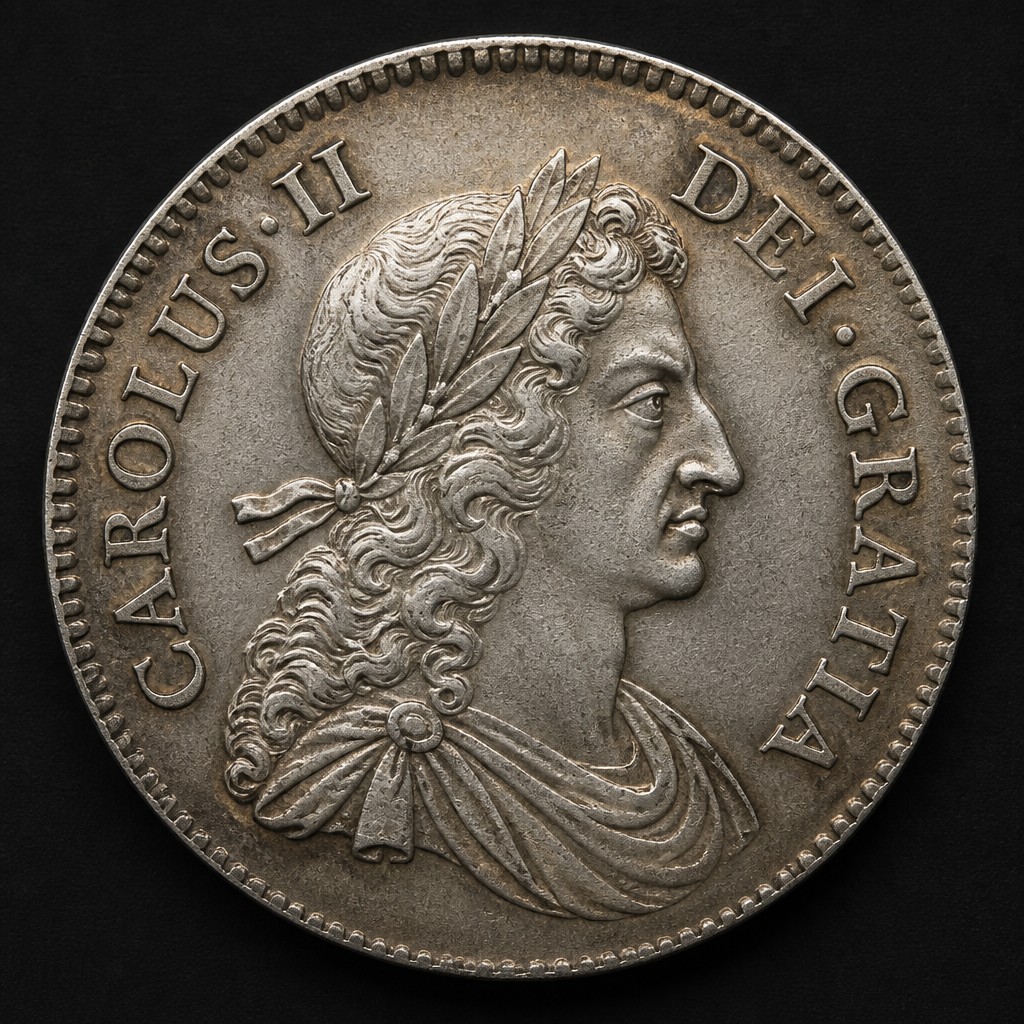
Maundy Penny
The smallest coin of the four-piece Royal Maundy set, a tiny silver penny given by the British monarch in an ancient Holy Thursday alms ceremony, minted every year in very limited numbers.
British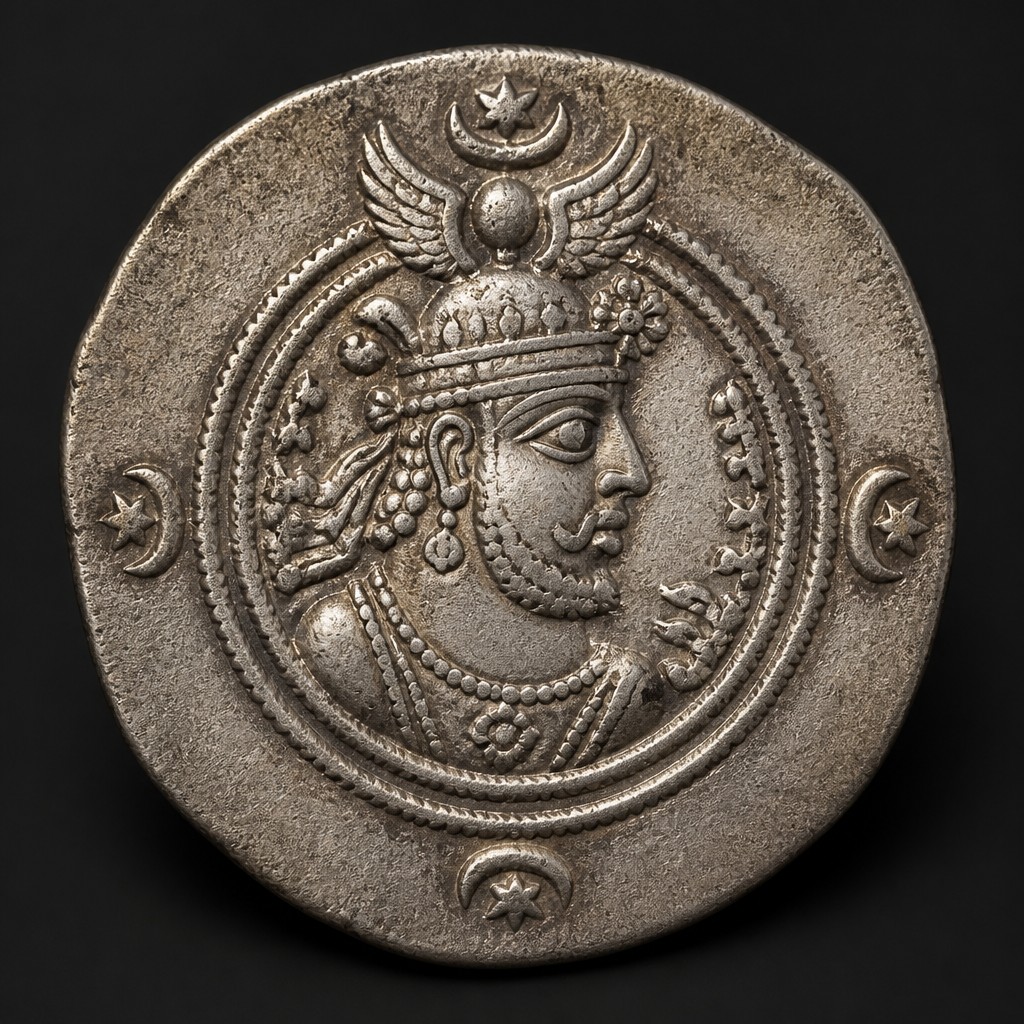
Sassanian Drachm of Khusro II
A silver coin of the long-reigning Sasanian king Khusro II, among the most commonly found ancient Persian coins, showing his ornate crowned bust and a Zoroastrian fire altar.
Ancient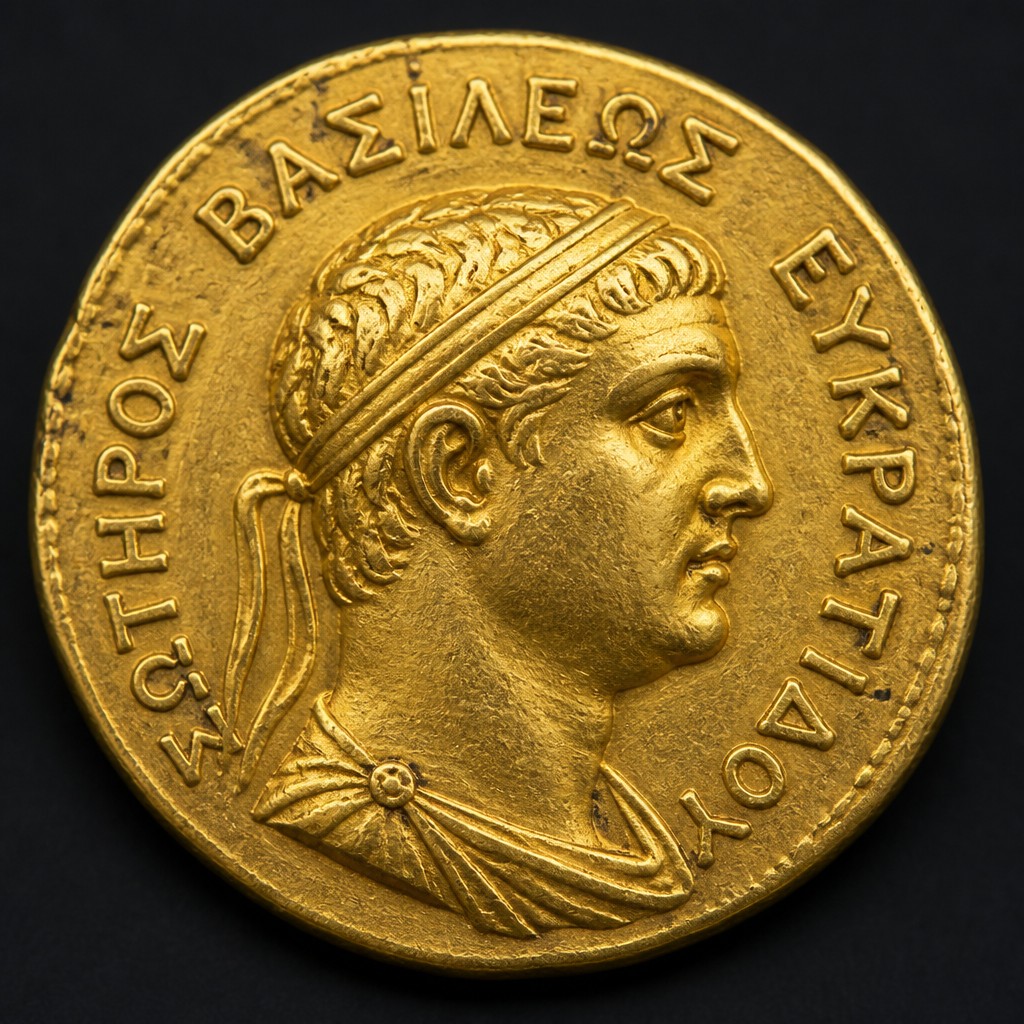
Eukratides I Gold Stater (Baktria)
A gold stater of Eukratides I, the powerful Greco-Bactrian king best known for issuing the largest gold coin surviving from antiquity, depicting the divine twins Dioskouroi on horseback.
Ancient