
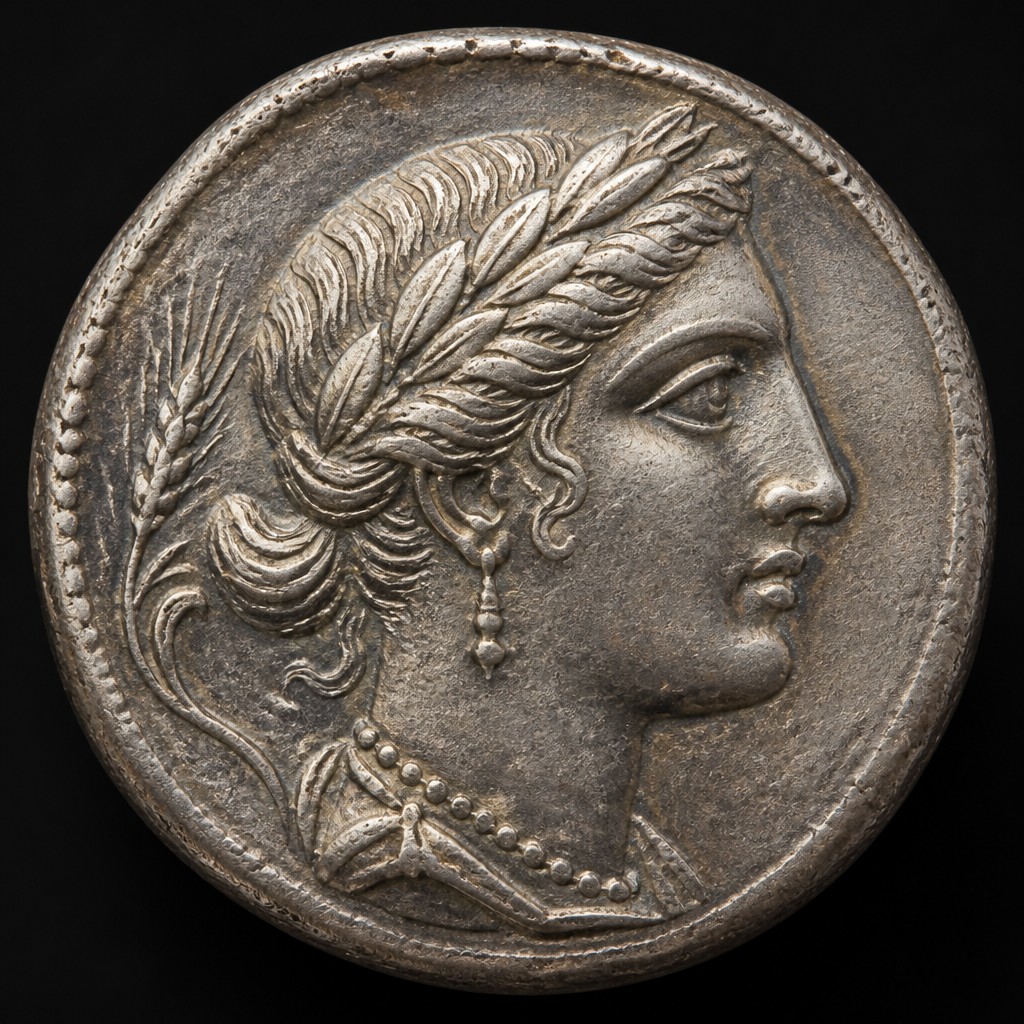
Panormus Siculo-Punic Tetradrachm
A silver tetradrachm struck at Panormus under Carthaginian control in Sicily, blending Greek artistic style with Punic legends, a hallmark of the distinctive Siculo-Punic coinage series.
- Country
- Siculo-Punic (Carthaginian Sicily)
- Denomination
- Tetradrachm
- Metal
- Silver
Got a coin like this?
Identify any coin from a photo, free.
Overview
Siculo-Punic coinage occupies a fascinating cultural middle ground in ancient numismatics: struck by Carthaginian authorities for their territories and mercenary forces in western Sicily, it borrows heavily from the artistic conventions of Greek Sicilian cities like Syracuse while carrying Punic (Phoenician-derived) legends rather than Greek ones. The Panormus tetradrachm is one of the best-known examples of this hybrid tradition, prized by collectors for uniting fine Greek-style die engraving with a genuinely different cultural and linguistic context.
Because Carthage employed talented engravers, sometimes thought to include artists trained in or influenced by Syracusan workshops, Siculo-Punic tetradrachms can rival mainland Greek Sicilian coinage in artistic quality while remaining numismatically distinct, giving them broad appeal among both Greek and Punic/Carthaginian coin specialists.
History & Background
Panormus, the ancient predecessor of modern Palermo, was a Phoenician and later Carthaginian stronghold on the northern coast of Sicily, serving as a key base for Carthaginian military and commercial activity on the island. As Carthage became increasingly entangled in the long series of wars with the Greek cities of Sicily, particularly Syracuse, from the late fifth century BC onward, it required substantial coinage to pay its armies, which included large numbers of Greek and other mercenaries.
This necessity drove Carthage to strike coinage in a recognizably Greek Sicilian style, since that was the visual currency its mercenary soldiers and Sicilian trading partners trusted and understood, but inscribed with Punic script identifying the issuing authority or location. Panormus remained an important Carthaginian center until it was captured by Rome during the First Punic War in the mid-third century BC, after which Siculo-Punic coinage of this type gradually ceased.
How to Identify
The obverse commonly shows a female head in the refined Syracusan style, often identified with Arethusa, Tanit, or Persephone depending on the specific issue, sometimes surrounded by dolphins in direct visual homage to contemporary Syracusan tetradrachms. The reverse typically depicts a horse, either standing alone, rearing, or accompanied by a palm tree (a symbol strongly associated with Carthaginian coinage across the western Mediterranean), with a Punic legend, rather than a Greek one, identifying the mint or issuing authority.
The presence of Punic script is the clearest and most reliable way to distinguish a Siculo-Punic issue from a genuine Greek Sicilian coin, even when the artistic style is nearly indistinguishable at a glance. Collectors also look for the specific combination of dolphins, palm tree, and horse type, along with weight standard, to attribute individual tetradrachms to Panormus as opposed to other Siculo-Punic mints such as Motya or an unlocated 'camp mint.'
Value & Collectibility
Siculo-Punic tetradrachms from Panormus are actively collected both by specialists in Greek Sicilian coinage and by those focused on Carthaginian and Punic numismatics, giving the series a dedicated cross-over audience. Prices for legible, moderately preserved examples commonly range from the low to mid thousands of dollars, with exceptionally well-struck, artistically fine pieces closely rivaling top Syracusan work commanding significantly more at auction.
Value is driven by the quality and clarity of the Greek-style artistic elements (particularly the female head and any surrounding dolphins), the legibility of the Punic legend, and overall rarity of the specific type or mint attribution within the broader Siculo-Punic series.
Frequently asked questions
What does 'Siculo-Punic' mean?
It describes coinage struck in Sicily under Carthaginian ('Punic') authority, typically combining Greek Sicilian artistic style with Punic (Phoenician-derived) inscriptions.
Why does the coin look so similar to Syracusan coinage?
Carthage needed coinage that its Greek mercenaries and Sicilian trading partners would readily trust and recognize, so it employed engravers working in the dominant Greek Sicilian artistic style of the time.
How do I know if a coin is Siculo-Punic rather than purely Greek?
The clearest indicator is the presence of a Punic (not Greek) legend somewhere on the coin, even when the imagery itself closely follows Greek Sicilian conventions.
What happened to Panormus after this coinage ended?
Panormus was captured by Rome during the First Punic War in the mid-third century BC, after which it became a Roman-controlled Sicilian city and Siculo-Punic coinage of this style ceased.
Other coins you may enjoy
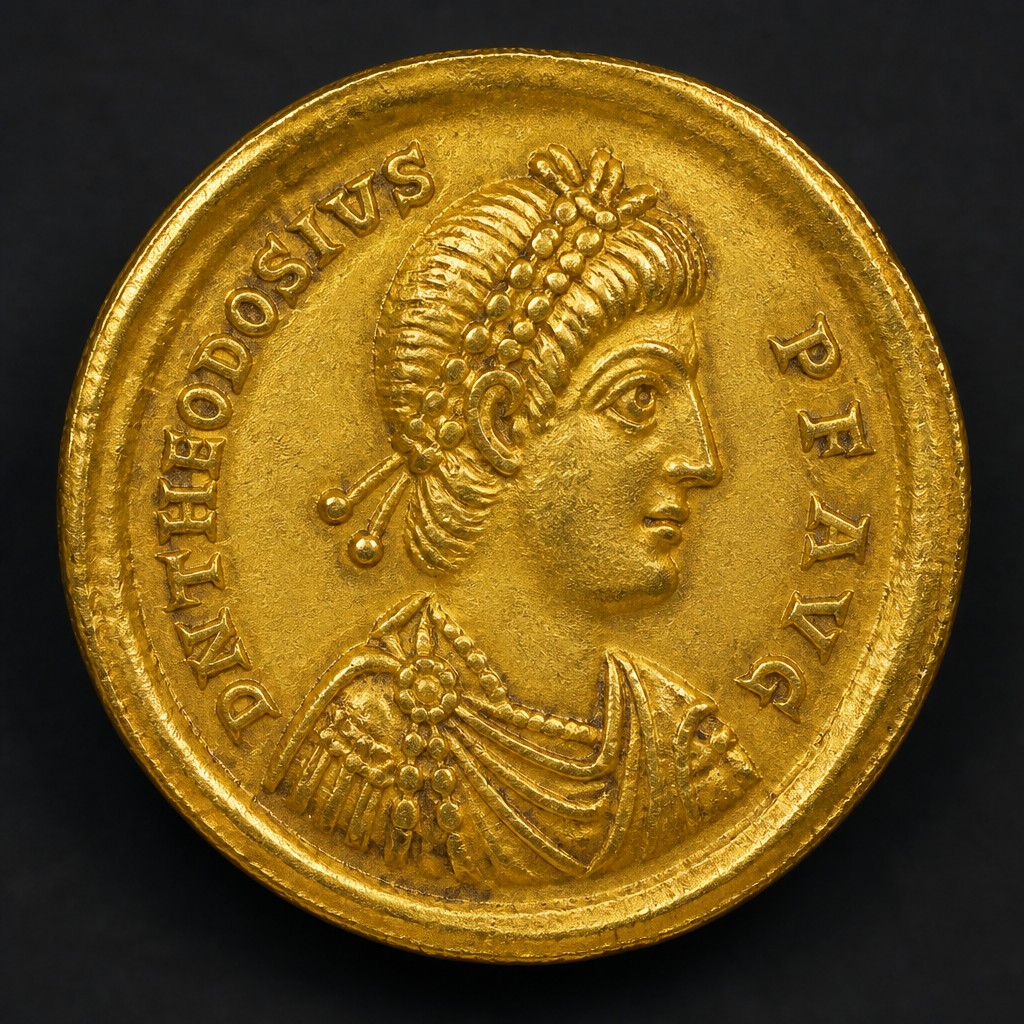
Theodosius I Solidus
379–395 AD
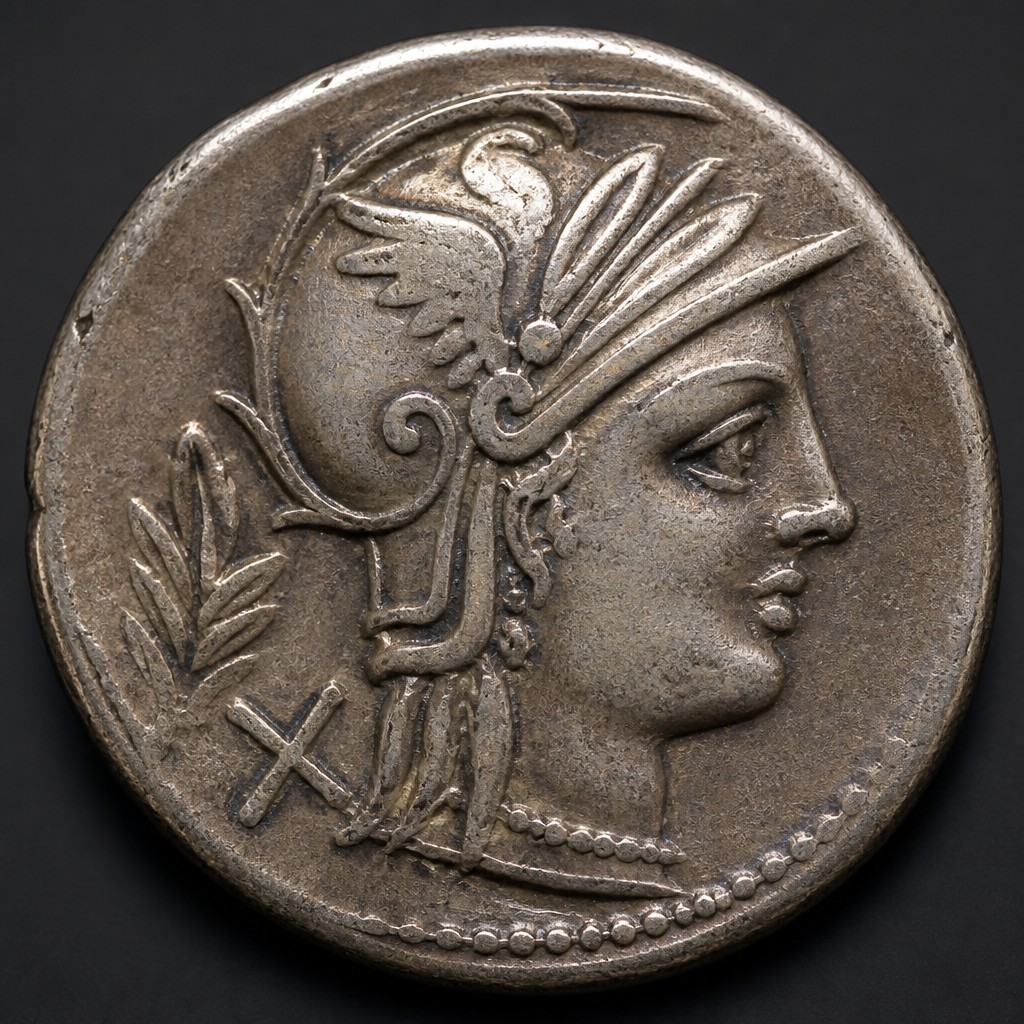
Republican Victoriatus
c. 211–170 BC
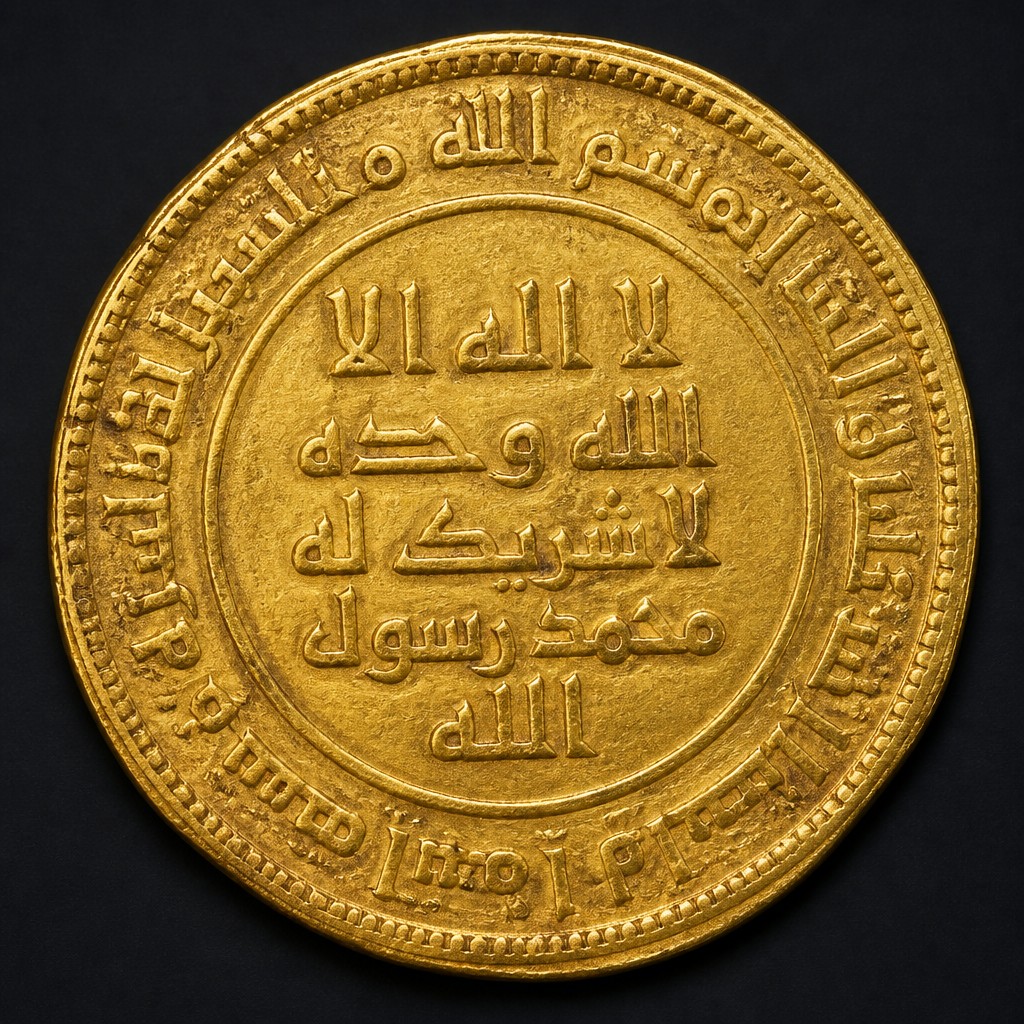
Islamic Gold Dinar (Umayyad)
c. 696–750 AD
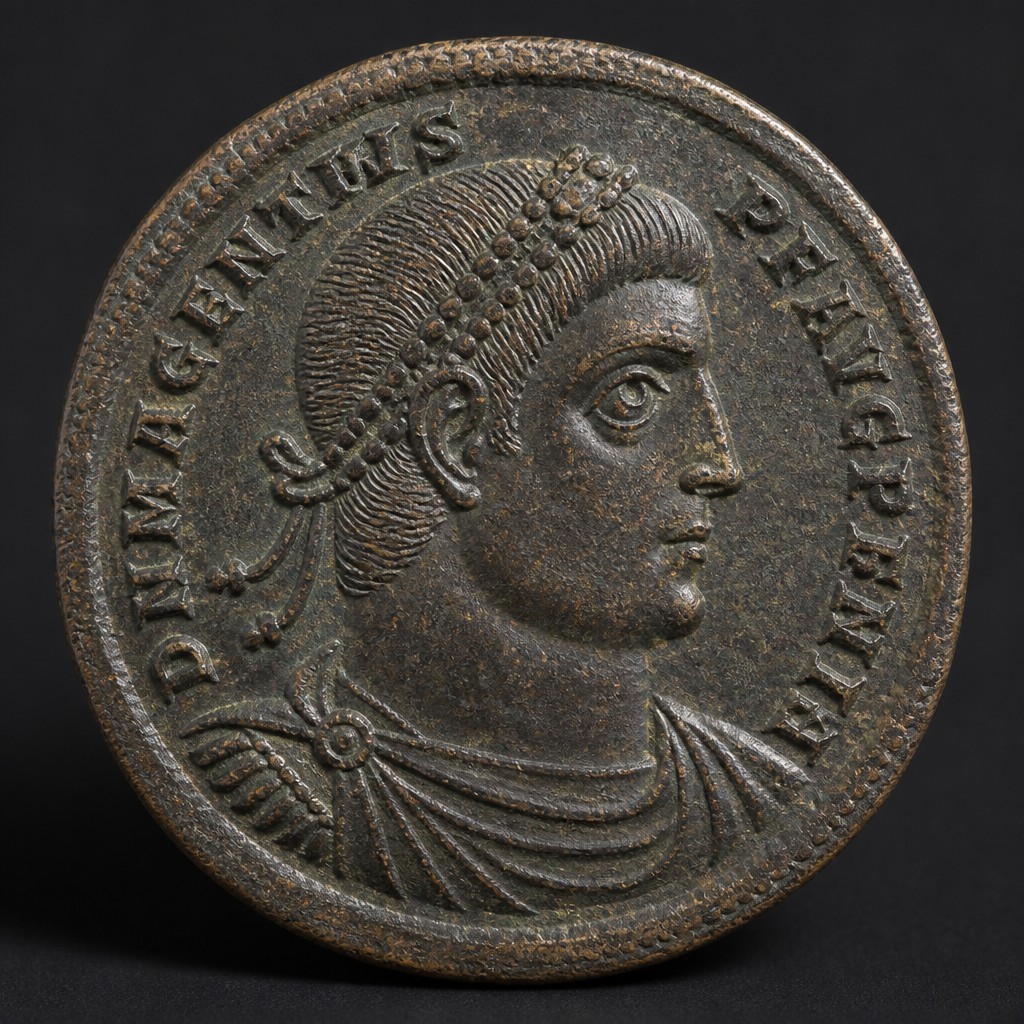
Magnentius Double Centenionalis
350–353 AD
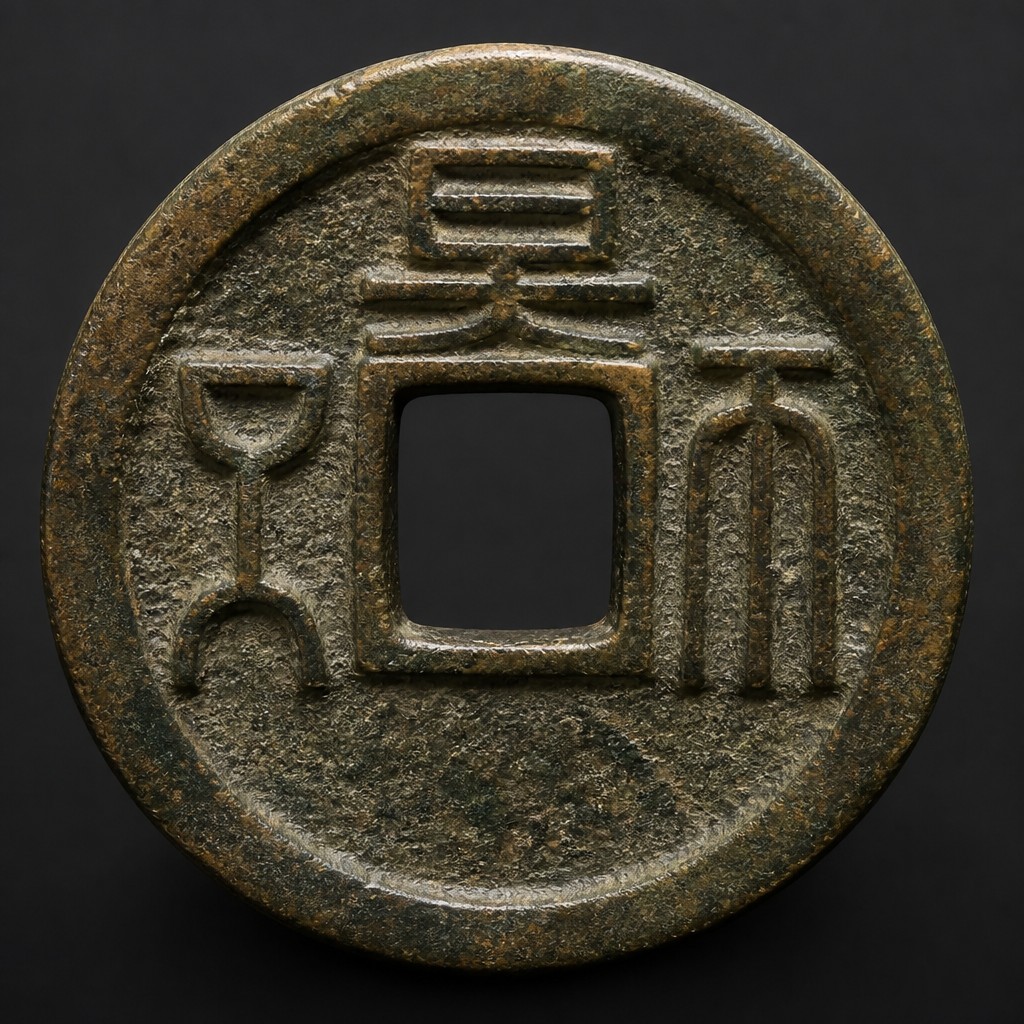
Chinese Wu Zhu Cash
118 BC – 618 AD
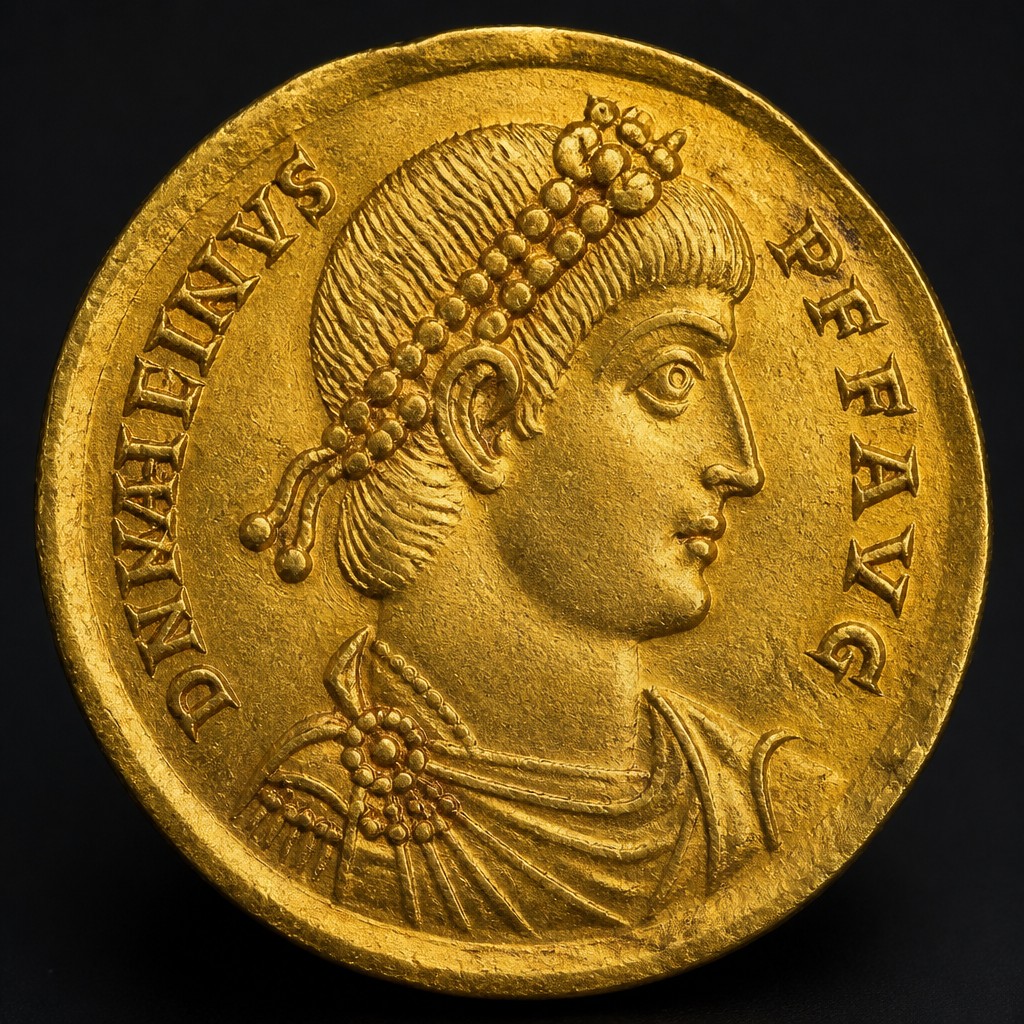
Valentinian I Solidus
364–375 AD
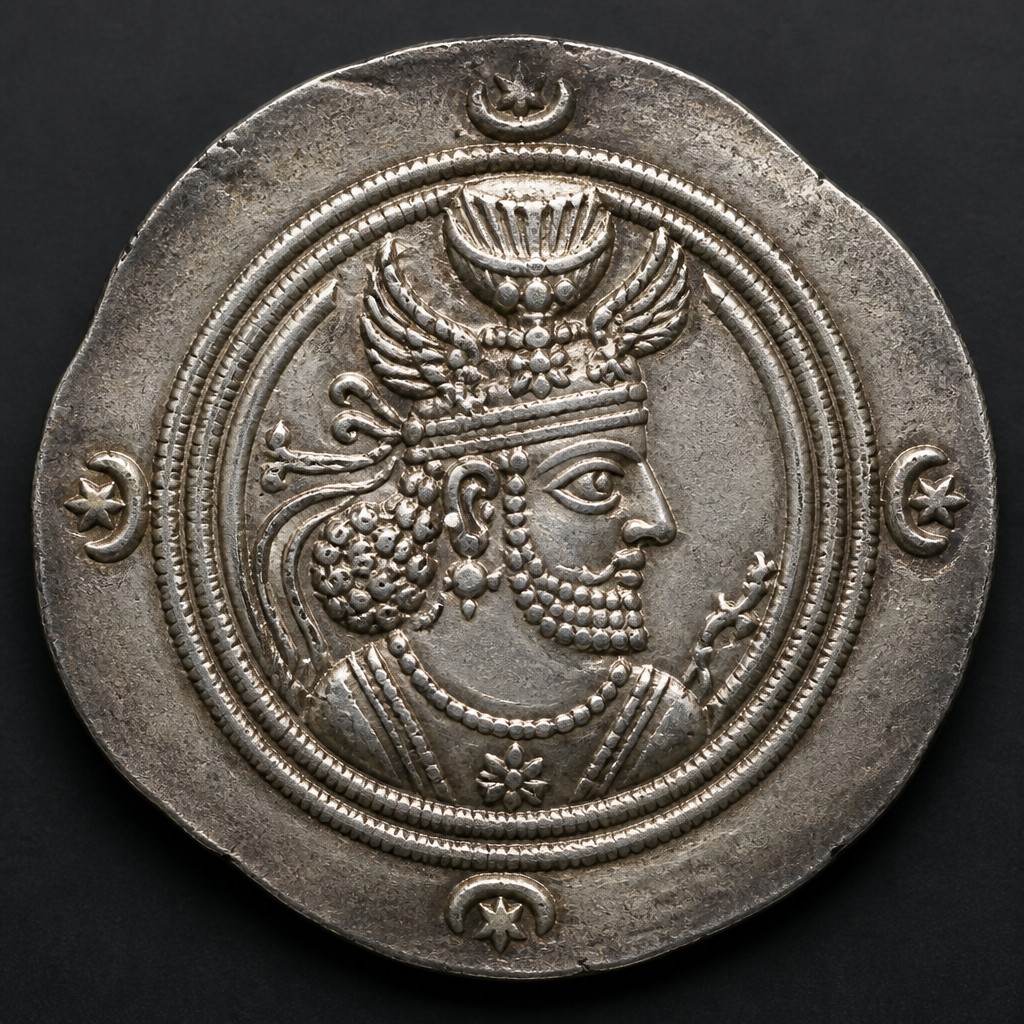
Sassanian Silver Drachm
c. 224–651 AD
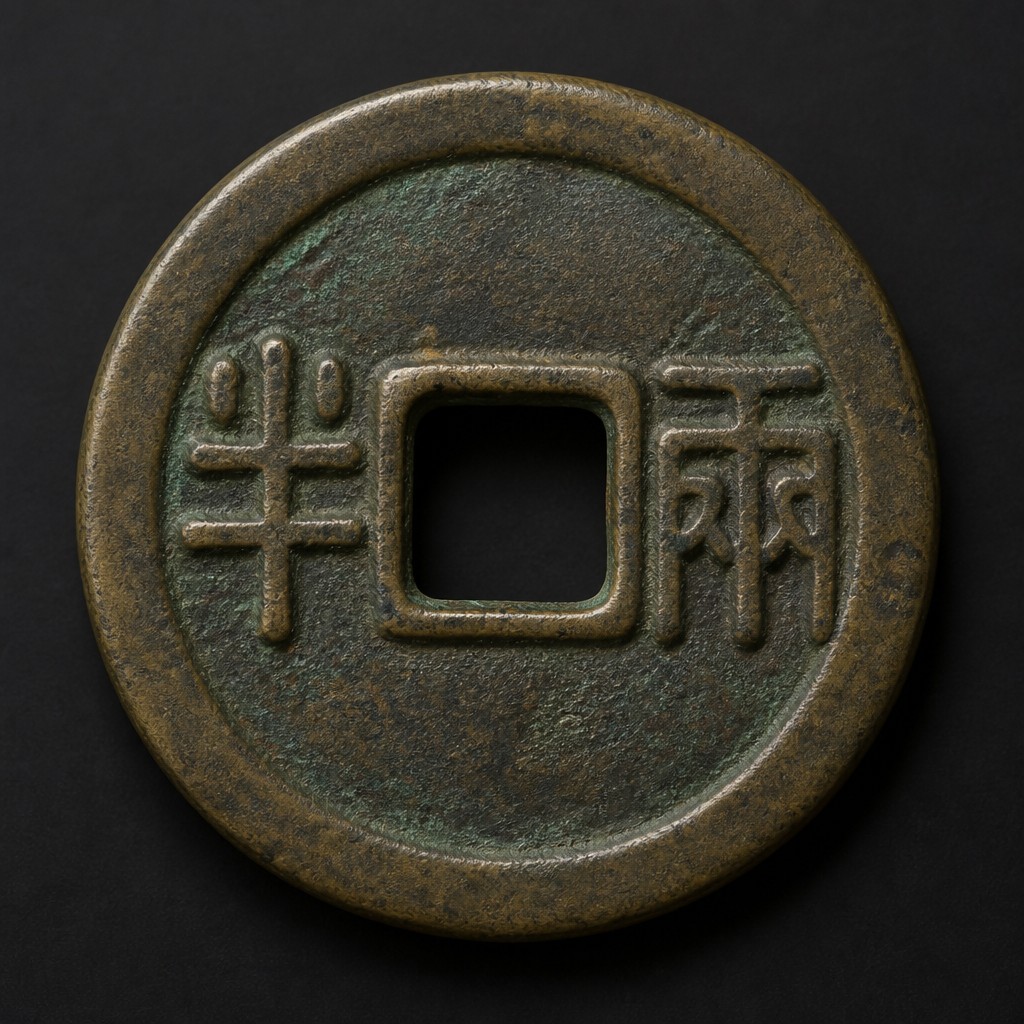
Chinese Ban Liang Cash
c. 221–118 BC
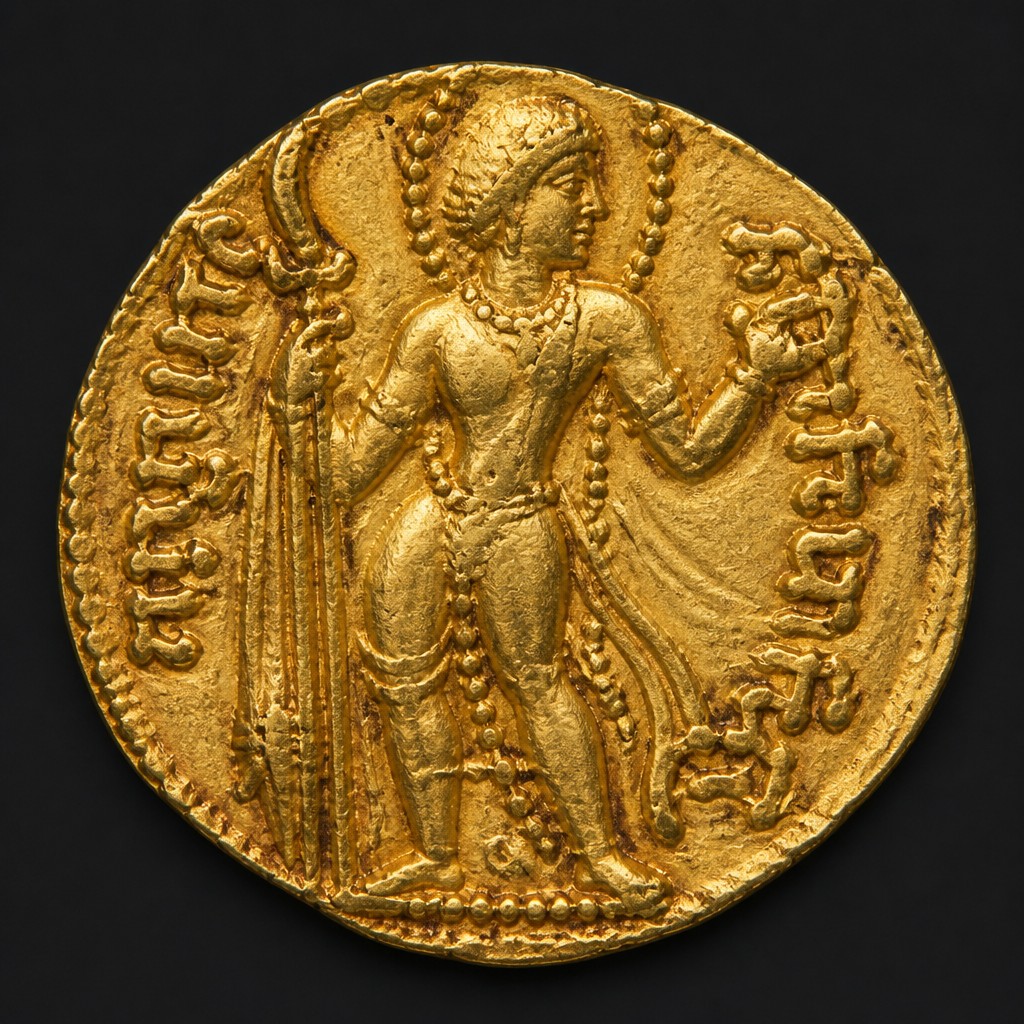
Gupta Empire Gold Dinar
c. 320–550 AD
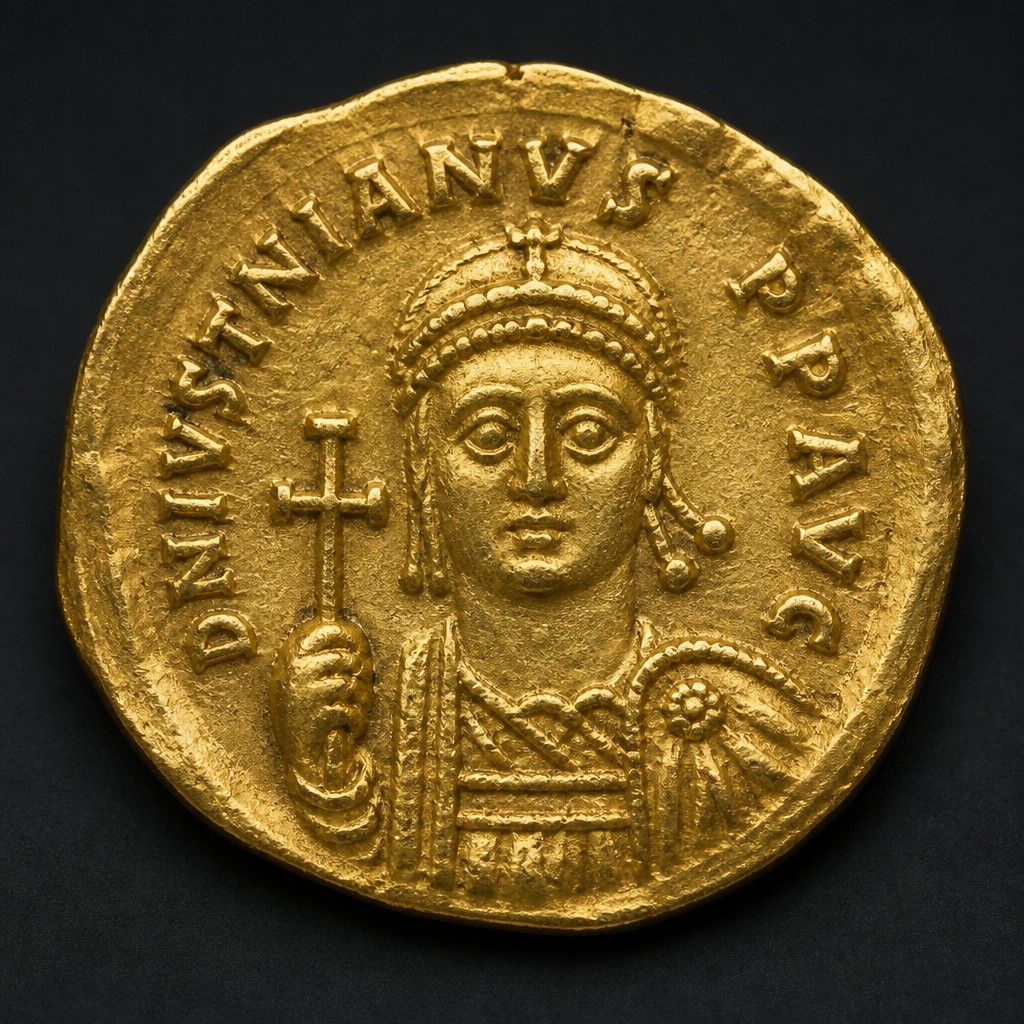
Byzantine Gold Tremissis
c. 4th–7th century AD
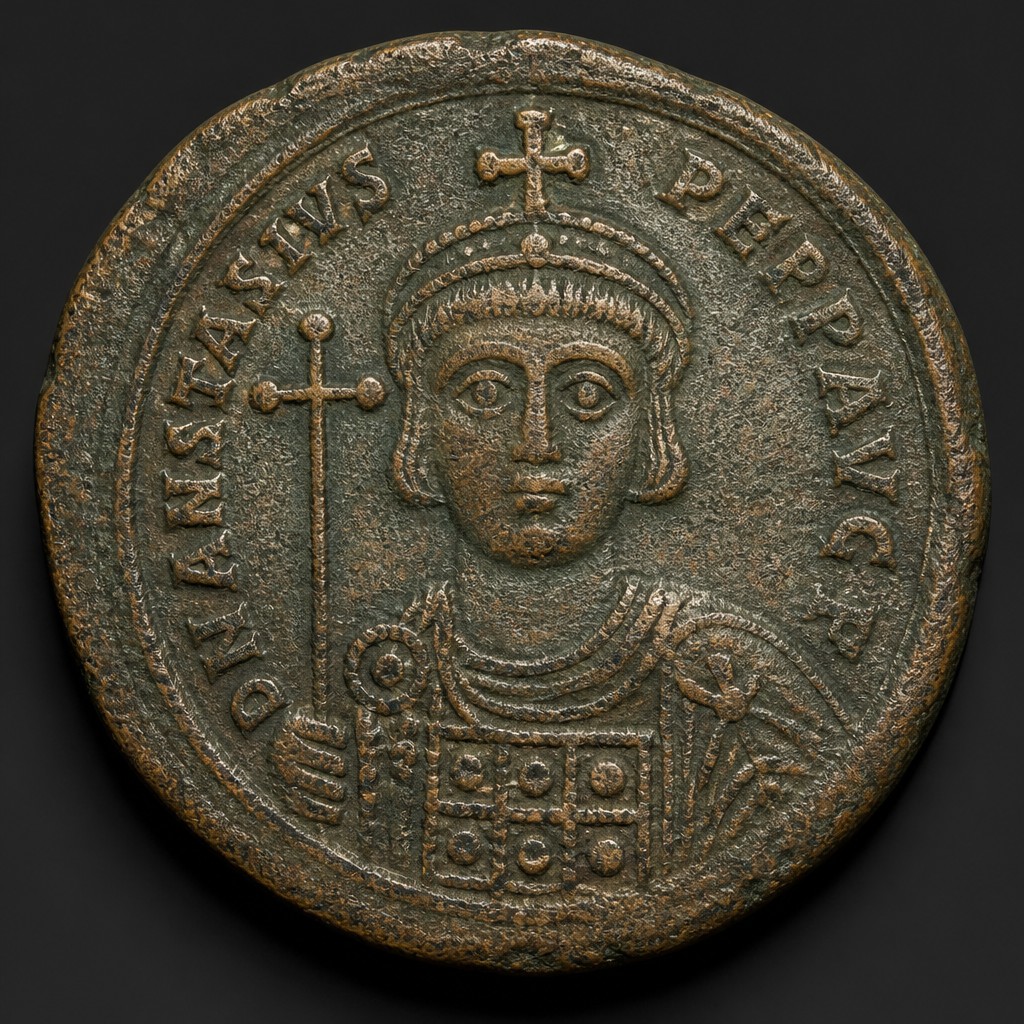
Byzantine Follis
498–c. 11th century AD
Celtic Gold Stater
c. 3rd century BC – 1st century AD