
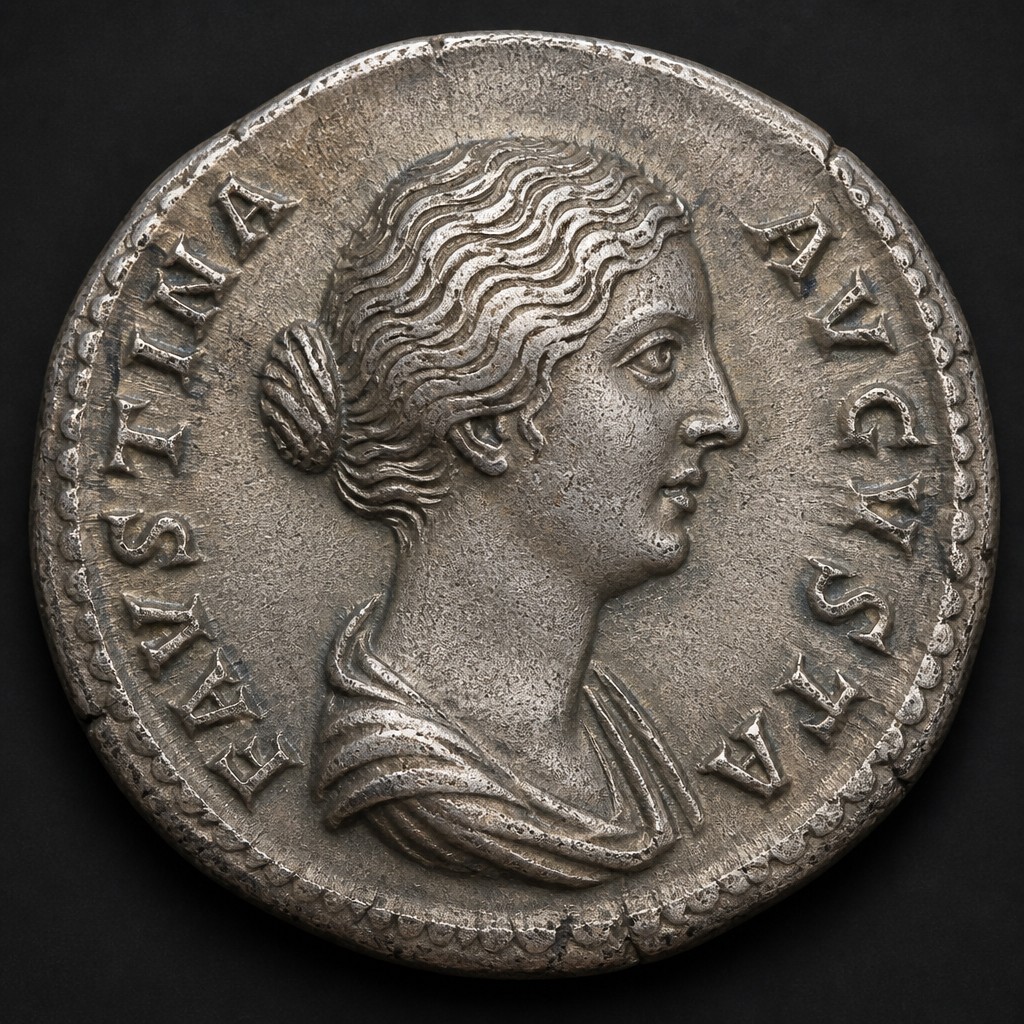
Faustina the Younger Denarius
Silver denarius of Faustina the Younger, daughter of Antoninus Pius and wife of Marcus Aurelius, whose coinage emphasizes fertility and family themes.
- Country
- Ancient Rome
- Denomination
- Denarius
- Metal
- Silver (approx. 79%)
Got a coin like this?
Identify any coin from a photo, free.
Overview
The denarius of Faustina the Younger documents the life of one of Rome's most prominent empresses, daughter of Antoninus Pius and wife of the philosopher-emperor Marcus Aurelius. Unlike her mother's largely posthumous coinage, Faustina the Younger's denarii were struck extensively during her own lifetime as Augusta, reflecting her active and visible public role.
Her reverse types lean heavily on themes of fertility and family, most notably Fecunditas, celebrating her many children with Marcus Aurelius, a detail that reflects the genuine dynastic importance placed on her role as mother of the next generation, including the future emperor Commodus.
Collectors value her coinage both for its connection to the celebrated reign of Marcus Aurelius and for the variety of reverse types produced across roughly three decades of prominence at the Roman court.
History & Background
Annia Galeria Faustina Minor, daughter of Antoninus Pius and Faustina the Elder, was betrothed and later married to Marcus Aurelius, becoming empress upon his accession in 161 AD alongside his co-emperor Lucius Verus. She bore Marcus Aurelius numerous children over their marriage, several of whom died young, but including the future emperor Commodus, making her an important dynastic figure.
Ancient sources offer a mixed portrait of her character and loyalty, with some later, less reliable accounts making scandalous claims, though many modern historians treat these stories skeptically given the political motivations of ancient historians writing after her death. Contemporary evidence, including her coinage, generally presents her as an honored and visible empress closely tied to themes of fertility, family, and imperial continuity.
Faustina the Younger died around 175 AD while accompanying Marcus Aurelius on campaign in the eastern provinces, and was deified by the Senate shortly afterward, with additional DIVA FAVSTINA coinage issued in her memory distinct from that of her mother.
How to Identify
The obverse shows the draped bust of Faustina the Younger facing right, typically with the legend FAVSTINA AVGVSTA or FAVSTINA AVG, without the DIVA prefix during her lifetime, distinguishing lifetime issues from posthumous deification coinage struck after her death. Reverse types commonly include Fecunditas, often shown surrounded by several children, Venus, Salus, and Diana Lucifera holding a torch, all themes emphasizing fertility, health, and family continuity.
The denarius is a standard small silver coin of roughly 3 to 3.3 grams and about 17 to 18mm in diameter, generally well struck given the prominence of the imperial mint during the mid-to-late second century.
Collectors distinguish lifetime coinage of Faustina the Younger from posthumous DIVA FAVSTINA issues struck after her death around 175 AD by the presence or absence of the DIVA title, and from her mother's coinage by the different obverse legend format and generally distinct portrait style and hairstyle fashions of the period.
Value & Collectibility
Faustina the Younger denarii are widely available and generally affordable, reflecting the substantial output of the imperial mint during her lengthy tenure as empress alongside Marcus Aurelius. Common Fecunditas and other standard reverse types are often obtainable at modest prices in collectible grades.
Well-struck examples with clear, attractive portraiture and less common reverse types can bring higher prices, and her coinage remains a popular choice for collectors assembling a set of Antonine-dynasty empresses alongside her mother and other family members.
Her close association with Marcus Aurelius, one of the most admired Roman emperors, adds to sustained collector interest in her coinage as a complementary piece to his own more famous denarii.
Frequently asked questions
Who was Faustina the Younger married to?
She married Marcus Aurelius and served as his empress, bearing him several children including the future emperor Commodus.
What does the Fecunditas reverse type represent?
It celebrates fertility and motherhood, often shown with child figures, reflecting Faustina's many children with Marcus Aurelius.
How do I tell lifetime coins from posthumous ones?
Lifetime issues use the title AVGVSTA without DIVA, while posthumous deification coinage struck after her death carries the DIVA prefix.
Is Faustina the Younger the same person as Faustina the Elder?
No, they are mother and daughter; Faustina the Elder was wife of Antoninus Pius, and Faustina the Younger was her daughter and wife of Marcus Aurelius.
Other coins you may enjoy
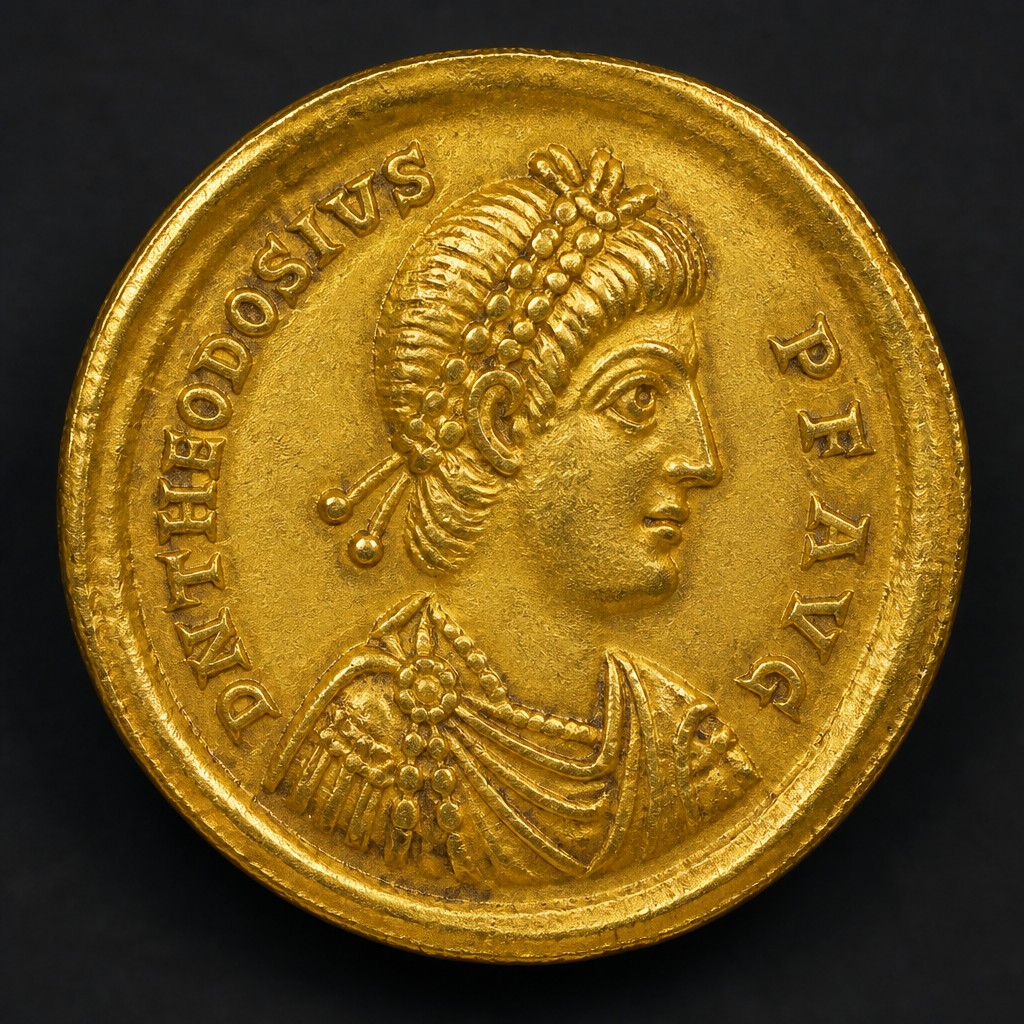
Theodosius I Solidus
379–395 AD
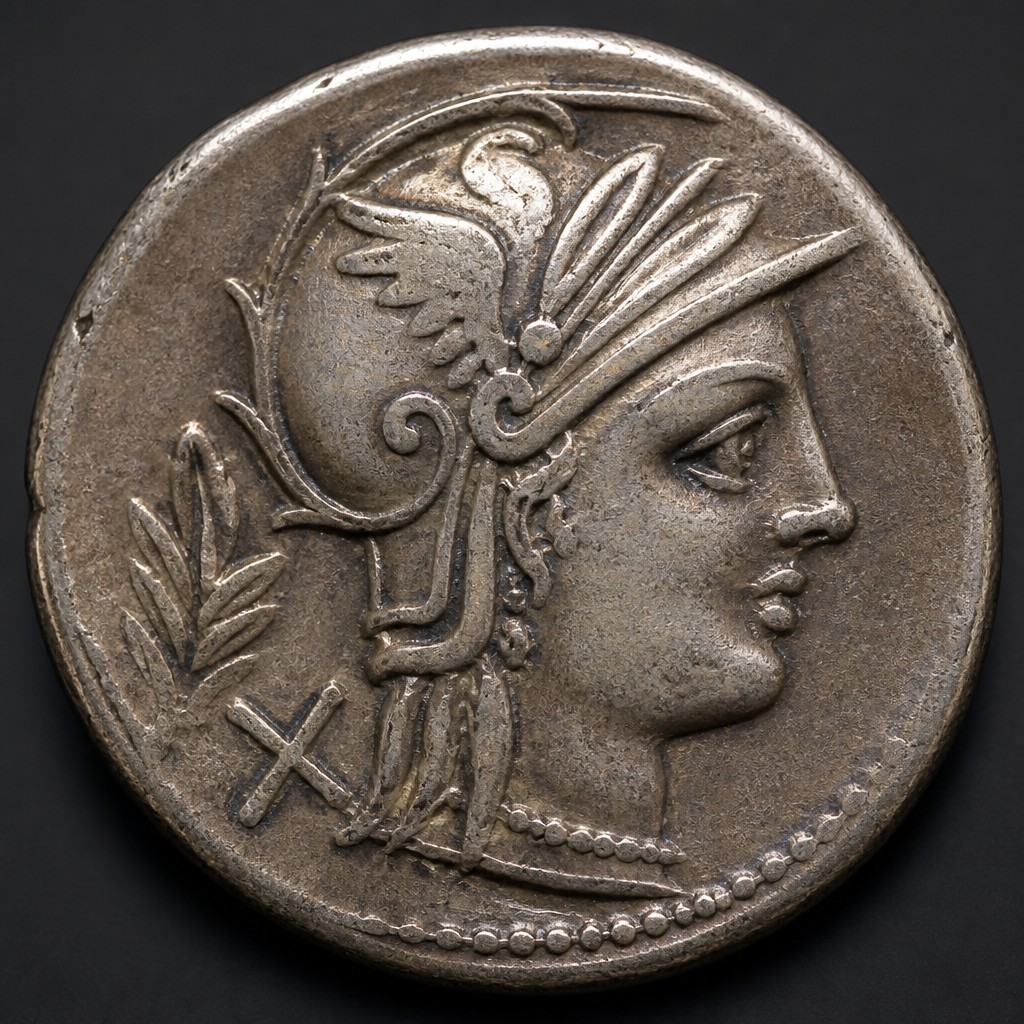
Republican Victoriatus
c. 211–170 BC
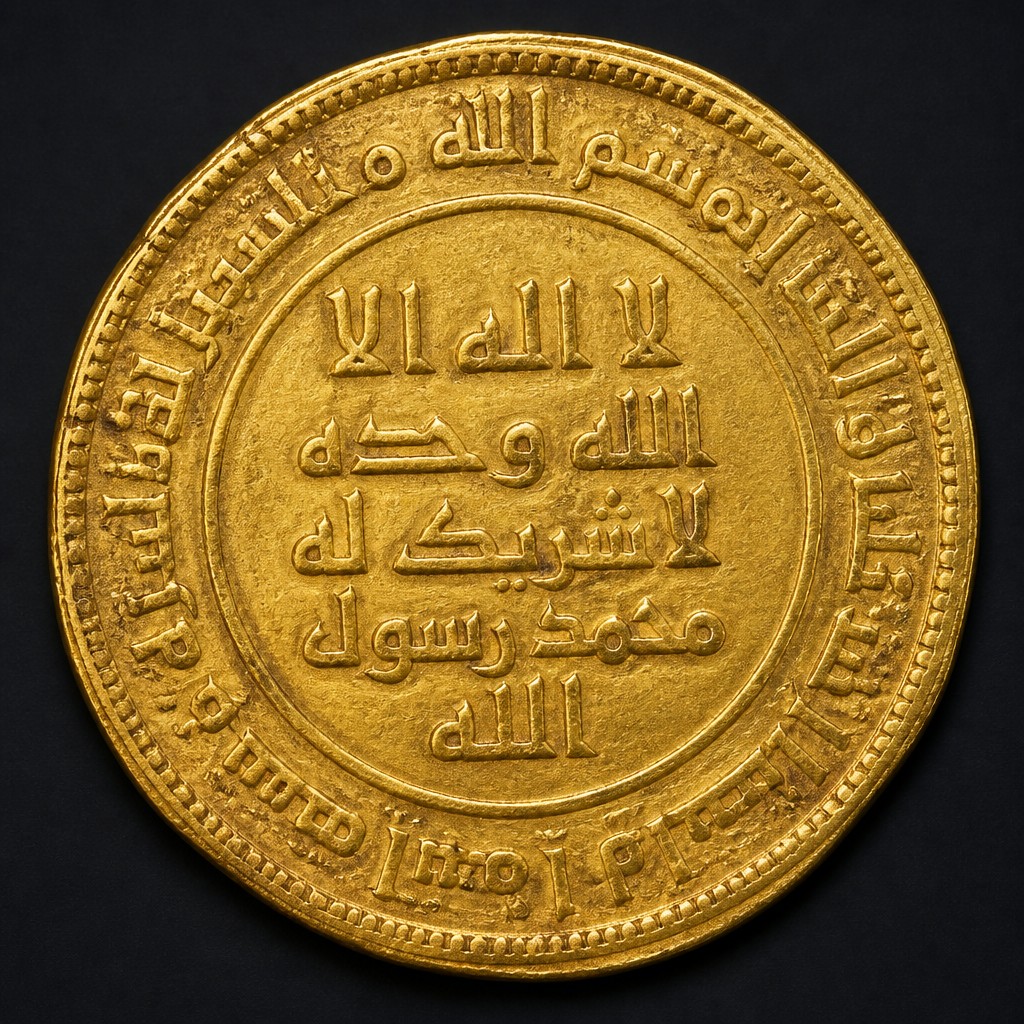
Islamic Gold Dinar (Umayyad)
c. 696–750 AD
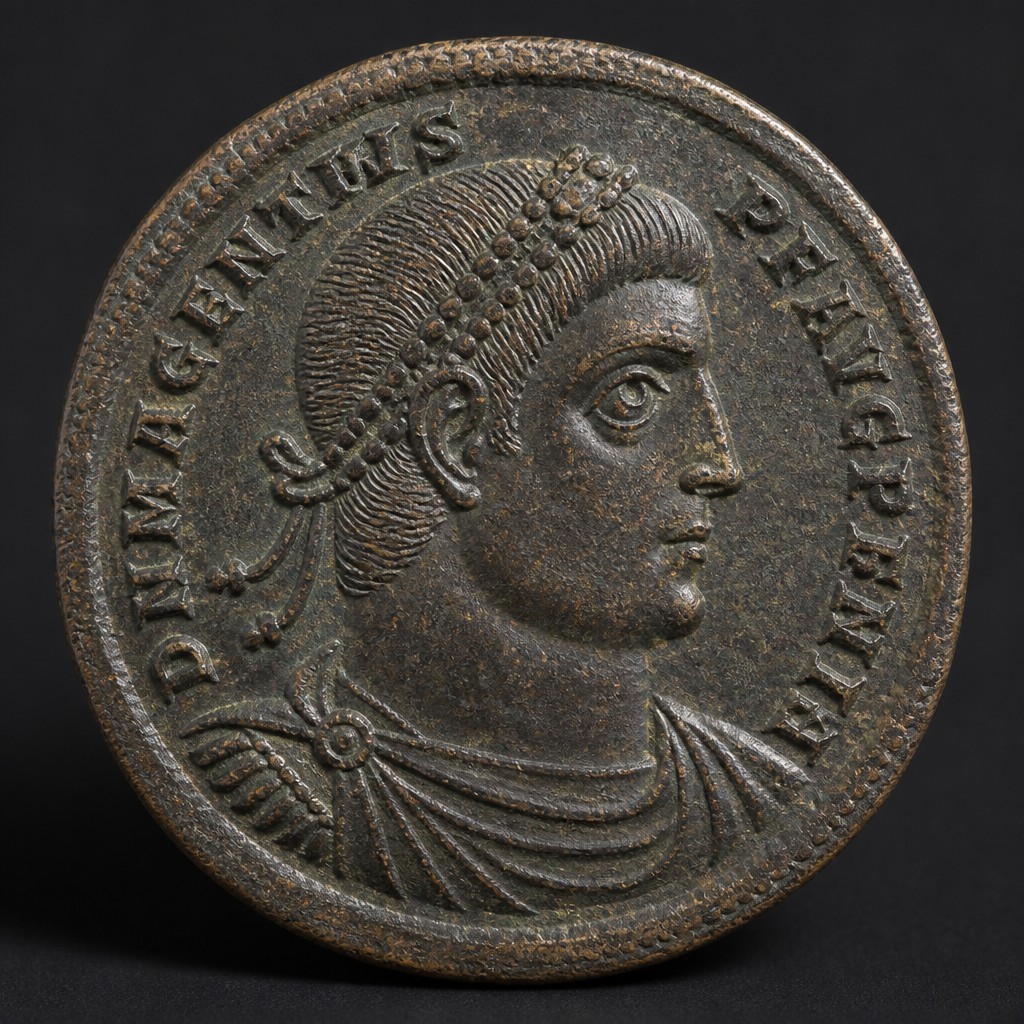
Magnentius Double Centenionalis
350–353 AD
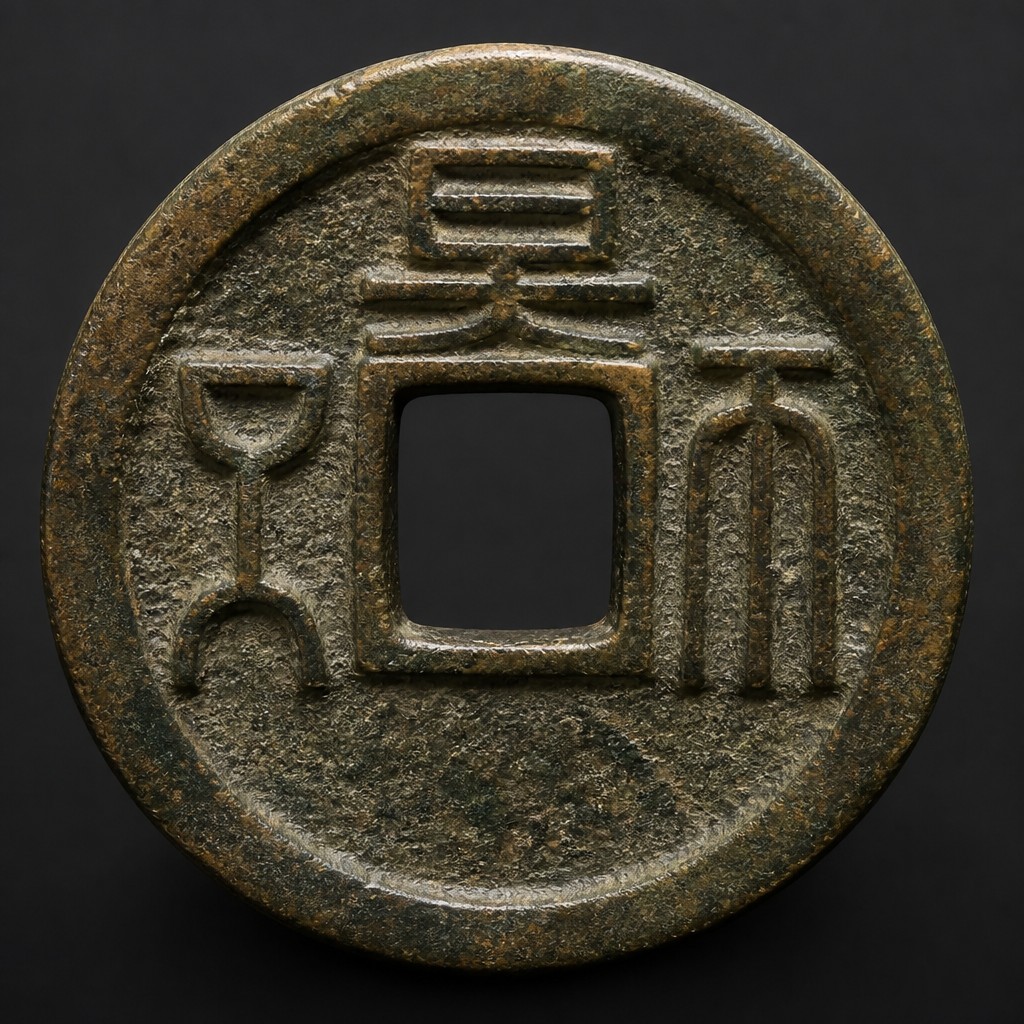
Chinese Wu Zhu Cash
118 BC – 618 AD
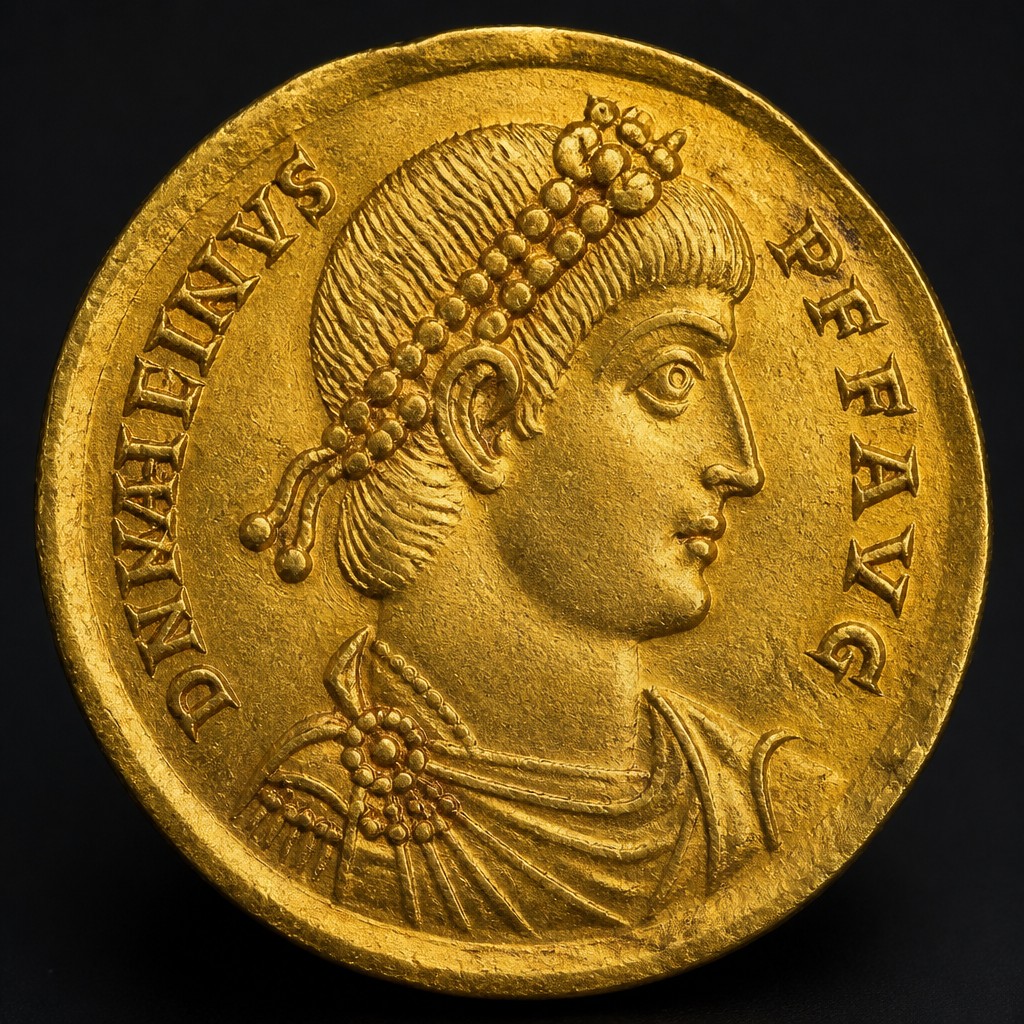
Valentinian I Solidus
364–375 AD
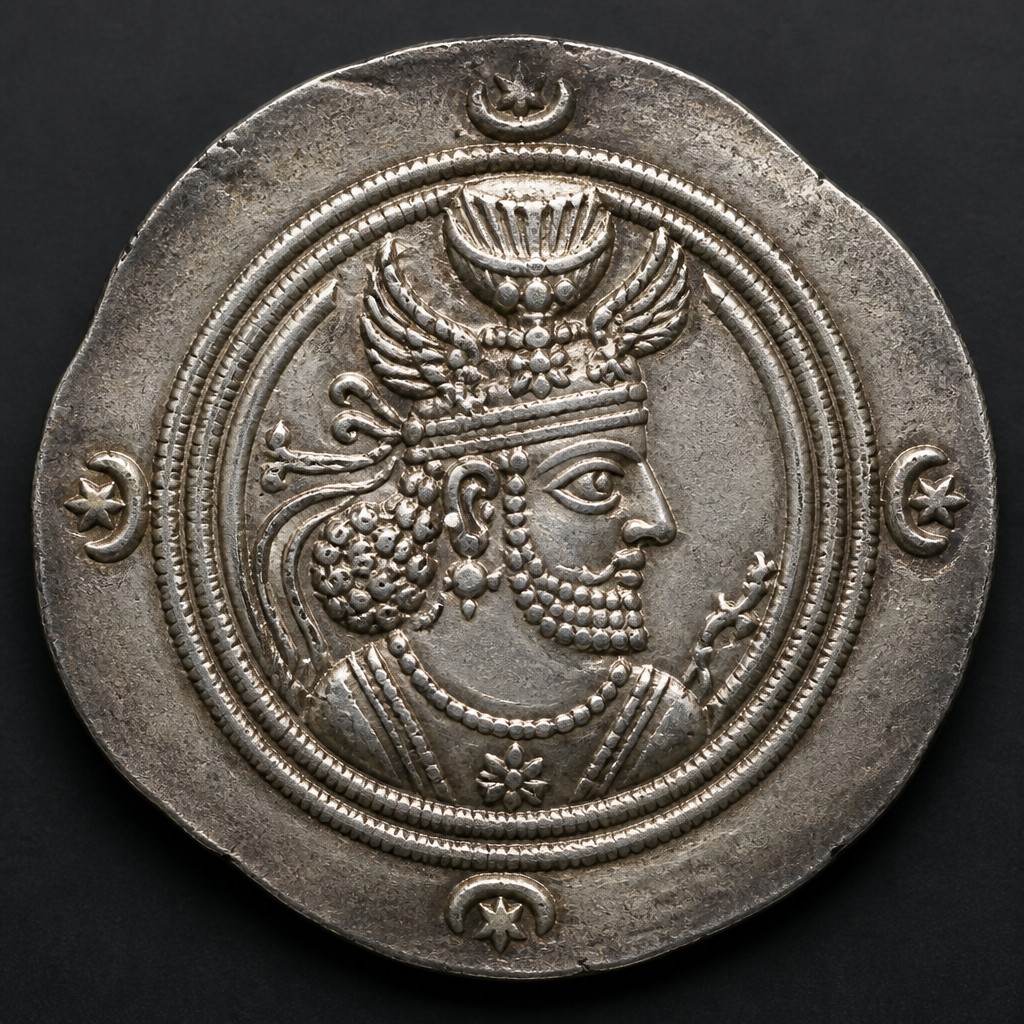
Sassanian Silver Drachm
c. 224–651 AD
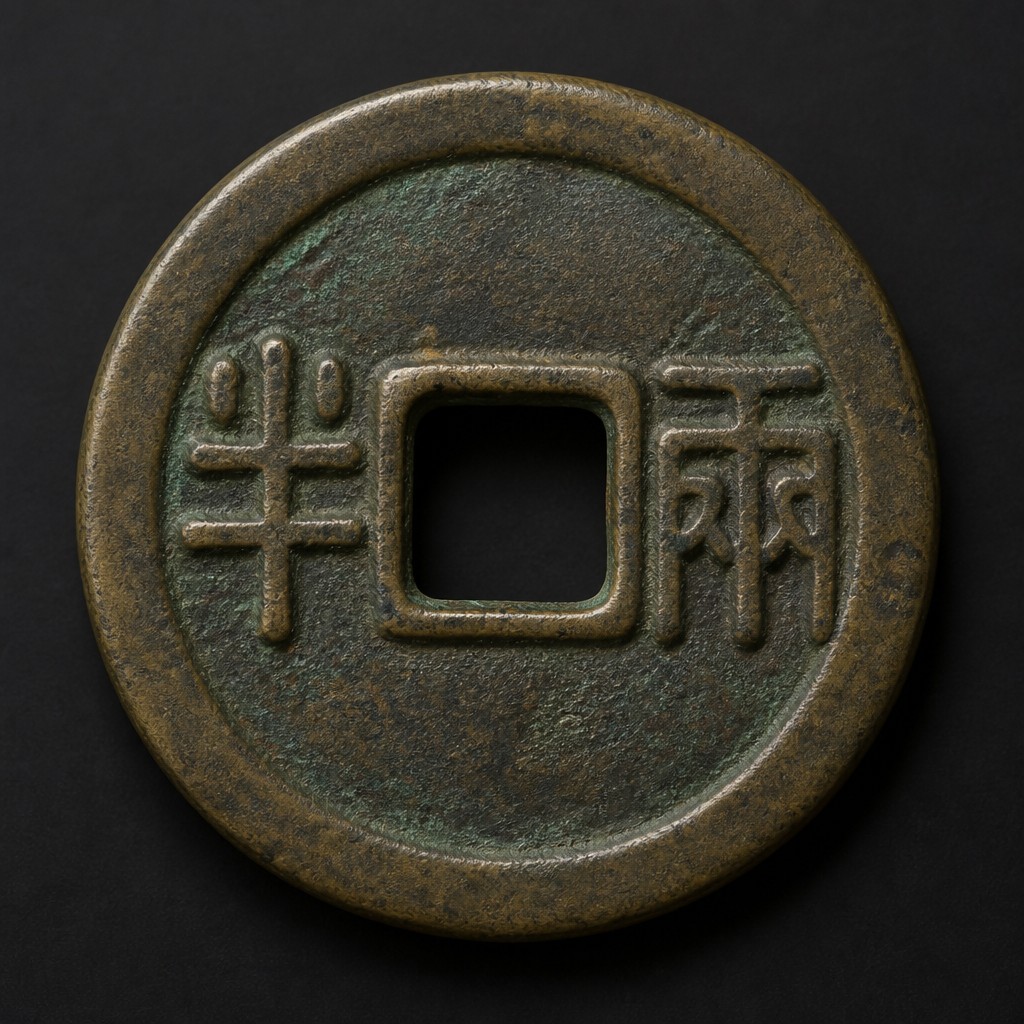
Chinese Ban Liang Cash
c. 221–118 BC
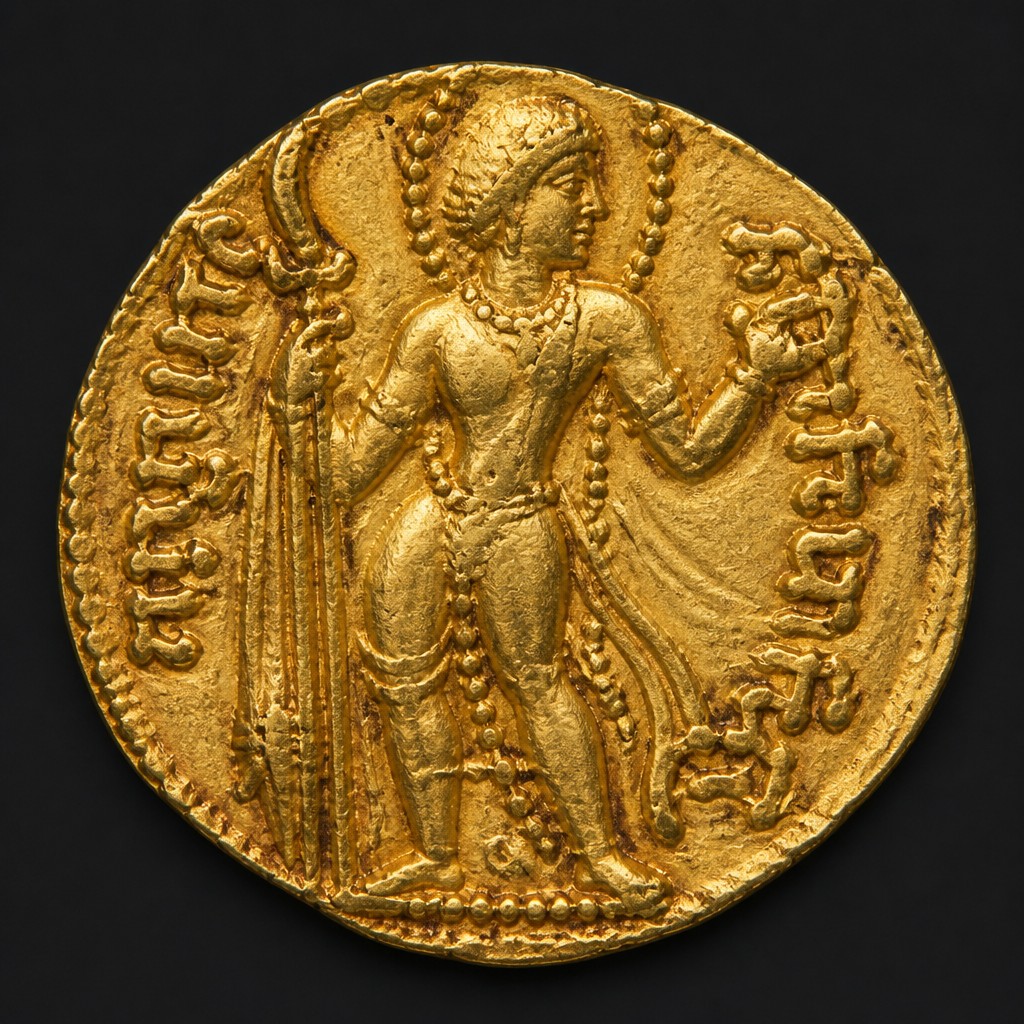
Gupta Empire Gold Dinar
c. 320–550 AD
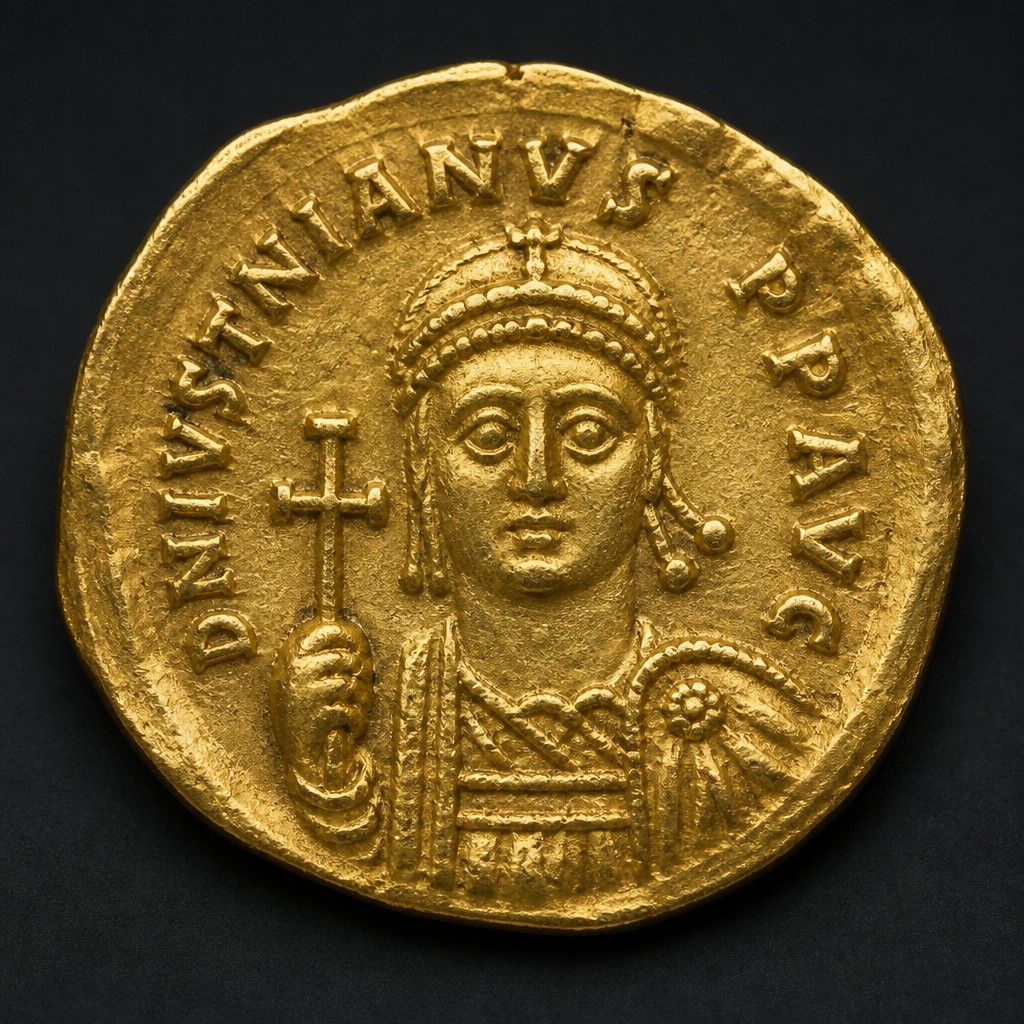
Byzantine Gold Tremissis
c. 4th–7th century AD
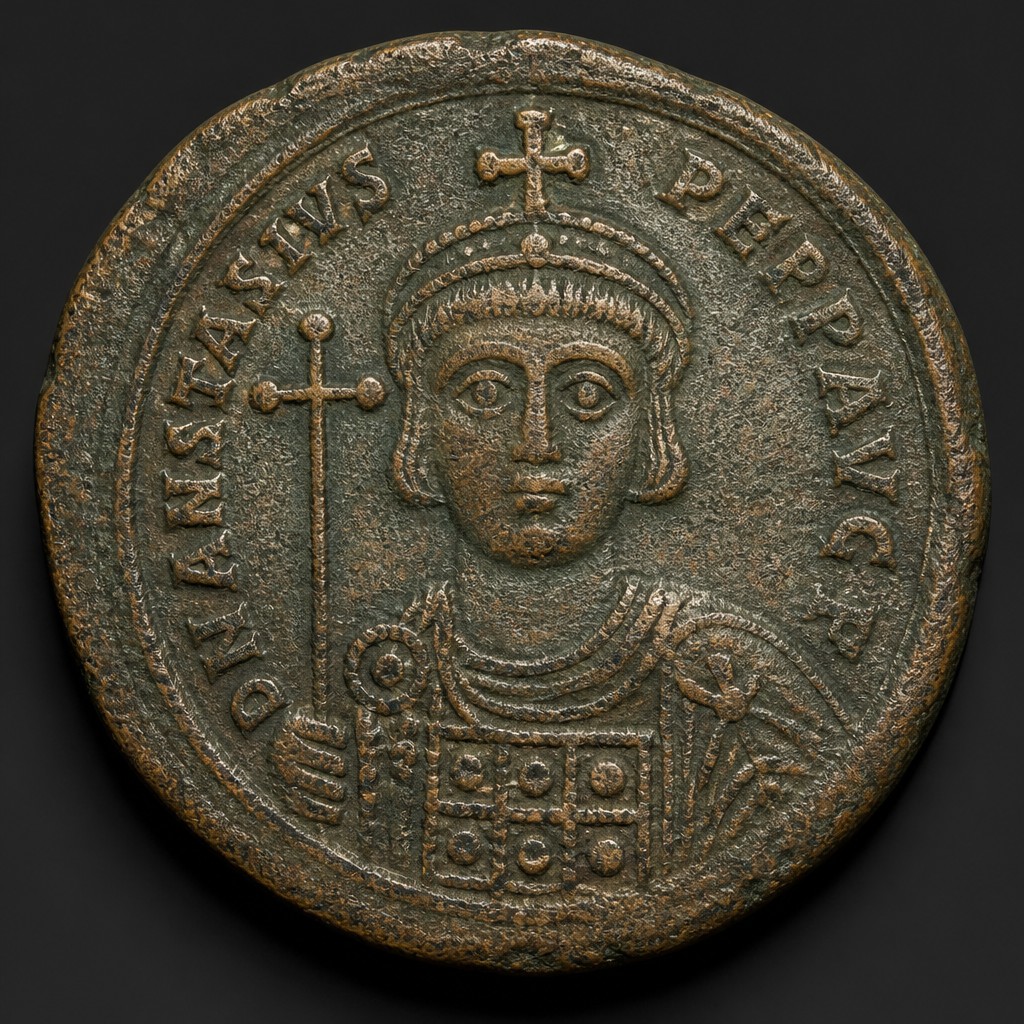
Byzantine Follis
498–c. 11th century AD
Celtic Gold Stater
c. 3rd century BC – 1st century AD