
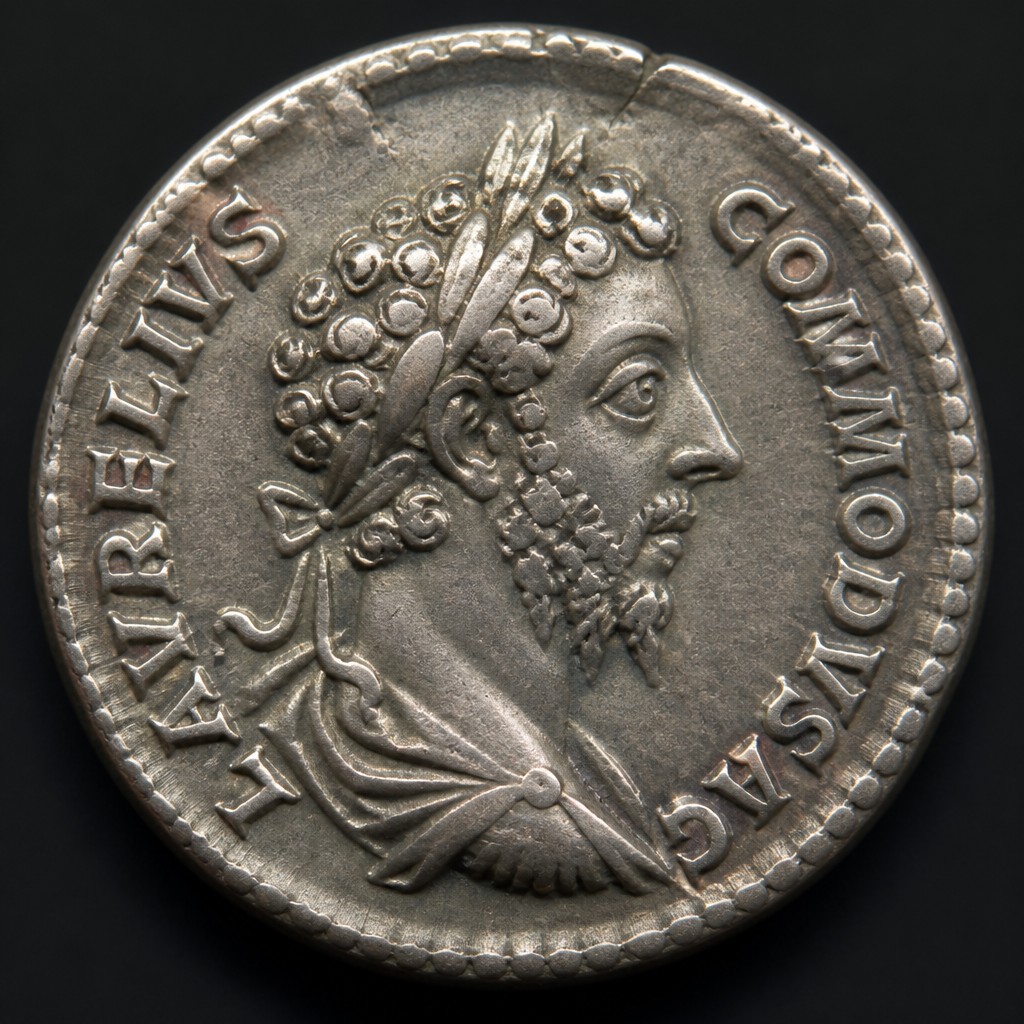
Commodus Denarius
Silver denarius of Commodus, the erratic son of Marcus Aurelius, whose later coinage famously depicted him as Hercules with lion skin and club.
- Country
- Ancient Rome
- Denomination
- Denarius
- Metal
- Silver (approx. 74%, declining over reign)
Got a coin like this?
Identify any coin from a photo, free.
Overview
The denarius of Commodus spans a reign that began with promise, as co-emperor alongside his celebrated father Marcus Aurelius, and ended in growing eccentricity and eventual assassination. Numismatically, his coinage is notable for tracing this shift, moving from relatively conventional imperial types early on toward increasingly grandiose and unusual self-presentation later in his reign.
Most famously, later coinage depicts Commodus in the guise of the demigod Hercules, wearing the hero's lion-skin headdress and carrying a club, reflecting his well-documented obsession with identifying himself with the legendary strongman, including his personal participation in gladiatorial combats in Rome.
Collectors are drawn to Commodus's coinage both for its connection to the end of the "Five Good Emperors" era and for the vivid, almost theatrical way it documents one of Roman history's more unusual imperial personalities.
History & Background
Commodus, son of Marcus Aurelius and Faustina the Younger, was made co-emperor with his father in 177 AD and became sole ruler upon his father's death in 180 AD, breaking the adoptive succession pattern that had defined the preceding century by being the first son in generations to directly inherit the throne from his biological father.
His reign, lasting until his assassination in 192 AD, is generally portrayed by ancient historians as a decline from his father's philosophical restraint into vanity, extravagance, and erratic behavior, including his insistence on personally fighting in the arena as a gladiator and his eventual demand to be worshipped as a living Hercules. Financial and administrative pressures mounted as he delegated governance to unpopular favorites.
Commodus was assassinated in a palace conspiracy at the end of 192 AD, ending the Antonine dynasty and triggering the brief but violent "Year of the Five Emperors" in 193, from which Septimius Severus would eventually emerge as the new ruling dynasty's founder.
How to Identify
Earlier coinage shows the youthful, beardless or lightly bearded head of Commodus facing right with fairly standard imperial titulature and conventional reverse types such as Fides Militum, Providentia, or Victory. As his reign progressed, portraiture grew more elaborate, with fuller beards and hairstyles reflecting changing court fashion.
The most sought-after and immediately recognizable type shows Commodus's bust adorned with a lion-skin headdress, evoking Hercules, sometimes paired with a club-bearing reverse or explicit Hercules-themed legends referencing his self-proclaimed identification with the demigod, struck in his final years as emperor.
The denarius weighs roughly 2.5 to 3.3 grams (silver content and weight generally declining over his reign) and measures about 17 to 18mm. Collectors should note that silver fineness fell noticeably during his reign as part of a broader trend of monetary debasement that would accelerate under the following Severan dynasty.
Value & Collectibility
Standard Commodus denarii with conventional reverse types are widely collected and generally affordable, available in the low-to-mid hundreds of dollars for well-preserved examples, reflecting healthy mint output over his fifteen-year reign. Prices for common types remain accessible to most collecting budgets.
The Hercules-related types, especially those with the distinctive lion-skin headdress portrait, are considerably more desirable and can command significantly higher prices, sometimes into four figures for well-struck, well-preserved examples, due to strong demand tied to their vivid connection to his notorious personal obsession.
As with most Roman silver, sharpness of strike, portrait detail, and surface preservation drive value substantially, and the dramatic, easily told historical story behind his reign helps sustain broad collector interest across experience levels.
Frequently asked questions
Why is Commodus shown as Hercules on some coins?
Late in his reign, Commodus became fixated on identifying himself with the demigod Hercules, even fighting in gladiatorial games, and his coinage reflected this self-image.
How did Commodus's reign end?
He was assassinated in a palace conspiracy in 192 AD, ending the Antonine dynasty and leading to a period of civil war.
Are Hercules-type Commodus denarii rare?
They are less common and more sought after than his standard types, generally commanding a notable premium among collectors.
Was Commodus related to Marcus Aurelius?
Yes, he was the biological son of Marcus Aurelius and Faustina the Younger, and his direct hereditary succession broke with the prior adoptive-succession tradition.
Other coins you may enjoy
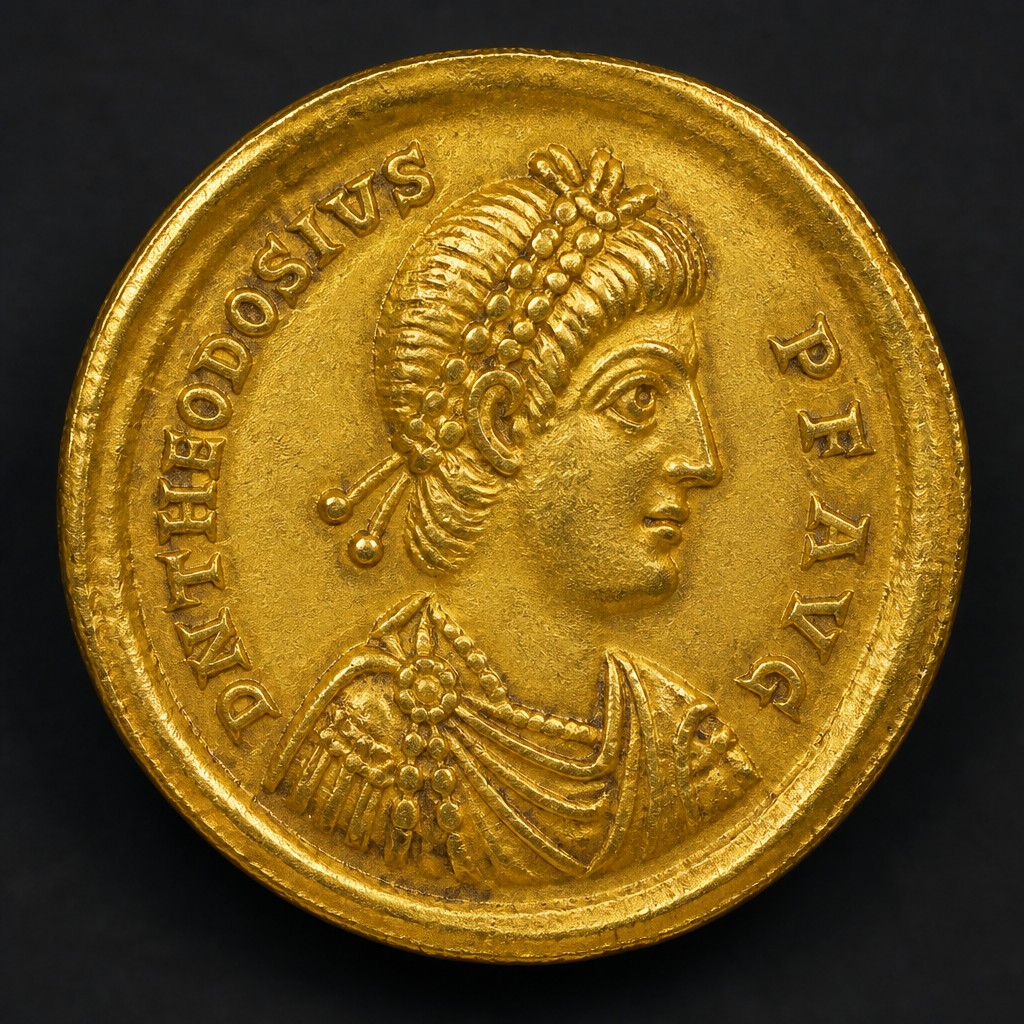
Theodosius I Solidus
379–395 AD
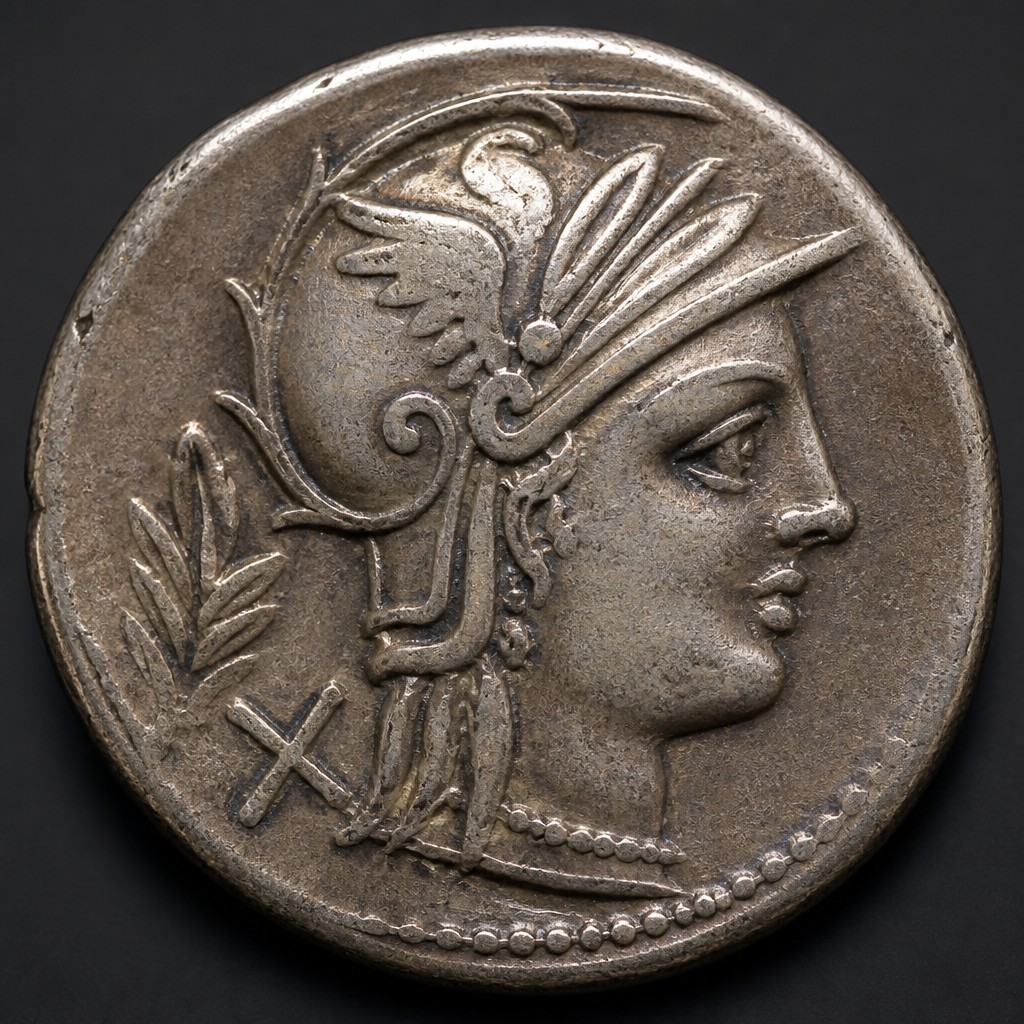
Republican Victoriatus
c. 211–170 BC
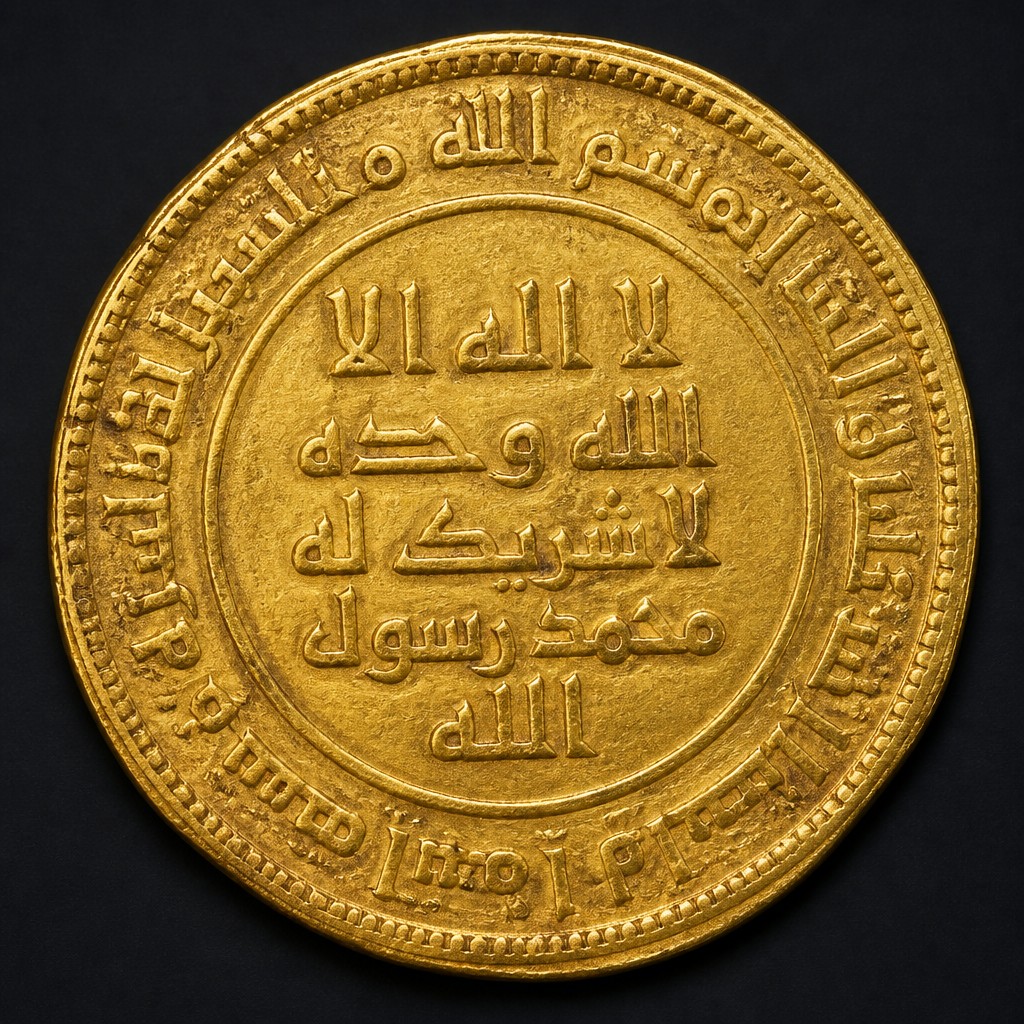
Islamic Gold Dinar (Umayyad)
c. 696–750 AD
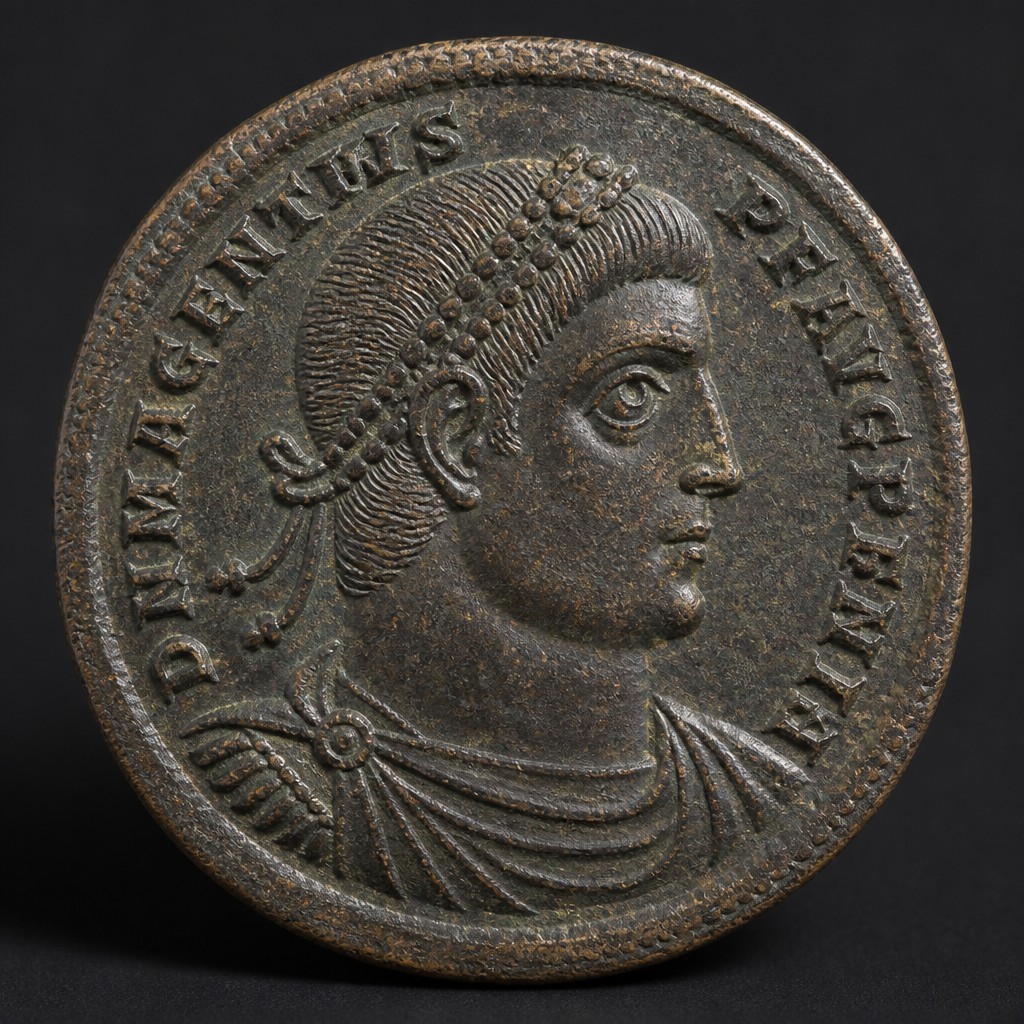
Magnentius Double Centenionalis
350–353 AD
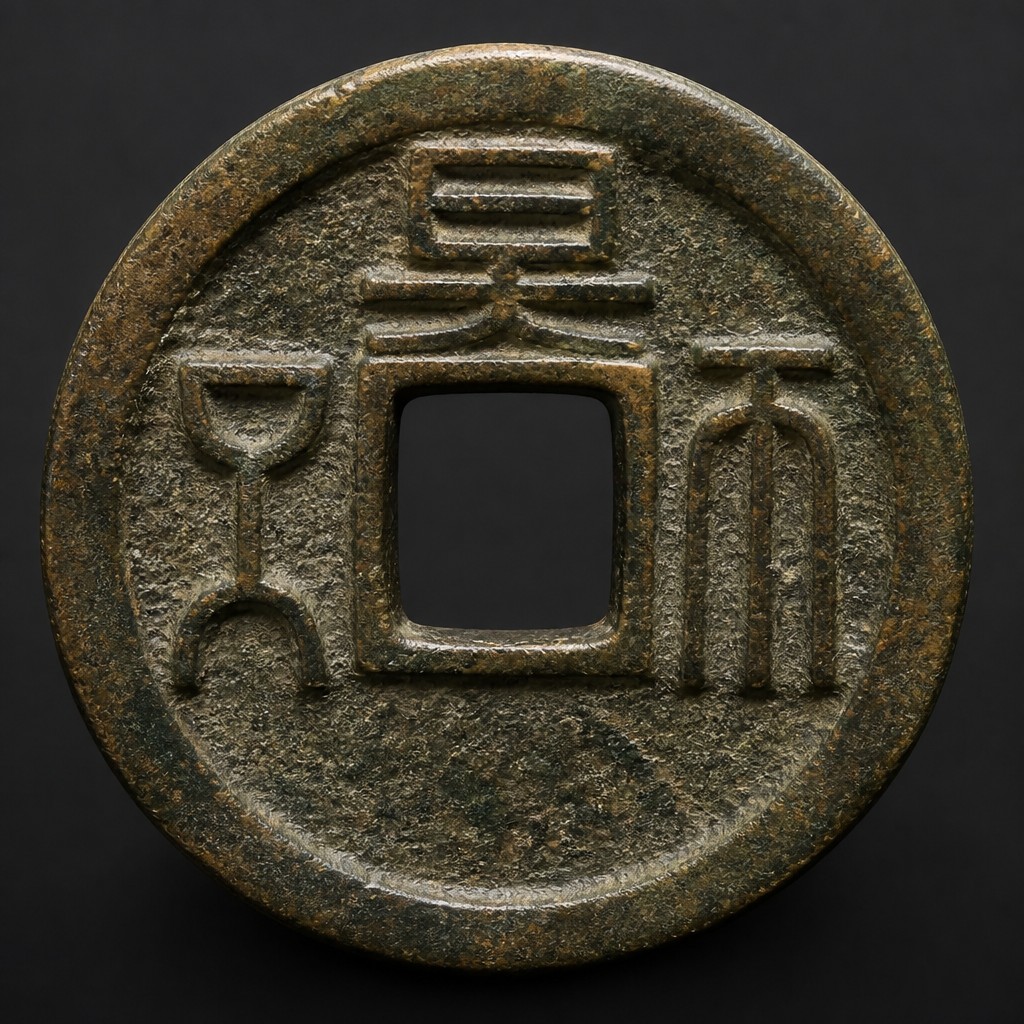
Chinese Wu Zhu Cash
118 BC – 618 AD
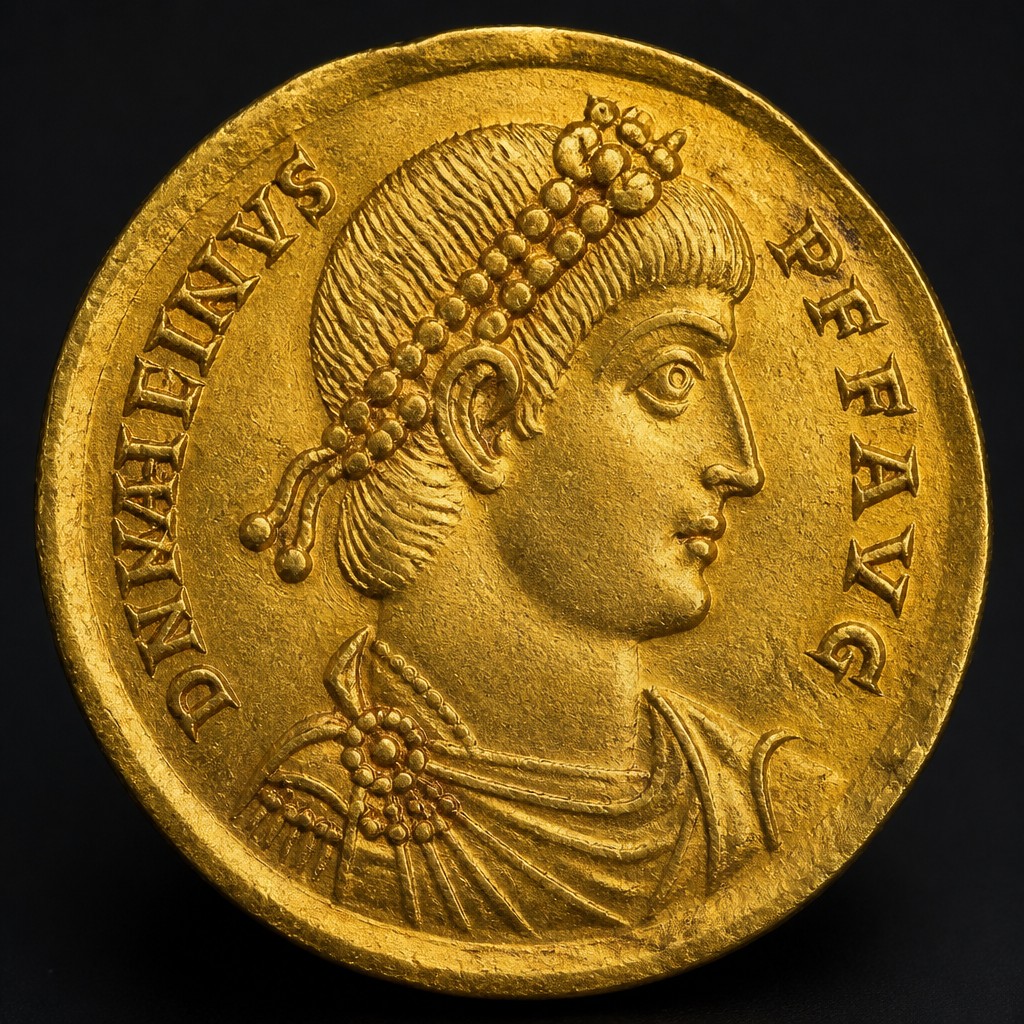
Valentinian I Solidus
364–375 AD
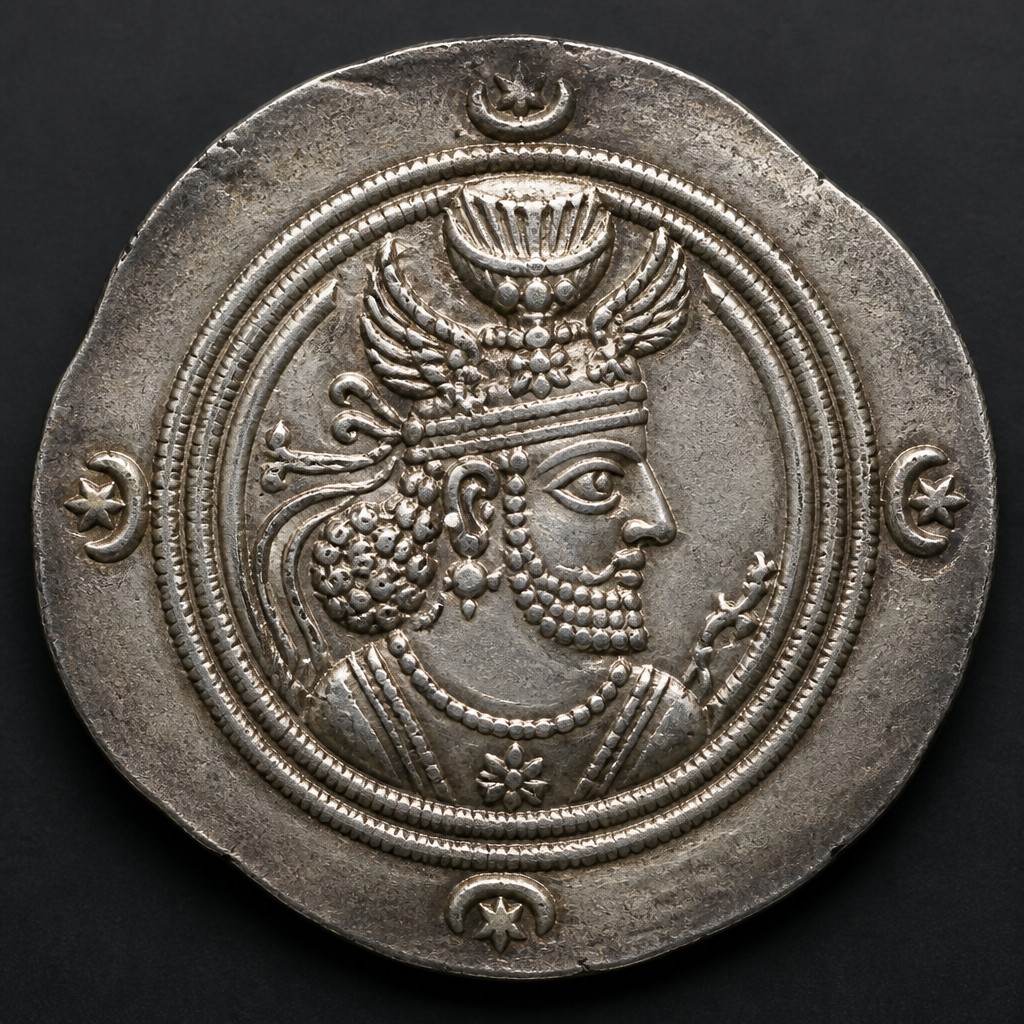
Sassanian Silver Drachm
c. 224–651 AD
Chinese Ban Liang Cash
c. 221–118 BC
Gupta Empire Gold Dinar
c. 320–550 AD
Byzantine Gold Tremissis
c. 4th–7th century AD
Byzantine Follis
498–c. 11th century AD
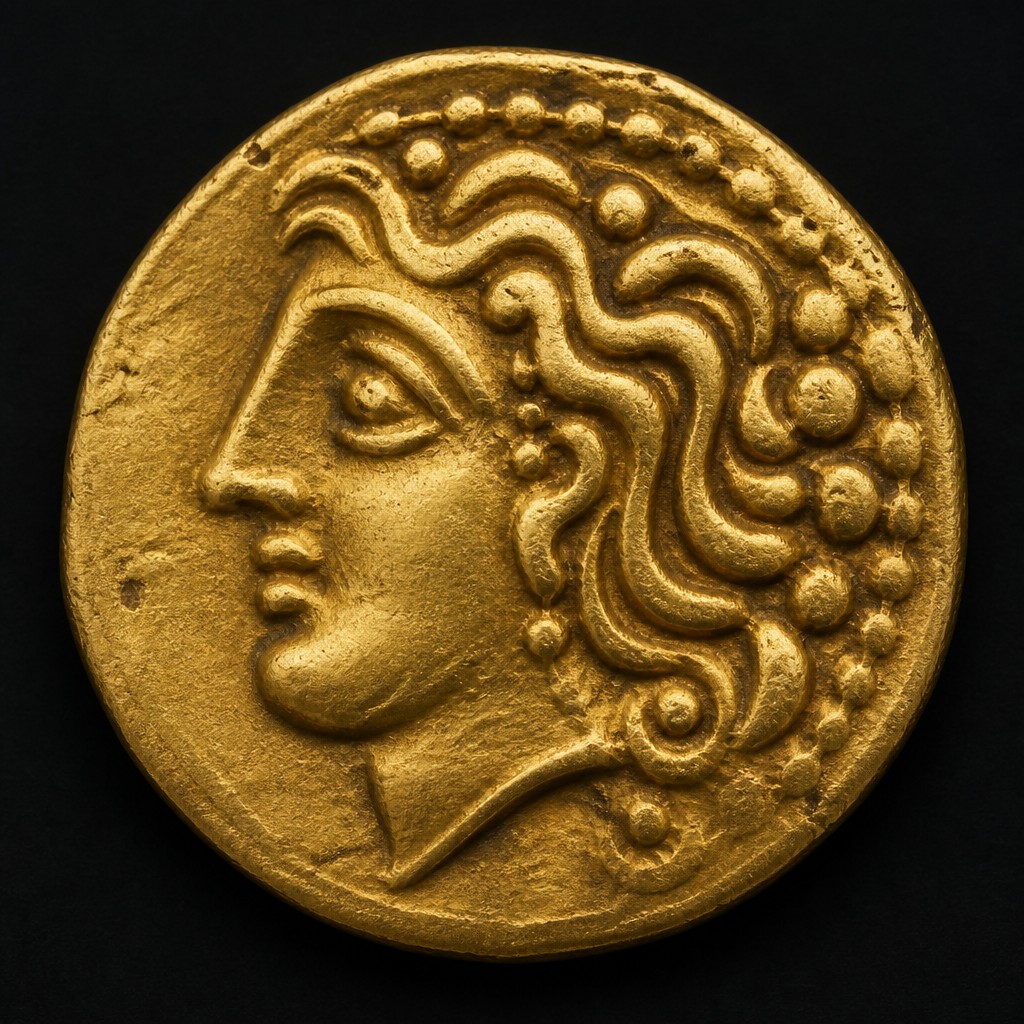
Celtic Gold Stater
c. 3rd century BC – 1st century AD