
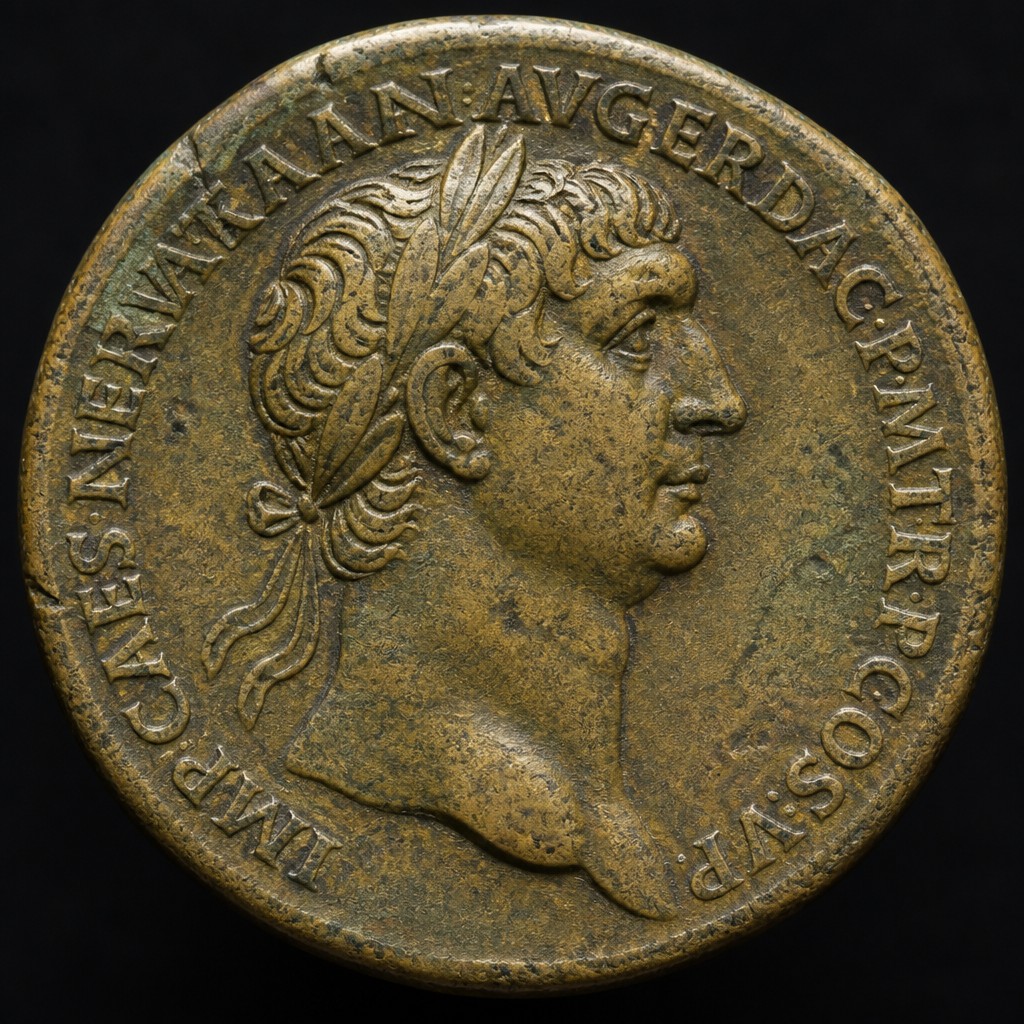
Trajan Sestertius
A large bronze coin of Trajan, whose reign brought the Roman Empire to its greatest territorial extent, with reverses celebrating Dacian conquest, public works, and Trajan's Column.
- Country
- Ancient Rome
- Denomination
- Sestertius
- Metal
- Orichalcum (brass)
Got a coin like this?
Identify any coin from a photo, free.
Overview
Trajan's sestertius belongs to a reign widely regarded by both ancient and modern historians as a high point of the Roman Empire, marked by successful military conquest, extensive public building, and effective governance. As a large bronze denomination, the sestertius offered engravers ample space to depict elaborate scenes, and Trajan's reign produced some of the most artistically ambitious reverse types in the entire Roman series.
The coinage commemorates his two Dacian Wars, the resulting Dacia Capta and Dacia provincial types, monumental architecture such as his forum and markets, and famously includes commemorative issues referencing Trajan's Column itself, the spiral relief monument in Rome depicting the Dacian campaigns.
Because of the historical and artistic richness of the series, Trajan sestertii are a favorite among collectors of Roman bronze, prized for both their size and their storytelling reverse designs.
History & Background
Trajan, born in Hispania (modern Spain), was adopted by the childless Nerva in 97 AD and succeeded him peacefully in 98 AD, becoming the first Roman emperor born outside Italy. His reign is remembered for the conquest of Dacia (modern Romania) in two hard-fought campaigns (101–102 and 105–106 AD), which brought enormous wealth in gold and slaves into the empire and pushed Roman territory to its widest extent, including a brief eastern campaign against Parthia.
Domestically, Trajan undertook a massive building program in Rome, including Trajan's Forum, Trajan's Markets, and Trajan's Column, the last of which commemorated his Dacian victories with a spiraling narrative relief that remains one of the most celebrated works of Roman public art. His reign combined military success with genuine popularity among the Senate and common people alike, and he was later honored with the title Optimus Princeps, "the best ruler."
Trajan died in 117 AD while returning from campaigns in the east, and was succeeded by his adopted heir Hadrian, who consolidated the empire's borders rather than continuing further expansion.
How to Identify
The obverse shows the laureate (or sometimes bare) head of Trajan facing right, with lengthy titulature often including references to his many consulships, the title Germanicus and Dacicus for his military victories, and later Parthicus for his eastern campaign. Reverse types are exceptionally varied on the sestertius, including a seated captive representing conquered Dacia, Trajan on horseback riding down an enemy, personifications such as Roma or Victory, and architectural or commemorative scenes tied to his building projects.
The sestertius is a substantial orichalcum coin, typically 25 to 28 grams and around 33 to 36mm in diameter, offering a large canvas that Trajanic die engravers used to full effect, producing some of the highest-relief and most detailed bronze coin portraits of the entire Roman imperial series.
A notable later issue, struck under Trajan's successor Hadrian and other later authorities, restruck or copied earlier Trajanic types as a form of commemorative or "restitution" coinage; collectors should be aware that some Trajan-type sestertii were issued posthumously and are identified by additional restitution legends.
Value & Collectibility
Trajan sestertii are highly regarded among collectors of Roman bronze, and prices vary enormously based on portrait quality, patina, and reverse type. Common, worn examples can be found for modest sums, while sharply struck pieces with a rich, even patina and desirable reverse types such as the Dacia Capta or column commemoratives can bring prices well into the thousands of dollars.
Because the sestertius rewards fine artistic detail, connoisseurs place a strong premium on high relief and sharp die work, sometimes valuing a beautifully struck common type well above a rarer but poorly preserved example.
As one of the most celebrated reigns in Roman history, Trajan's coinage enjoys broad and sustained collector demand, and choice examples are often centerpieces of Roman imperial bronze collections.
Frequently asked questions
Why is the sestertius a good denomination for Trajan's coinage?
Its large flan gave engravers room to create detailed, high-relief scenes, making Trajanic sestertii some of the most artistically impressive Roman bronze coins.
What does "Optimus Princeps" mean?
It means "the best ruler," a title later awarded to Trajan by the Senate in recognition of his effective and popular governance.
What is Dacia Capta coinage?
It refers to coins commemorating Trajan's conquest of Dacia, often showing a mourning captive figure similar in spirit to earlier Judaea Capta types.
Are all Trajan-portrait sestertii struck during his lifetime?
No, some were later restitution issues struck under subsequent emperors to honor Trajan; these typically carry additional legends noting their commemorative nature.
Other coins you may enjoy
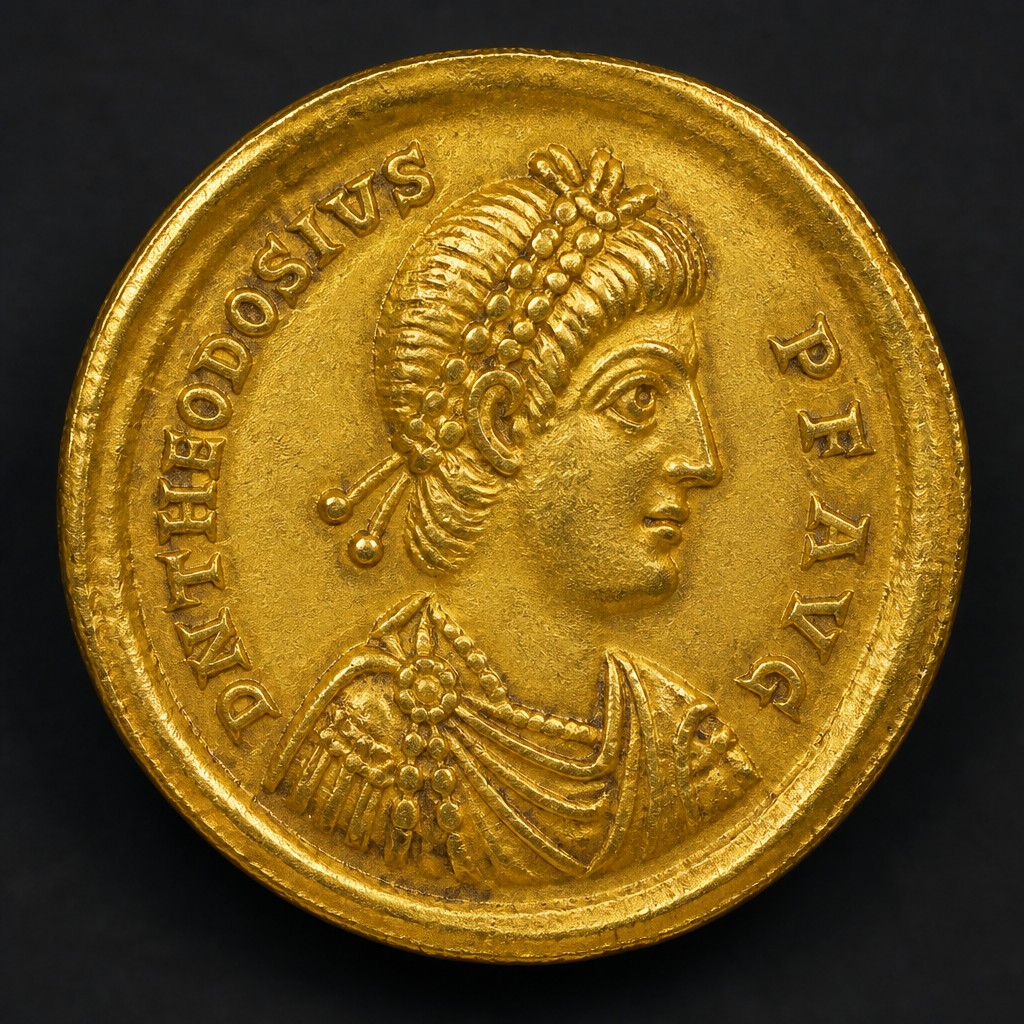
Theodosius I Solidus
379–395 AD
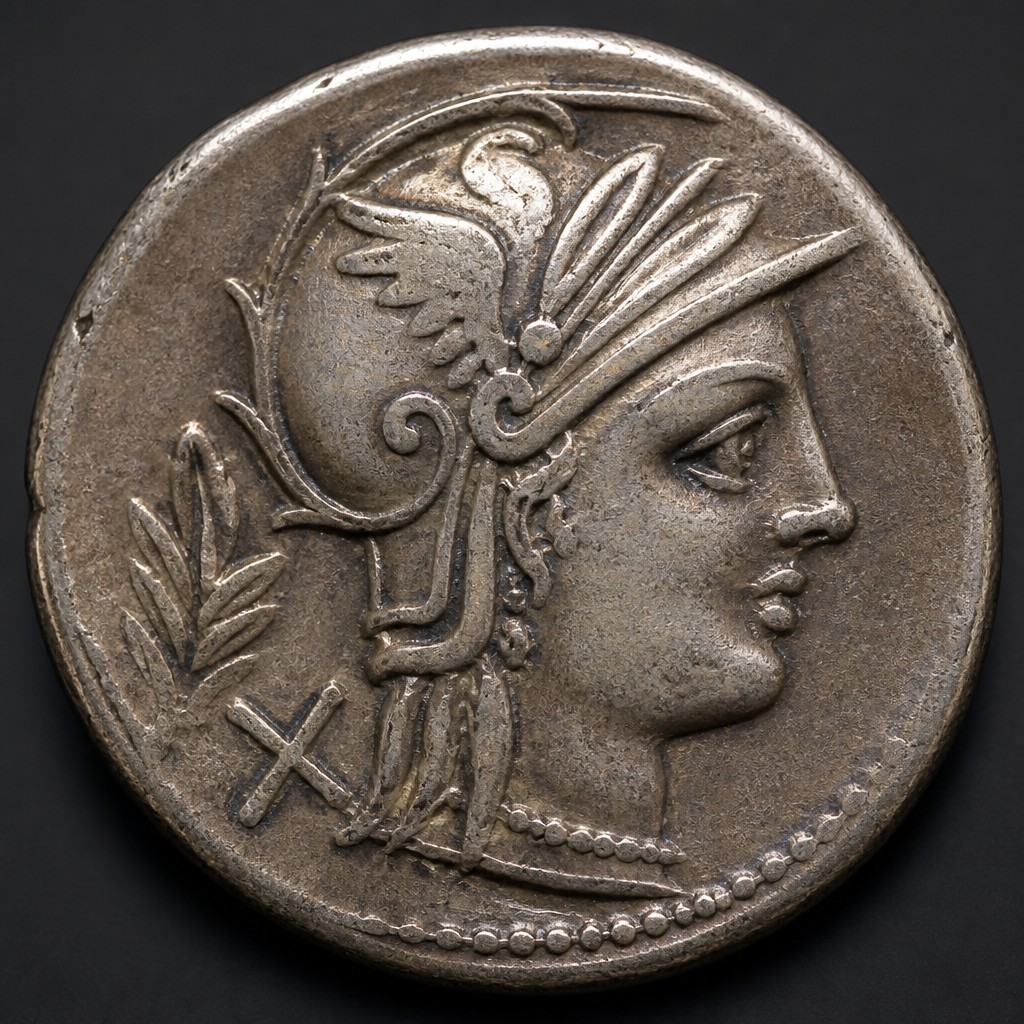
Republican Victoriatus
c. 211–170 BC
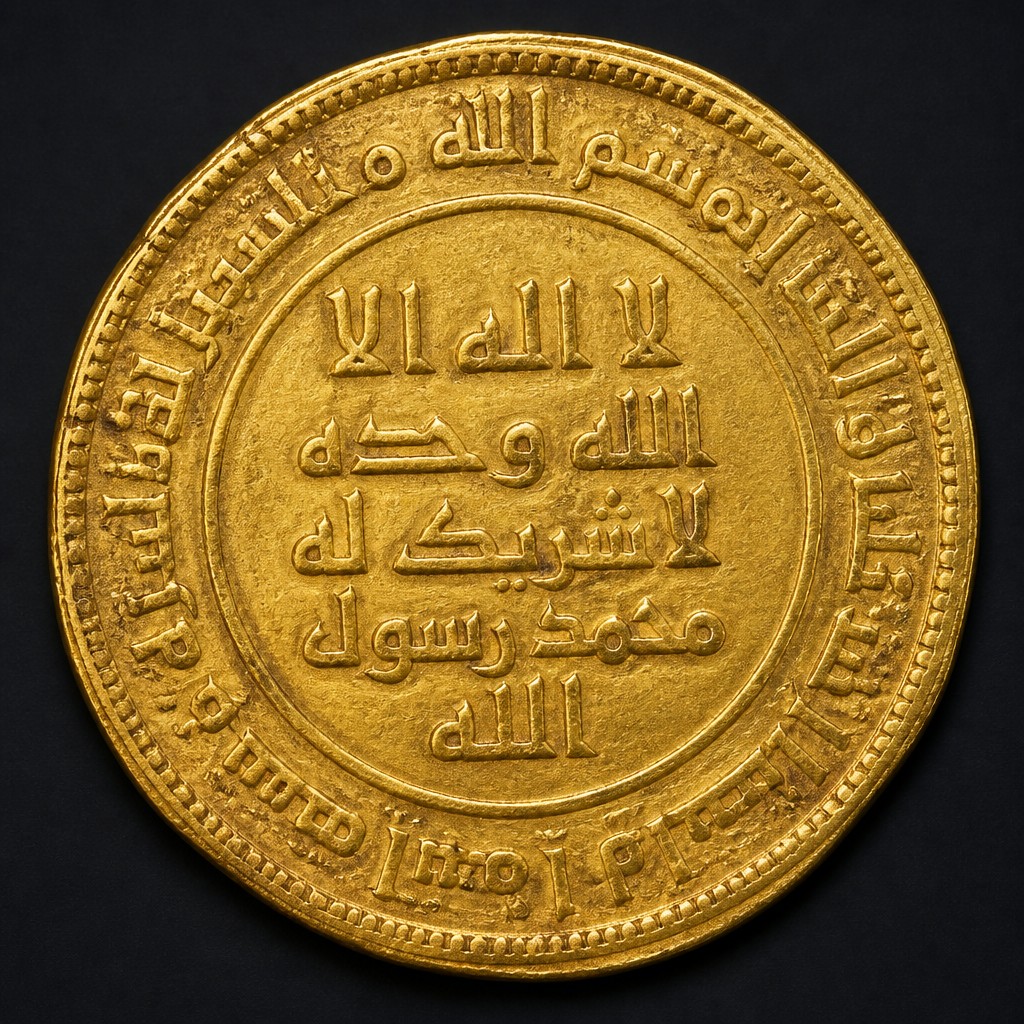
Islamic Gold Dinar (Umayyad)
c. 696–750 AD
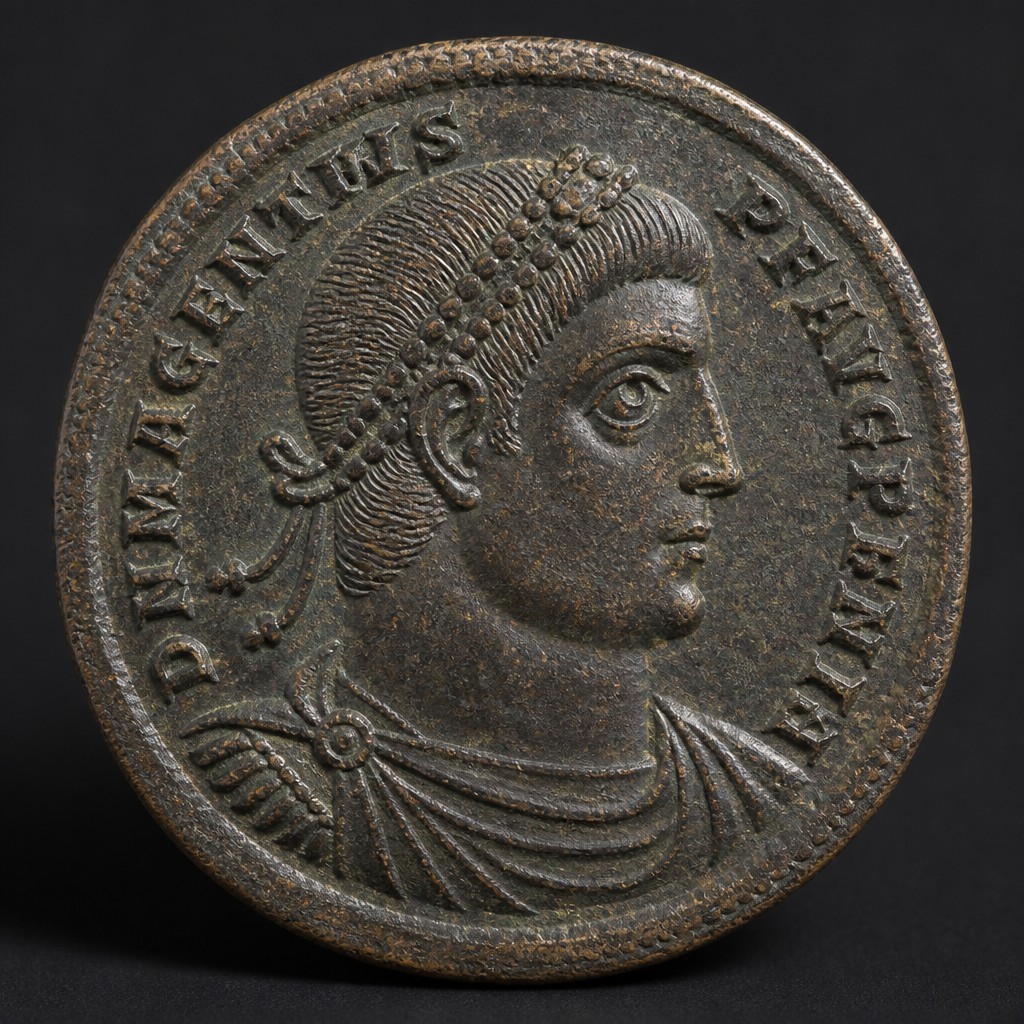
Magnentius Double Centenionalis
350–353 AD
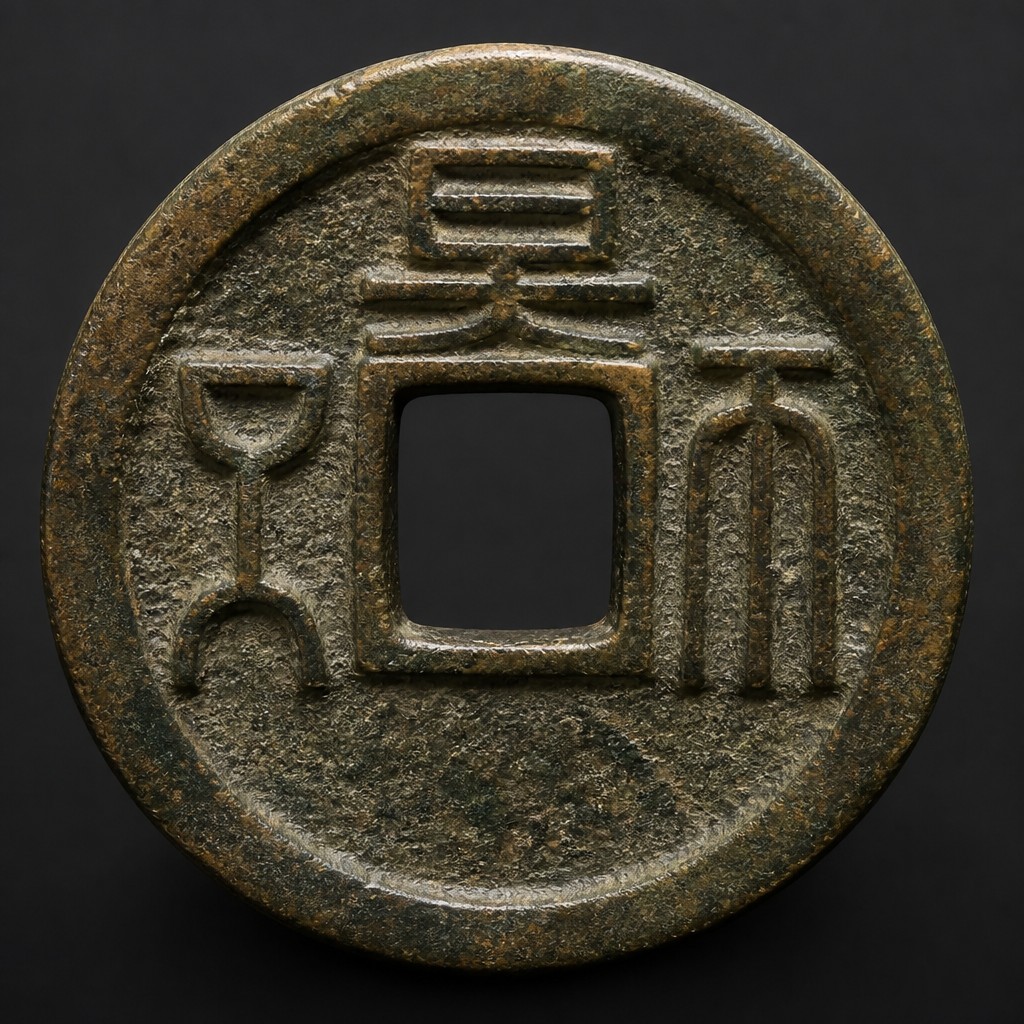
Chinese Wu Zhu Cash
118 BC – 618 AD
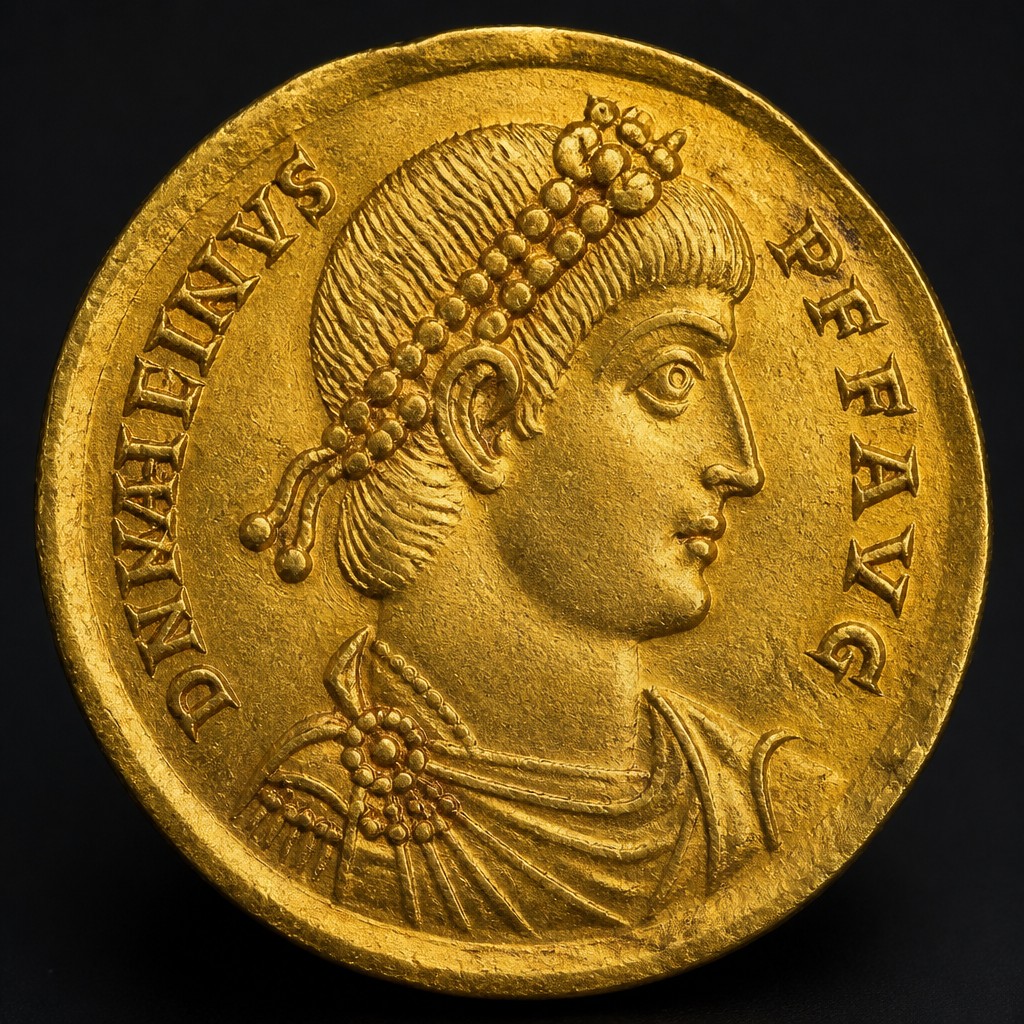
Valentinian I Solidus
364–375 AD
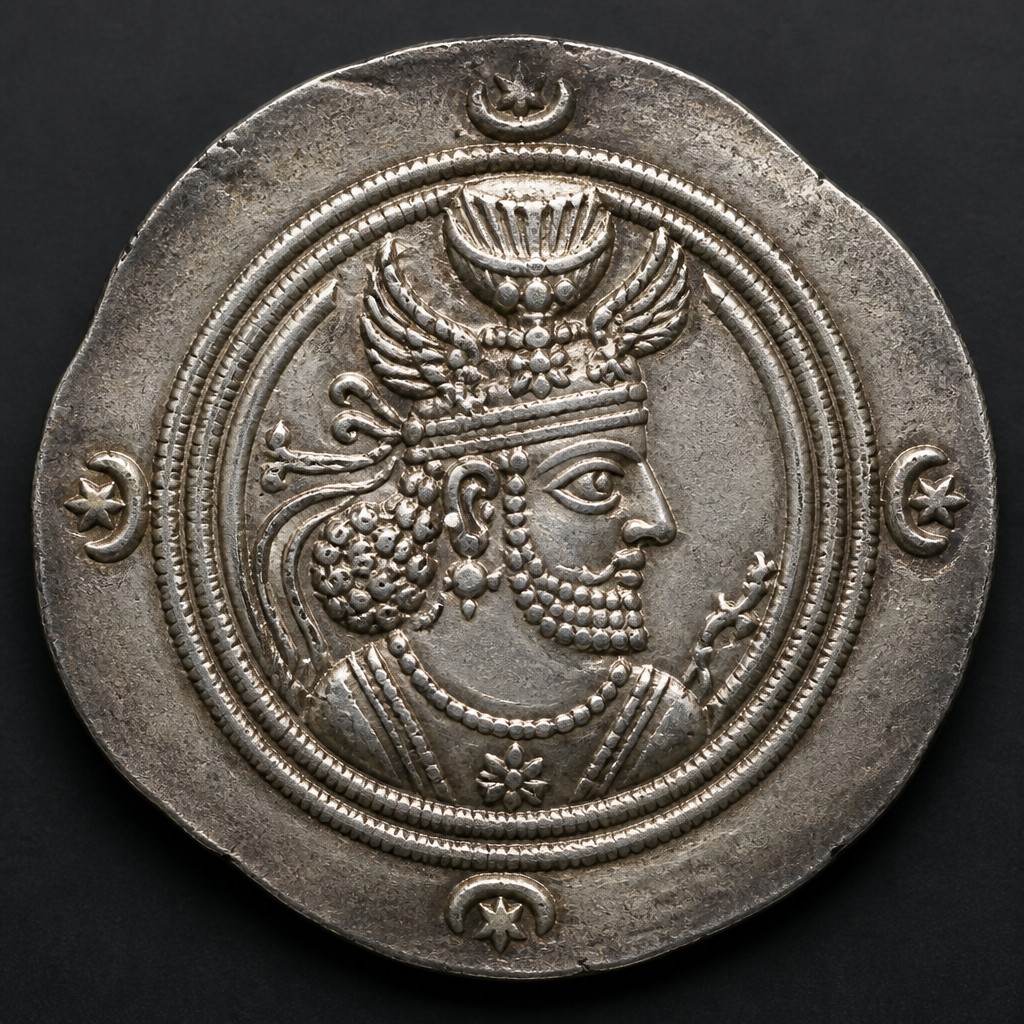
Sassanian Silver Drachm
c. 224–651 AD
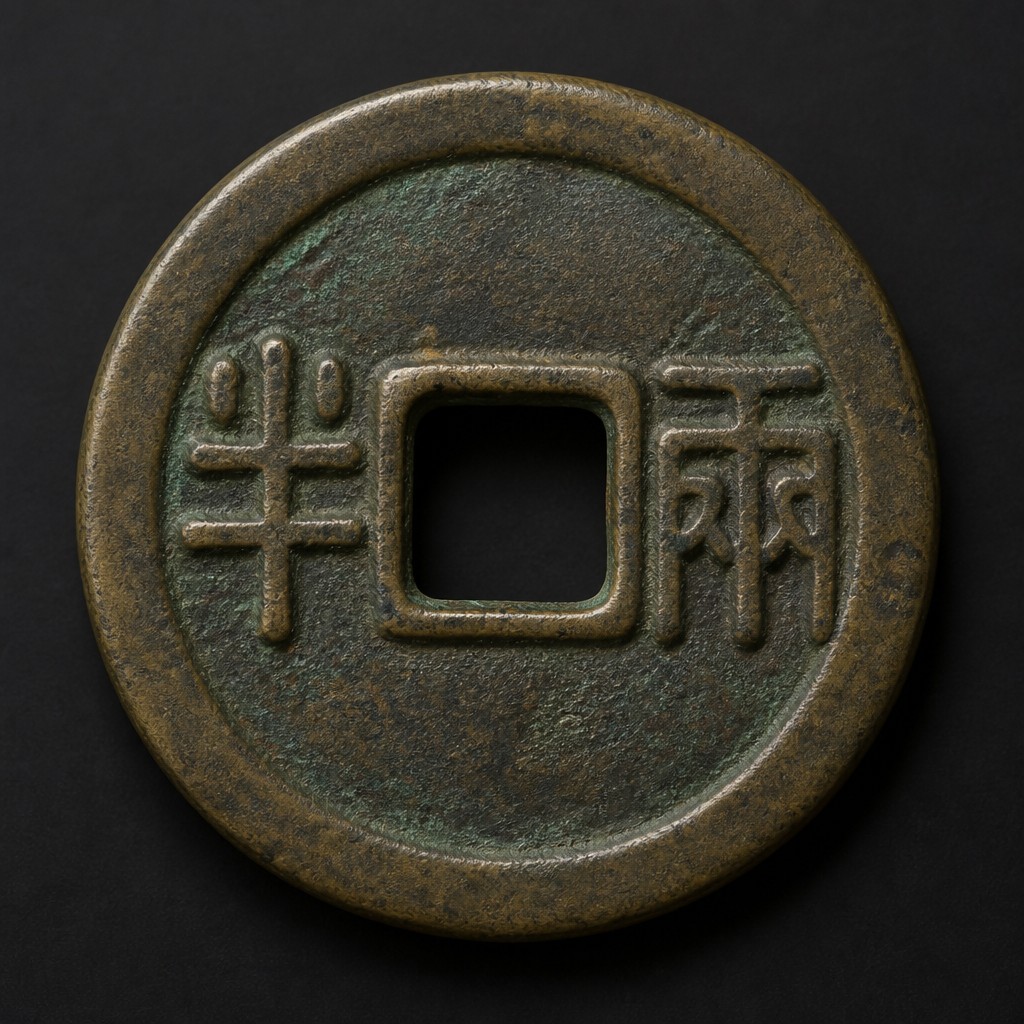
Chinese Ban Liang Cash
c. 221–118 BC
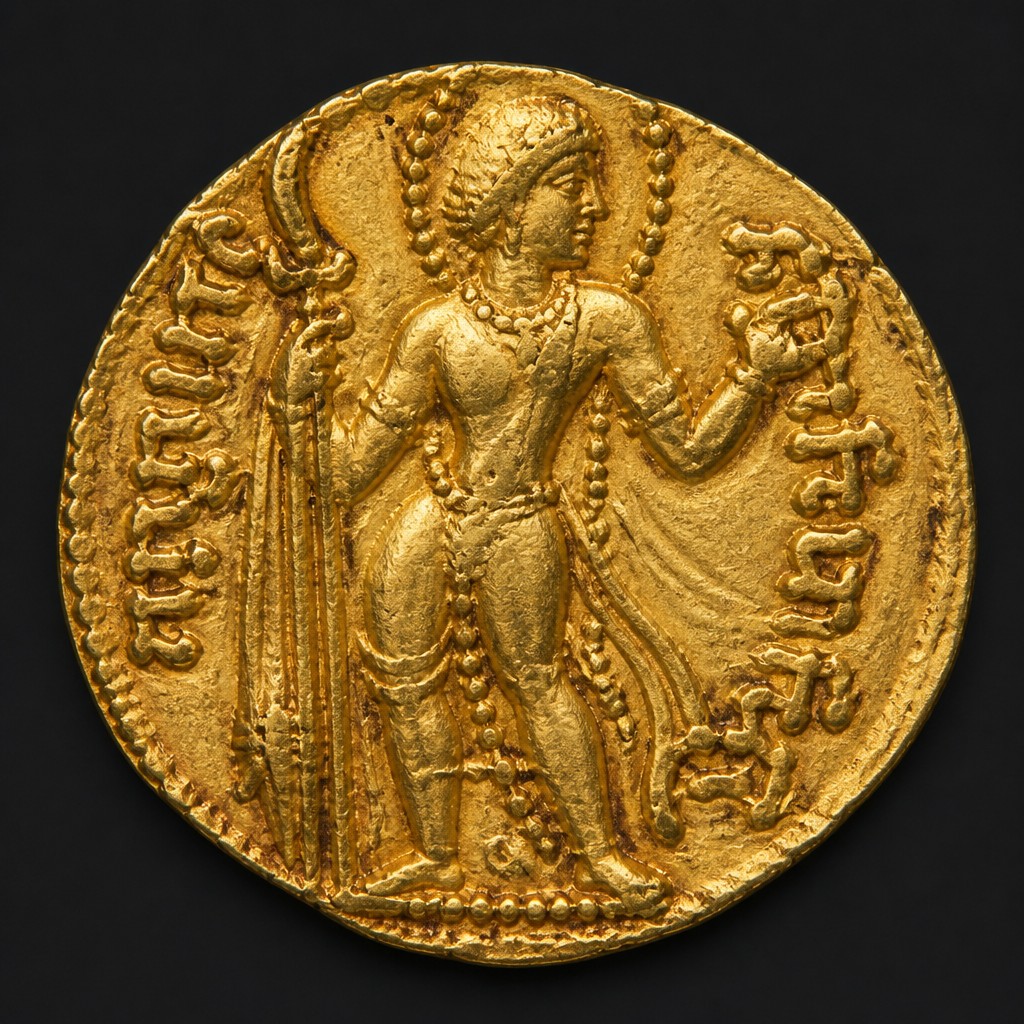
Gupta Empire Gold Dinar
c. 320–550 AD
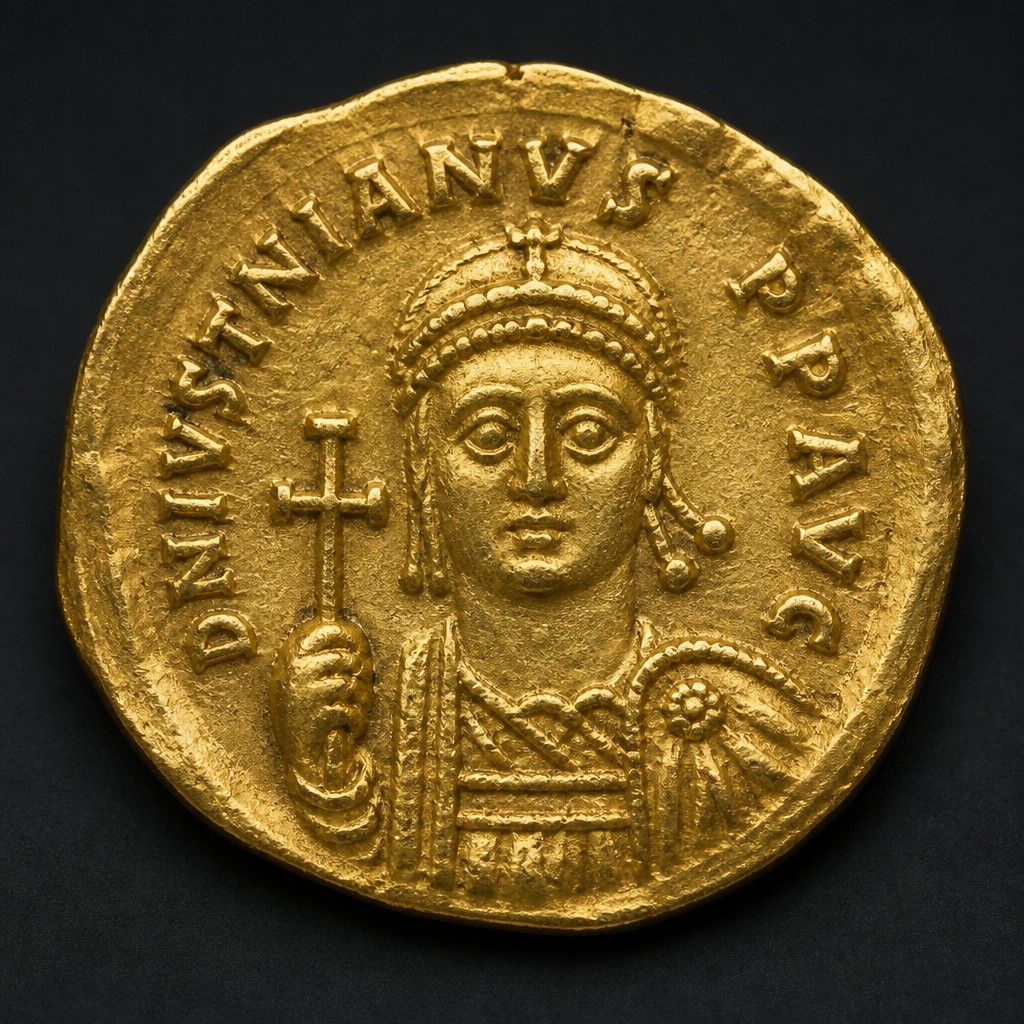
Byzantine Gold Tremissis
c. 4th–7th century AD
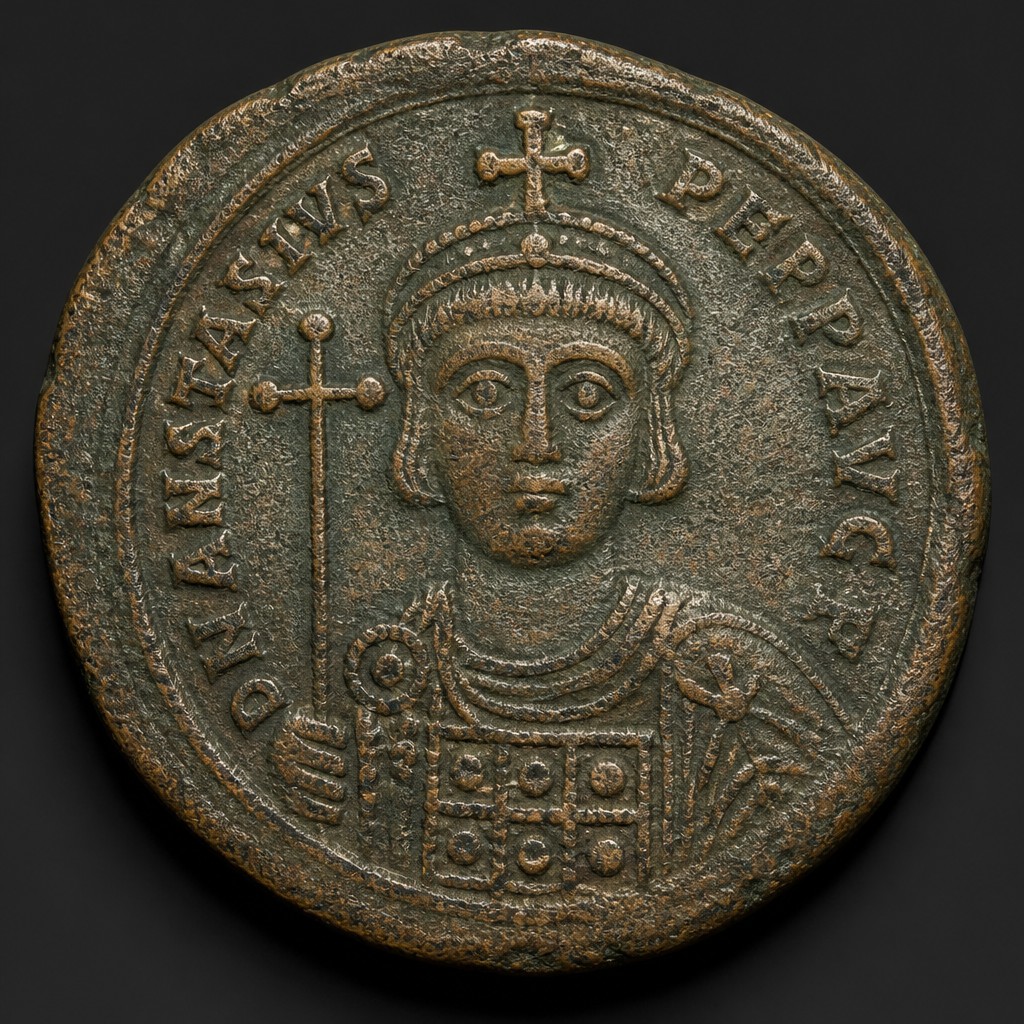
Byzantine Follis
498–c. 11th century AD
Celtic Gold Stater
c. 3rd century BC – 1st century AD