
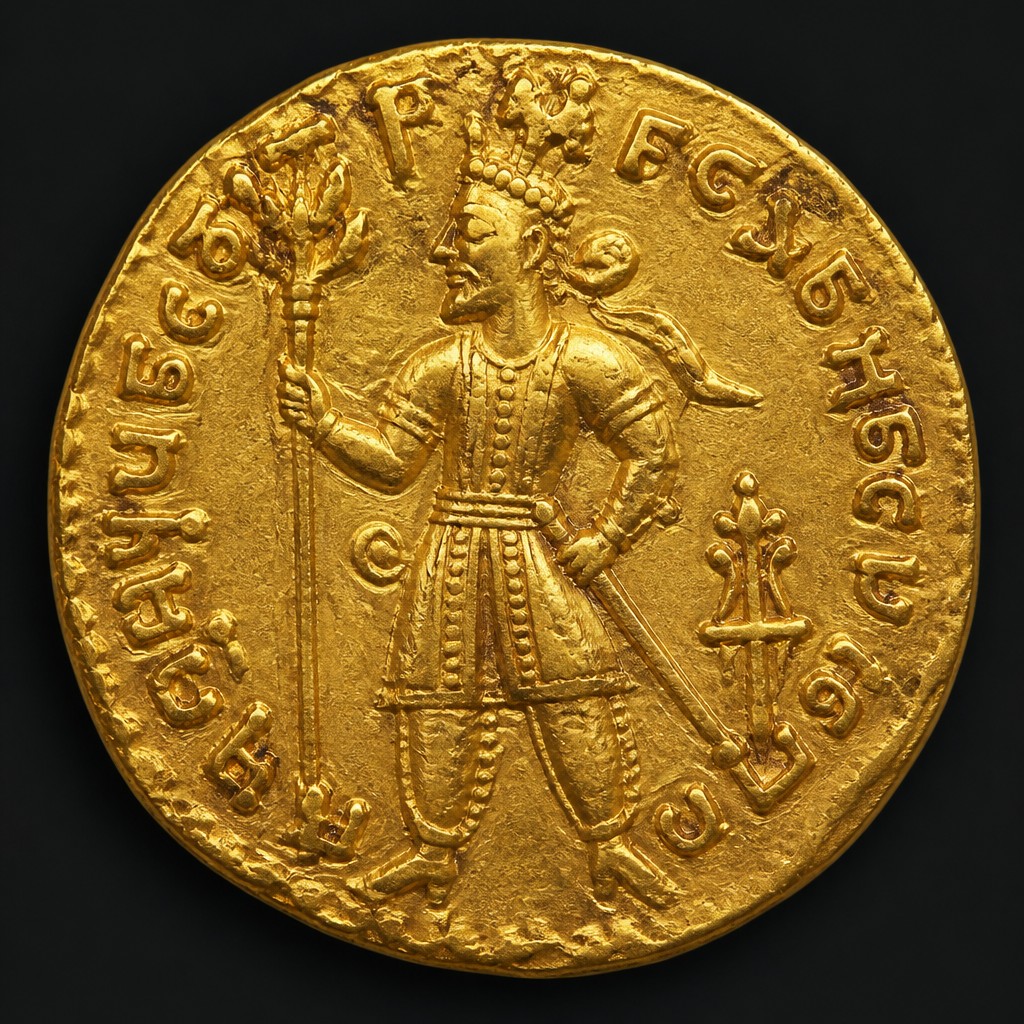
Kushan Gold Dinar
Gold coin of the Kushan Empire modeled on the Roman aureus standard, notable for depicting a rich blend of Greek, Iranian, Indian, and Buddhist deities on its reverse.
- Country
- Kushan Empire
- Denomination
- 1 Dinar
- Metal
- Gold
Got a coin like this?
Identify any coin from a photo, free.
Overview
The Kushan Gold Dinar was the principal high-value coin of the Kushan Empire, a powerful state that controlled large parts of Central Asia and northern India during the early centuries of the common era. Struck on a weight standard closely modeled on the Roman gold aureus, reflecting the empire's extensive trade contacts along the Silk Road, the dinar is admired today for its combination of fine artistry and its remarkable religious eclecticism.
Kushan kings, most famously Kanishka the Great, used their coinage to project royal authority across a vast and culturally diverse empire, depicting the ruler in a standardized ceremonial pose on the obverse while the reverse showcased an extraordinary range of deities drawn from Greek, Iranian, Indian, and Buddhist traditions.
Because the Kushan Empire sat at the crossroads of major civilizations, its gold coinage offers historians and collectors a uniquely vivid window into the religious and cultural synthesis of the ancient Silk Road world.
History & Background
The Kushan Empire emerged from Central Asian nomadic origins to become a major political and economic power controlling territory stretching from present-day Uzbekistan and Afghanistan through Pakistan and into northern India. Its rulers, including Vima Kadphises, Kanishka, Huvishka, and Vasudeva, oversaw a period of significant economic prosperity fueled by control of key Silk Road trade routes connecting the Roman world, Persia, Central Asia, and India.
Recognizing the prestige and monetary utility of the Roman gold aureus used widely in long-distance trade, Kushan rulers adopted a similar gold weight standard for their own dinar coinage, likely to facilitate trade and project comparable imperial authority. Kanishka in particular is remembered as a major patron of Buddhism, and his coinage includes some of the earliest known numismatic depictions of the Buddha, alongside an unusually broad pantheon of other deities reflecting the empire's religious diversity.
As the Kushan Empire declined in the third century CE under pressure from the rising Sasanian Persian Empire and internal fragmentation, its gold coinage tradition gradually gave way to successor Kushano-Sasanian issues, though the artistic and religious legacy of Kushan coin design influenced subsequent Central and South Asian coinage for generations.
How to Identify
The obverse of a typical Kushan gold dinar shows the king standing in ceremonial dress, often making an offering at a small altar, sometimes accompanied by a Bactrian-script legend naming the ruler and his titles. Some issues instead show the king on horseback or seated on a throne, depending on the specific ruler and period.
The reverse typically features a single standing deity drawn from an unusually broad religious repertoire, including Greek gods such as Helios or Herakles, Iranian deities such as Mithra or Ardoxsho, Indian figures, and in Kanishka's coinage, the Buddha himself, each identified by a name inscribed in Greek-derived Bactrian script. This religious diversity is one of the most distinctive and studied features of Kushan numismatics.
The coin is struck in gold on a standard comparable to the Roman aureus, generally with a somewhat crude or provincial die-engraving style compared to contemporary Roman or Greek coinage, and identification of specific rulers and deity types relies heavily on close reading of the Bactrian legends and stylistic comparison with published reference catalogs of Kushan coinage.
Value & Collectibility
Kushan gold dinars vary considerably in value depending on the ruler, the specific deity depicted on the reverse, condition, and rarity of the type; coins of major rulers like Kanishka and Huvishka are relatively well represented in the market, while certain rare reverse types, particularly ones depicting the Buddha or unusual deities, command significant premiums among specialists in ancient and Silk Road numismatics.
Common types in decent condition can often be found at prices accessible to collectors of ancient gold, generally in the low to mid hundreds of dollars, while rare rulers, exceptional strikes, or particularly desirable deity types can reach into the thousands of dollars or more at auction. As with all ancient gold coinage, authenticity, strike quality, and the coin's specific historical significance are the primary drivers of value.
Frequently asked questions
Why does the coin show so many different gods?
The Kushan Empire spanned a culturally diverse region along the Silk Road, and its rulers depicted deities from Greek, Iranian, Indian, and Buddhist traditions to reflect and appeal to this diverse population.
Who was Kanishka?
Kanishka was one of the most powerful Kushan emperors, remembered for his territorial expansion and strong patronage of Buddhism, which is reflected in some of his coin designs.
Why is the coin similar in weight to a Roman aureus?
Kushan rulers likely adopted a gold standard comparable to the Roman aureus to facilitate long-distance Silk Road trade and to project comparable imperial prestige.
How can I identify which Kushan king issued a particular dinar?
Identification relies on reading the Bactrian-script legend on the obverse and comparing the king's depicted pose and the specific reverse deity against published Kushan coinage references.
Other coins you may enjoy
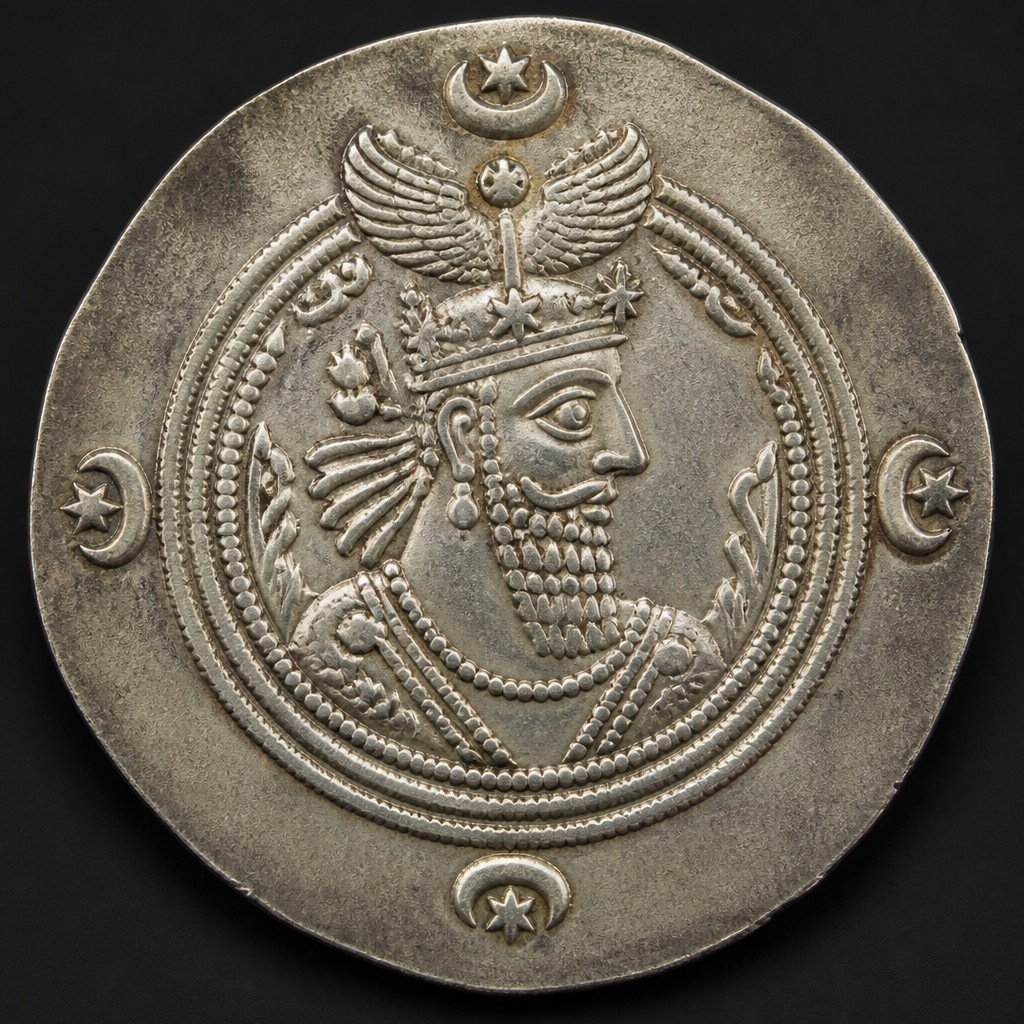
Persian Sassanid Silver Drachm
c. 224–651 AD
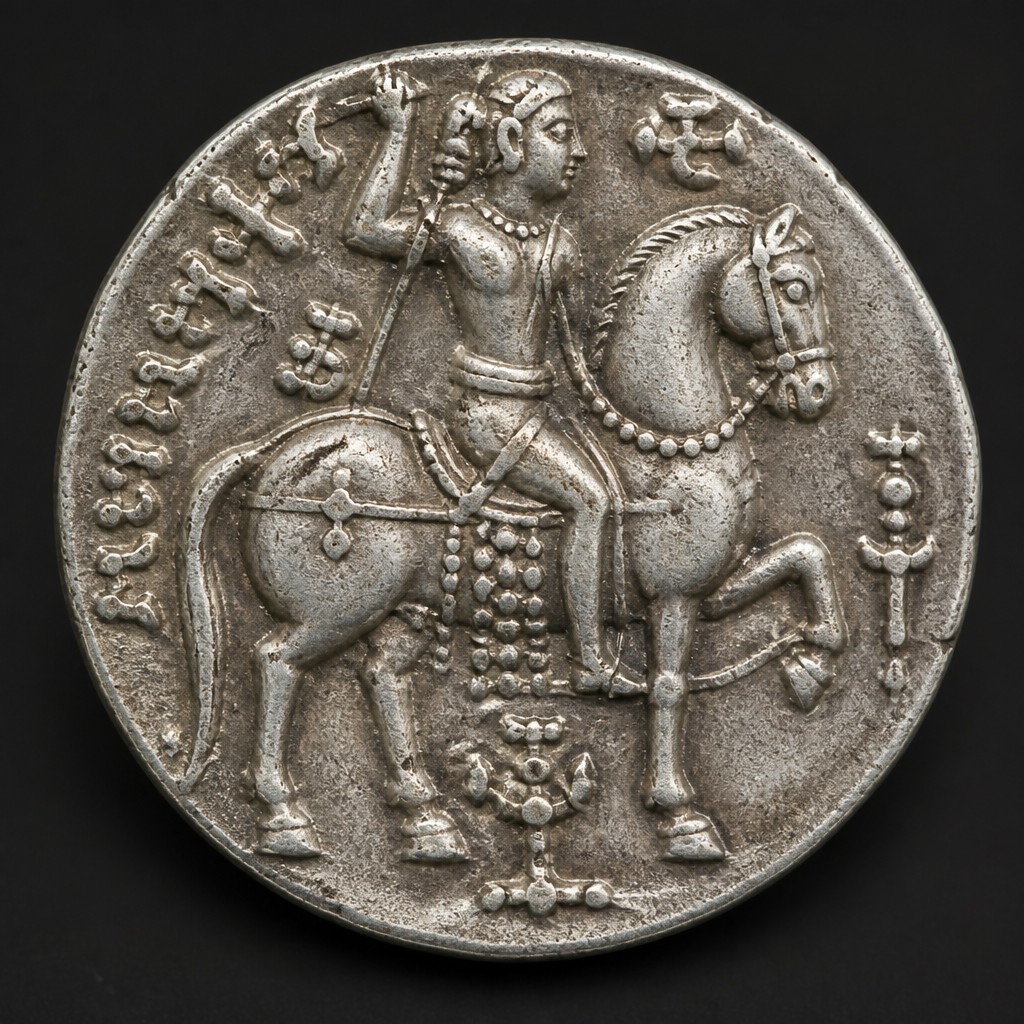
Guptas 'Horseman' Silver Coin
c. 4th–5th century CE
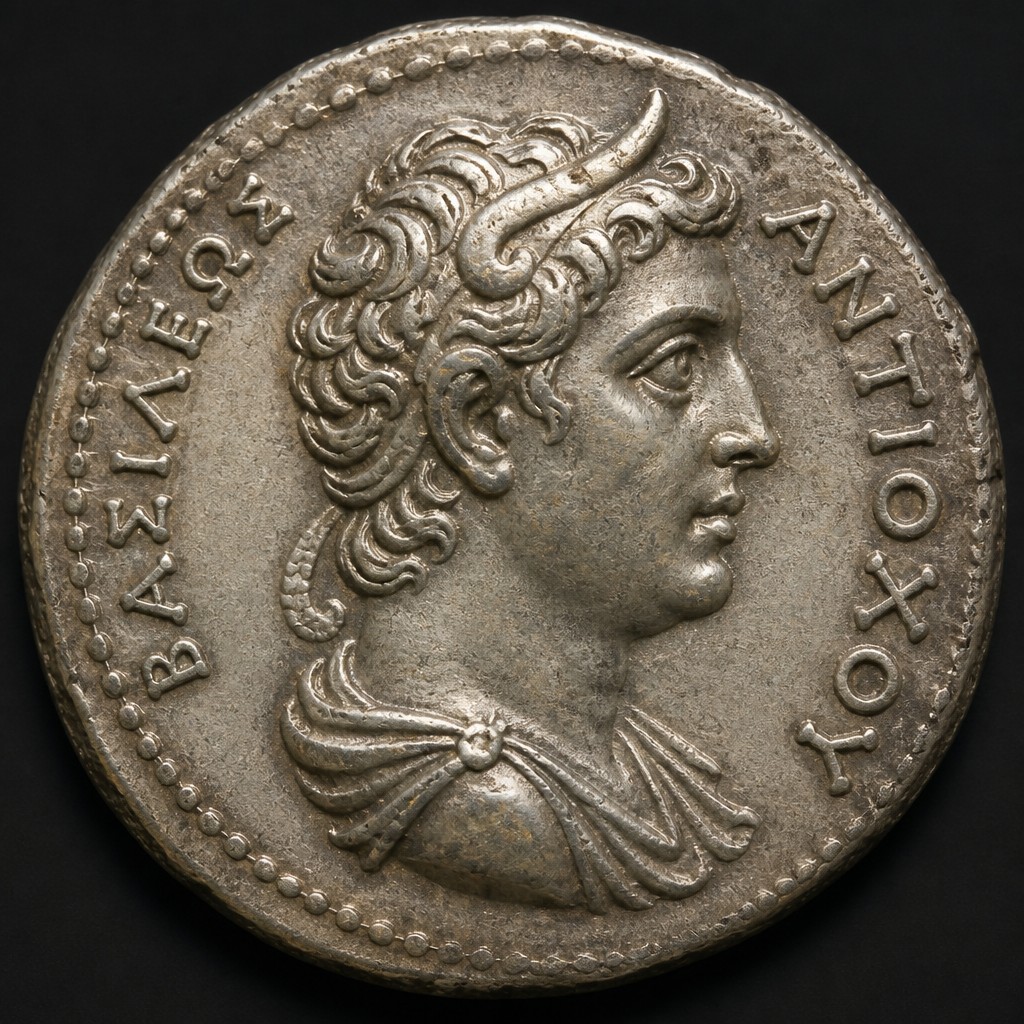
Bactrian Silver Tetradrachm
c. 250–125 BC
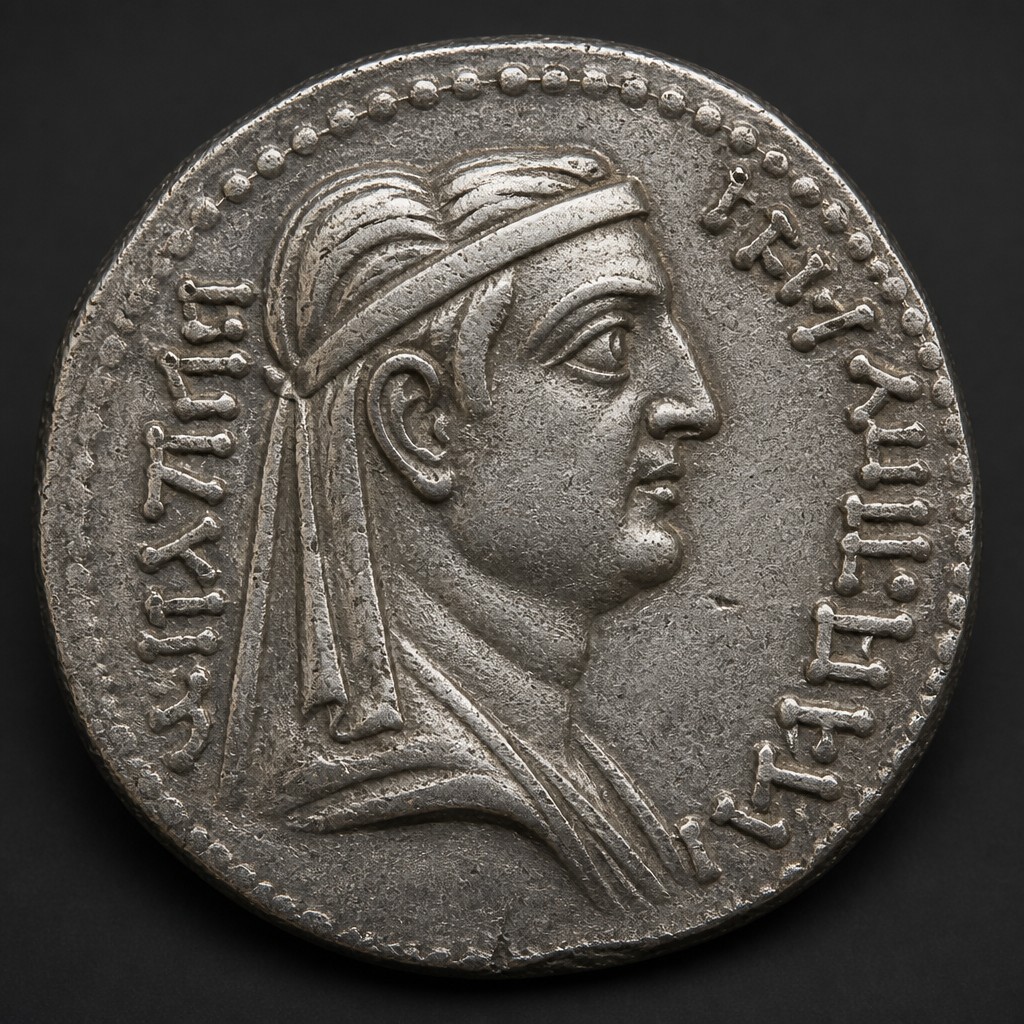
Nabataean Silver Drachm (Aretas IV)
c. 9 BC – 40 AD
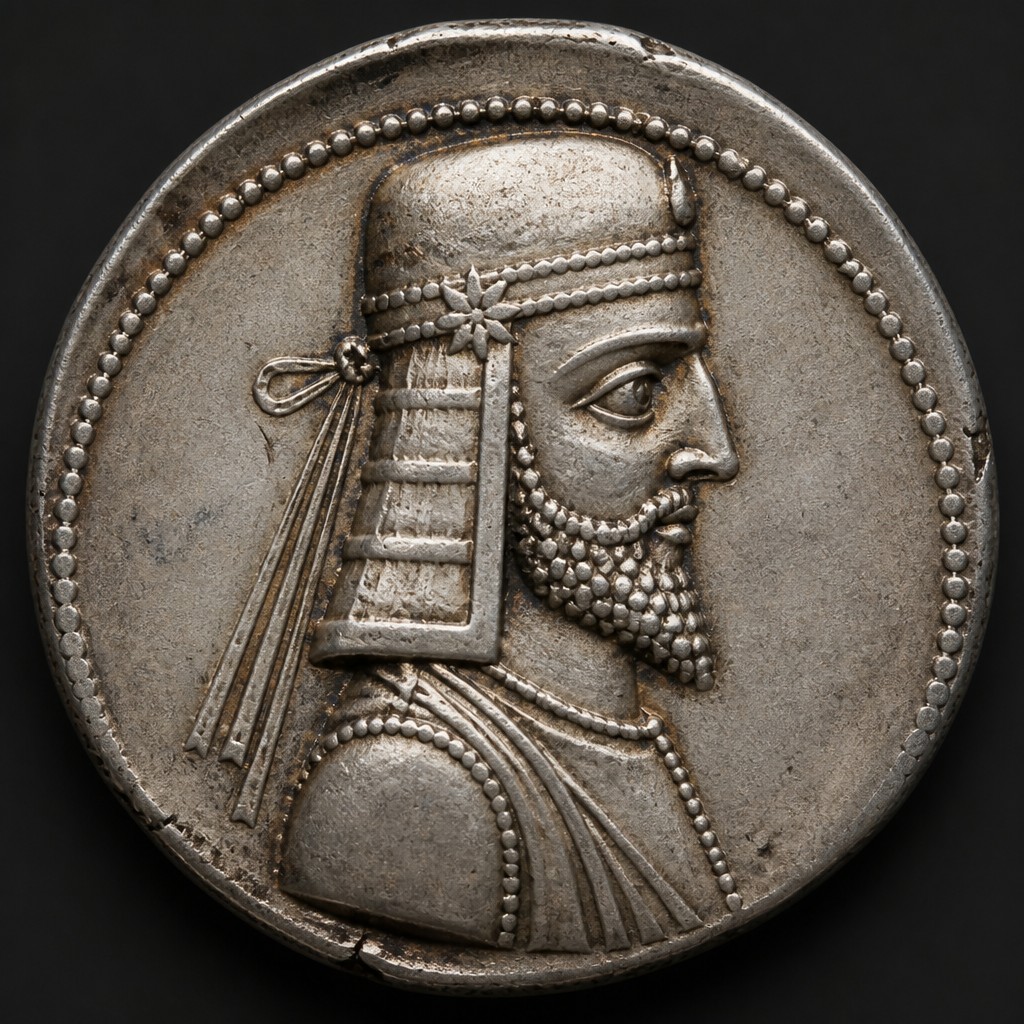
Parthian Silver Drachm
247 BC – 224 AD
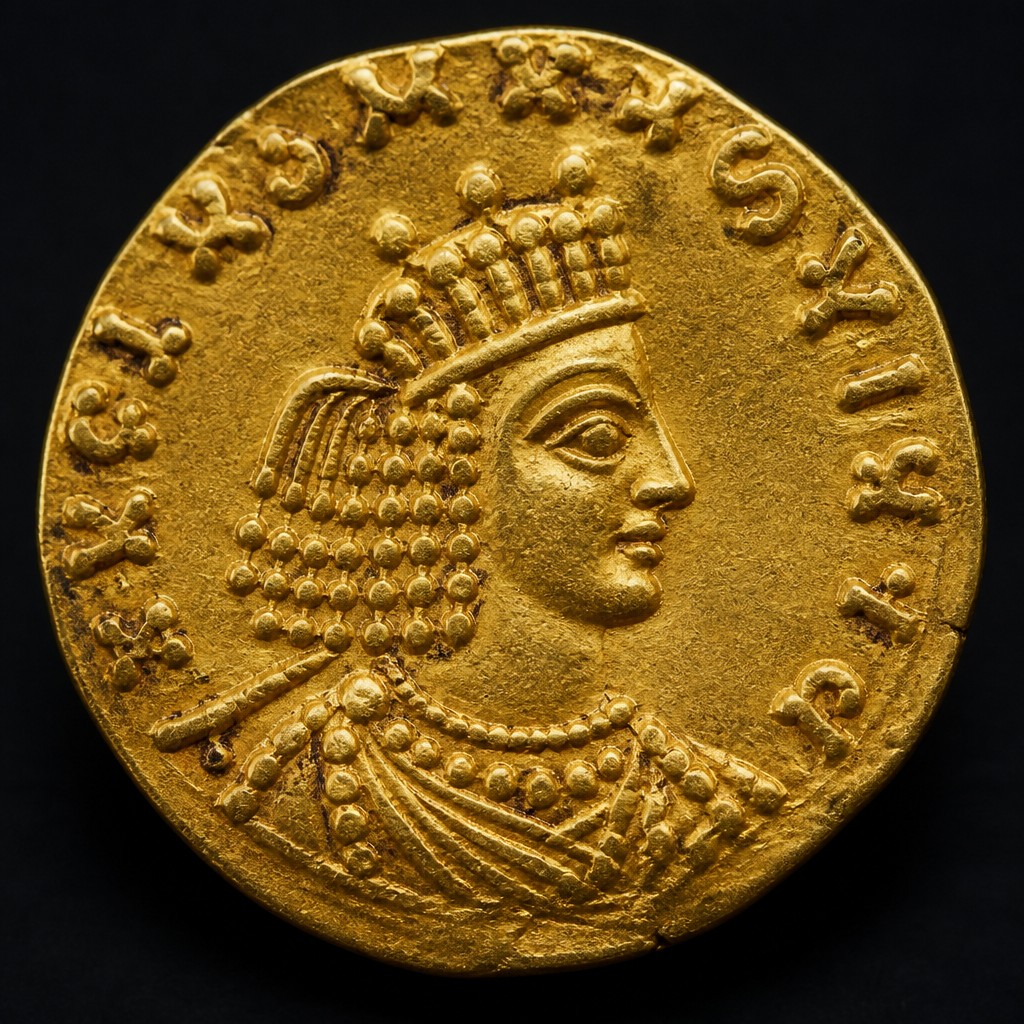
Aksumite Gold Coin of Ezana
c. 320s–360s AD
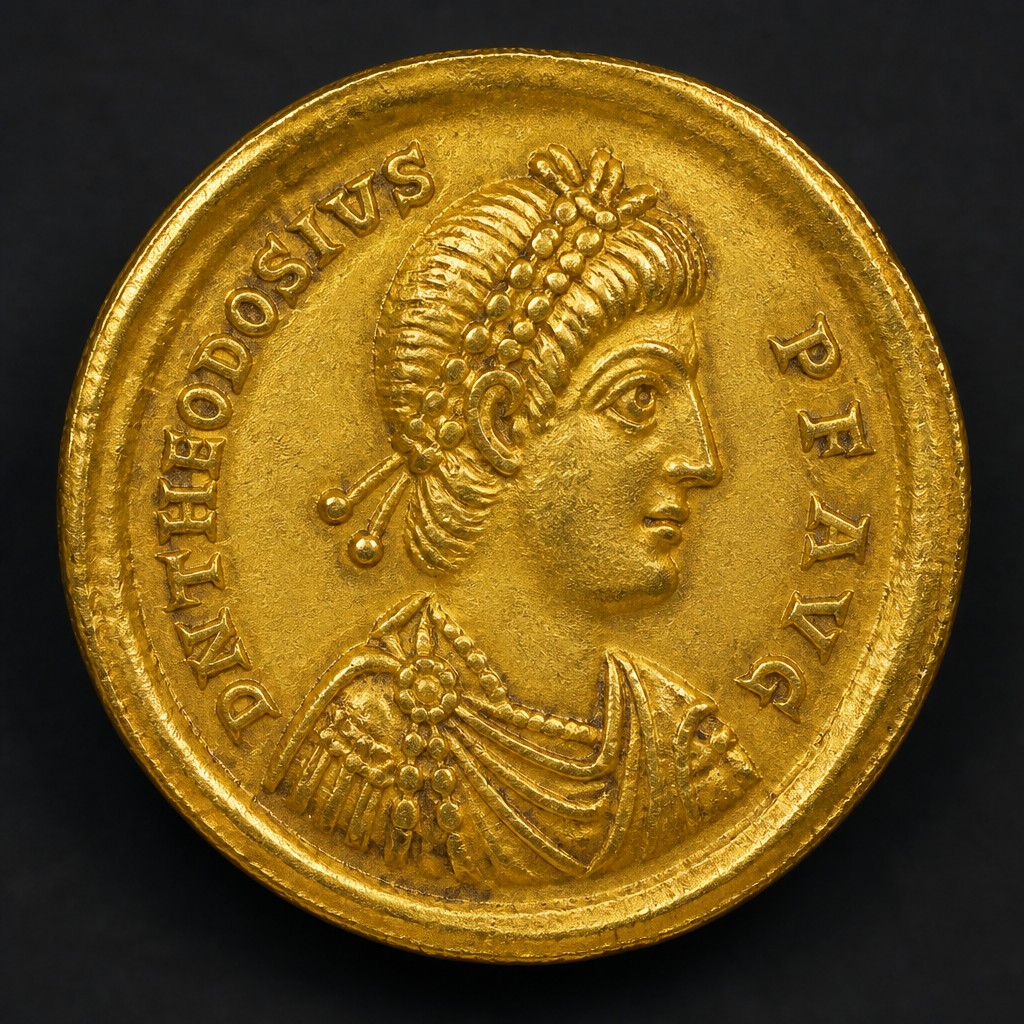
Theodosius I Solidus
379–395 AD
Republican Victoriatus
c. 211–170 BC
Islamic Gold Dinar (Umayyad)
c. 696–750 AD
Magnentius Double Centenionalis
350–353 AD
Chinese Wu Zhu Cash
118 BC – 618 AD
Valentinian I Solidus
364–375 AD