
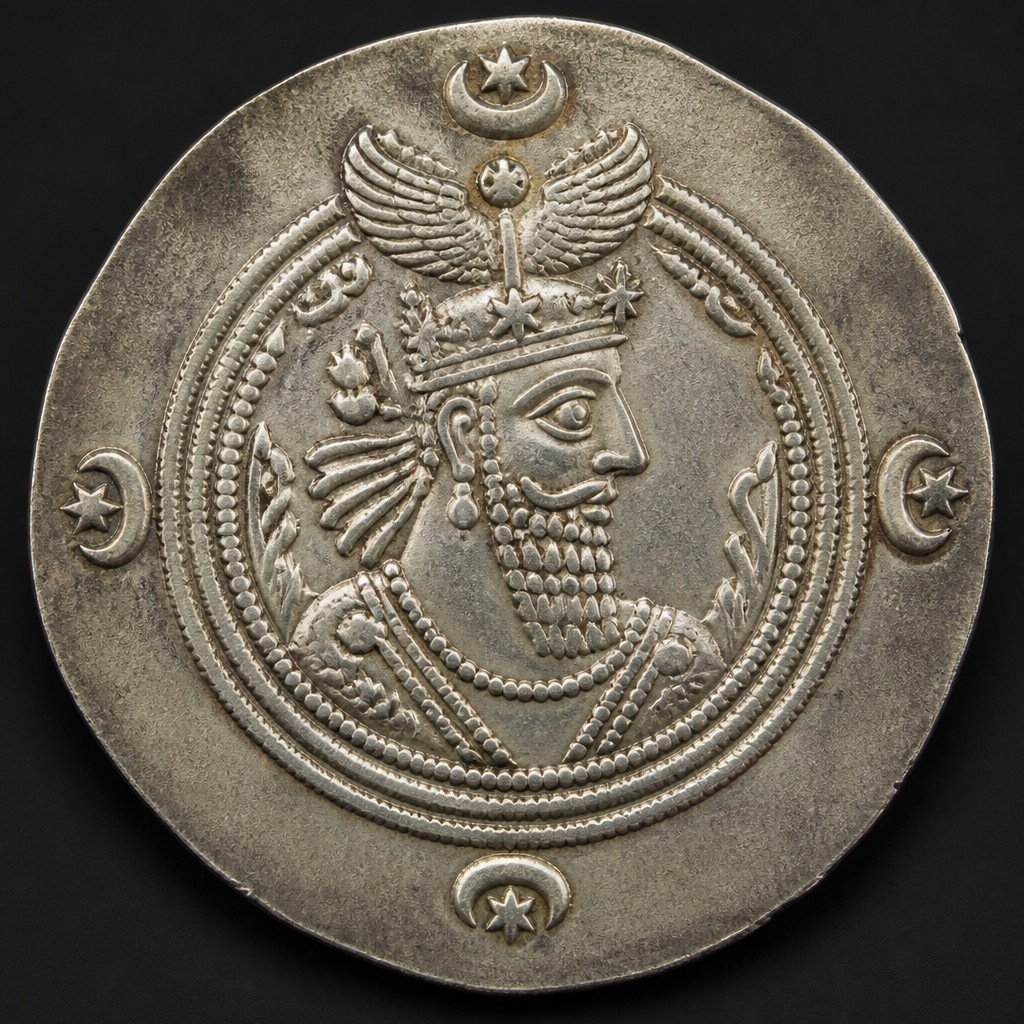
Persian Sassanid Silver Drachm
The standard silver coin of the Sasanian Persian Empire, showing an elaborately crowned royal bust and a Zoroastrian fire altar with attendants, struck for over four centuries.
- Country
- Sasanian Empire (Persia)
- Denomination
- Drachm
- Metal
- Silver
Got a coin like this?
Identify any coin from a photo, free.
Overview
The Sasanian silver drachm was the backbone of Persia's monetary economy for over 400 years, from the founding of the Sasanian Empire by Ardashir I in the early 3rd century AD until the empire's fall to the Arab conquests in the mid-7th century. Its consistent basic design template, a royal bust on the obverse and a fire altar with attendants on the reverse, makes it one of the most immediately recognizable ancient coin types.
Because the same essential design persisted with evolving royal crowns and legends across roughly 30 kings, the Sasanian drachm series offers collectors a rich field for specialization by ruler, mint, and regnal year. Each Sasanian king wore a distinctive crown, and identifying these often-elaborate headdresses is a central skill in attributing a given coin to a specific reign.
Sasanian drachms were struck in huge quantities and are today among the more accessible and affordable ancient silver coins, offering a tangible connection to a major pre-Islamic Persian civilization.
History & Background
The Sasanian Empire was founded around 224 AD by Ardashir I, who overthrew the Parthian Arsacid dynasty and established a new Persian state that consciously revived aspects of earlier Achaemenid Persian identity alongside Zoroastrian religious tradition. Silver drachms became the empire's principal coinage almost from its founding, continuing a broad monetary tradition inherited in part from earlier Hellenistic and Parthian coinage in the region.
Over the following four centuries, a long line of Sasanian kings, including Shapur I, Shapur II, Khosrow I, and Khosrow II, issued drachms bearing their own distinctive crowns and regnal inscriptions in Pahlavi script, reflecting the empire's religious ideology (Zoroastrianism, symbolized by the fire altar) and royal legitimacy. The coinage system remained remarkably stable in weight and design conventions even as the empire's political fortunes rose and fell through wars with the Roman and later Byzantine Empire.
The Sasanian Empire fell to the Arab Muslim conquests by the mid-7th century, but the drachm's basic design was so well established that early Arab-Sasanian coinage in the newly conquered territories continued to imitate the Sasanian fire-altar-and-bust format for some time before fully Islamic aniconic coinage took over.
How to Identify
The obverse shows a right-facing bust of the reigning king wearing an elaborate, often winged or crescent-topped crown unique to his reign, surrounded by a Pahlavi inscription giving his name and titles; the specific crown design is the primary tool for identifying which king issued a given coin. The reverse depicts a Zoroastrian fire altar, usually flanked by two attendants, with a star and crescent motif commonly appearing beside the flames, and a Pahlavi legend often naming the mint and regnal year around the border.
Sasanian drachms are broad, thin silver coins, generally more delicate in fabric than many Western ancient coins, and mint marks appear as an abbreviation in the field to the reverse, allowing specialists to attribute coins to specific cities across the vast Sasanian territory. Regnal year numerals, also in Pahlavi, appear alongside the mint mark and can sometimes be used to date a coin precisely within a king's reign.
Because the design template stayed so consistent for centuries, the crown style, the specific arrangement of border dots or crescents, and the mint and date abbreviations are essential for telling apart coins of different Sasanian kings, some of whom had short or contested reigns producing scarcer coin types.
Value & Collectibility
Sasanian silver drachms are, in general, one of the more affordable and available categories of ancient coinage, since the empire struck them prolifically over centuries and large numbers survive today. Common issues from well-documented, long-reigning kings such as Khosrow I or Khosrow II in typical circulated condition are often inexpensive, making the series a popular entry point into ancient coin collecting.
Value rises for scarcer kings with shorter reigns, unusual mints, well-centered and sharply struck examples, and coins with fuller, more legible legends. As with all ancient coins, professional attribution and grading add confidence for higher-value pieces, and collectors should be aware that cleaning, encrustation, or metal deterioration can affect both value and legibility of the crown and inscriptions.
Frequently asked questions
What is depicted on the reverse of a Sasanian drachm?
The reverse shows a Zoroastrian fire altar, typically flanked by two attendants, reflecting the state religion of the Sasanian Empire.
How can I tell which Sasanian king issued my coin?
The style of the royal crown on the obverse is the main identifying feature, since each Sasanian king wore a visually distinct crown that changed even within some individual reigns.
What script is used in the coin's inscriptions?
Legends are written in Pahlavi (Middle Persian) script, naming the king and often including a mint abbreviation and regnal year on the reverse.
Are Sasanian drachms rare or common?
Most types are relatively common and affordable due to the empire's long history and prolific silver coinage, though certain kings, mints, or well-preserved examples can be considerably scarcer and more valuable.
Persian Sassanid Silver Drachm identified by the community
Real coins identified with Coin Identifier.
Other coins you may enjoy
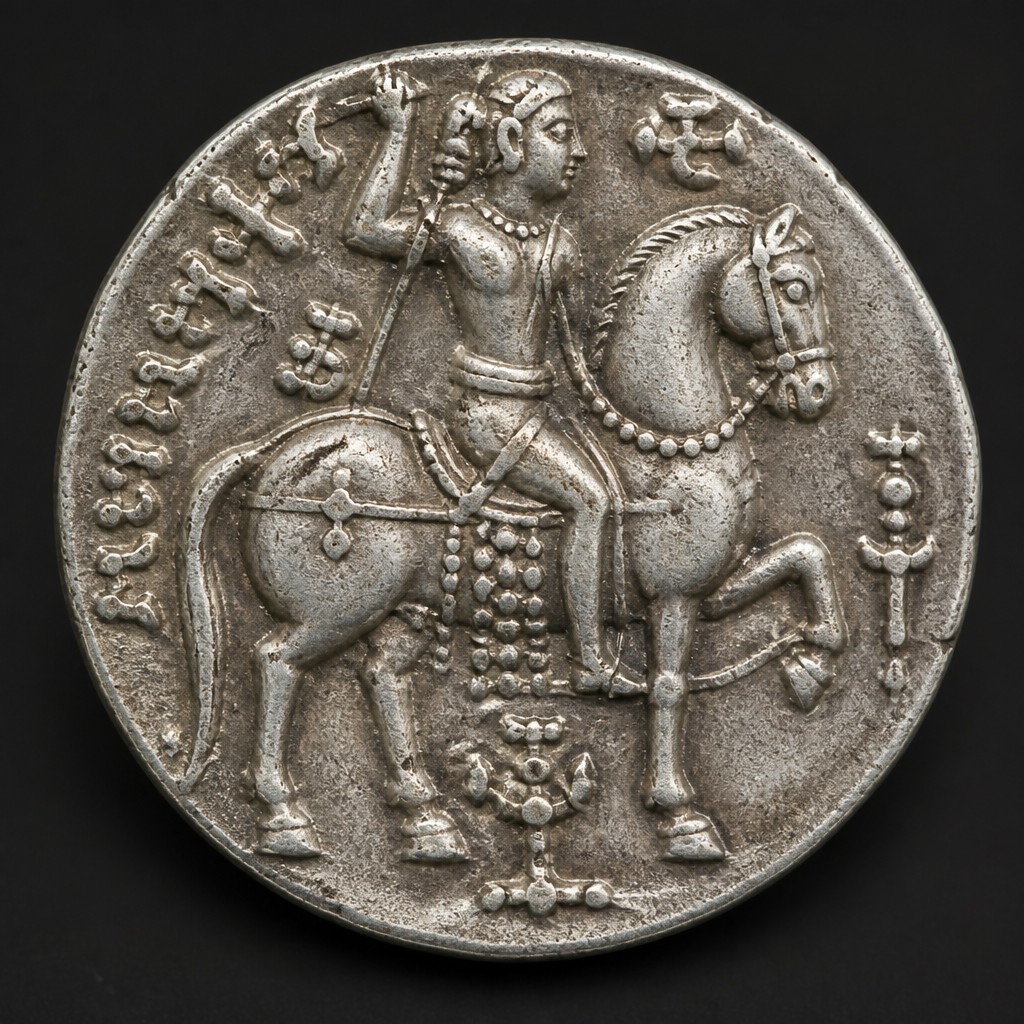
Guptas 'Horseman' Silver Coin
c. 4th–5th century CE
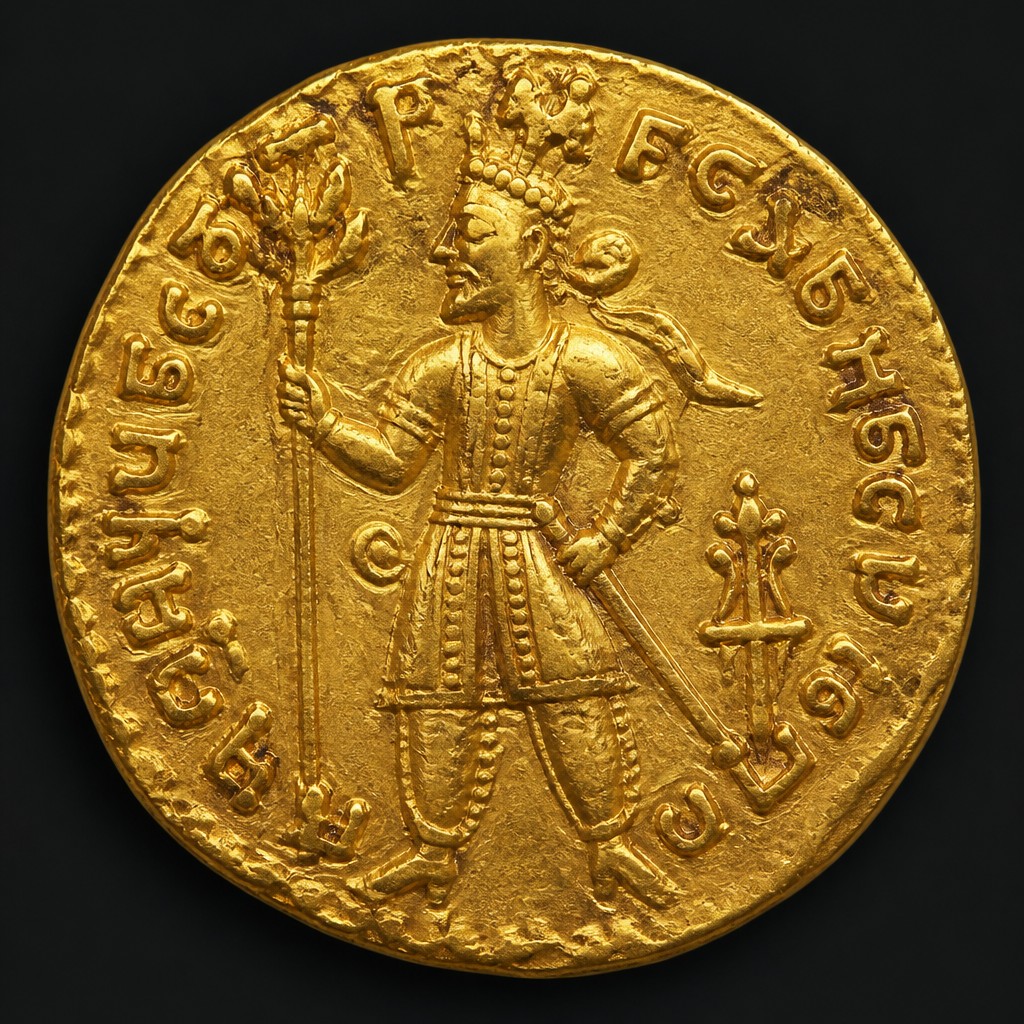
Kushan Gold Dinar
c. 1st–3rd century CE
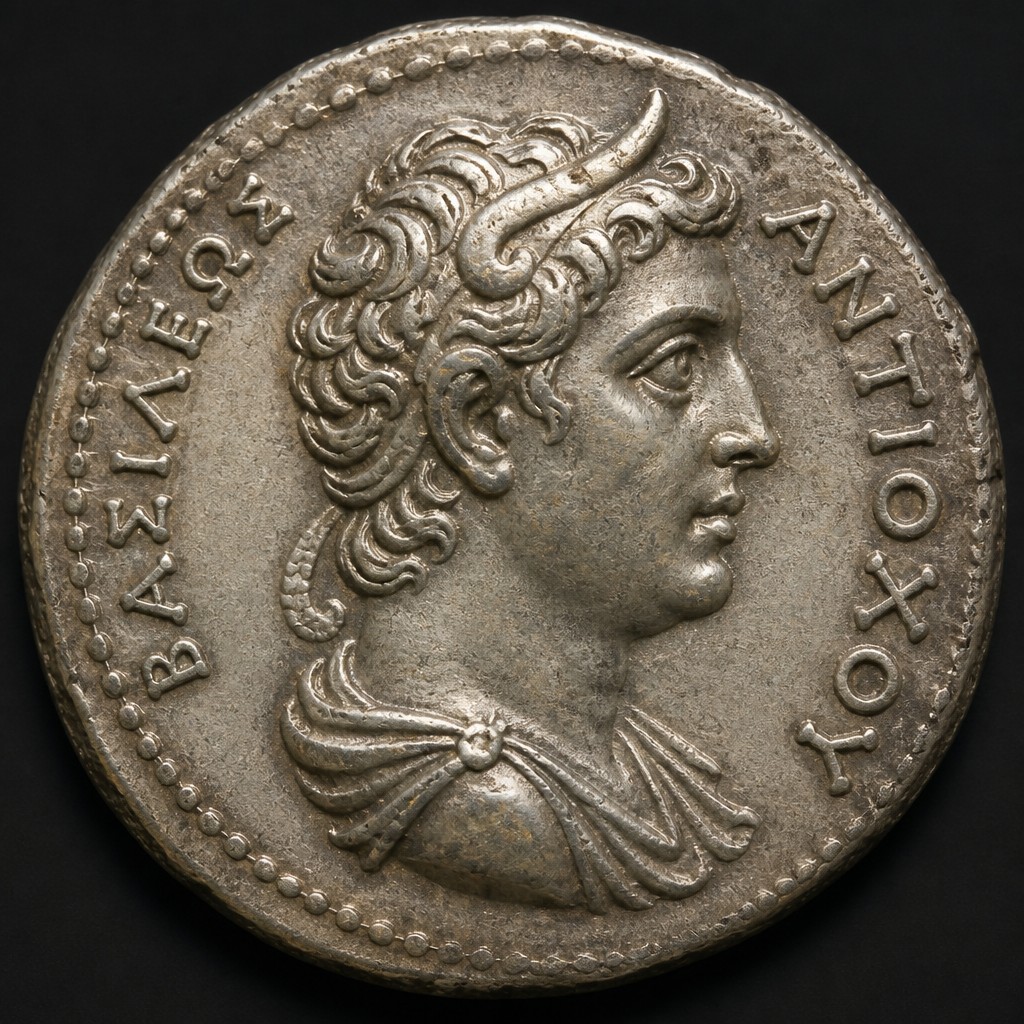
Bactrian Silver Tetradrachm
c. 250–125 BC
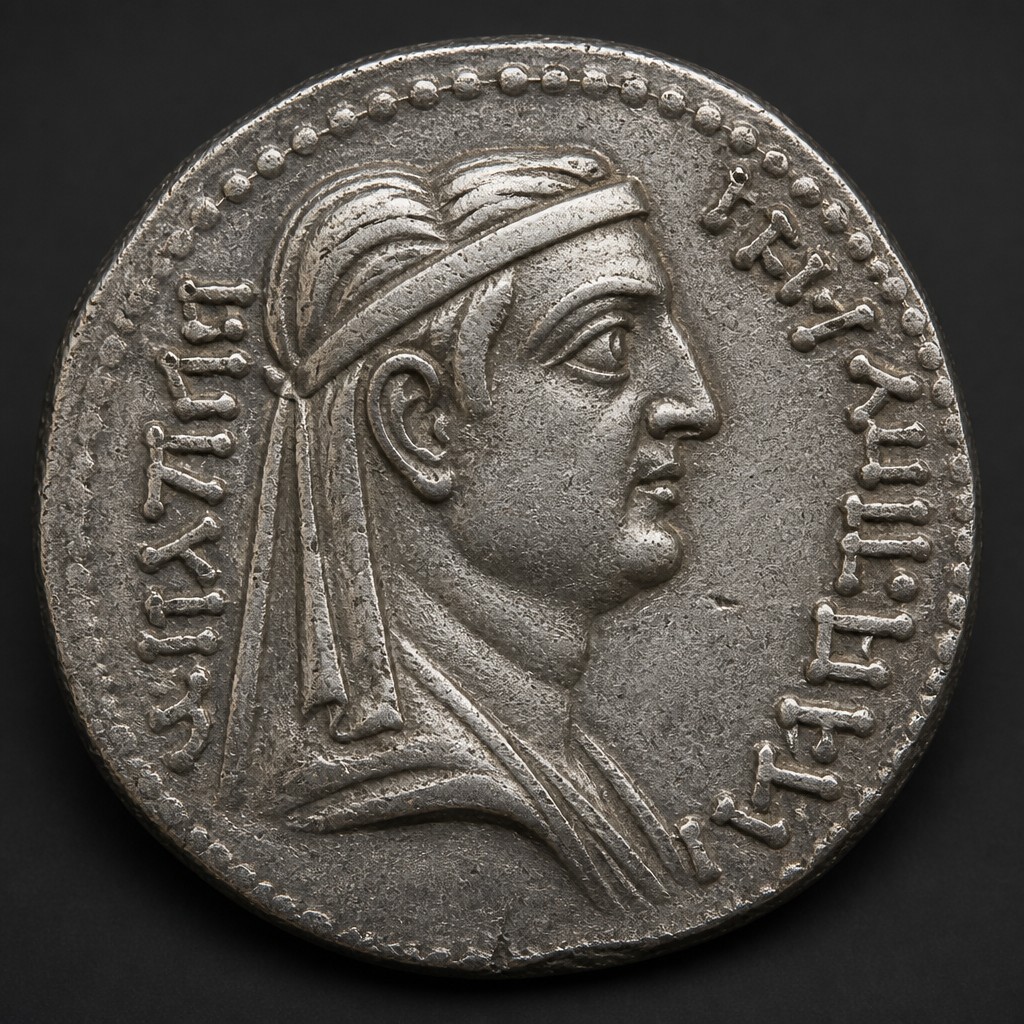
Nabataean Silver Drachm (Aretas IV)
c. 9 BC – 40 AD
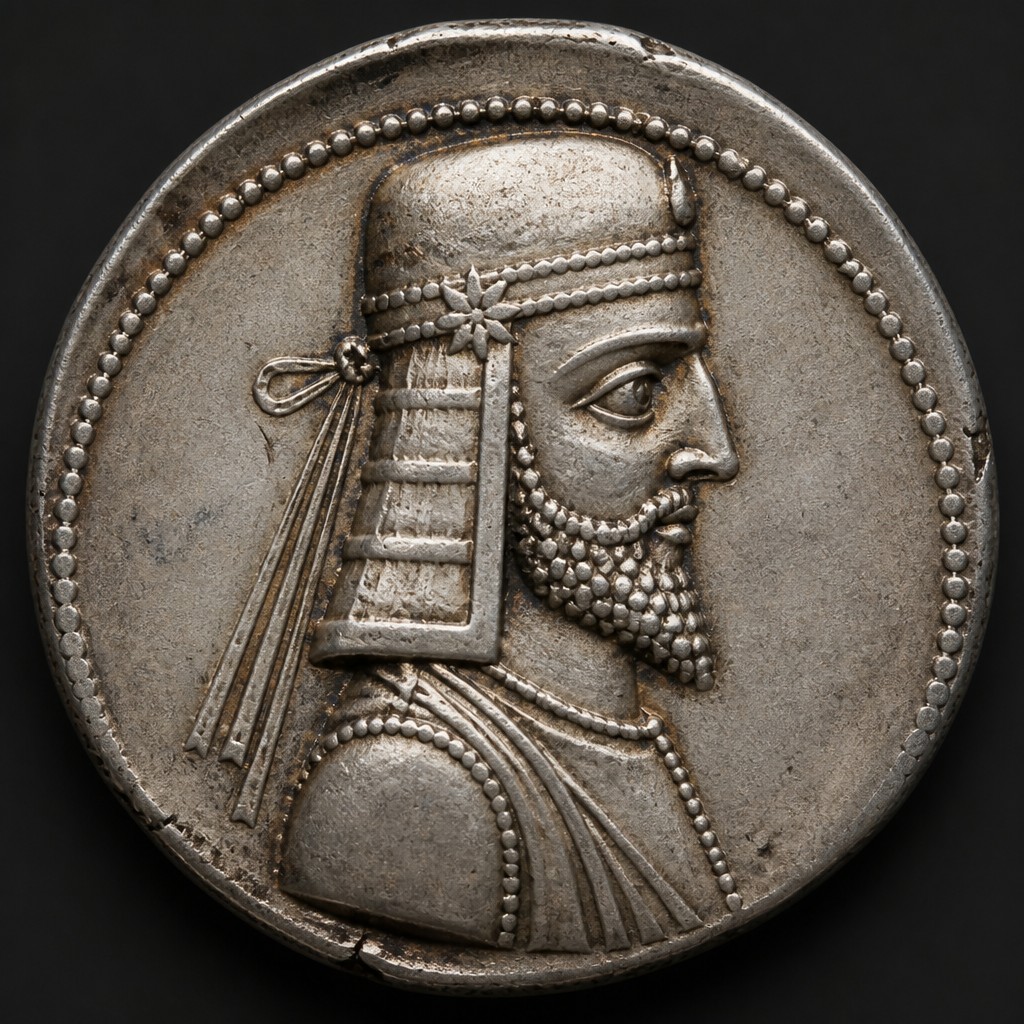
Parthian Silver Drachm
247 BC – 224 AD
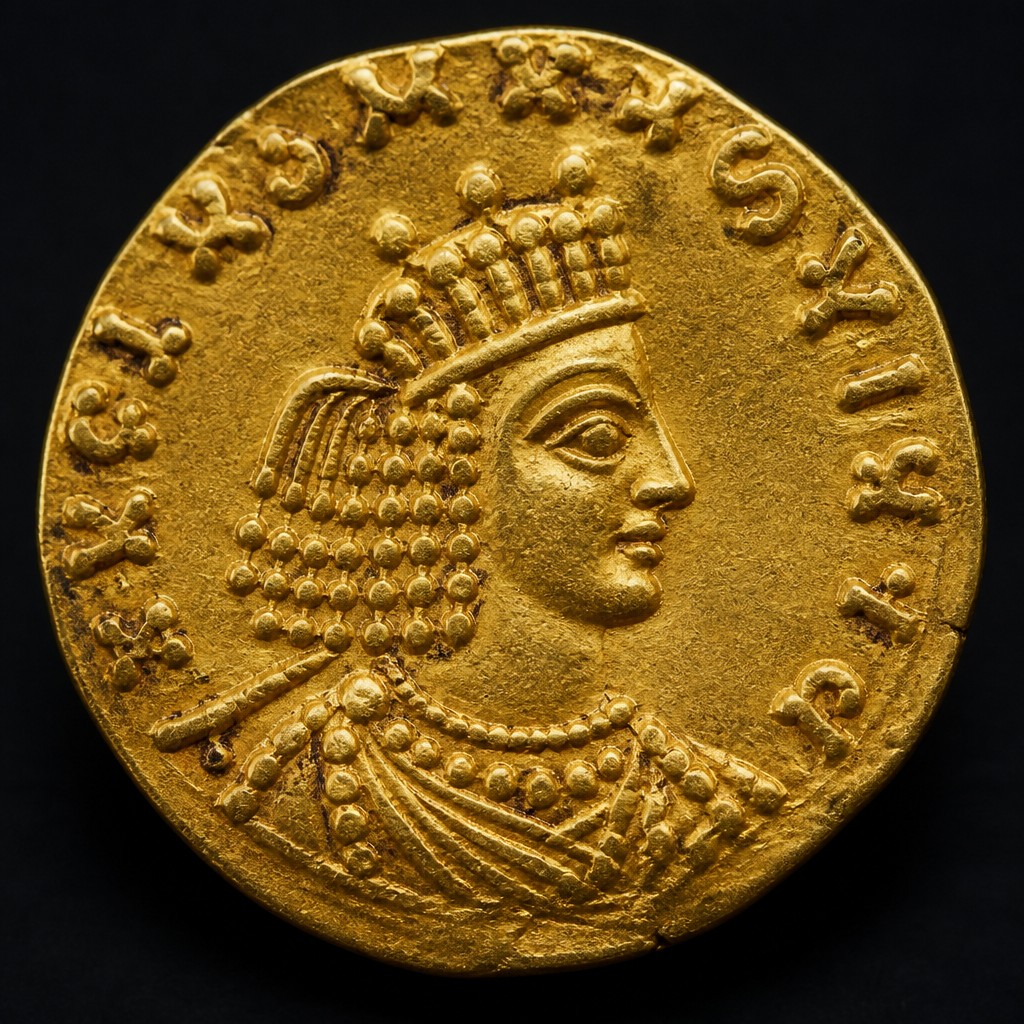
Aksumite Gold Coin of Ezana
c. 320s–360s AD
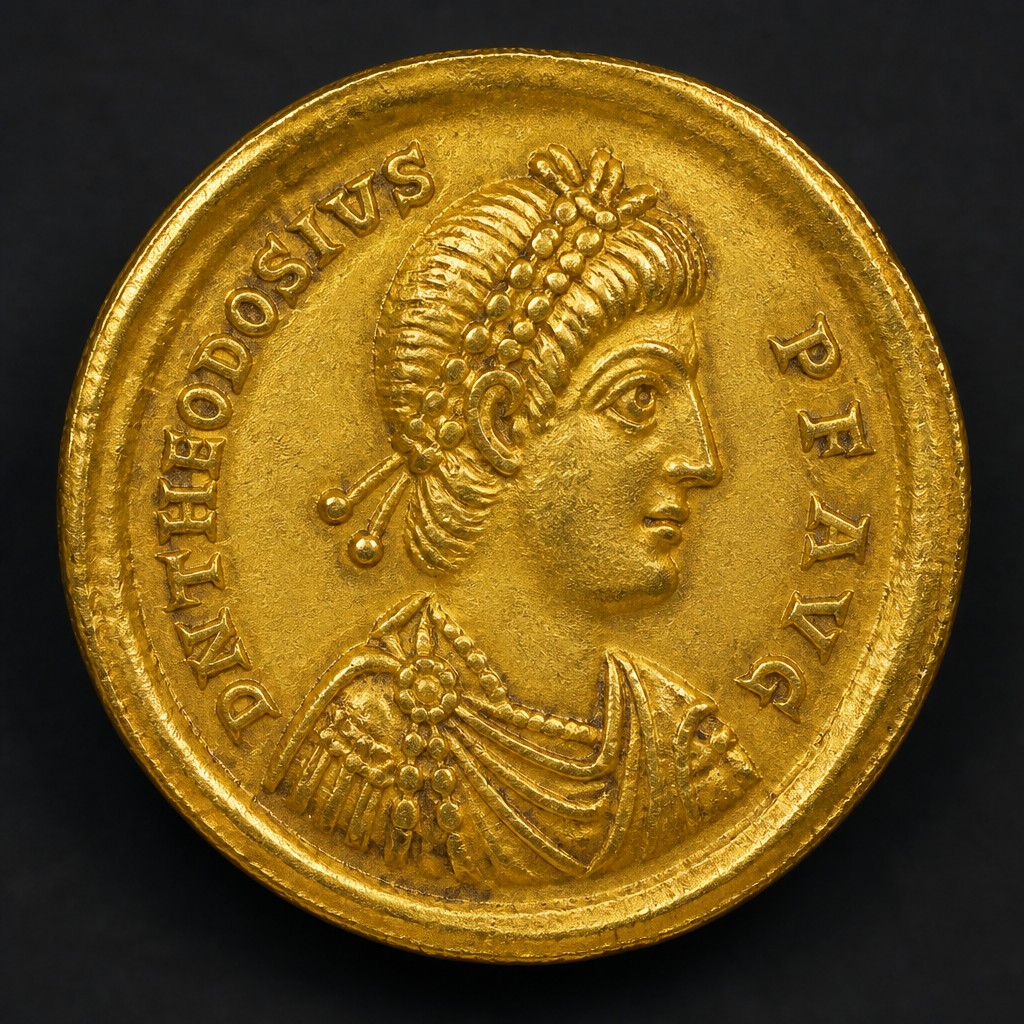
Theodosius I Solidus
379–395 AD
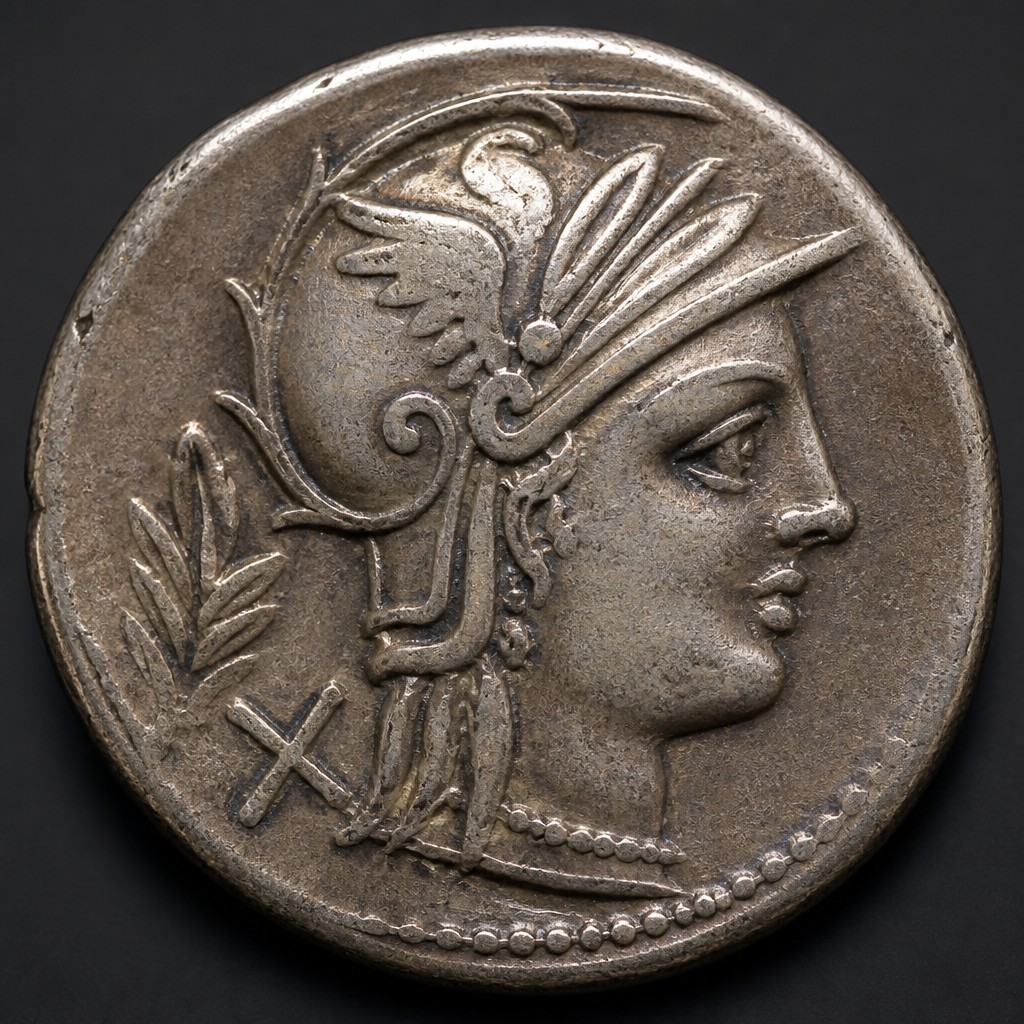
Republican Victoriatus
c. 211–170 BC
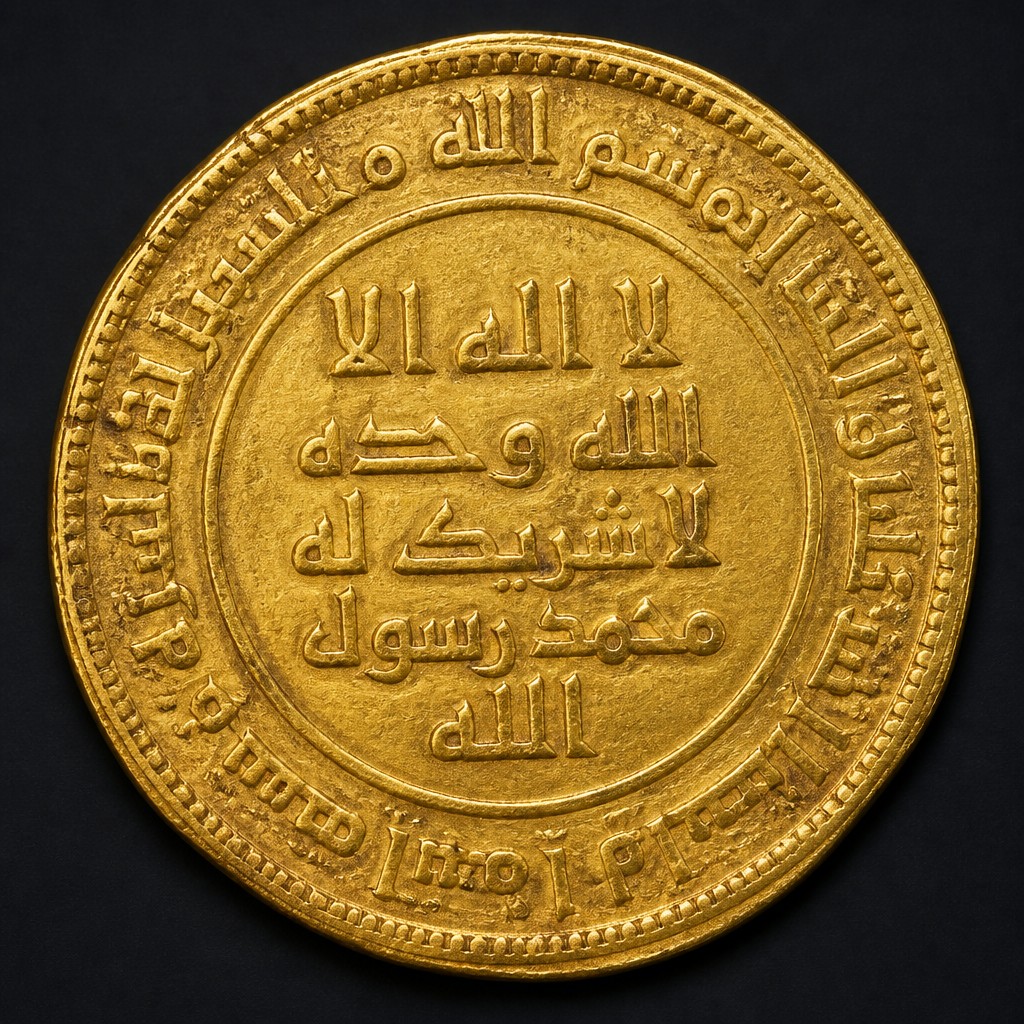
Islamic Gold Dinar (Umayyad)
c. 696–750 AD
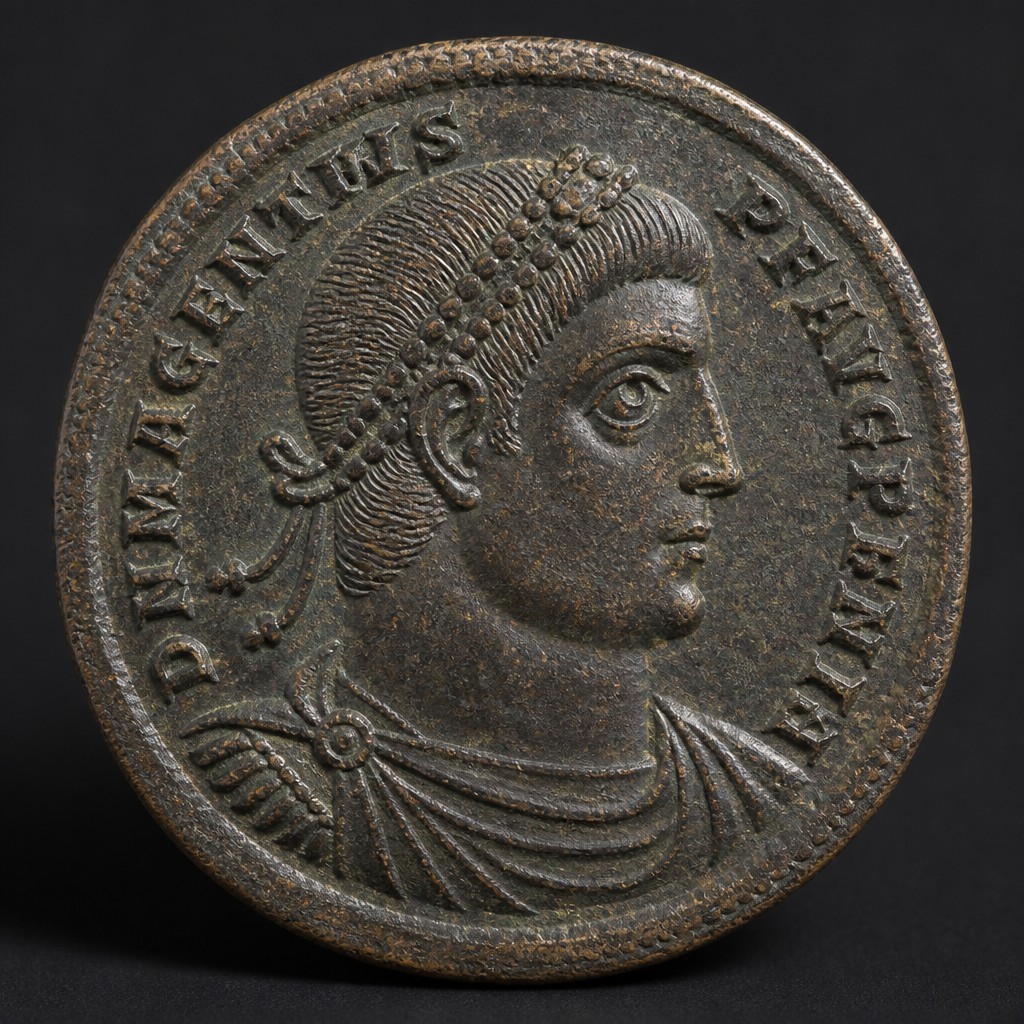
Magnentius Double Centenionalis
350–353 AD
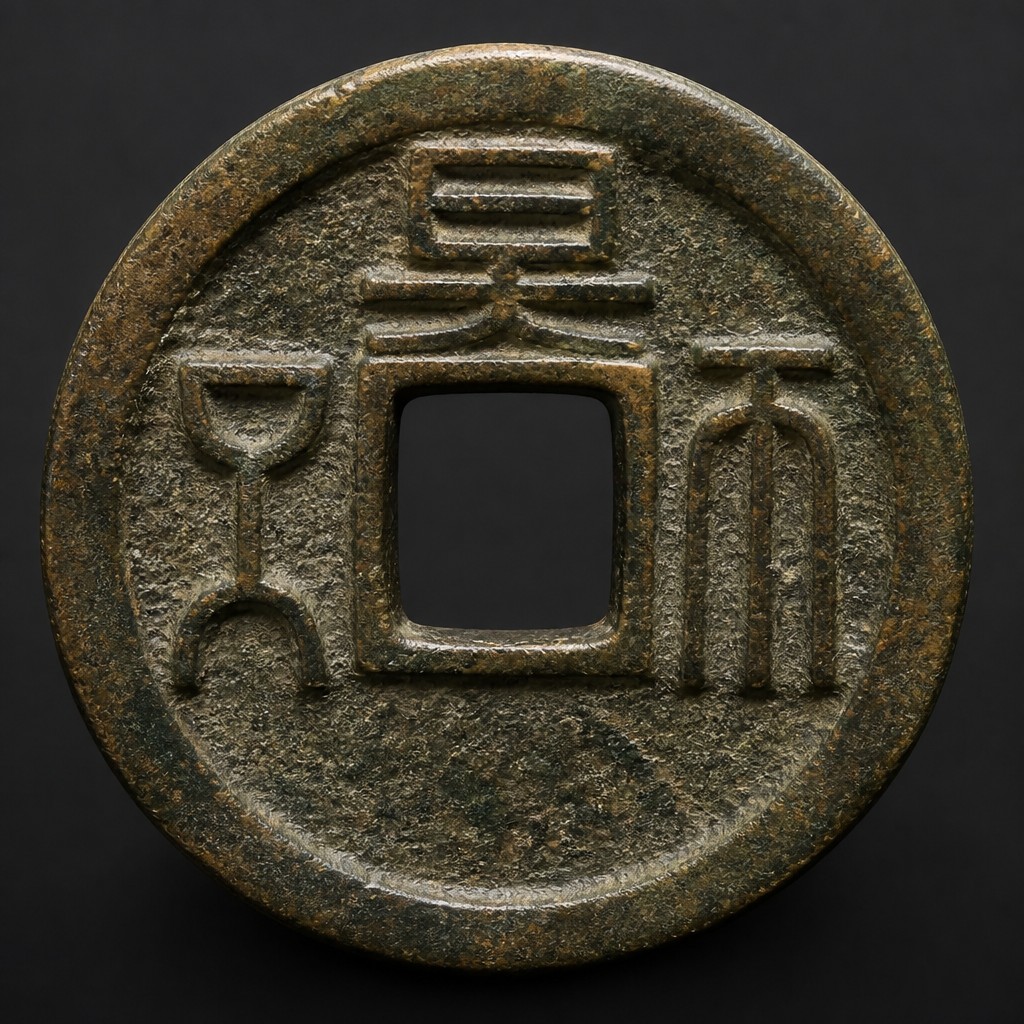
Chinese Wu Zhu Cash
118 BC – 618 AD
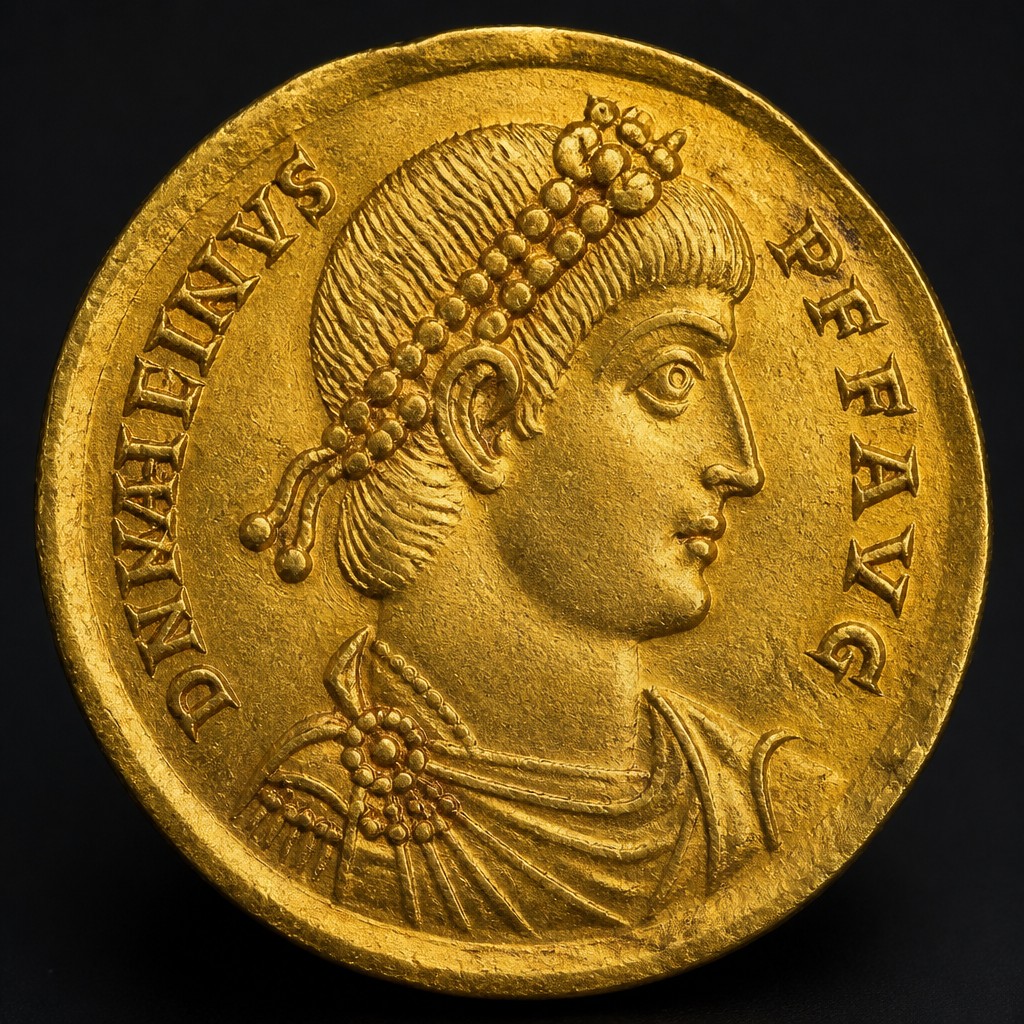
Valentinian I Solidus
364–375 AD