
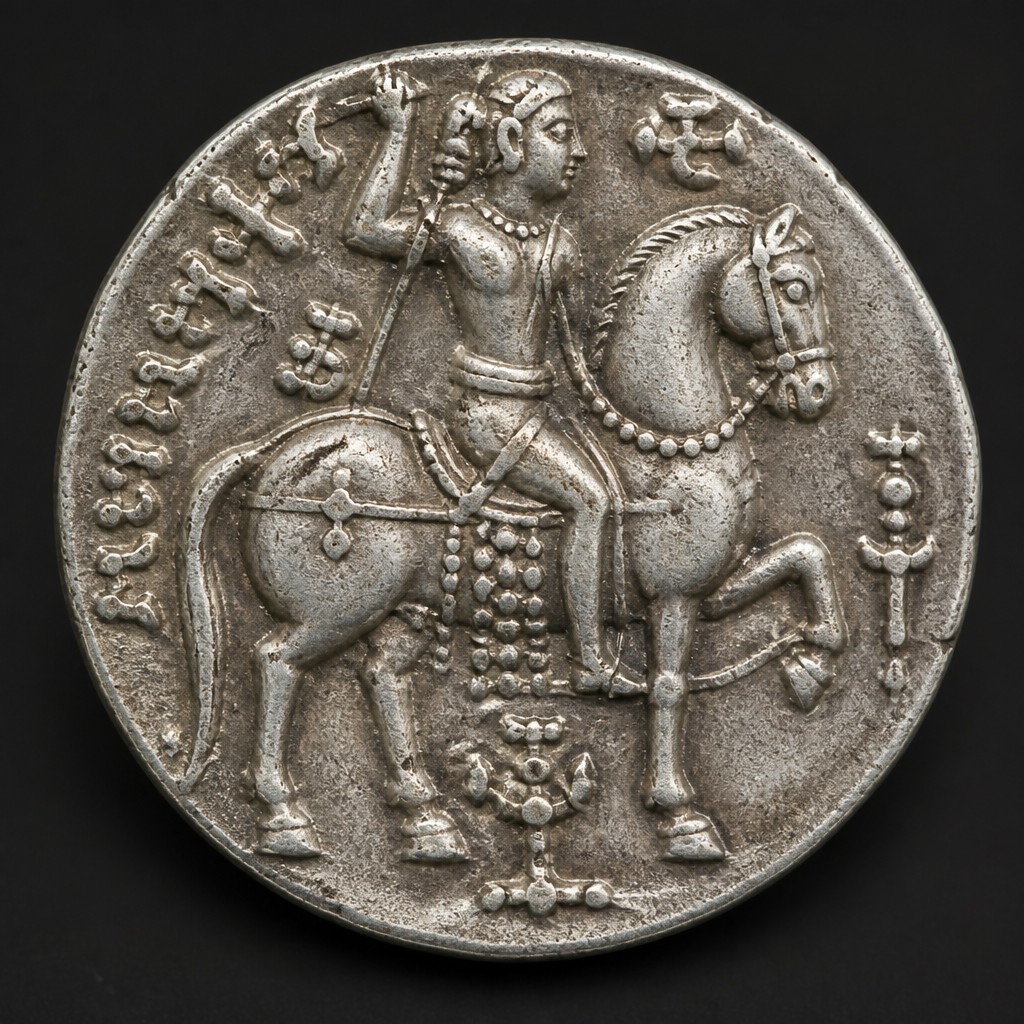
Guptas 'Horseman' Silver Coin
Silver coin of the Gupta Empire showing the king on horseback, struck after Gupta conquest of western India in imitation of earlier Western Kshatrapa silver coinage.
- Country
- Gupta Empire
- Denomination
- 1 Drachm (approx.)
- Metal
- Silver
Got a coin like this?
Identify any coin from a photo, free.
Overview
The Gupta 'Horseman' silver coin is a distinctive issue struck by rulers of the Gupta Empire, most notably Chandragupta II, following their conquest of the Western Kshatrapa territories in Saurashtra and Malwa in western India. Rather than replacing the existing silver coinage tradition outright, the Guptas adapted the familiar Kshatrapa format, replacing its design with an image of the Gupta king on horseback while retaining a similar weight and fabric that local populations already recognized and trusted.
This coinage represents a fascinating case of political and economic continuity, showing how the Gupta emperors balanced the introduction of new imperial imagery with respect for established regional monetary customs in a newly absorbed territory.
The Horseman type is an important source for understanding Gupta control over western India and complements the empire's more famous gold coinage, which is celebrated for its varied and artistically accomplished types depicting the emperor in numerous different guises and activities.
History & Background
The Gupta Empire, often regarded as a golden age of classical Indian civilization, expanded westward under Chandragupta II in the late fourth century CE, ultimately conquering the Saurashtra and Malwa regions previously ruled by the Western Kshatrapas, a dynasty of Indo-Scythian origin that had issued a long-running series of silver coins featuring a ruler's portrait and various dating and dynastic inscriptions.
Rather than abruptly discontinuing the well-established Kshatrapa-style silver currency, which local merchants and populations were accustomed to using, the Gupta administration issued its own silver coinage in a similar weight and general fabric, but replaced the Kshatrapa royal bust with an image of the Gupta king on horseback, a design better suited to the empire's own visual language of royal power and martial prowess.
Successive Gupta rulers, including Kumaragupta I, continued issuing horseman-type silver coinage in the conquered western territories, adapting minor design details over time, until the eventual decline of Gupta central authority in the region in the fifth century amid growing pressure from Hunnic invasions and internal fragmentation.
How to Identify
The obverse of the Gupta Horseman coin typically depicts the king mounted on horseback, often shown riding to the right, sometimes holding a weapon or symbol of authority, with a surrounding legend in Brahmi script naming the ruler and his titles. This design directly echoes the layout of earlier Western Kshatrapa coins, which similarly placed a royal image within a legend border, though the actual imagery differs.
The reverse generally features a stylized bird, most often identified as Garuda, the mount of the god Vishnu, standing within a circular or dotted border, along with additional legends or symbols, replacing the more geometric or astrological symbols found on the Kshatrapa originals.
The coin is struck in silver, generally small and thin, comparable in size to a drachm, and its fabric and slightly crude, provincial engraving style are typical of coinage adapted from an existing regional tradition rather than an entirely new imperial series; genuine examples are best distinguished from imitations and later types through careful comparison of the horseman's pose, the Brahmi legend, and the Garuda reverse against published Gupta numismatic references.
Value & Collectibility
Gupta Horseman-type silver coins are generally considered accessible pieces of ancient Indian numismatics, with common examples of well-documented rulers like Chandragupta II available at moderate prices reflecting their relatively larger surviving population compared to some other ancient Indian coin types. Condition, clarity of the horseman image, and legibility of the Brahmi legend are significant factors affecting desirability and price.
Scarcer rulers within the series, or coins in exceptional condition with sharp, fully legible legends, can command meaningfully higher prices among specialist collectors of ancient Indian coinage. As with most ancient silver issues, typical worn examples are often obtainable for modest sums, while premium specimens can be considerably more valuable, and confirmed attribution to a specific Gupta ruler adds further collector interest.
Frequently asked questions
Why does a Gupta coin look similar to a Western Kshatrapa coin?
The Guptas adapted the existing Kshatrapa silver coinage format after conquering their territory in western India, replacing the design with Gupta imagery while keeping a familiar weight and fabric for local users.
Which Gupta rulers issued Horseman coins?
Chandragupta II is most closely associated with introducing the type, and it was continued by later rulers including Kumaragupta I.
What does the reverse bird represent?
The bird is generally identified as Garuda, the mythical mount of the Hindu god Vishnu, reflecting Gupta religious and dynastic symbolism.
What script is used in the coin's legend?
The legends are typically written in Brahmi script, the ancient script used across much of Gupta-era India.
Other coins you may enjoy
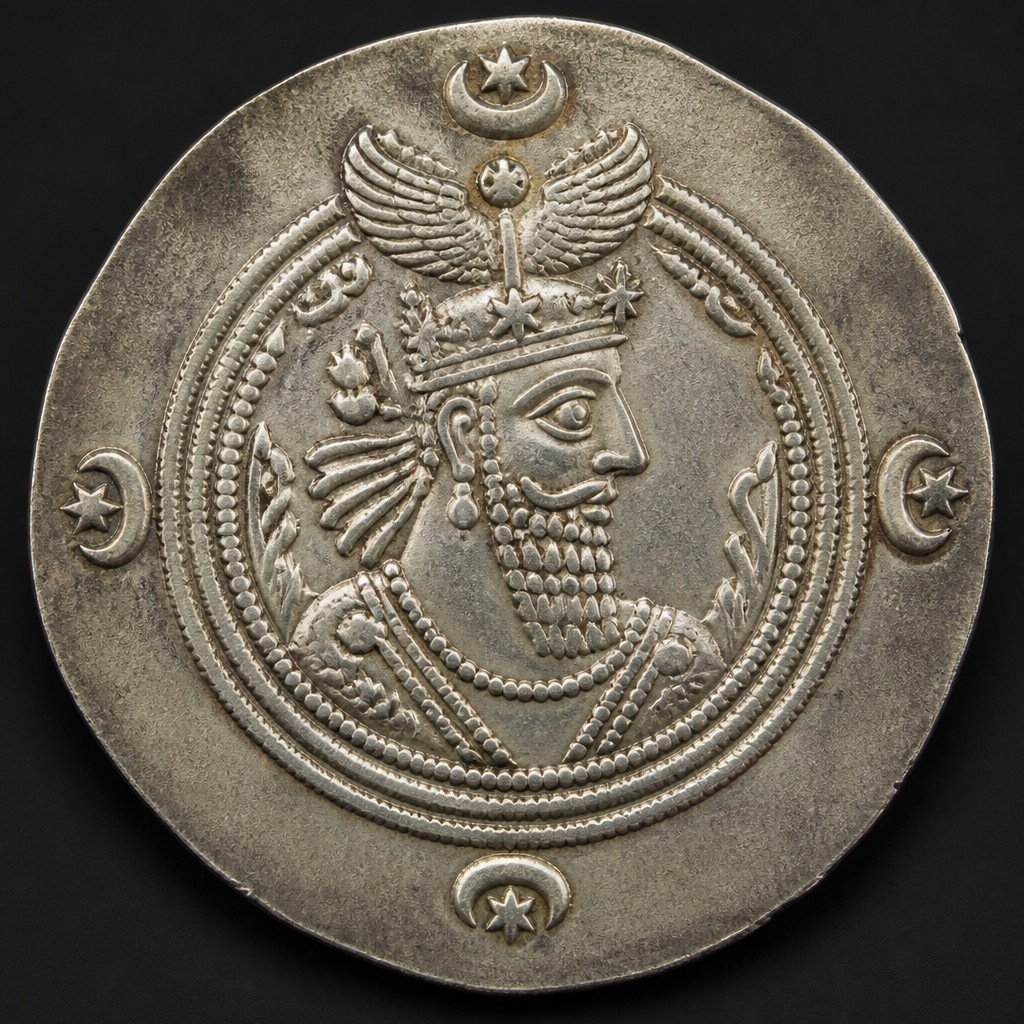
Persian Sassanid Silver Drachm
c. 224–651 AD
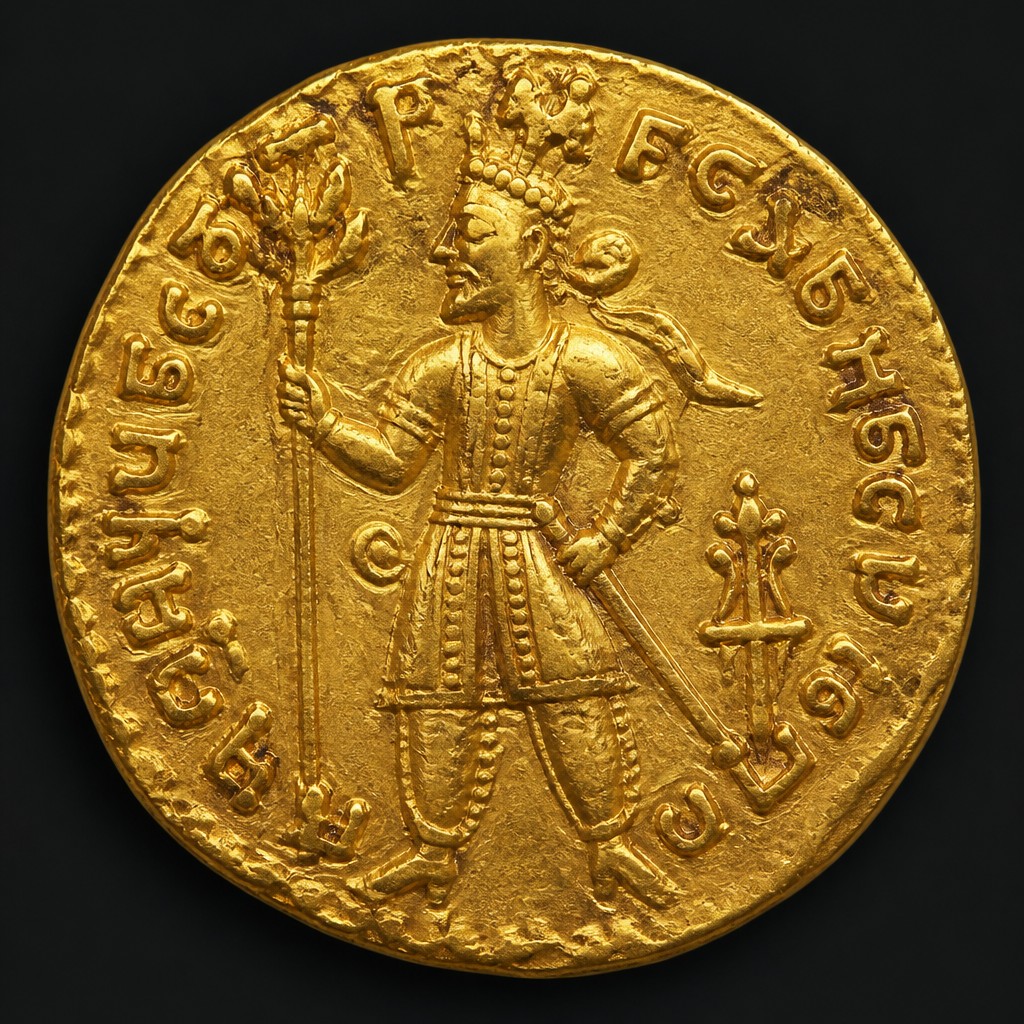
Kushan Gold Dinar
c. 1st–3rd century CE
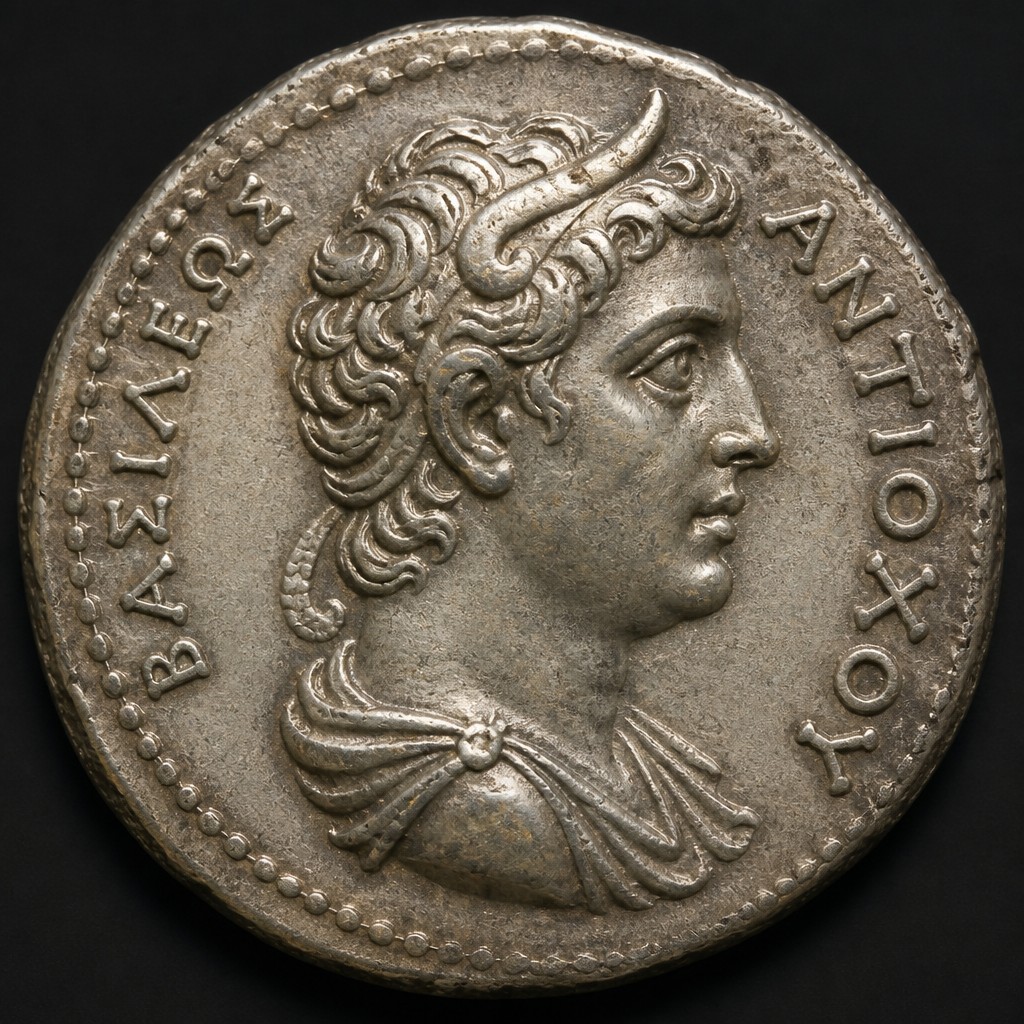
Bactrian Silver Tetradrachm
c. 250–125 BC
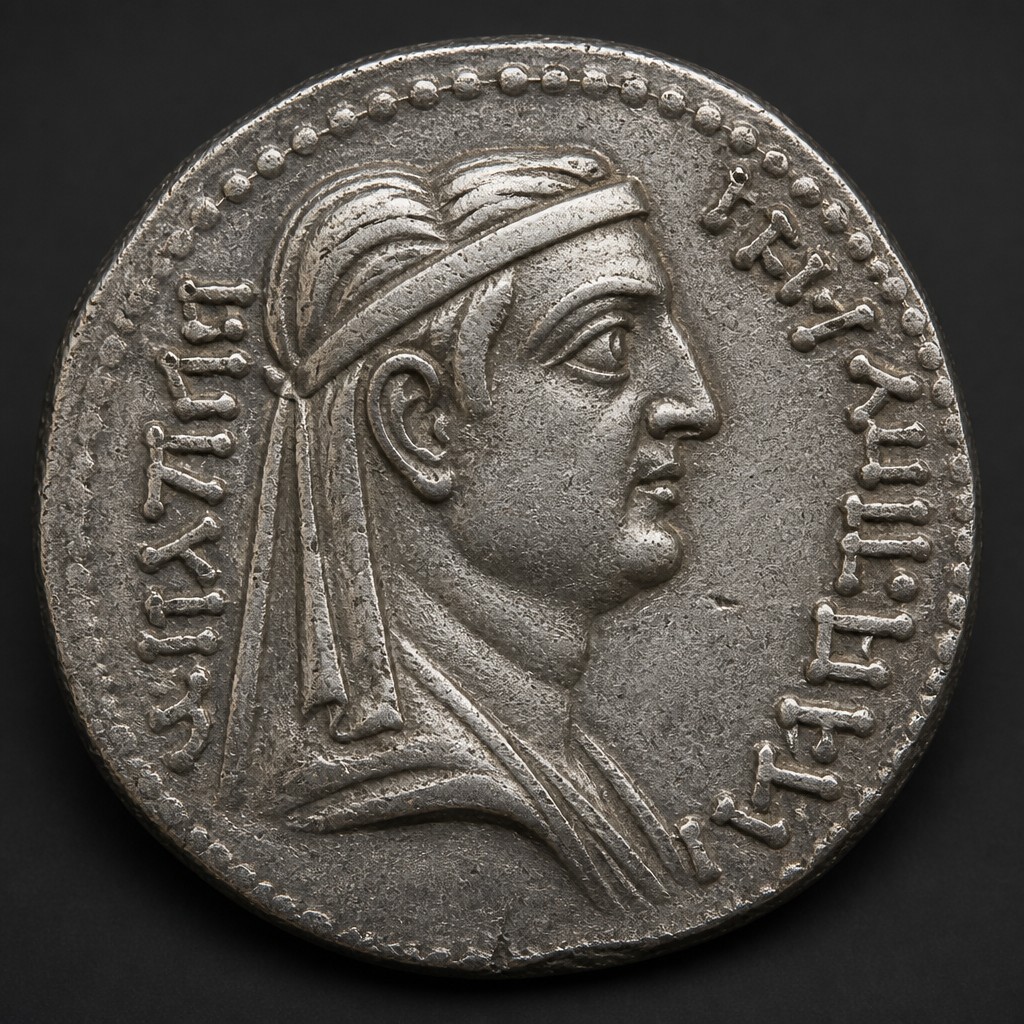
Nabataean Silver Drachm (Aretas IV)
c. 9 BC – 40 AD
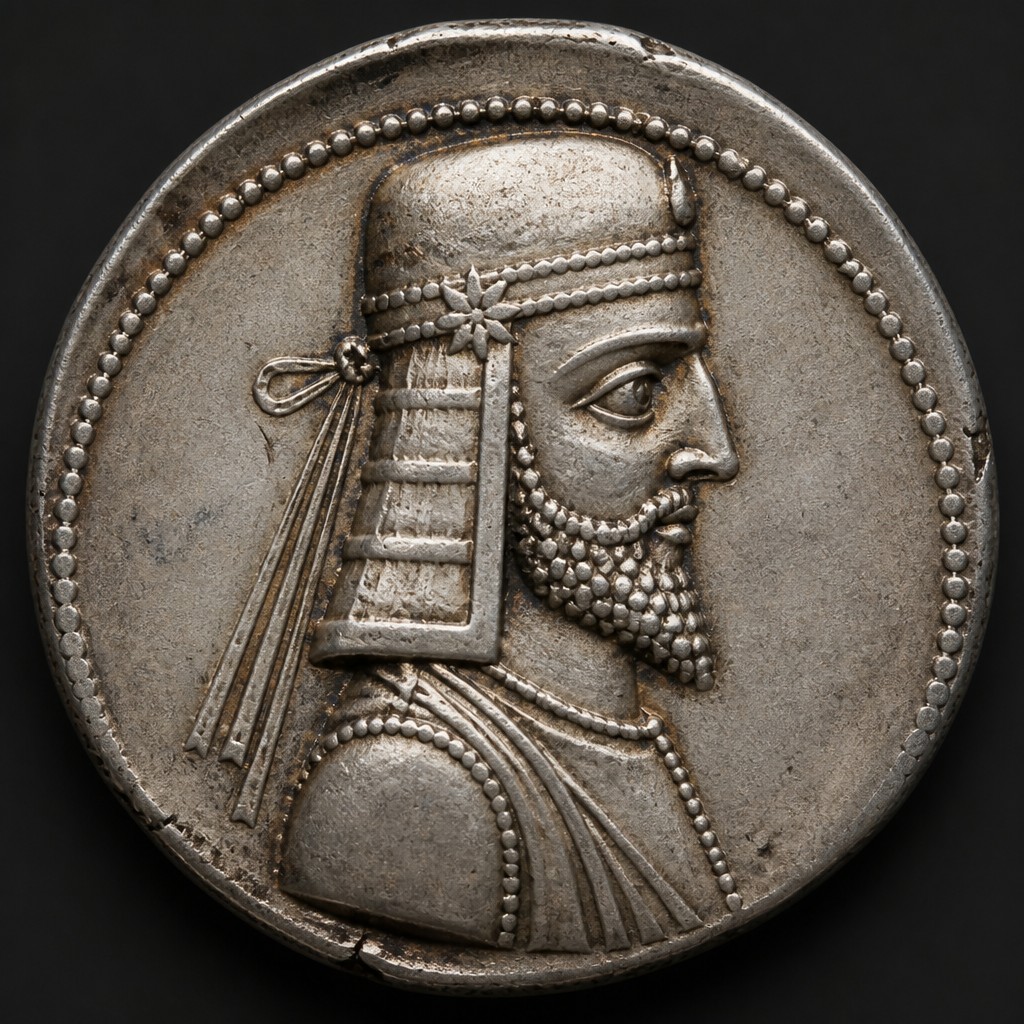
Parthian Silver Drachm
247 BC – 224 AD
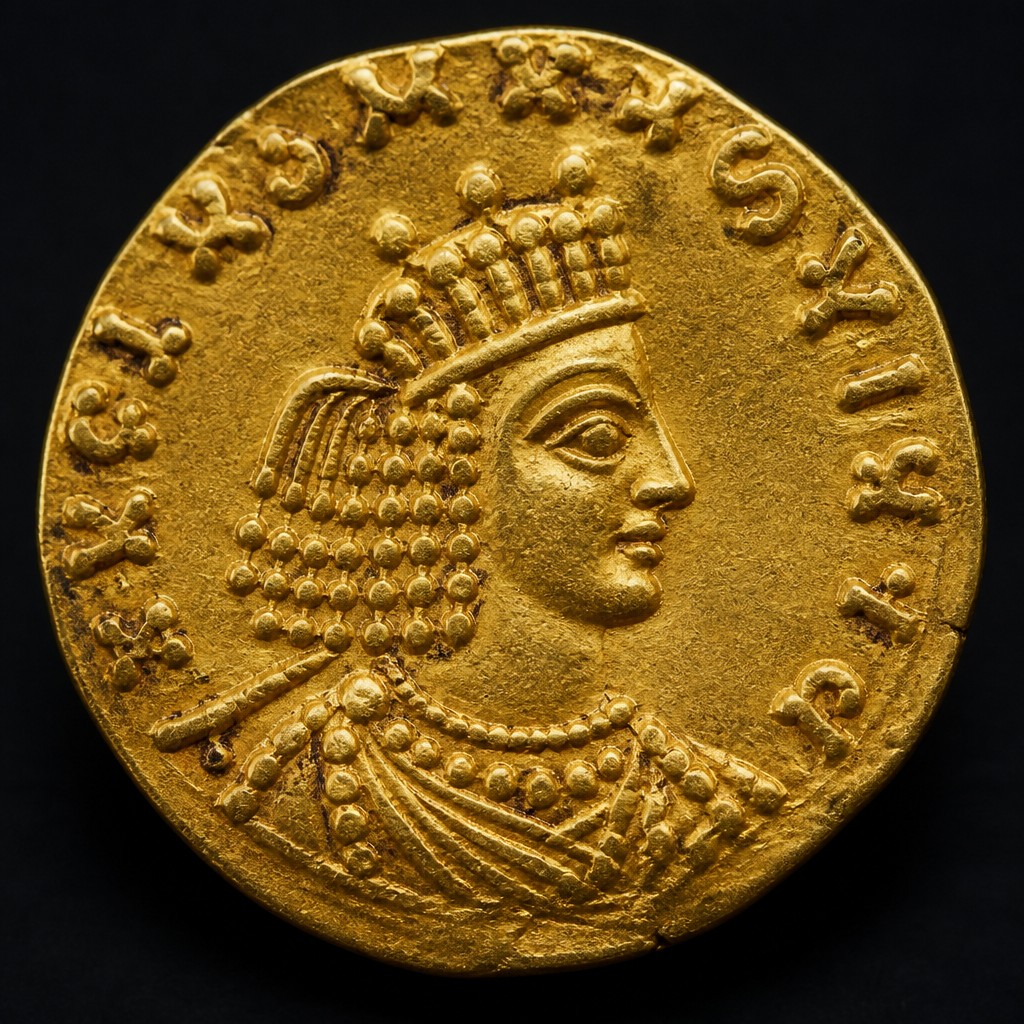
Aksumite Gold Coin of Ezana
c. 320s–360s AD
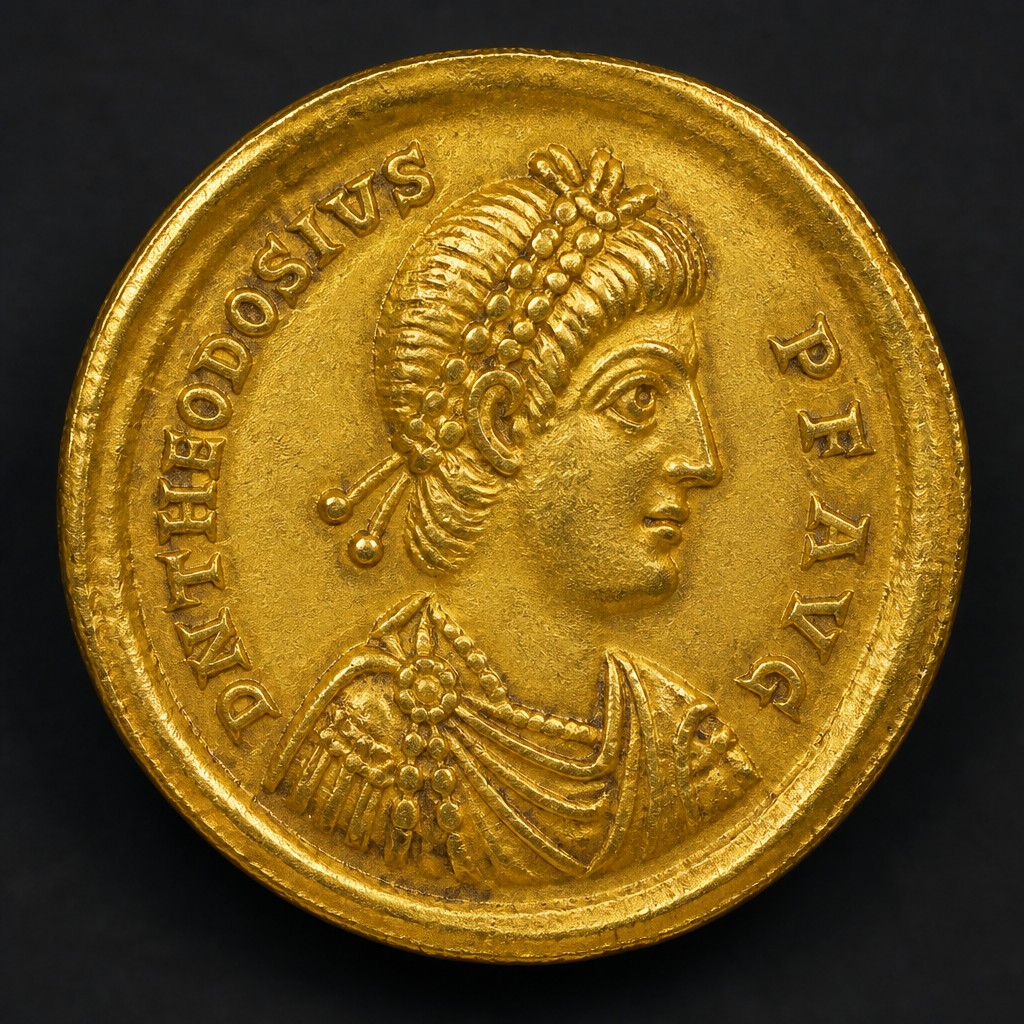
Theodosius I Solidus
379–395 AD
Republican Victoriatus
c. 211–170 BC
Islamic Gold Dinar (Umayyad)
c. 696–750 AD
Magnentius Double Centenionalis
350–353 AD
Chinese Wu Zhu Cash
118 BC – 618 AD
Valentinian I Solidus
364–375 AD