
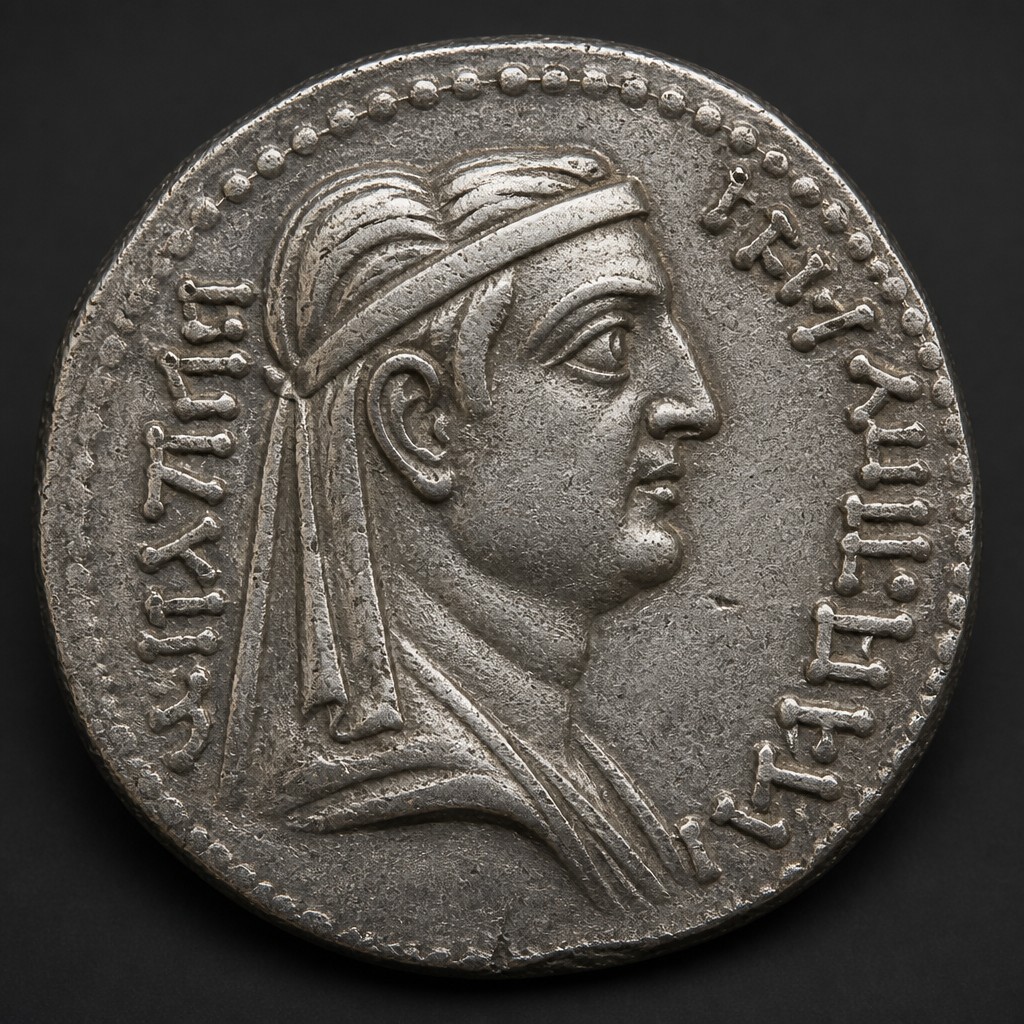
Nabataean Silver Drachm (Aretas IV)
Silver coin of Aretas IV, the most powerful king of the Nabataean Kingdom centered on Petra, often showing his portrait jugate with Queen Shaquilat.
- Country
- Nabataean Kingdom (Petra, Arabia/Jordan)
- Denomination
- Drachm
- Metal
- Silver, sometimes debased (billon)
Got a coin like this?
Identify any coin from a photo, free.
Overview
The silver drachm of King Aretas IV represents the coinage of the Nabataean Kingdom at the height of its power and prosperity. The Nabataeans were an Arab trading people centered on the spectacular rock-cut city of Petra, whose wealth derived largely from controlling lucrative incense and spice trade routes across Arabia.
Aretas IV, who reigned for roughly half a century from around 9 BC to 40 AD, oversaw the kingdom's economic and cultural peak, reflected in an active coinage program that blended Hellenistic minting conventions with distinctly Nabataean Aramaic script and iconography. His coins frequently pair his own portrait with that of his queen, Shaquilat, an unusual and notable feature for the period.
Aretas IV also holds a place in biblical history, being mentioned in the New Testament in connection with the apostle Paul's escape from Damascus, adding an additional layer of historical interest to his coinage for collectors interested in the ancient Near East.
History & Background
The Nabataean Kingdom developed from a loose Arab tribal confederation into a sophisticated trading state controlling caravan routes carrying frankincense, myrrh, and other valuable goods between Arabia and the Mediterranean world. Its capital, Petra, carved into desert cliffs in modern Jordan, became renowned for its wealth and architecture.
Aretas IV, whose full royal title included "Philopatris" (lover of his people), ruled during a period of relative peace and prosperity, maintaining careful diplomatic relationships with neighboring powers including the Herodian rulers of Judea and the Roman Empire. His long reign allowed for an extensive and relatively well-documented coinage.
The Nabataean Kingdom eventually lost its independence when it was annexed by the Roman Empire in 106 AD under Emperor Trajan, becoming the Roman province of Arabia Petraea, after which distinctly Nabataean coinage ceased.
How to Identify
The obverse of Aretas IV's silver drachms typically shows jugate (overlapping, facing the same direction) busts of the king and Queen Shaquilat, a distinctive and relatively rare numismatic convention that emphasizes the joint prominence of the royal couple.
The reverse carries a legend written in the Nabataean Aramaic script, a distinctive alphabet related to Arabic, naming the king and queen along with regnal information, rather than the Greek legends typical of many neighboring Hellenistic-influenced coinages. This script is one of the clearest identifying features distinguishing Nabataean coins from contemporary Judean, Roman, or Greek issues.
The coins are small silver pieces, and over the course of Nabataean coinage more broadly, fineness declined over time, with later issues showing increased debasement into low-grade billon. Collectors distinguish genuine Nabataean drachms of Aretas IV from other regional issues primarily through the distinctive jugate royal portraits and the presence of Nabataean Aramaic script rather than Greek or Latin lettering.
Value & Collectibility
Nabataean coins of Aretas IV are moderately available to collectors of ancient Near Eastern coinage, with prices for average-condition silver drachms typically ranging from the low hundreds of dollars, while well-struck, clearly detailed examples with sharp jugate portraits command higher prices.
The series draws particular interest from collectors interested in biblical numismatics due to Aretas IV's mention in the New Testament, which can add a premium of historical interest beyond the coin's intrinsic silver content or artistic merit.
Condition, strike sharpness, and legibility of the Nabataean Aramaic legend are the primary value drivers, since many surviving examples are somewhat crudely struck or off-center due to the technical limitations of Nabataean minting practices.
Frequently asked questions
Who was Aretas IV?
He was the most powerful and longest-reigning king of the Nabataean Kingdom, ruling from Petra for roughly fifty years around the turn of the first century AD.
Why does the coin show two portraits?
It depicts jugate busts of Aretas IV and his queen, Shaquilat, an unusual convention emphasizing the joint authority of the royal couple.
What script appears on Nabataean coins?
They carry legends in Nabataean Aramaic, a distinctive script related to Arabic, rather than the Greek used on many neighboring coinages.
Why is Aretas IV mentioned in the Bible?
The New Testament references an ethnarch under Aretas IV in connection with the apostle Paul's escape from Damascus, described in 2 Corinthians.
When did Nabataean coinage end?
It ended after Rome annexed the Nabataean Kingdom in 106 AD, turning it into the Roman province of Arabia Petraea.
Other coins you may enjoy
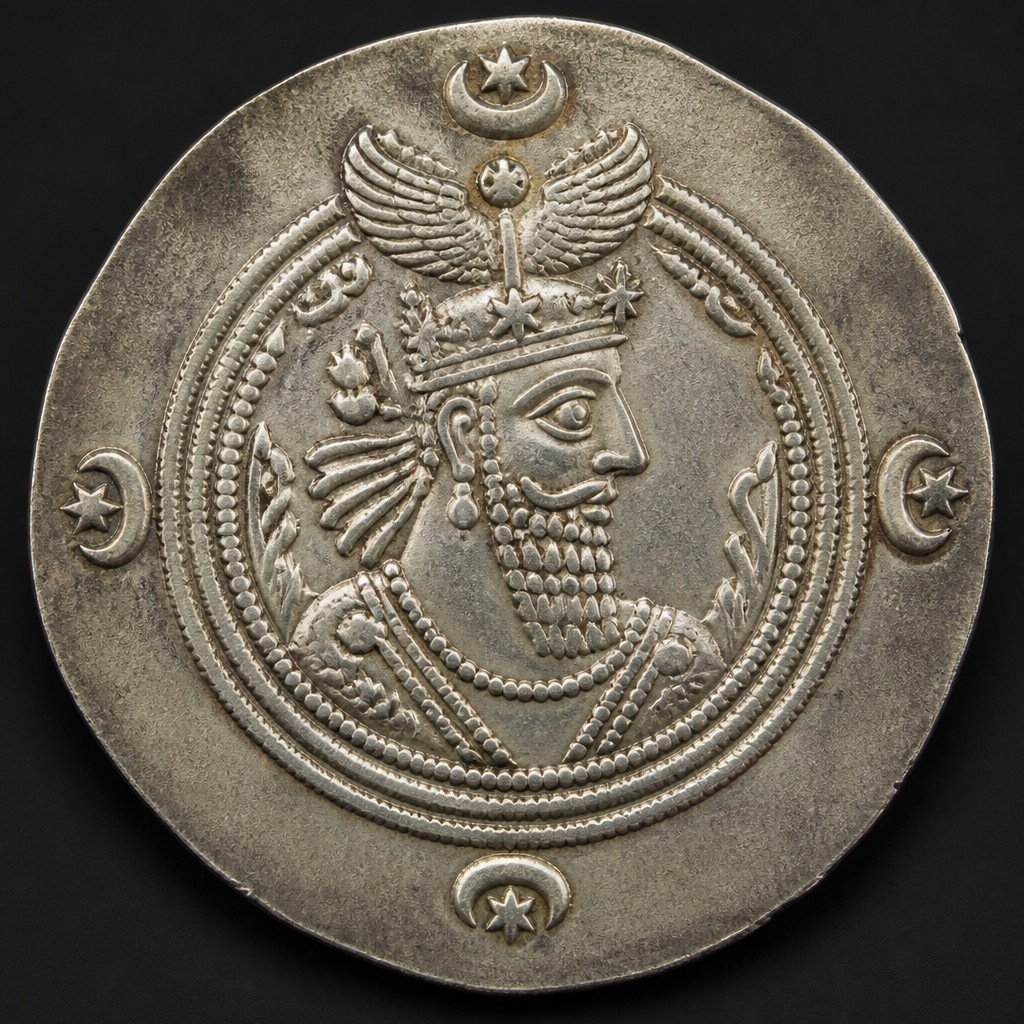
Persian Sassanid Silver Drachm
c. 224–651 AD
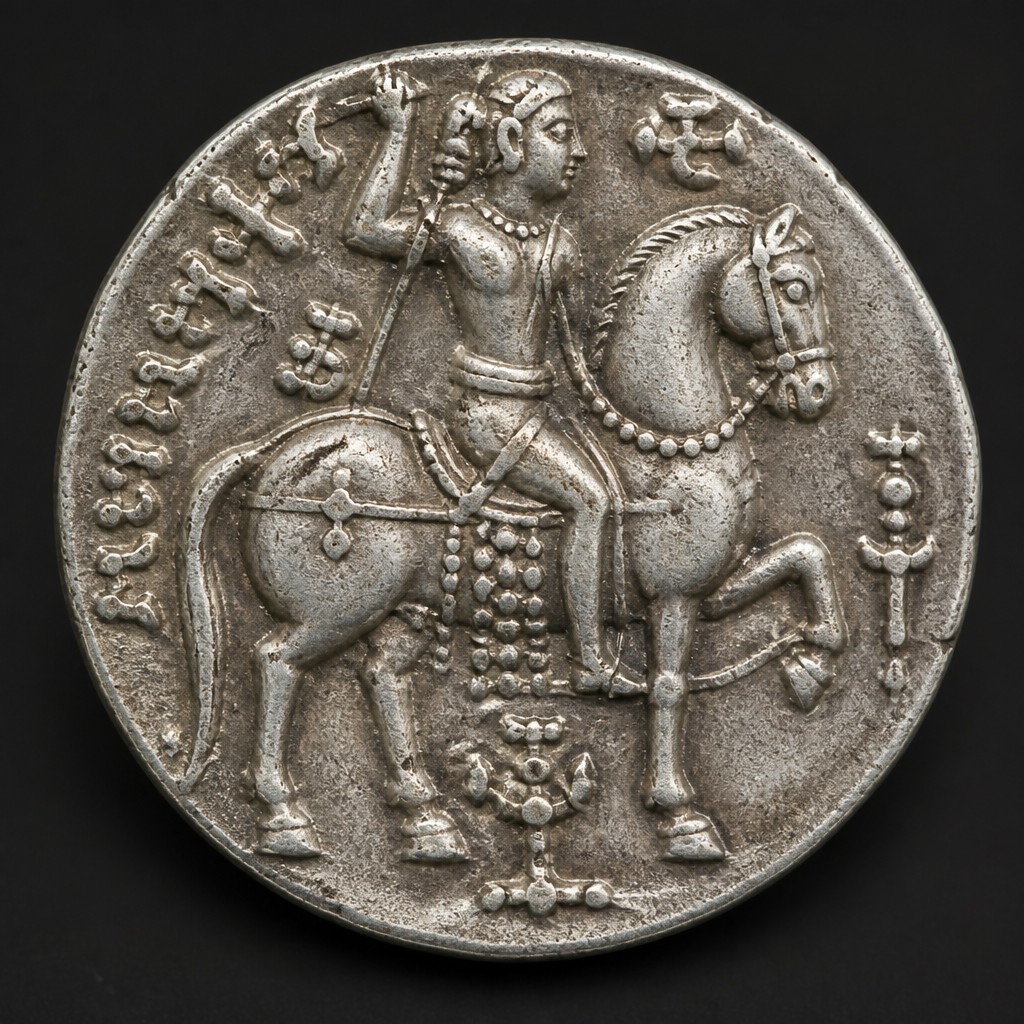
Guptas 'Horseman' Silver Coin
c. 4th–5th century CE
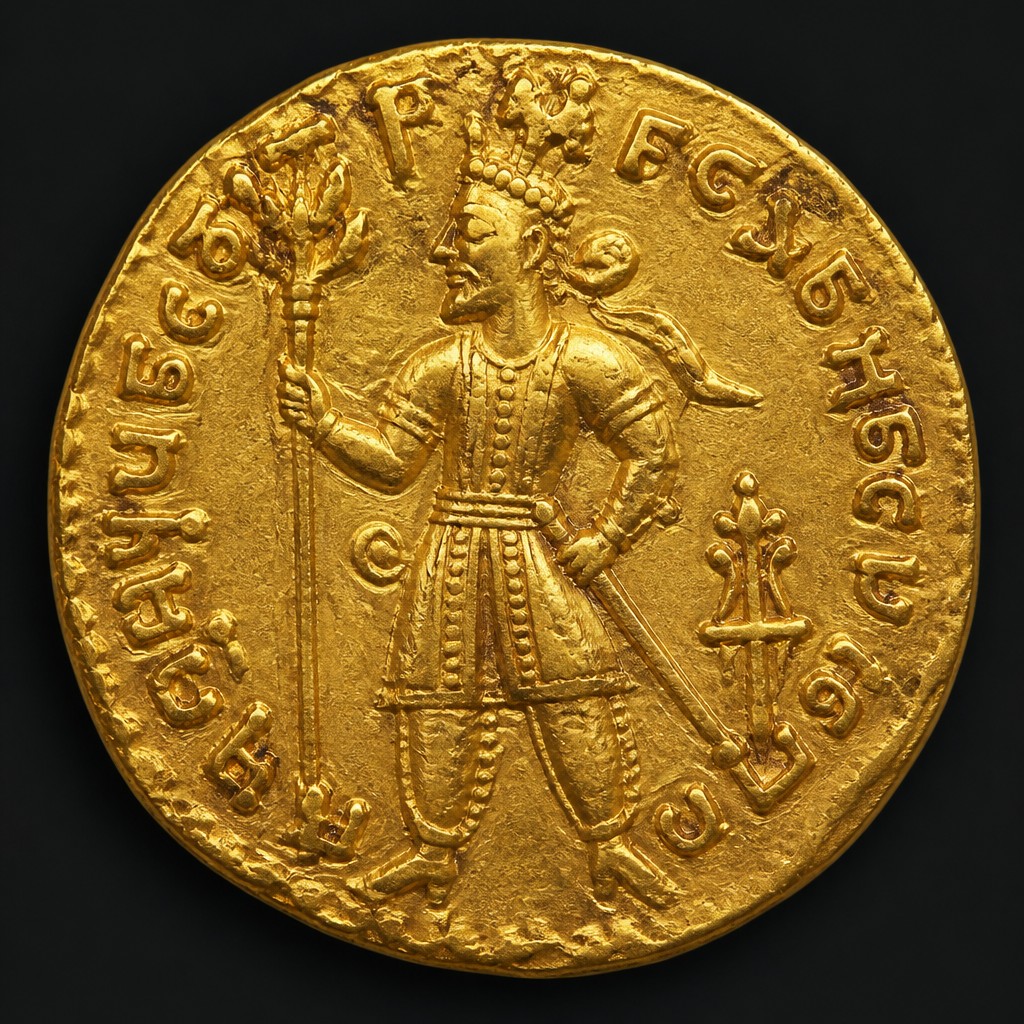
Kushan Gold Dinar
c. 1st–3rd century CE
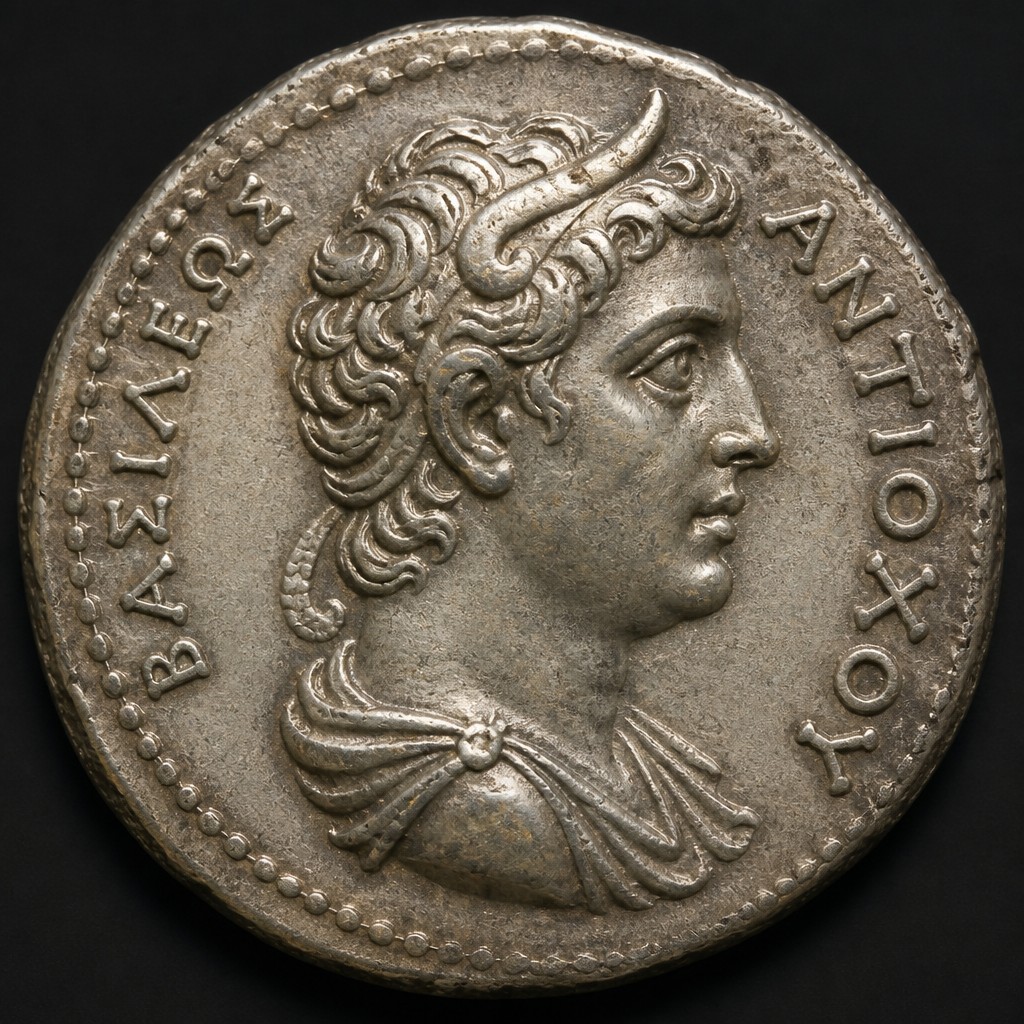
Bactrian Silver Tetradrachm
c. 250–125 BC
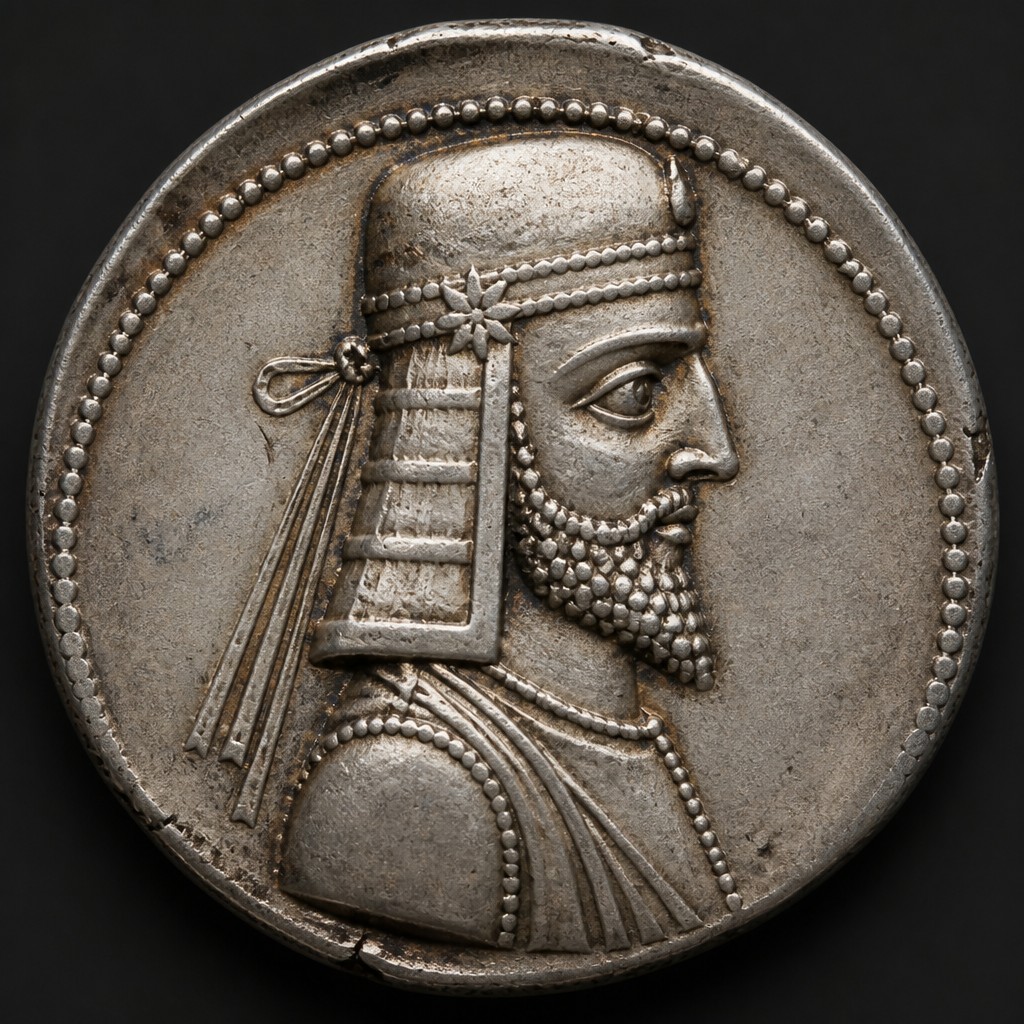
Parthian Silver Drachm
247 BC – 224 AD
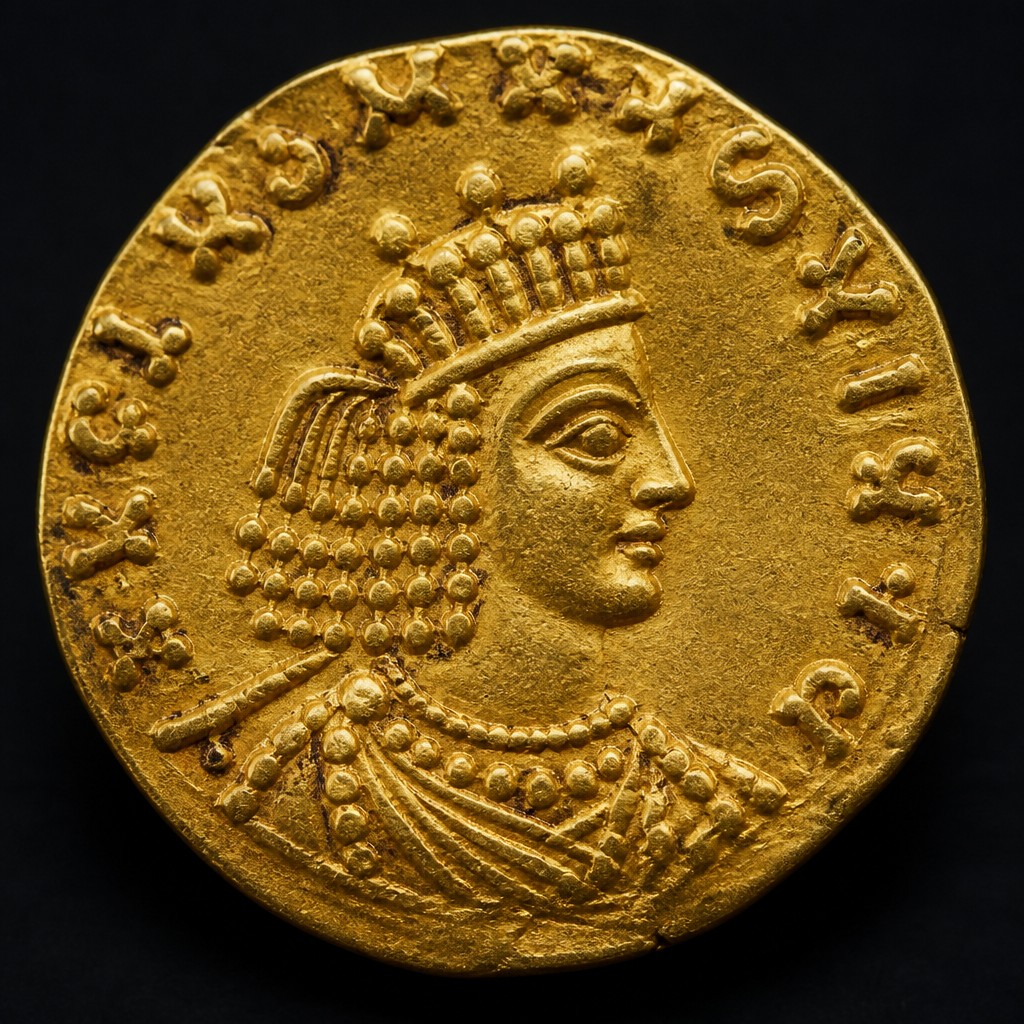
Aksumite Gold Coin of Ezana
c. 320s–360s AD
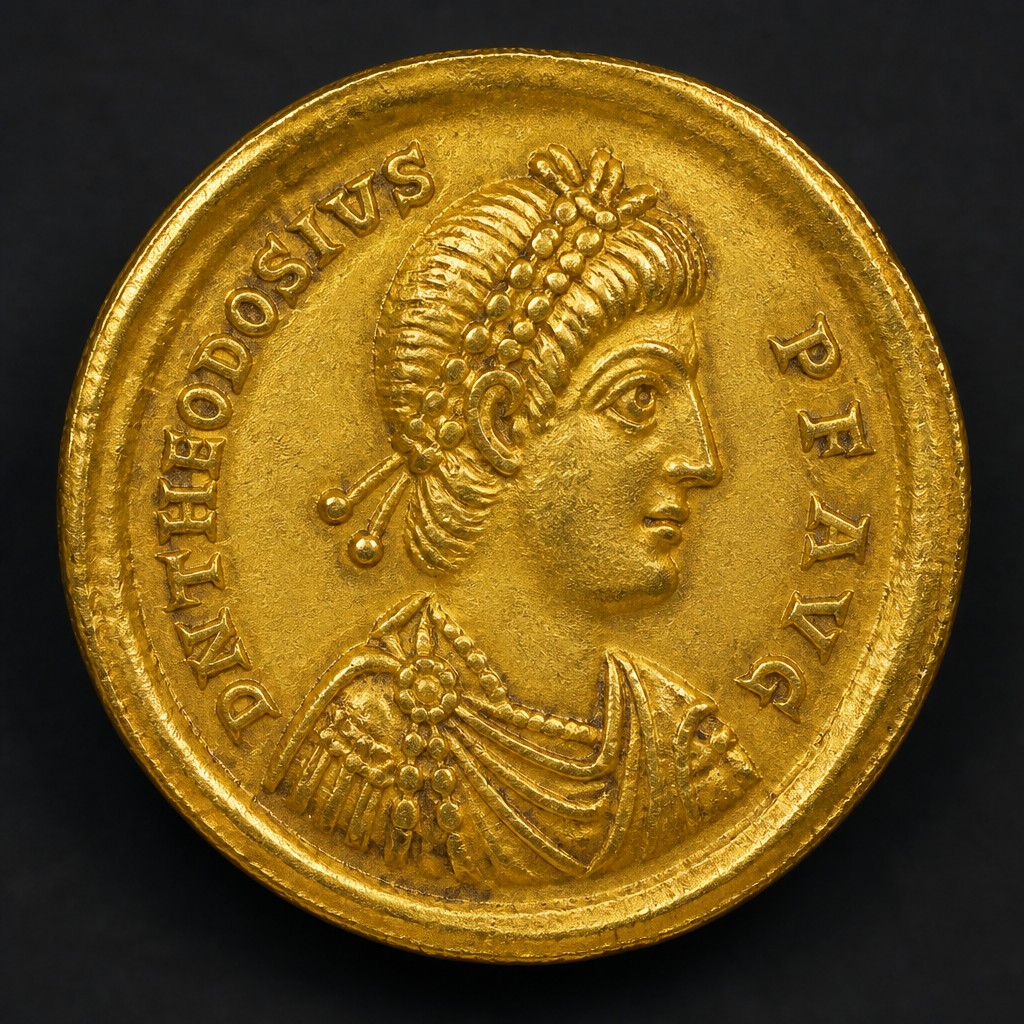
Theodosius I Solidus
379–395 AD
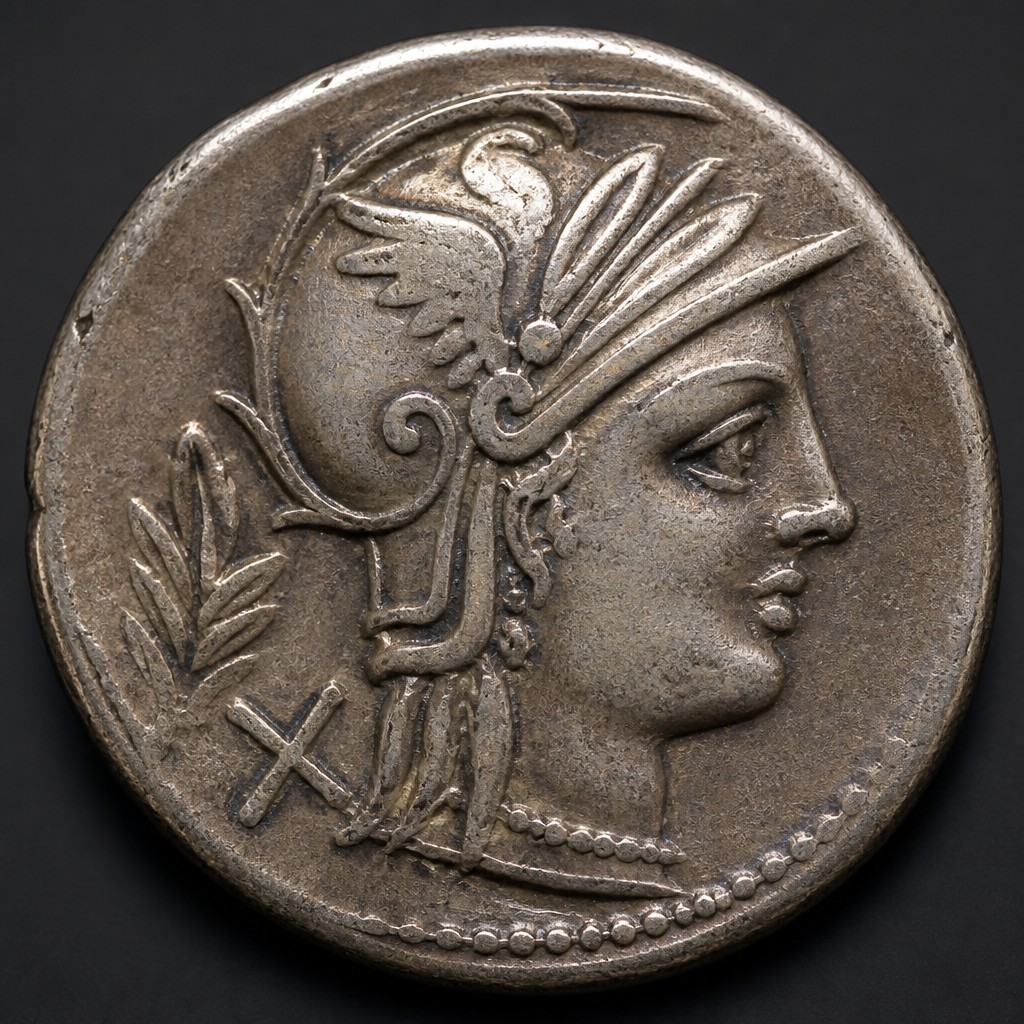
Republican Victoriatus
c. 211–170 BC
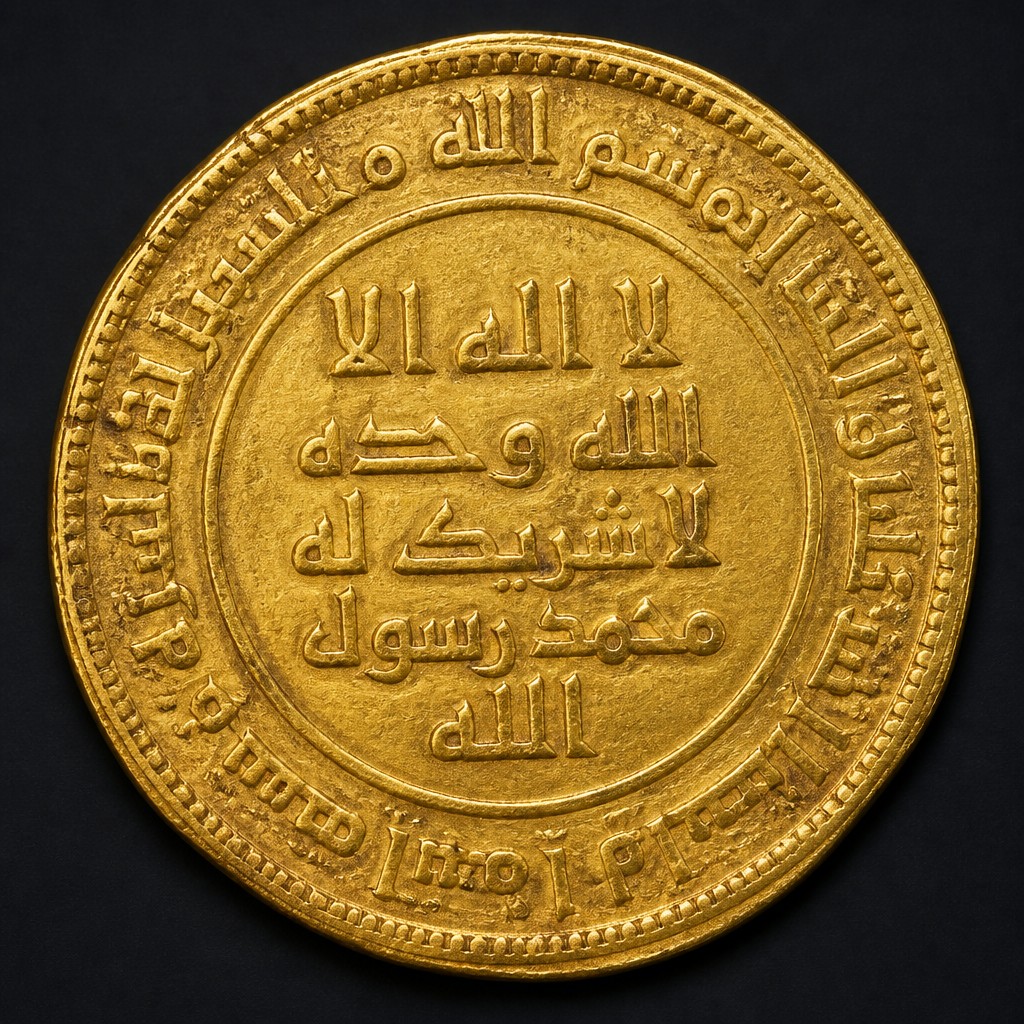
Islamic Gold Dinar (Umayyad)
c. 696–750 AD
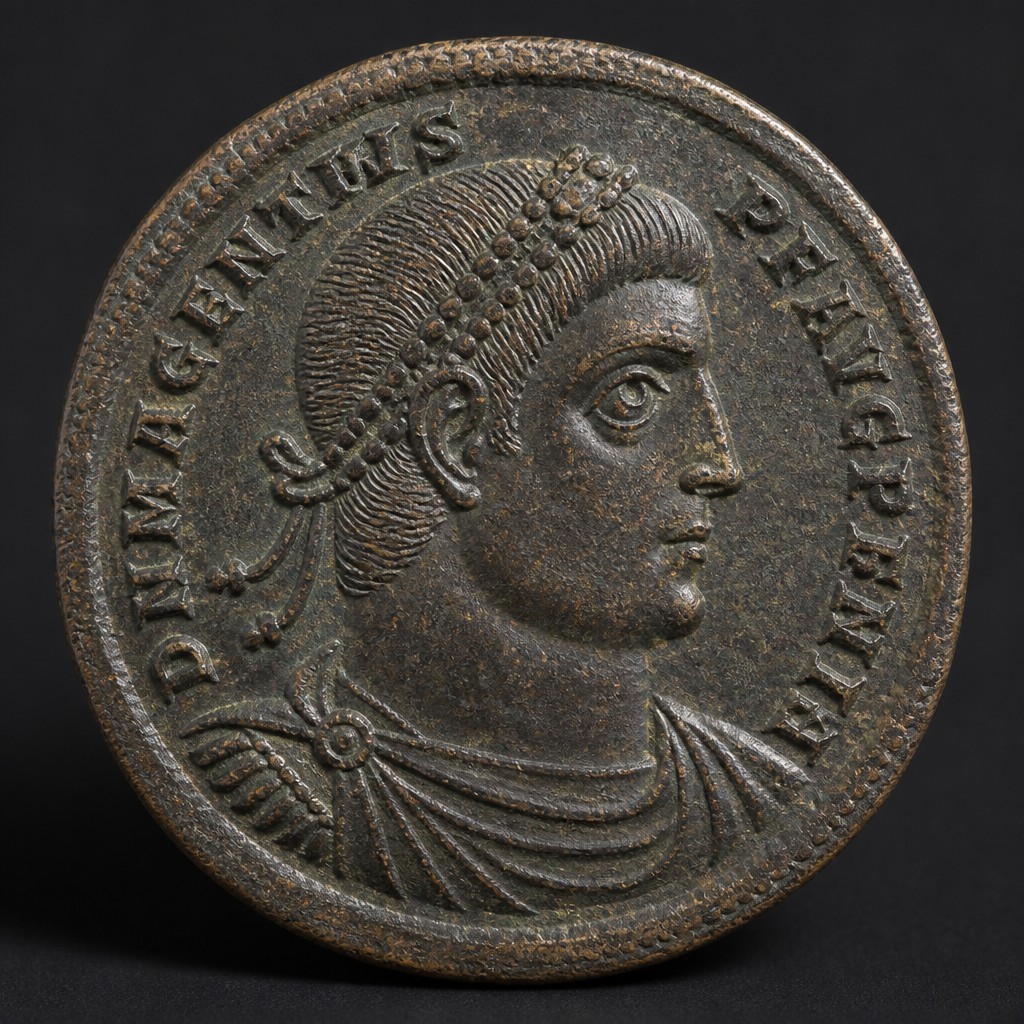
Magnentius Double Centenionalis
350–353 AD
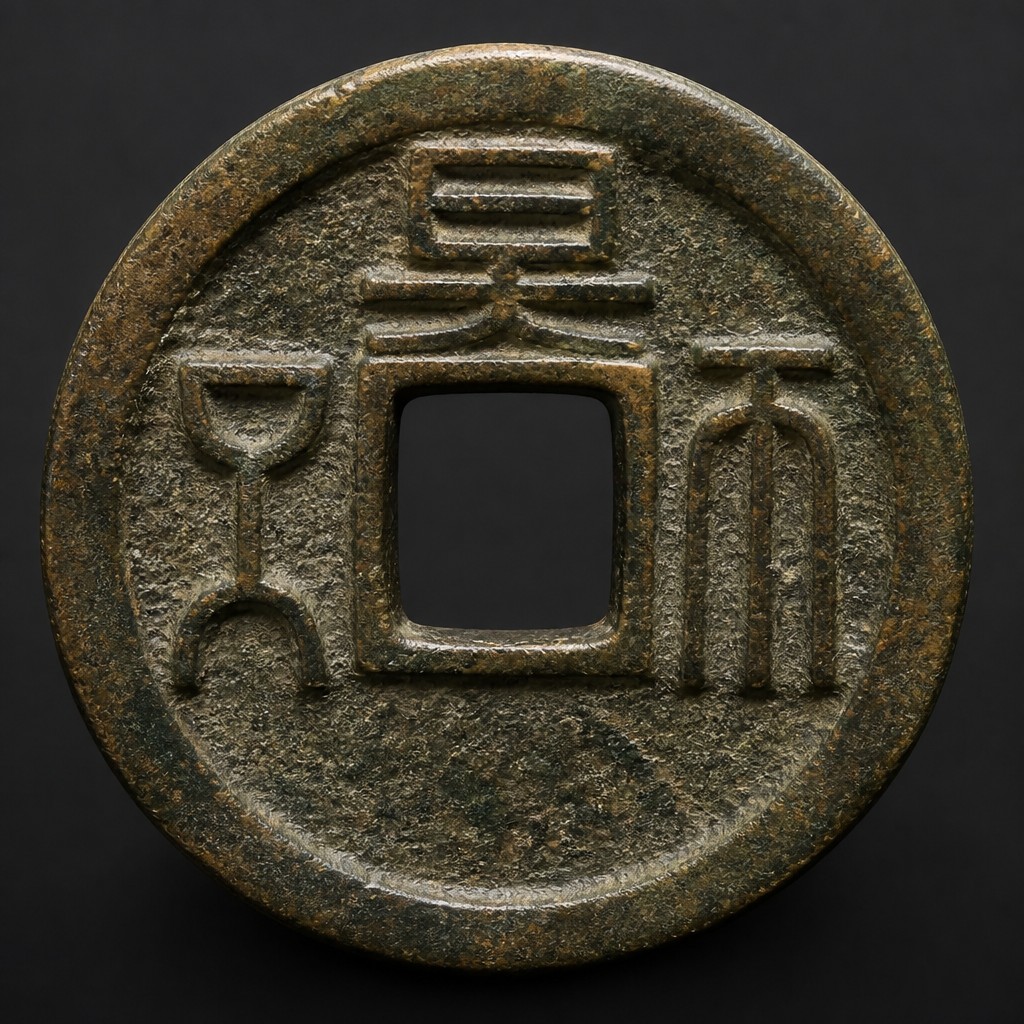
Chinese Wu Zhu Cash
118 BC – 618 AD
Valentinian I Solidus
364–375 AD