
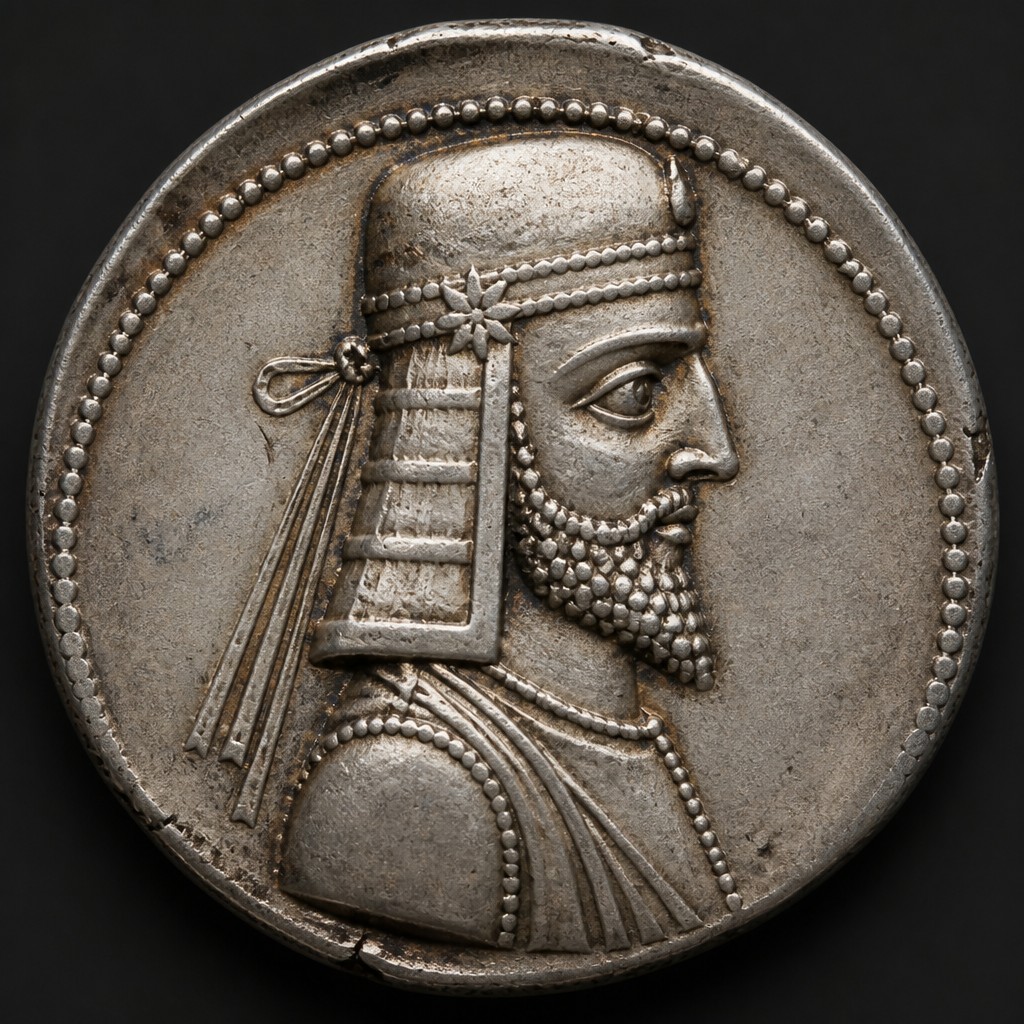
Parthian Silver Drachm
Long-running silver coin of the Parthian Empire, showing the king's portrait on the obverse and the dynasty's founder as a seated archer on the reverse.
- Country
- Parthian Empire (Persia)
- Denomination
- Drachm
- Metal
- Silver
Got a coin like this?
Identify any coin from a photo, free.
Overview
The Parthian silver drachm was the most common circulating coin of the Parthian Empire, a major Iranian power that dominated Persia and Mesopotamia for nearly five centuries as a persistent rival to Rome. It was struck almost continuously across dozens of kings, making it one of the longest-running coin types of the ancient world.
The coinage is notable for its remarkable design consistency: nearly every Parthian drachm shows a right-facing royal portrait on the obverse and, on the reverse, a seated archer holding a bow, representing the dynastic founder Arsaces I, regardless of which king actually issued the coin. This conservative design makes the drachm instantly recognizable as Parthian even to non-specialists.
Because Parthian kings frequently adopted the throne name "Arsaces" in addition to their personal names, attributing individual drachms to specific historical rulers relies heavily on subtle differences in portrait style, headgear, and accompanying Greek legends rather than an explicit royal name.
History & Background
The Parthian Empire arose in the mid-third century BC when the Parni, an Iranian nomadic people, took control of the Seleucid satrapy of Parthia under their leader Arsaces I, founding a dynasty that would rule much of the Near East for nearly 500 years. Parthian coinage adopted the artistic conventions of the Hellenistic Greek world it inherited, including Greek legends and portrait styles, even as Parthian culture remained distinctly Iranian.
Throughout the dynasty's long history, drachms were struck at numerous mints, though Ecbatana (modern Hamadan) in western Iran was a particularly important and prolific mint site for the denomination, while larger tetradrachms were generally reserved for the Seleucia mint on the Tigris.
Parthian coinage, including the drachm, ended with the fall of the dynasty in 224 AD, when Ardashir I overthrew the last Parthian king and founded the Sasanian Empire, which introduced its own distinctive coinage.
How to Identify
The obverse of a typical Parthian drachm shows the king's bust facing left, wearing a diadem or, on many issues, an elaborate tiara or headdress, with hair often rendered in long curls or a distinctive beard style depending on the era. Portrait style evolves considerably over the centuries, from relatively naturalistic early Hellenistic-influenced busts to more stylized, frontal, and increasingly Iranian-influenced portraiture in later centuries.
The reverse almost universally depicts a seated figure, generally understood to represent Arsaces I, seated on a throne or omphalos (backless stool) and holding a bow, surrounded by a Greek legend that typically includes royal epithets such as basileos basileon ("king of kings") along with other honorifics, though rarely including the king's actual personal name.
The coins are small silver pieces, typically around 3.5–4.2 grams and 18–20mm in diameter. Because so many Parthian kings shared the throne name Arsaces, precise attribution to a specific historical ruler depends on detailed comparison of portrait features, headgear, and known chronological sequences developed by specialist scholars.
Value & Collectibility
Parthian drachms are among the most affordable and accessible ancient coins available to collectors, since the dynasty struck them in vast quantities over centuries, with common types often available for modest sums, frequently well under a hundred dollars in worn condition. Well-struck, sharply centered examples with clear portraits command higher premiums.
Rarity and value increase significantly for coins of specific, well-identified kings, especially those from shorter or more historically significant reigns, or coins with unusual reverse variations or countermarks.
Because attribution to a specific Parthian king can be uncertain even for specialists, drachms with confirmed, well-documented attributions to a particular named ruler tend to be more desirable and valuable than generically catalogued examples.
Frequently asked questions
Why does the reverse always show a seated archer?
The seated archer represents Arsaces I, the dynasty's founder, and Parthian kings retained this reverse type as a mark of dynastic continuity across nearly five centuries.
Why is it hard to identify which king issued a drachm?
Many Parthian kings used the throne name Arsaces rather than their personal name, so attribution relies on comparing portrait style and headgear rather than reading an explicit name.
What metal and weight is a typical Parthian drachm?
It is a small silver coin, generally around 3.5 to 4.2 grams and roughly 18 to 20mm in diameter.
When did Parthian coinage end?
It ended in 224 AD when Ardashir I overthrew the last Parthian king and established the Sasanian Empire.
Are Parthian drachms expensive to collect?
No, common types are among the more affordable ancient coins due to their long production run and large surviving quantities.
Other coins you may enjoy
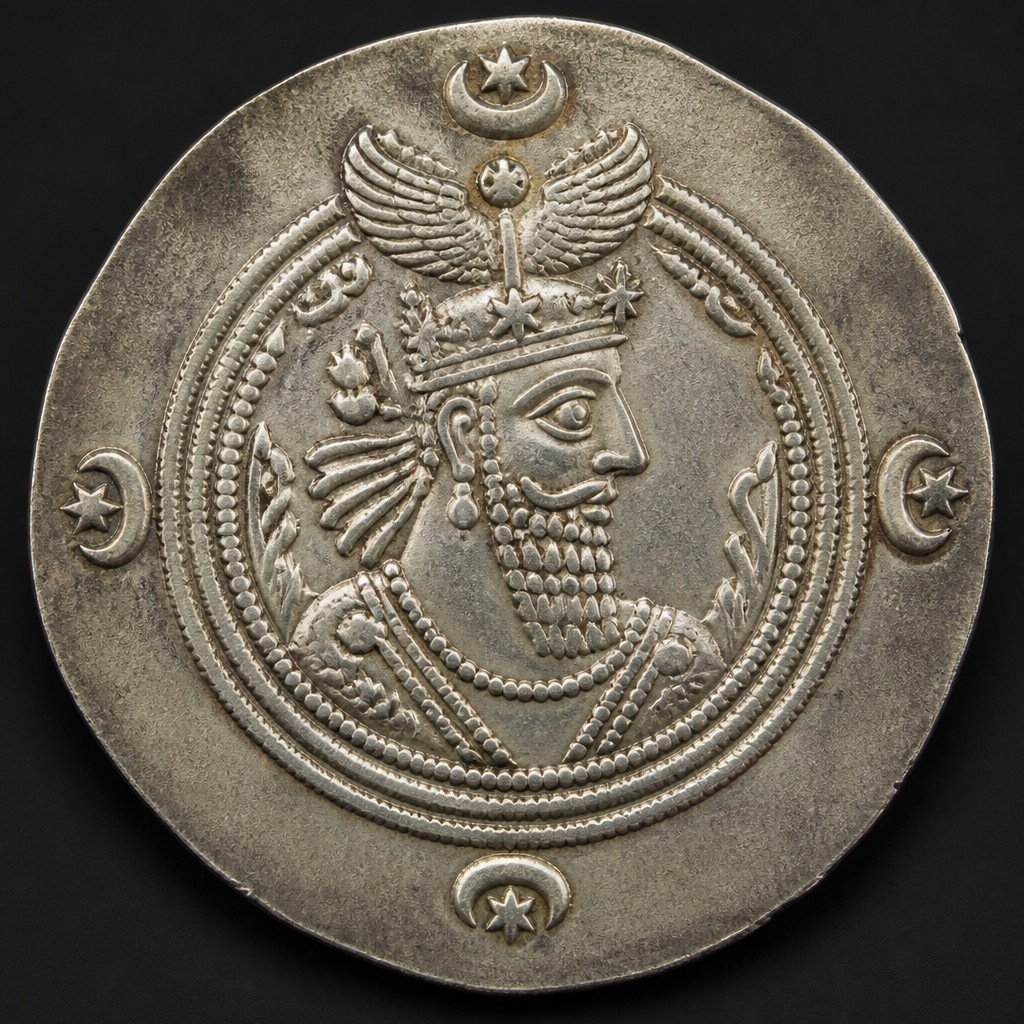
Persian Sassanid Silver Drachm
c. 224–651 AD
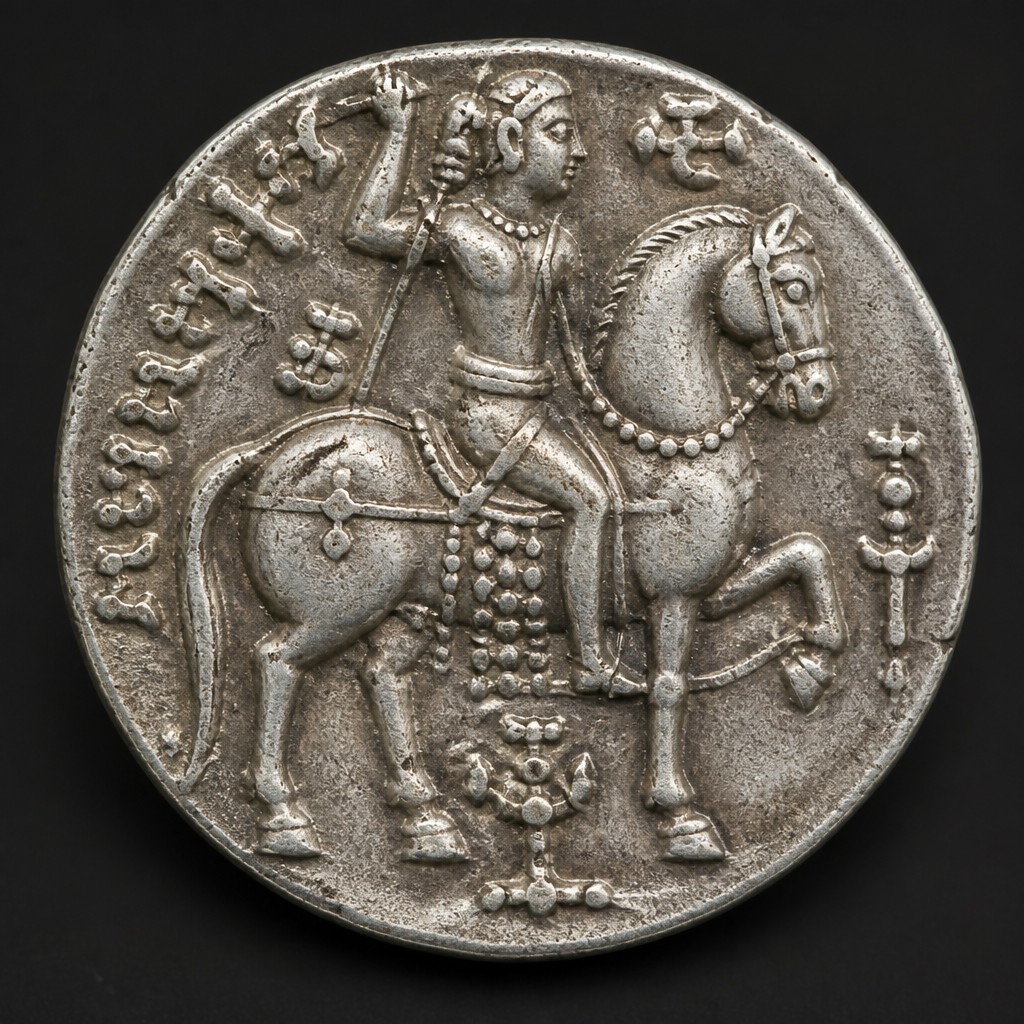
Guptas 'Horseman' Silver Coin
c. 4th–5th century CE
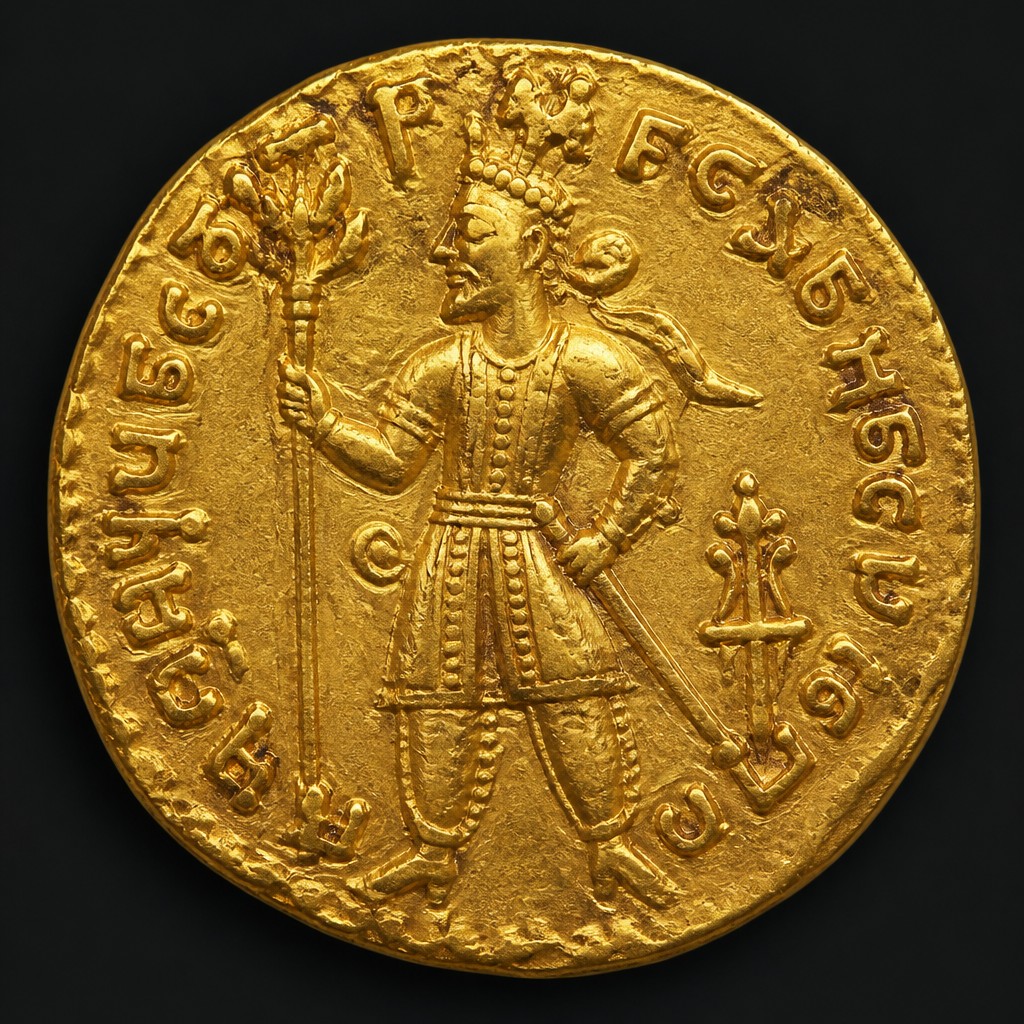
Kushan Gold Dinar
c. 1st–3rd century CE
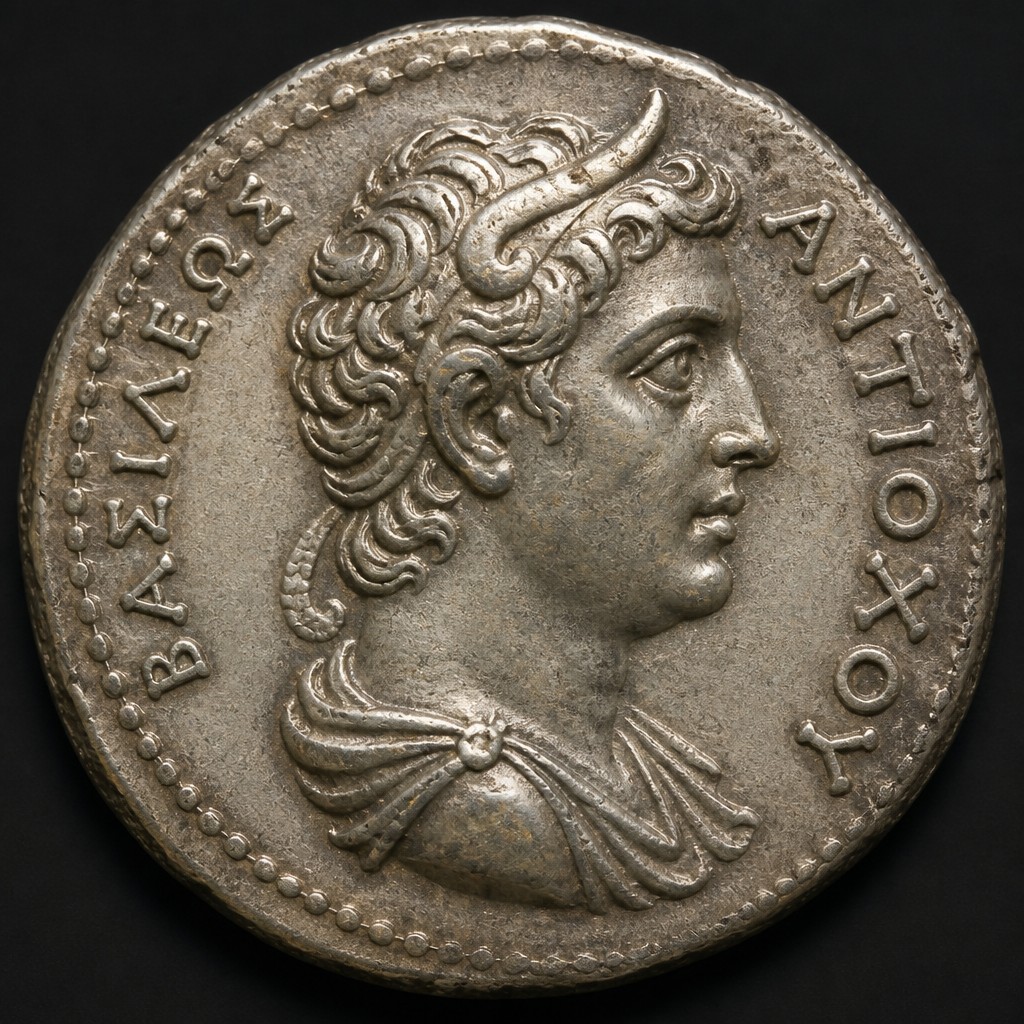
Bactrian Silver Tetradrachm
c. 250–125 BC
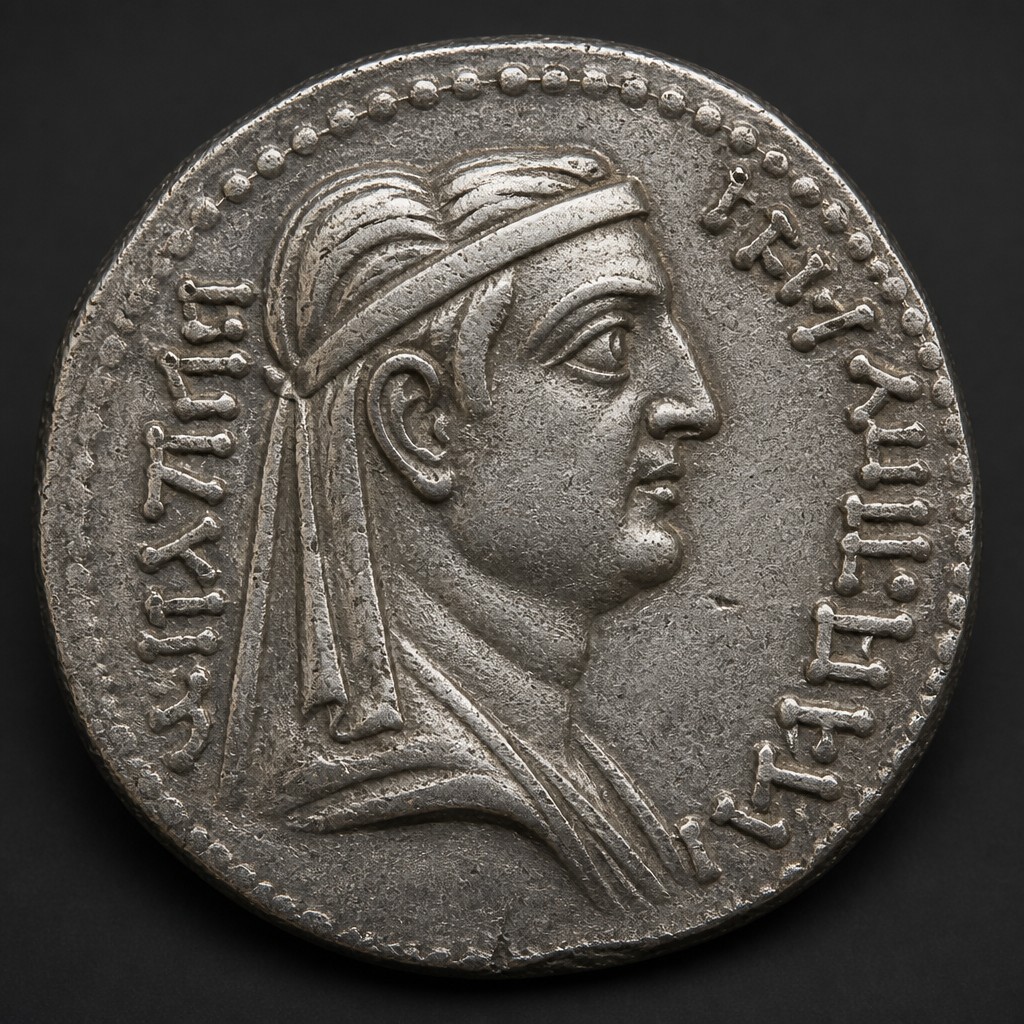
Nabataean Silver Drachm (Aretas IV)
c. 9 BC – 40 AD
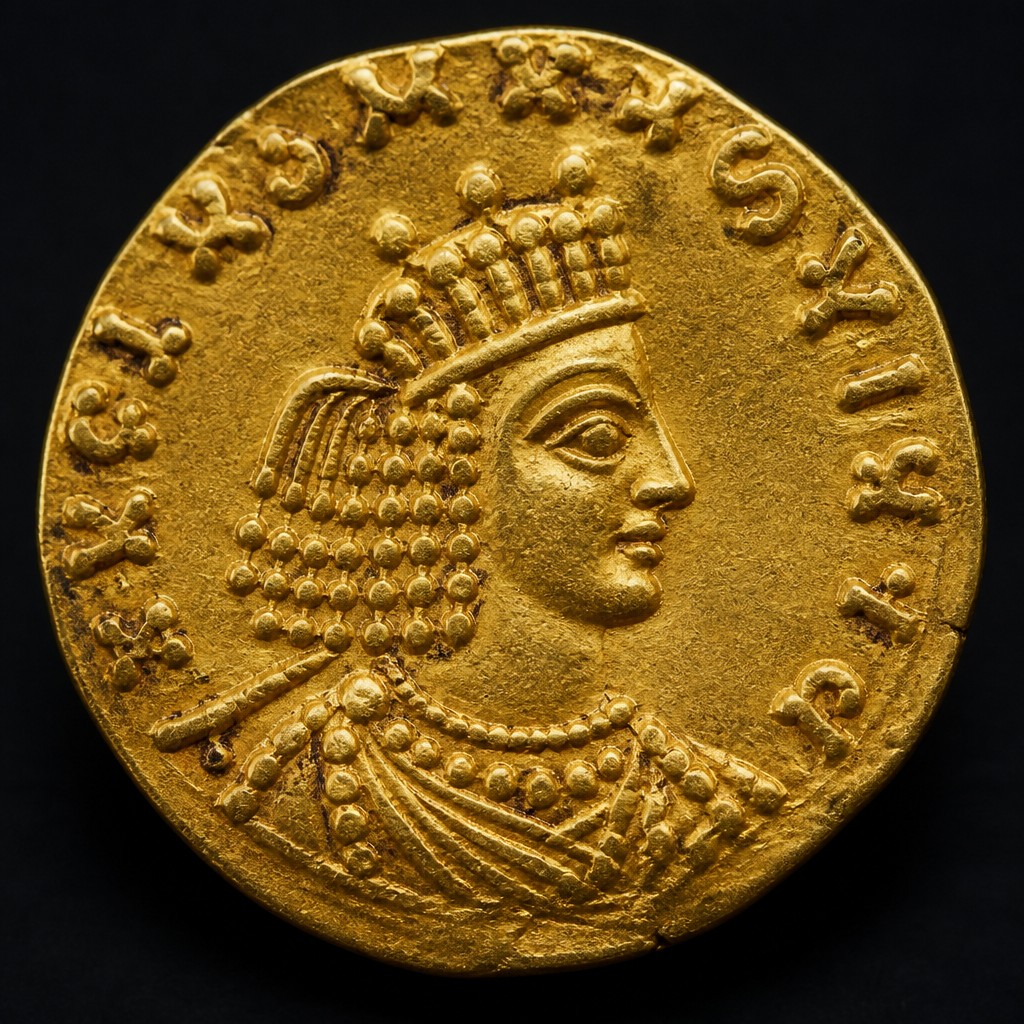
Aksumite Gold Coin of Ezana
c. 320s–360s AD
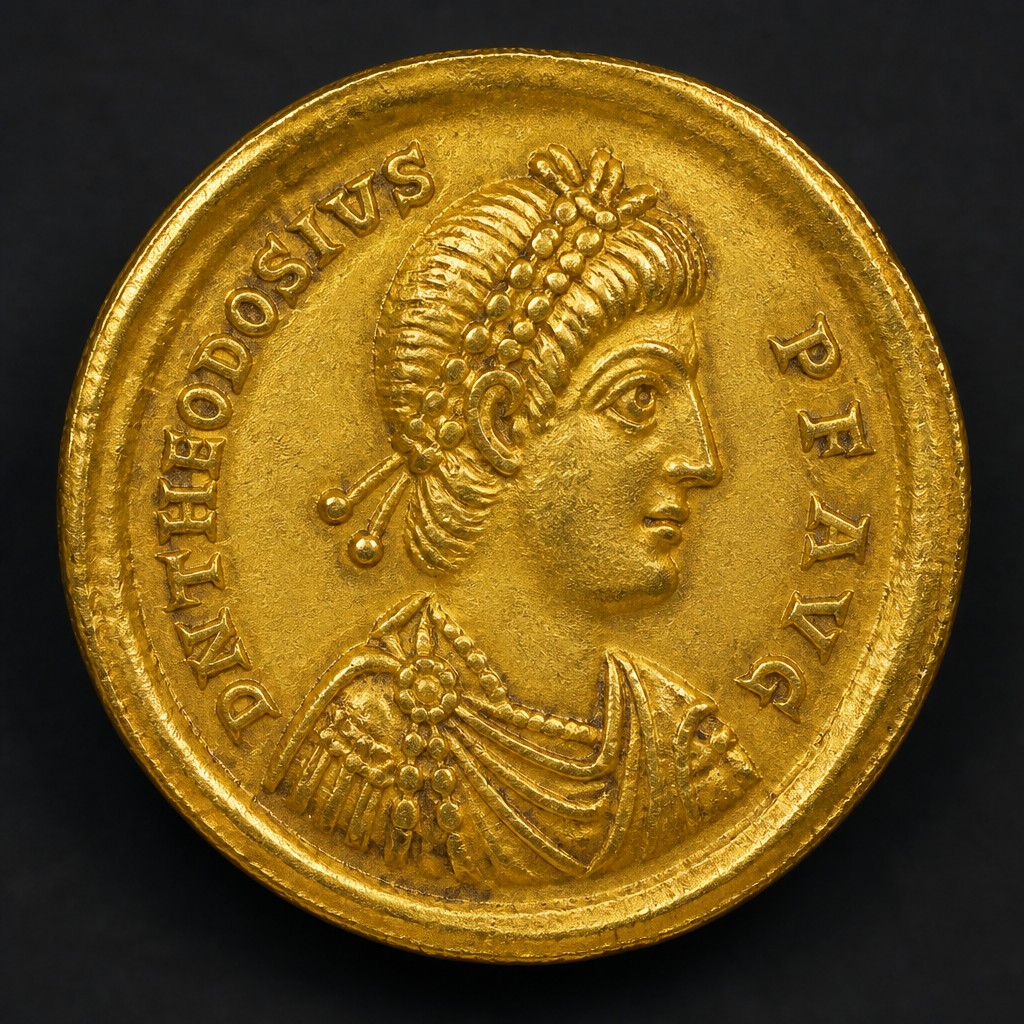
Theodosius I Solidus
379–395 AD
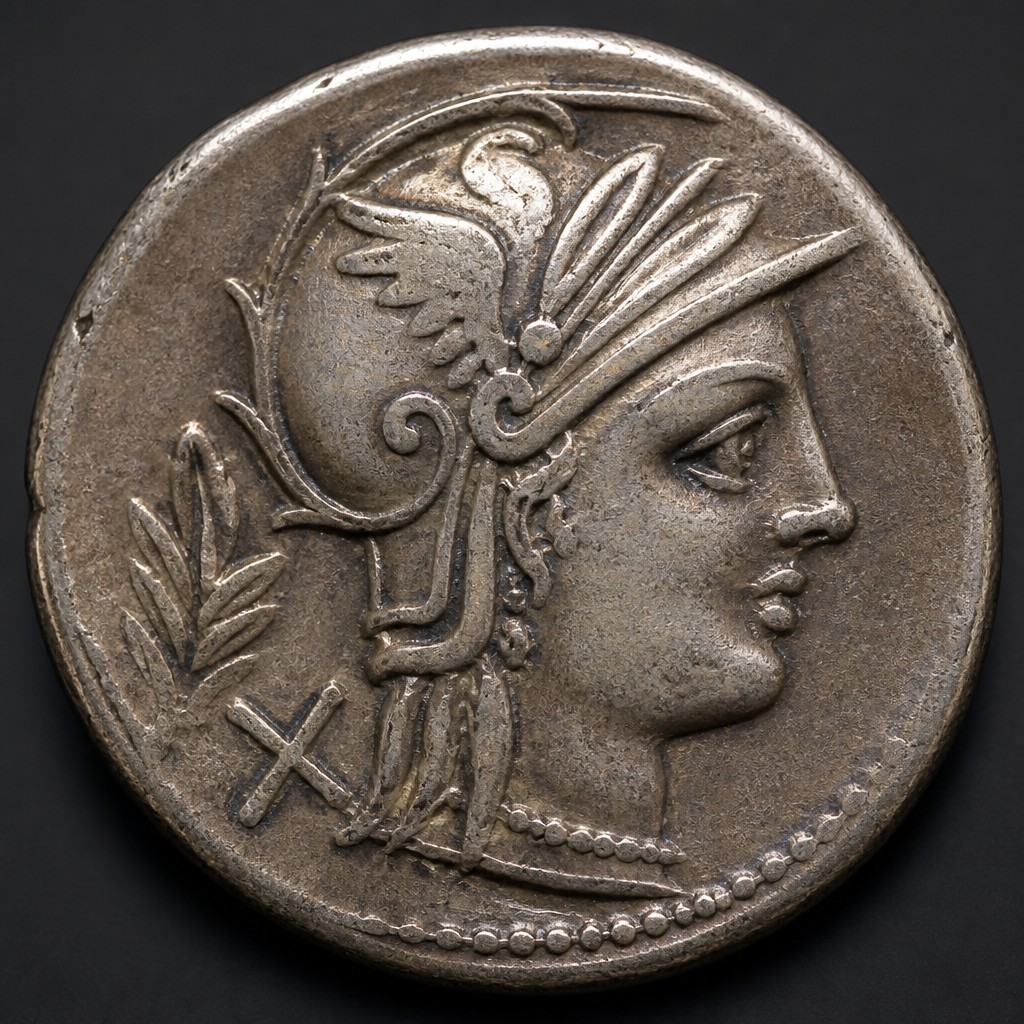
Republican Victoriatus
c. 211–170 BC
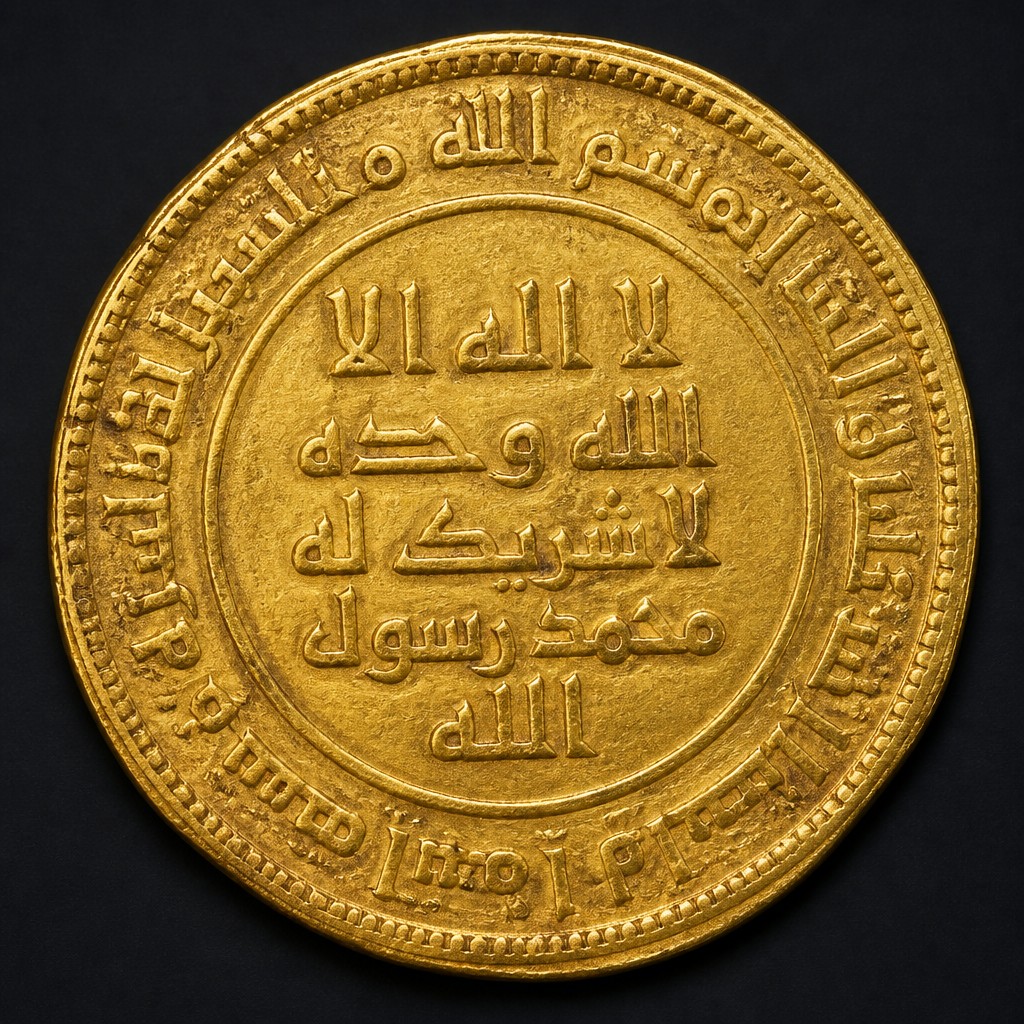
Islamic Gold Dinar (Umayyad)
c. 696–750 AD
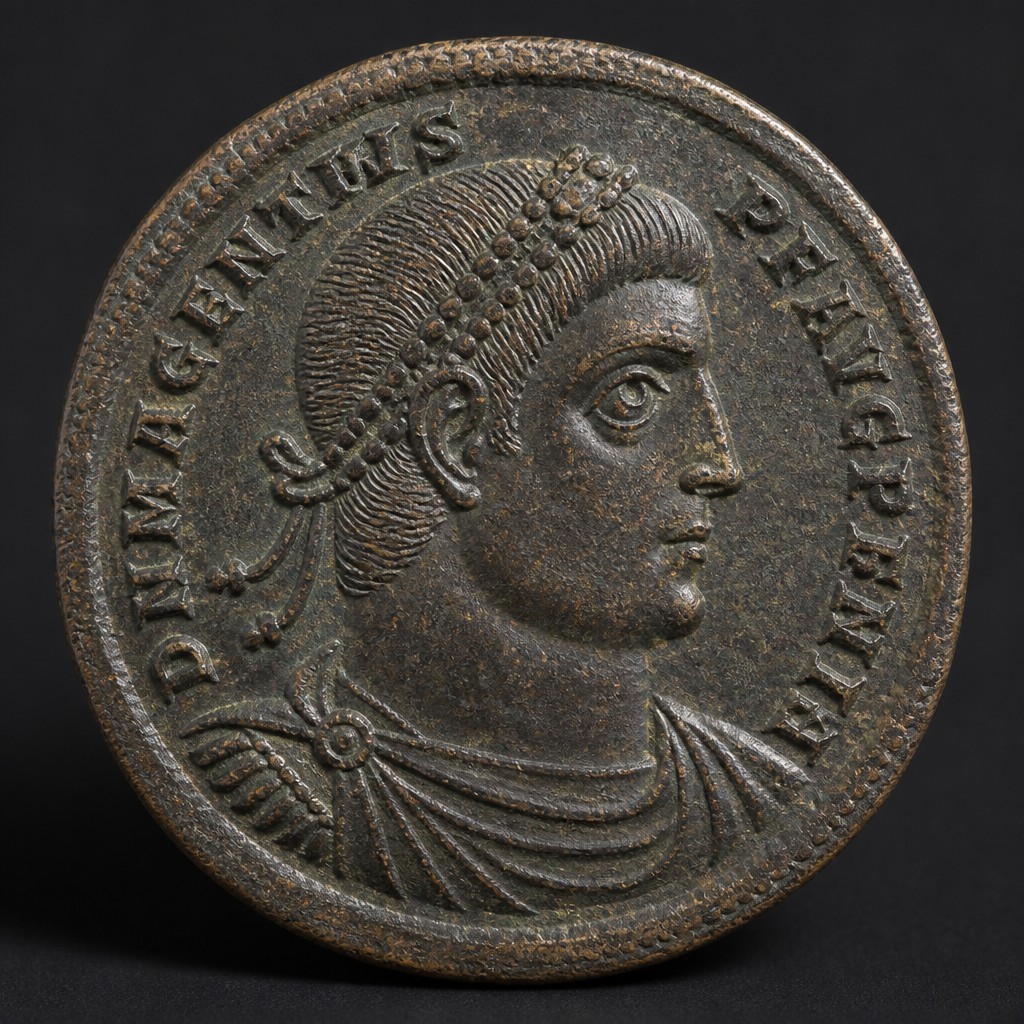
Magnentius Double Centenionalis
350–353 AD
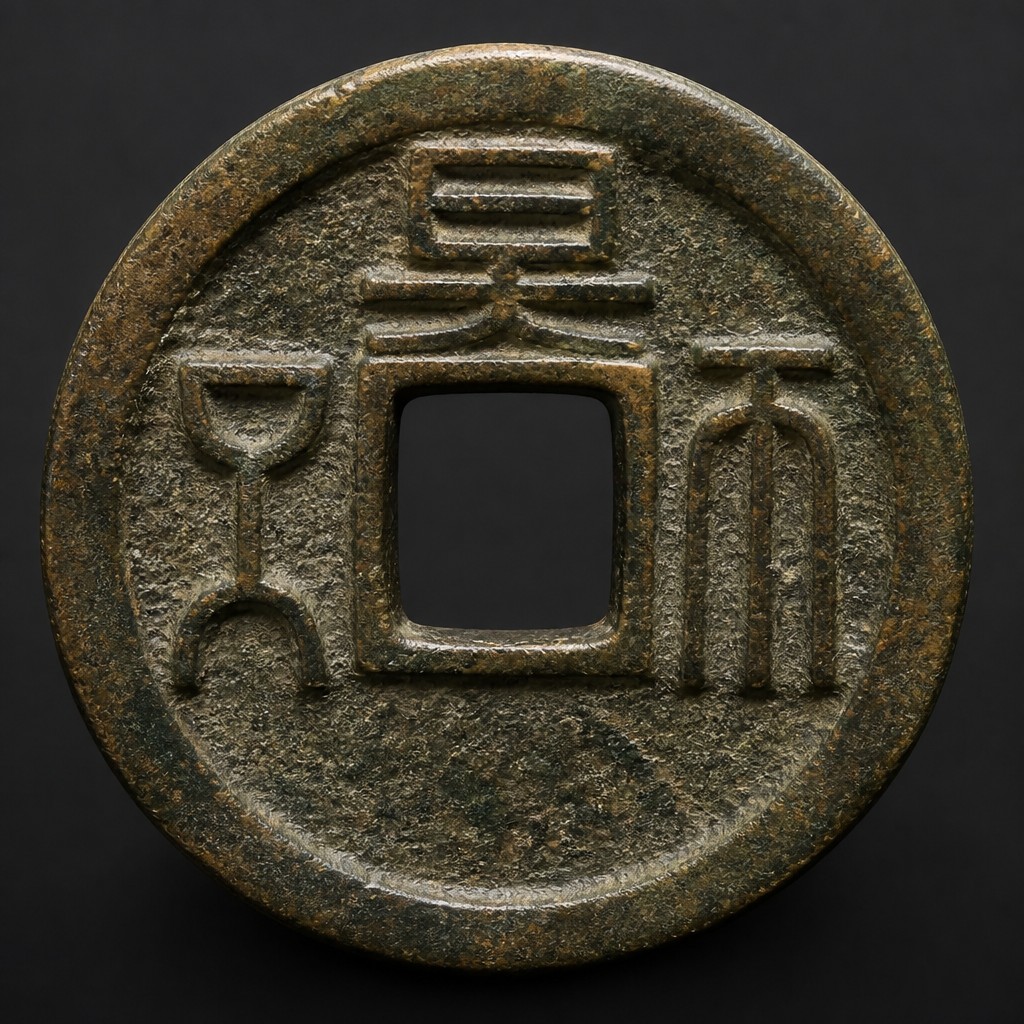
Chinese Wu Zhu Cash
118 BC – 618 AD
Valentinian I Solidus
364–375 AD