
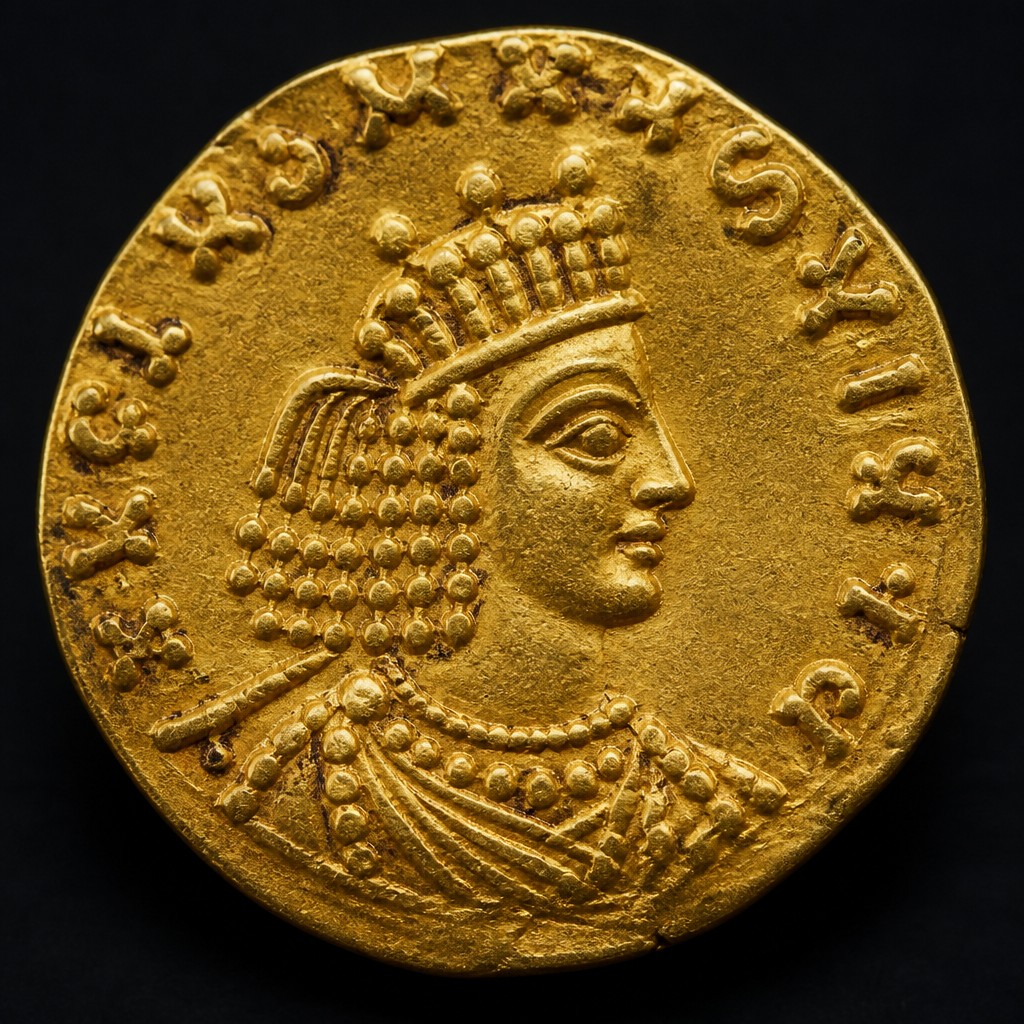
Aksumite Gold Coin of Ezana
Gold coin of King Ezana of Aksum, historically important as among the earliest coins in the world to bear a Christian cross, marking Ezana's conversion.
- Country
- Kingdom of Aksum (Ethiopia/Eritrea)
- Denomination
- Gold unit (unnamed standard denomination)
- Metal
- Gold
Got a coin like this?
Identify any coin from a photo, free.
Overview
The gold coinage of King Ezana of Aksum represents one of the most historically significant coin issues of ancient Africa. Aksum, a powerful trading kingdom in the Horn of Africa, was one of the very few sub-Saharan African states of antiquity to strike its own coinage in gold, silver, and bronze, beginning roughly a half-century before Ezana's reign under King Endubis.
Ezana's reign is pivotal because his coinage documents, in real time, his personal conversion to Christianity: earlier Aksumite coins carried a disc-and-crescent symbol associated with traditional South Arabian and local pagan religion, while coins issued later in Ezana's reign replaced this symbol with a cross, making them among the earliest coins anywhere in the world to bear overtly Christian imagery.
Because Aksumite coins carried Greek legends aimed at facilitating Red Sea and Mediterranean trade, they also serve as valuable primary evidence for the kingdom's extensive commercial reach, connecting East Africa with the Roman world, Arabia, and India.
History & Background
The Kingdom of Aksum, centered in the highlands of modern Ethiopia and Eritrea, began issuing its own coinage around 270 AD under King Endubis, making it one of the earliest coin-issuing states in sub-Saharan Africa and a testament to its role as a major hub in Red Sea and Indian Ocean trade.
Ezana, who reigned in the mid-fourth century AD, is one of the best-documented Aksumite kings, known both from his coinage and from inscriptions recording his military campaigns and, most famously, his conversion to Christianity, likely influenced by the missionary Frumentius. His coins visibly chart this religious shift, transitioning from traditional pagan symbols to the Christian cross partway through his reign.
This makes Ezana's coinage a rare instance where a numismatic sequence directly corroborates a major religious and political transformation, predating or roughly contemporary with the more famous Christianization of the Roman Empire under Constantine and his successors.
How to Identify
Ezana's gold coins typically show a bust of the king, often crowned or wearing a headcloth, with a Greek legend around the border giving his name and royal title, since Greek served as the kingdom's language of international trade and diplomacy.
The critical identifying feature distinguishing pre-conversion from post-conversion issues is the small symbol placed beside the king's bust: earlier coins display a disc and crescent, a traditional South Arabian-influenced solar/lunar symbol, while later coins in Ezana's reign replace this with a Christian cross, sometimes accompanied by a Ge'ez or Greek inscription referencing divine favor.
The coins are small and are generally lightweight gold pieces, and genuine Aksumite issues are distinguishable from later imitations or forgeries by their specific style of portraiture, legend spelling, and the fine details of the cross or disc-and-crescent device, features best verified by specialists familiar with the series.
Value & Collectibility
Aksumite gold coins, including those of Ezana, are rare and highly prized both for their beauty and their unique historical documentation of an early conversion to Christianity, with prices for genuine, well-preserved examples often reaching into the thousands of dollars. Cross-type coins from Ezana's post-conversion issues are particularly sought after given their significance as some of the earliest Christian coinage in the world.
Value is driven by clarity of the portrait and symbol, completeness of the legend, and overall gold weight and condition, since Aksumite coins are often found with some wear or edge damage.
Given the coin's importance and value, and the existence of modern reproductions, buyers should seek pieces with reputable provenance and, ideally, expert authentication from specialists in ancient African or Aksumite numismatics.
Frequently asked questions
Why is Ezana's coinage historically important?
It documents his real-time conversion to Christianity, showing pagan disc-and-crescent symbols replaced by a cross partway through his reign, among the earliest Christian coin imagery in the world.
What language appears on Aksumite coins?
Most legends are in Greek, reflecting the kingdom's role in Mediterranean and Red Sea trade, though some later issues use the local Ge'ez script.
Was Aksum unique in issuing its own coinage?
Yes, Aksum was one of the very few sub-Saharan African kingdoms of antiquity to strike its own gold, silver, and bronze coinage.
How can you tell a pre- and post-conversion Ezana coin apart?
Look at the symbol beside the king's bust: a disc and crescent indicates a pre-conversion issue, while a cross indicates a post-conversion issue.
Who influenced Ezana's conversion to Christianity?
Tradition credits the missionary Frumentius, who later became the first bishop of Aksum, with playing a key role in Ezana's conversion.
Other coins you may enjoy
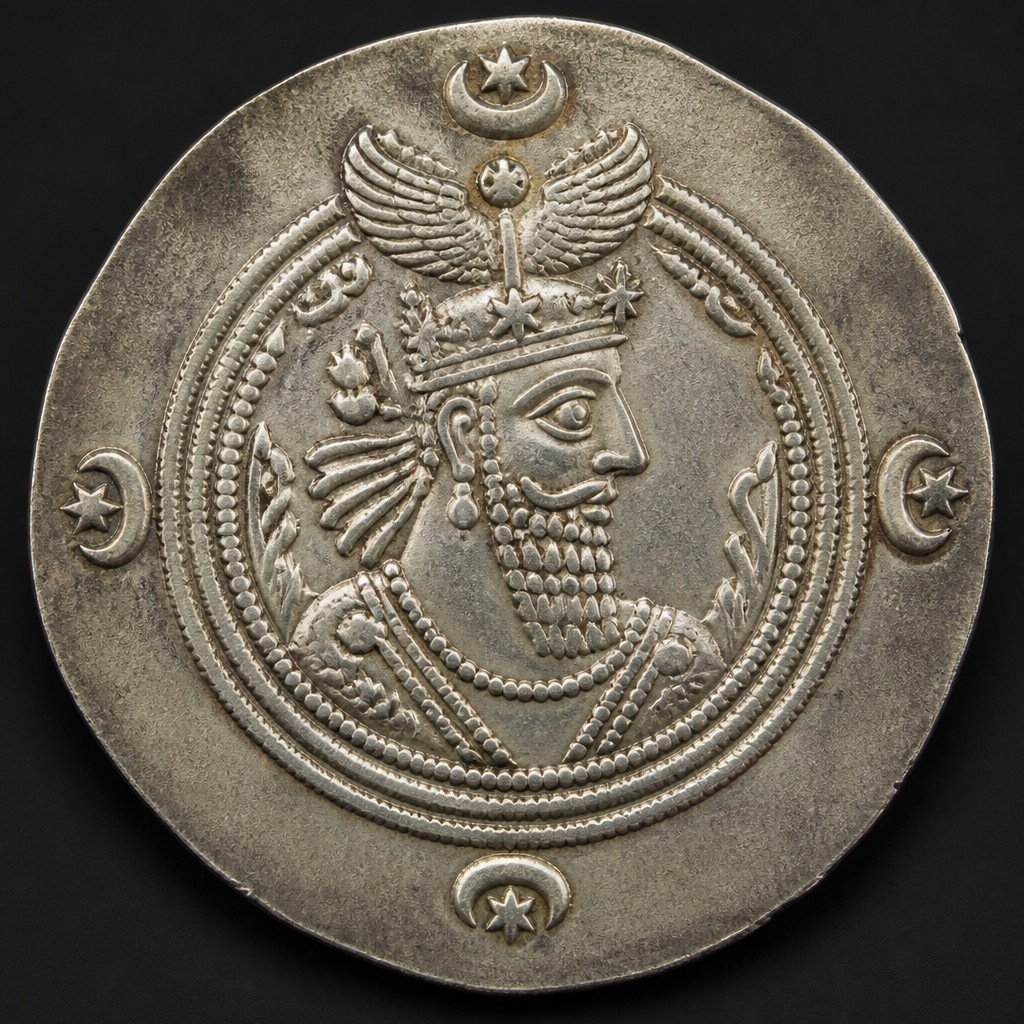
Persian Sassanid Silver Drachm
c. 224–651 AD
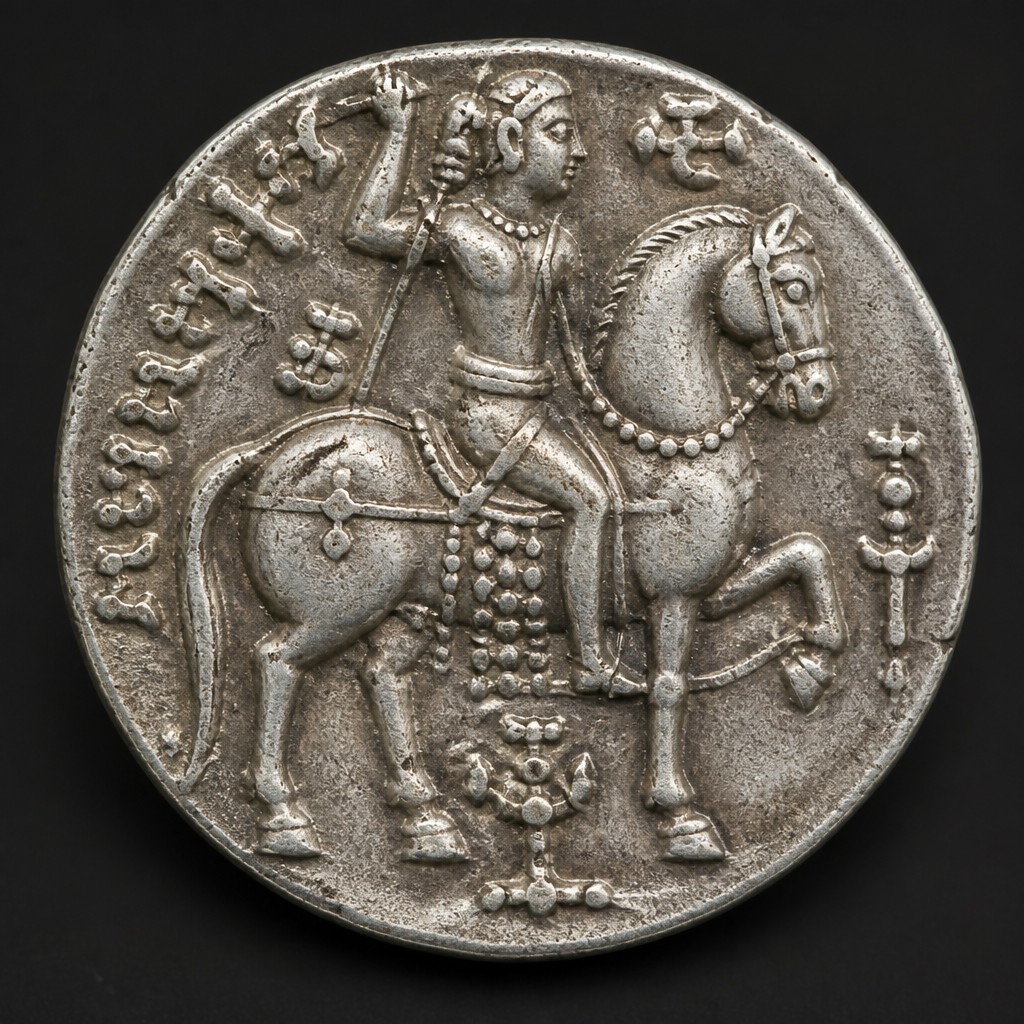
Guptas 'Horseman' Silver Coin
c. 4th–5th century CE
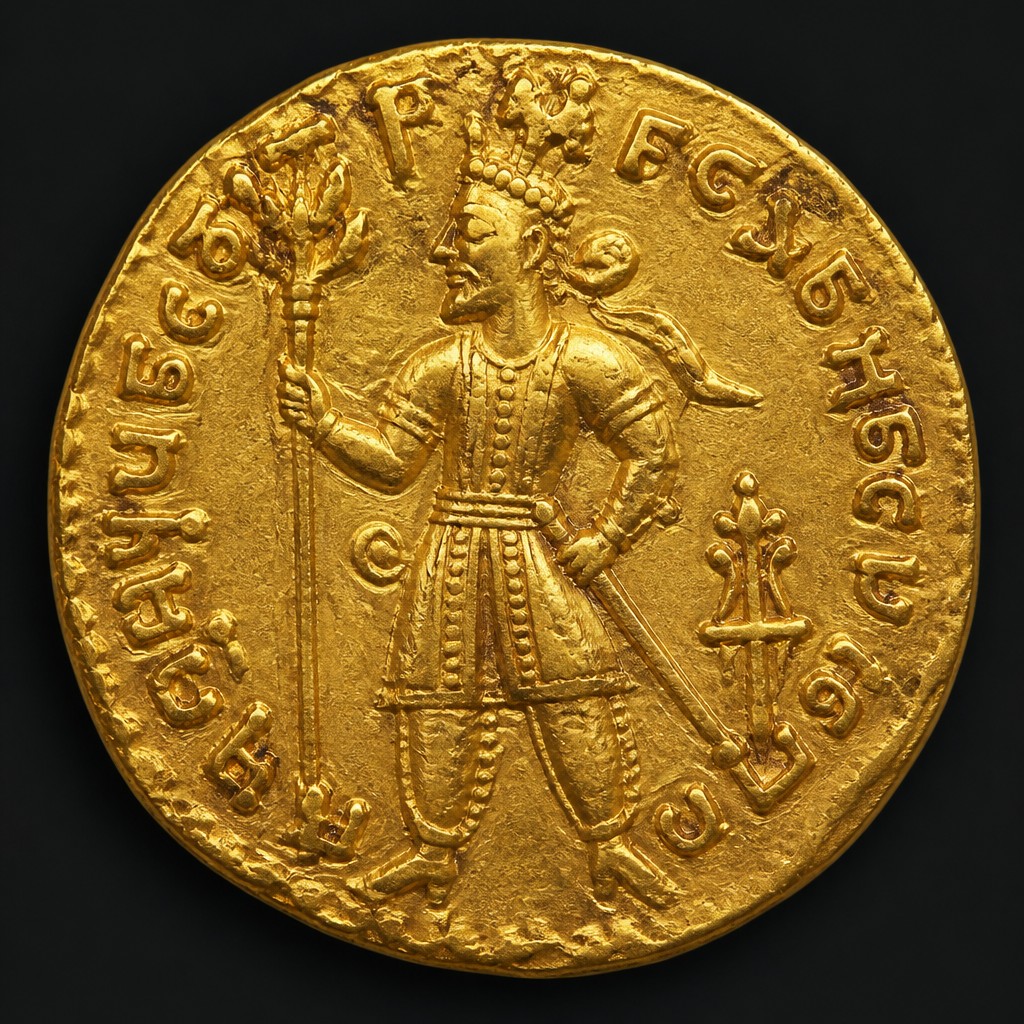
Kushan Gold Dinar
c. 1st–3rd century CE
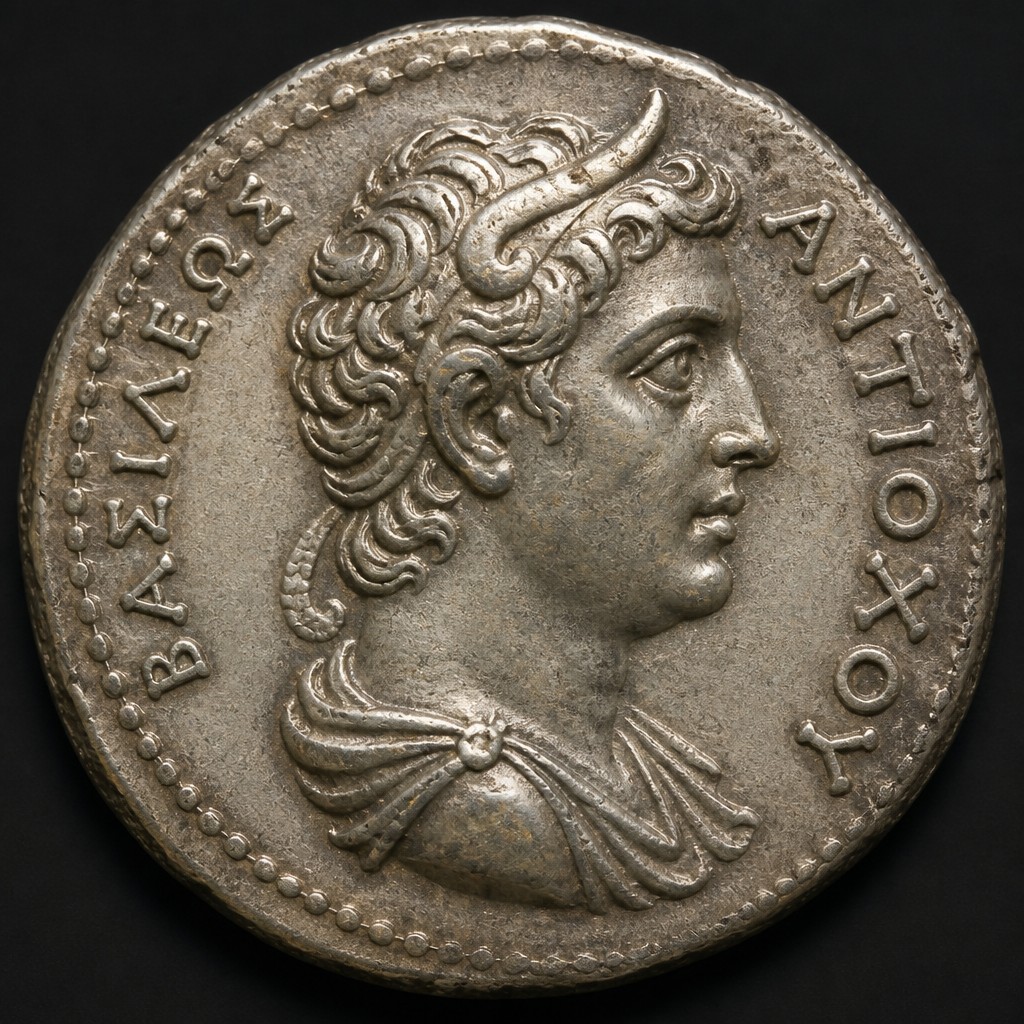
Bactrian Silver Tetradrachm
c. 250–125 BC
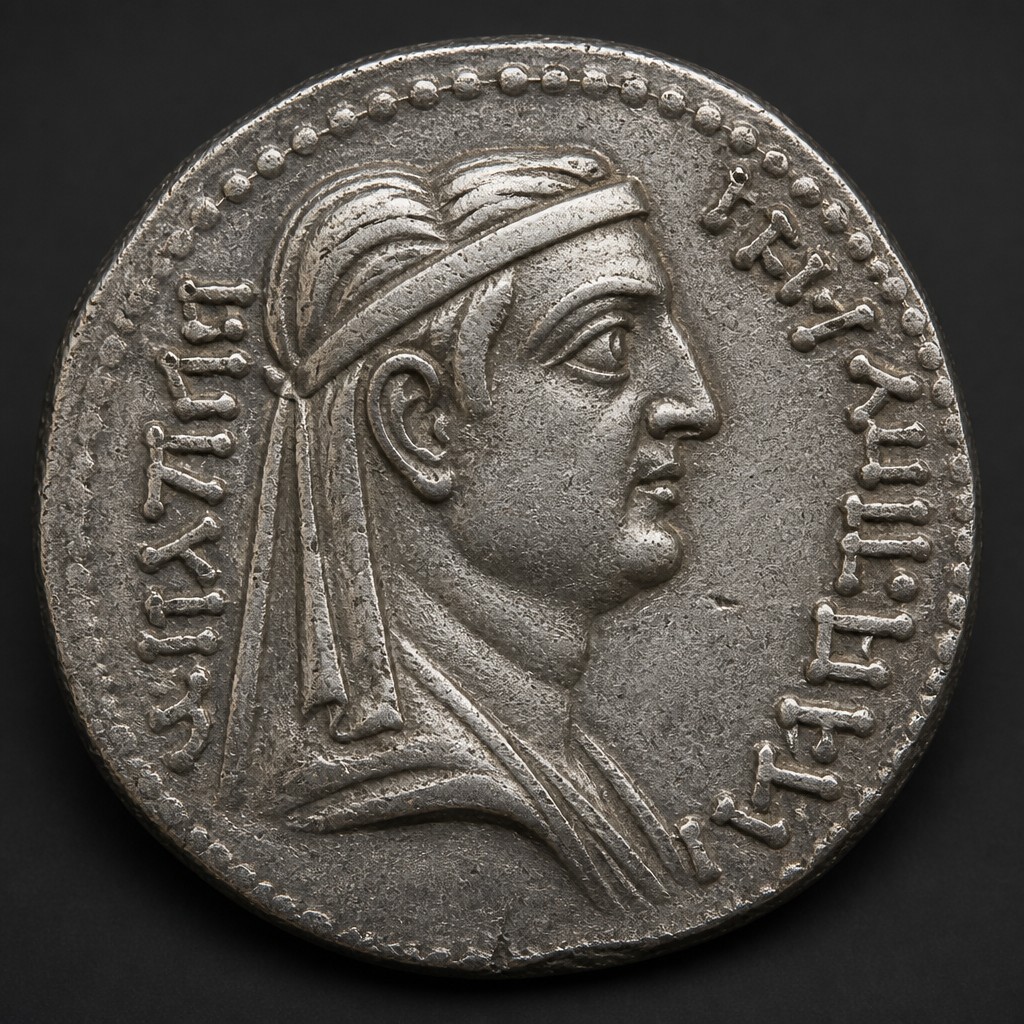
Nabataean Silver Drachm (Aretas IV)
c. 9 BC – 40 AD
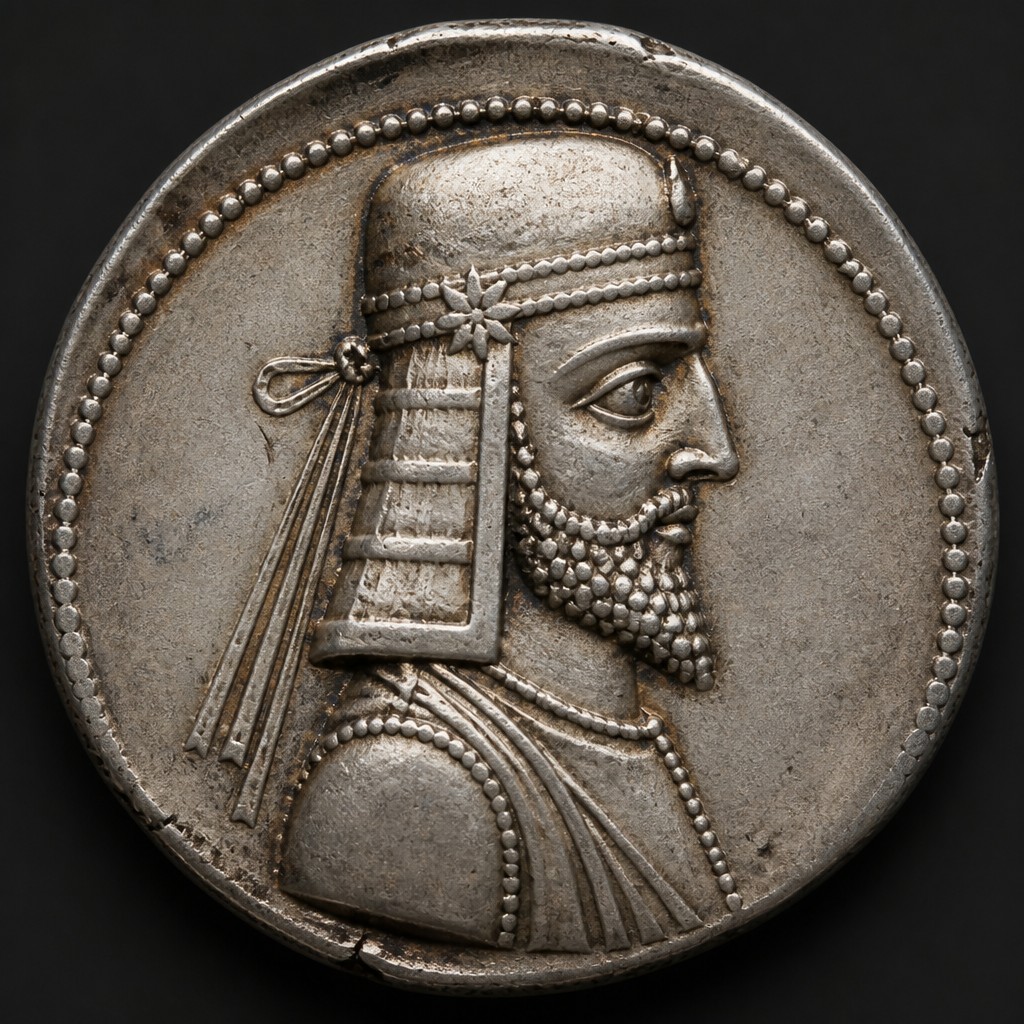
Parthian Silver Drachm
247 BC – 224 AD
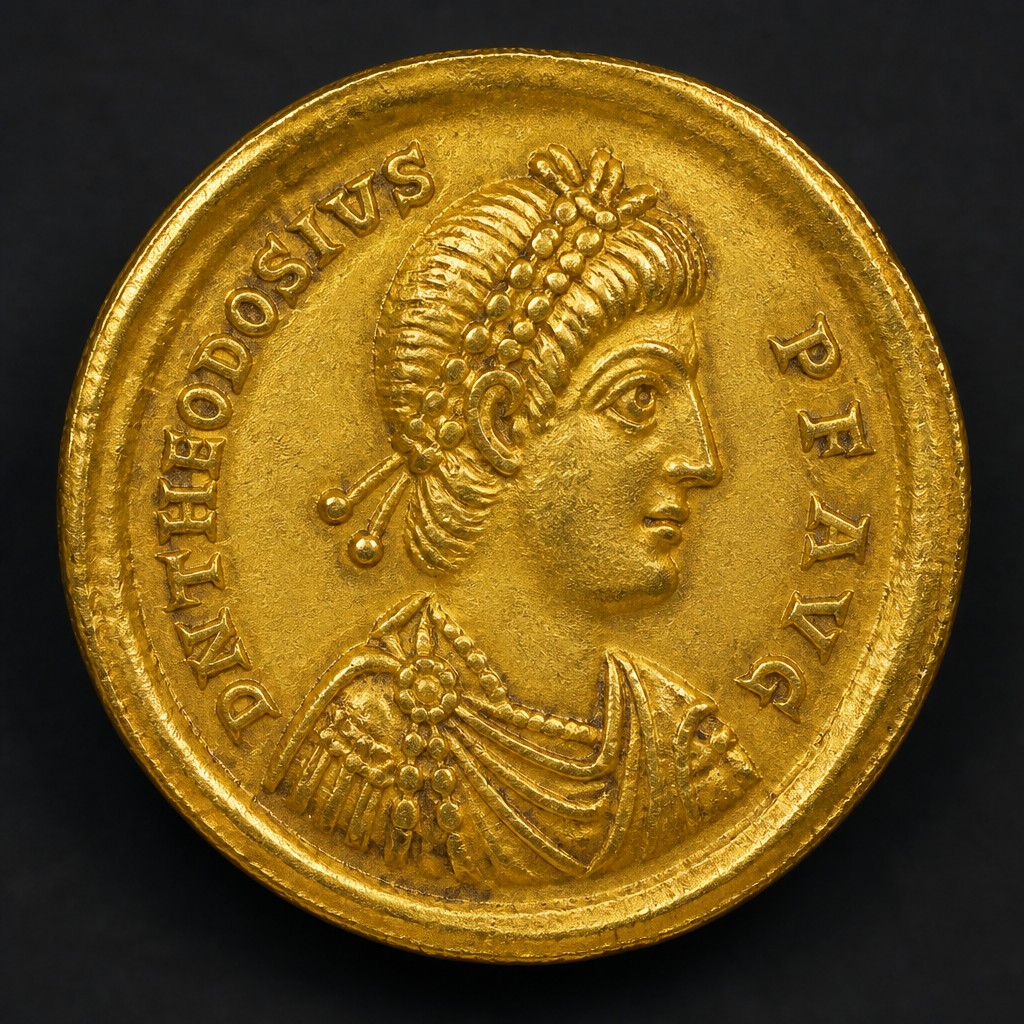
Theodosius I Solidus
379–395 AD
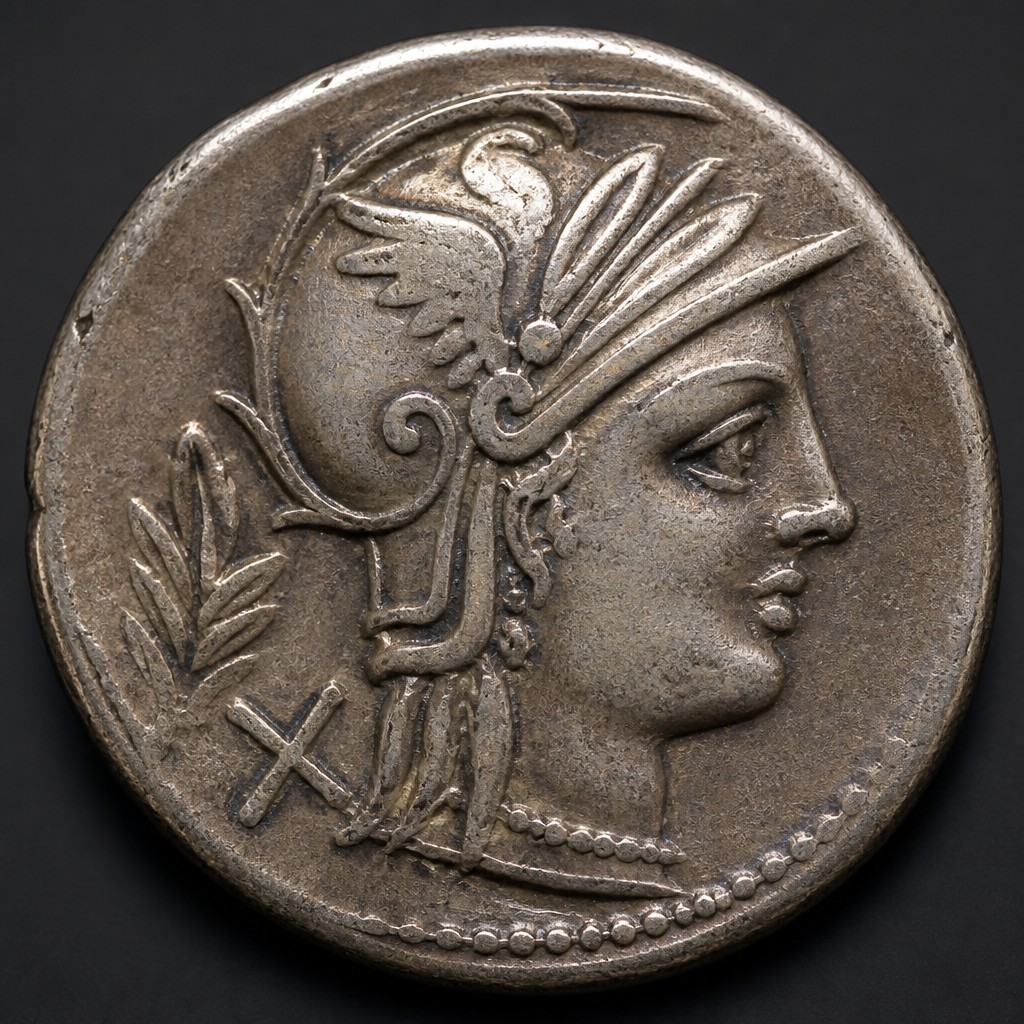
Republican Victoriatus
c. 211–170 BC
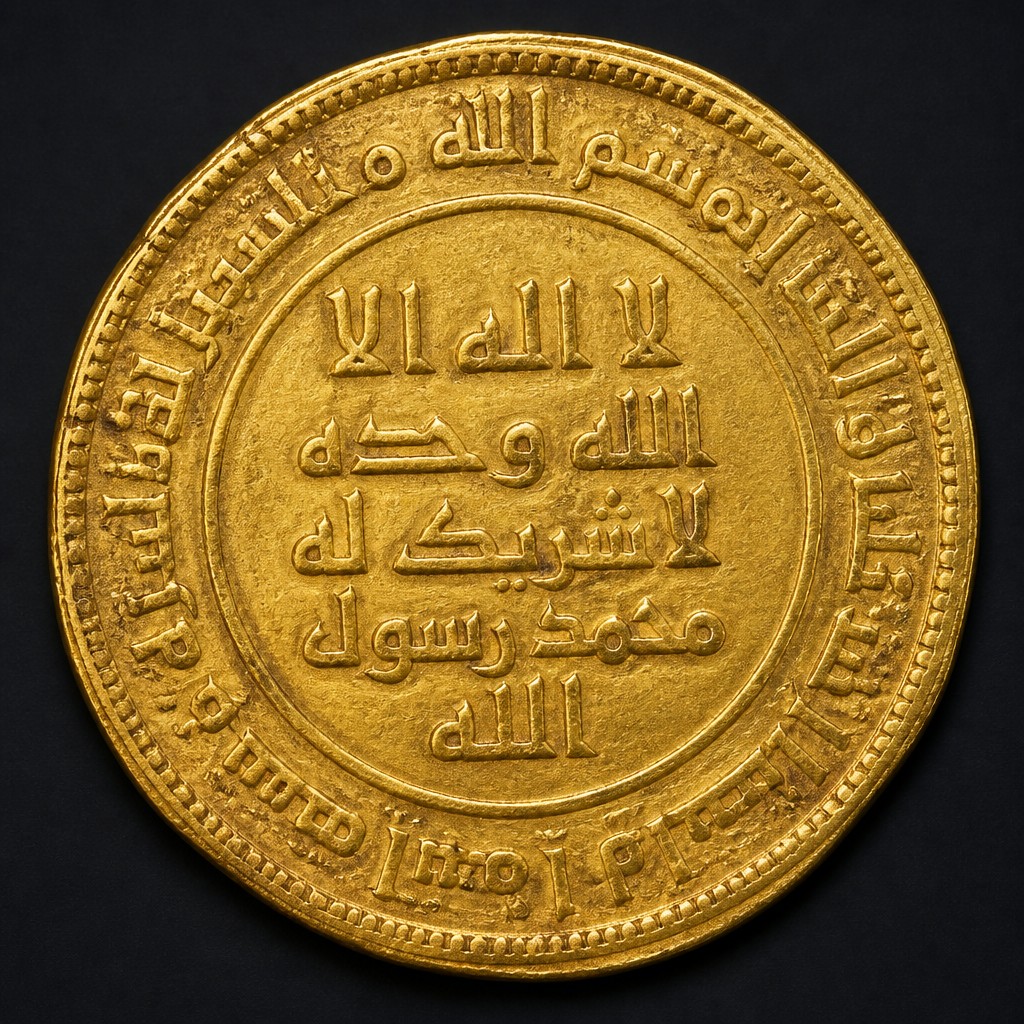
Islamic Gold Dinar (Umayyad)
c. 696–750 AD
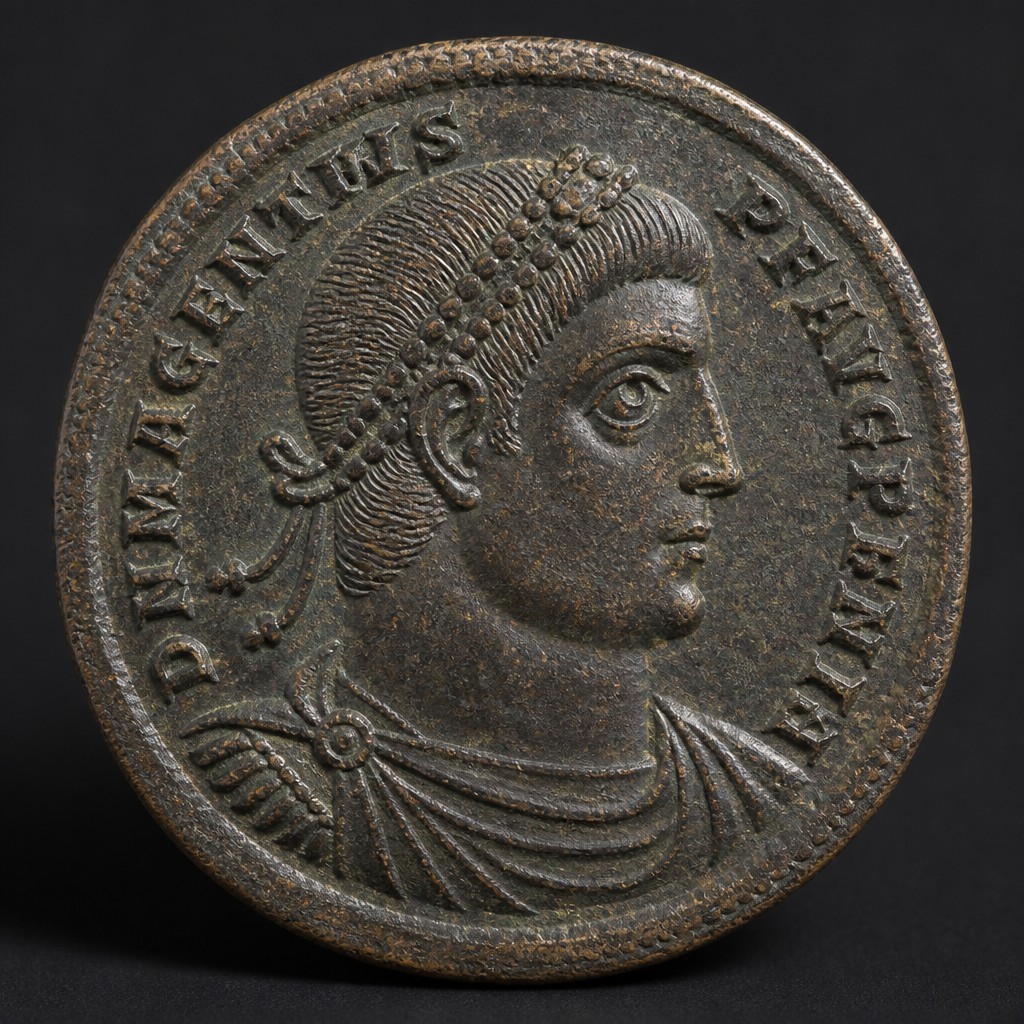
Magnentius Double Centenionalis
350–353 AD
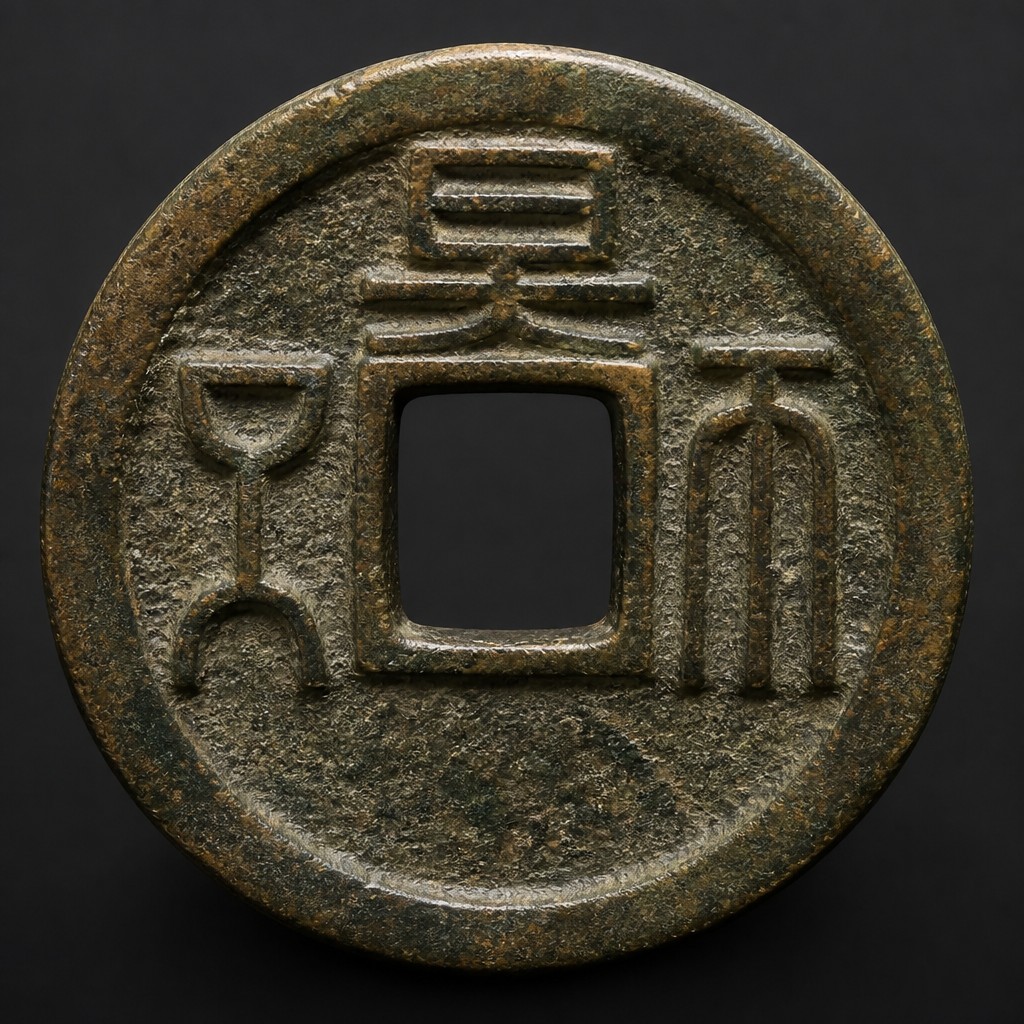
Chinese Wu Zhu Cash
118 BC – 618 AD
Valentinian I Solidus
364–375 AD