
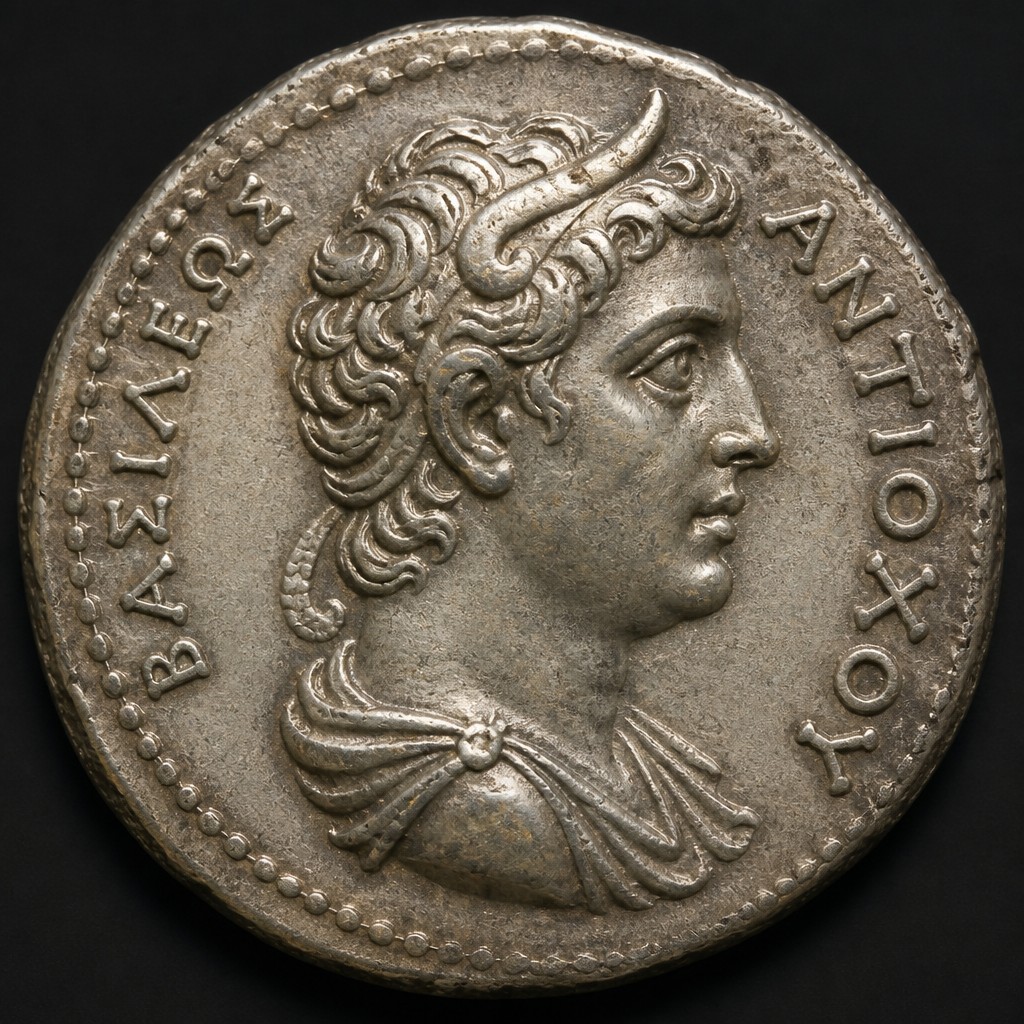
Bactrian Silver Tetradrachm
Large silver coin of the Greco-Bactrian kings of Central Asia, celebrated for producing some of the finest realistic royal portraiture in all of ancient coinage.
- Country
- Greco-Bactrian Kingdom (Central Asia)
- Denomination
- Tetradrachm
- Metal
- Silver
Got a coin like this?
Identify any coin from a photo, free.
Overview
The Bactrian silver tetradrachm was the flagship coin of the Greco-Bactrian Kingdom, a remote but culturally rich Hellenistic Greek state established in Central Asia (modern Afghanistan, Uzbekistan, and Tajikistan) following the breakup of Alexander the Great's empire. Despite its distance from the Greek homeland, Bactria produced coinage widely regarded by numismatists and art historians as among the most artistically accomplished of the ancient world.
The series is especially prized for its vivid, individualized royal portraits, a marked contrast to the more idealized or generic images common on many other Hellenistic coinages. Kings such as Euthydemus I, Demetrius I, and Eucratides I are depicted with striking realism, including distinctive facial features, aging, and elaborate headgear reflecting their specific military and political personas, including elephant-scalp helmets worn by rulers who extended Greek power into India.
These tetradrachms document a fascinating chapter of history in which Greek culture, language, and artistic traditions flourished deep in Central Asia for roughly a century and a half, eventually giving rise to the Indo-Greek kingdoms of northwest India.
History & Background
The Greco-Bactrian Kingdom emerged around the mid-third century BC when the Seleucid governor of Bactria, Diodotus I, broke away and established an independent Greek kingdom in Central Asia. His successors, most notably Euthydemus I and his son Demetrius I, expanded the kingdom's territory and, in Demetrius's case, launched invasions into northwestern India, founding what became known as the Indo-Greek kingdoms.
Eucratides I, a later and especially powerful Greco-Bactrian king, is renowned in numismatic history for issuing the largest surviving gold coin from the ancient world, a 20-stater piece, alongside his prolific silver tetradrachm coinage, which showcases some of the most striking royal portraiture of antiquity.
The Greco-Bactrian Kingdom gradually fragmented and eventually fell to invasions by nomadic peoples, including the Yuezhi (ancestors of the later Kushan Empire), by around 125 BC, though Greek-influenced Indo-Greek kingdoms in India persisted for some additional generations.
How to Identify
The obverse of a Bactrian tetradrachm displays a highly individualized portrait of the reigning king, often diademed, wearing a Boeotian-style helmet, or, in the case of kings who campaigned in India, an elephant-scalp headdress symbolizing conquest. The realism and individuality of these portraits, capturing specific features like receding hairlines or distinct profiles, set the series apart from more stylized Hellenistic coinages elsewhere.
The reverse typically shows a Greek deity appropriate to the king's chosen imagery, such as Zeus enthroned or standing, Herakles seated on a rock, Poseidon with a trident, or the Dioscuri on horseback, accompanied by a Greek legend reading BASILEOS (king) followed by an epithet and the king's name, such as BASILEOS MEGALOU EUTHYDEMOU ("of the Great King Euthydemus").
The coins are substantial silver pieces, typically around 16–17 grams and 30–33mm in diameter, consistent with the standard Attic tetradrachm weight used throughout the Hellenistic world. Collectors distinguish genuine Greco-Bactrian issues from later Indo-Greek or Kushan coinage by the purity of the Greek legend, absence of any local Kharoshthi or Brahmi script (which appears on later Indo-Greek bilingual issues), and specific portrait and deity styles associated with each king.
Value & Collectibility
Greco-Bactrian tetradrachms are highly regarded by ancient coin collectors for their artistic quality, and prices reflect both rarity and the desirability of specific kings' portraits. Common types of well-represented kings like Euthydemus I or Eucratides I can often be found in the low thousands of dollars for well-preserved examples, while rarer kings or exceptional portrait dies command significantly higher premiums.
Condition and strike quality are especially important in this series because the appeal lies substantially in the sharpness and artistic detail of the royal portrait; even minor die wear can noticeably diminish a coin's desirability and value.
Because of their high value and desirability, Greco-Bactrian tetradrachms are a target for forgeries, so buyers should seek coins with solid provenance and, where possible, third-party authentication from reputable ancient coin specialists.
Frequently asked questions
Why are Bactrian portraits considered so exceptional?
Unlike many idealized Hellenistic coin portraits, Bactrian kings are shown with individualized, realistic features, making the series highly regarded for its artistic quality.
What does the elephant-scalp headdress signify?
It symbolizes a king's military campaigns and conquests in India, worn by Greco-Bactrian rulers such as Demetrius I who extended Greek rule into the subcontinent.
Who issued the largest gold coin of the ancient world?
Eucratides I, a Greco-Bactrian king, issued a massive 20-stater gold piece, the largest surviving gold coin from antiquity.
What weight and size is a typical tetradrachm?
It generally weighs about 16 to 17 grams and measures roughly 30 to 33mm in diameter, the standard Attic tetradrachm weight.
How did the Greco-Bactrian Kingdom end?
It gradually fragmented under nomadic invasions, notably by the Yuezhi, and effectively fell by around 125 BC, though related Indo-Greek kingdoms in India continued afterward.
Other coins you may enjoy
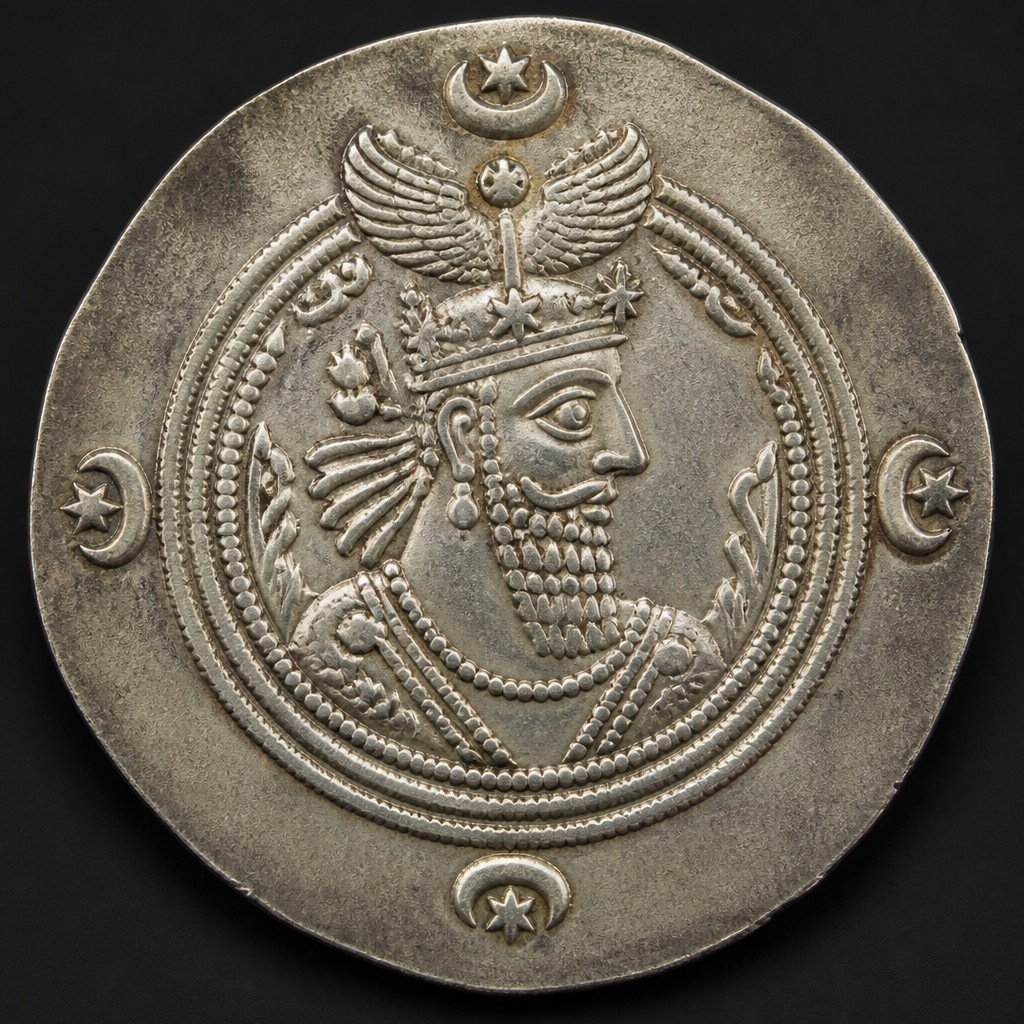
Persian Sassanid Silver Drachm
c. 224–651 AD
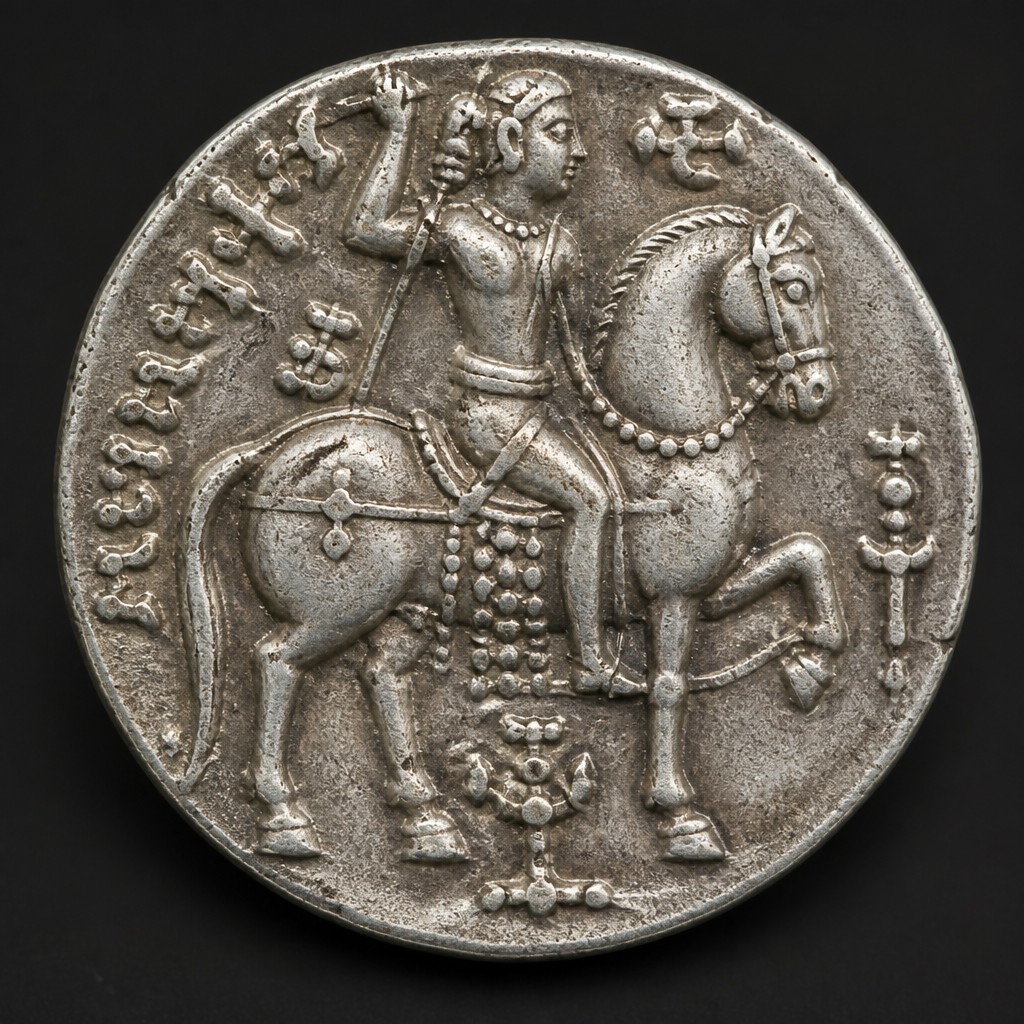
Guptas 'Horseman' Silver Coin
c. 4th–5th century CE
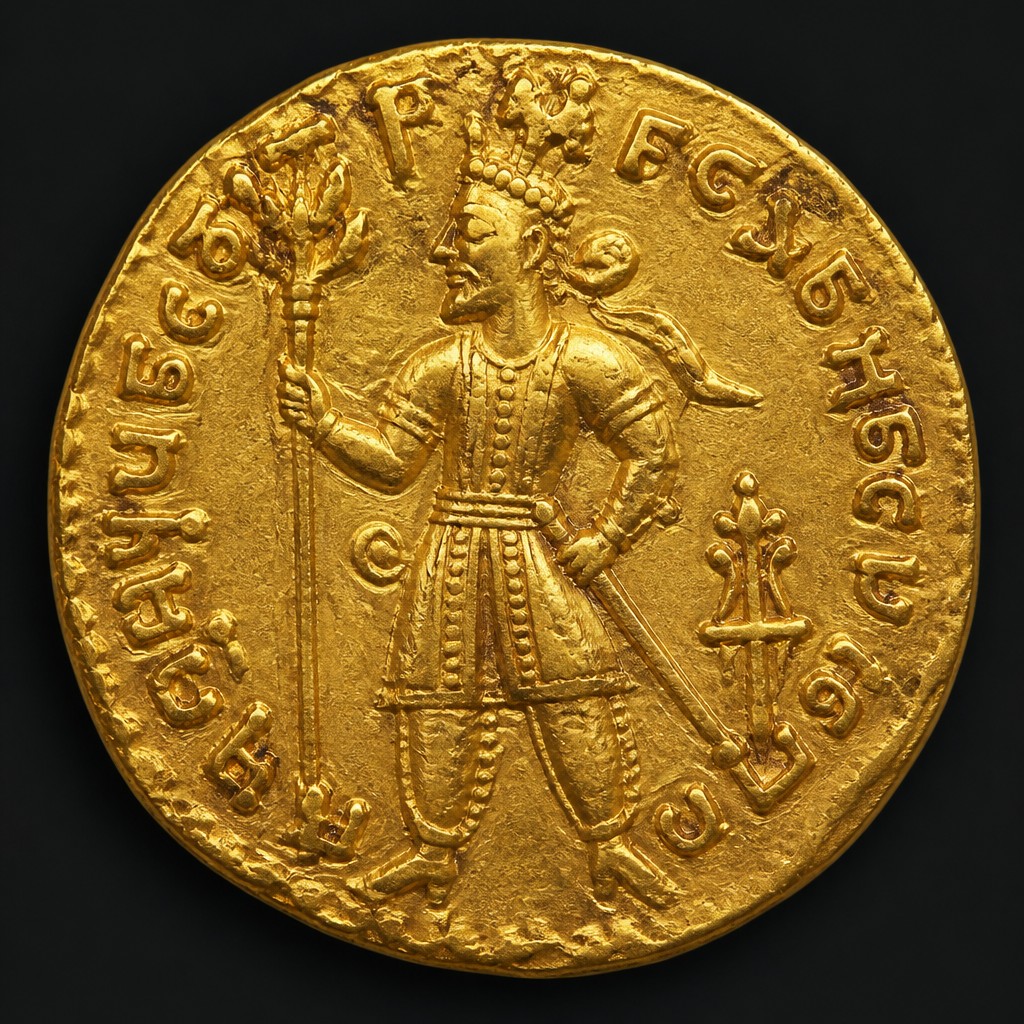
Kushan Gold Dinar
c. 1st–3rd century CE
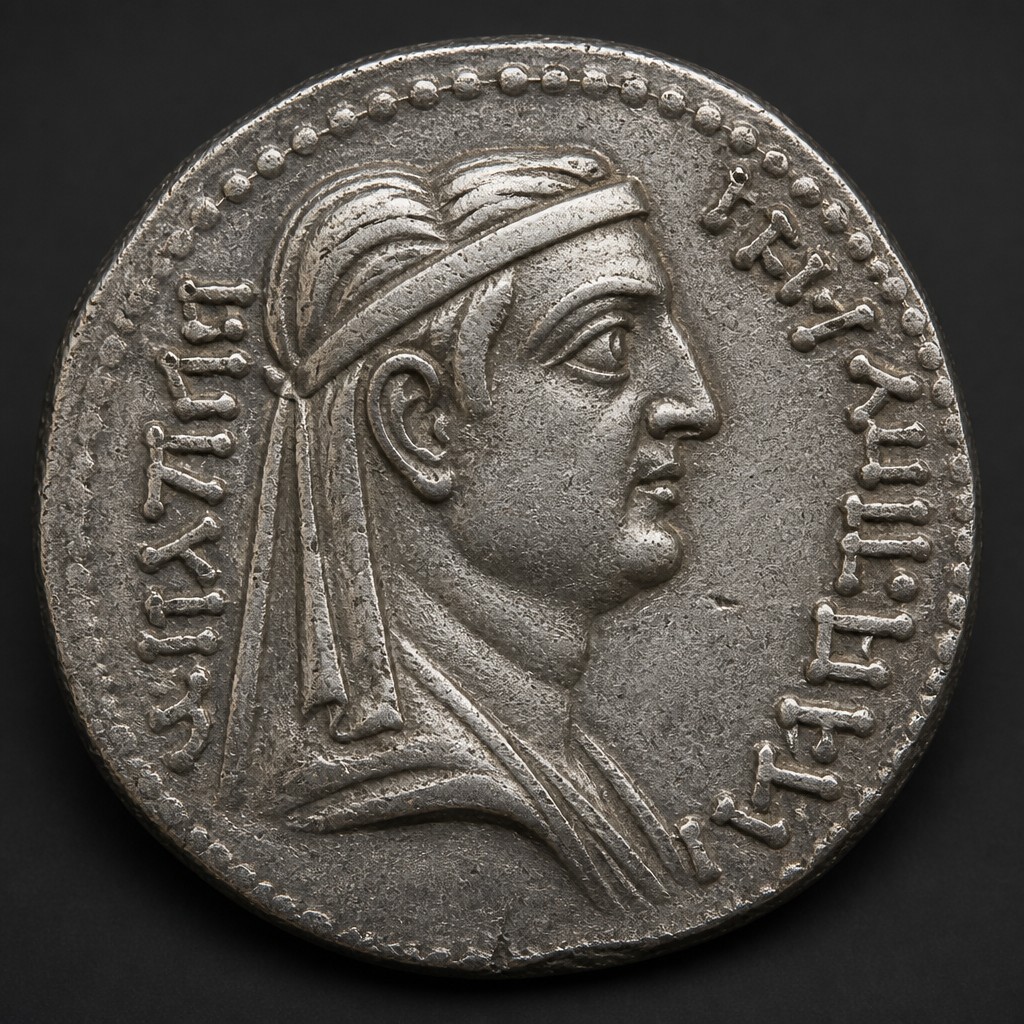
Nabataean Silver Drachm (Aretas IV)
c. 9 BC – 40 AD
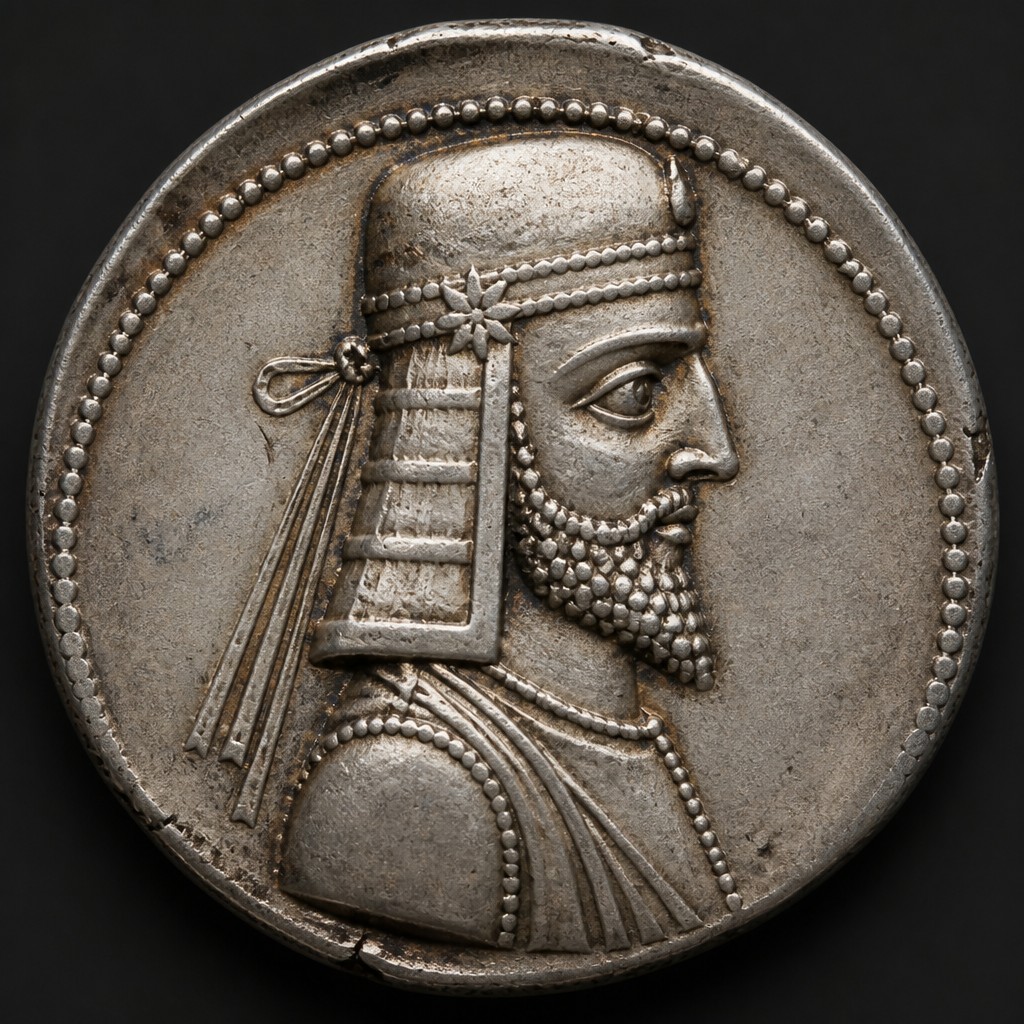
Parthian Silver Drachm
247 BC – 224 AD
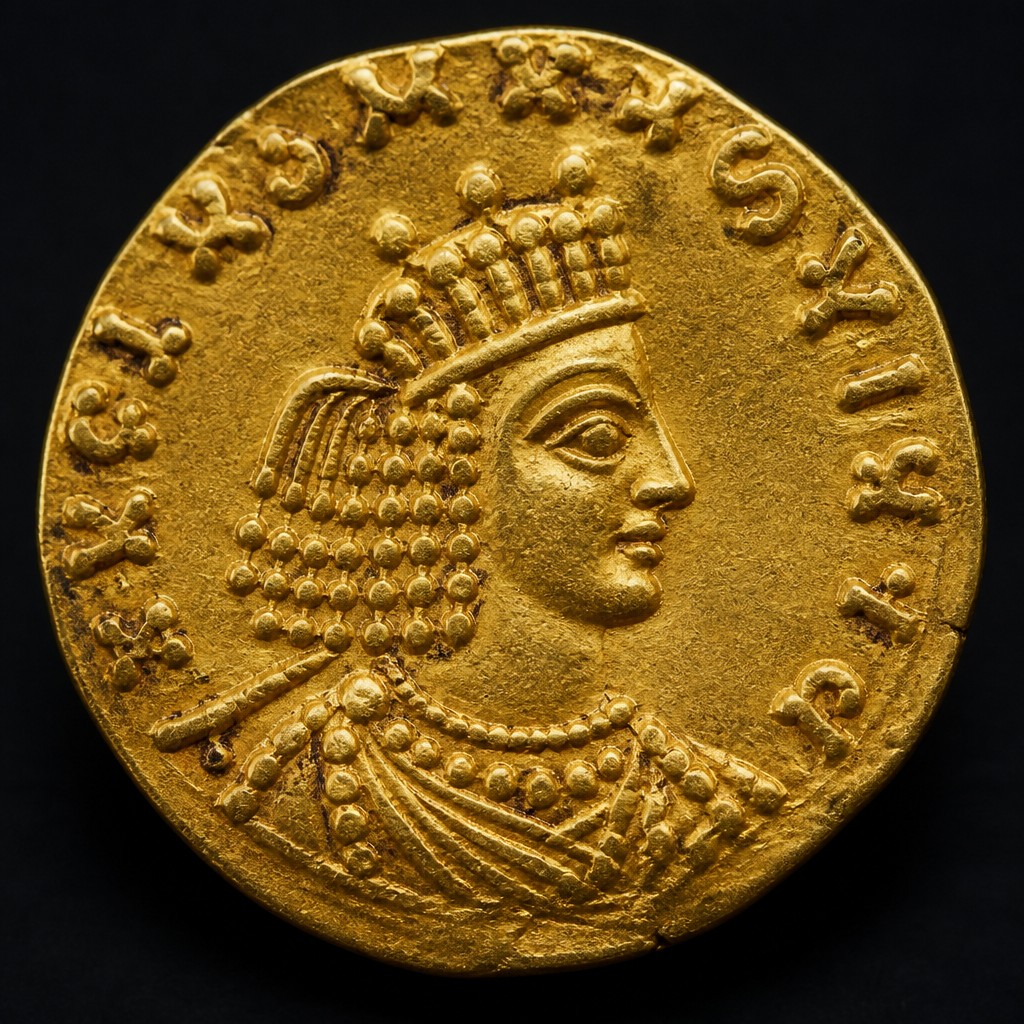
Aksumite Gold Coin of Ezana
c. 320s–360s AD
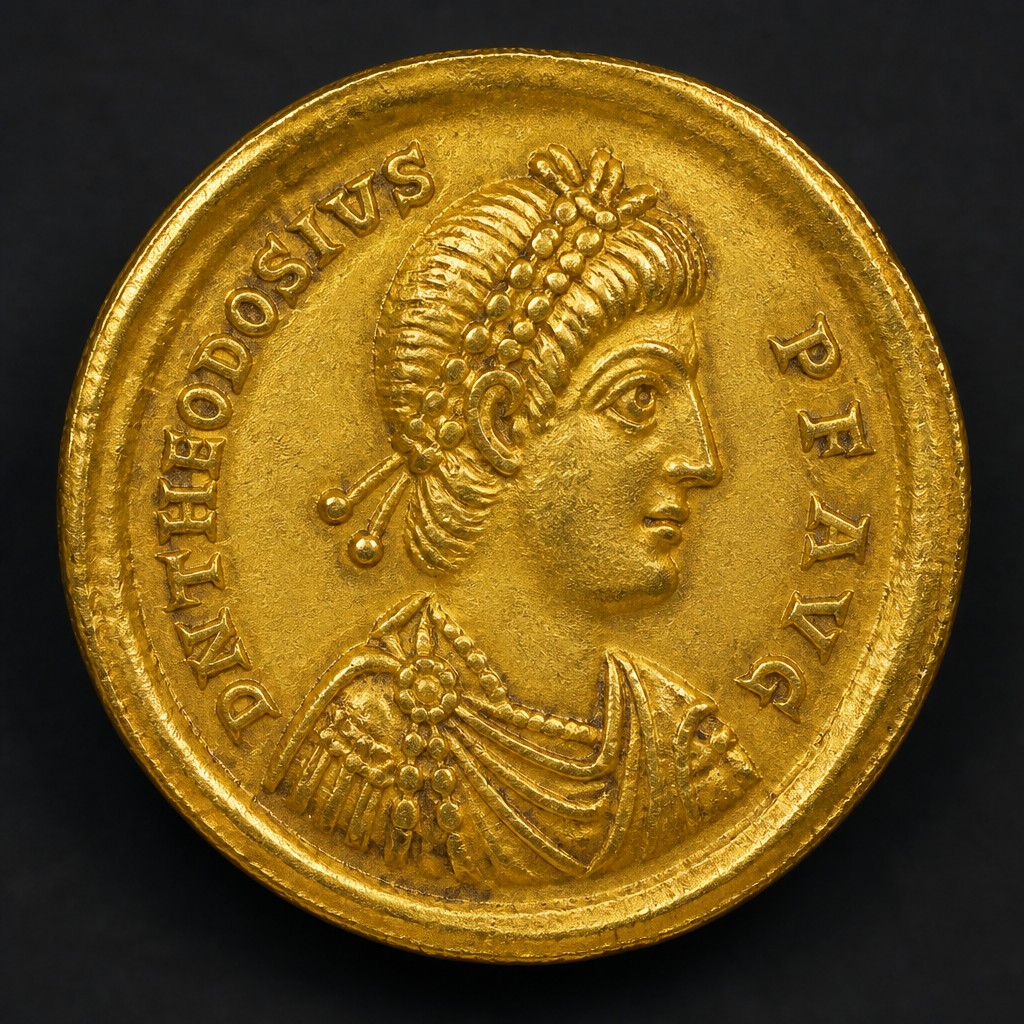
Theodosius I Solidus
379–395 AD
Republican Victoriatus
c. 211–170 BC
Islamic Gold Dinar (Umayyad)
c. 696–750 AD
Magnentius Double Centenionalis
350–353 AD
Chinese Wu Zhu Cash
118 BC – 618 AD
Valentinian I Solidus
364–375 AD