
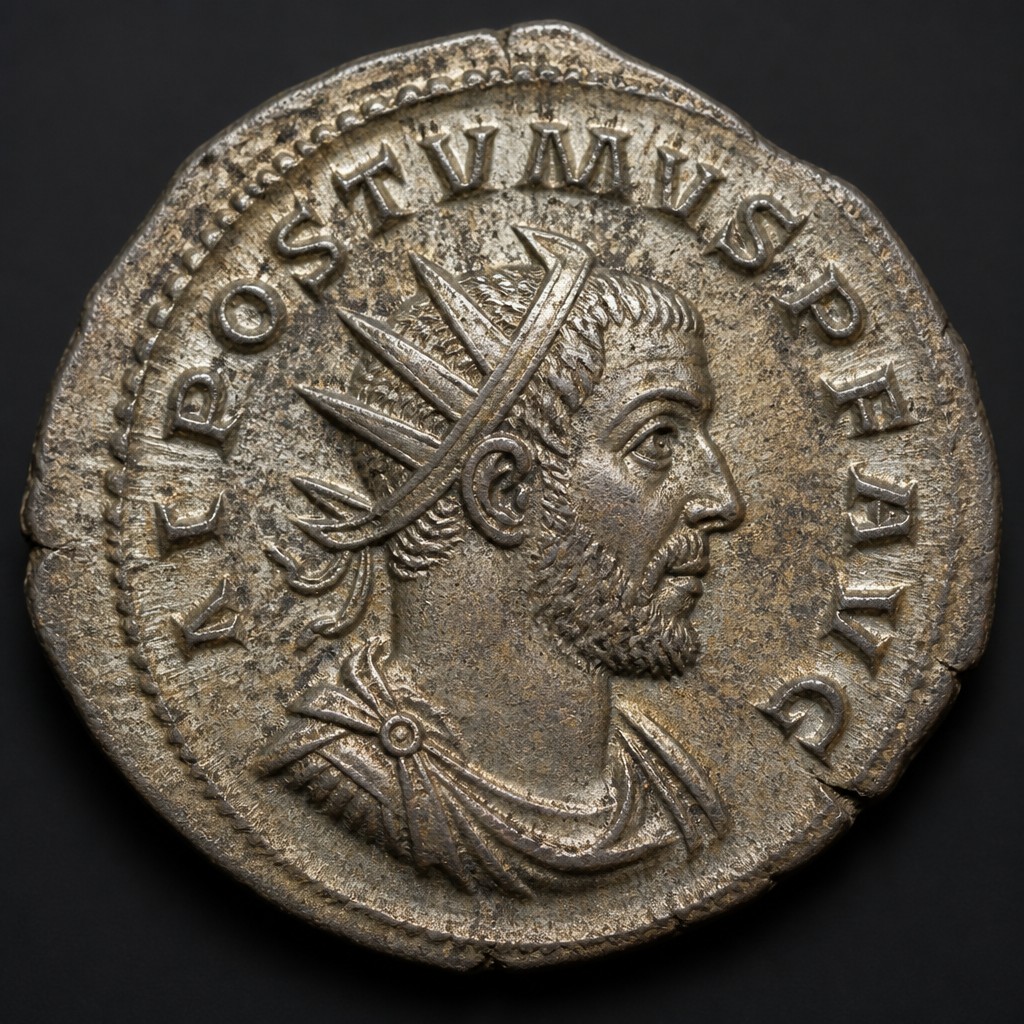
Postumus Antoninianus
Radiate coin of Postumus, the general who broke away from Rome to found the separatist Gallic Empire covering Gaul, Britain, Germania, and Hispania during the Crisis of the Third Century.
- Country
- Ancient Rome (Gallic Empire)
- Denomination
- Antoninianus
- Metal
- Debased Silver (Billon, generally better quality than contemporary Rome mint issues)
Got a coin like this?
Identify any coin from a photo, free.
Overview
Postumus antoniniani represent the coinage of a breakaway Roman state rather than the central empire, issued during his rule over the so-called Gallic Empire (Imperium Galliarum). Despite being a usurper from Rome's perspective, Postumus struck coinage in a thoroughly Roman style, often of notably better silver quality than contemporary central imperial issues.
His coins are of strong interest to collectors both for their connection to a fascinating episode of Roman political fragmentation and for their frequently well-executed, artistically pleasing portraiture.
History & Background
Postumus was a Roman military commander stationed along the Rhine frontier who rebelled against the central government around 260 AD, following growing dissatisfaction with the young co-emperor Saloninus (son of Gallienus) and unrest over the handling of frontier defense. He established an independent regime known to modern historians as the Gallic Empire, which at its height controlled Gaul, Britain, Germania, and parts of Hispania.
Ruling from Cologne, Postumus governed his territories largely along traditional Roman lines, maintaining Roman administrative structures, coinage, and even seeking recognition as a legitimate defender of Rome rather than an outright rival to Gallienus. His regime lasted roughly nine years until he was murdered by his own troops around 269 AD after refusing to let them sack the rebellious city of Mainz.
How to Identify
The obverse features a radiate, often finely engraved, cuirassed bust of Postumus, with legends such as IMP C POSTVMVS PF AVG. His portraiture is frequently noted by specialists for its relatively higher artistic quality compared to some contemporary central Roman mint issues.
Reverse types draw on standard Roman iconography intended to project legitimacy, including Hercules (a personal patron figure for Postumus), Moneta, Salus, Fides Militum, Victoria, and Serapis, generally avoiding any imagery suggesting outright rebellion against Rome itself.
The coin follows the standard antoninianus size and format of roughly 20-22mm, and notably often contains somewhat higher silver content than antoniniani struck at Rome during the same years, giving many examples a brighter, more silvery appearance. Collectors identify Postumus coins by the distinctive PF AVG title style and the Gallic Empire mint characteristics of Cologne and Trier.
Value & Collectibility
Postumus antoniniani are fairly plentiful due to the substantial coinage output of the Gallic Empire and are often available in the roughly $30 to $90 range for typical circulated grades. Well-struck, artistically strong portrait examples, along with scarcer reverse types like certain Hercules labors, can command higher premiums among collectors who specifically seek fine Gallic Empire portraiture.
Condition, strike sharpness, and silver content brightness are commonly cited factors in valuing these coins, alongside the historical appeal of owning coinage from a breakaway Roman state.
Frequently asked questions
What was the Gallic Empire?
It was a breakaway Roman state founded by Postumus around 260 AD, controlling Gaul, Britain, Germania, and parts of Hispania independently of the central Roman government.
Why is Postumus's coinage often better quality than Rome's?
His regional mints at Cologne and Trier maintained relatively higher silver content and careful engraving, possibly to bolster the legitimacy of his rule.
Did Postumus consider himself a rival emperor to Rome?
His coinage suggests he sought recognition as a defender of Roman order in the west rather than an outright usurper of the whole empire.
How did Postumus's rule end?
He was killed by his own soldiers around 269 AD after refusing to allow them to plunder the city of Mainz.
Other coins you may enjoy
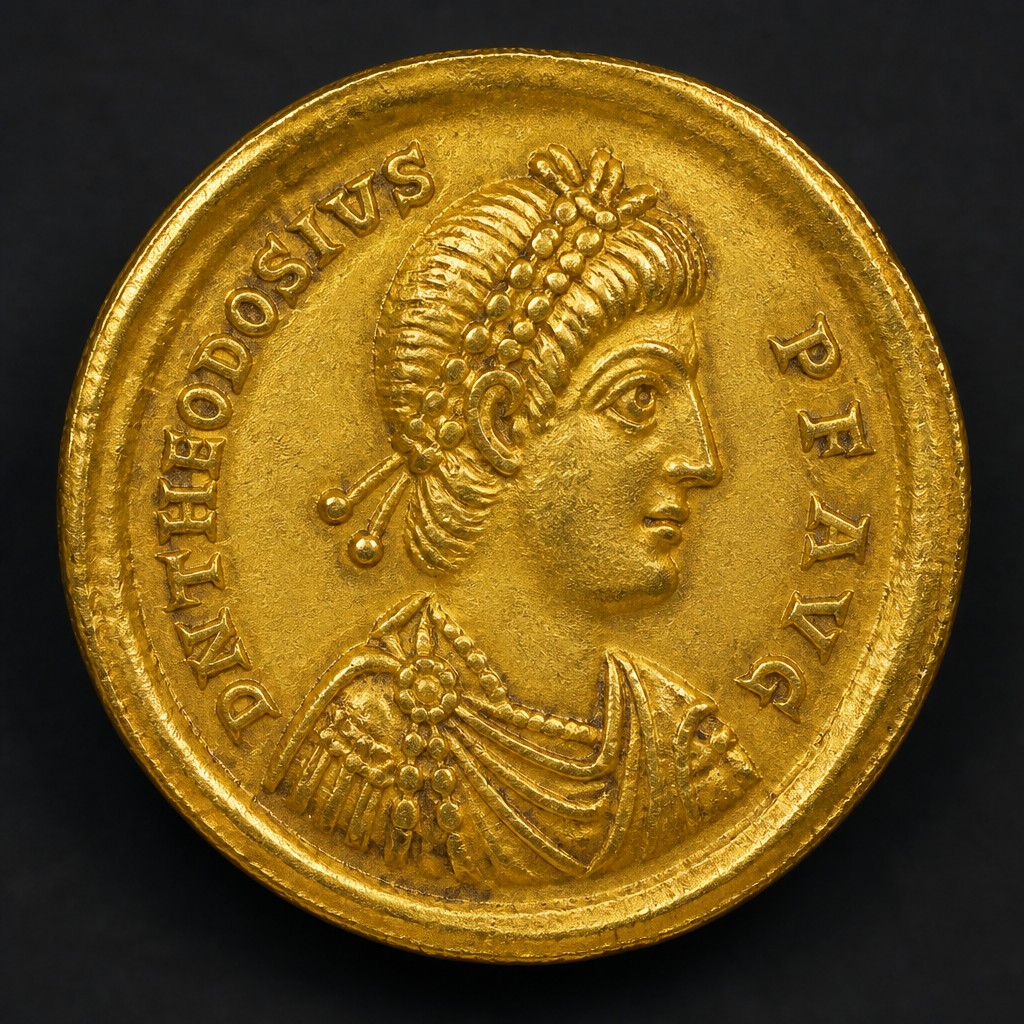
Theodosius I Solidus
379–395 AD
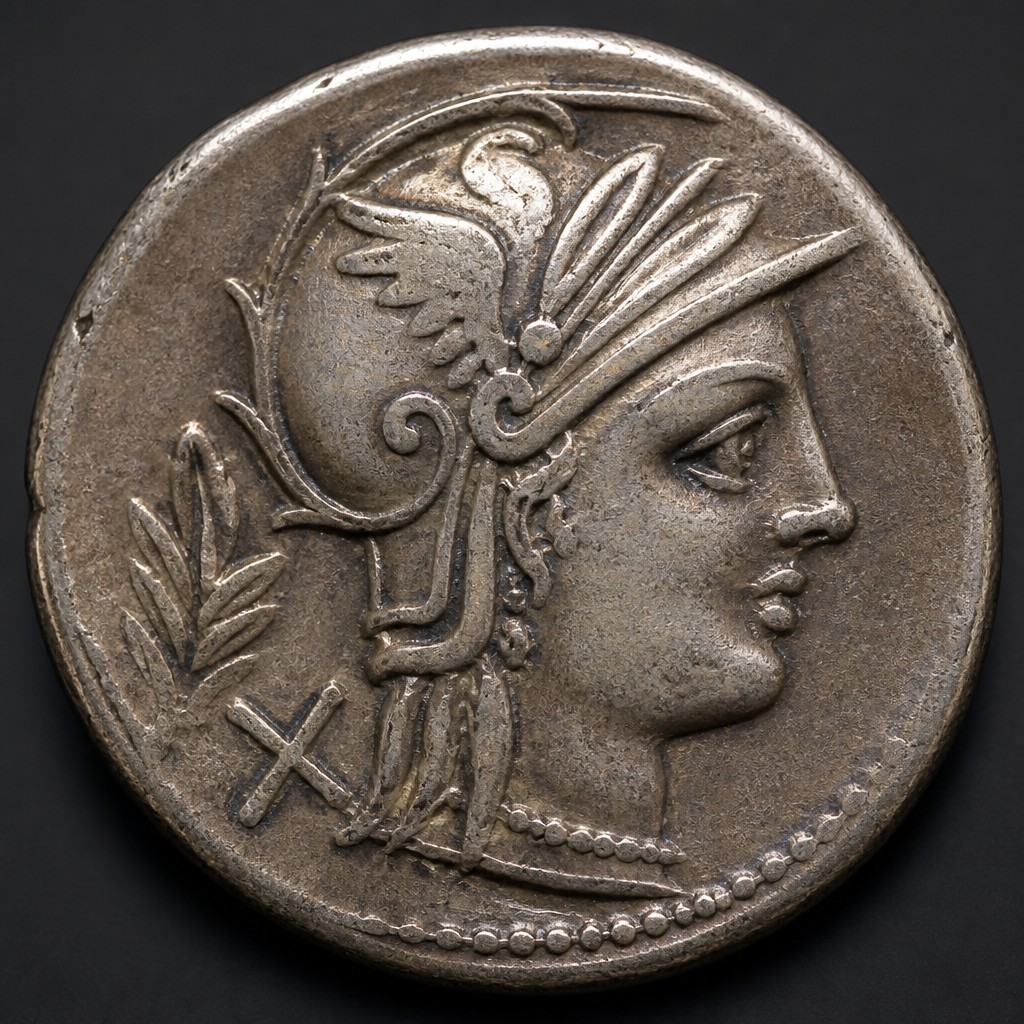
Republican Victoriatus
c. 211–170 BC
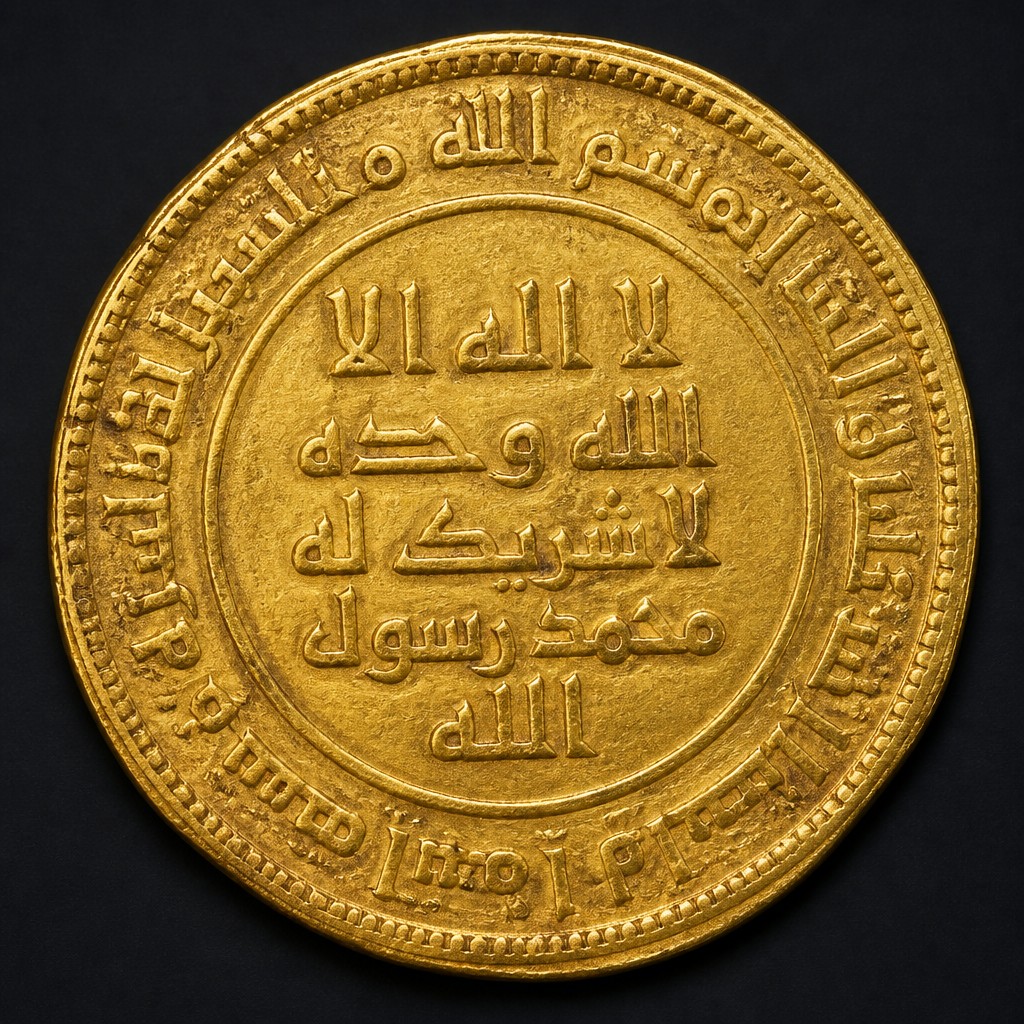
Islamic Gold Dinar (Umayyad)
c. 696–750 AD
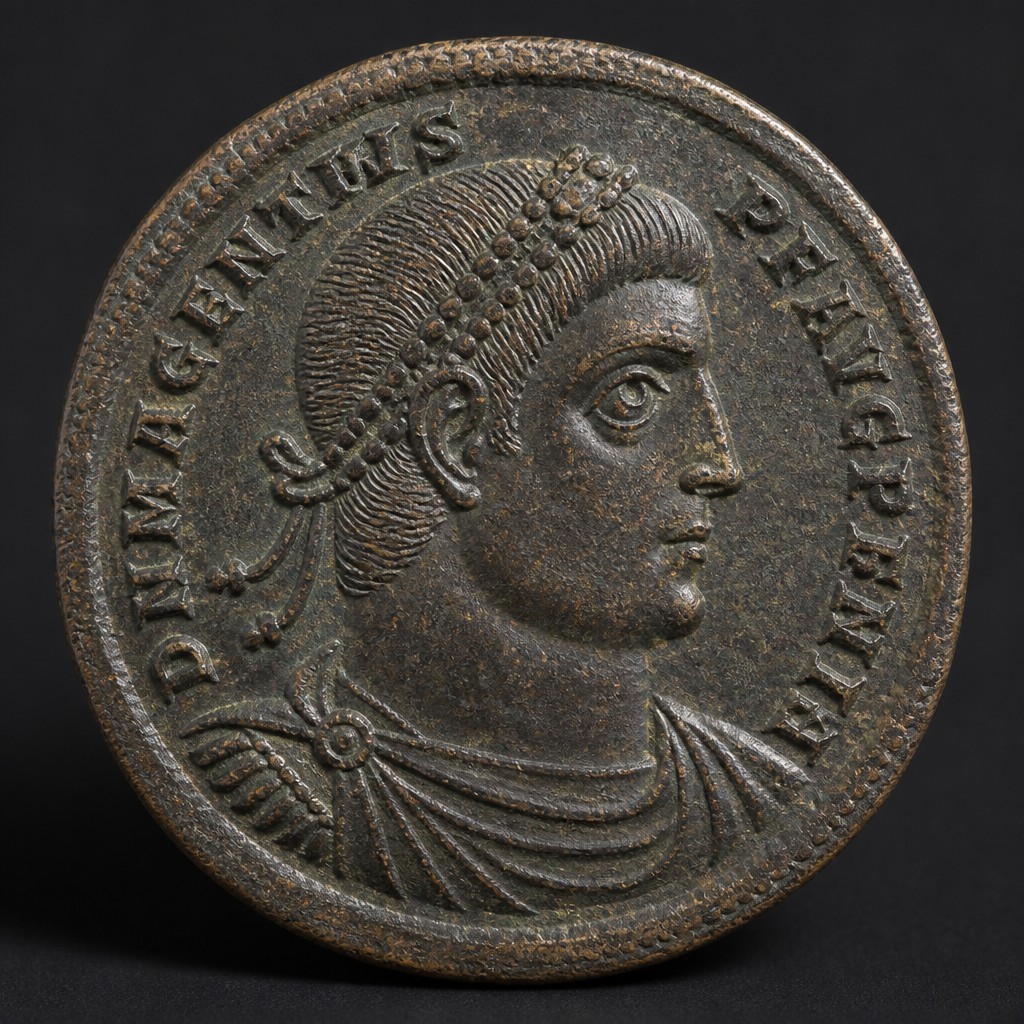
Magnentius Double Centenionalis
350–353 AD
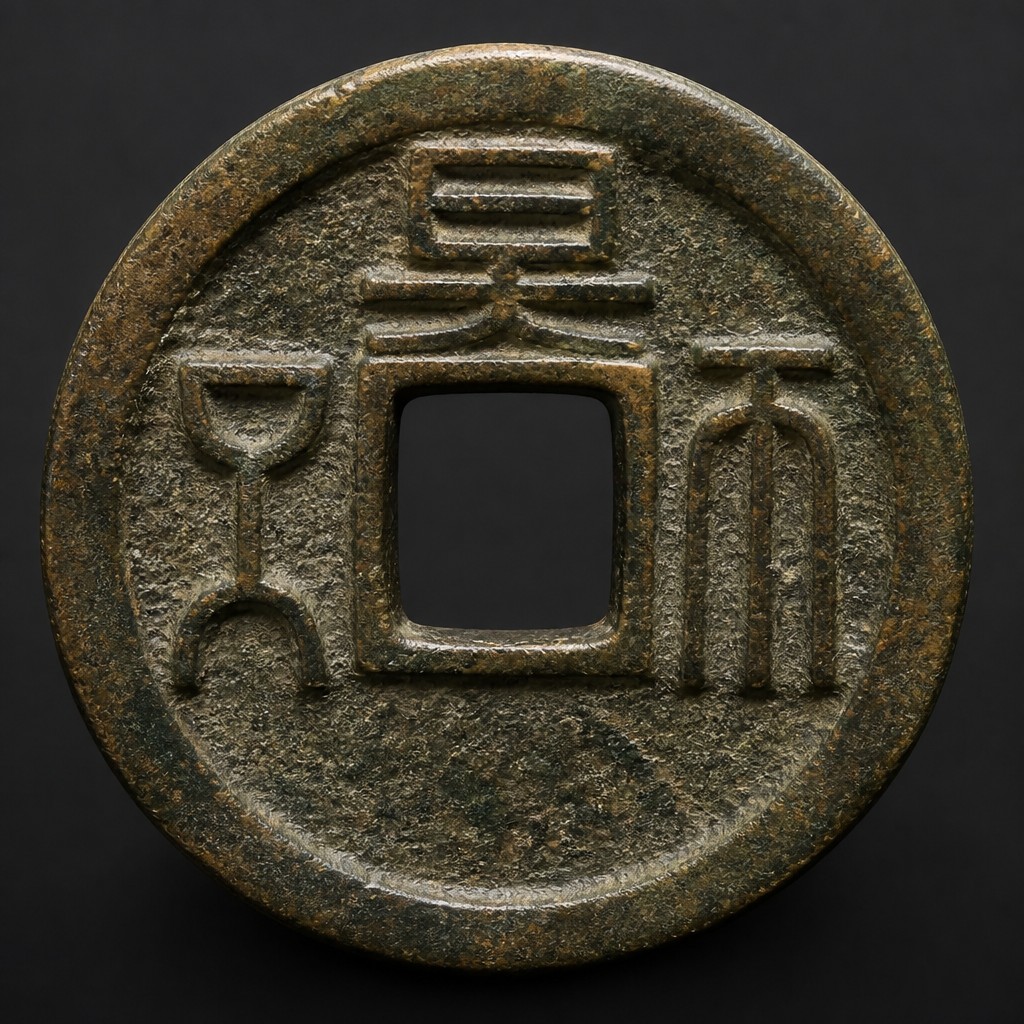
Chinese Wu Zhu Cash
118 BC – 618 AD
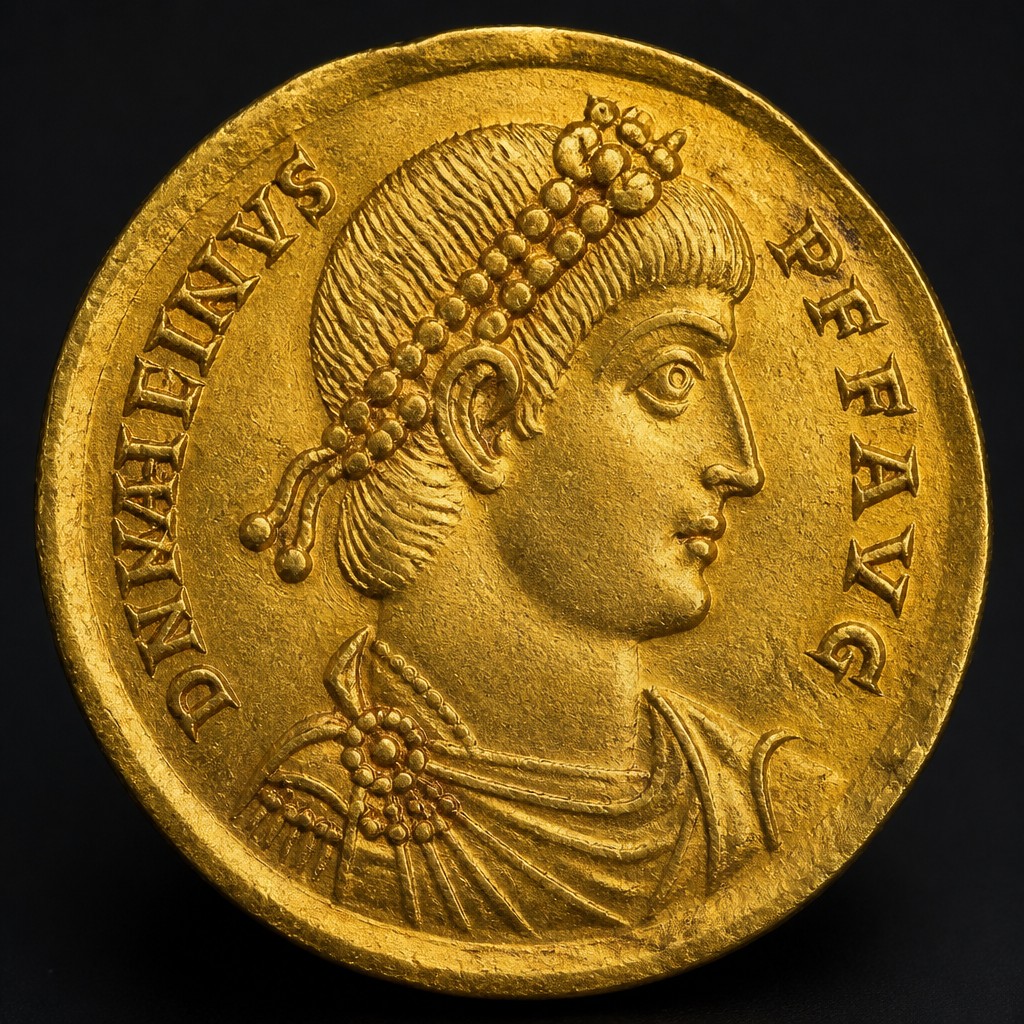
Valentinian I Solidus
364–375 AD
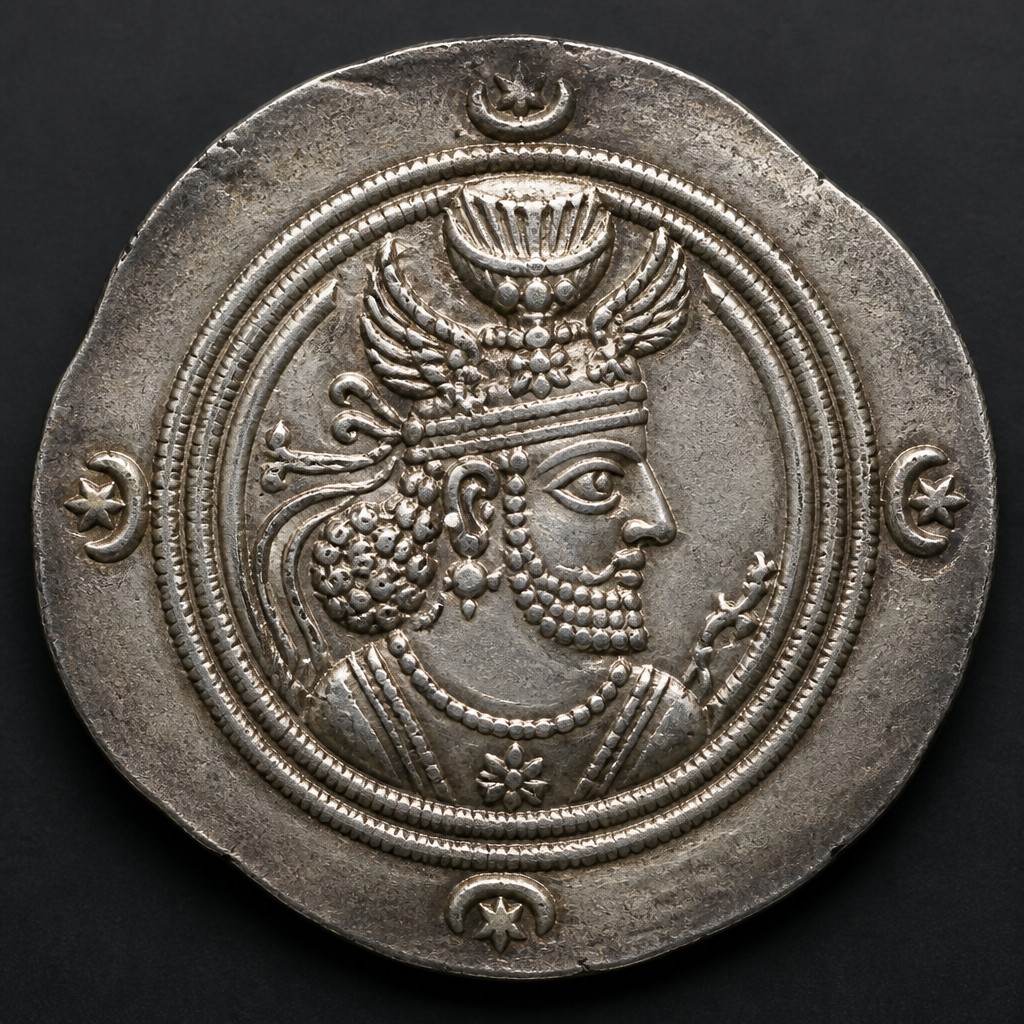
Sassanian Silver Drachm
c. 224–651 AD
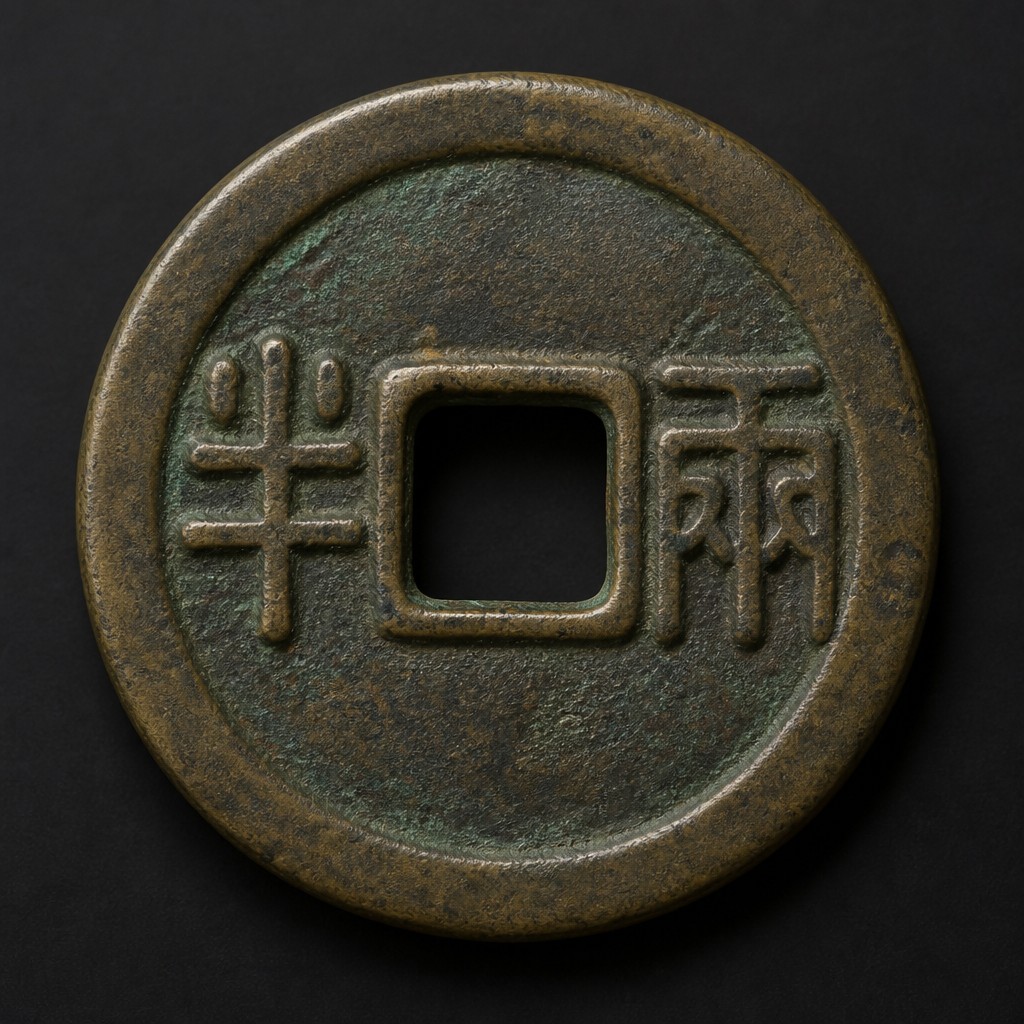
Chinese Ban Liang Cash
c. 221–118 BC
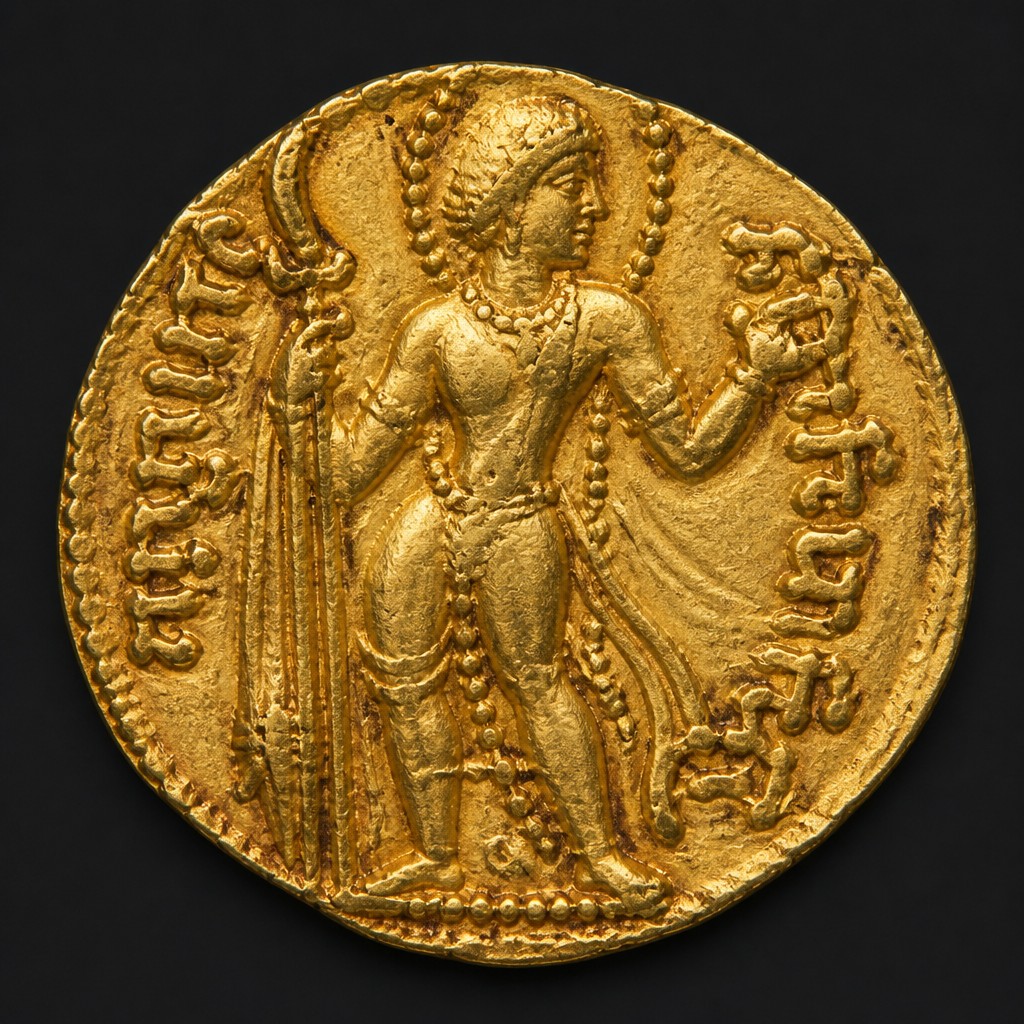
Gupta Empire Gold Dinar
c. 320–550 AD
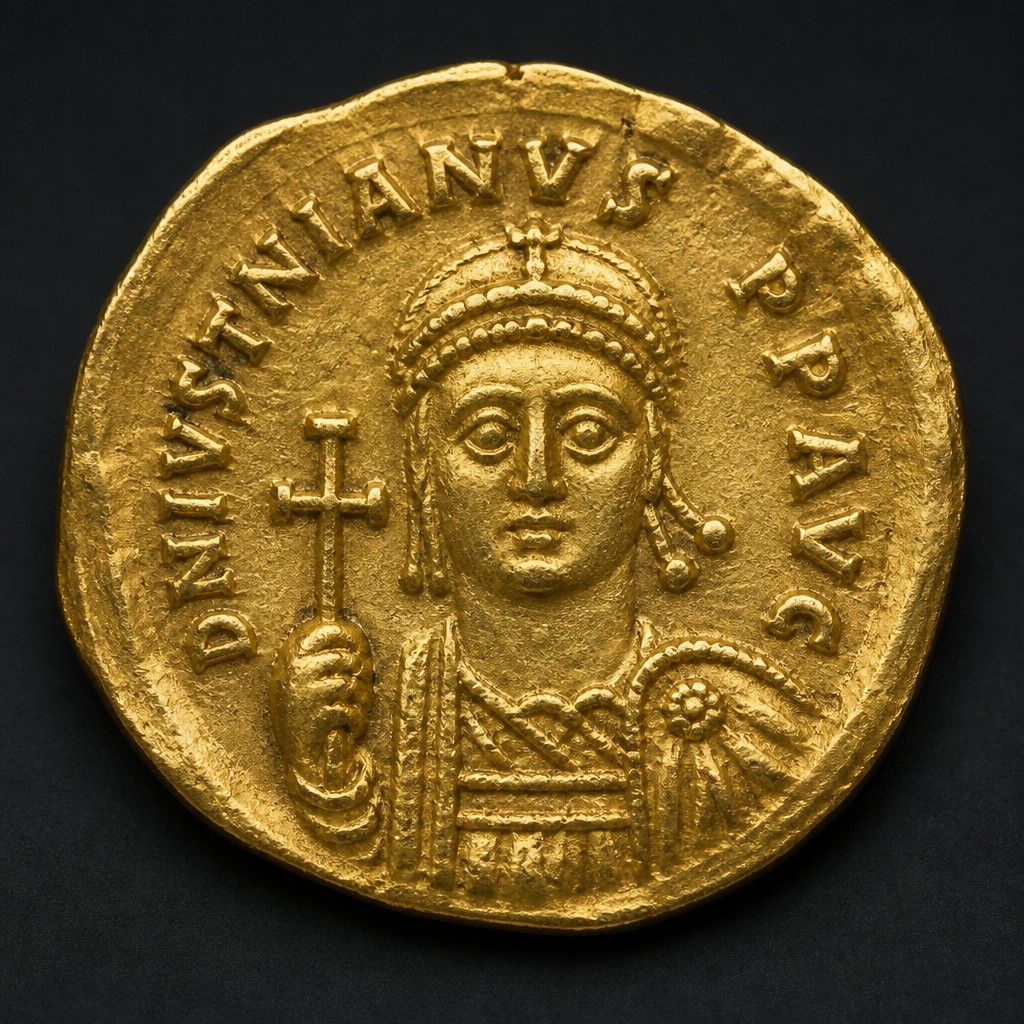
Byzantine Gold Tremissis
c. 4th–7th century AD
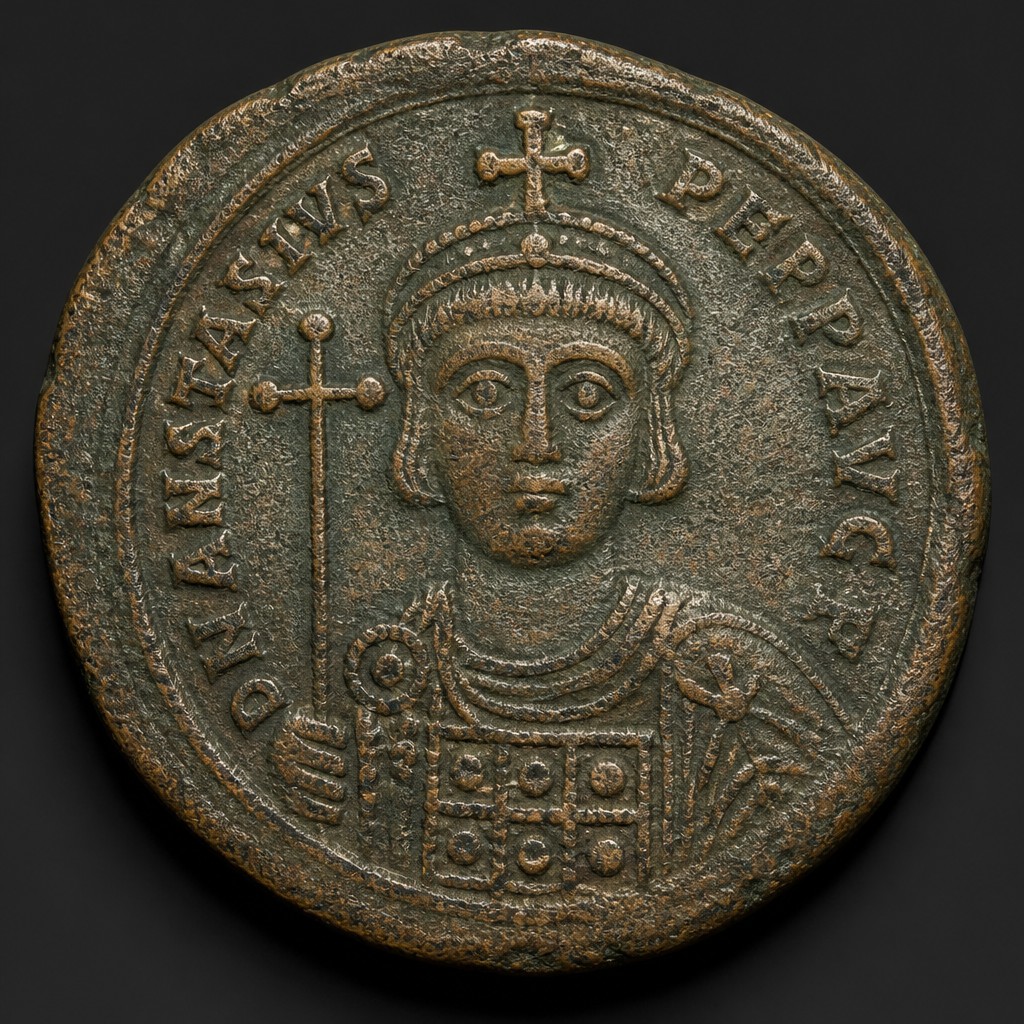
Byzantine Follis
498–c. 11th century AD
Celtic Gold Stater
c. 3rd century BC – 1st century AD