
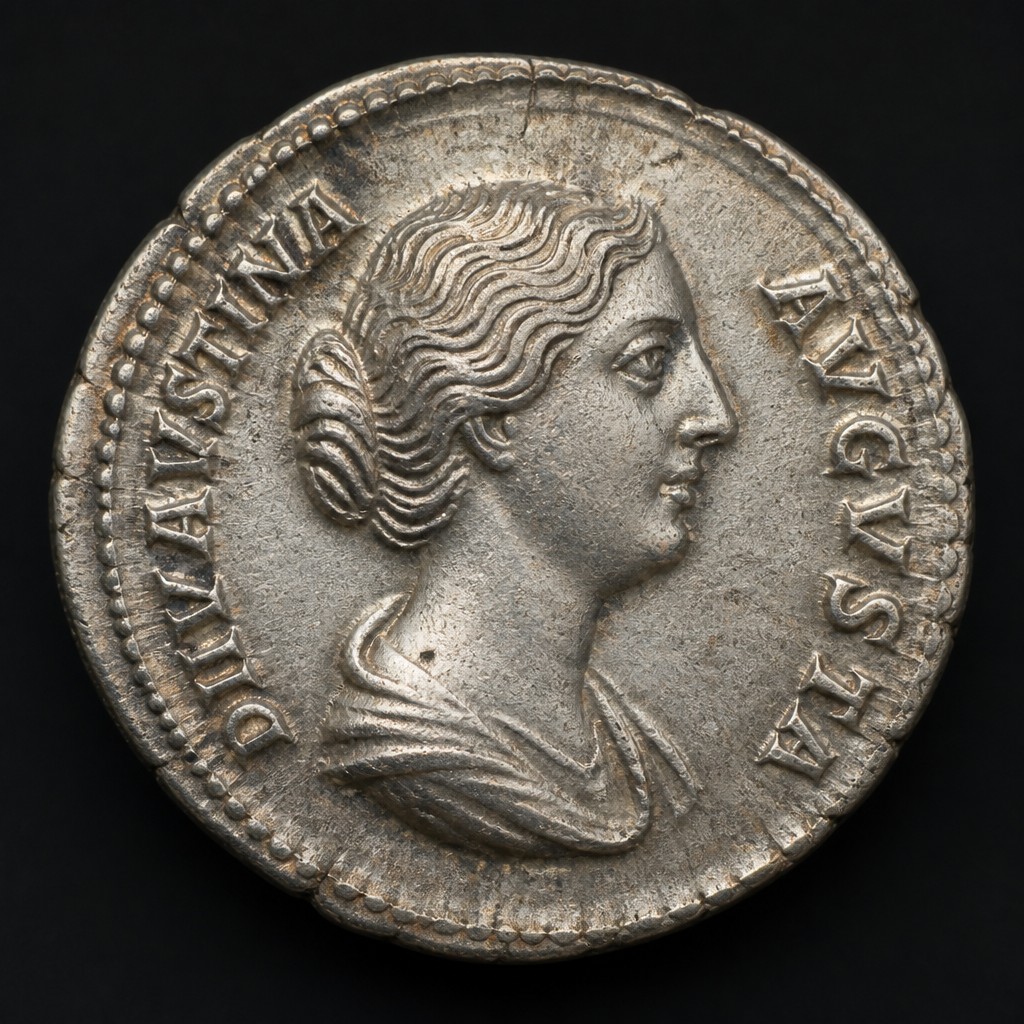
Faustina the Elder Denarius
Posthumous silver denarius honoring Faustina the Elder, wife of Antoninus Pius, struck for two decades after her death and deification in 140/141 AD.
- Country
- Ancient Rome
- Denomination
- Denarius
- Metal
- Silver (approx. 83%)
Got a coin like this?
Identify any coin from a photo, free.
Overview
The denarius of Faustina the Elder is a distinctive example of Roman commemorative coinage, since it was struck not during her lifetime in any significant volume but overwhelmingly after her death, as part of a sustained deification program by her devoted husband, Emperor Antoninus Pius. The coins bear the legend DIVA FAVSTINA, marking her formal consecration as a goddess by the Senate.
Because this memorial coinage continued for roughly twenty years, spanning much of the remainder of Antoninus Pius's reign, Faustina the Elder denarii are relatively plentiful today despite commemorating a relatively brief life. Reverse types draw heavily on themes of eternity, motherhood, and the afterlife, reflecting the deification narrative rather than depicting worldly achievements.
Collectors of Roman empresses and of the Antonine dynasty find her coinage an interesting case study in how Roman coin production could serve sustained personal and dynastic commemoration long after an individual's death.
History & Background
Annia Galeria Faustina, later known as Faustina the Elder, married the future emperor Antoninus Pius and became empress upon his accession in 138 AD. She died in either 140 or 141 AD, relatively early in his reign, and Antoninus Pius responded with an extraordinary and prolonged program of commemoration, having the Senate deify her and establishing charitable foundations in her name for the support of orphaned girls.
Unlike most Roman commemorative coinages tied to a single event, the DIVA FAVSTINA series continued in production for the remainder of Antoninus Pius's twenty-three-year reign, reflecting his evident personal devotion to her memory and a desire to keep her legacy visible in everyday Roman life through coinage.
The extended duration of this memorial coinage makes it something of an anomaly in Roman numismatics, and later Roman empresses, including her own daughter Faustina the Younger, would also eventually receive similar posthumous deification coinage, though rarely for such a sustained period.
How to Identify
The obverse shows the diademed or veiled bust of Faustina the Elder facing right, with the legend DIVA FAVSTINA, explicitly marking her status as a deified former empress rather than a living Augusta. Reverse types emphasize themes appropriate to deification and the afterlife, including Aeternitas (eternity) often shown standing with a scepter or globe, Ceres with grain ears and a torch, Juno with a peacock, and occasionally a funeral pyre or the ceremonial carriage (carpentum) used in her funeral procession.
The denarius is a standard small silver coin of the period, roughly 3 to 3.4 grams and about 17 to 18mm across, generally well struck given the careful, sustained production of this dynastic memorial series over two decades.
Because the coinage was struck posthumously and continuously, style can vary somewhat between earlier and later issues within the DIVA FAVSTINA series, but the consistent obverse legend referencing her divine status makes identification straightforward and distinguishes her coinage clearly from that of her living daughter, Faustina the Younger.
Value & Collectibility
Faustina the Elder denarii are generally affordable and readily available, since the extended twenty-year production run of her memorial coinage left a substantial surviving population for collectors today. Common reverse types in decent grade are often found at modest prices, making her coinage accessible to newer collectors of Roman empresses.
Sharper strikes, well-centered examples, and less common reverse types such as the funeral carpentum can command higher premiums among specialists, but overall her coinage remains one of the more budget-friendly ways to represent an Antonine-era empress in a collection.
Historical interest in her unusually prolonged commemorative coinage, reflecting her husband's personal devotion, adds a layer of appeal beyond simple type collecting, and her coins are frequently included in discussions of Roman deification practices.
Frequently asked questions
Why does the coin say DIVA instead of DIVA AVGVSTA or similar living titles?
DIVA indicates she had been formally deified after death; it distinguishes posthumous commemorative coinage from coinage struck for a living empress.
How long was this memorial coinage produced?
It continued for roughly two decades, throughout most of the remainder of Antoninus Pius's reign after her death around 140/141 AD.
What is the carpentum shown on some reverses?
It is the ceremonial carriage used in her funeral procession, a symbol referencing her formal state funeral and deification.
How is Faustina the Elder different from Faustina the Younger?
Faustina the Elder was the wife of Antoninus Pius and mother of Faustina the Younger, who in turn became wife of Marcus Aurelius; both women have separate coinages.
Other coins you may enjoy
Theodosius I Solidus
379–395 AD
Republican Victoriatus
c. 211–170 BC
Islamic Gold Dinar (Umayyad)
c. 696–750 AD
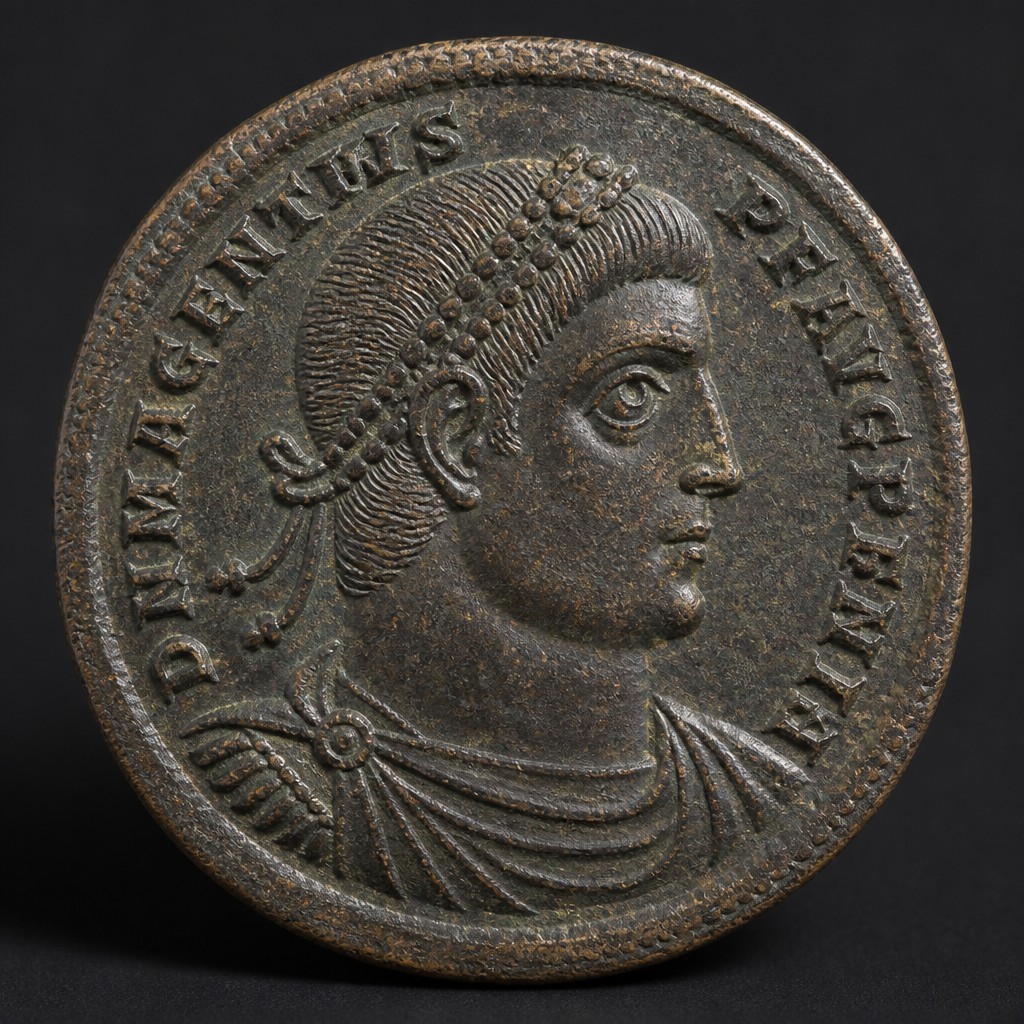
Magnentius Double Centenionalis
350–353 AD
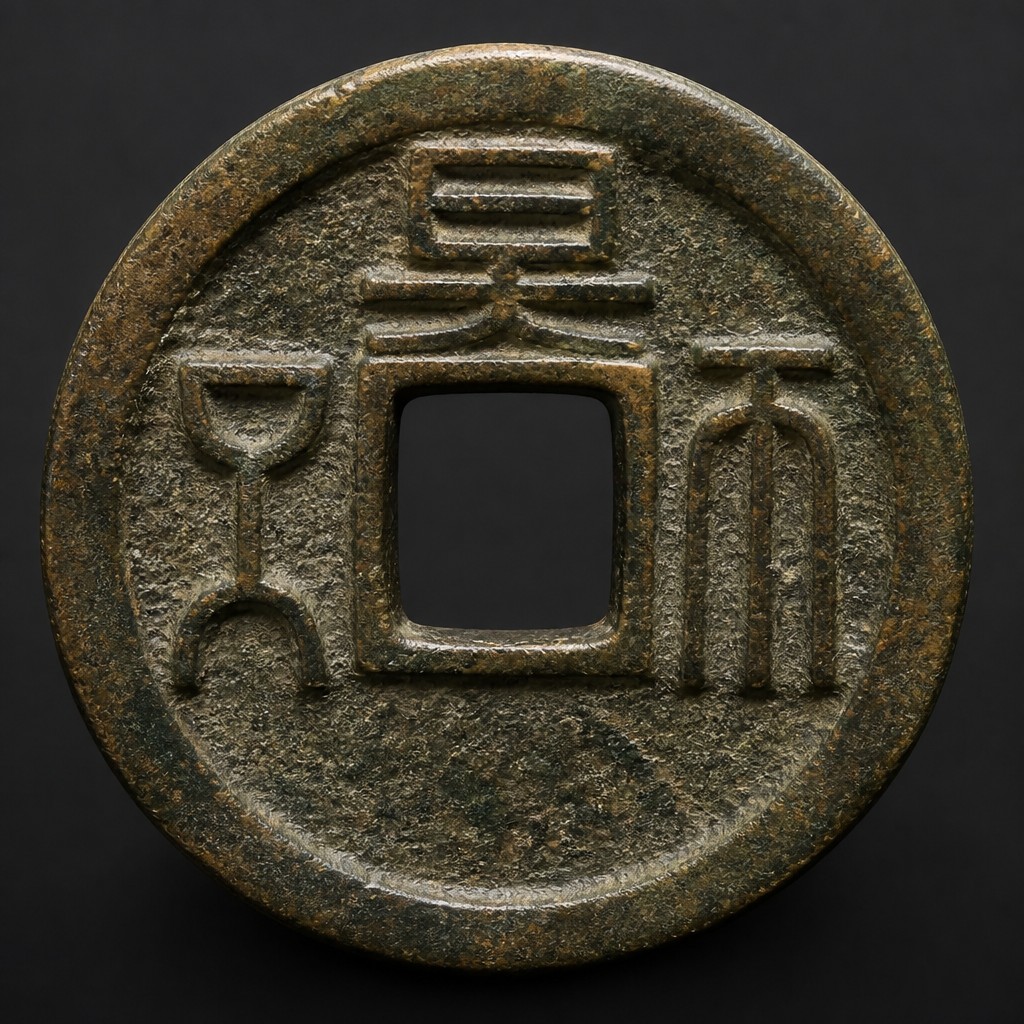
Chinese Wu Zhu Cash
118 BC – 618 AD
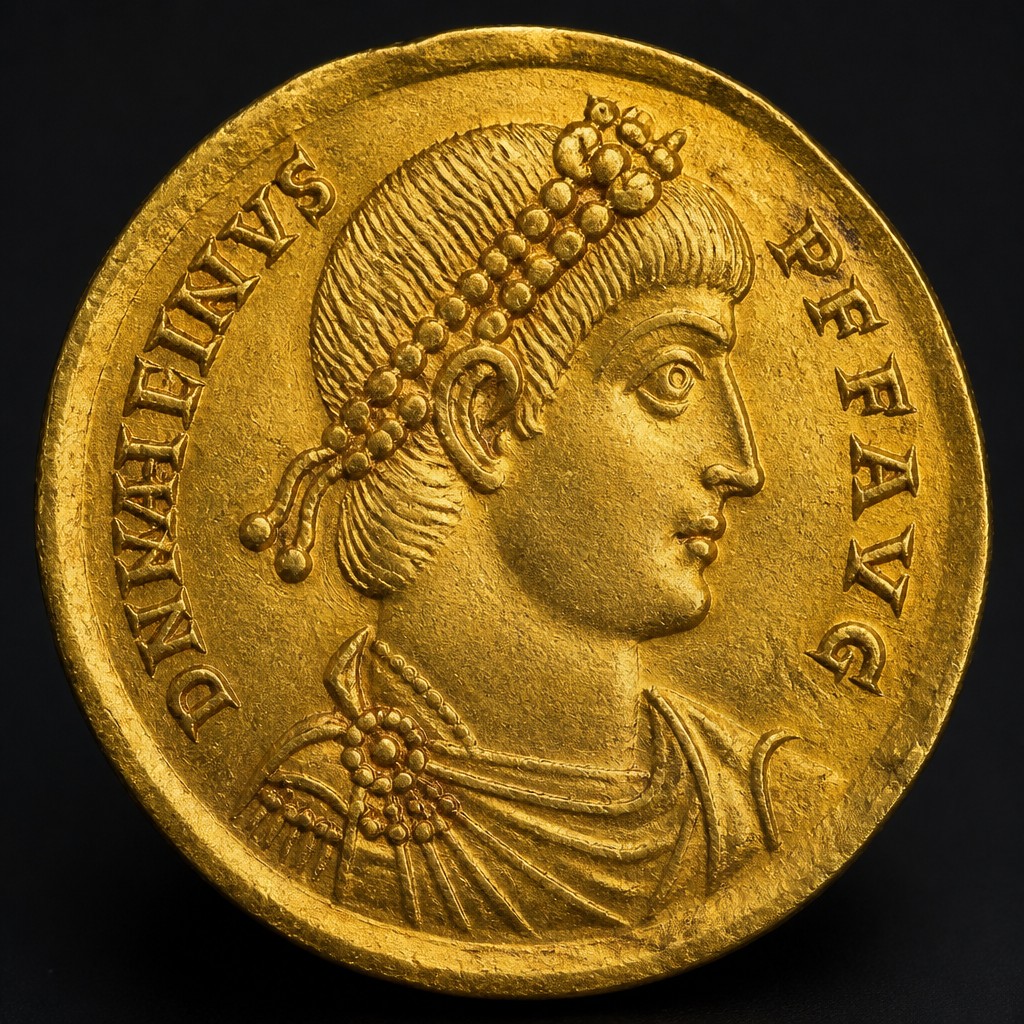
Valentinian I Solidus
364–375 AD
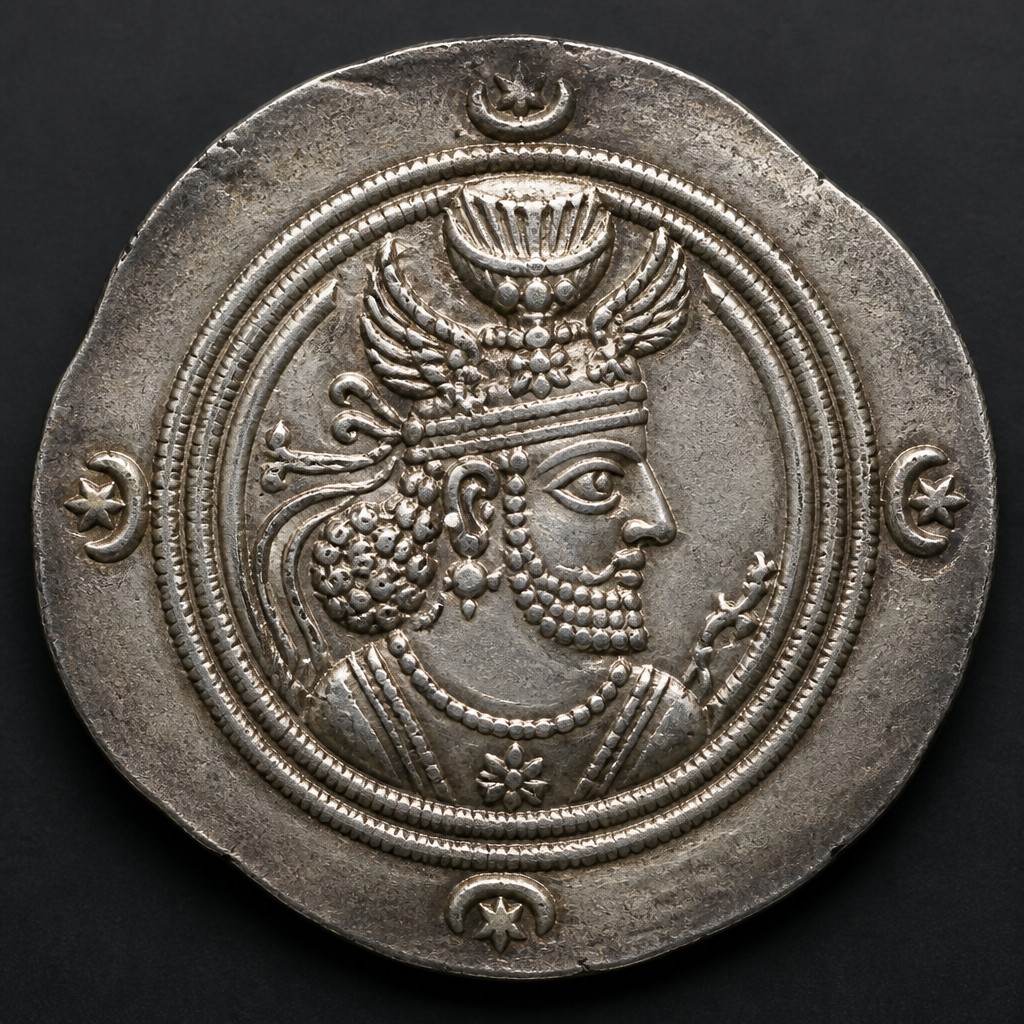
Sassanian Silver Drachm
c. 224–651 AD
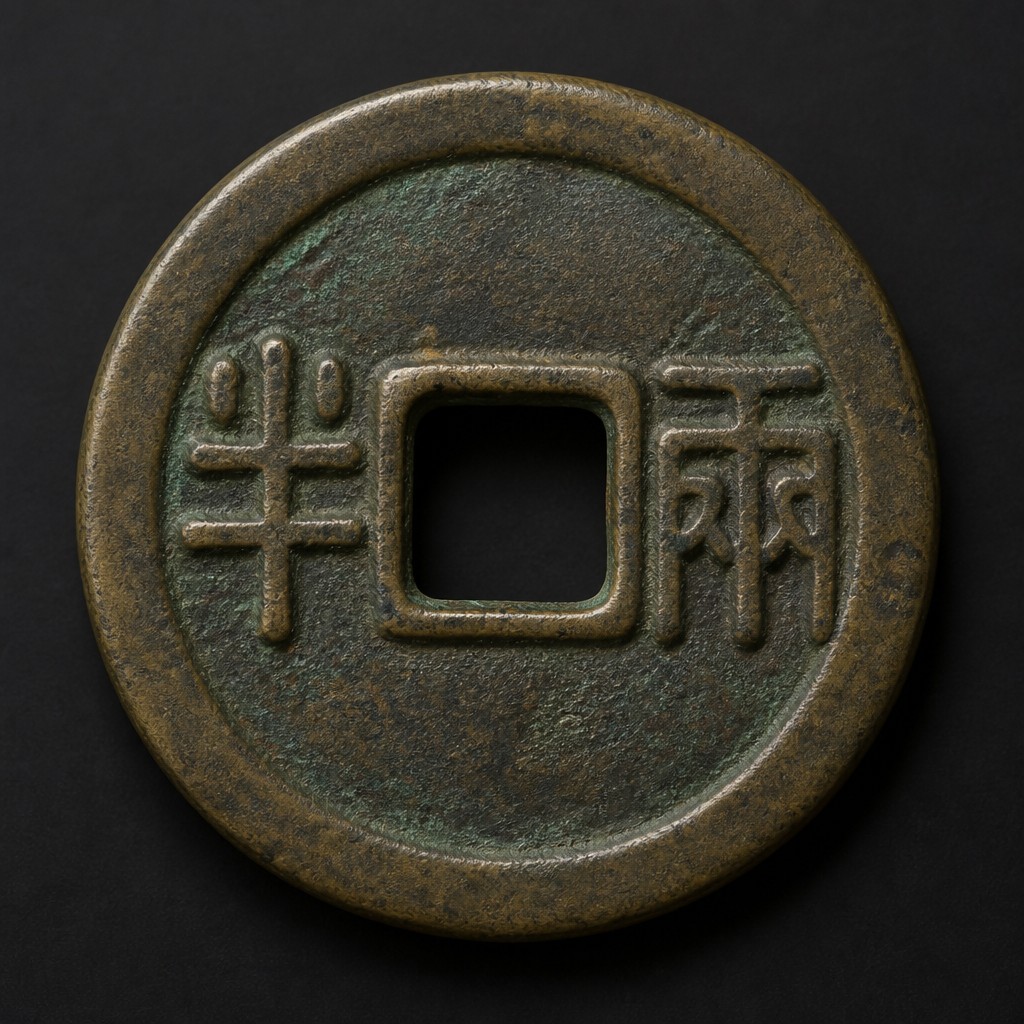
Chinese Ban Liang Cash
c. 221–118 BC
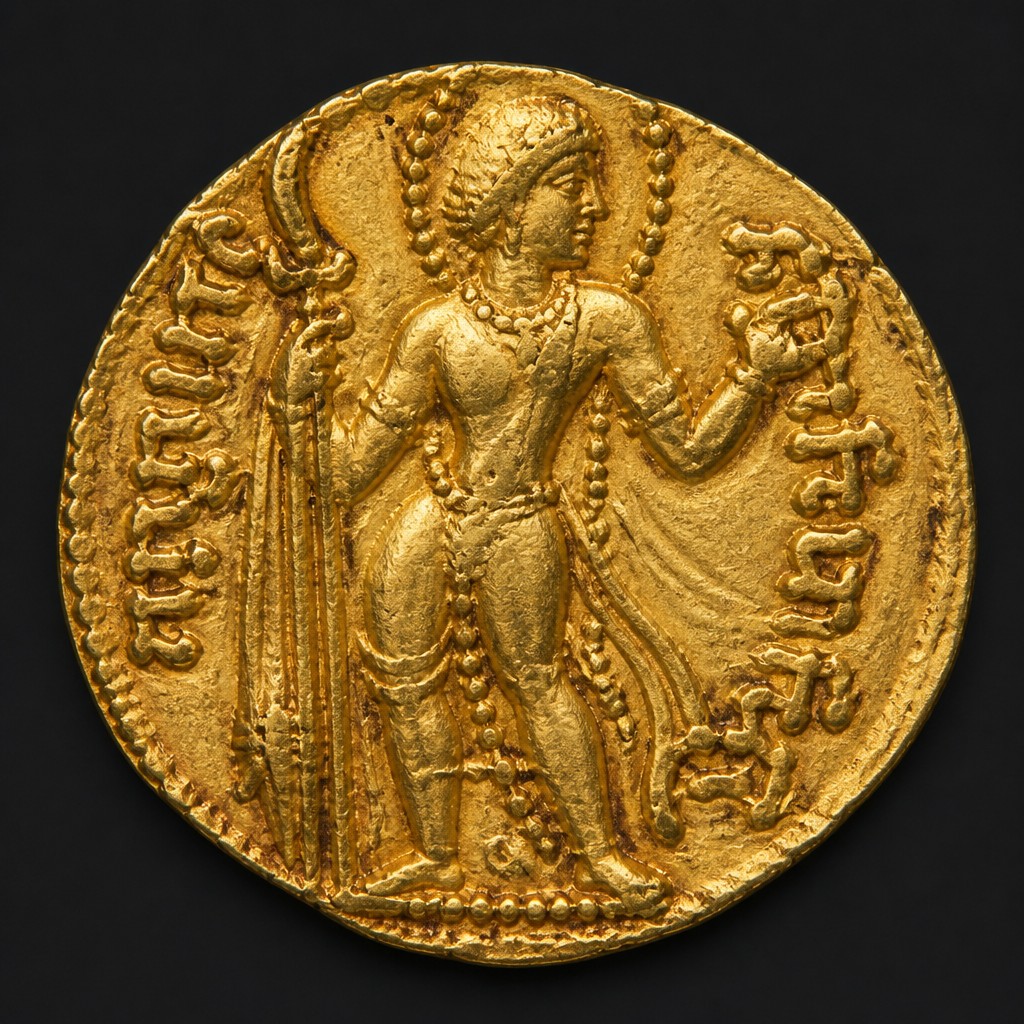
Gupta Empire Gold Dinar
c. 320–550 AD
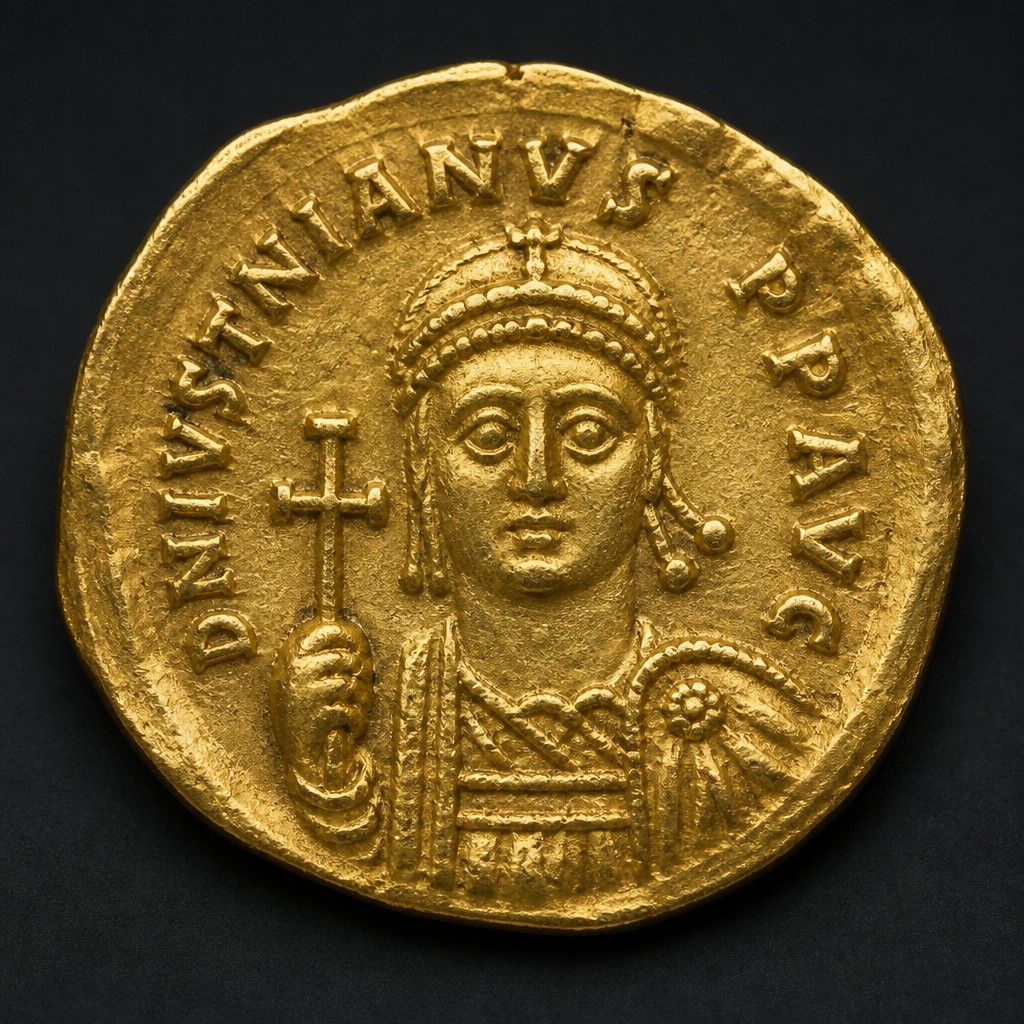
Byzantine Gold Tremissis
c. 4th–7th century AD
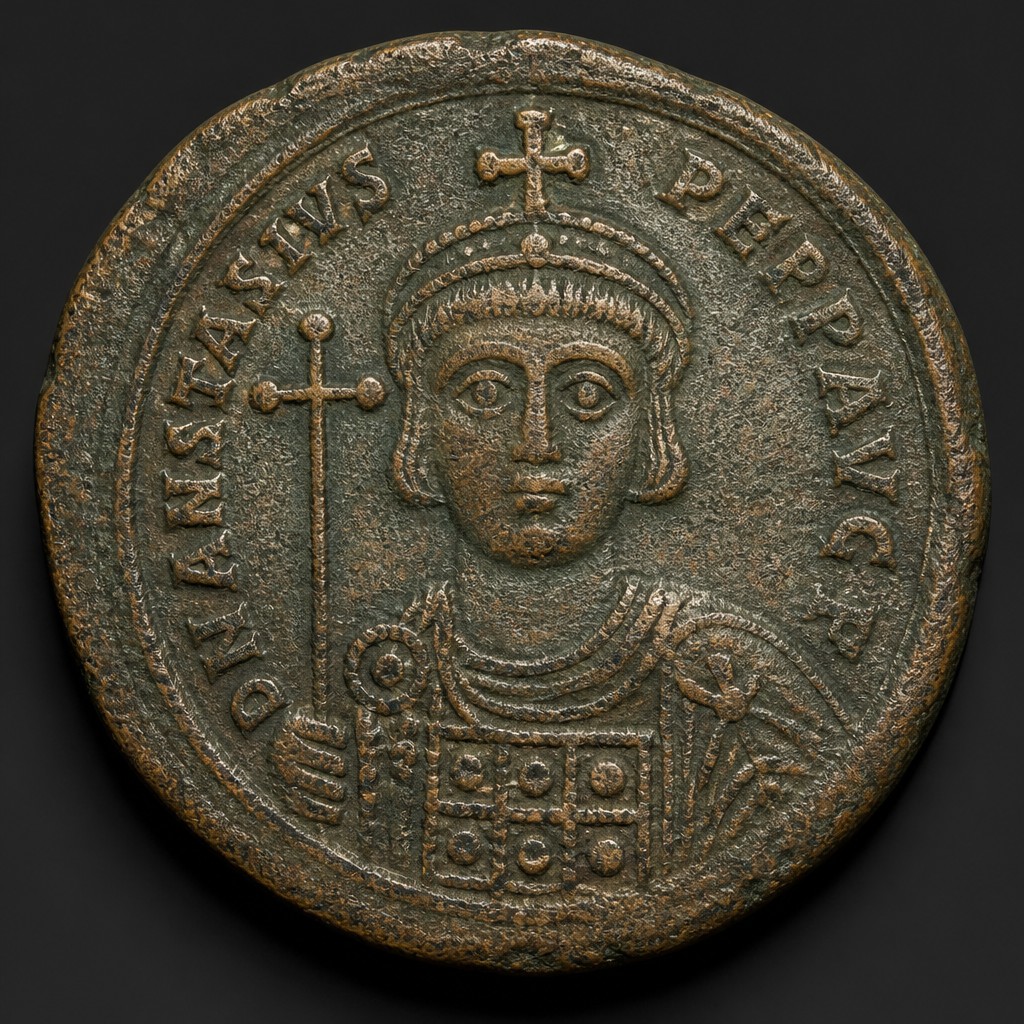
Byzantine Follis
498–c. 11th century AD
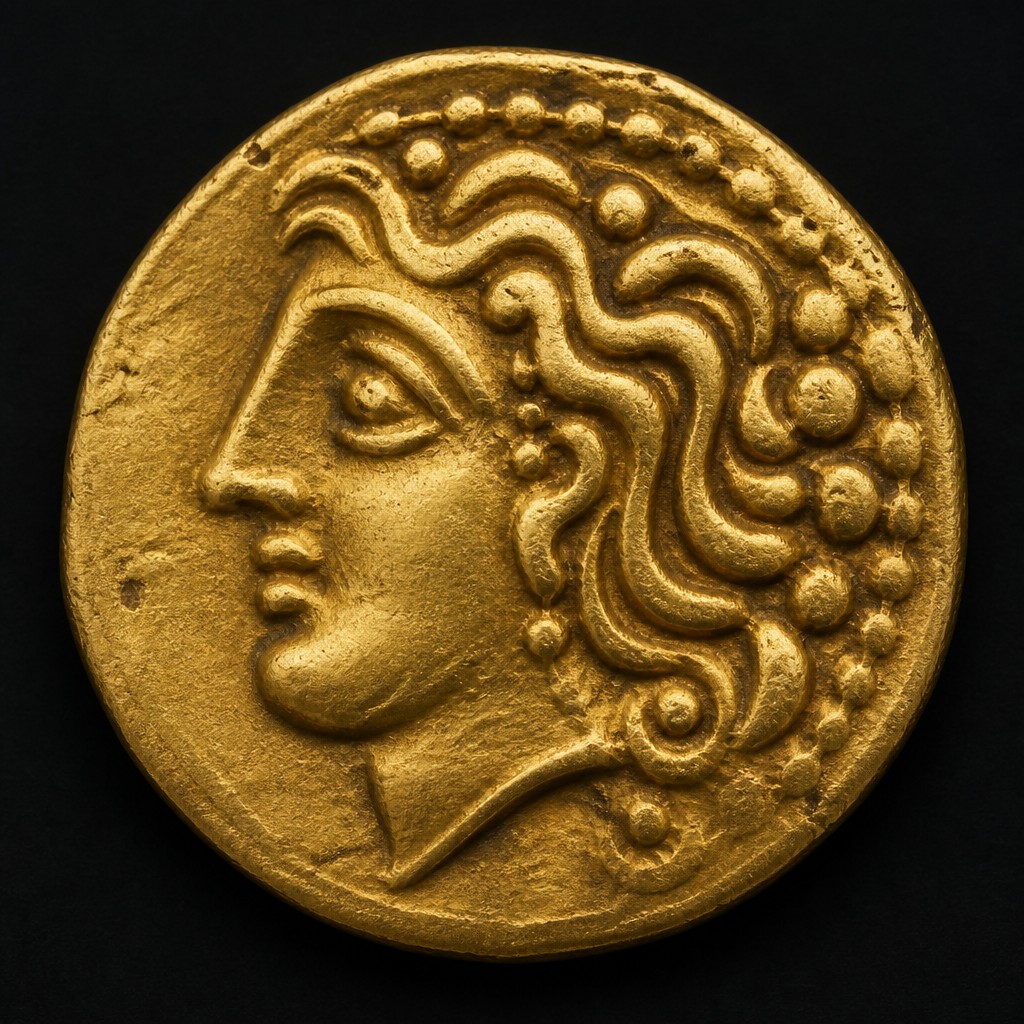
Celtic Gold Stater
c. 3rd century BC – 1st century AD