
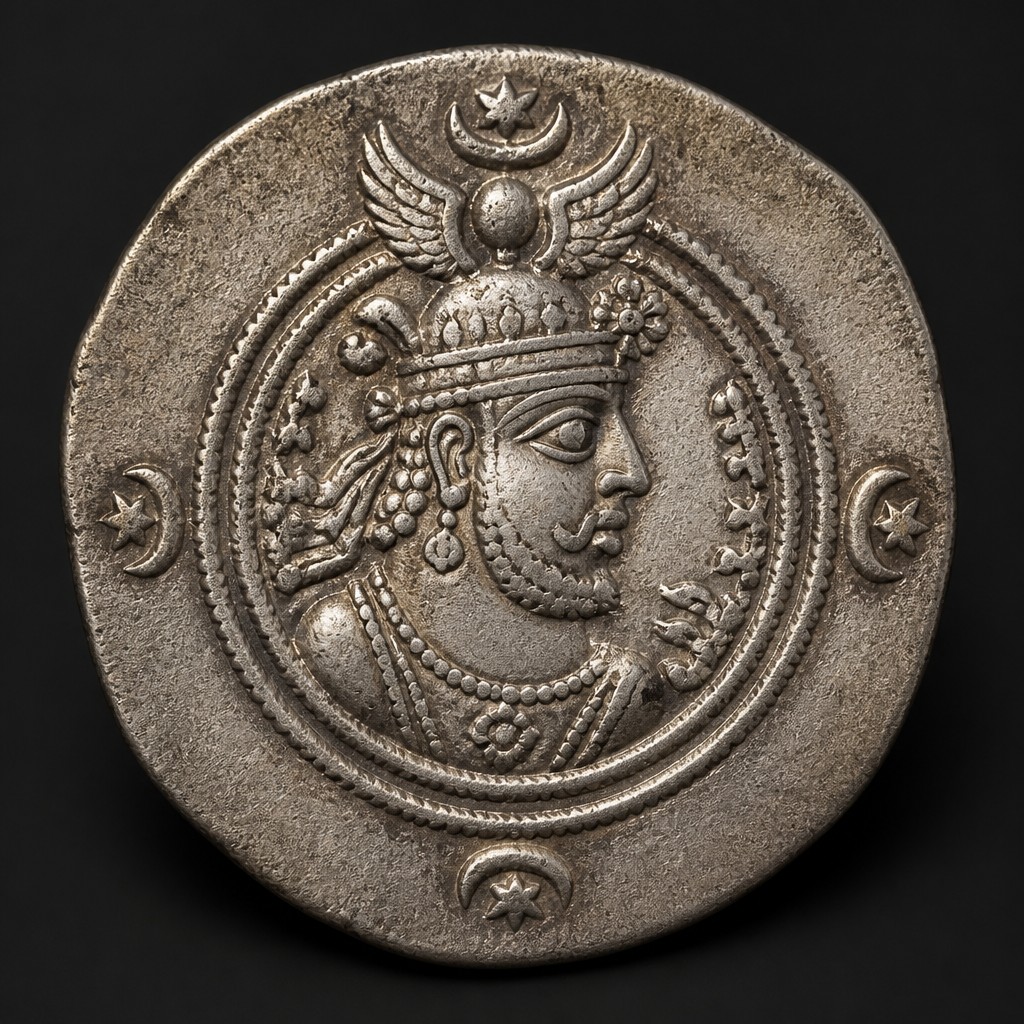
Sassanian Drachm of Khusro II
A silver coin of the long-reigning Sasanian king Khusro II, among the most commonly found ancient Persian coins, showing his ornate crowned bust and a Zoroastrian fire altar.
- Country
- Sasanian Empire (Persia)
- Denomination
- Drachm
- Metal
- Silver
Got a coin like this?
Identify any coin from a photo, free.
Overview
Drachms of Khusro II are some of the most abundant and recognizable coins from pre-Islamic Persia. Struck in enormous quantity over his roughly 38-year reign, they offer collectors an affordable and visually rich window into the last great pre-Islamic Persian empire.
The coin's design, featuring a heavily bejeweled royal crown and a fire altar flanked by attendants, reflects Zoroastrian religious symbolism central to Sasanian identity. Its wide availability makes it a favored starting point for collectors of ancient Near Eastern coinage.
History & Background
Khusro II, sometimes called Khusro Parviz ("the Victorious"), ruled the Sasanian Empire during a period of dramatic military highs and lows, including a nearly successful conquest of Byzantine territory in the early seventh century followed by catastrophic defeat. His long reign allowed for coinage from dozens of mints scattered across the empire, each identified by a short mint abbreviation and a regnal year on the reverse.
Sasanian drachm design and fabric were so influential that after the Islamic conquest of Persia in the mid-seventh century, early Arab governors continued striking close imitations known as Arab-Sasanian coins, carrying Khusro's portrait style forward for decades after his death.
How to Identify
The obverse shows a right-facing bust of the king wearing an elaborate, often winged or crested crown unique to his reign, within a border of dots, sometimes with crescents and stars in the margin. The reverse depicts a Zoroastrian fire altar flanked by two attendants, typically with a star and crescent placed in the field above.
Legends are in Pahlavi (Middle Persian) script, generally recording the mint name and regnal year to the sides of the altar, allowing specialists to pinpoint where and when a given coin was struck. The flan is thin and broad, usually around 30 to 33mm in diameter, with silver fineness that is often somewhat lower than sterling standard.
Value & Collectibility
Because so many drachms of Khusro II survive, this is one of the more affordable ancient coin types on the market, with typical circulated examples often available in roughly the $20 to $80 range. Well-centered strikes with a clear crown, full legends, and pleasing toning bring higher prices.
Certain mint and date combinations are scarcer than others and can command a premium among specialists who collect by mint. Overall, the coin's combination of low cost, historical interest, and artistic crown design keeps it popular among both beginning and advanced collectors of ancient coins.
Frequently asked questions
Why does the crown look so unusual?
Sasanian kings each adopted a distinctive crown design as a personal emblem, and Khusro II's crown is especially elaborate with wing-like or crescent elements.
What does the reverse image represent?
It shows a Zoroastrian fire altar with attendants, reflecting the state religion of the Sasanian Empire.
Are these coins genuinely ancient and common?
Yes, drachms of Khusro II are genuine ancient coins and are considered one of the more commonly available types from the era.
How is the coin dated?
A regnal year is usually inscribed on the reverse alongside the mint abbreviation, letting collectors determine the specific year of striking within his reign.
How do these differ from early Islamic coins?
Early Arab-Sasanian coins closely copy this design but add Arabic inscriptions, marking the transition to Islamic coinage after the Arab conquest of Persia.
Other coins you may enjoy
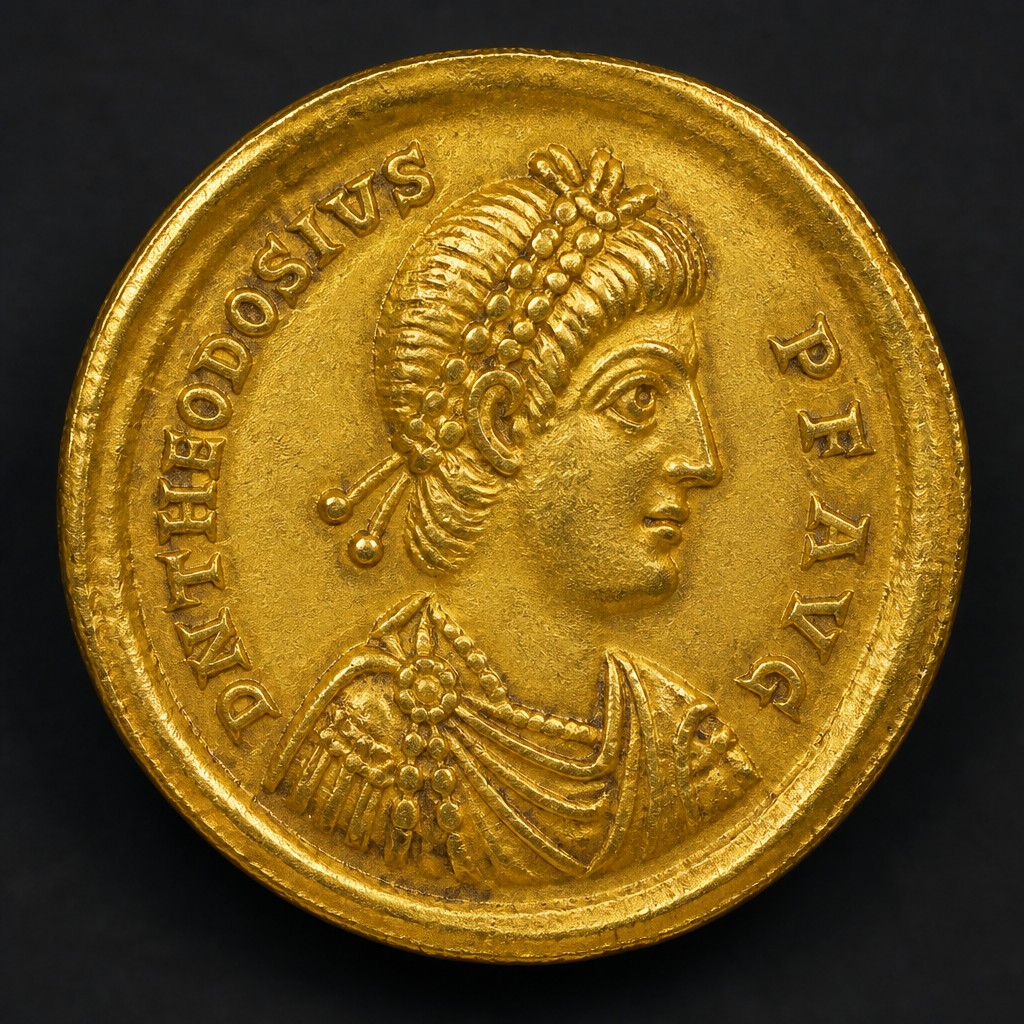
Theodosius I Solidus
379–395 AD
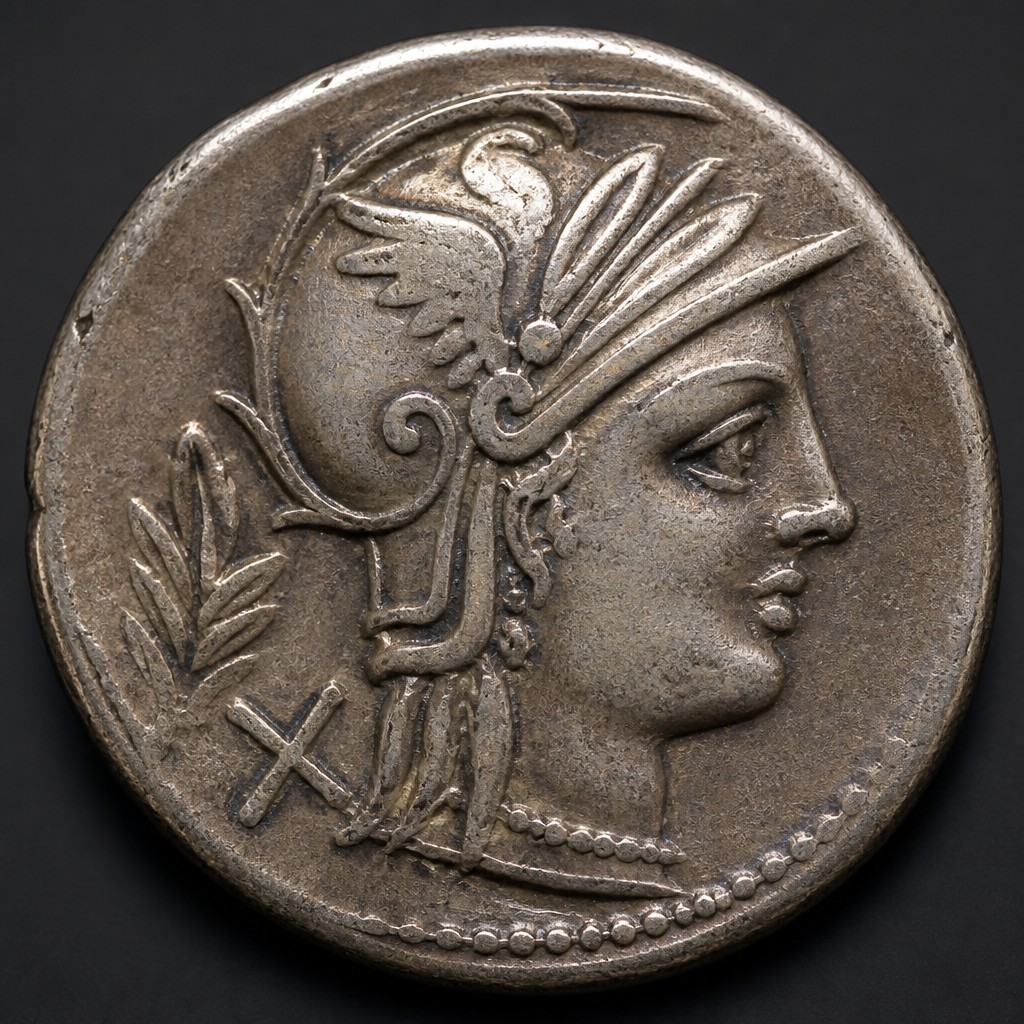
Republican Victoriatus
c. 211–170 BC
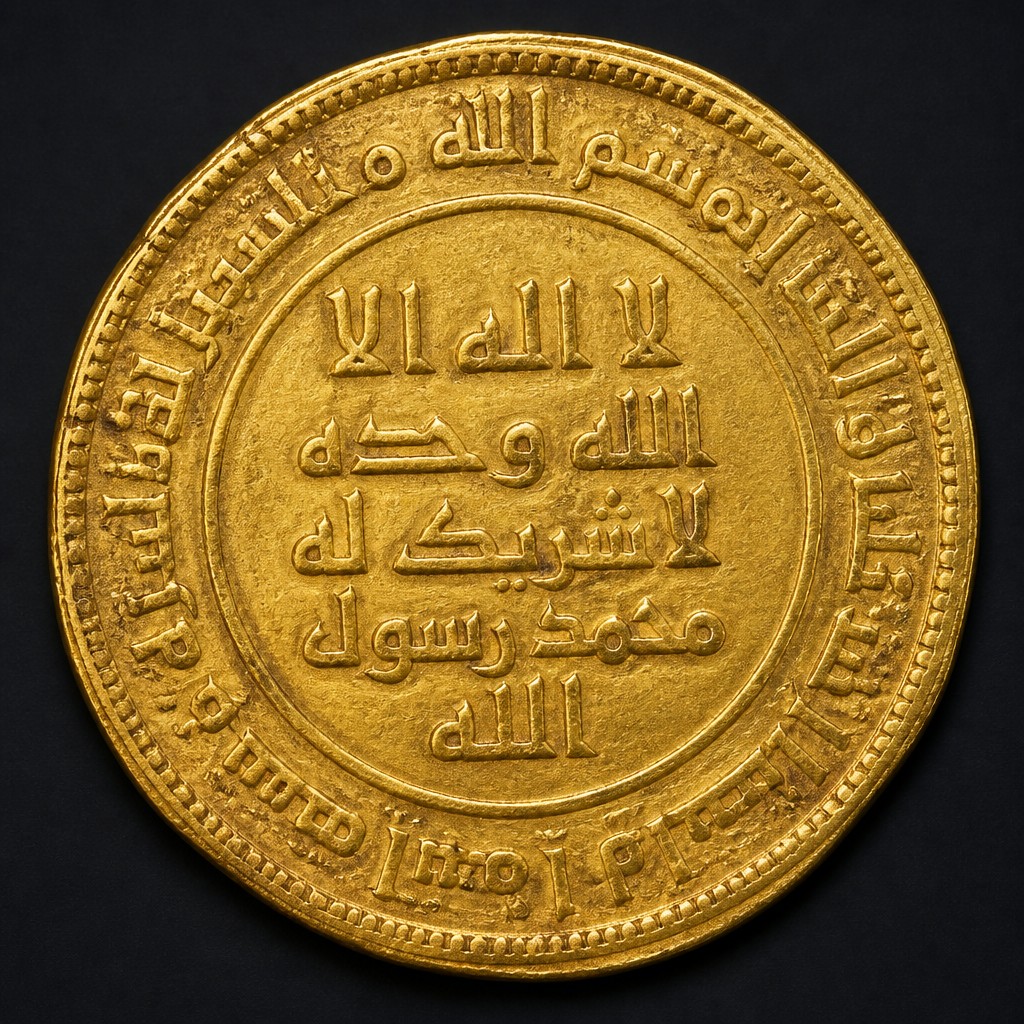
Islamic Gold Dinar (Umayyad)
c. 696–750 AD
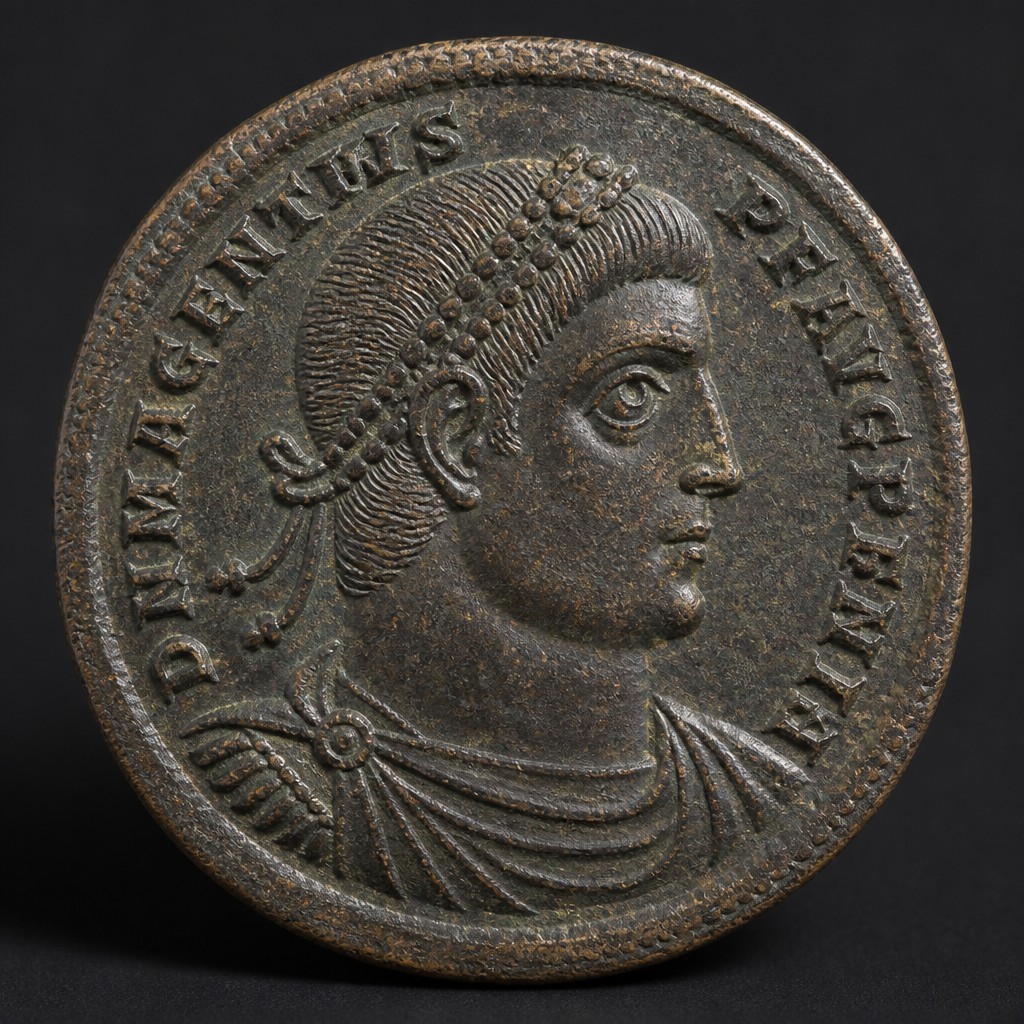
Magnentius Double Centenionalis
350–353 AD
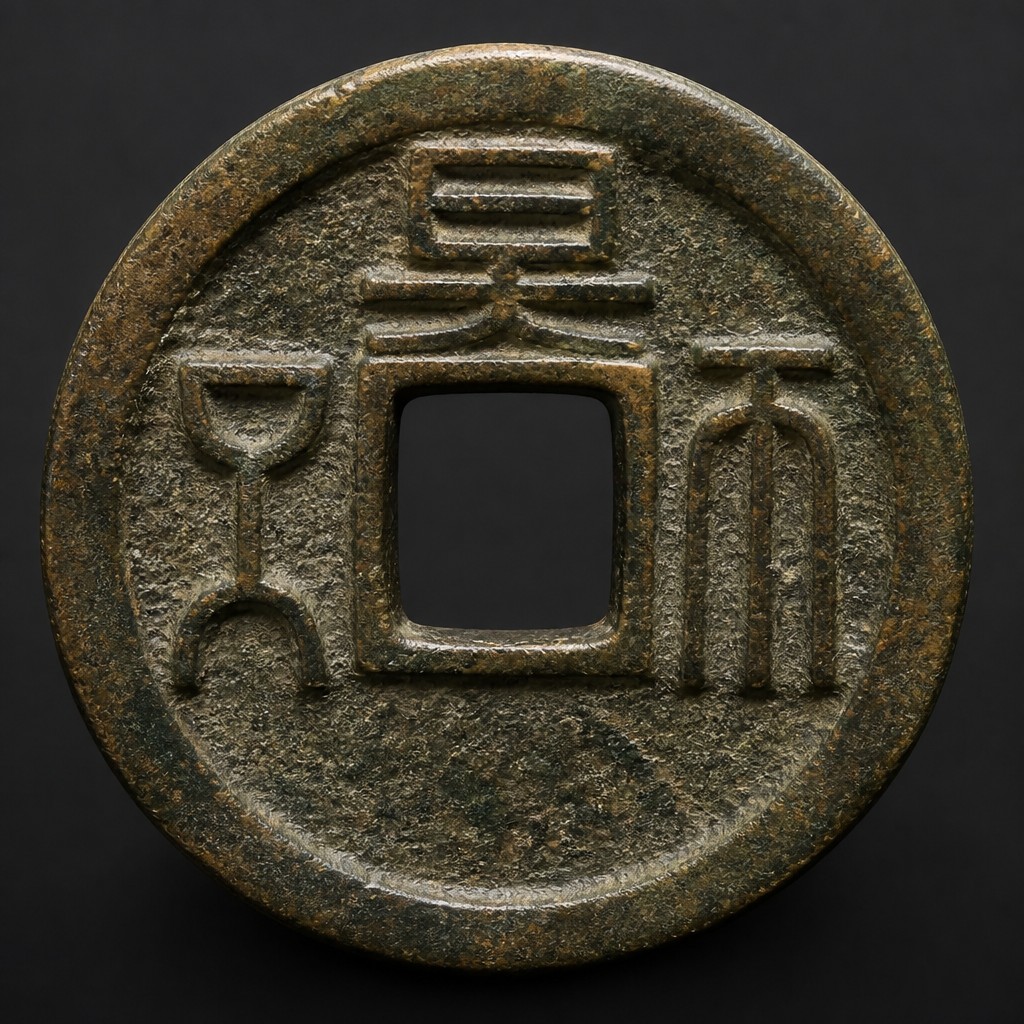
Chinese Wu Zhu Cash
118 BC – 618 AD
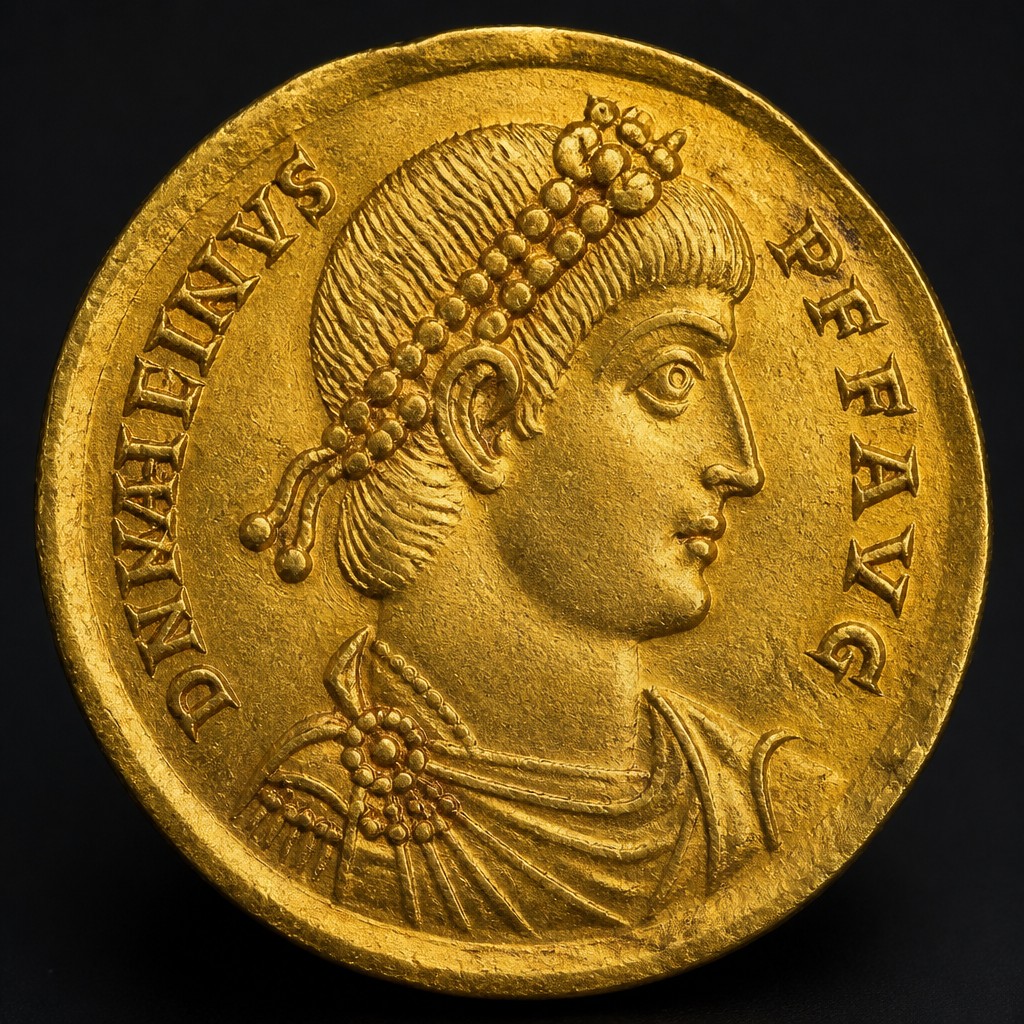
Valentinian I Solidus
364–375 AD
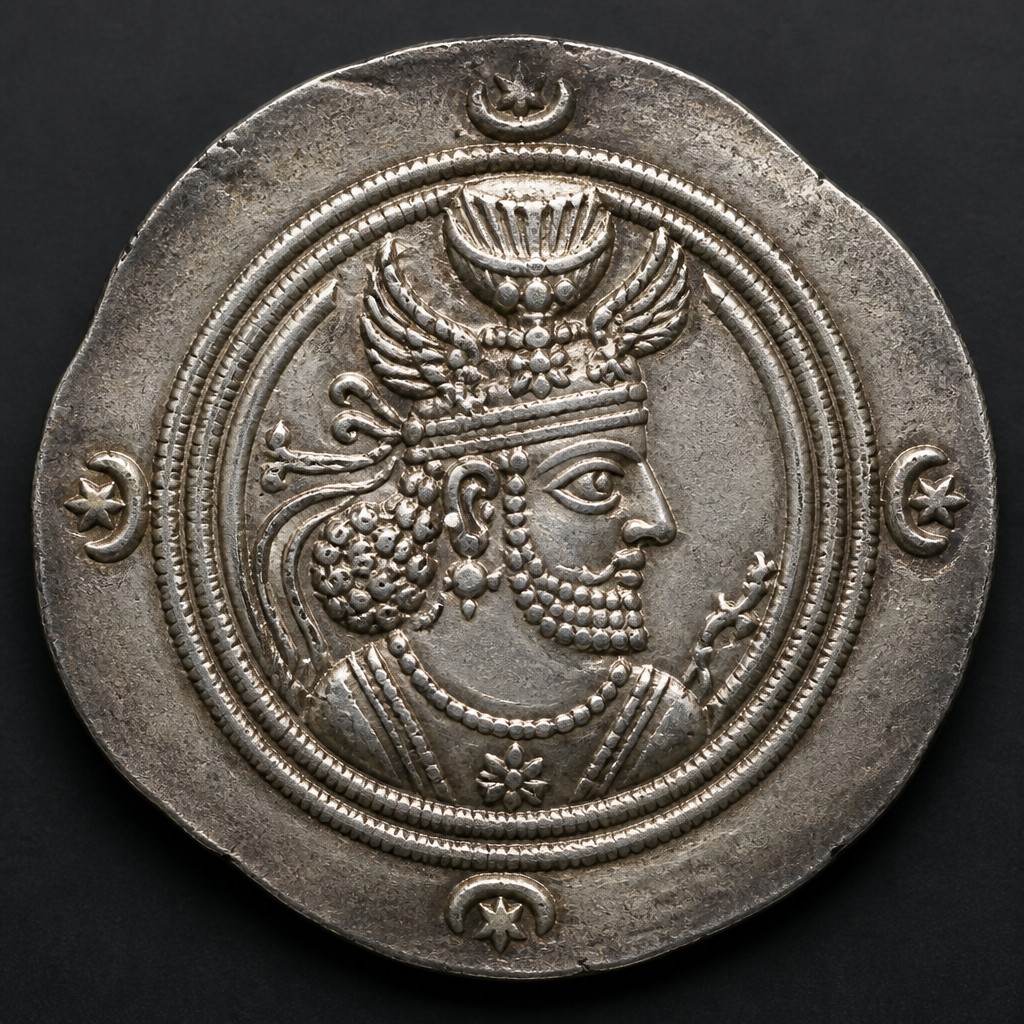
Sassanian Silver Drachm
c. 224–651 AD
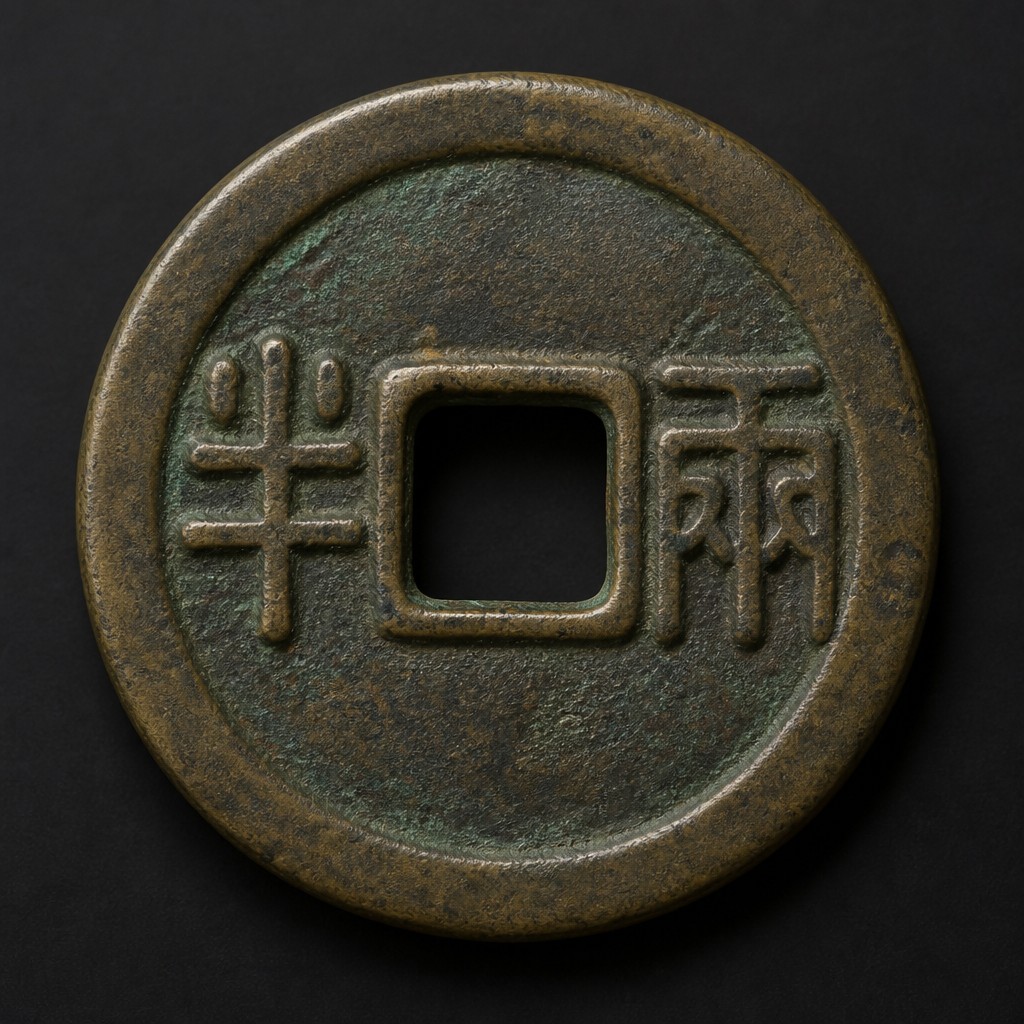
Chinese Ban Liang Cash
c. 221–118 BC
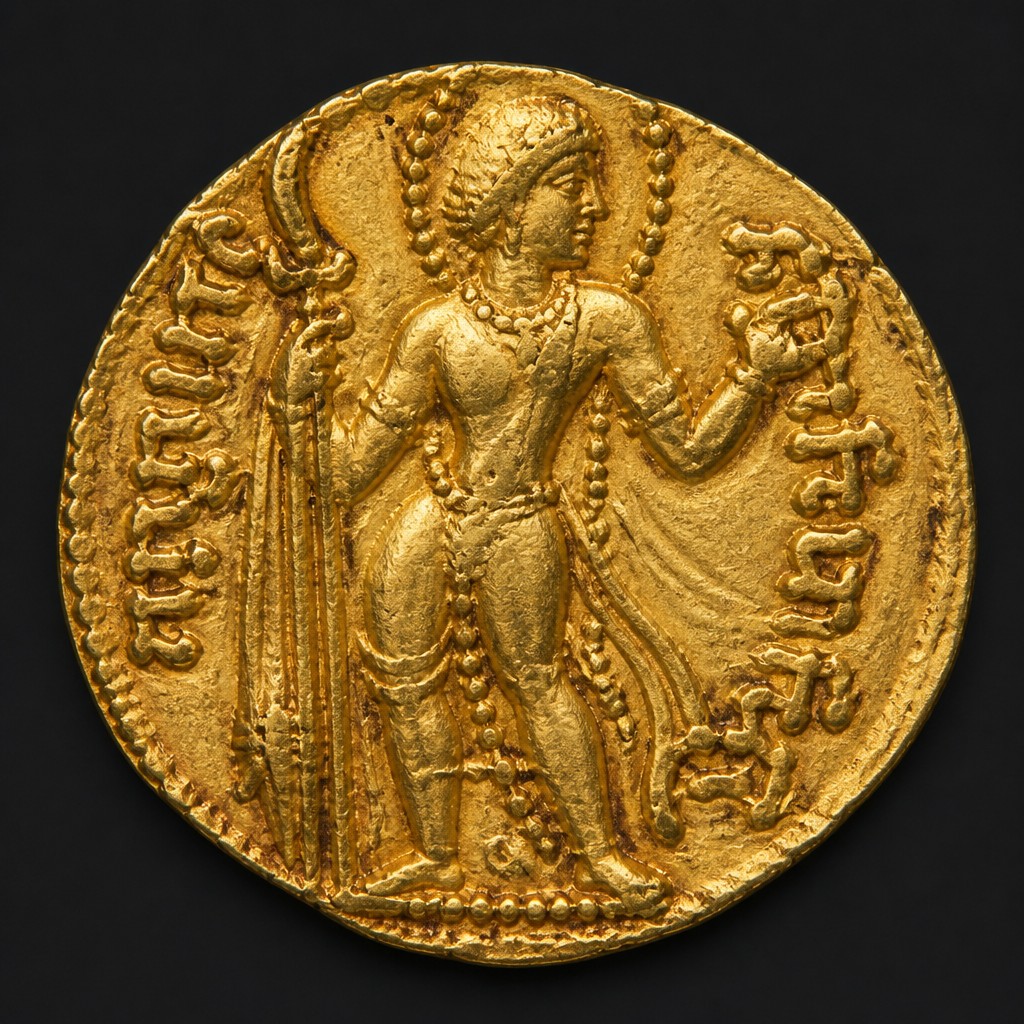
Gupta Empire Gold Dinar
c. 320–550 AD
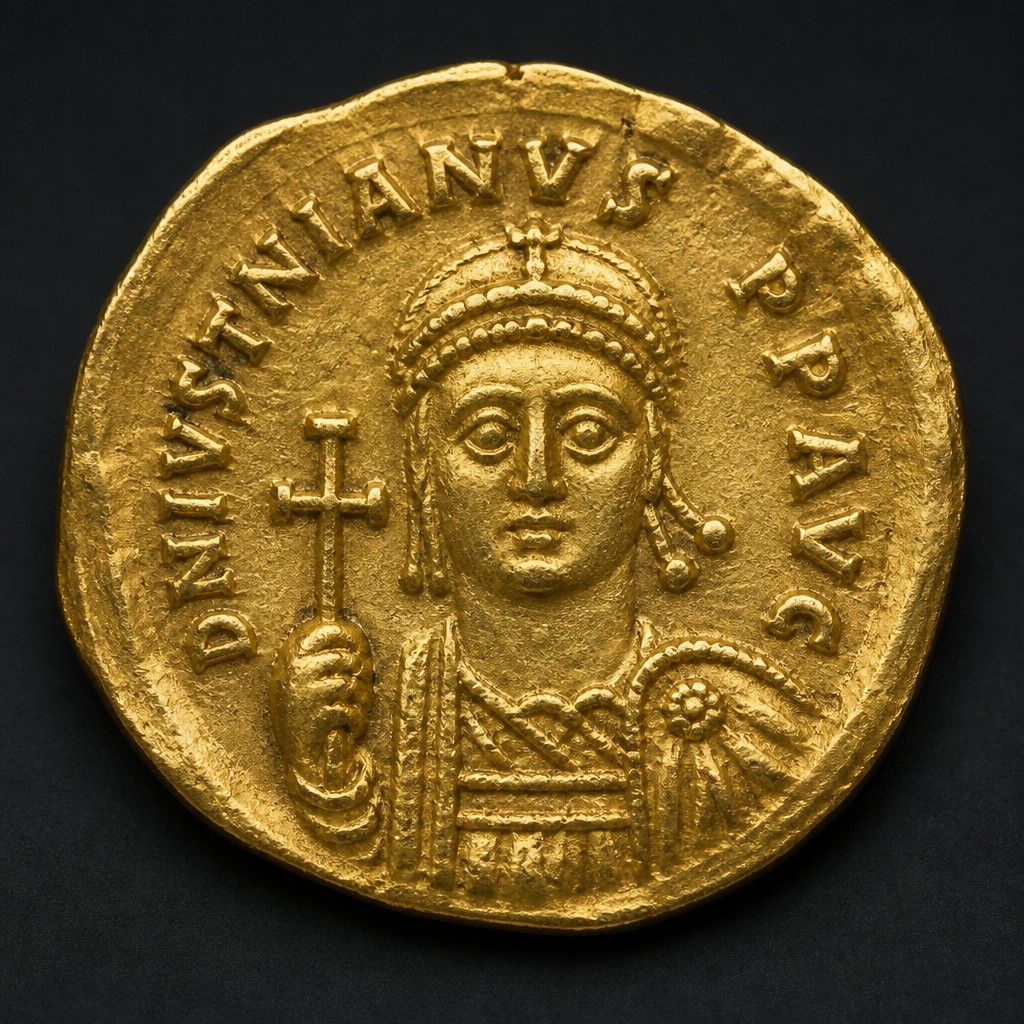
Byzantine Gold Tremissis
c. 4th–7th century AD
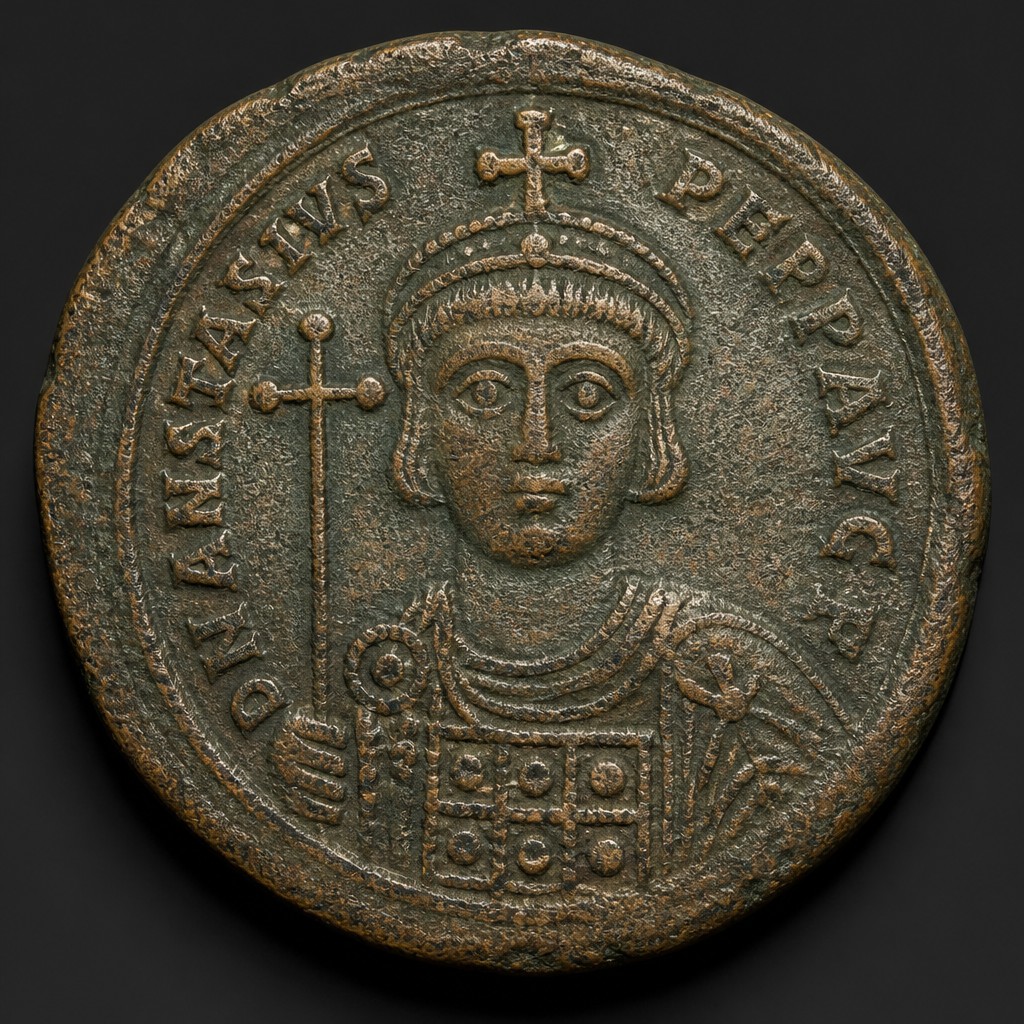
Byzantine Follis
498–c. 11th century AD
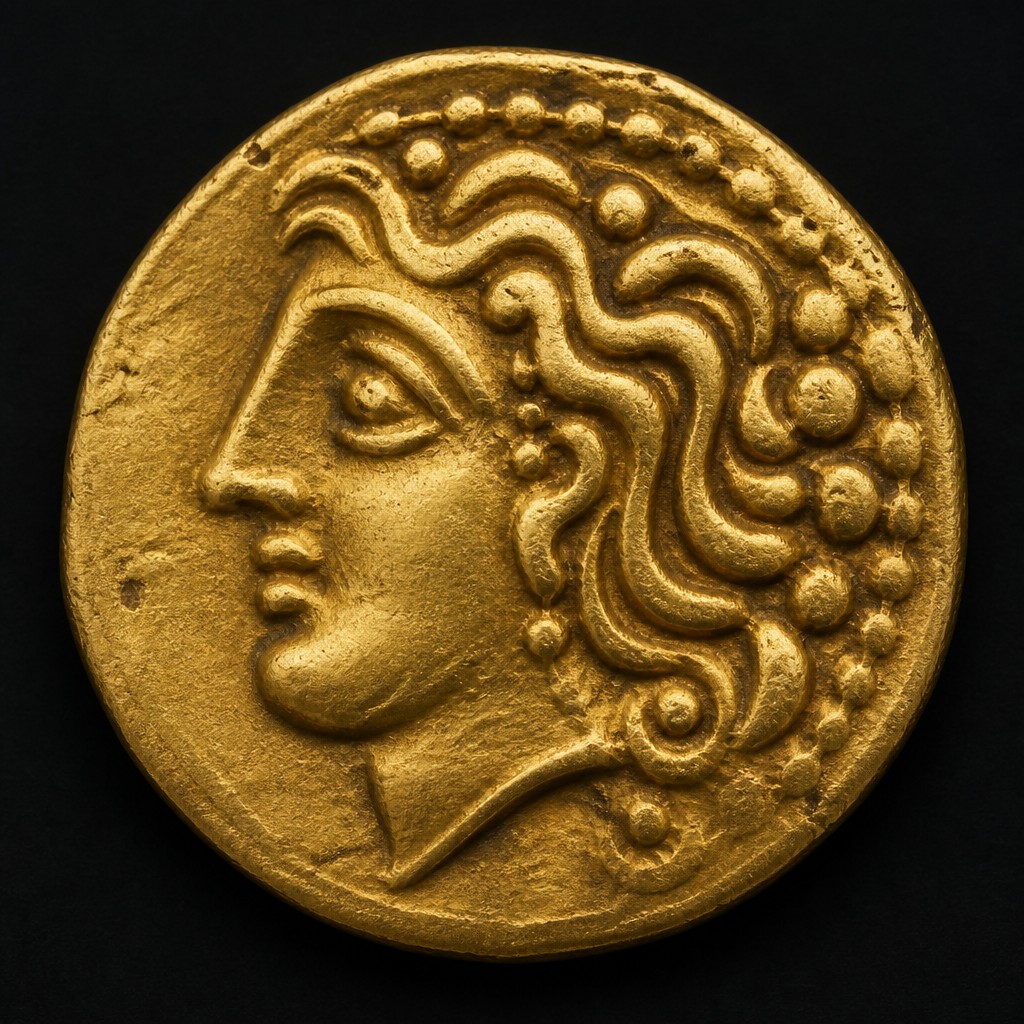
Celtic Gold Stater
c. 3rd century BC – 1st century AD