
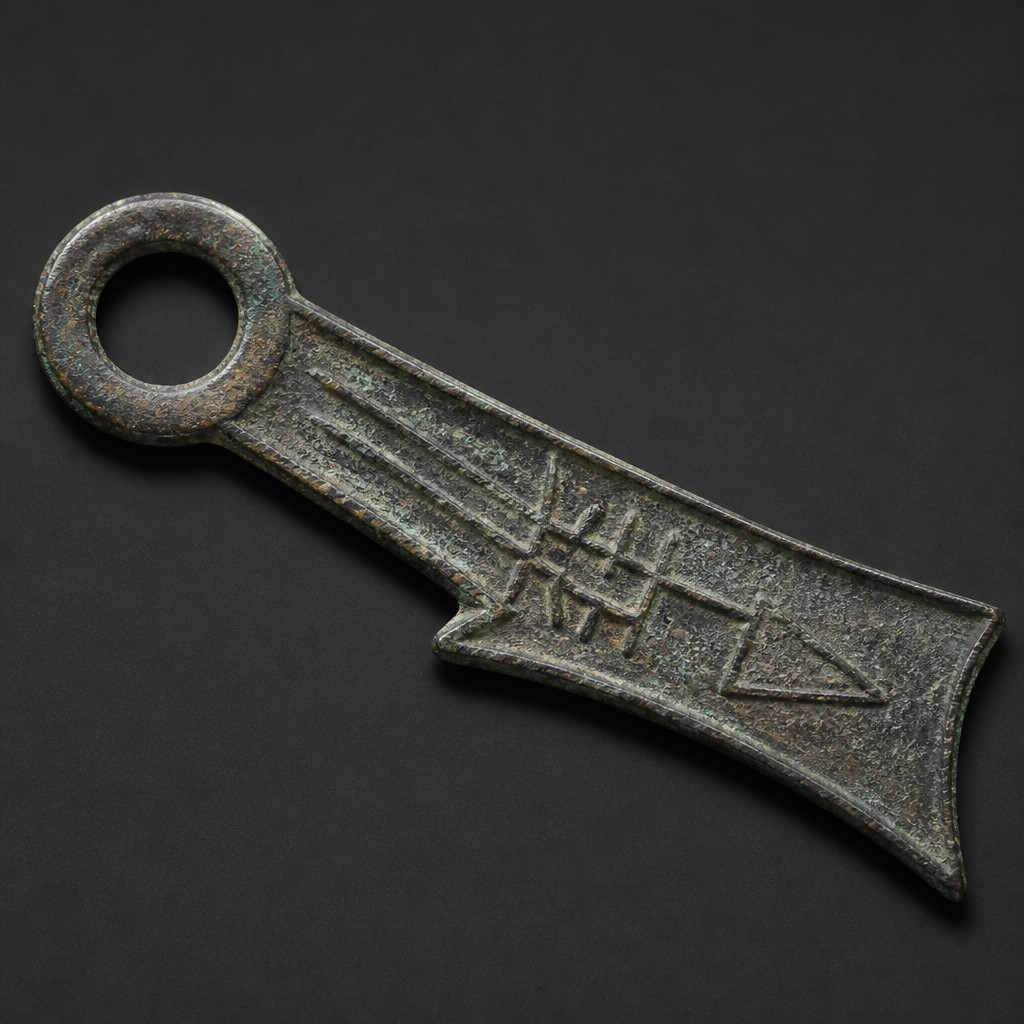
Chinese Knife Money (Ming Dao)
An ancient Chinese bronze currency cast in the shape of a knife, bearing a character often read as "Ming" on its blade, used mainly by the northern state of Yan before round coinage prevailed.
- Country
- Ancient China (Zhou Dynasty states, especially the State of Yan)
- Denomination
- Knife-shaped currency unit
- Metal
- Bronze
Got a coin like this?
Identify any coin from a photo, free.
Overview
Knife money, alongside spade money, represents one of the earliest and most visually striking forms of coinage in world history, evolving from real utility knives used in trade among northern Chinese states during the Warring States period. The Ming Dao type, named for the character resembling "Ming" inscribed on its blade, is among the most commonly encountered examples of this coin family surviving today.
Collectors are drawn to knife money for its dramatic, unmistakable shape and its position as a foundational chapter in the history of money, offering a tangible connection to a formative period of ancient Chinese civilization.
History & Background
During the Warring States period of China's Eastern Zhou era, the northern state of Yan and neighboring regions developed a distinctive bronze currency shaped like a long, curved knife, derived from actual utility knives used in barter and trade. As with spade money in other regions, these tool-shaped currencies gradually became more standardized and symbolic rather than functional over time.
The Ming Dao type, so named for a character on the blade often interpreted as "Ming" (bright or clear), circulated widely in Yan territory and became one of the most commonly produced and surviving knife money varieties. Like other regional tool-currencies, knife money was eventually phased out following the Qin Dynasty's unification of China in 221 BC, which imposed a single standardized round coin with a square hole across the newly unified state.
How to Identify
Knife money takes the form of a long, gently curved bronze knife shape, typically featuring a ring or loop at the end of the handle, likely for stringing multiple pieces together. The blade portion is inscribed with one or more characters, most notably the character read as "Ming" on Ming Dao examples, along with occasional additional characters.
Genuine ancient examples display a green or brown patina consistent with long burial or age, and typical lengths run around 13 to 14cm, though sizes vary somewhat by specific type and period. The overall silhouette, resembling an elongated curved blade rather than any later round coin shape, makes knife money easy to recognize as a category even before examining the inscription in detail.
Value & Collectibility
Ming Dao knife money is relatively available among ancient Chinese tool-currency types, with common worn examples priced modestly and better-preserved or more visually striking pieces commanding higher amounts. As with spade money, rarer regional knife money variants or exceptional examples of size and preservation are valued considerably more by specialists.
Given the type's fame and long history as a collected antiquity, buyers should be aware that reproductions and later-made fakes are relatively common in the market, making sourcing from experienced dealers and careful examination important considerations before purchase.
Frequently asked questions
Why is this coin shaped like a knife?
It evolved from real utility knives used in barter trade among northern Chinese states before becoming a standardized symbolic bronze currency.
What does 'Ming' refer to on this coin?
It refers to a character inscribed on the blade, often interpreted as meaning bright or clear, which gives the Ming Dao type its name.
Which state primarily used this money?
Knife money, including the Ming Dao type, circulated mainly in the northern state of Yan and neighboring regions during the Warring States period.
What ended the use of knife money?
The Qin Dynasty's unification of China in 221 BC replaced regional tool-currencies with a single standardized round coin bearing a square hole.
Should I be cautious about fakes?
Yes, because knife money is a famous and long-collected antiquity, reproductions exist, so careful sourcing is advisable, especially for higher-value pieces.
Other coins you may enjoy
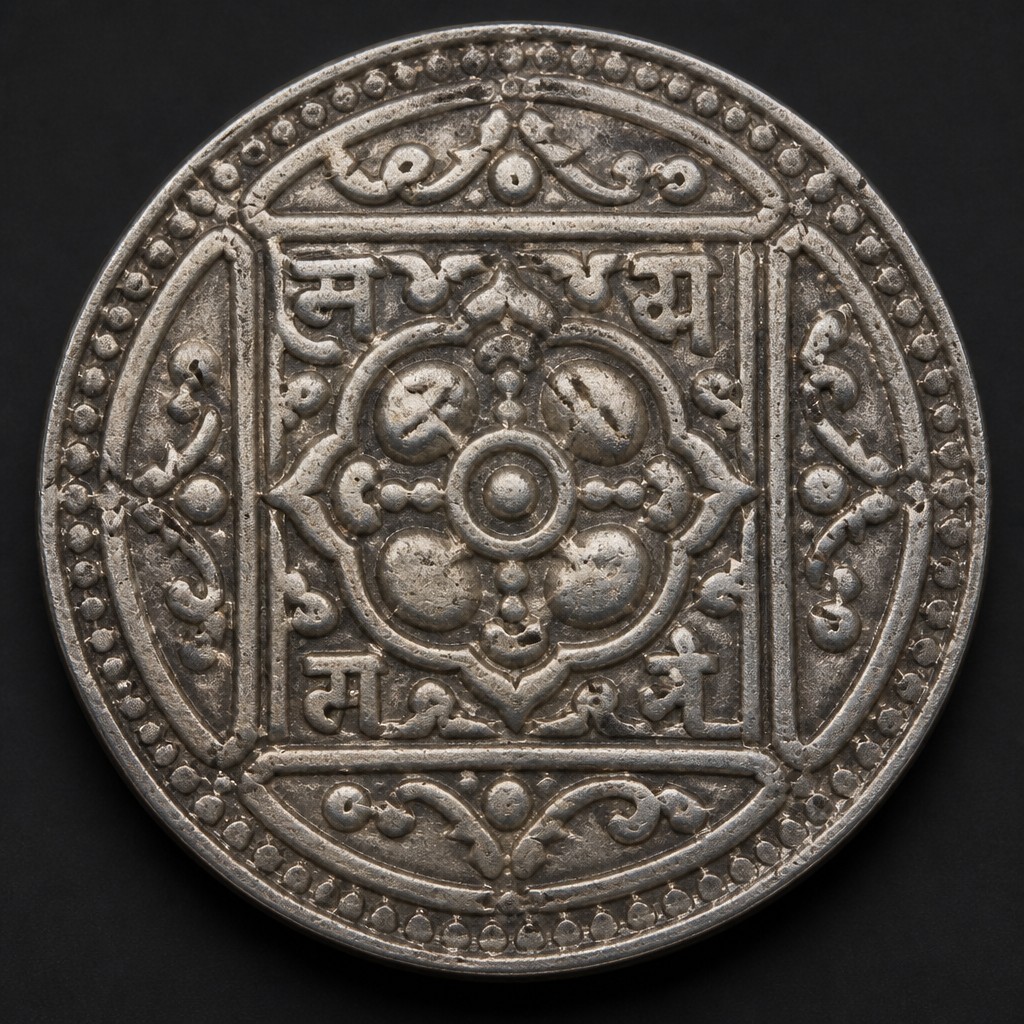
Nepal Silver Mohar
c. 16th–19th century
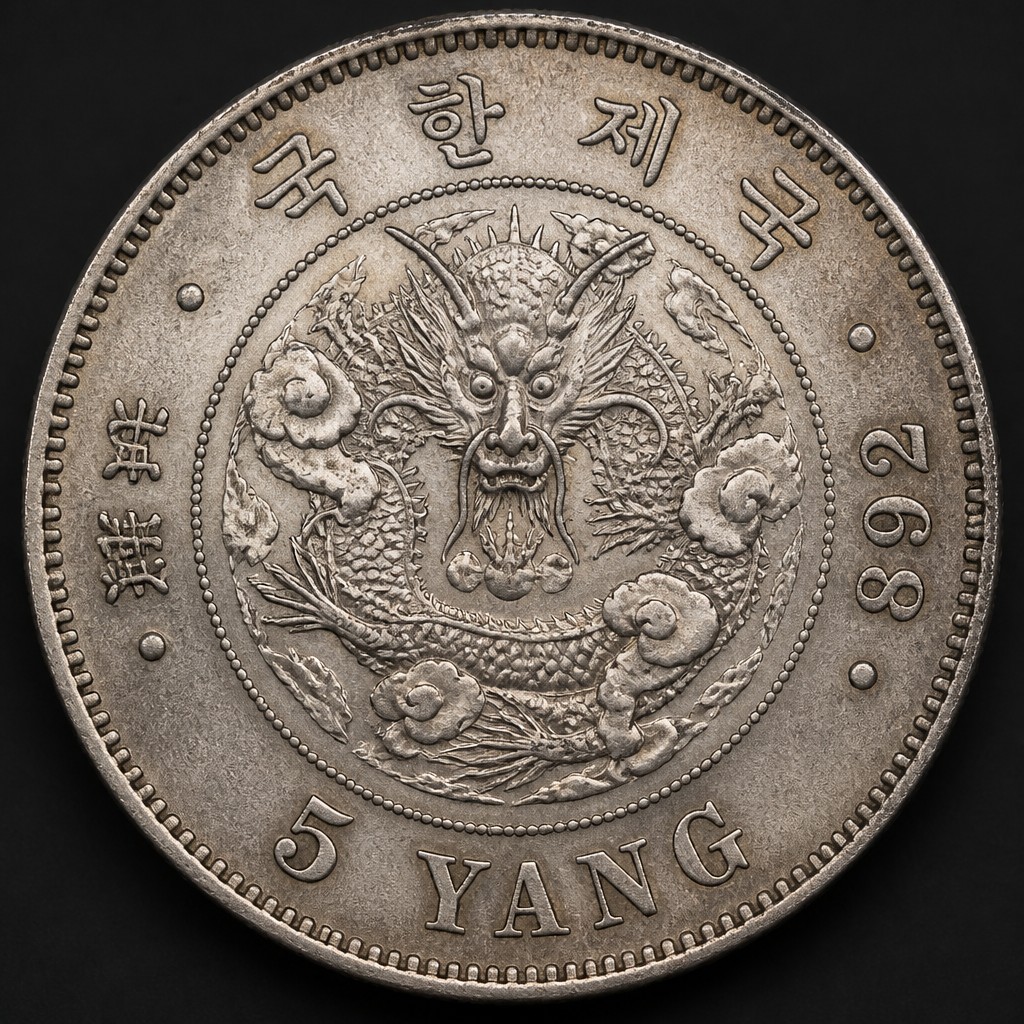
Korean 5 Yang Silver Dollar (1892)
1892
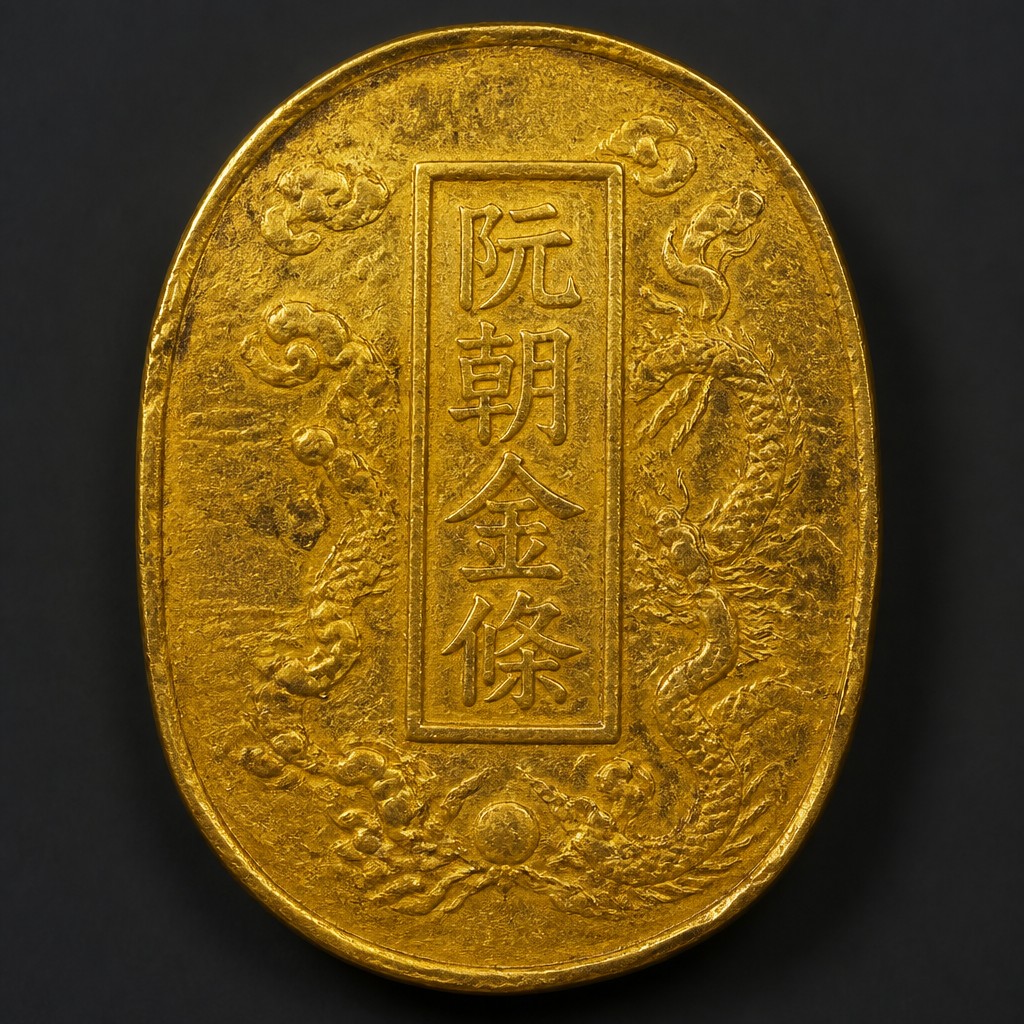
Nguyen Dynasty Gold Bar (Vietnam)
19th century
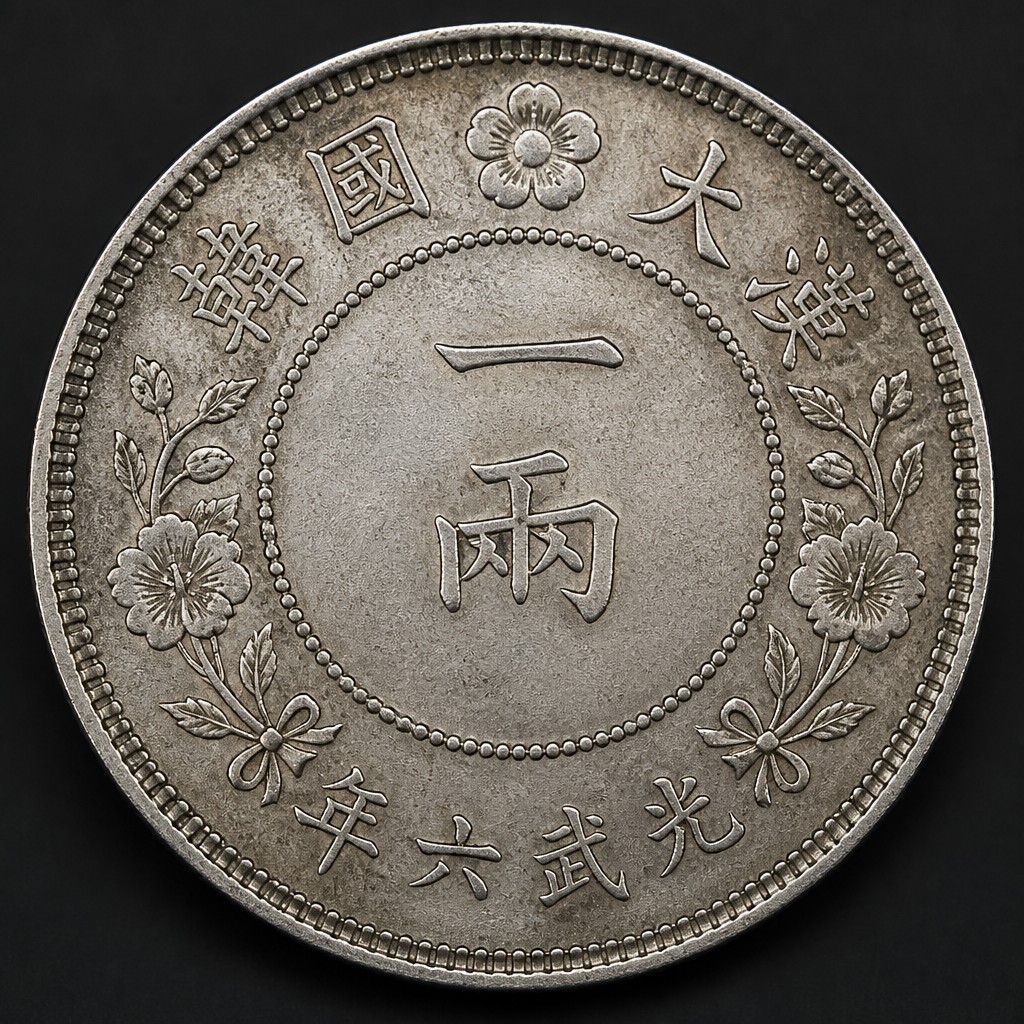
Korean 1 Yang Silver (Joseon/Great Han Empire)
1892–1902
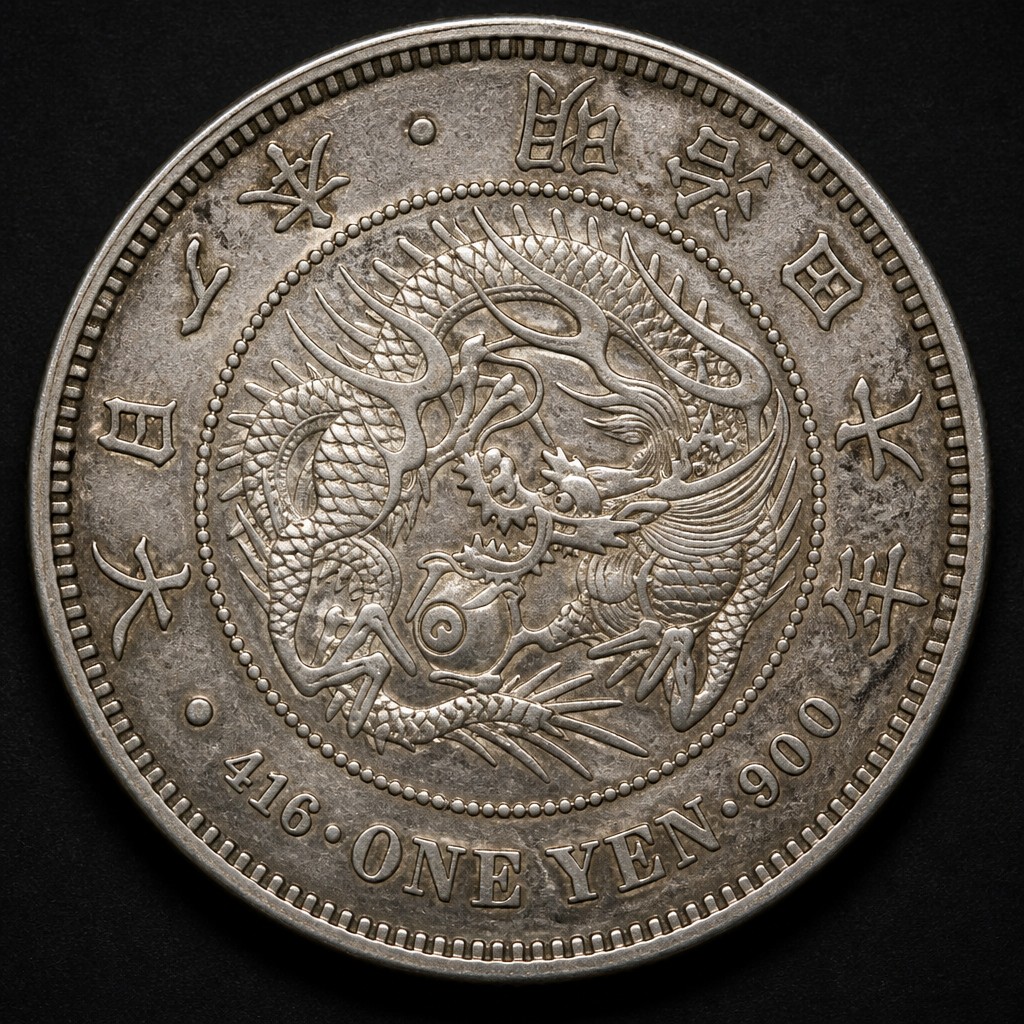
Japanese 1 Yen Silver 'Dragon' Trade Dollar
1870–1914 (trade dollar variant 1875–1877)
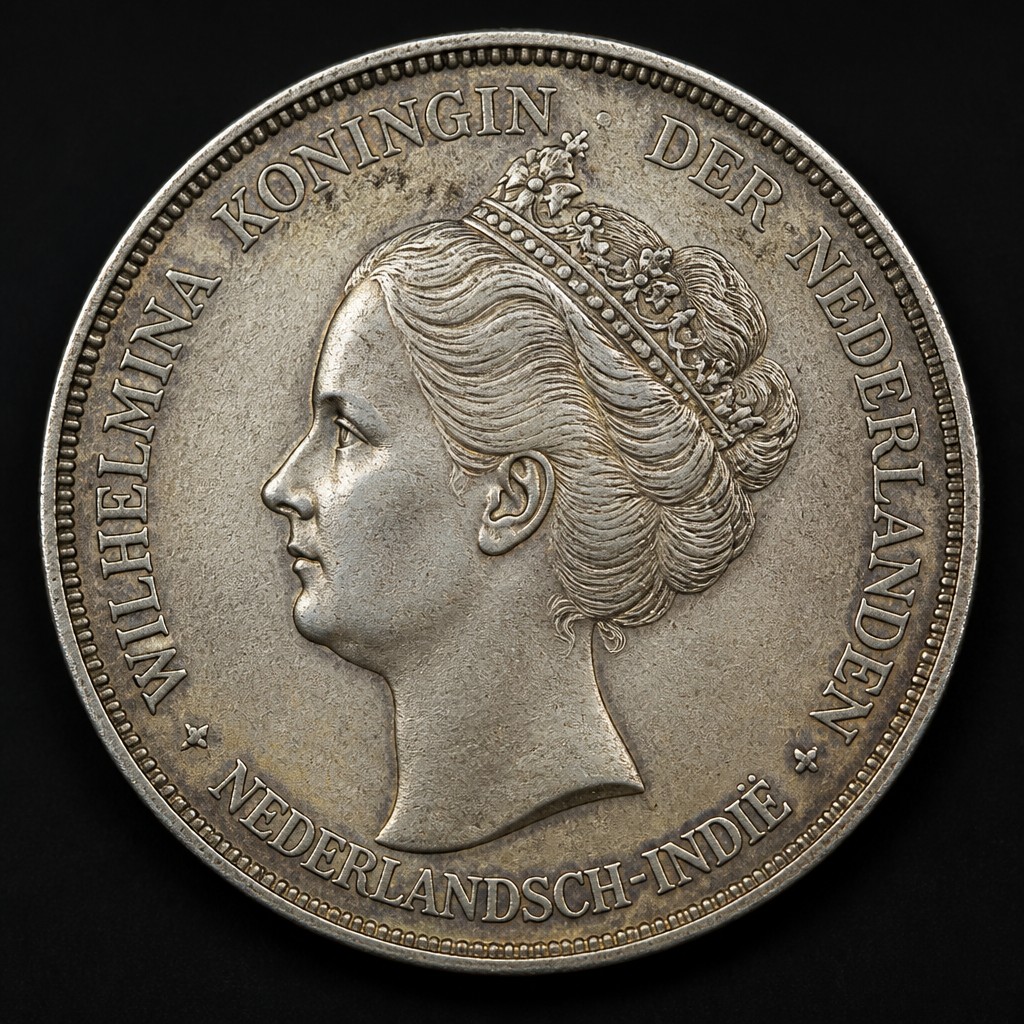
Netherlands East Indies Gulden (Wilhelmina)
1897–1945
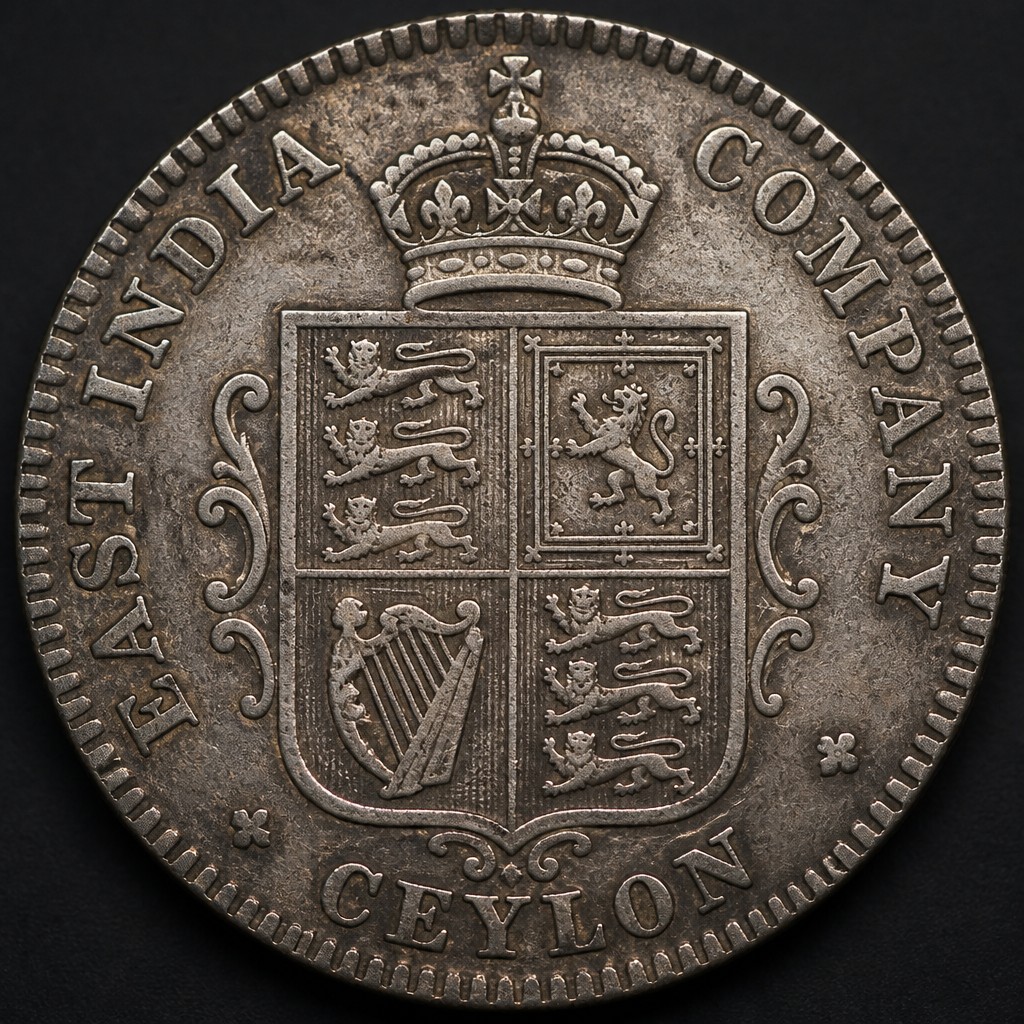
Ceylon (Sri Lanka) EIC Rixdollar
c. 1802–1821
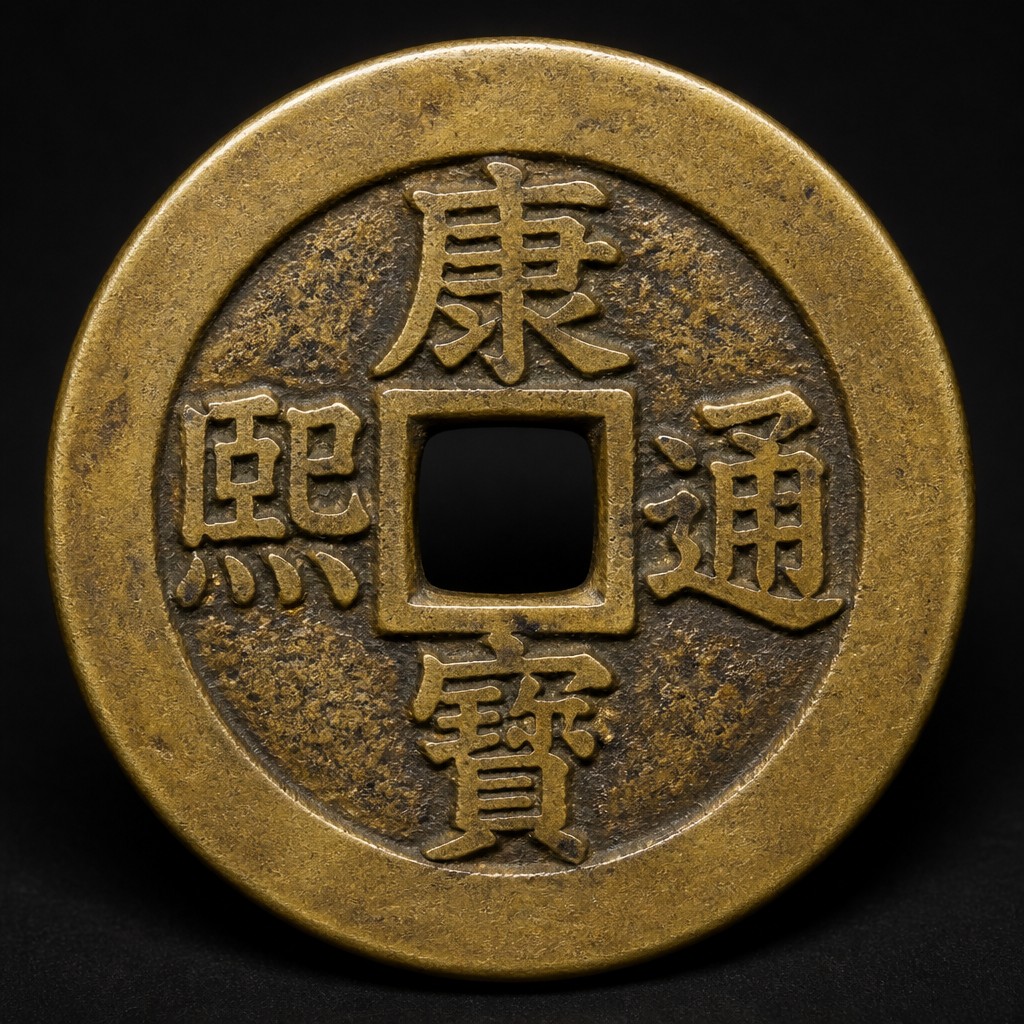
Chinese Cash Coin (Qing Dynasty 'Kangxi Tongbao')
1662–1722
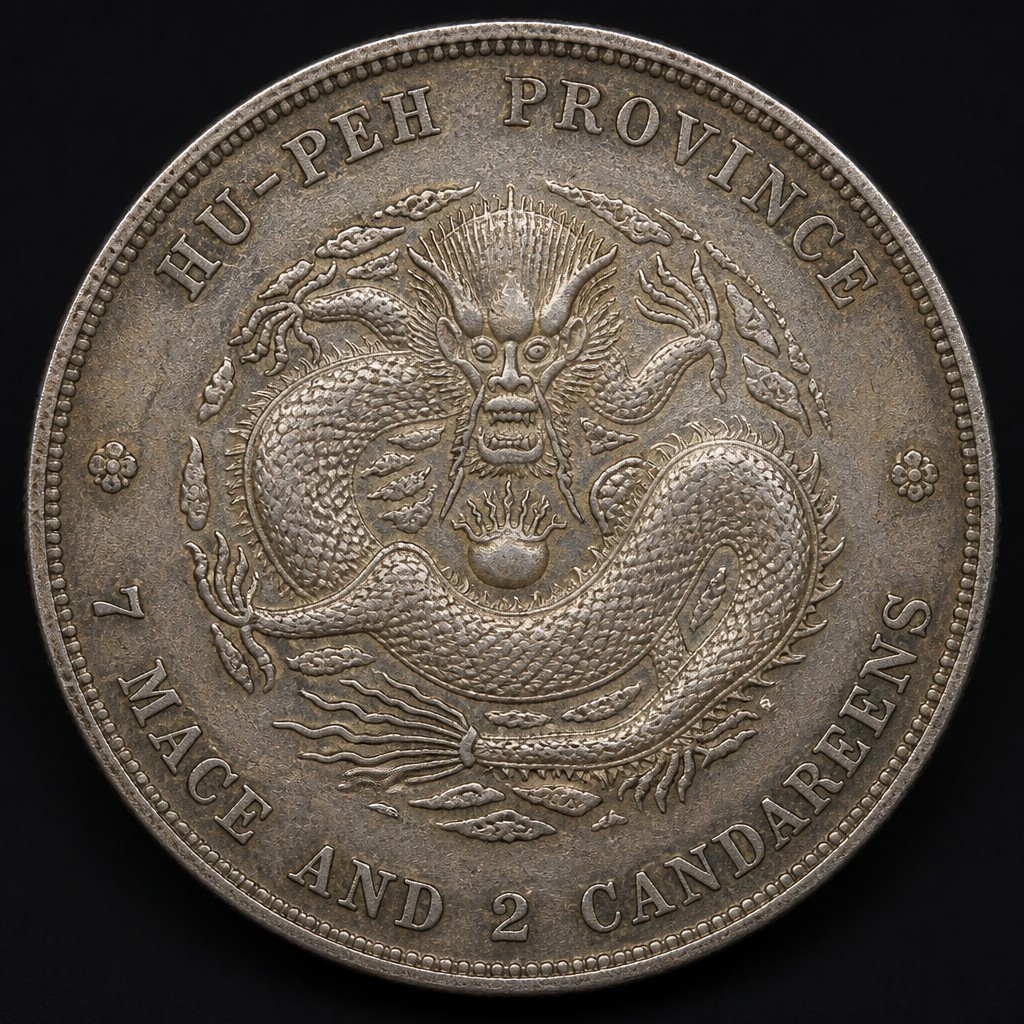
Chinese Hupeh Province Dragon Dollar
c. 1895–1909
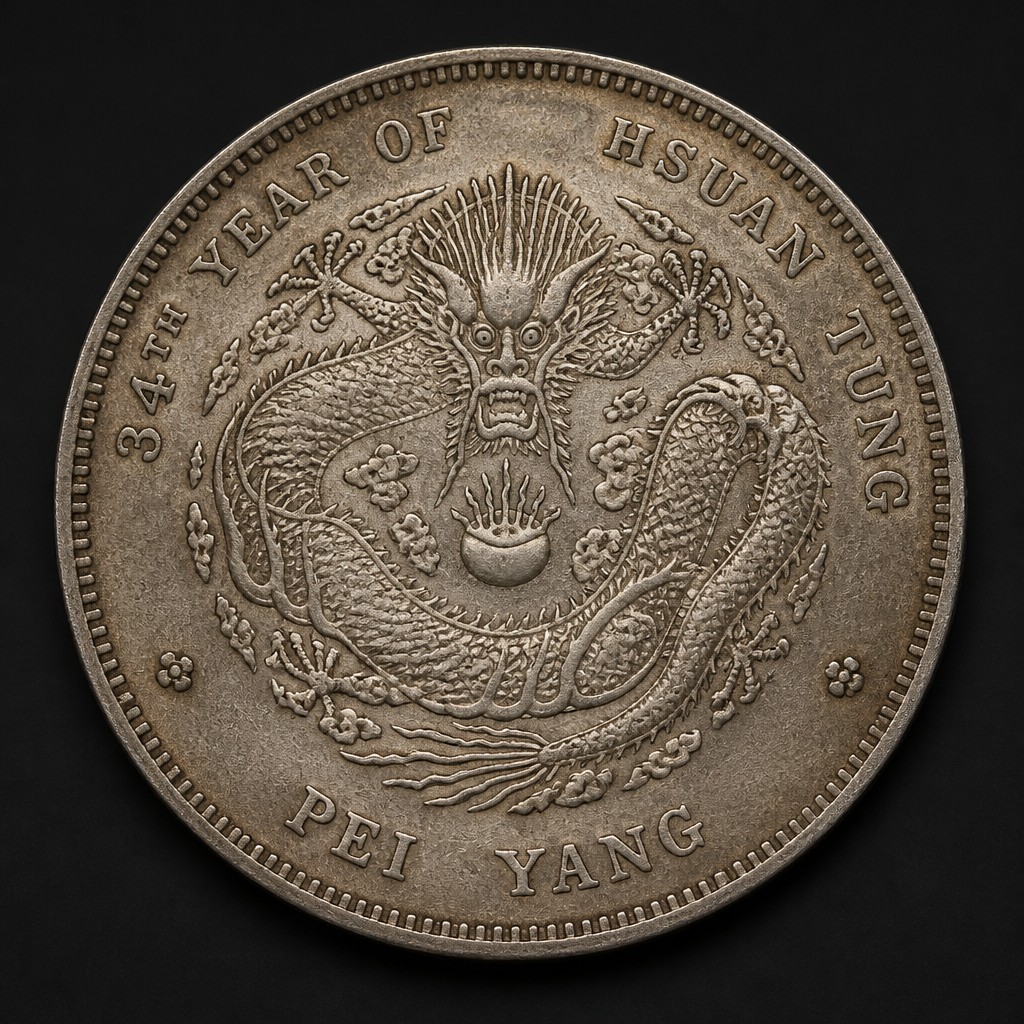
Chinese Empire Silver Dollar (Hsuan Tung Dragon)
1909–1911
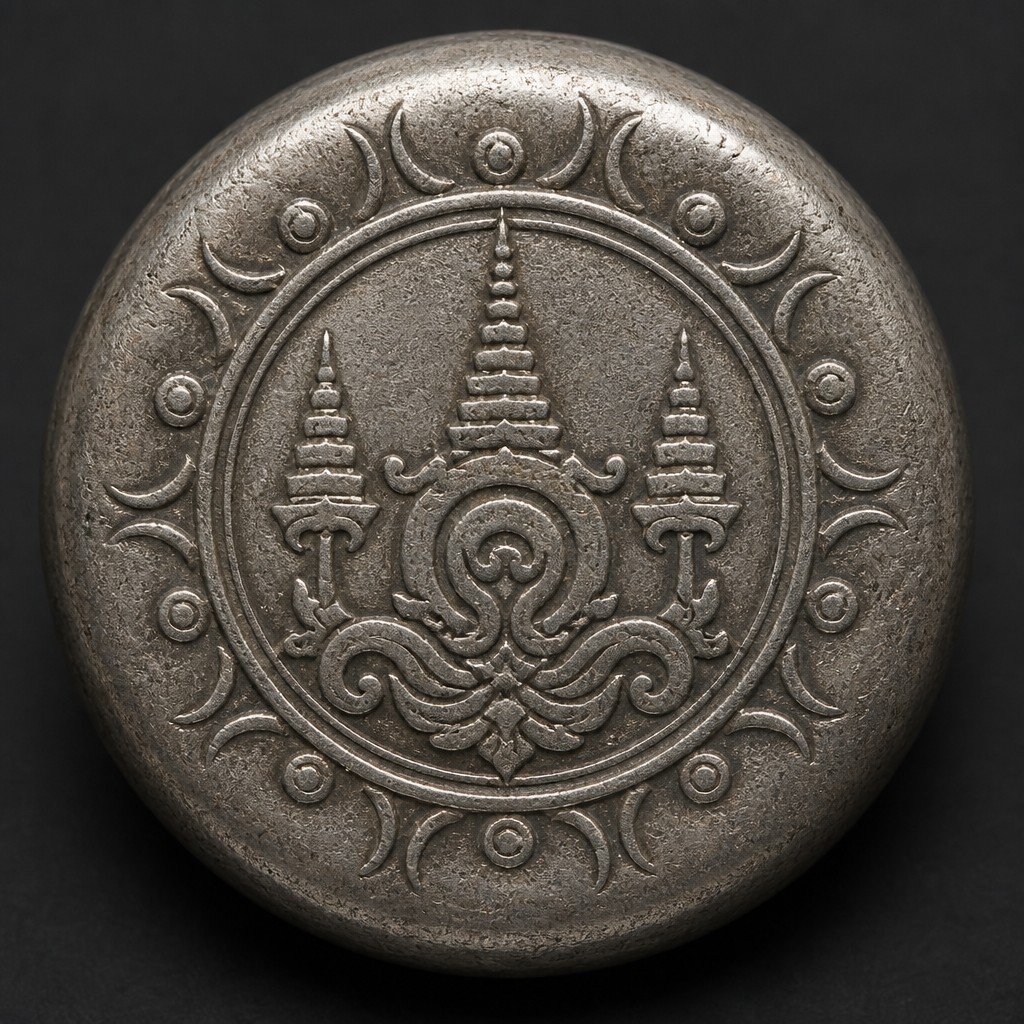
Thailand (Siam) Silver Baht 'Bullet Money' (Pod Duang)
c. 13th century – late 19th century
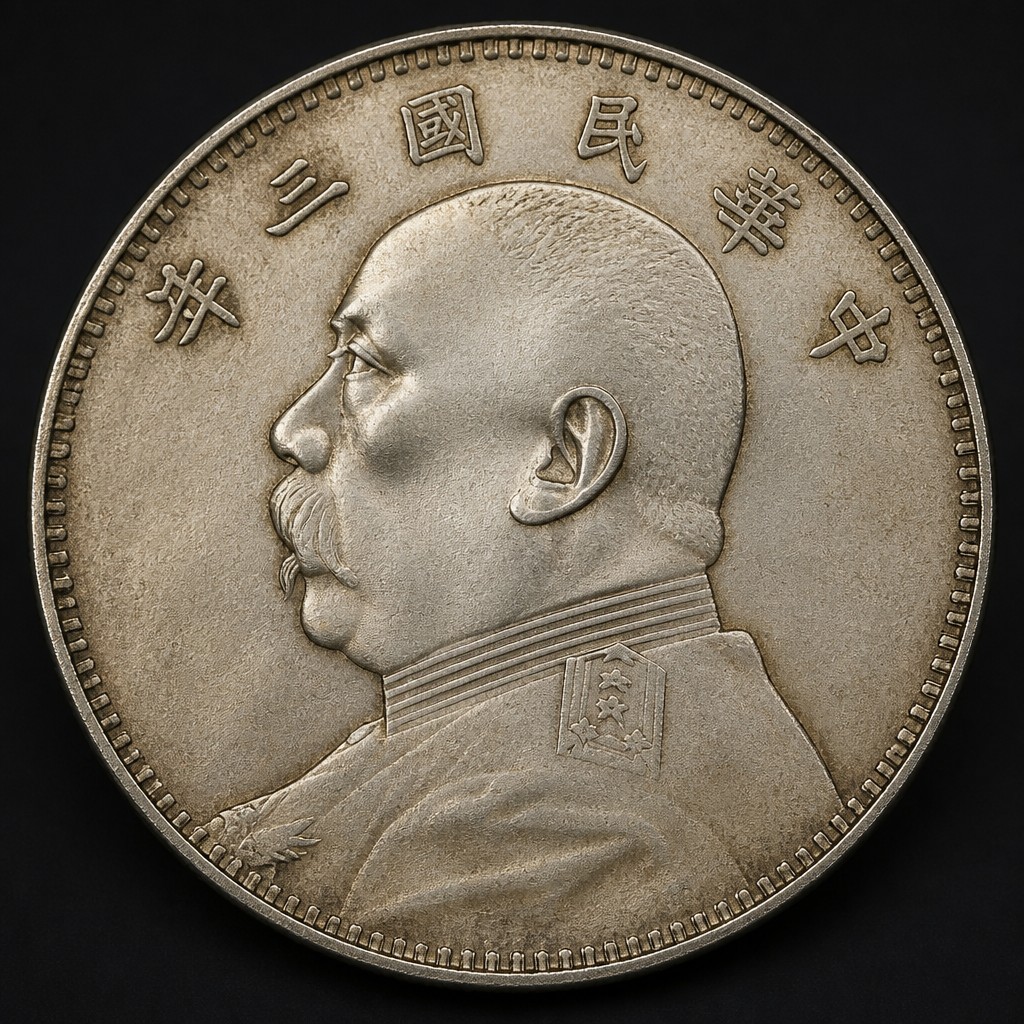
Yuan Shikai 'Fatman' Dollar (1914)
Dated 1914, struck into the early 1920s