
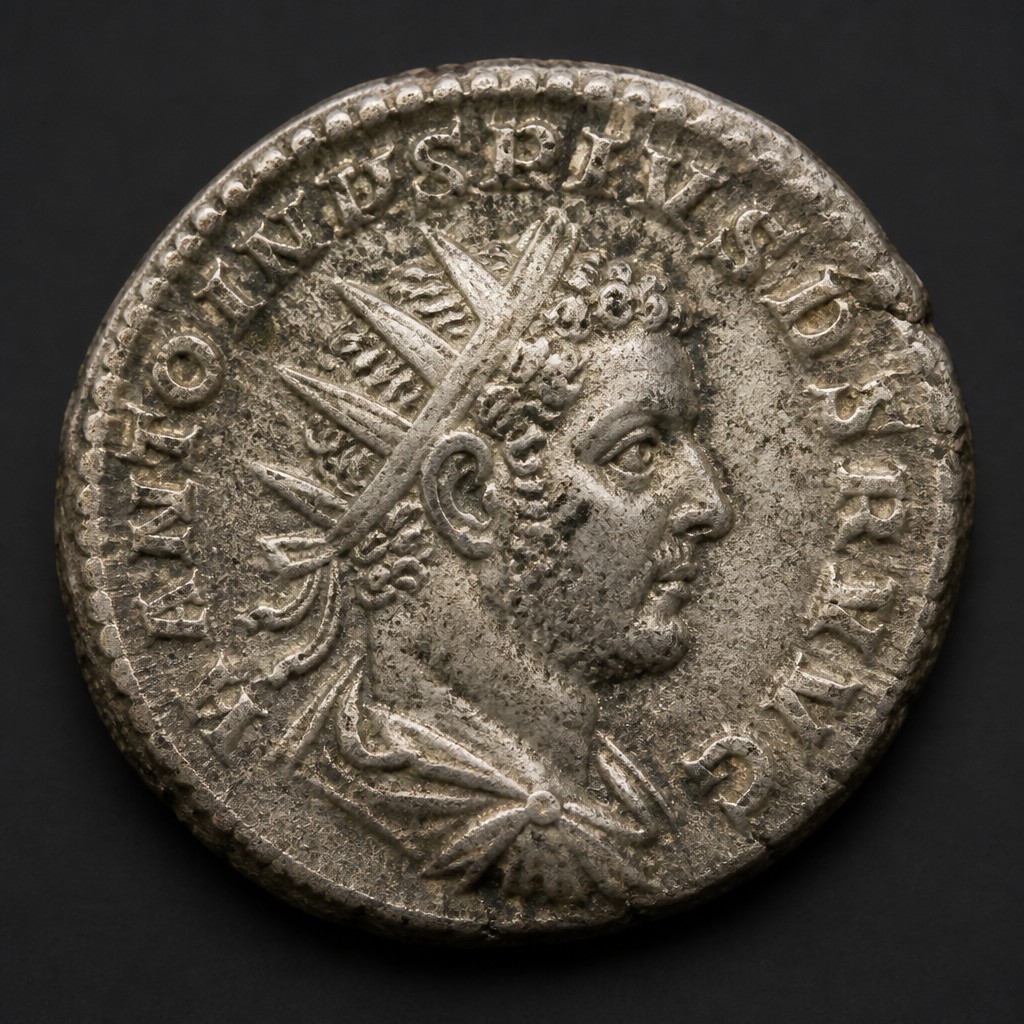
Caracalla Antoninianus
The first antoninianus coins, introduced by Caracalla in 215 AD as a debased double-denarius identified by the emperor's radiate crown.
- Country
- Ancient Rome
- Denomination
- Antoninianus
- Metal
- Silver (approx. 40–50%, debased)
Got a coin like this?
Identify any coin from a photo, free.
Overview
The antoninianus introduced under Caracalla represents a pivotal moment in Roman monetary history, marking the first appearance of a denomination that would eventually replace the denarius entirely as the empire's standard silver coin over the following decades. Modern numismatists use the name "antoninianus" as a conventional label, since the ancient name for the coin is not definitively recorded.
The coin is most easily identified by its radiate crown on male imperial portraits, a device borrowed from earlier double-denomination bronze coinage to signal its status as worth two denarii, even though it contained less than twice the silver of an actual denarius, an early and telling instance of currency debasement disguised as convenience.
Collectors value the type both as a genuine historical first and as an early marker of the monetary instability that would deepen throughout the third century AD, culminating in far more severely debased antoniniani under later emperors.
History & Background
Facing rising military expenses and ongoing pressure to fund his large-scale building projects and campaigns, Caracalla introduced this new silver denomination in 215 AD, valued administratively at two denarii but containing meaningfully less than double the silver content of a single denarius. This allowed the state to stretch its silver reserves further while nominally paying soldiers and officials the same face value.
The denomination is named by modern scholars after Caracalla's formal name, Marcus Aurelius Antoninus, since ancient sources do not clearly preserve its contemporary name. Its introduction proved influential and, despite some interruption after Caracalla's death, the antoninianus would be revived and eventually become the dominant Roman silver coin for much of the third century, progressively debased to little more than silver-washed bronze by mid-century.
How to Identify
The obverse of Caracalla's antoninianus shows his bust wearing a radiate crown, a distinguishing feature setting it apart from the standard laureate-head denarius; on coins for empresses, the equivalent marker is typically a crescent placed beneath the bust rather than a radiate crown, since a radiate crown was reserved for male rulers. Legends generally match contemporary denarius titulature for Caracalla.
Reverse types are broadly similar to those used on his denarii of the same period, including military and personification themes such as Mars, Providentia, and Fides Militum, since the antoninianus was introduced as a companion denomination rather than a wholly separate design program.
The antoninianus is slightly larger than the denarius, typically around 20 to 24mm and weighing roughly 4.5 to 5.5 grams, though its silver content did not proportionally match this larger size, since it was valued at two denarii while containing meaningfully less silver than two actual denarii combined. The radiate crown remains the single most reliable way to distinguish this denomination from a standard denarius at a glance.
Value & Collectibility
As the inaugural issue of a historically significant denomination, Caracalla's antoniniani attract strong interest from collectors specifically focused on Roman monetary history and denomination development, in addition to general Severan-era collectors. Prices for common types are generally comparable to or somewhat higher than equivalent denarii of the period, reflecting genuine collector demand for the type's numismatic importance.
Well-struck, clearly radiate examples with strong portrait detail bring the best prices, and because the type was only produced for a relatively short window before and after Caracalla's death, overall surviving quantities are more limited than for his far more abundant standard denarii.
Collectors researching the broader third-century debasement crisis often seek out these early antoniniani specifically to illustrate the beginning of a monetary trend that would culminate in severely debased silver-washed bronze coins by the 260s and 270s AD.
Frequently asked questions
Why is it called an antoninianus?
Modern scholars named it after Caracalla's formal name, Marcus Aurelius Antoninus, since the coin's original ancient name is not clearly recorded in surviving sources.
How can I tell an antoninianus from a denarius?
Look for the radiate crown on the male emperor's obverse portrait; standard denarii show a simple laureate head, while antoniniani show the distinctive spiked radiate crown.
Was the antoninianus really worth two denarii?
It was officially valued at two denarii, but it did not contain twice the silver of a denarius, making it an early and effective form of currency debasement.
Did the antoninianus replace the denarius immediately?
Not immediately; production was interrupted after Caracalla's death, but the denomination was later revived and eventually became the dominant Roman silver coin of the third century.
Other coins you may enjoy
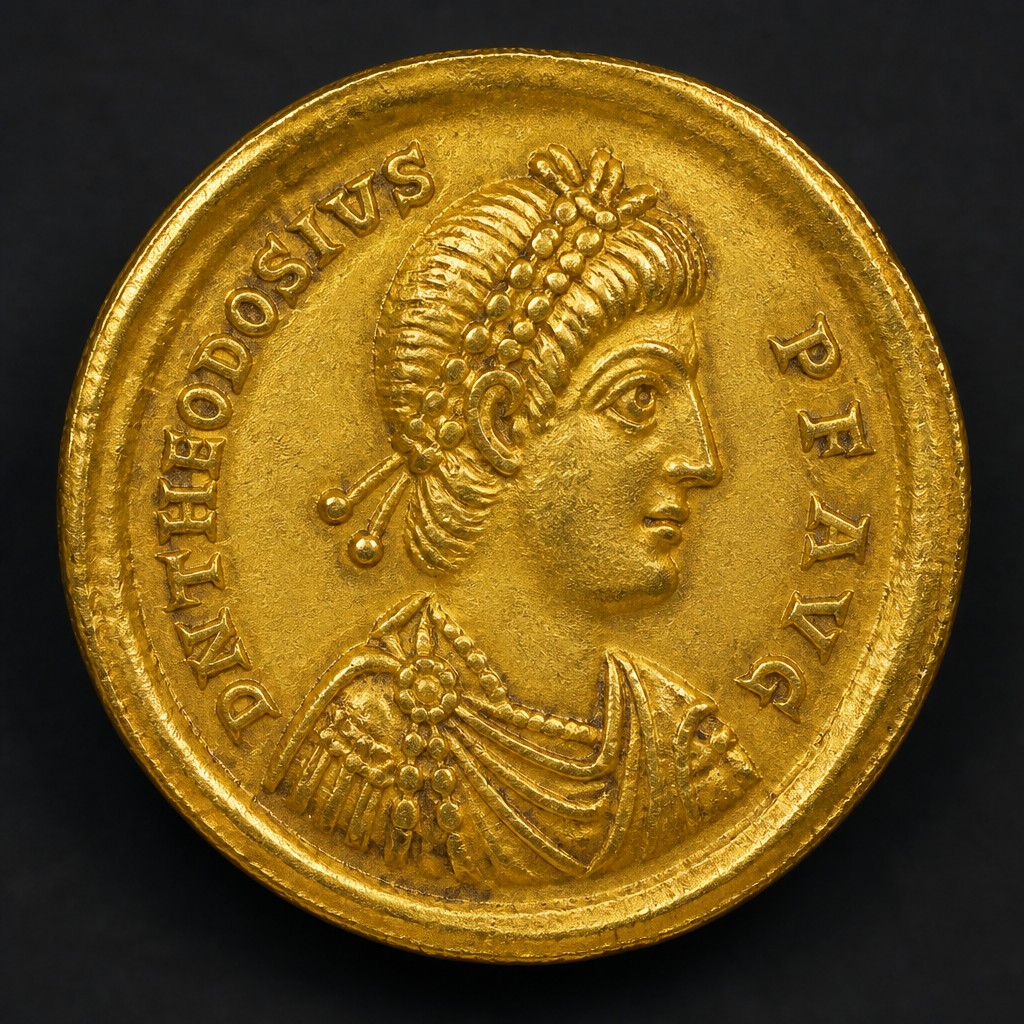
Theodosius I Solidus
379–395 AD
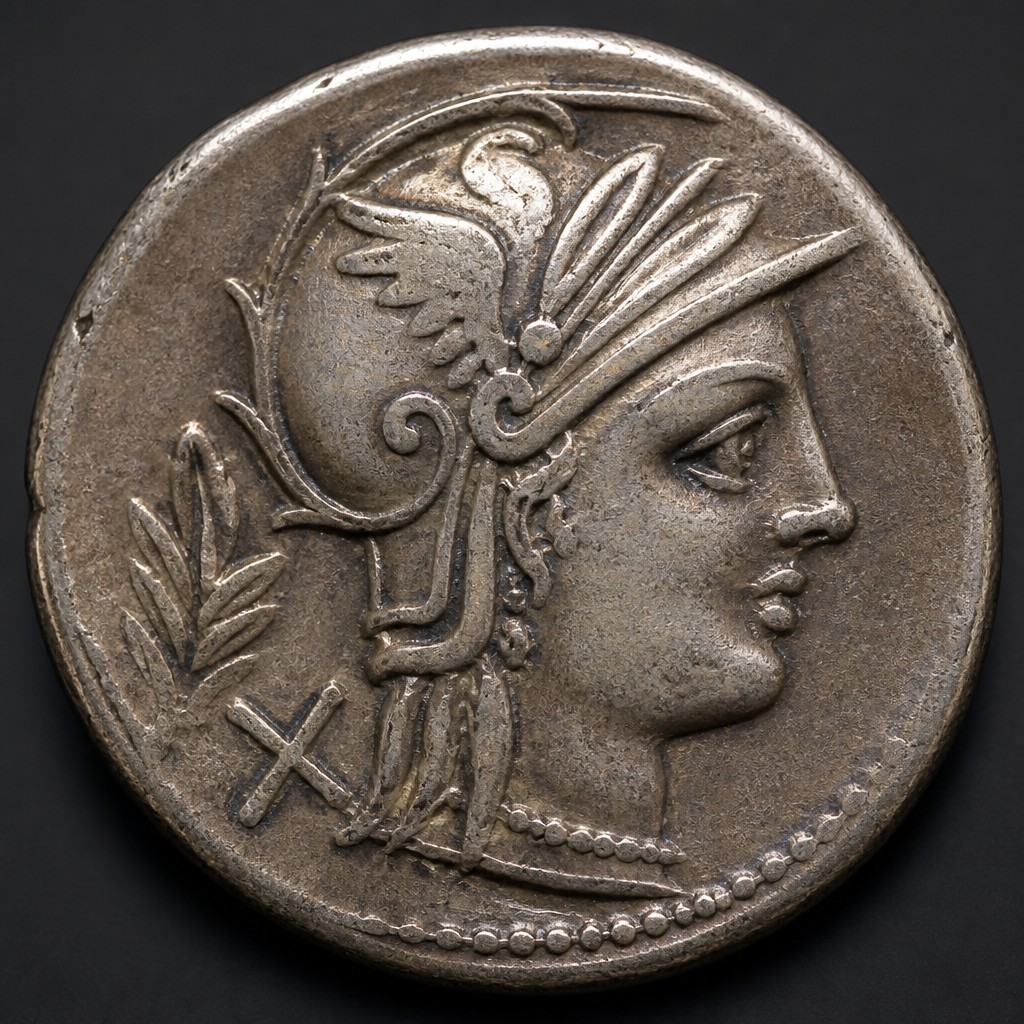
Republican Victoriatus
c. 211–170 BC
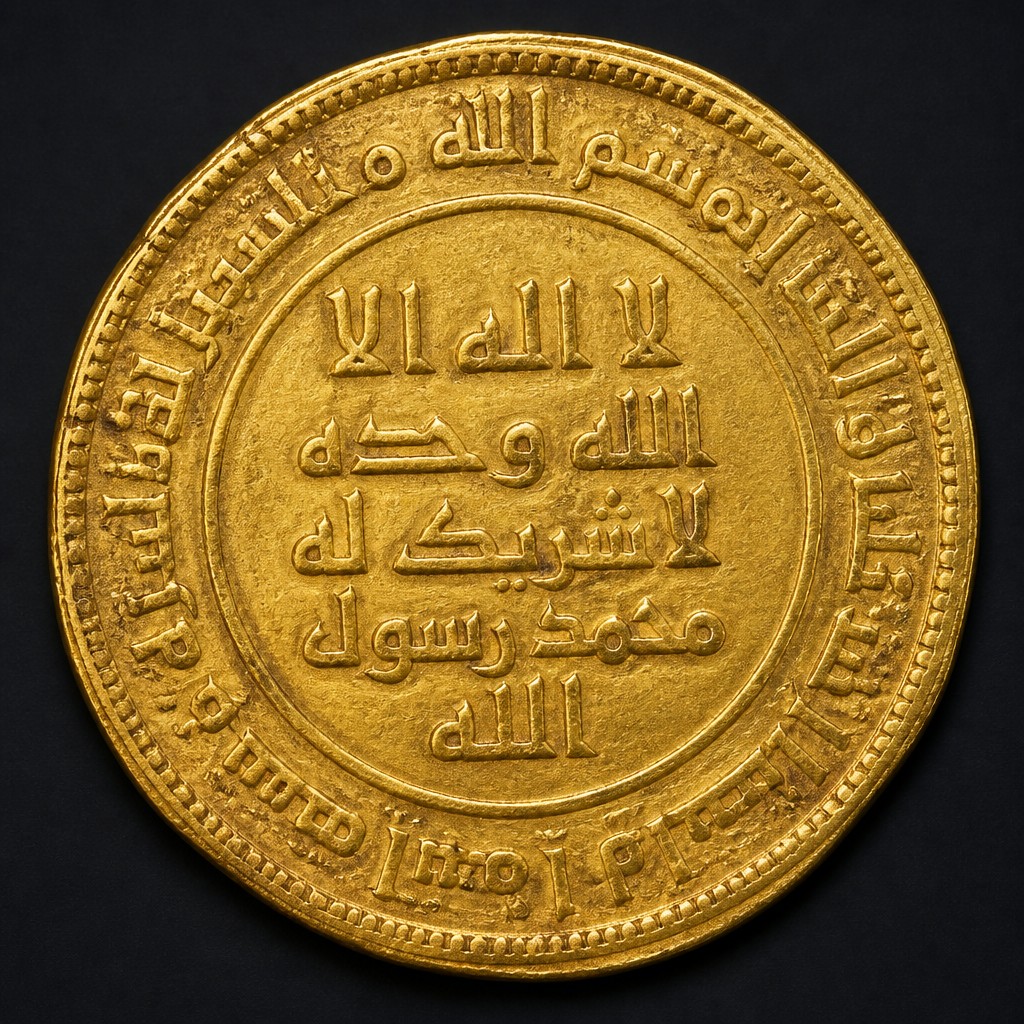
Islamic Gold Dinar (Umayyad)
c. 696–750 AD
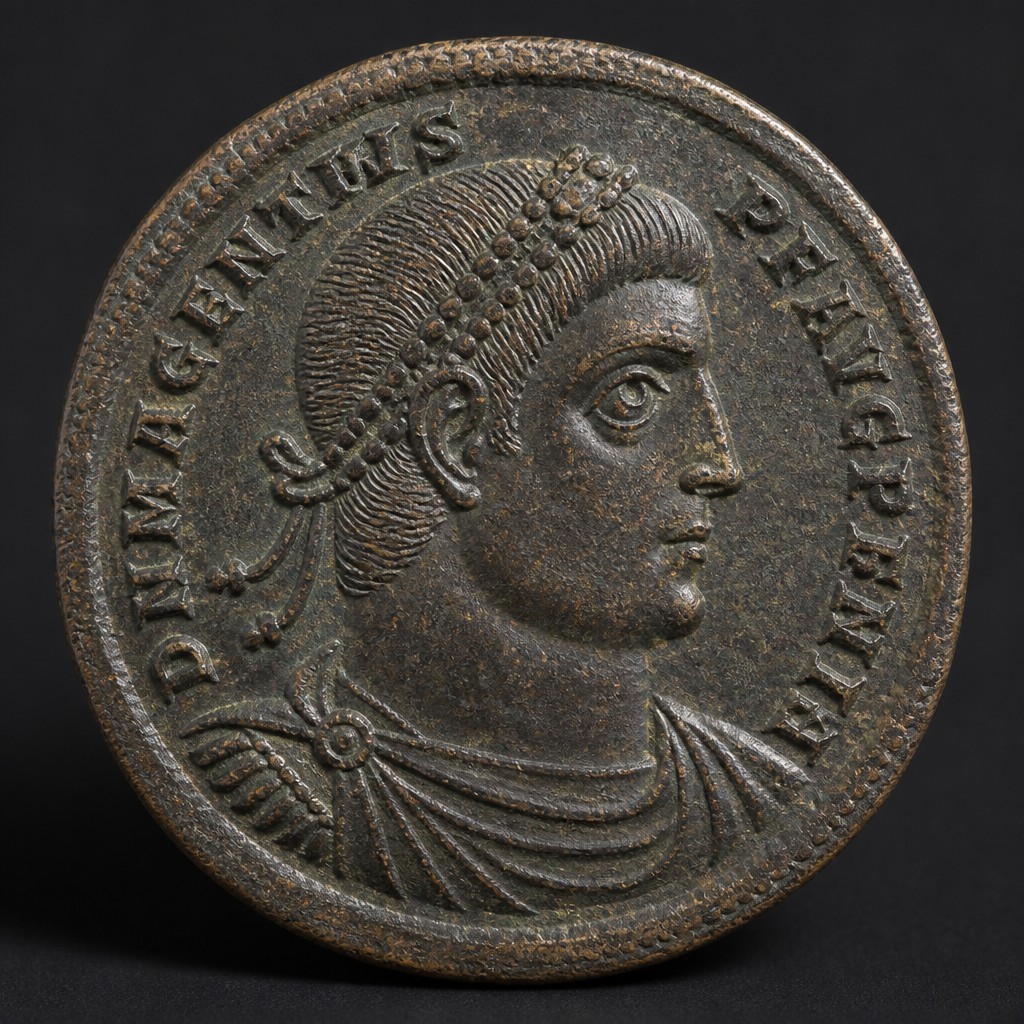
Magnentius Double Centenionalis
350–353 AD
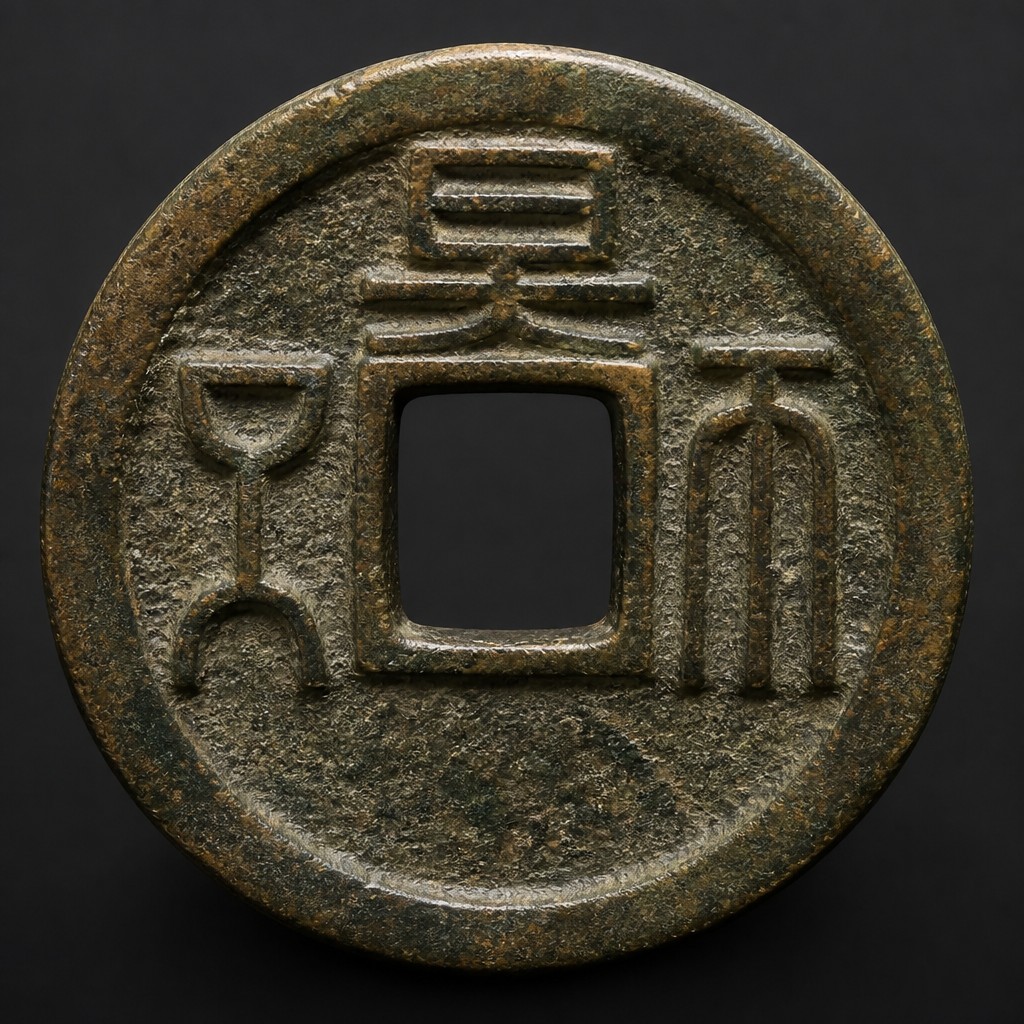
Chinese Wu Zhu Cash
118 BC – 618 AD
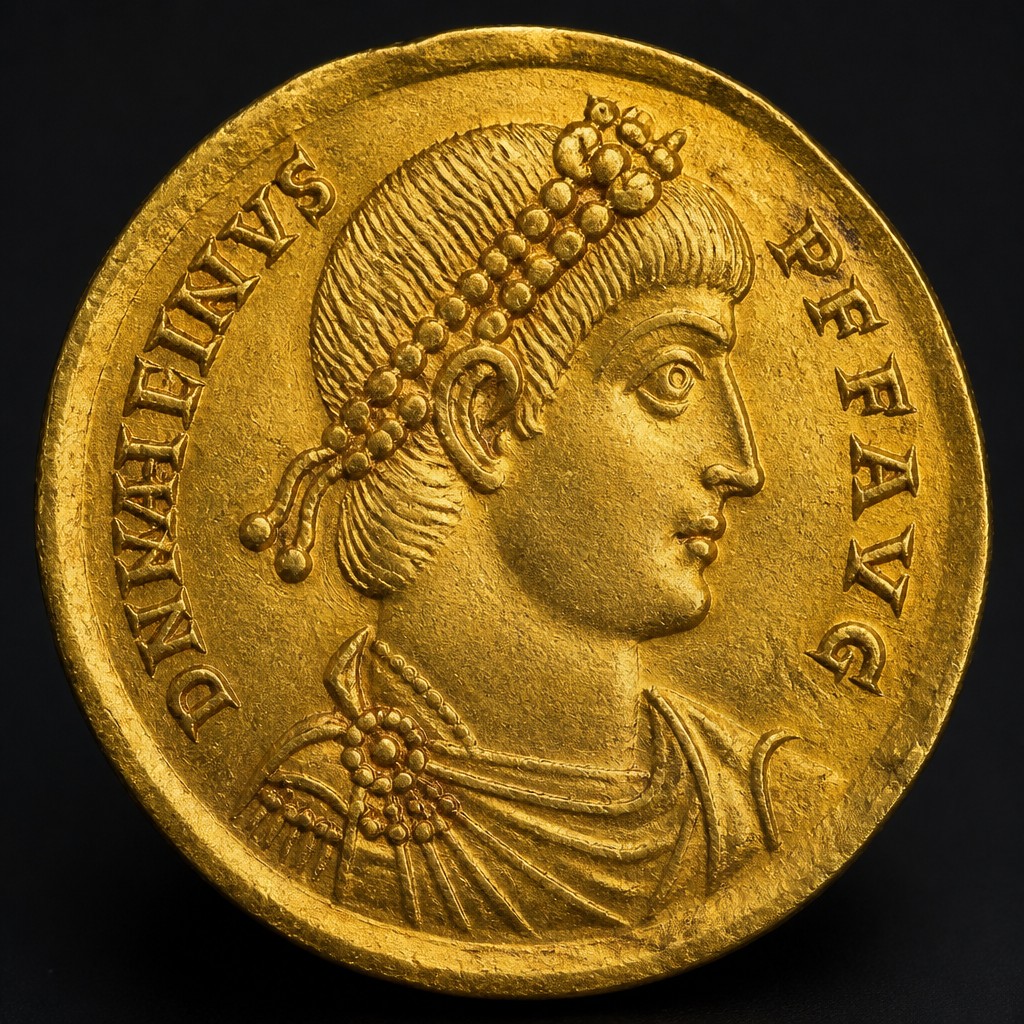
Valentinian I Solidus
364–375 AD
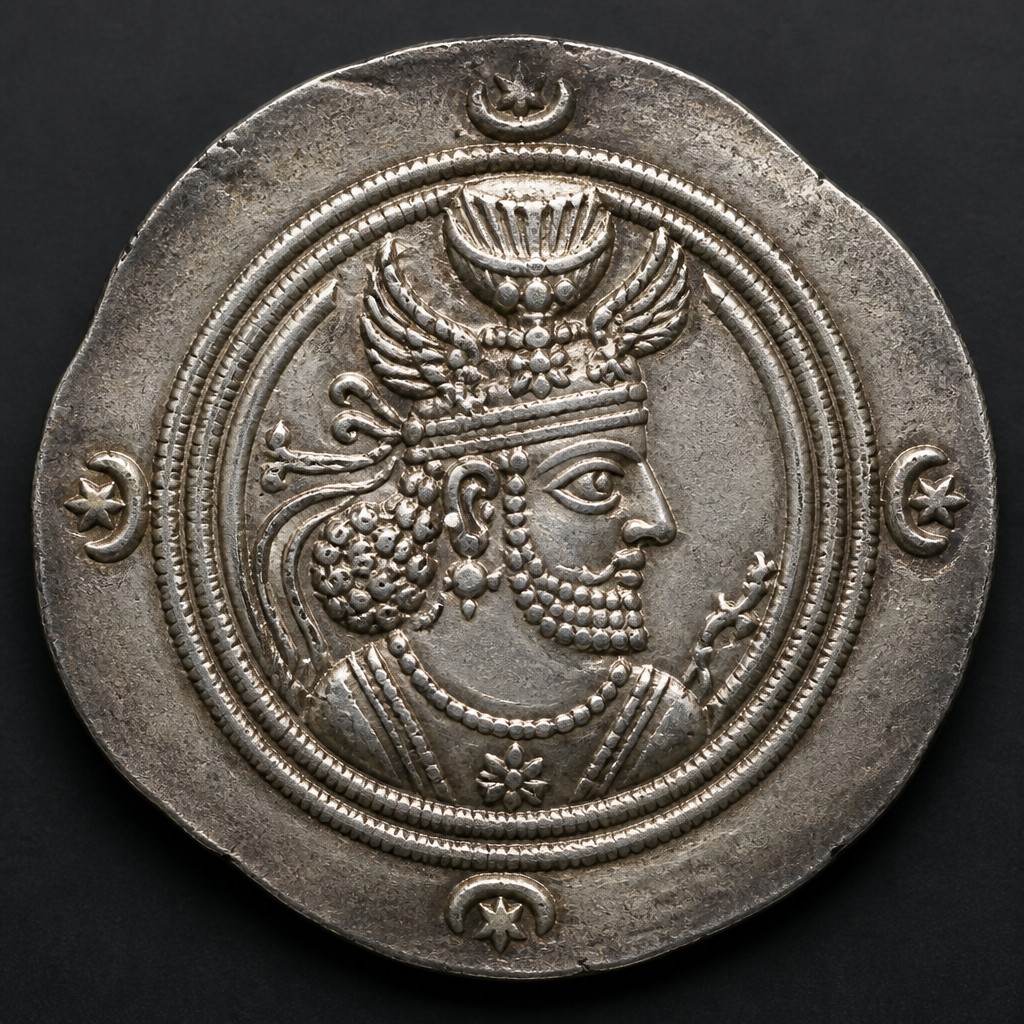
Sassanian Silver Drachm
c. 224–651 AD
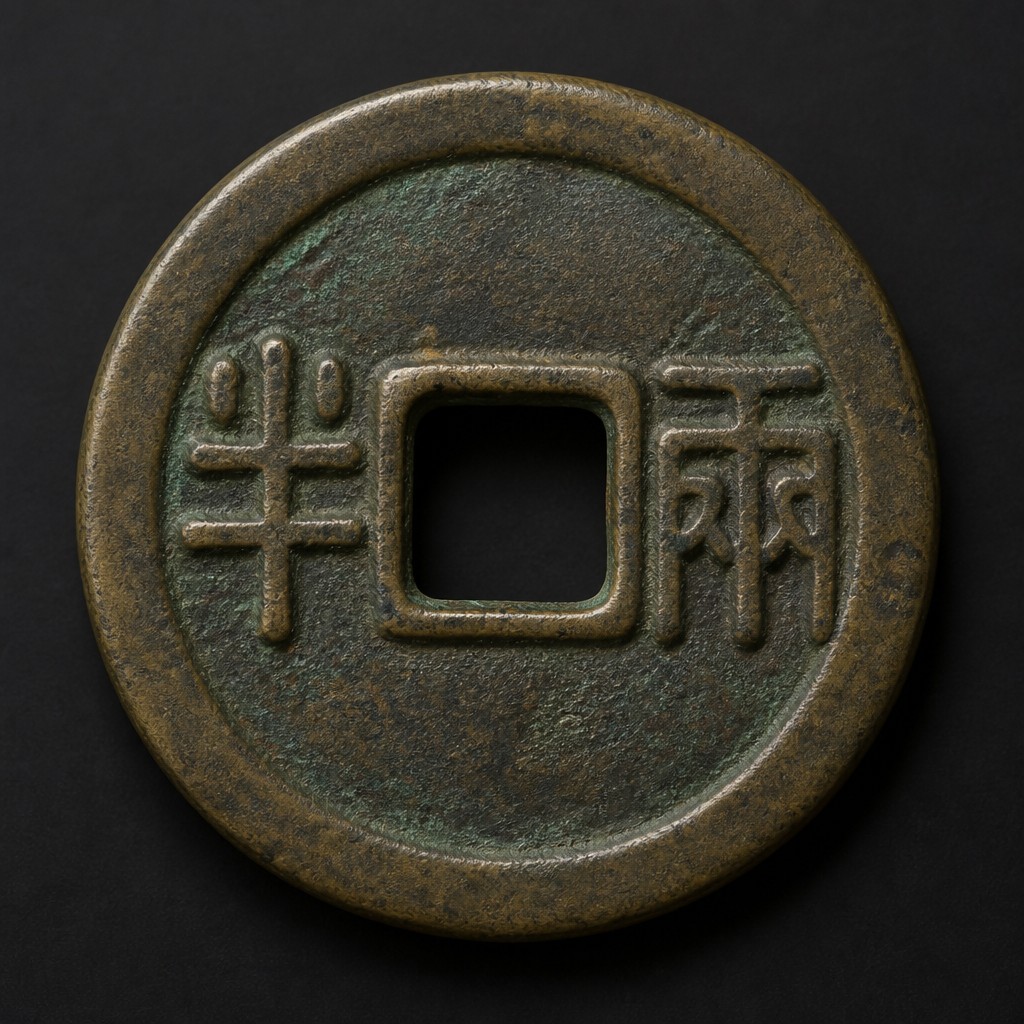
Chinese Ban Liang Cash
c. 221–118 BC
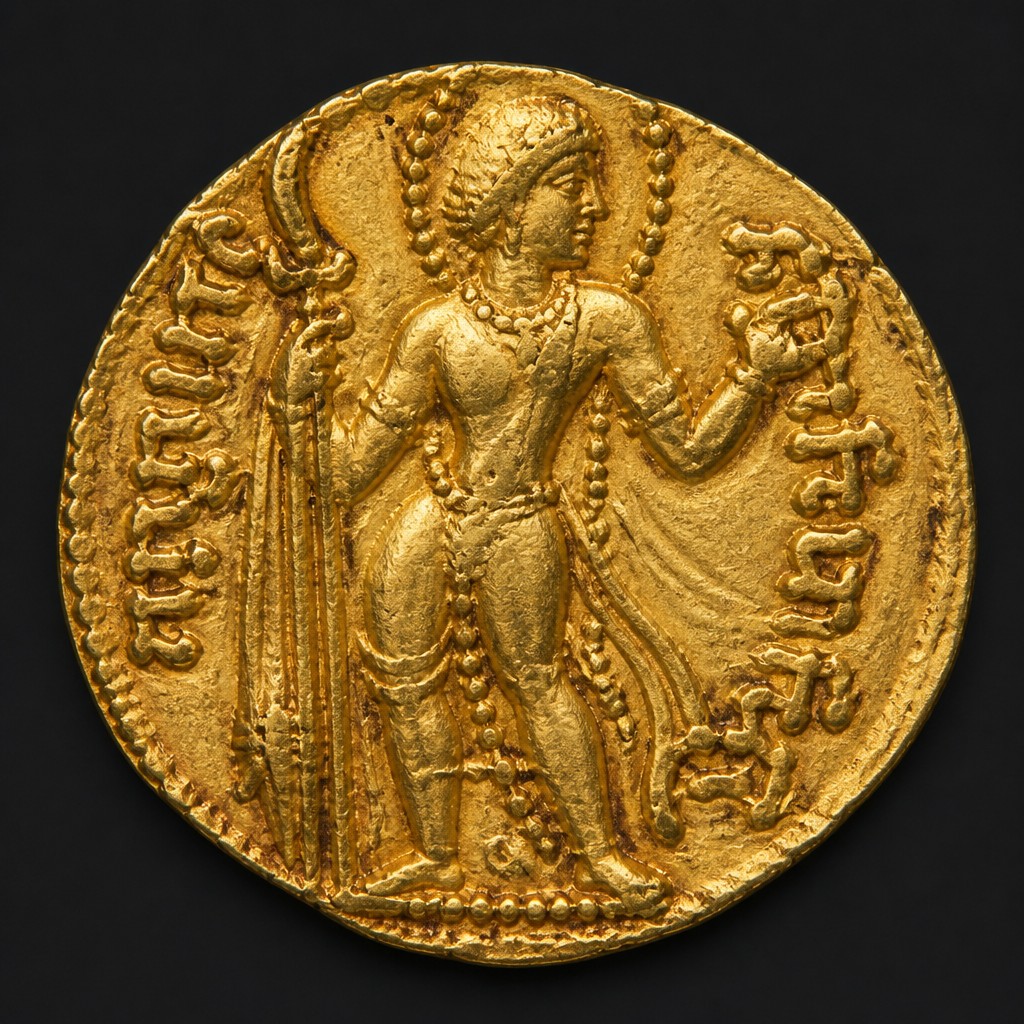
Gupta Empire Gold Dinar
c. 320–550 AD
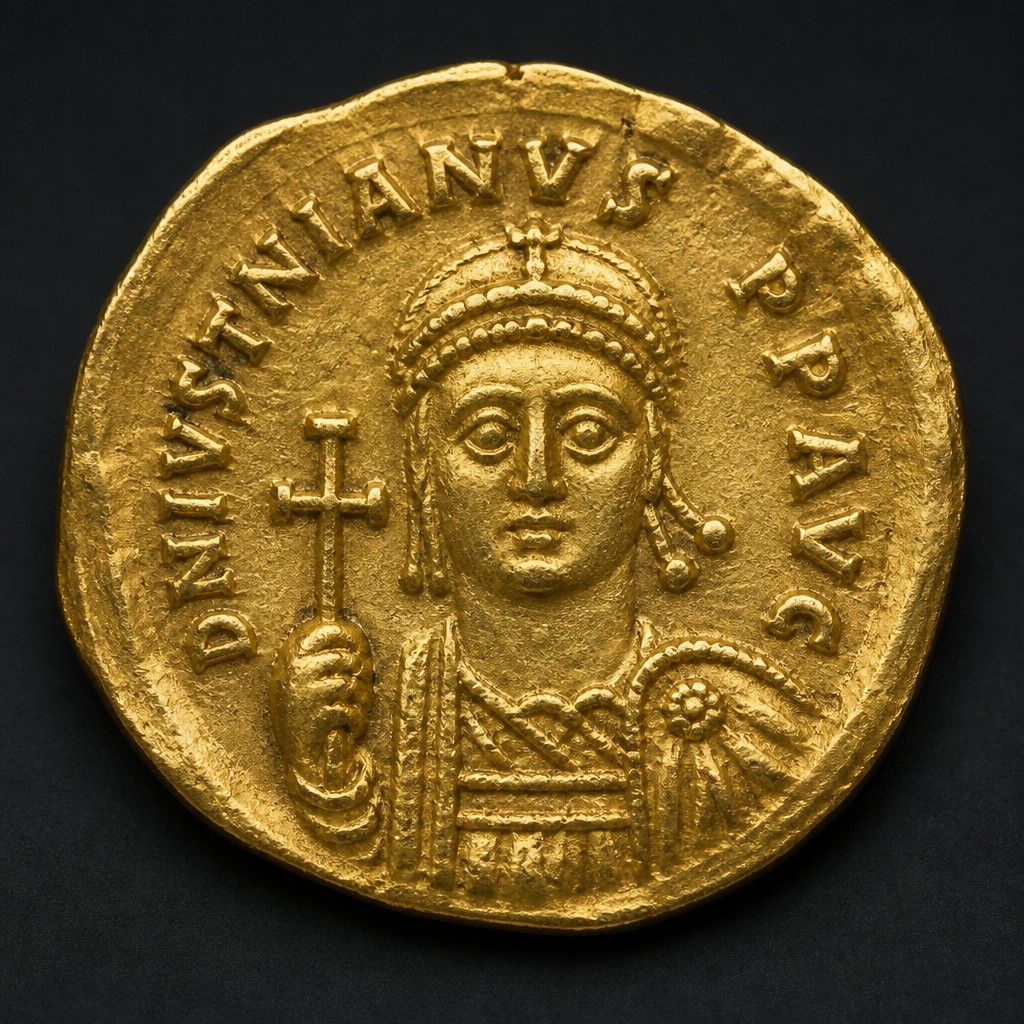
Byzantine Gold Tremissis
c. 4th–7th century AD
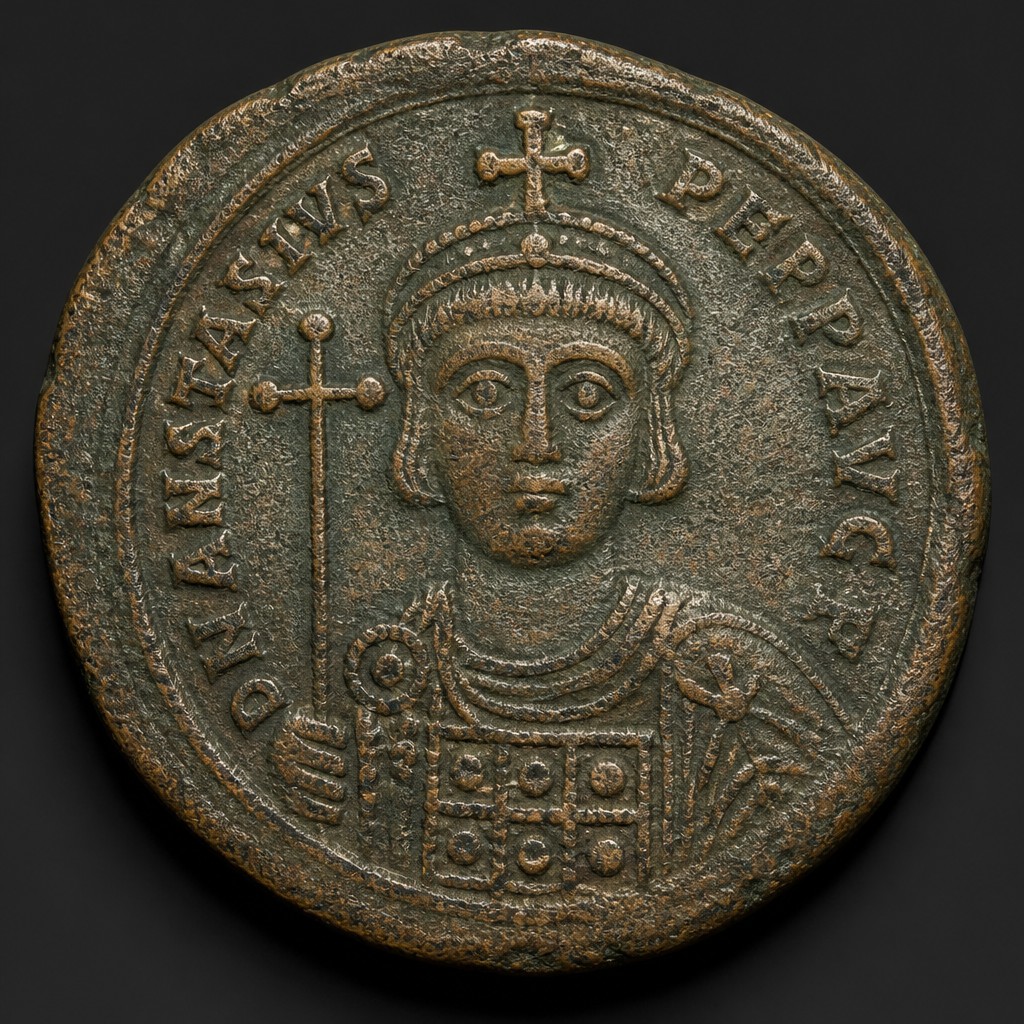
Byzantine Follis
498–c. 11th century AD
Celtic Gold Stater
c. 3rd century BC – 1st century AD