
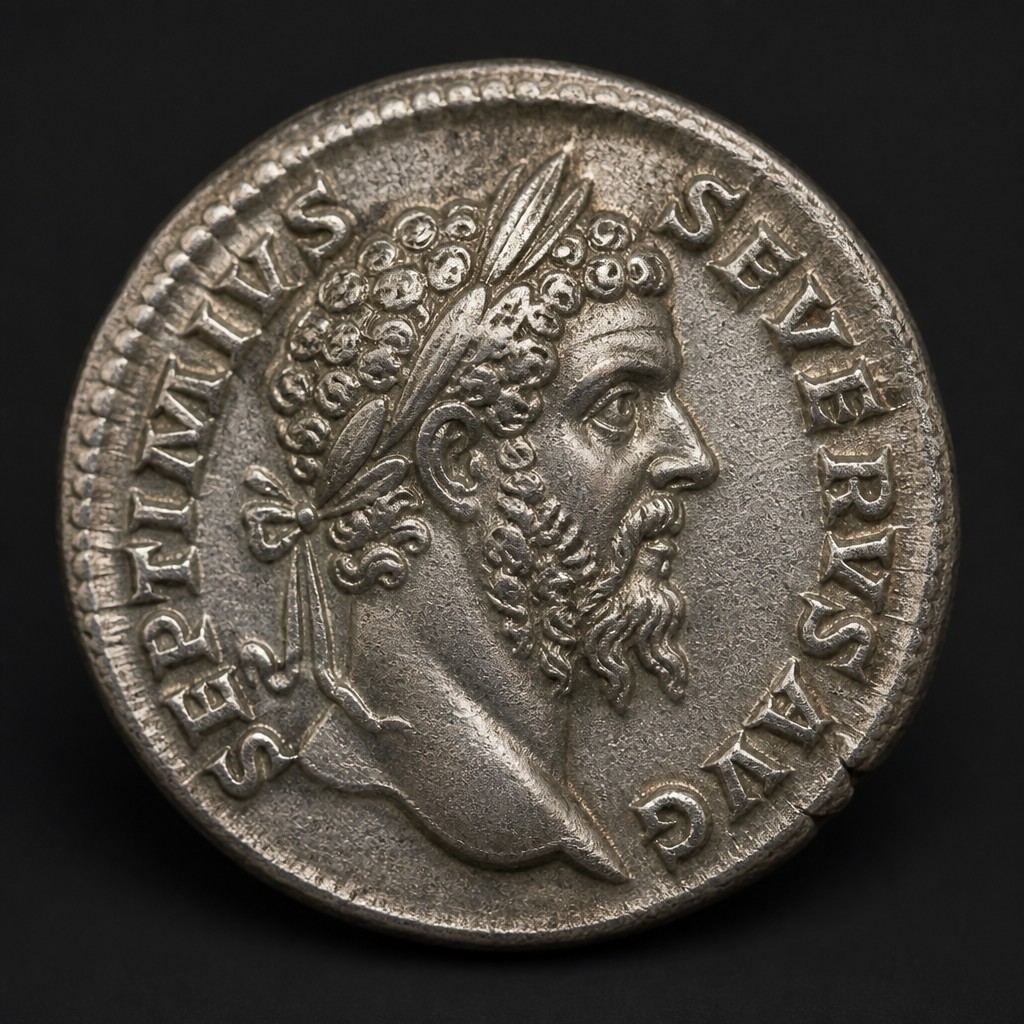
Septimius Severus Denarius
Silver denarius of Septimius Severus, African-born founder of the Severan dynasty, who rose to power through the civil wars following Commodus's death.
- Country
- Ancient Rome
- Denomination
- Denarius
- Metal
- Silver (approx. 50–58%)
Got a coin like this?
Identify any coin from a photo, free.
Overview
The denarius of Septimius Severus marks the beginning of the Severan dynasty and the start of a more overtly military-focused era of Roman imperial rule, following the chaotic "Year of the Five Emperors" in 193 AD. His coinage is abundant, reflecting both a lengthy eighteen-year reign and heavy reliance on the army as his primary source of political legitimacy.
A particularly popular sub-series within his coinage is the "legionary" denarii, which name specific Roman legions on the reverse along with military standards, struck to reward and honor the army units that had supported his rise to power. This gives his coinage a strong appeal to collectors interested in Roman military history.
As the first emperor of North African origin, and founder of a dynasty that would rule for decades, Septimius Severus occupies an important place in the study of the later Roman Empire's changing character.
History & Background
Lucius Septimius Severus was born in Leptis Magna in the Roman province of Africa (modern Libya) and rose through a successful military and administrative career before being proclaimed emperor by his troops in 193 AD, following the murder of Pertinax and the brief, scandal-ridden reign of Didius Julianus, who had controversially purchased the throne from the Praetorian Guard.
Severus defeated his rivals for power, including Pescennius Niger in the east and eventually Clodius Albinus in the west, through several years of civil war, before consolidating sole rule and founding the Severan dynasty. His reign emphasized military support above all else, reportedly advising his sons to "enrich the soldiers and scorn everyone else," a philosophy reflected in coinage that heavily favored soldier-focused messaging and legionary commemoratives.
Severus also conducted campaigns in the east against the Parthians and in Britain, where he died at York (Eboracum) in 211 AD, succeeded jointly by his sons Caracalla and Geta, whose fraught relationship would soon end in fratricide.
How to Identify
The obverse shows the laureate head of Septimius Severus facing right, with a distinctively long, curled beard fashion typical of the period, and a legend such as L SEPT SEV PERT AVG IMP with various titles. Reverse types are numerous, including standard personifications like Fortuna, Providentia, and Fides Militum (the loyalty of the soldiers), reflecting his military-focused messaging.
The legionary denarii, a especially popular and distinct sub-type, show military standards flanked by the name of a specific Roman legion (such as LEG VII CL or similar abbreviations) on the reverse, with a legend referencing the legion's loyalty; these were struck primarily to commemorate and reward the units supporting his rise to power around 193–194 AD.
The denarius weighs roughly 2.5 to 3.3 grams and measures about 17 to 19mm, with silver fineness noticeably reduced compared to earlier second-century issues, part of an ongoing trend of monetary debasement. Collectors distinguish his coinage from that of his sons and wife primarily by the obverse legend and portrait style, noting the family's shared beard fashion across the dynasty's male members.
Value & Collectibility
Standard Septimius Severus denarii are common and generally affordable, widely available in collectible grade for modest sums, reflecting his lengthy reign and extensive mint output across multiple mints during the civil wars and afterward. This makes his coinage accessible to collectors of all experience levels.
The legionary denarii command a noticeable premium over standard types due to strong demand from military history enthusiasts and collectors specializing in Roman legions, with prices varying by which specific legion is named, since some legions are represented by far fewer surviving examples than others.
As with most Roman silver, strike quality, portrait sharpness, and overall preservation are the primary value drivers for common types, while scarcer legionary or reverse varieties can bring substantially higher prices at auction among specialists.
Frequently asked questions
What are legionary denarii?
They are a special series of denarii naming specific Roman legions on the reverse, struck by Septimius Severus to reward the military units that backed his rise to power.
Where was Septimius Severus from?
He was born in Leptis Magna in the Roman province of Africa (modern Libya), making him the first Roman emperor of North African origin.
How did Severus become emperor?
He was proclaimed emperor by his troops in 193 AD and secured sole rule through several years of civil war against rival claimants.
Are legionary denarii rare?
Their rarity varies significantly by which legion is named; some are relatively available while others are quite scarce and highly sought after.
Other coins you may enjoy
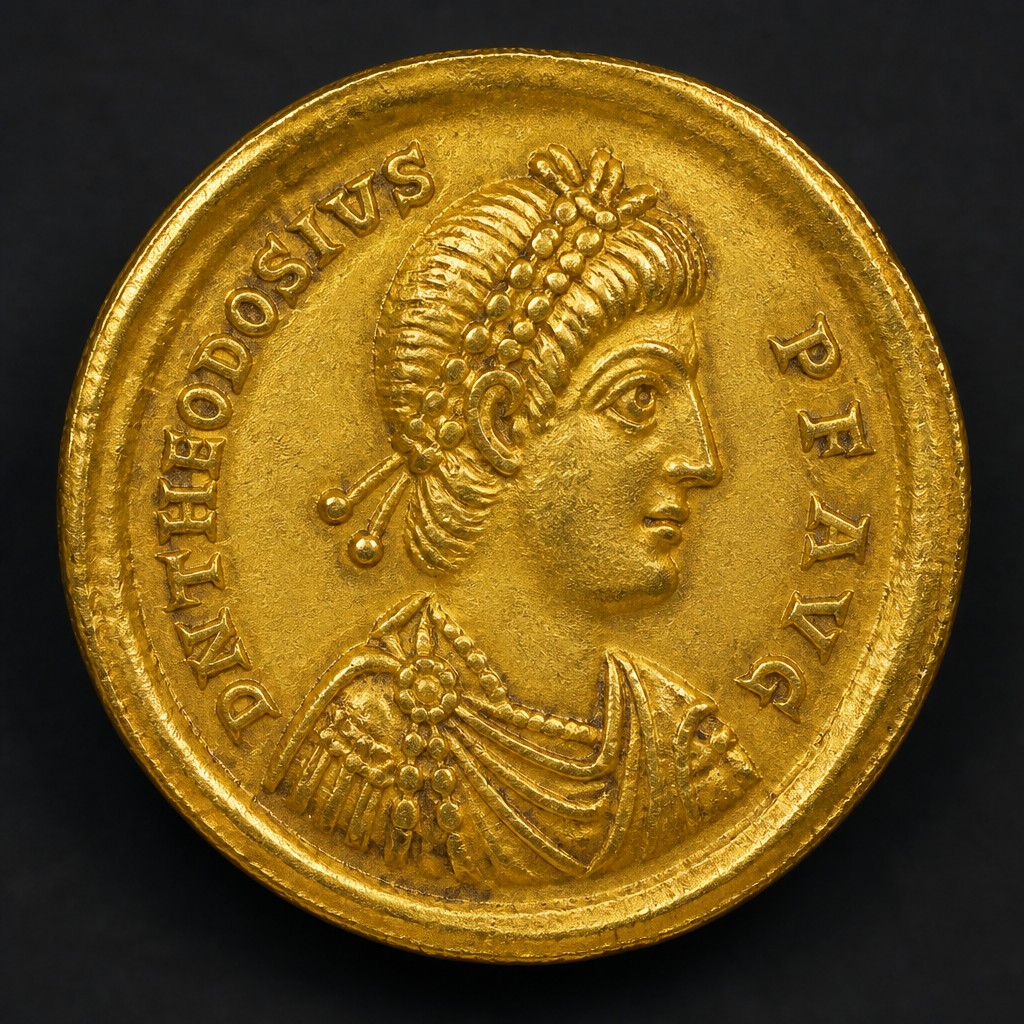
Theodosius I Solidus
379–395 AD
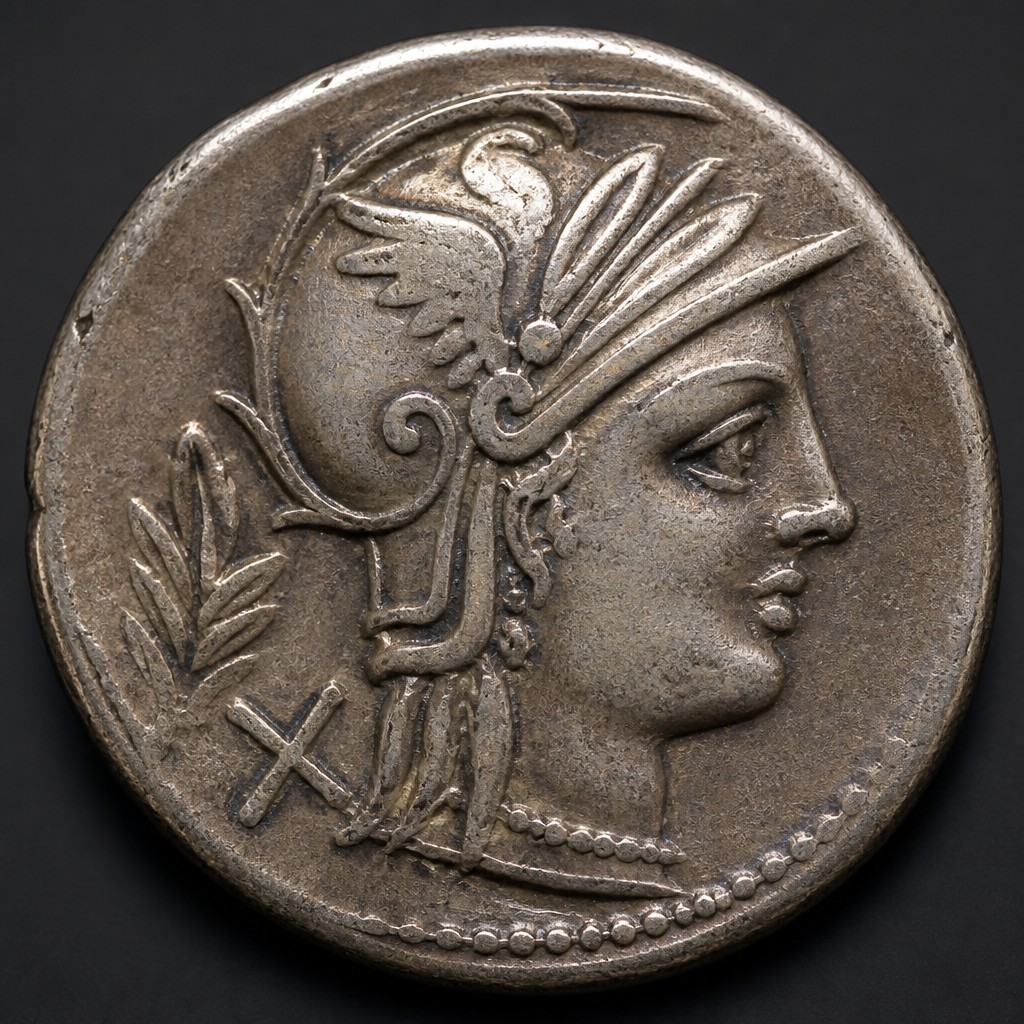
Republican Victoriatus
c. 211–170 BC
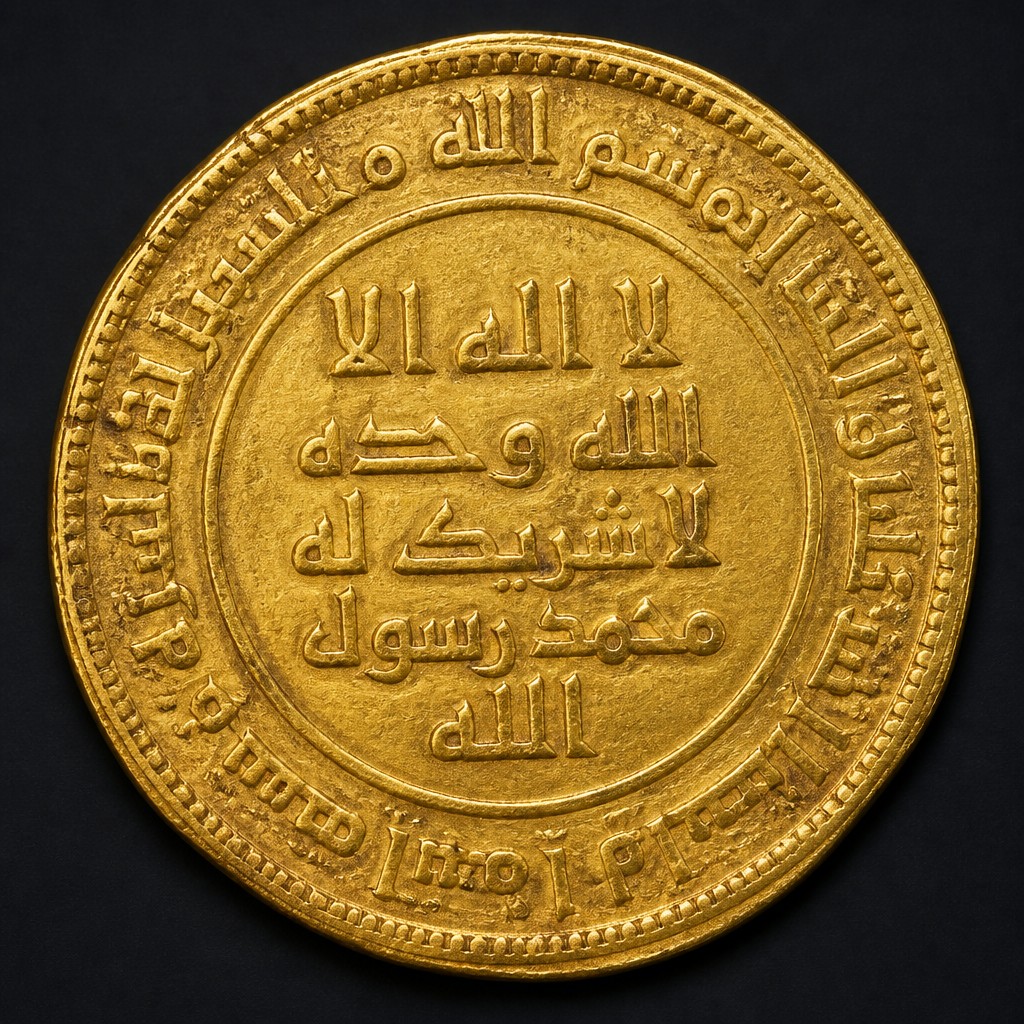
Islamic Gold Dinar (Umayyad)
c. 696–750 AD
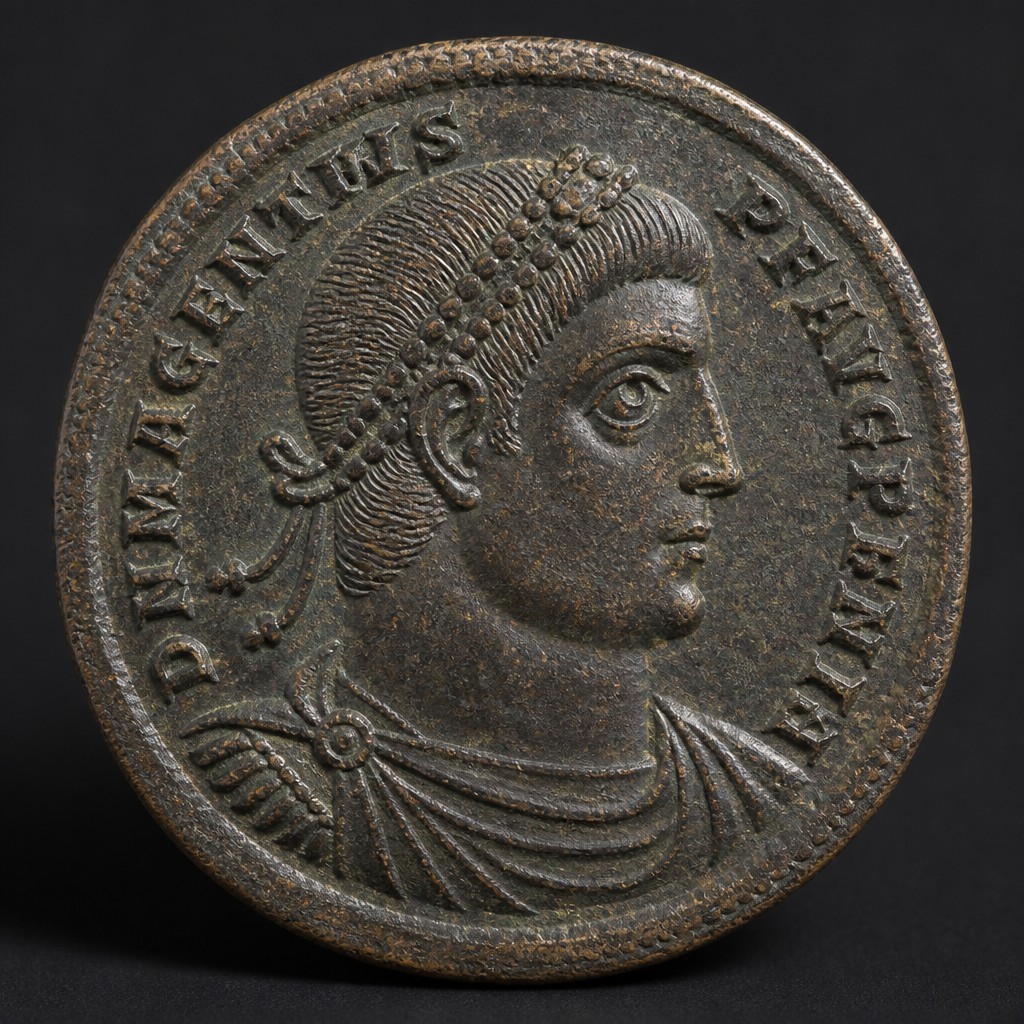
Magnentius Double Centenionalis
350–353 AD
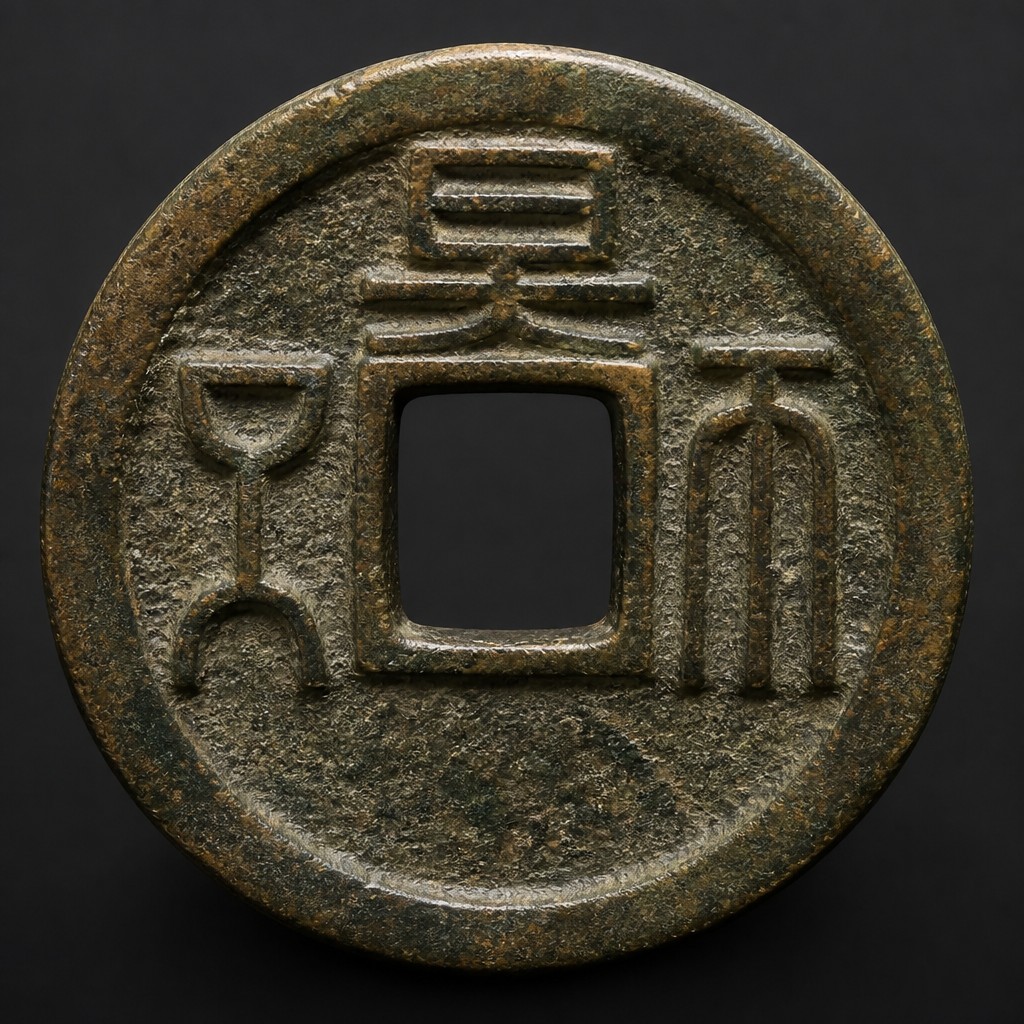
Chinese Wu Zhu Cash
118 BC – 618 AD
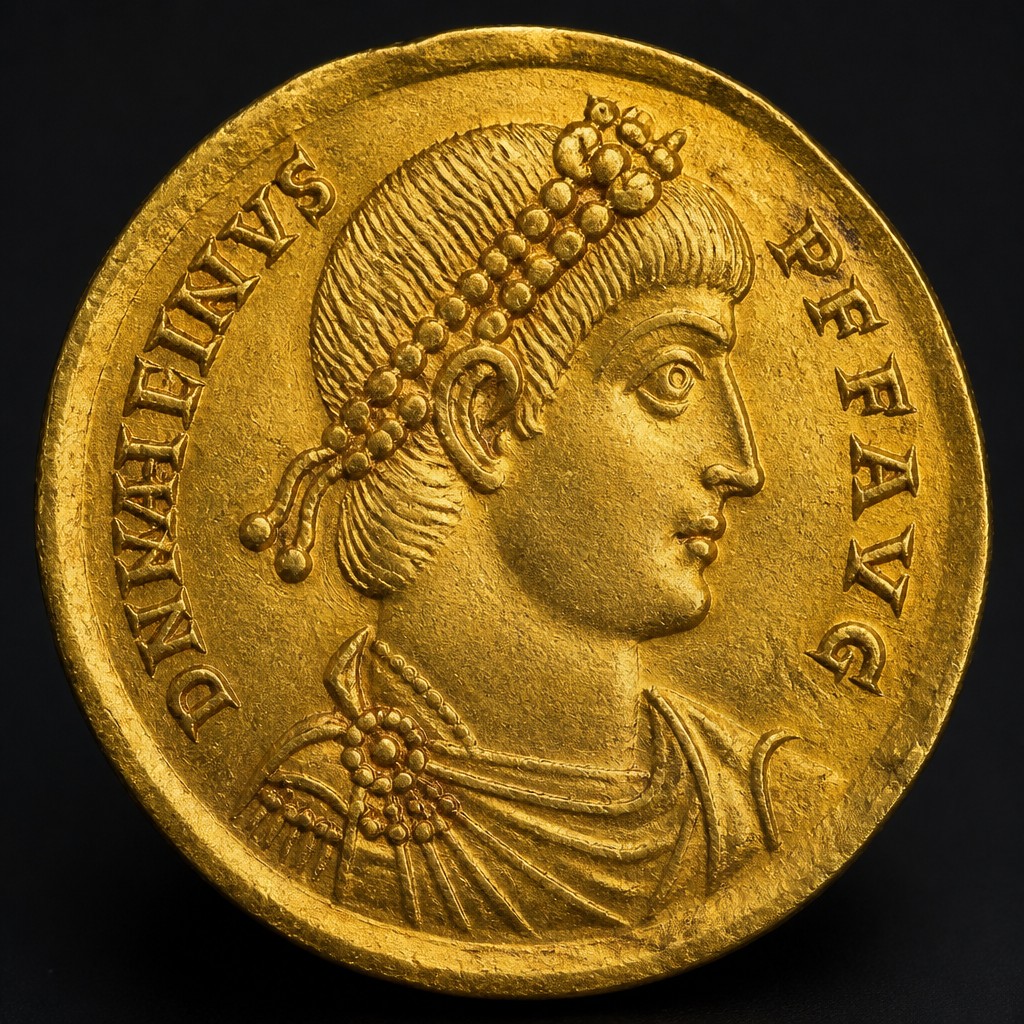
Valentinian I Solidus
364–375 AD
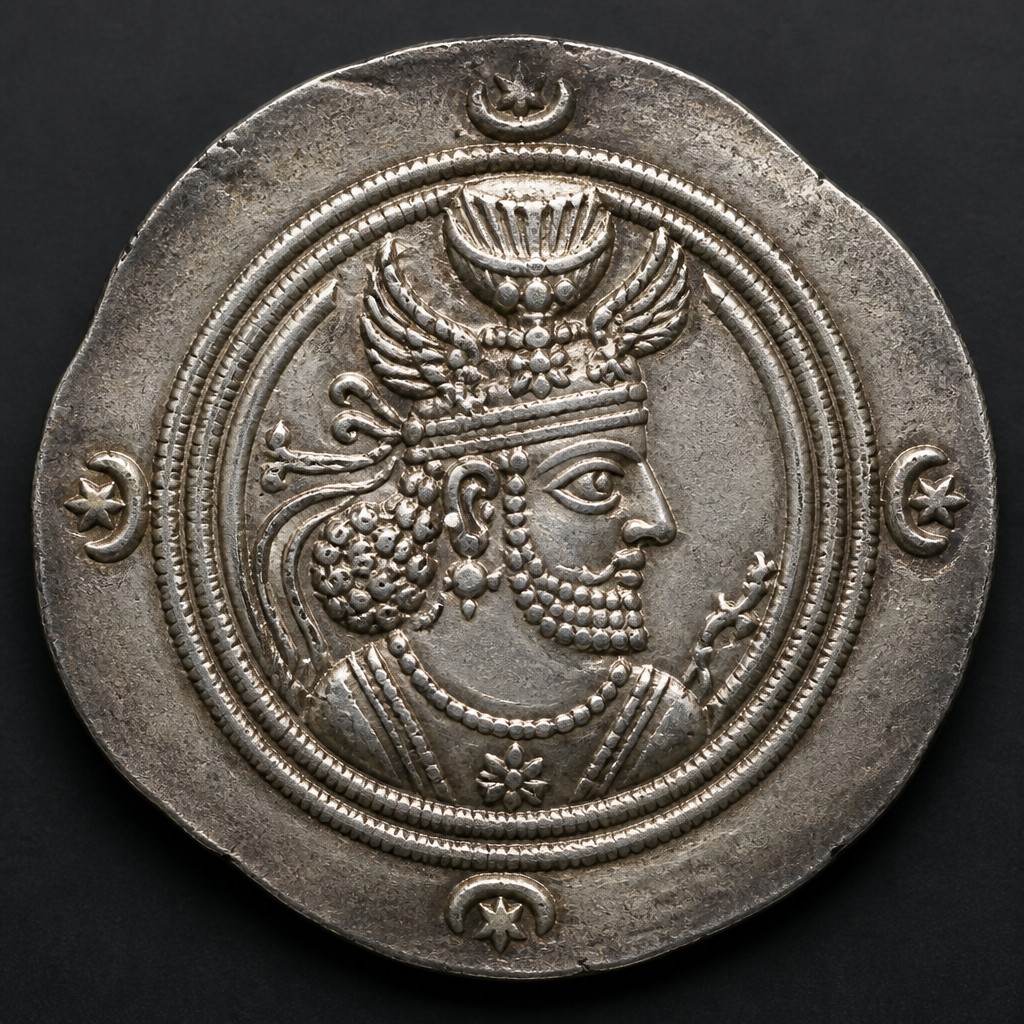
Sassanian Silver Drachm
c. 224–651 AD
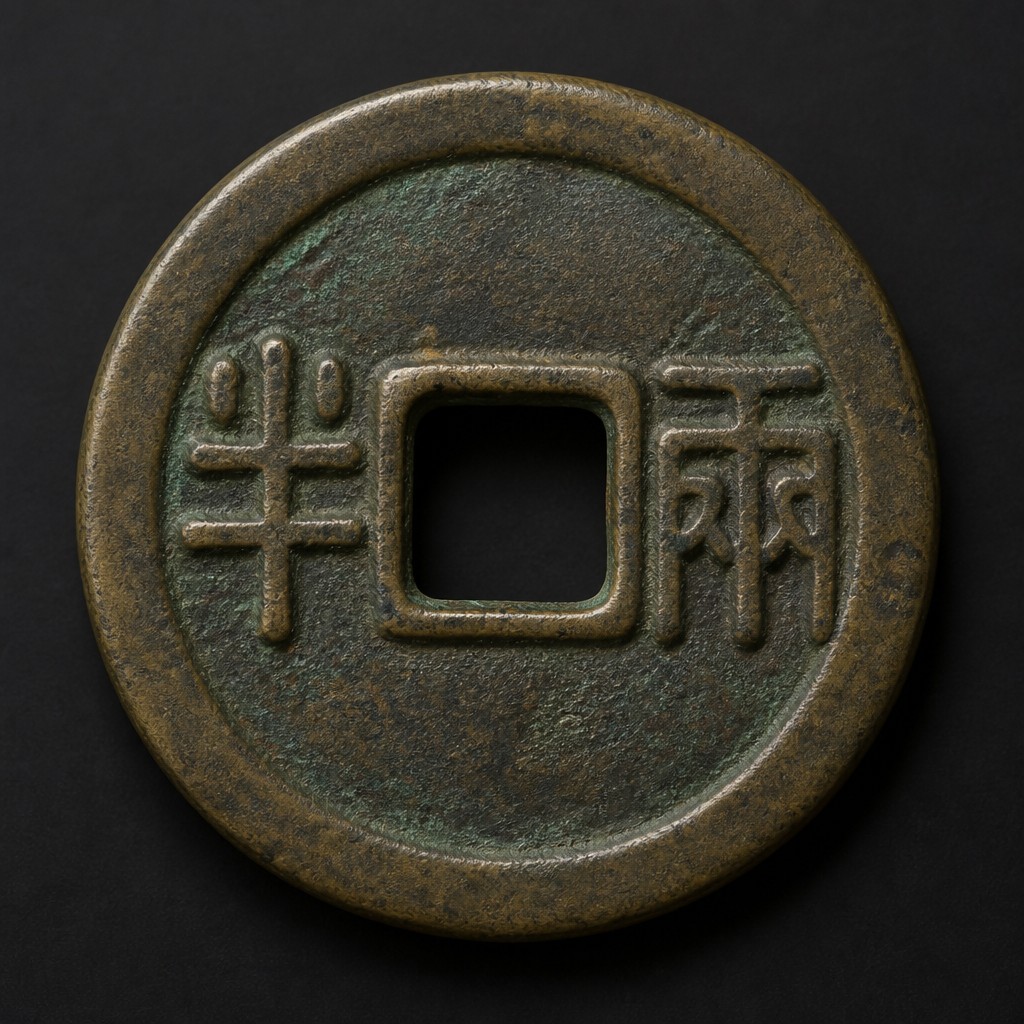
Chinese Ban Liang Cash
c. 221–118 BC
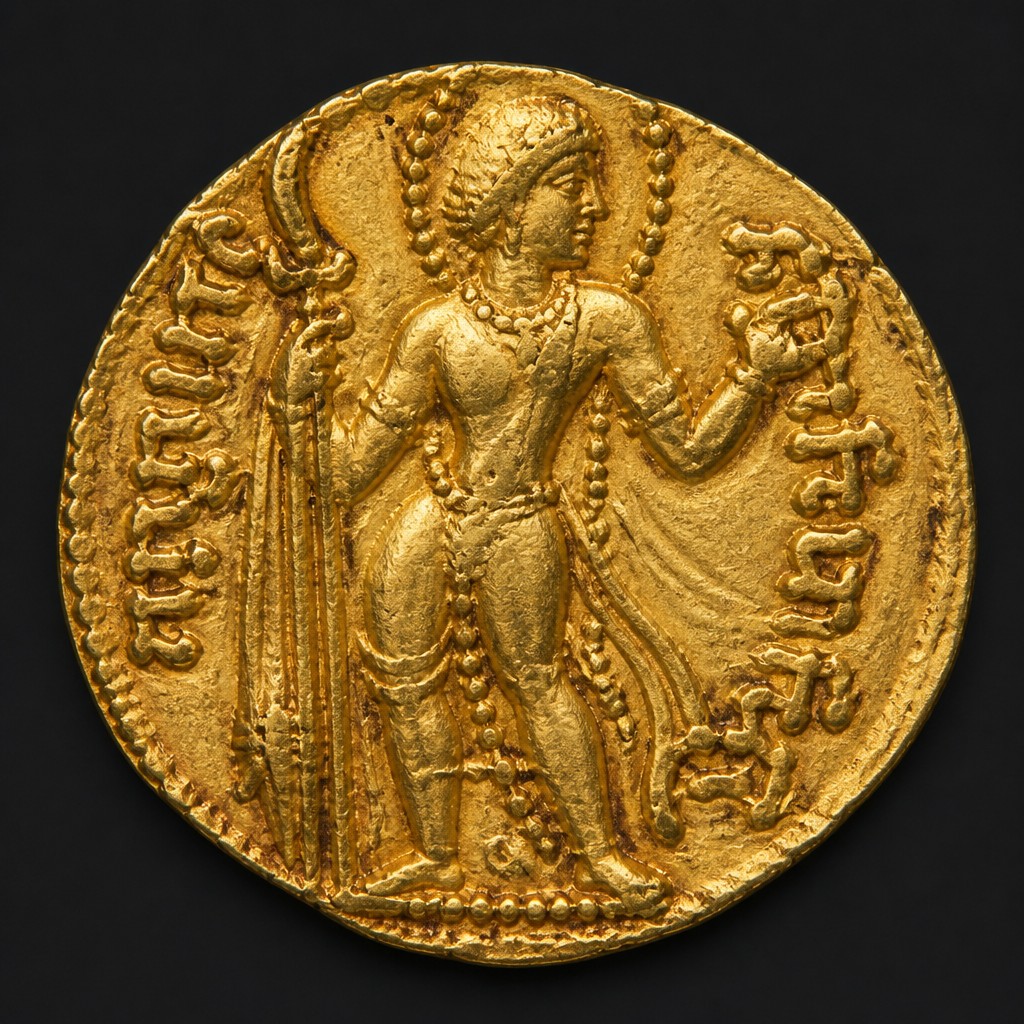
Gupta Empire Gold Dinar
c. 320–550 AD
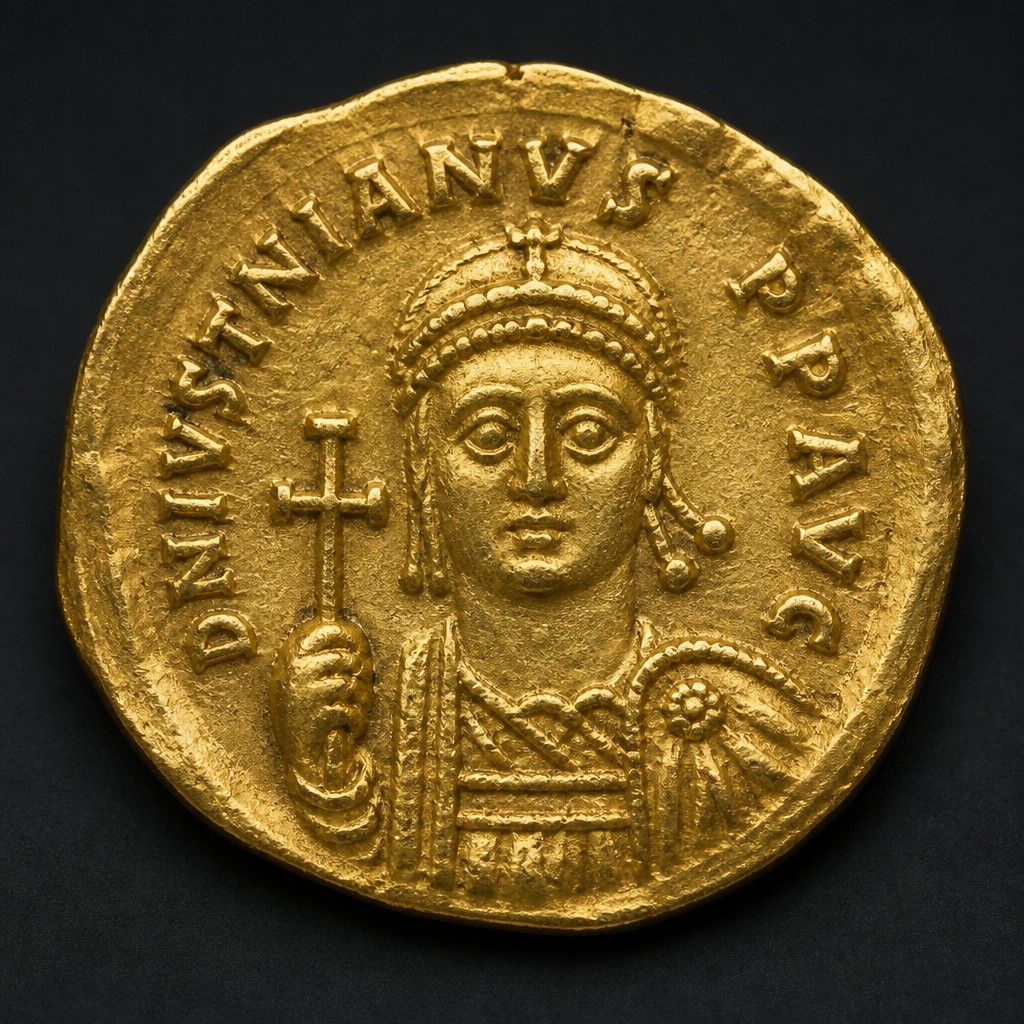
Byzantine Gold Tremissis
c. 4th–7th century AD
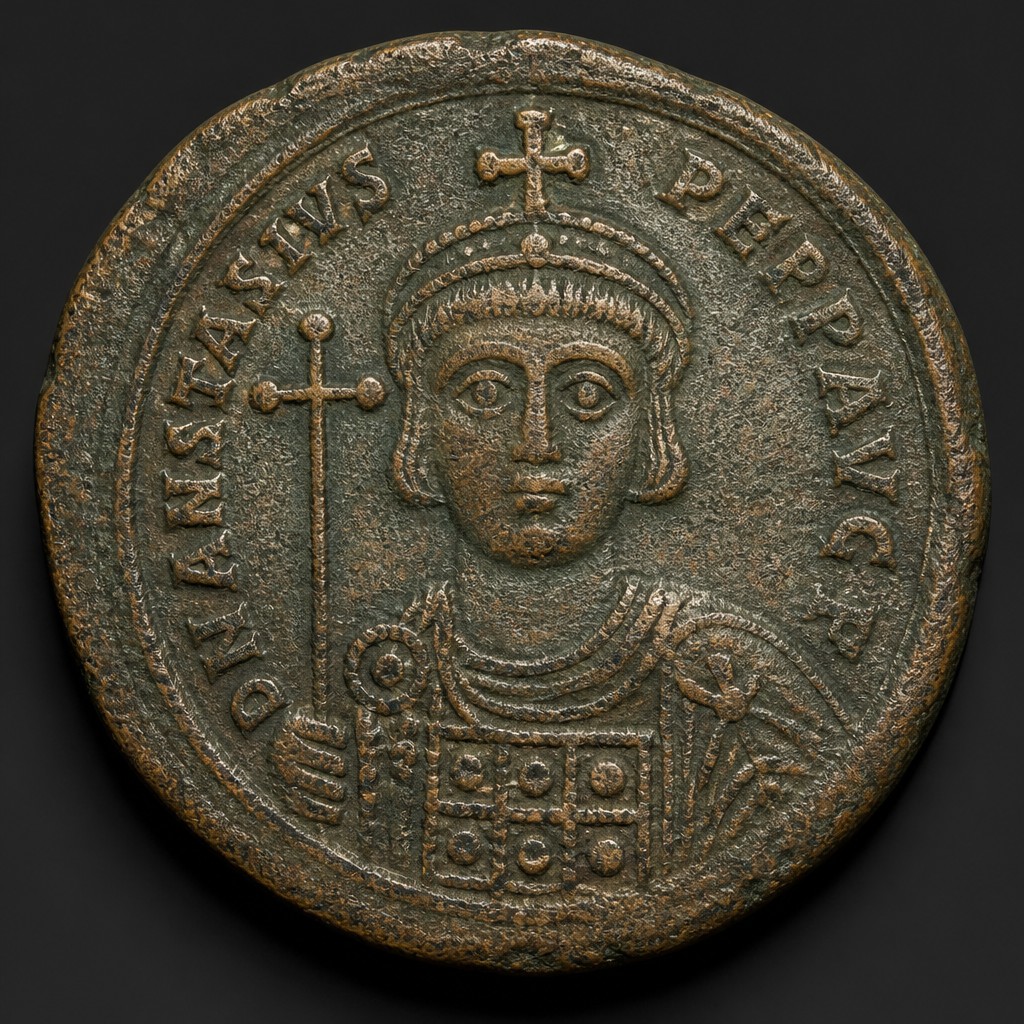
Byzantine Follis
498–c. 11th century AD
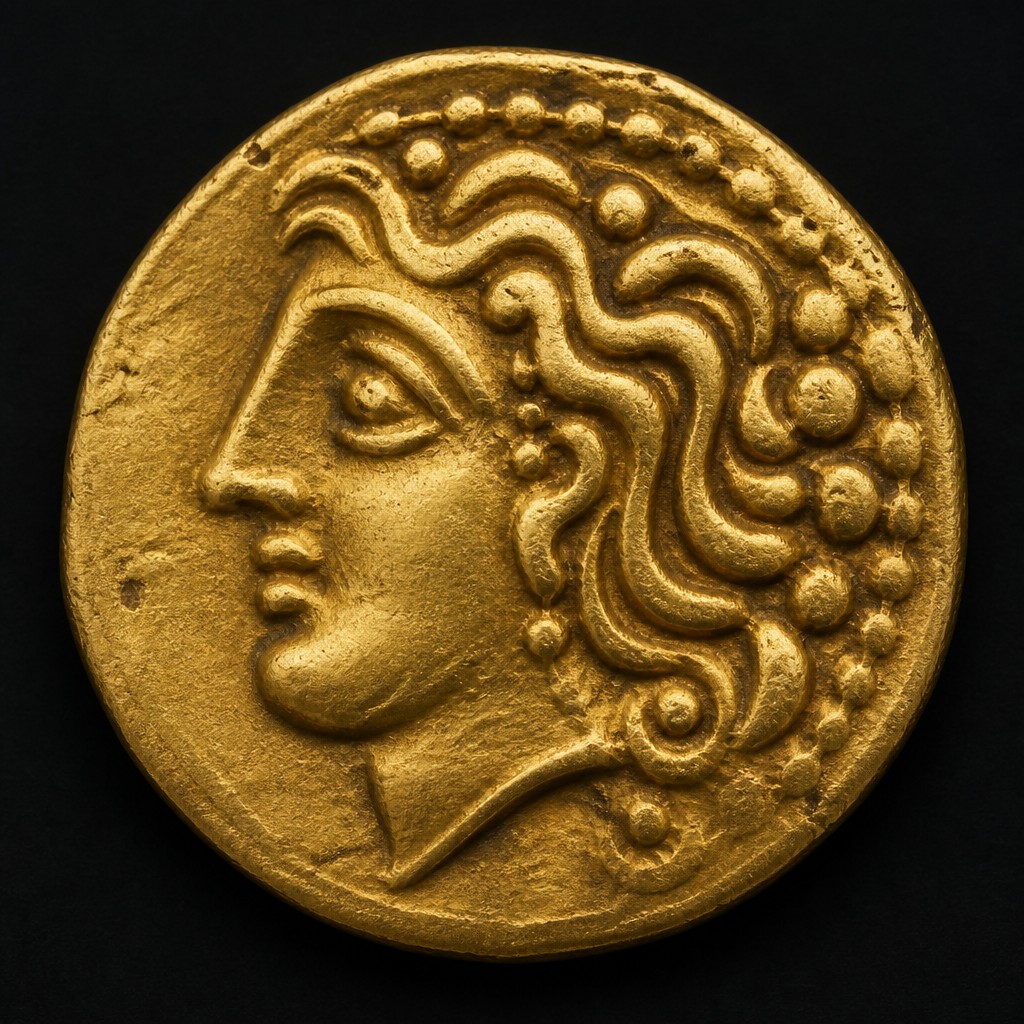
Celtic Gold Stater
c. 3rd century BC – 1st century AD