
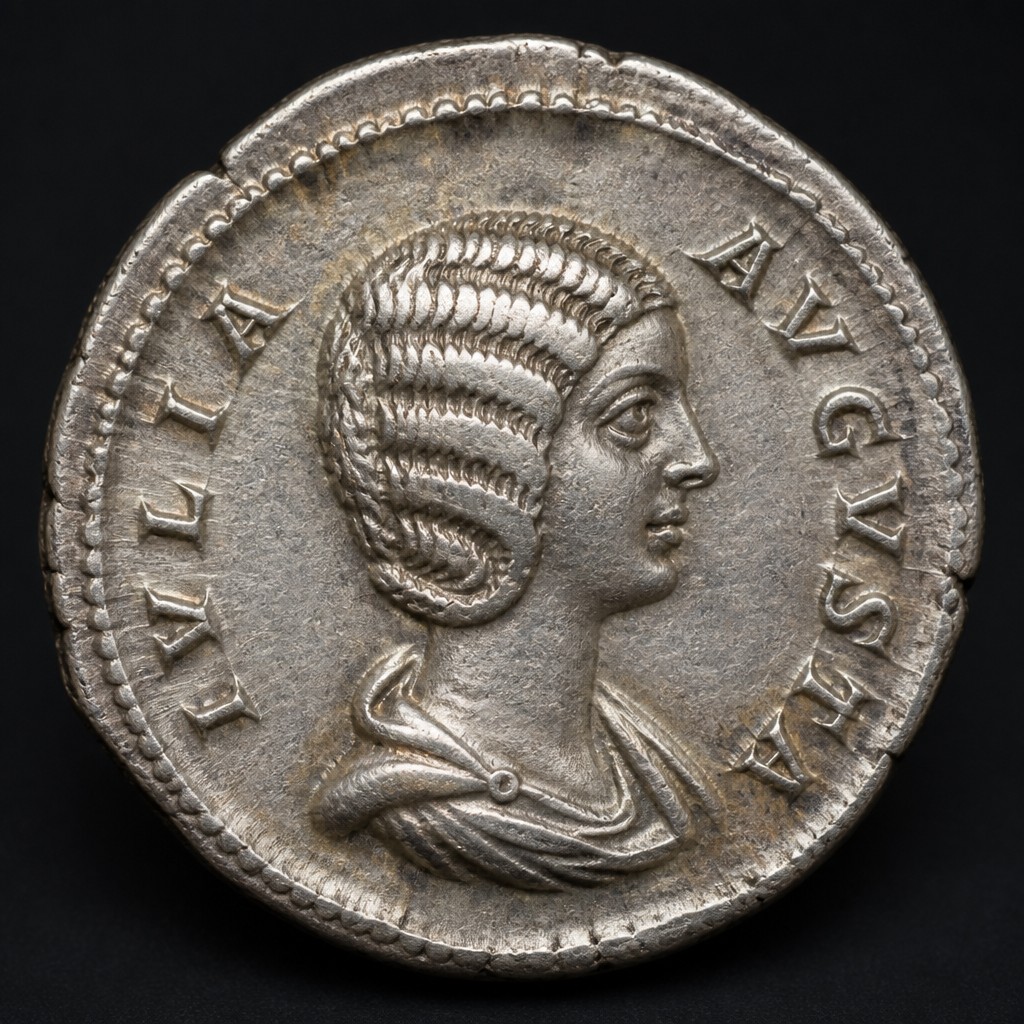
Julia Domna Denarius
Silver denarius of Julia Domna, Syrian-born wife of Septimius Severus and mother of Caracalla, a politically influential empress of the Severan dynasty.
- Country
- Ancient Rome
- Denomination
- Denarius
- Metal
- Silver (approx. 50%)
Got a coin like this?
Identify any coin from a photo, free.
Overview
The denarius of Julia Domna represents one of the most historically significant Roman empresses, a Syrian noblewoman whose marriage to Septimius Severus placed her at the center of imperial politics for over two decades. Her coinage reflects both her formal role as Augusta and her broader cultural influence, as she was known for patronizing philosophers and intellectuals at court.
Her reverse types cover typical imperial themes for empresses, including piety, fertility, and household virtues, but the sheer duration of her prominence, spanning her husband's reign and into that of her son Caracalla, makes her coinage a substantial and varied series in its own right.
Collectors of Severan-era coinage and of Roman empresses generally regard Julia Domna as a key figure, both for her documented political influence and for the relatively wide availability of her coin types compared to some other empresses.
History & Background
Julia Domna was born in Emesa (modern Homs, Syria) to a prominent family associated with the priesthood of the local sun god, and she married the future emperor Septimius Severus in 187 AD, reportedly chosen in part due to a favorable horoscope. She became empress upon his elevation in 193 AD and remained a powerful figure at court throughout his reign and into the joint and later sole reign of her son Caracalla.
Ancient sources credit her with significant political influence, intellectual patronage, and even accompanying her husband and son on military campaigns, an unusual role for a Roman empress. Her family connections in the east would later prove important, as her sister's descendants eventually produced further Severan-dynasty emperors, including Elagabalus and Severus Alexander.
Julia Domna died in 217 AD, shortly after her son Caracalla's assassination, reportedly by suicide or through illness exacerbated by grief and a subsequent political fall from favor, closing out one of the most eventful careers of any Roman empress.
How to Identify
The obverse shows the draped bust of Julia Domna facing right, with an elaborate, wavy hairstyle characteristic of Severan-era imperial women, and a legend such as IVLIA AVGVSTA or IVLIA DOMNA AVG. Reverse types include Pietas, Vesta (often shown with sacred implements), Fecunditas, Diana Lucifera with a torch, and Concordia, reflecting standard virtues expected of an empress.
The denarius weighs roughly 2.5 to 3.3 grams and measures about 17 to 19mm, with silver fineness reduced compared to earlier second-century standards, consistent with the broader debasement trend of the Severan era.
Because Julia Domna's coinage spans both her husband's and her son's reigns, style and legend format vary somewhat over time; collectors distinguish specific issues primarily through subtle differences in titulature and portrait style, though her name and title generally appear clearly and consistently across the series.
Value & Collectibility
Julia Domna denarii are relatively plentiful and generally affordable, reflecting her long tenure as empress across two reigns and the substantial mint output of the period. Common reverse types are often available at accessible prices for collectible grades.
Well-struck, sharply detailed examples with clear portraiture and less common reverse types can command higher prices among specialists, particularly those researching the wider Severan family's coinage in depth.
Her documented historical importance as a politically active and culturally influential empress adds sustained collector interest beyond simple type-collecting, making her denarii a popular choice for those assembling a Severan dynasty set.
Frequently asked questions
Who was Julia Domna married to?
She was the wife of Emperor Septimius Severus and mother of Caracalla and Geta, making her a central figure of the Severan dynasty.
Where did Julia Domna come from?
She was born in Emesa in Roman Syria, and her eastern origins and family connections later influenced subsequent Severan-era succession.
Was Julia Domna politically influential?
Yes, ancient sources describe her as an active and influential figure at court, known also for patronizing philosophers and intellectuals.
How common are her coins today?
They are relatively common and affordable, given her long period of prominence spanning multiple reigns.
Other coins you may enjoy
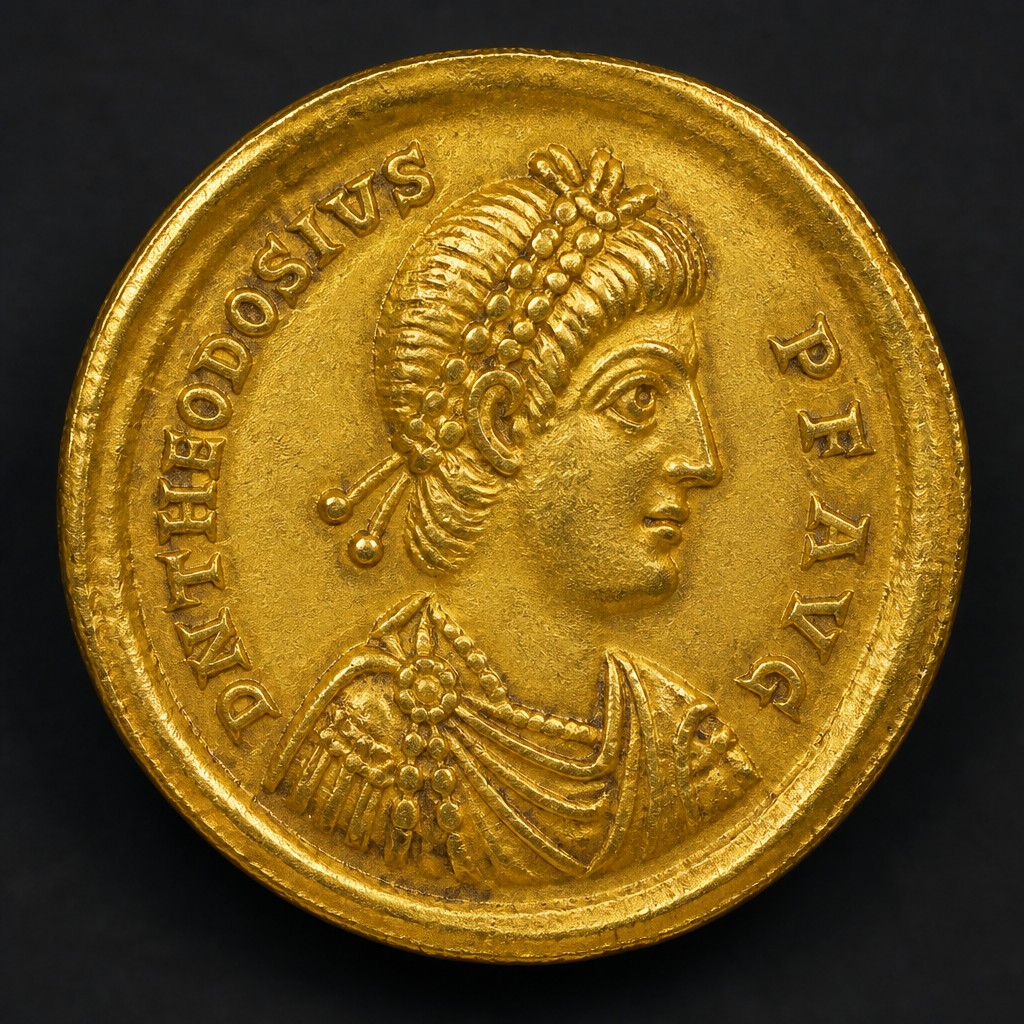
Theodosius I Solidus
379–395 AD
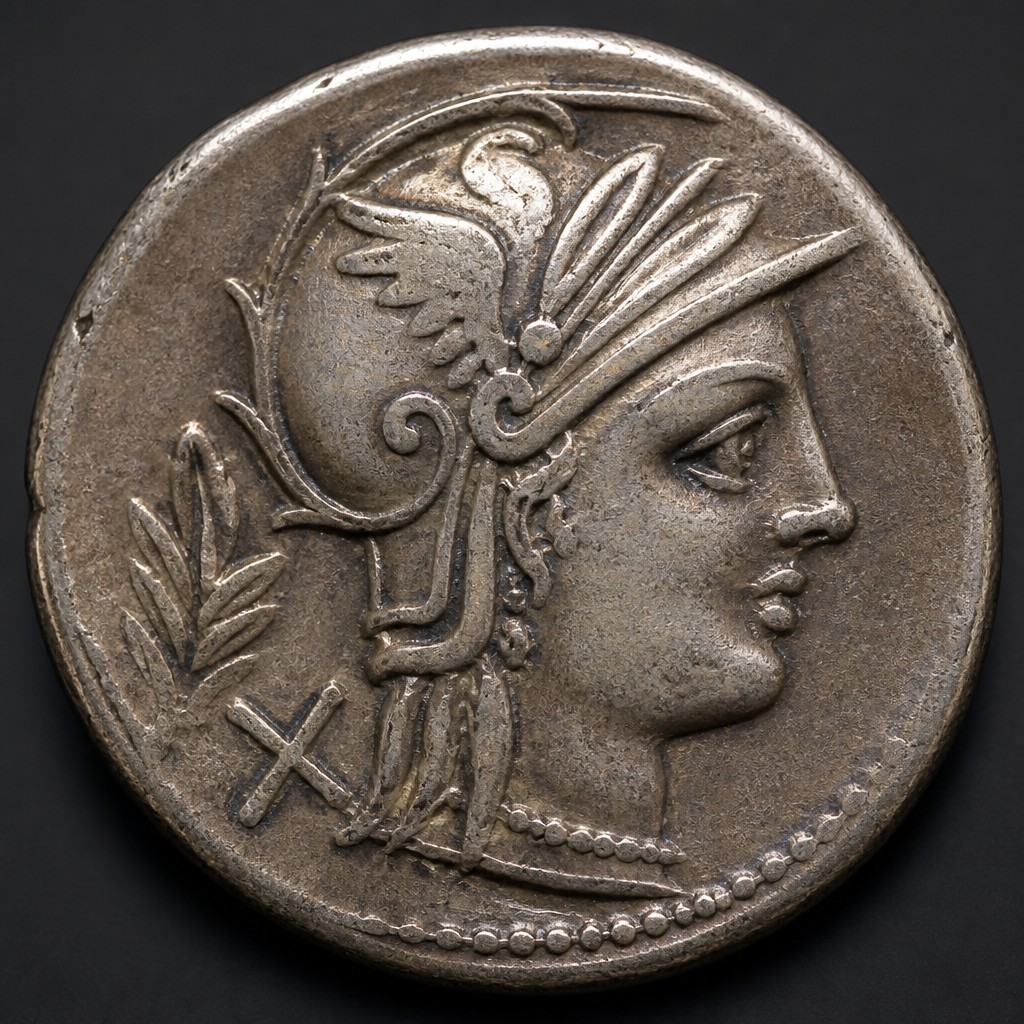
Republican Victoriatus
c. 211–170 BC
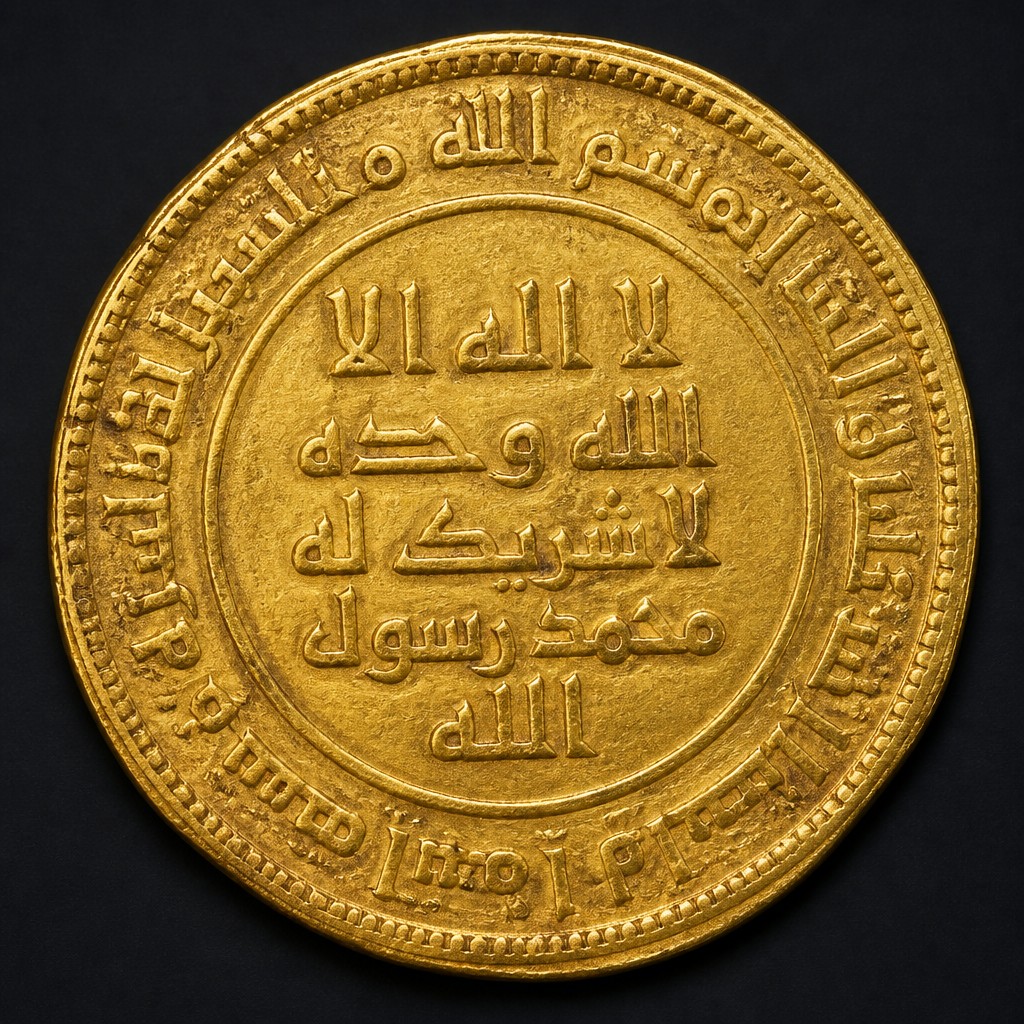
Islamic Gold Dinar (Umayyad)
c. 696–750 AD
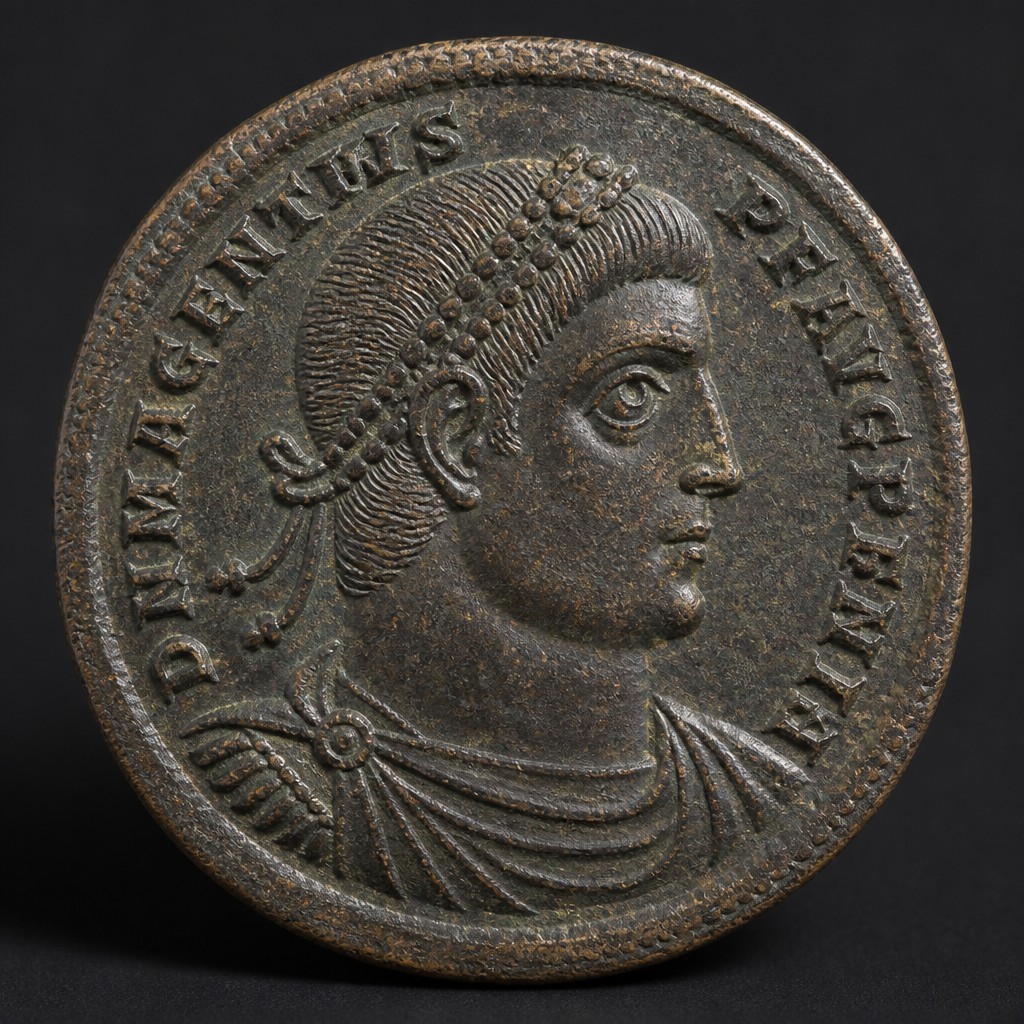
Magnentius Double Centenionalis
350–353 AD
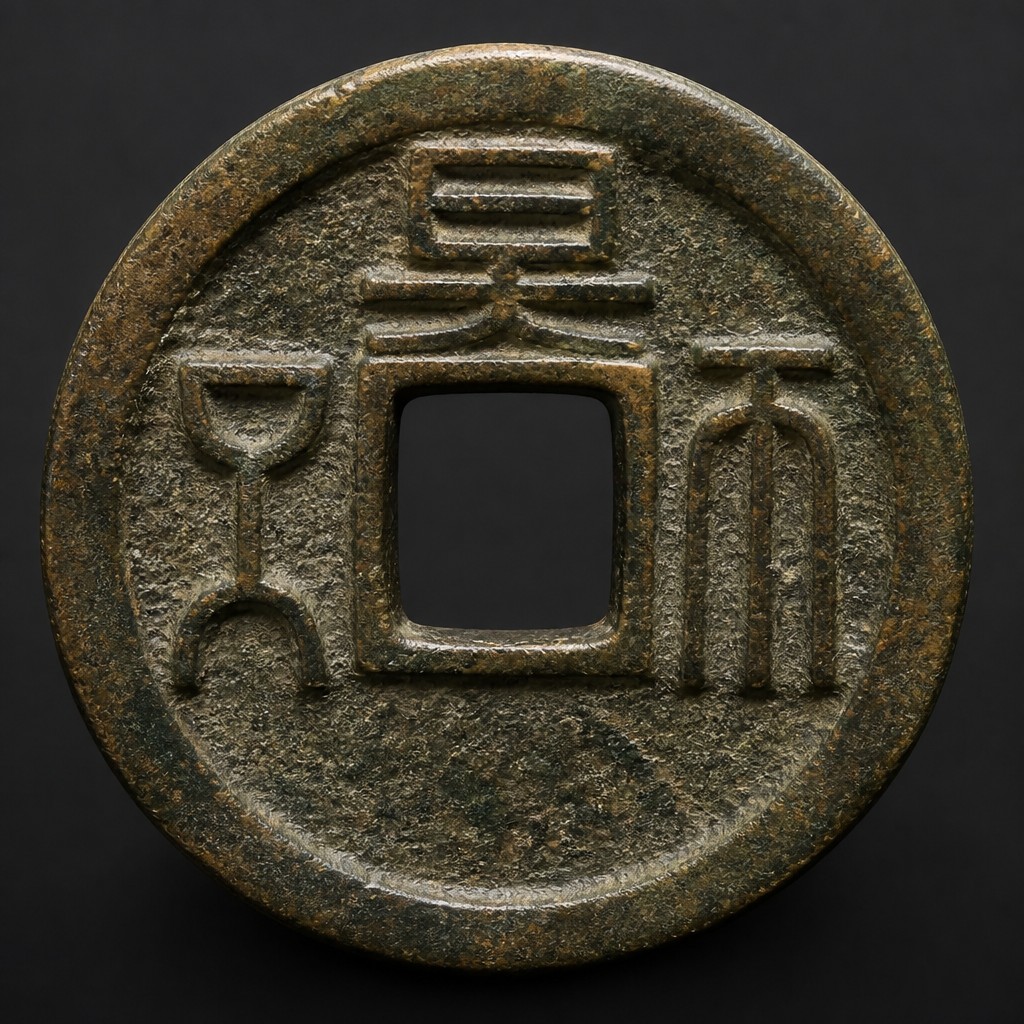
Chinese Wu Zhu Cash
118 BC – 618 AD
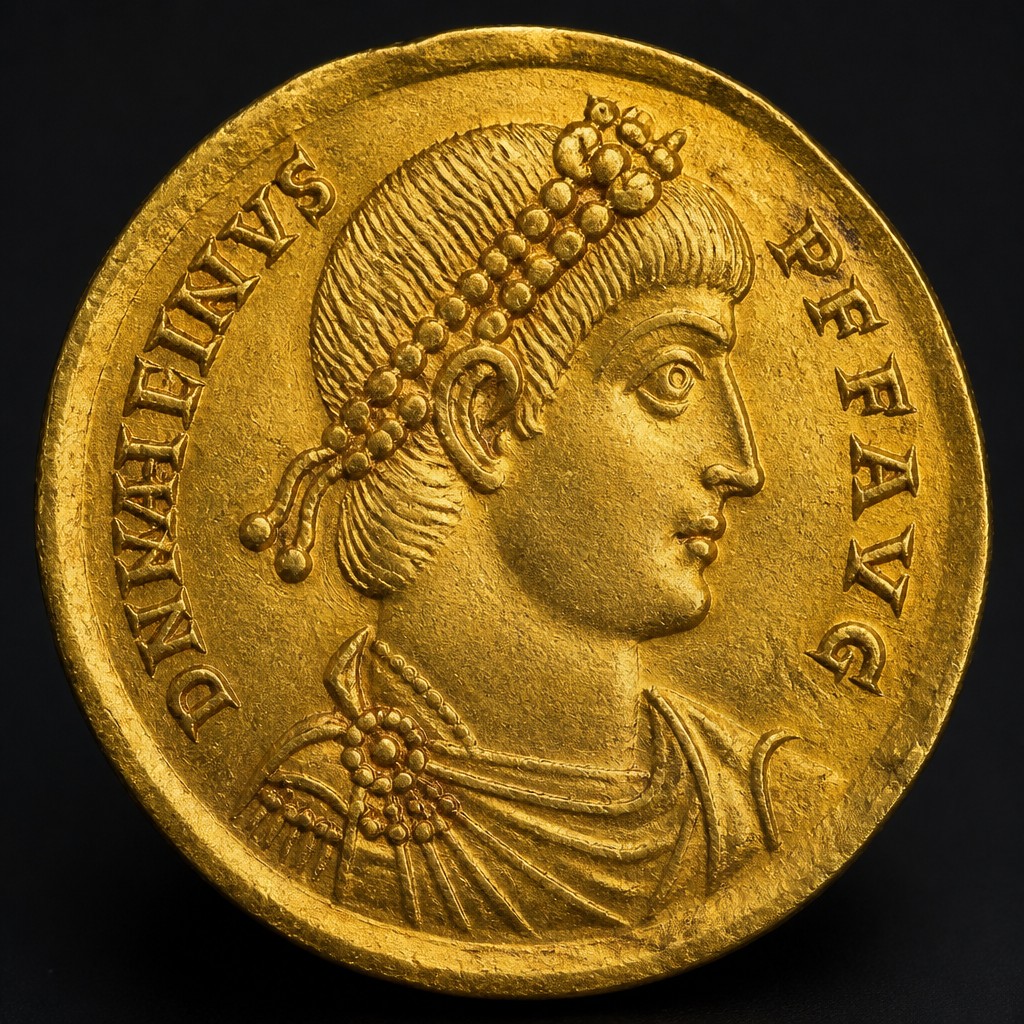
Valentinian I Solidus
364–375 AD
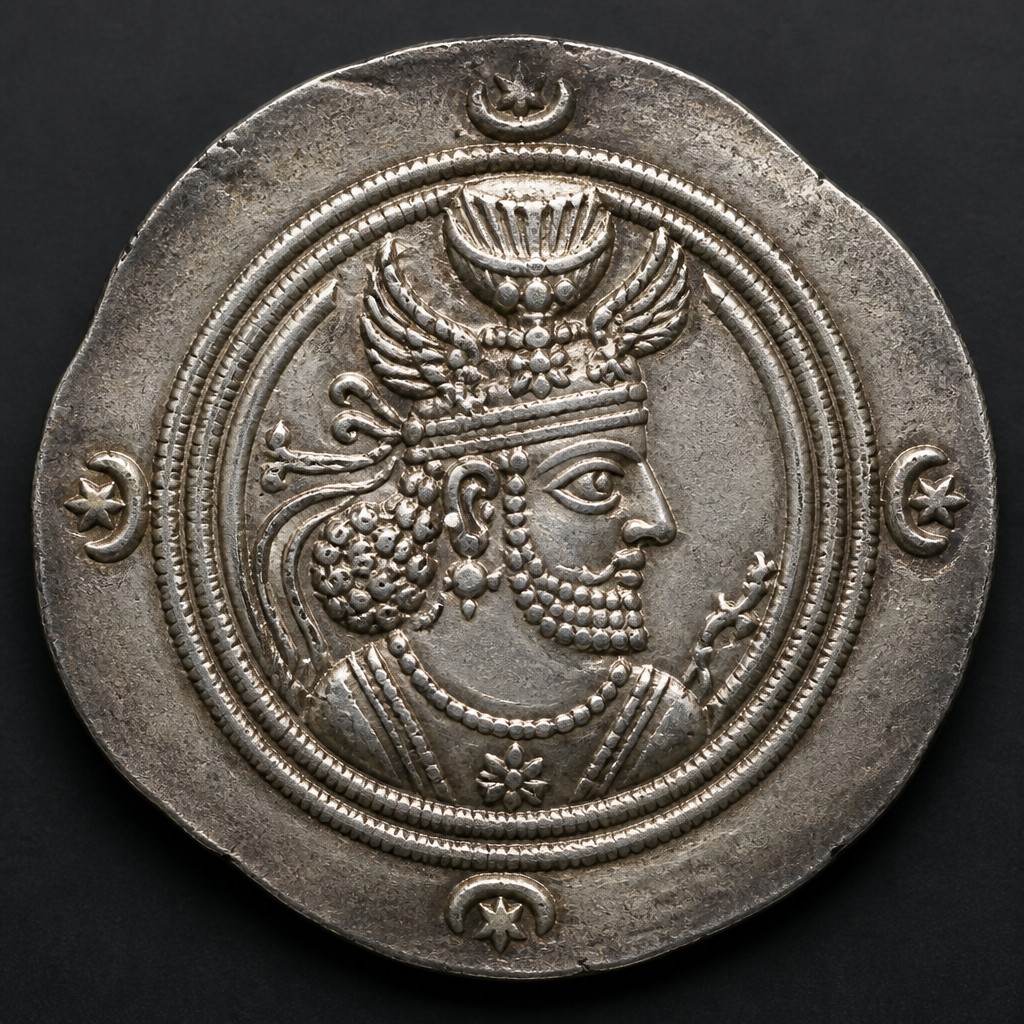
Sassanian Silver Drachm
c. 224–651 AD
Chinese Ban Liang Cash
c. 221–118 BC
Gupta Empire Gold Dinar
c. 320–550 AD
Byzantine Gold Tremissis
c. 4th–7th century AD
Byzantine Follis
498–c. 11th century AD
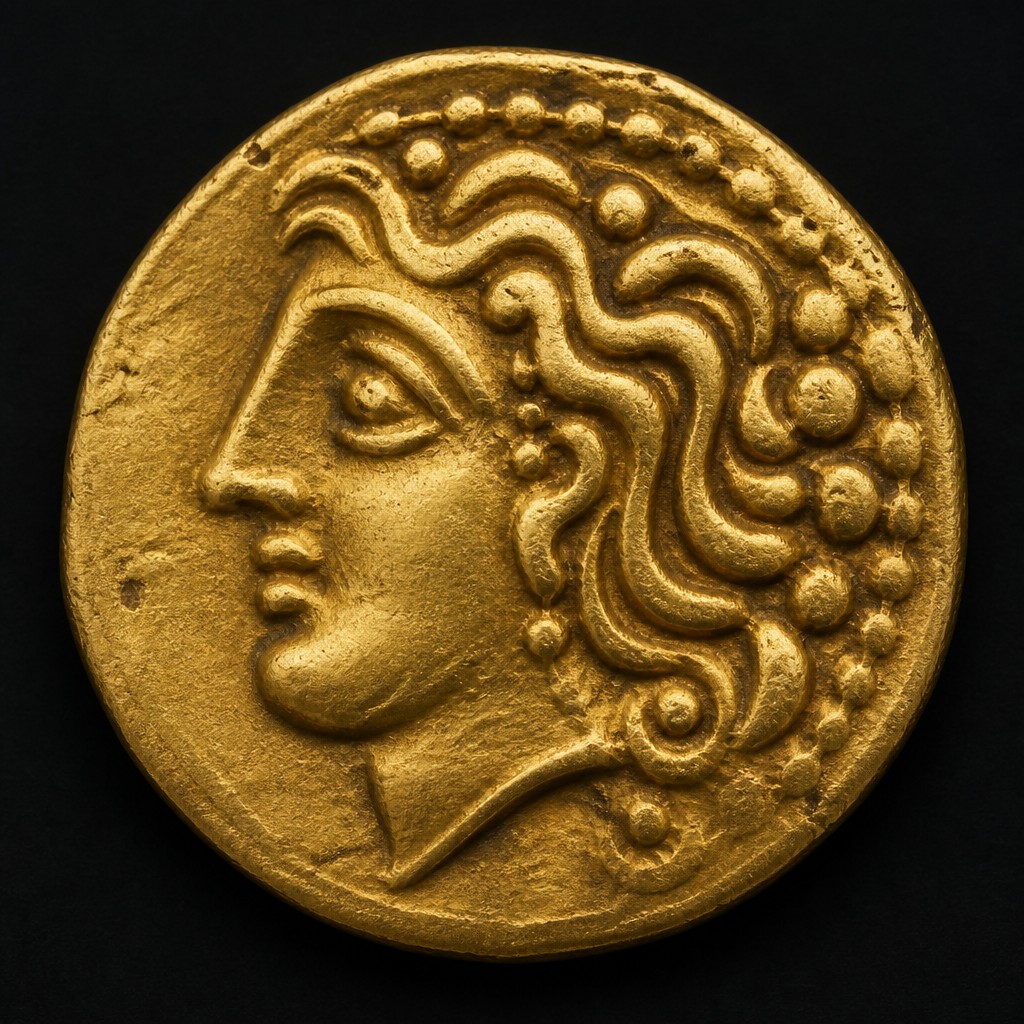
Celtic Gold Stater
c. 3rd century BC – 1st century AD