
Coin Encyclopedia
Search and identify coins from around the world — with country, denomination, metal, mint, history, and how to tell them apart.
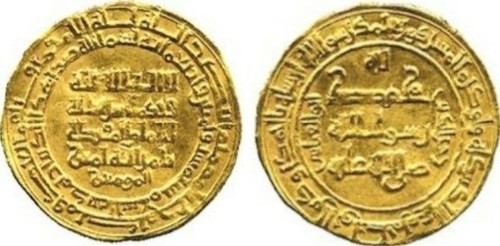
Gold Dinar of al-Muqtadi
An aniconic Abbasid gold dinar of Caliph al-Muqtadi, covered on both faces with Arabic calligraphy and ornamental borders, struck in the later 11th century.
Islamic (Medieval)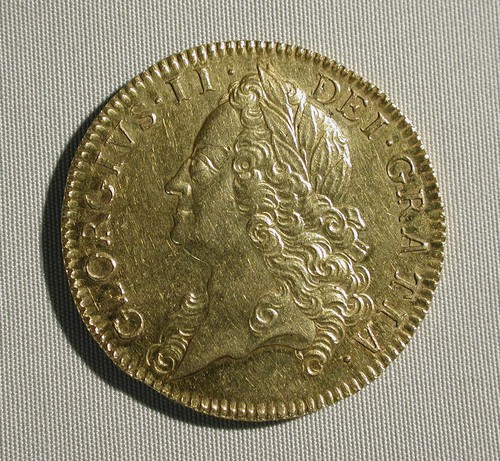
Five Guineas of George II
The largest English gold coin of George II's reign, showing his laureate profile and a crowned heraldic shield of the royal arms on the reverse.
Milled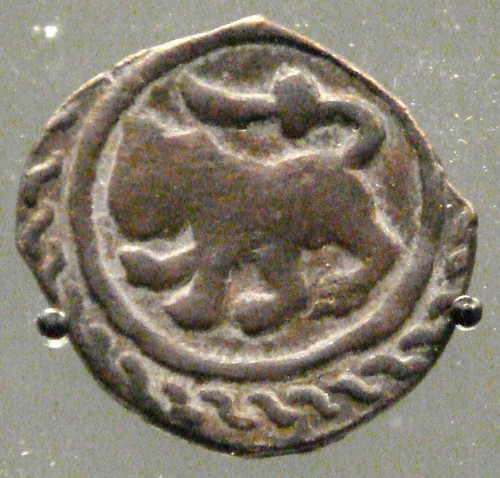
Copper Fals of Shaban II
A Mamluk copper fals struck under Sultan al-Ashraf Sha'ban II of Egypt, decorated with geometric ornament and Arabic legends rather than any figural image.
Islamic (Medieval)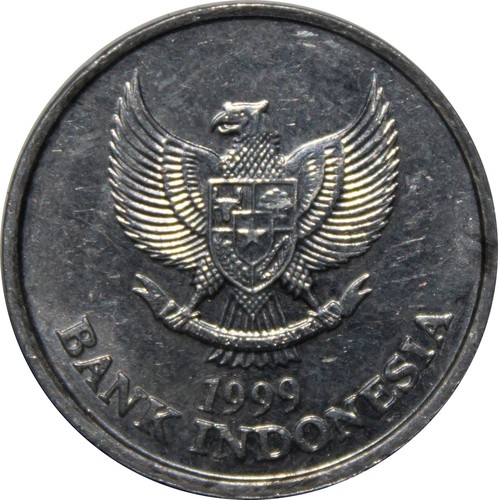
Indonesia 100 Rupiah
A modern lightweight aluminium 100 Rupiah of Indonesia, carrying the Garuda Pancasila national emblem, the BANK INDONESIA legend and the 100 denomination.
Southeast Asia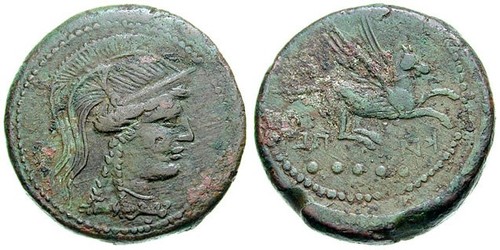
Quincunx of Capua
Bronze quincunx (5 unciae) struck by Capua in Campania in the 3rd century BC, pairing a diademed female head with a lion or griffin and five value pellets.
Ancient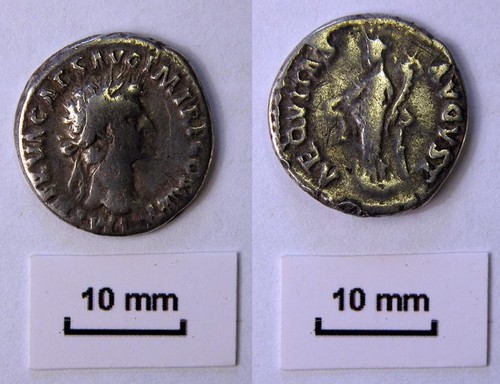
Denarius of Nerva
Roman Imperial silver denarius of Emperor Nerva (96-98 AD), with his laureate portrait and the legend IMP NERVA CAES AVG, and a seated Concordia reverse.
Ancient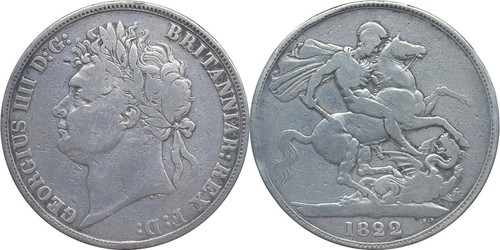
Crown of George IV
A milled silver crown of George IV, with a laureate head facing left and Pistrucci's St George and the dragon on the reverse; the photographed piece is dated 1822.
Milled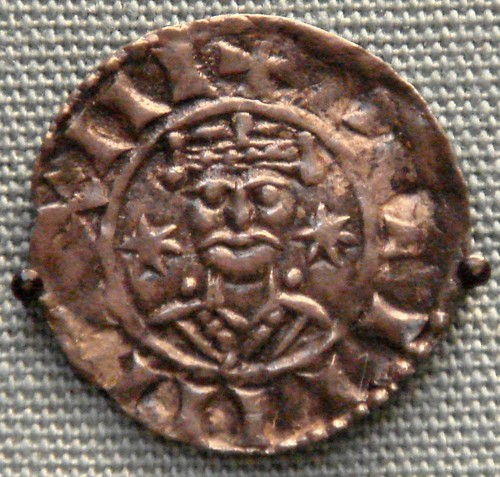
Penny of William I
Hammered silver penny of William the Conqueror, the example showing a profile portrait of the king and a decorated cross reverse, struck circa 1075.
Medieval Coins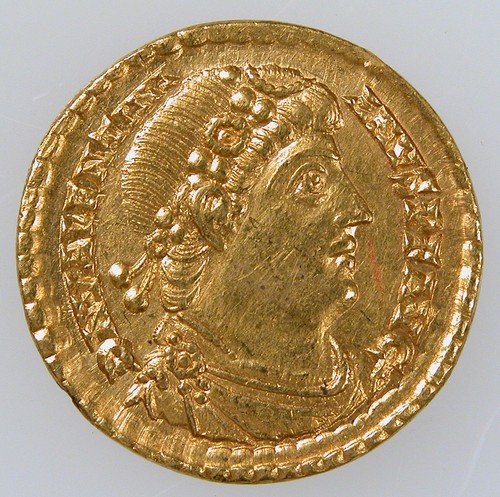
Solidus of Valentinian I
The gold solidus of Valentinian I (AD 364-375), a pure-gold coin bearing his pearl-diademed profile that anchored the late Roman monetary system.
Ancient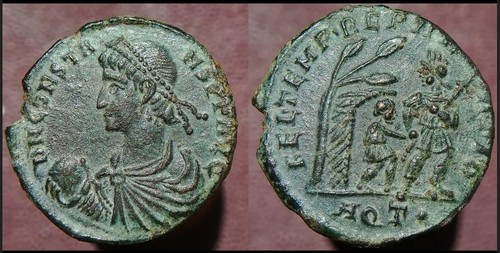
Centenionalis of Constans
A mid-4th-century Roman bronze of Constans bearing the FEL TEMP REPARATIO reform reverse, showing a soldier lifting a small captive from a hut.
Ancient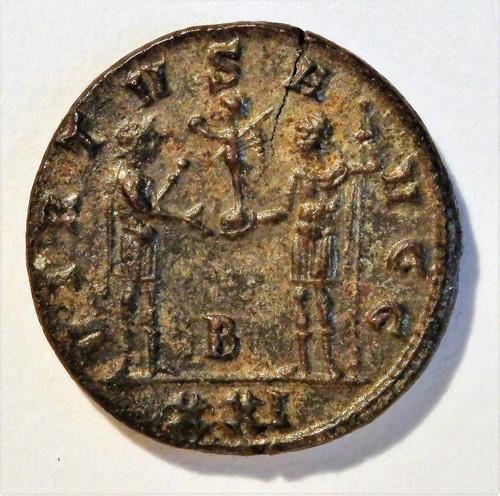
Antoninianus of Carinus
Bronze radiate coin of the emperor Carinus (283-285 AD), recognizable by his spiked crown and a standing or seated deity on the reverse.
Ancient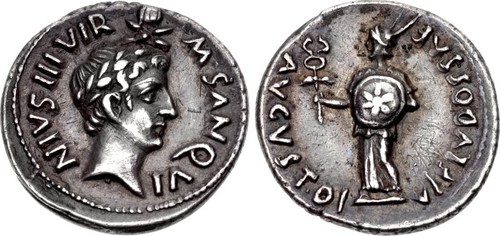
Denarius of M. Sanquinius
A silver denarius struck at Rome in 17 BC by the moneyer M. Sanquinius under Augustus, tied to the Secular Games, with a male portrait and a standing herald.
Ancient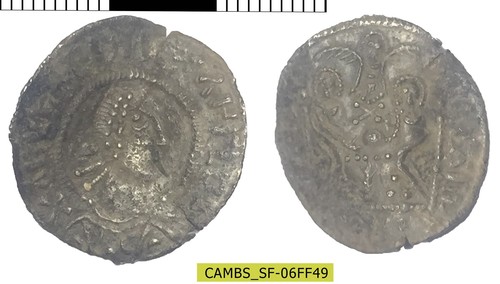
Penny of Alfred the Great
Hand-struck silver penny of Alfred the Great of Wessex, showing a right-facing royal bust and a cross-based reverse with a moneyer's inscription.
Medieval Coins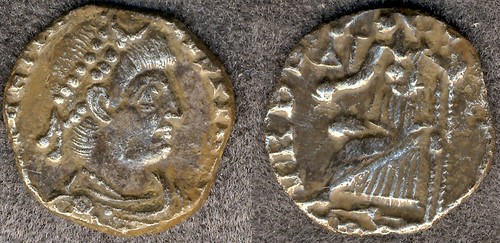
Siliqua of Gratian
A small late Roman silver siliqua of the emperor Gratian (AD 367-383), with his diademed bust on the obverse and a standing figure or personification on the reverse.
Ancient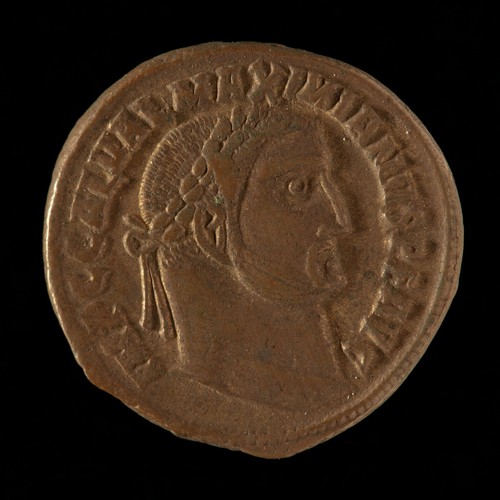
Follis of Galerius
A large silvered bronze follis of the emperor Galerius (Augustus AD 305-311), struck across the Tetrarchic mints with a laureate portrait and a standing deity reverse.
Ancient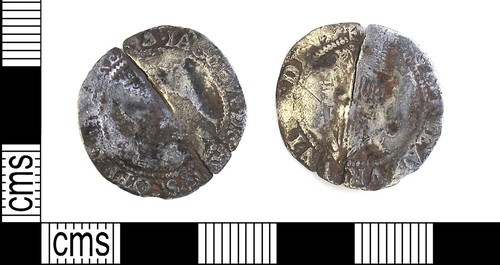
Sixpence of James I
A hammered silver sixpence of James I of England: crowned profile bust with VI value mark, and a dated garnished shield over a cross on the reverse.
Hammered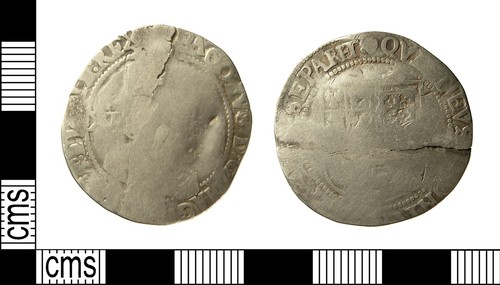
Shilling of James I
Hammered silver shilling of King James I, showing his crowned left-facing bust and a quartered heraldic shield of England, Scotland, Ireland and France.
World Coins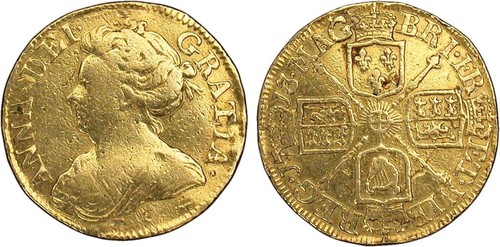
Half Guinea of Anne
An English milled gold half guinea of Queen Anne, showing her left-facing bust and a crowned cruciform reverse of shields with fleurs-de-lis.
Milled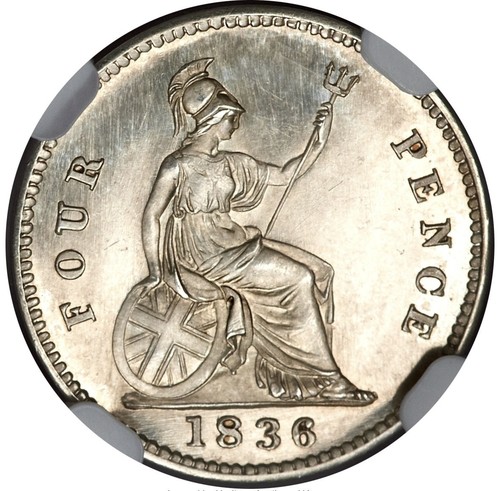
Groat of William IV
A small silver fourpenny piece of William IV (1836–1837), with a seated Britannia reverse; the coin that revived the modern British groat.
Milled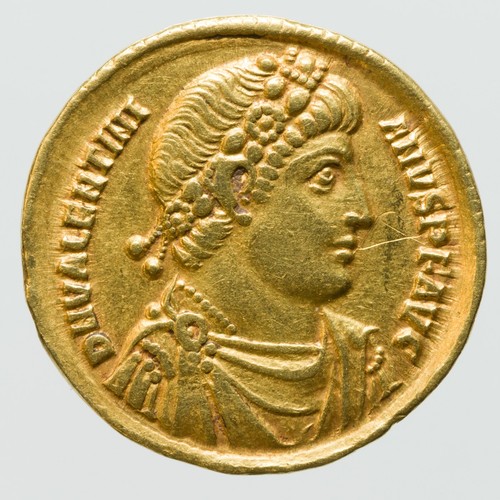
Solidus of Valentinian II
A late Roman gold solidus struck for Valentinian II, showing his diademed profile with the obverse legend D N VALENTINIANVS, from the 380s AD.
Ancient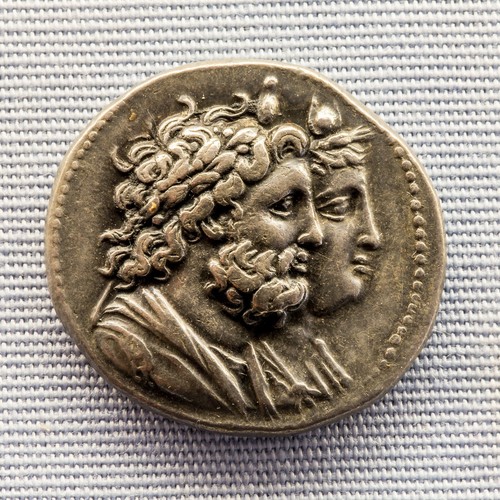
Tetradrachm of Ptolemy IV
Silver tetradrachm of Ptolemy IV Philopator, 221-204 BC, with the jugate busts of Sarapis and Isis on the obverse and an eagle on a thunderbolt on the reverse.
Ancient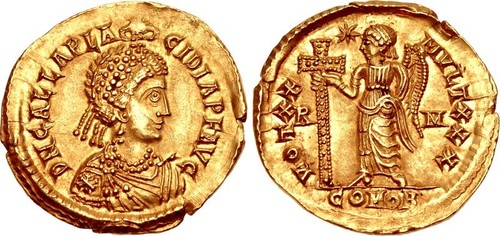
Solidus of Galla Placidia
A late Roman gold solidus struck in the name of Galla Placidia, empress and regent, showing her diademed bust and a Victory holding a long cross.
Ancient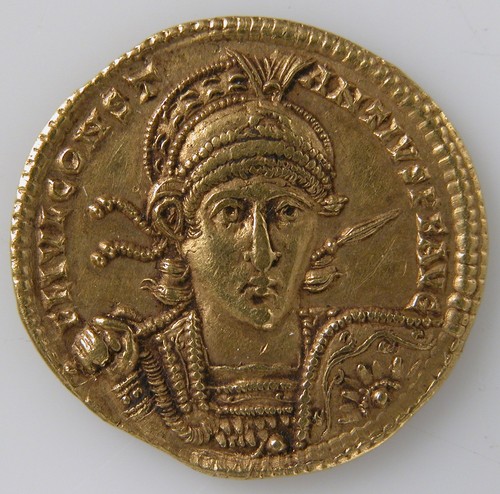
Solidus of Constantius II
Late Roman gold solidus of Emperor Constantius II (337-361 AD), showing his diademed bust facing right paired with a seated-figure reverse.
Ancient Coins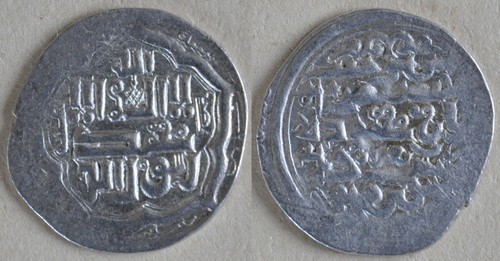
Ilkhanid Dirham of Ghazan
A silver dirham of the Mongol Ilkhanate struck for Ghazan Khan, with an ornamental cartouche bearing the ruler's name and concentric Arabic and Persian inscriptions.
Islamic (Medieval)