
Coin Encyclopedia
Search and identify coins from around the world — with country, denomination, metal, mint, history, and how to tell them apart.
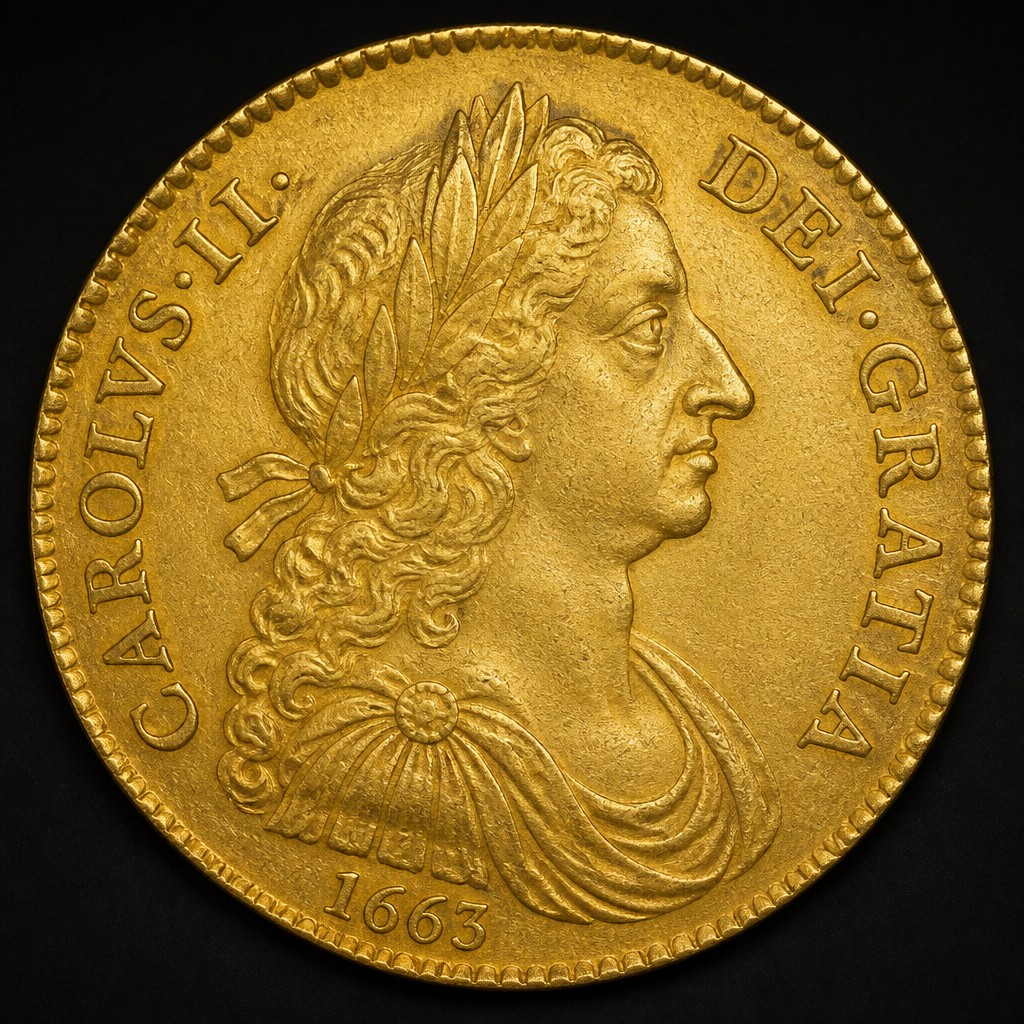
Guinea
Historic British gold coin named for the West African region that supplied much of its gold, valued at 21 shillings for most of its history and predecessor to the modern sovereign.
British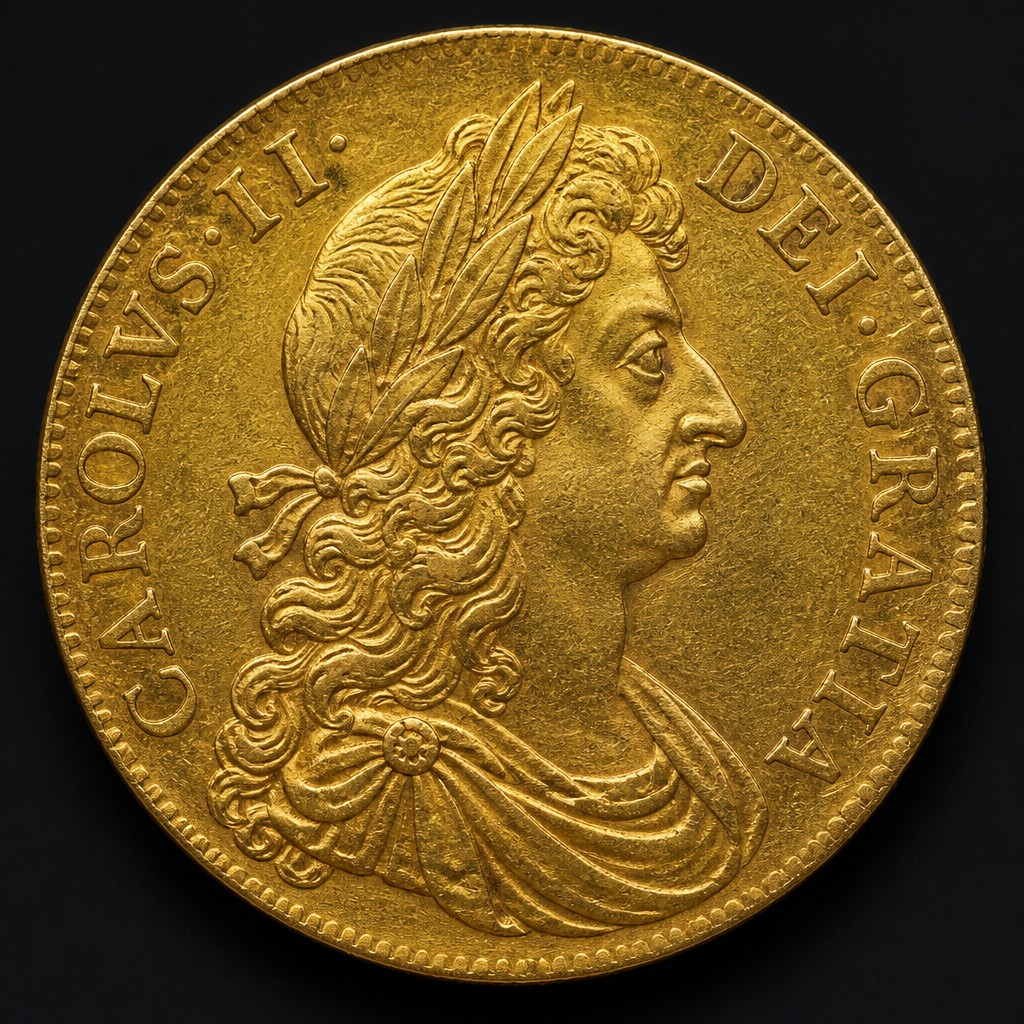
British Gold Guinea
Struck from 1663 to 1814 and named for the West African gold used in its earliest issues, the guinea was Britain's leading gold coin and gave its name to a unit of value still referenced today.
British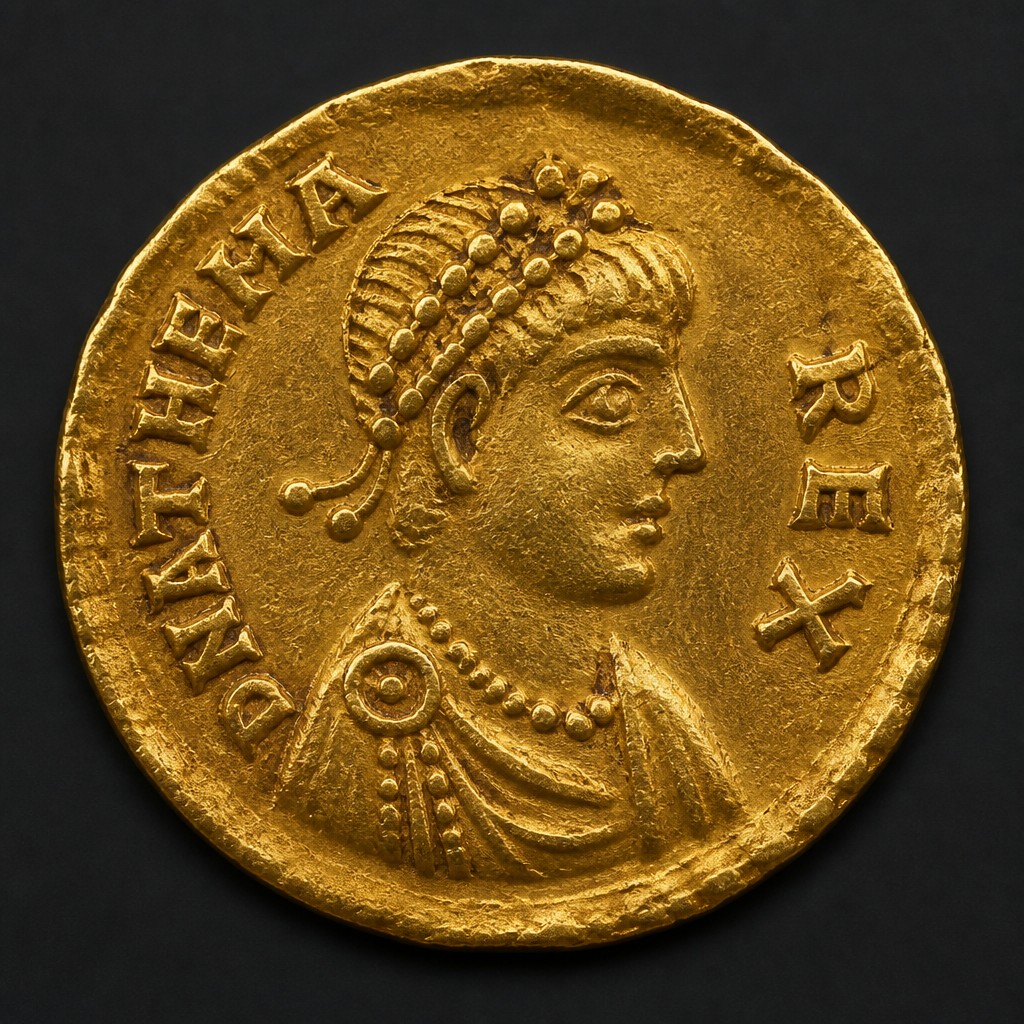
Visigothic Gold Tremissis
Small gold coin of the Visigothic kings of Spain, evolving from crude imitations of Roman/Byzantine coinage into the first distinctly national royal coinage of post-Roman Western Europe.
European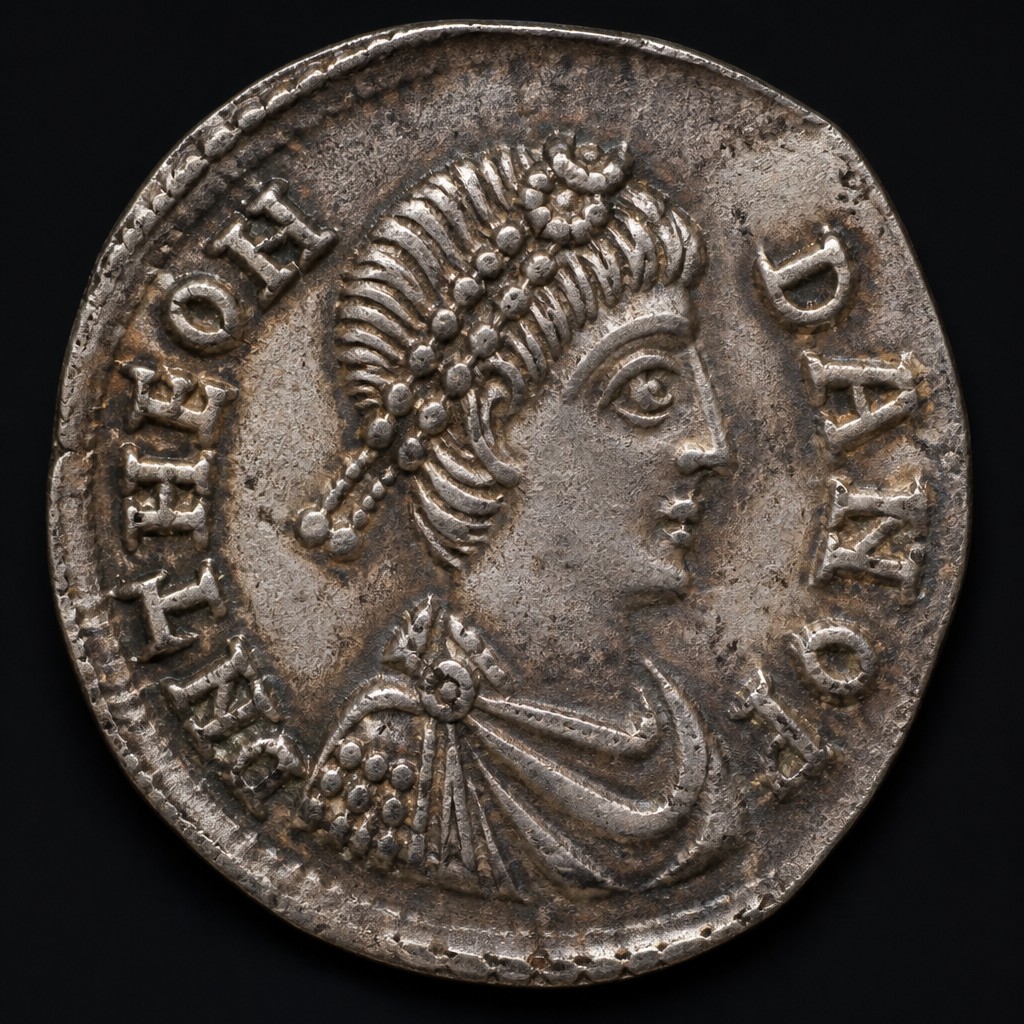
Ostrogothic Silver Quarter Siliqua
Small silver coin struck by the Ostrogothic kings of Italy in the name of the reigning Byzantine emperor, bearing the Gothic king's monogram on the reverse.
European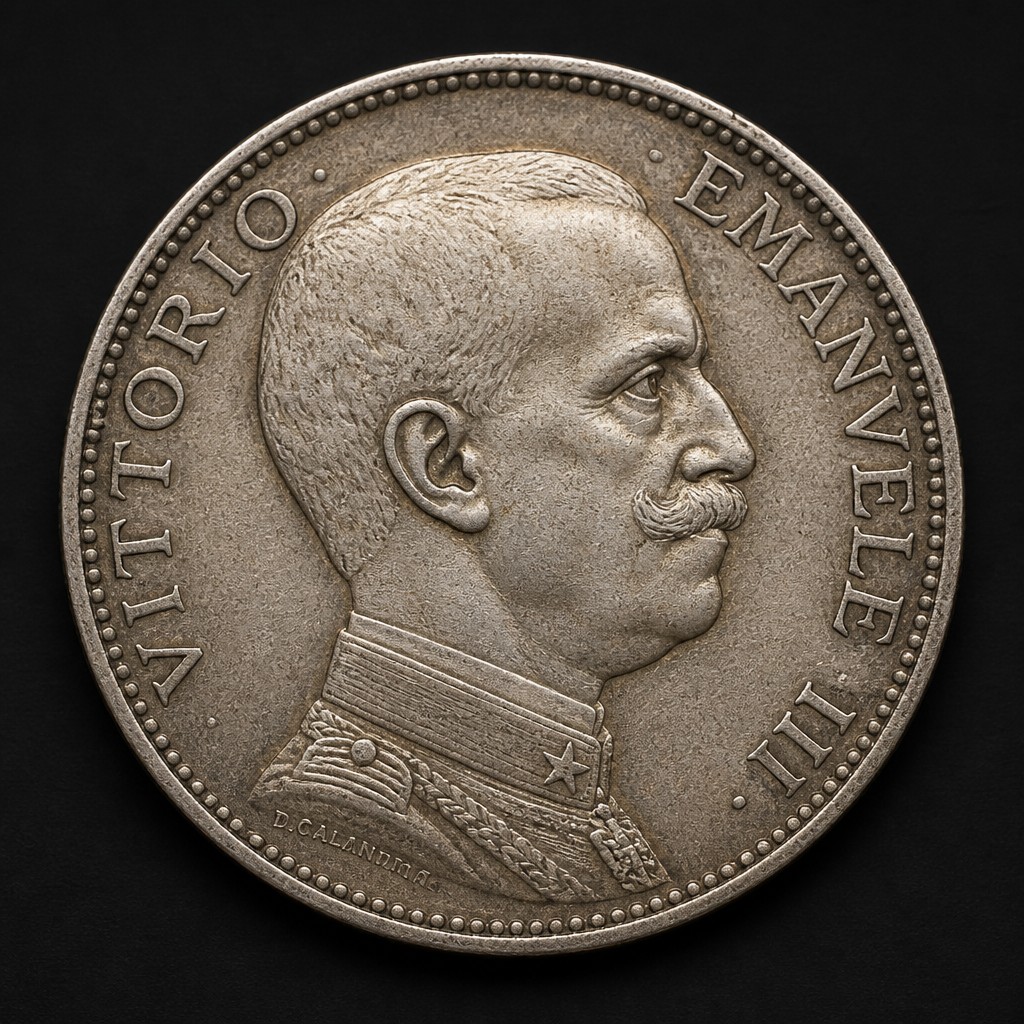
Italian 10 Lire (Silver)
Kingdom of Italy silver 10 Lire coin, best known for the 1926–1930 'Biga' type showing a two-horse chariot, struck under Vittorio Emanuele III.
European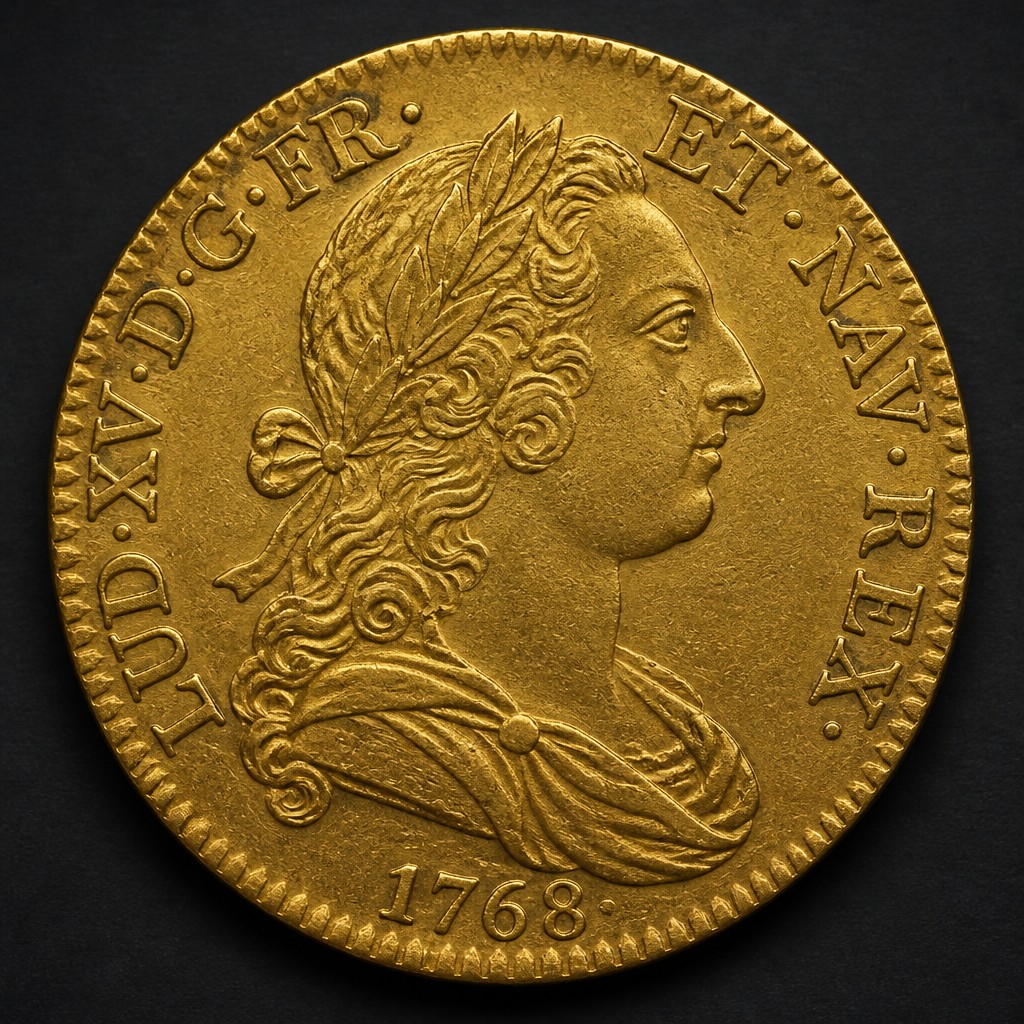
French Louis d'Or
The Louis d'Or was the principal gold coin of the French monarchy for over 150 years, named after the kings Louis who issued it, and struck until the eve of the Revolution.
European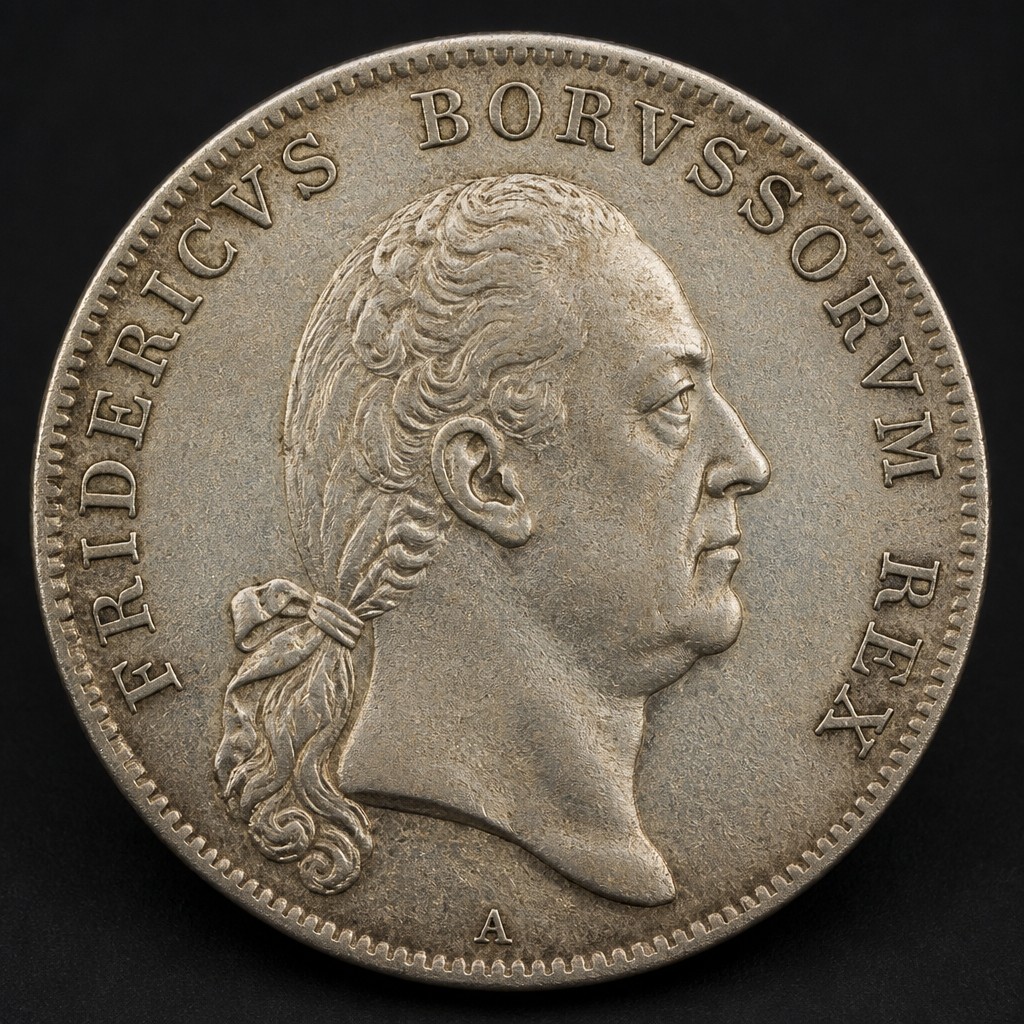
Prussian Thaler
The Prussian Thaler was the leading silver coin of the powerful Kingdom of Prussia, circulating from the mid-18th century until German unification replaced it with the mark in 1871–1873.
European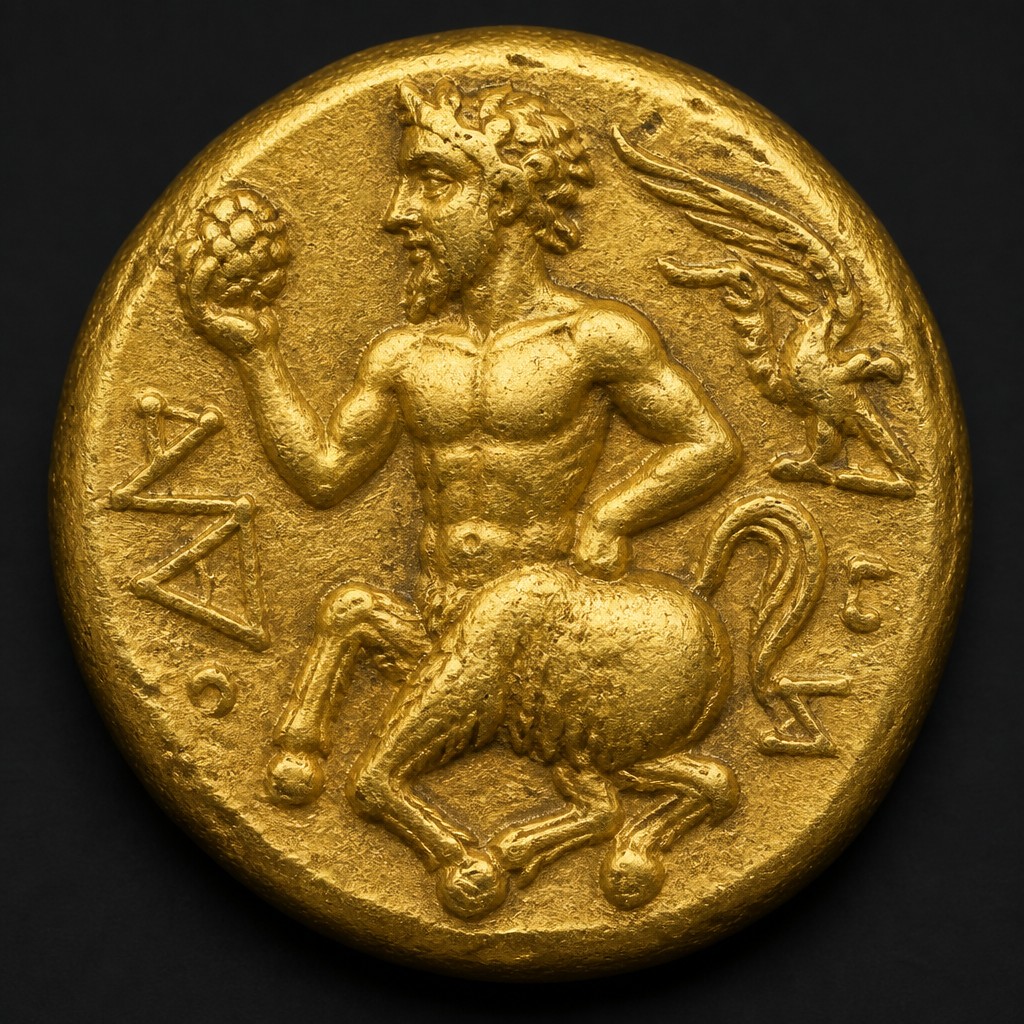
Panticapaeum Gold Stater (Pan/Griffin)
Gold stater of Panticapaeum, capital of the Bosporan Kingdom on the Crimean peninsula, showing the bearded head of Pan and a griffin standing on a grain ear.
Ancient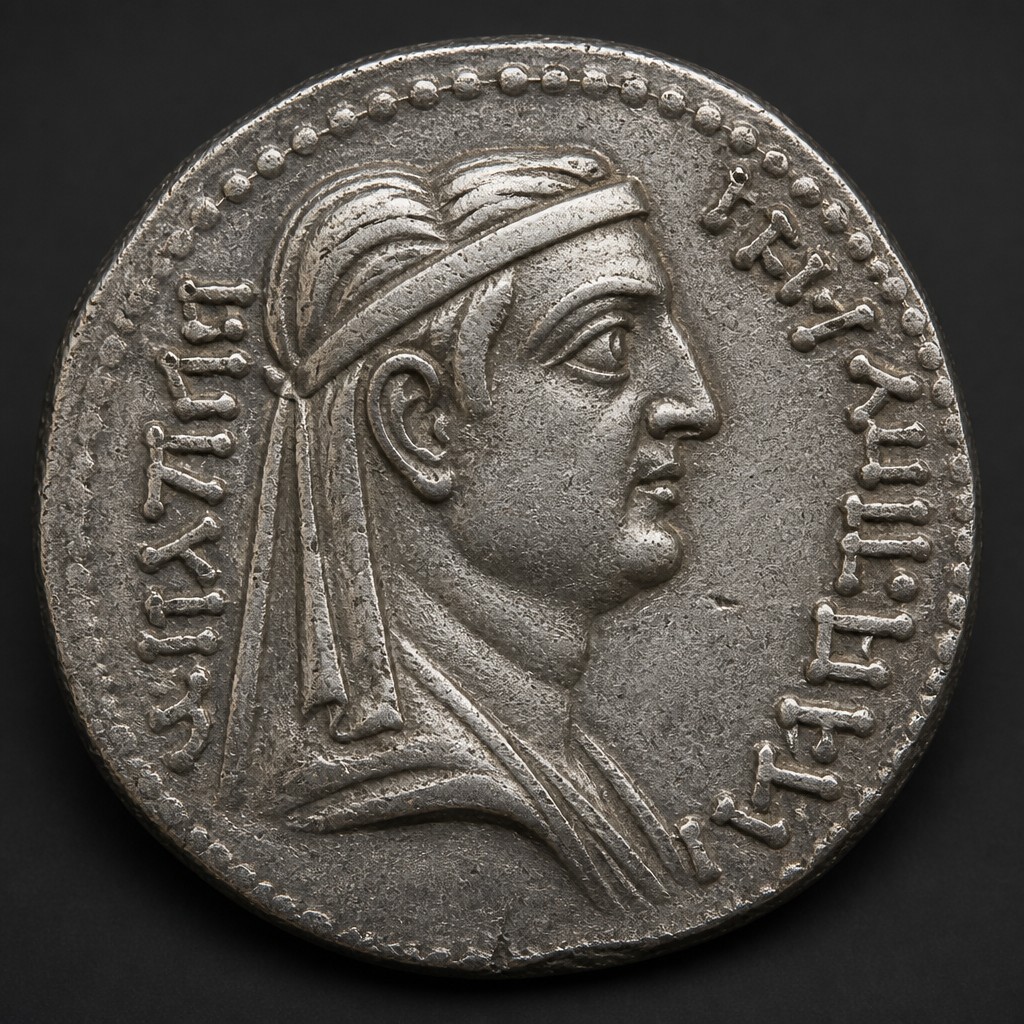
Nabataean Silver Drachm (Aretas IV)
Silver coin of Aretas IV, the most powerful king of the Nabataean Kingdom centered on Petra, often showing his portrait jugate with Queen Shaquilat.
Ancient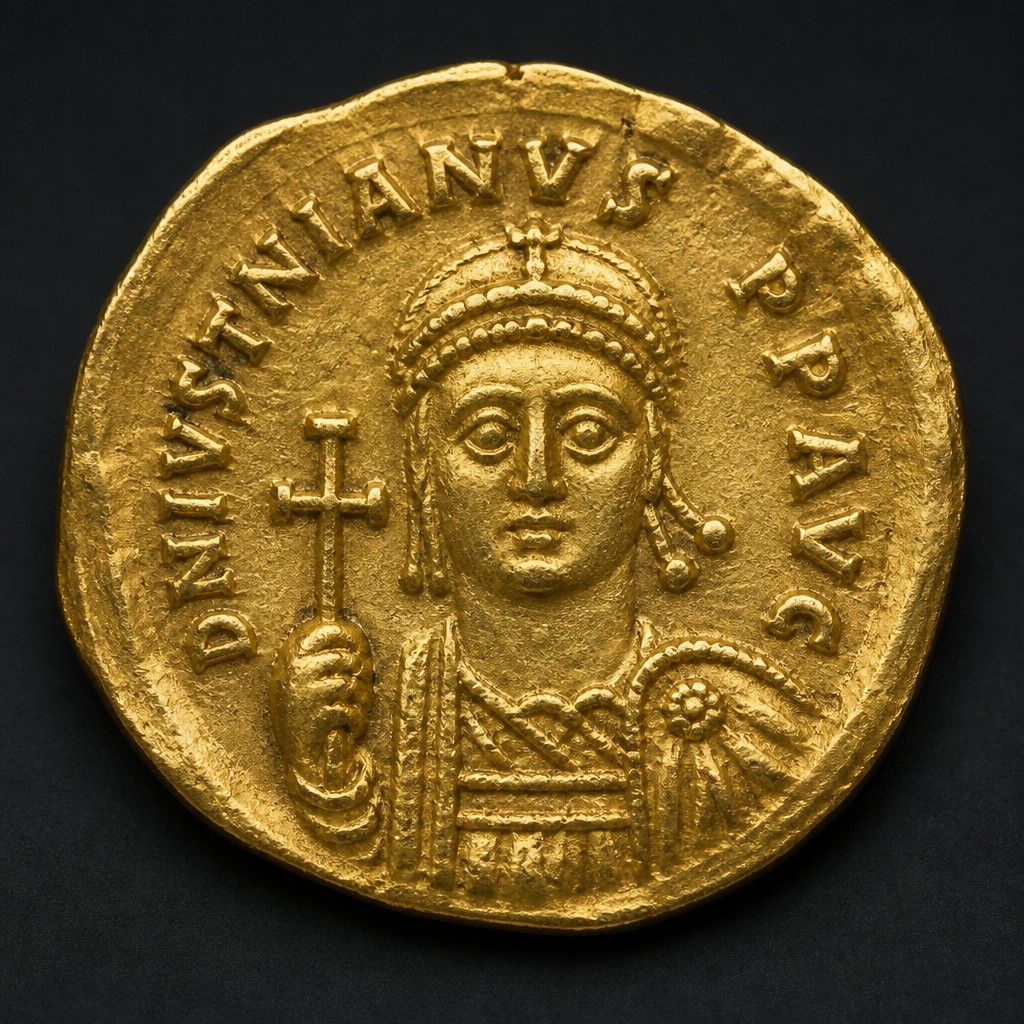
Byzantine Gold Tremissis
A small gold fractional coin worth one-third of a solidus, widely struck across the early Byzantine world and imitated by Germanic successor kingdoms in the former Western Roman Empire.
Ancient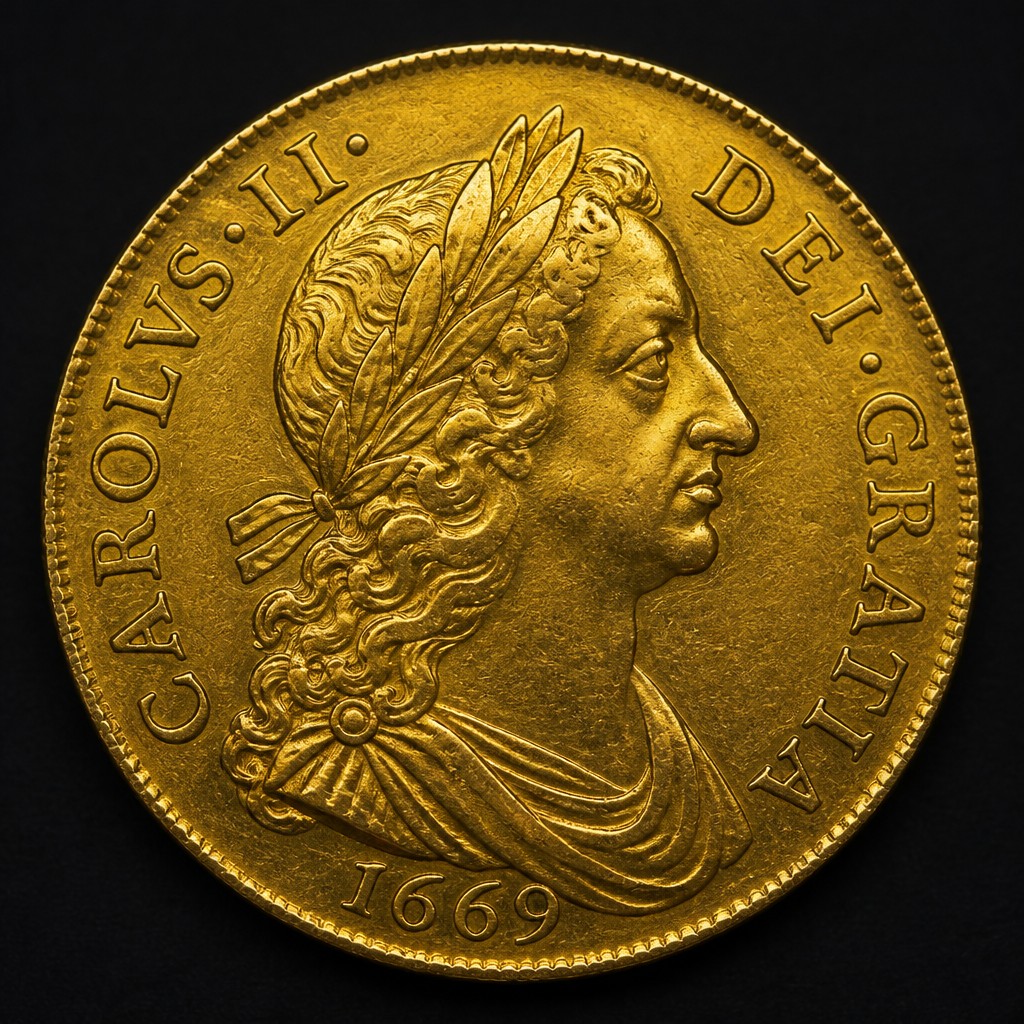
Half Guinea
Smaller companion gold coin to the guinea, worth half its value, struck across the same reigns from Charles II through George III for mid-value transactions.
British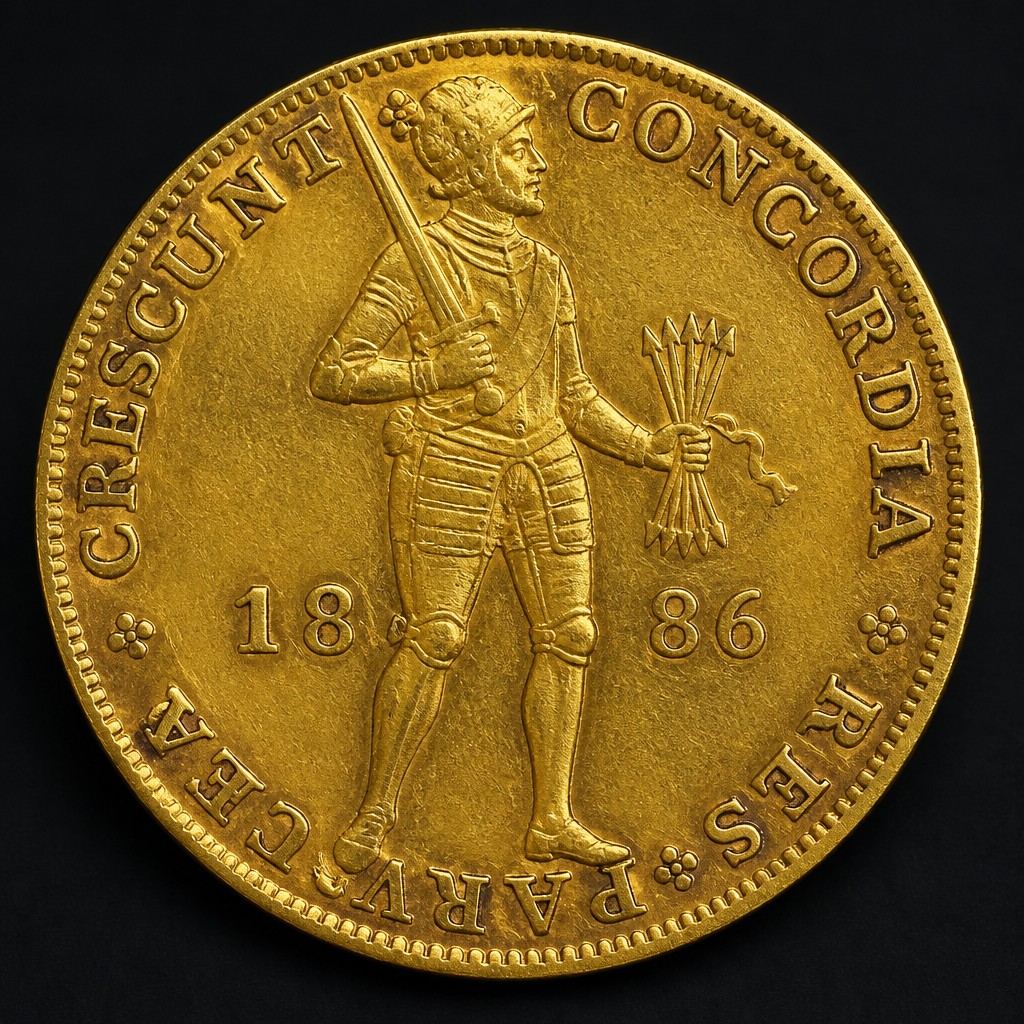
Dutch Ducat
A small, nearly pure gold coin showing an armored knight, minted for centuries by the Dutch provinces and later the Kingdom of the Netherlands as a trusted international trade coin.
European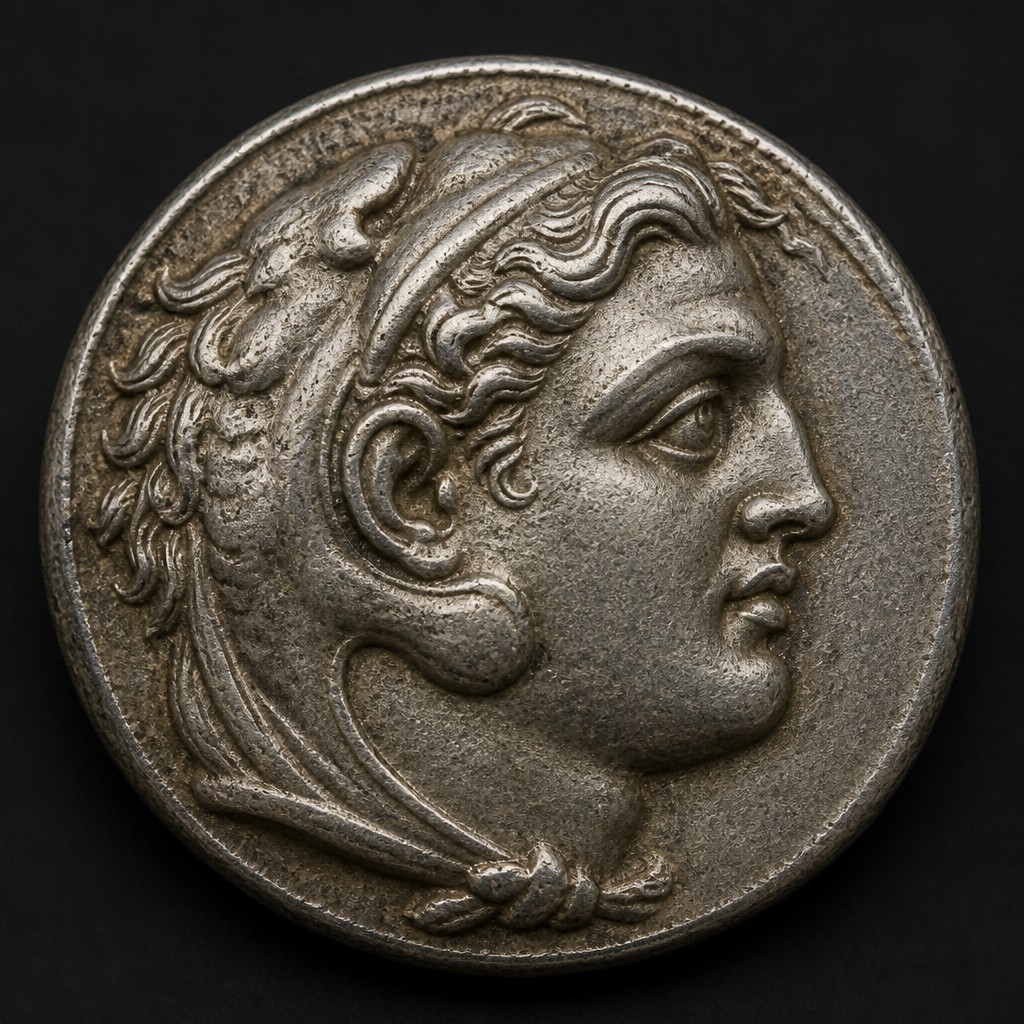
Demetrios Poliorketes Nike Tetradrachm
A Hellenistic silver tetradrachm of Demetrios I of Macedon, celebrated for its obverse image of Nike standing on a ship's prow, commemorating his naval victory at Salamis in Cyprus.
Ancient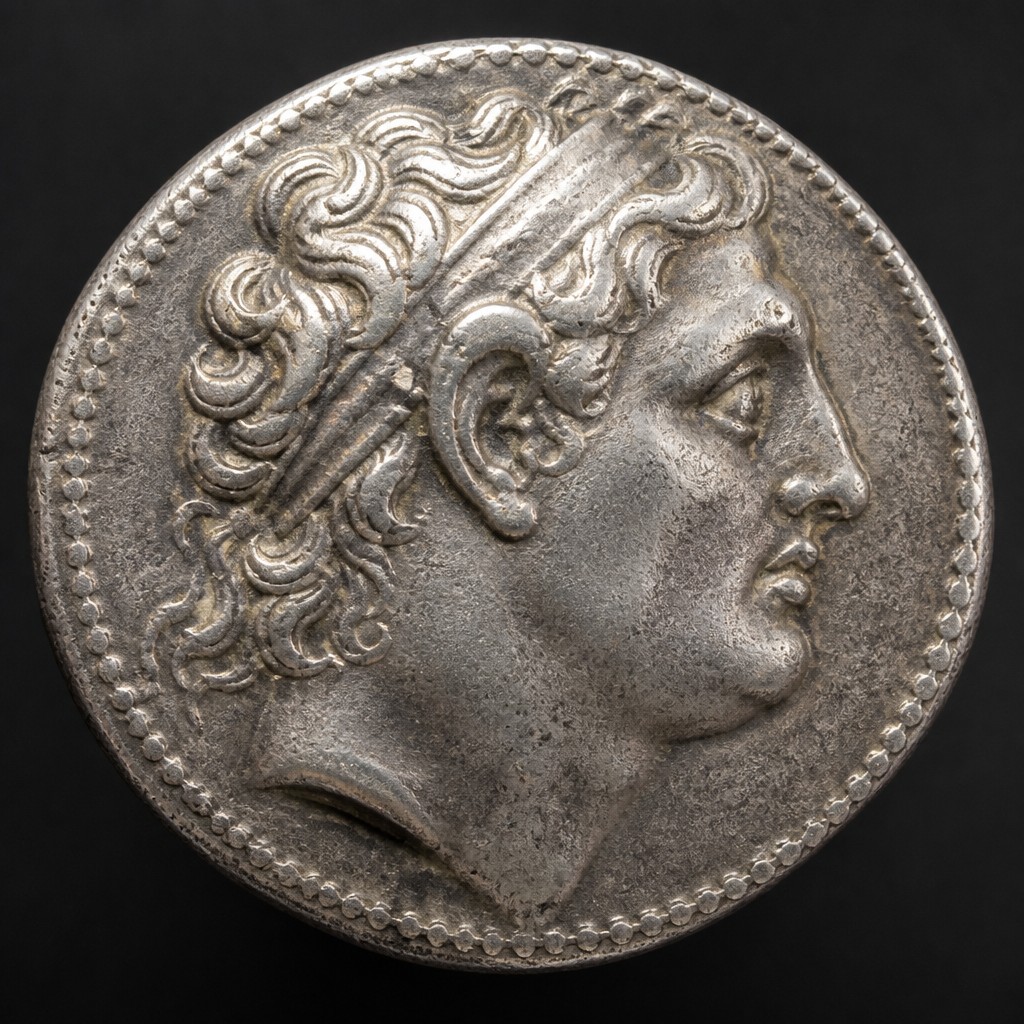
Lysimachos Tetradrachm (Alexander/Athena)
A silver tetradrachm struck by King Lysimachos, one of Alexander the Great's successors, showing the deified Alexander with a ram's horn and a seated Athena on the reverse.
Ancient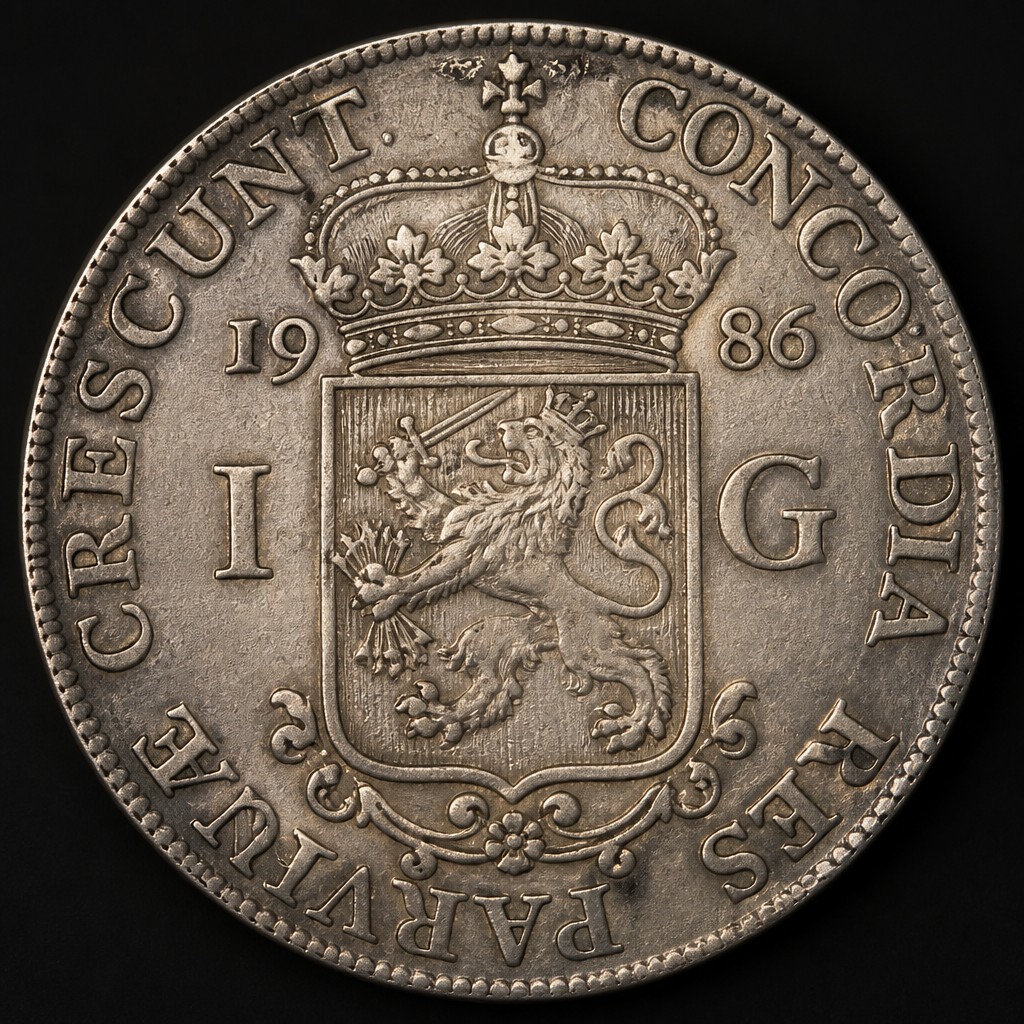
Dutch Rijksdaalder
A historic Dutch silver trade coin dating to the Dutch Republic, later continued as a denomination of the Kingdom of the Netherlands.
European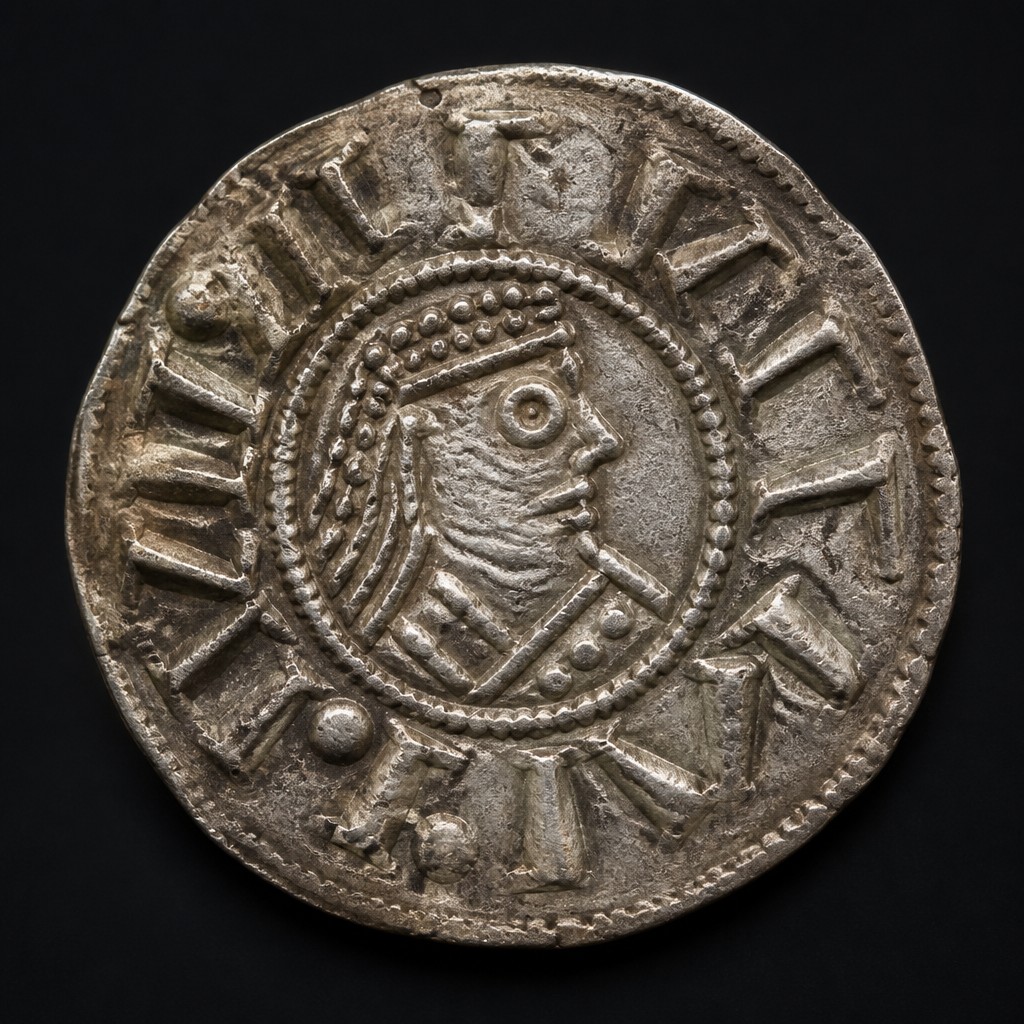
Viking Silver Penny of York
Silver penny struck by Norse rulers of the Viking Kingdom of York, blending Christian and pagan imagery such as crosses, swords, and Thor's hammers.
British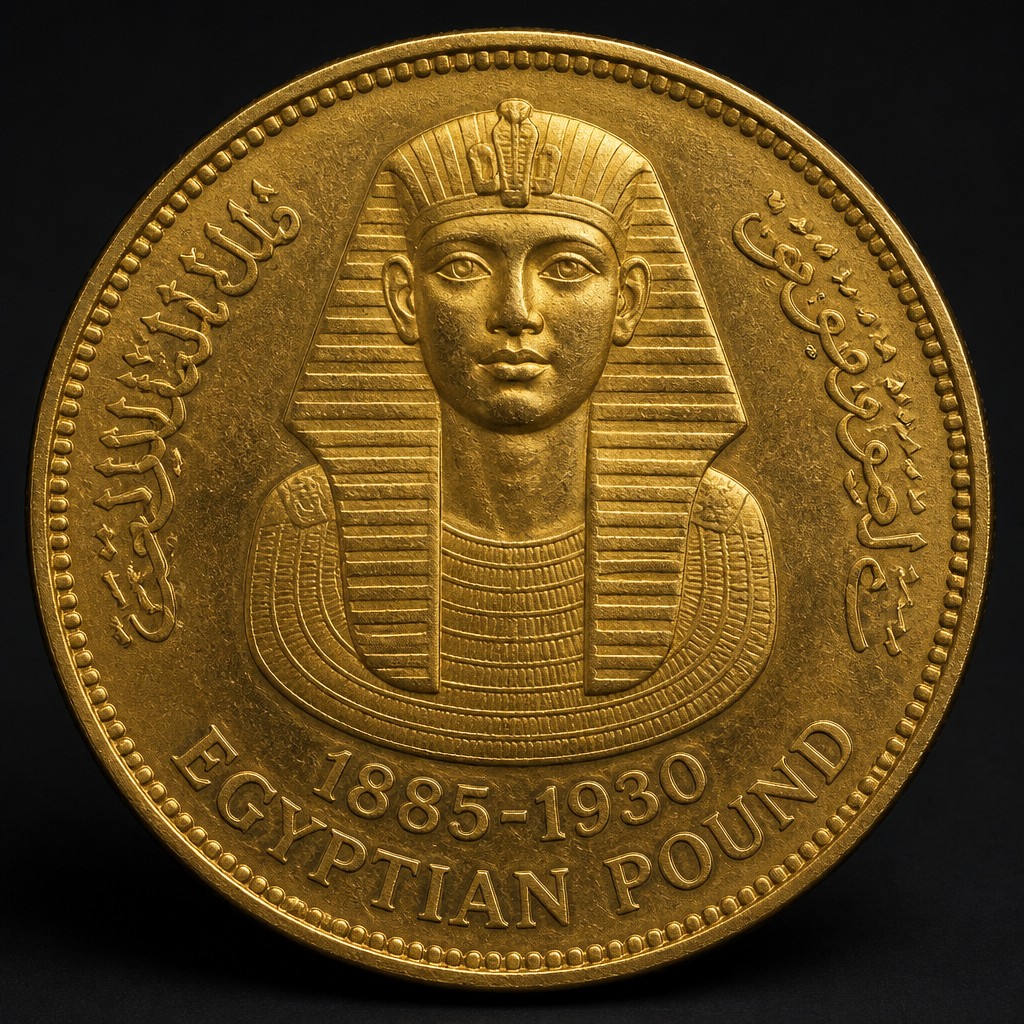
Egyptian Pound (gold)
Egypt's principal gold coin, struck from the Khedivate through the Sultanate and early Kingdom era, carrying the ruler's portrait or tughra and Arabic legends.
Africa & Oceania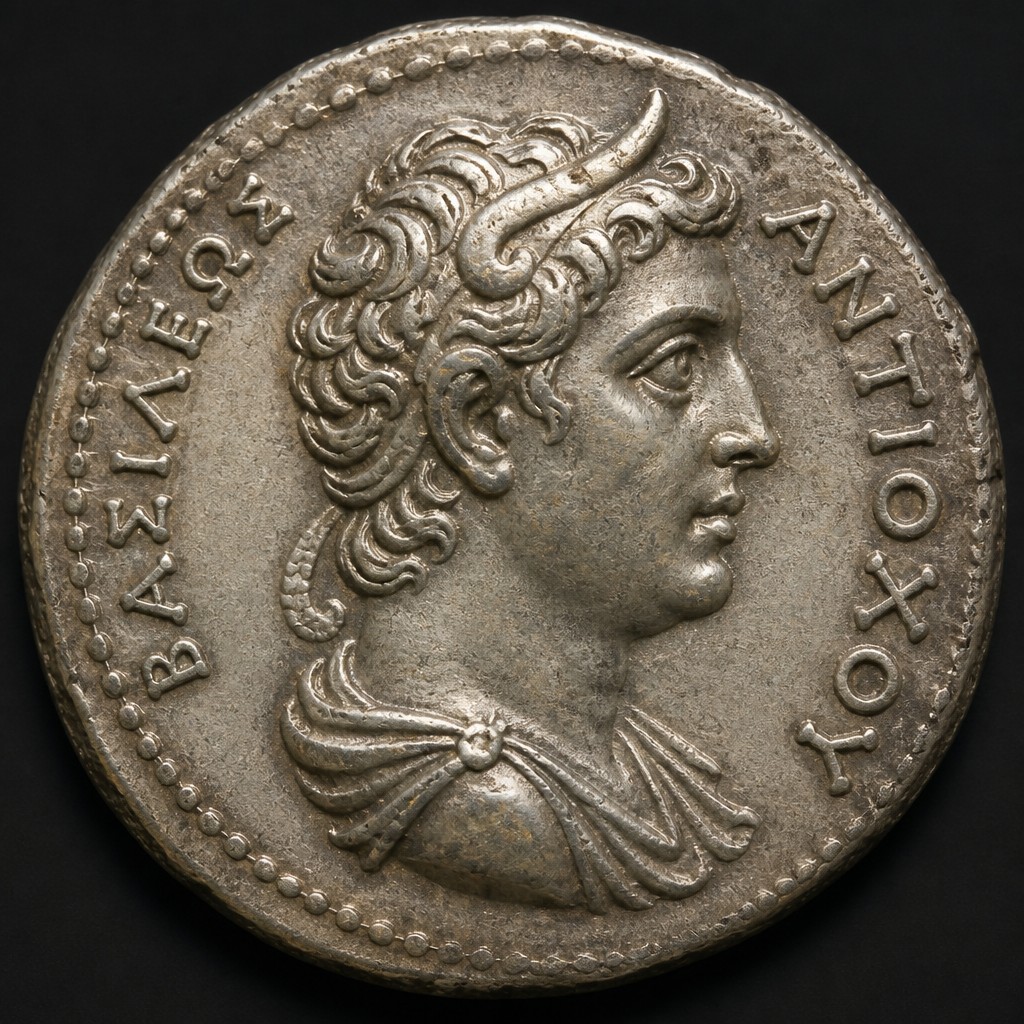
Bactrian Silver Tetradrachm
Large silver coin of the Greco-Bactrian kings of Central Asia, celebrated for producing some of the finest realistic royal portraiture in all of ancient coinage.
Ancient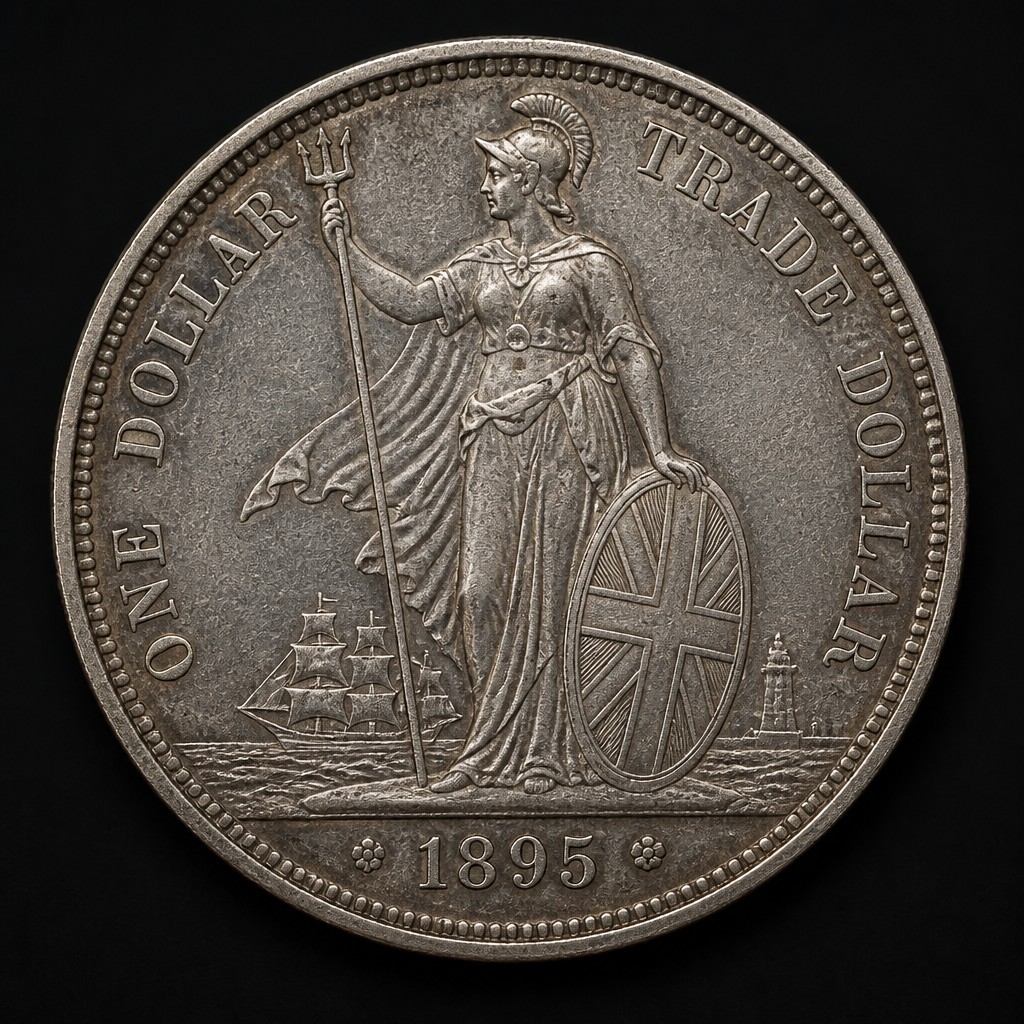
British Trade Dollar
A silver trade dollar struck by Britain to compete with the Mexican and Spanish dollars circulating across Hong Kong, China, and Southeast Asia.
Asian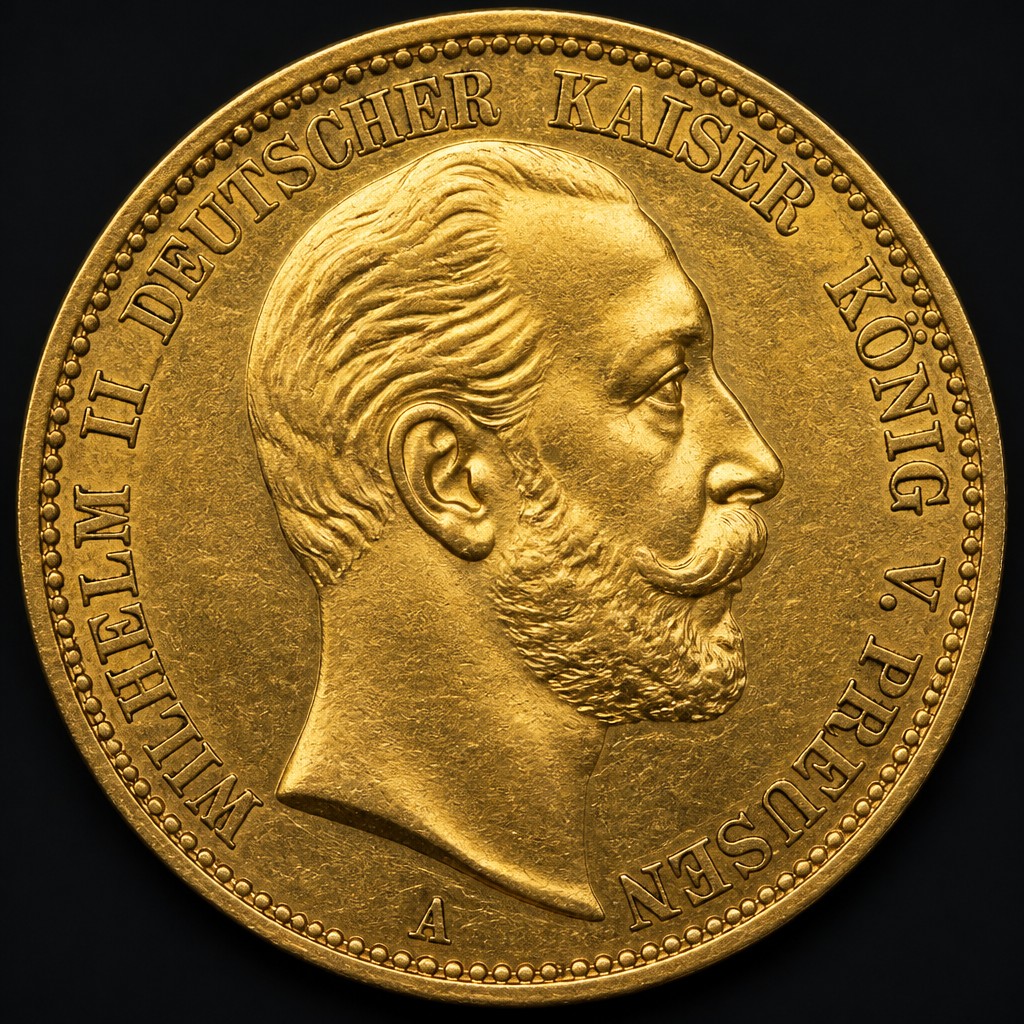
German Prussia 20 Mark Gold
The standard gold coin of Prussia within the newly unified German Empire, featuring successive Prussian kings and forming a key part of the empire's gold mark system.
European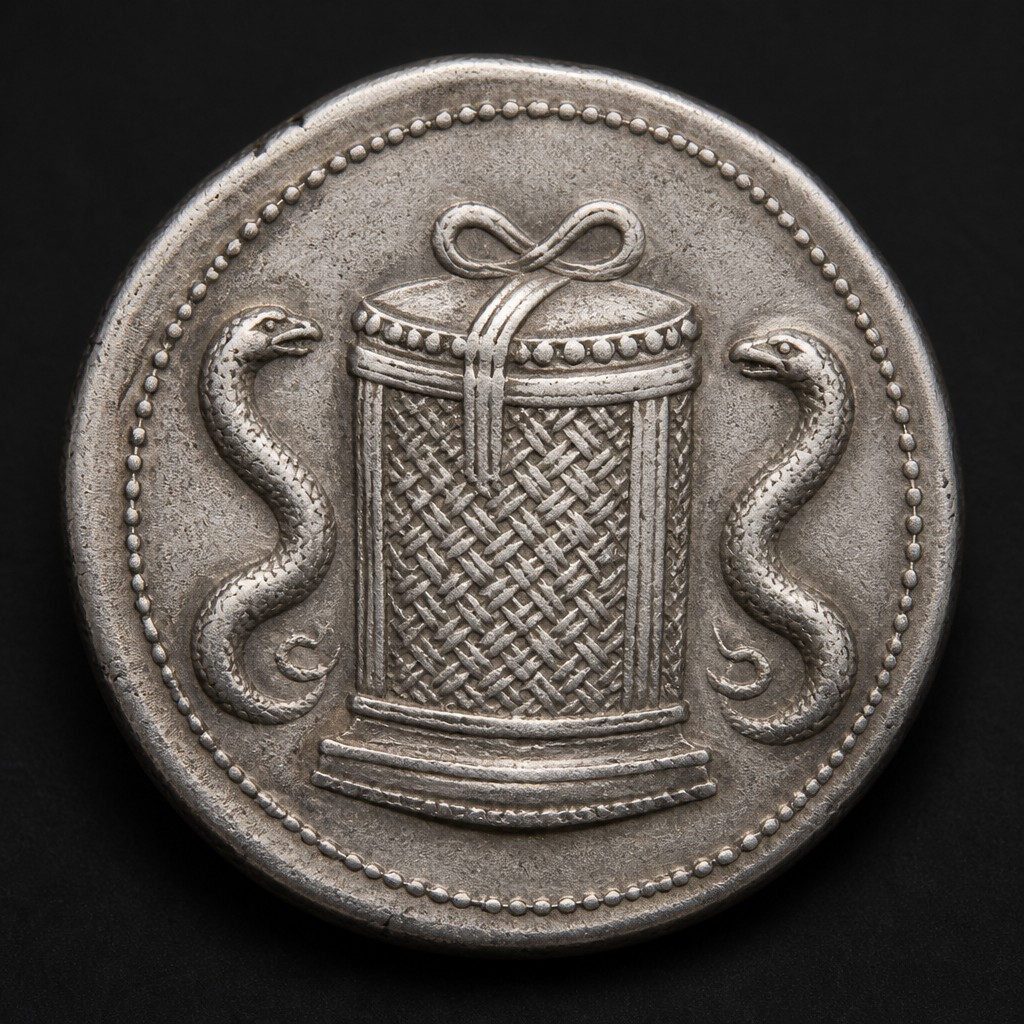
Pergamon Cistophoric Tetradrachm
A reduced-weight Hellenistic silver coin introduced by the Attalid kings of Pergamon, named for the sacred cista mystica chest depicted on the obverse and later adopted throughout Roman Asia.
Ancient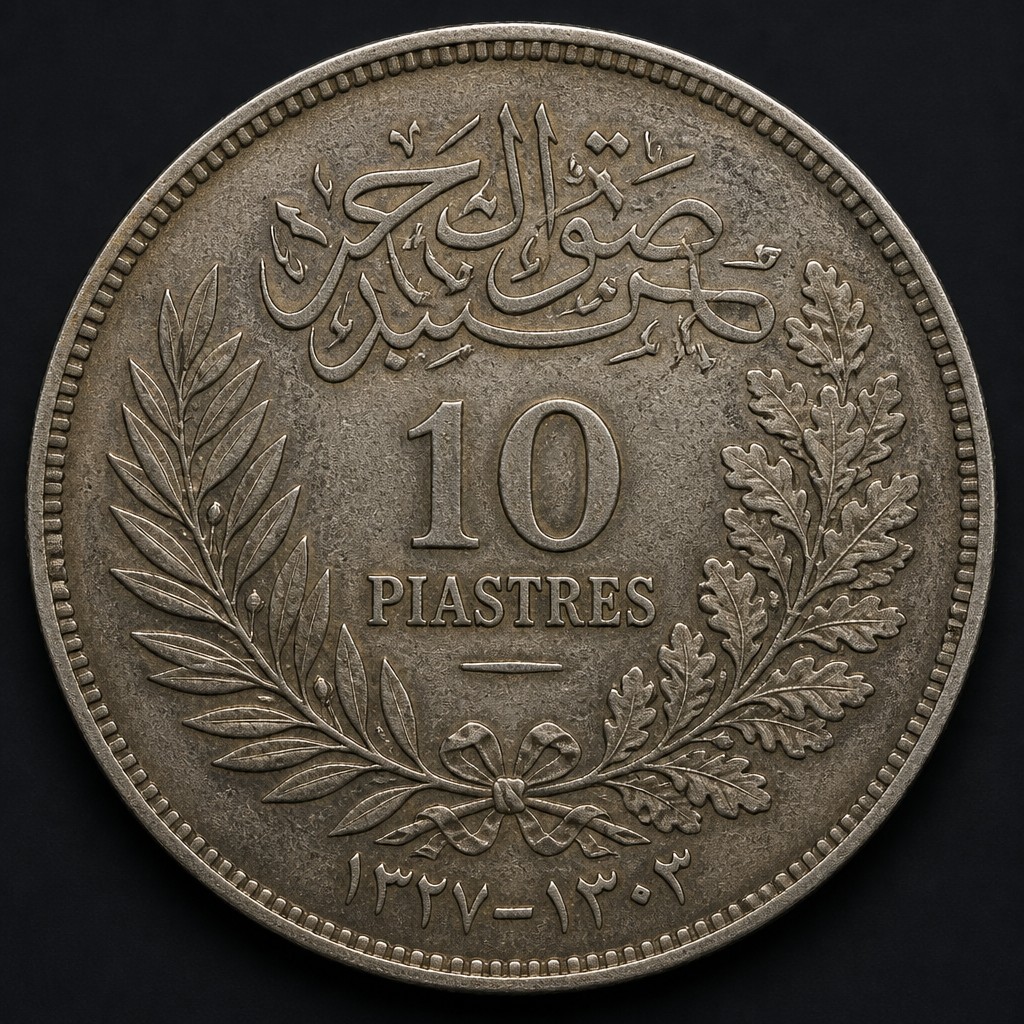
Egyptian 10 Piastres (silver)
A workhorse silver coin of Khedival, Sultanate, and Kingdom-era Egypt, one-tenth of a pound and commonly found in worn circulated grades from decades of daily use.
Africa & Oceania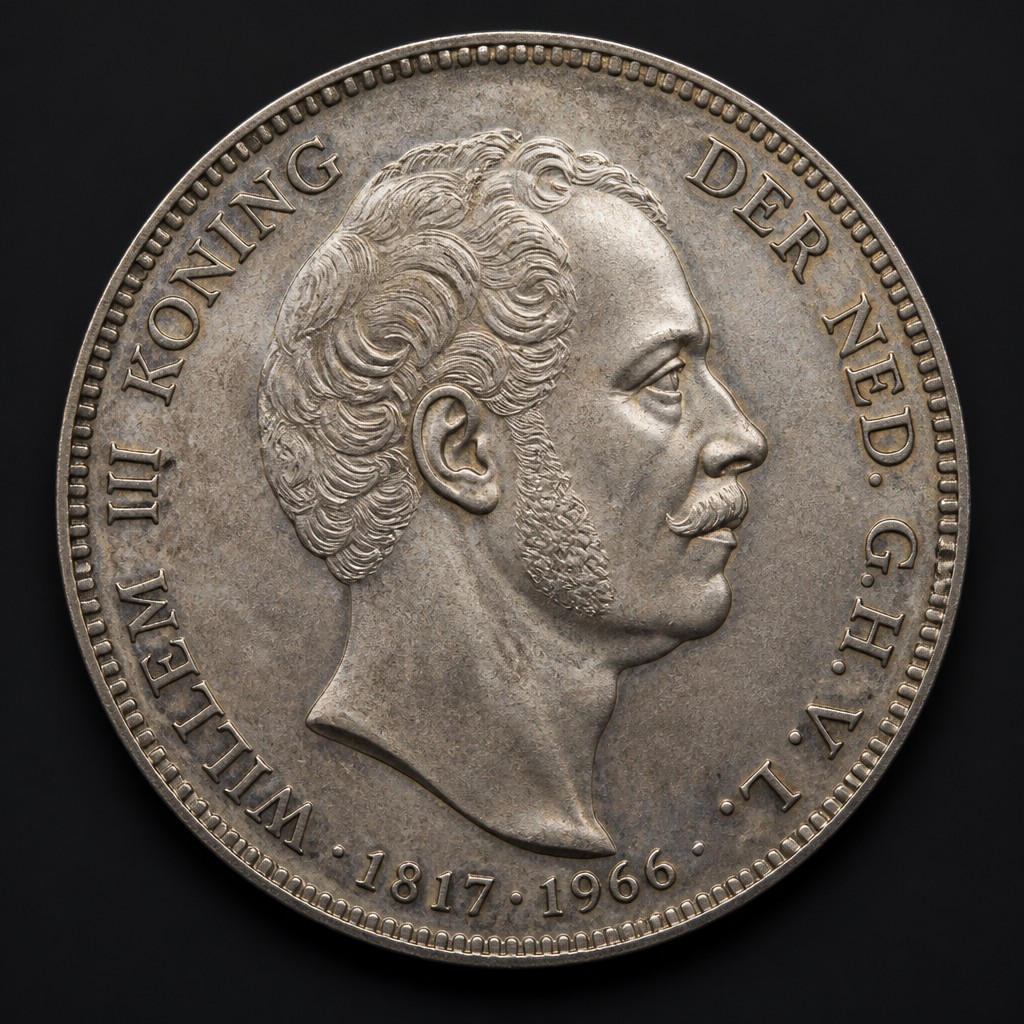
Netherlands 2½ Gulden
The largest regularly circulating silver coin of the Kingdom of the Netherlands, popularly nicknamed "rijksdaalder," featuring the reigning monarch's portrait across more than a century of Dutch coinage.
European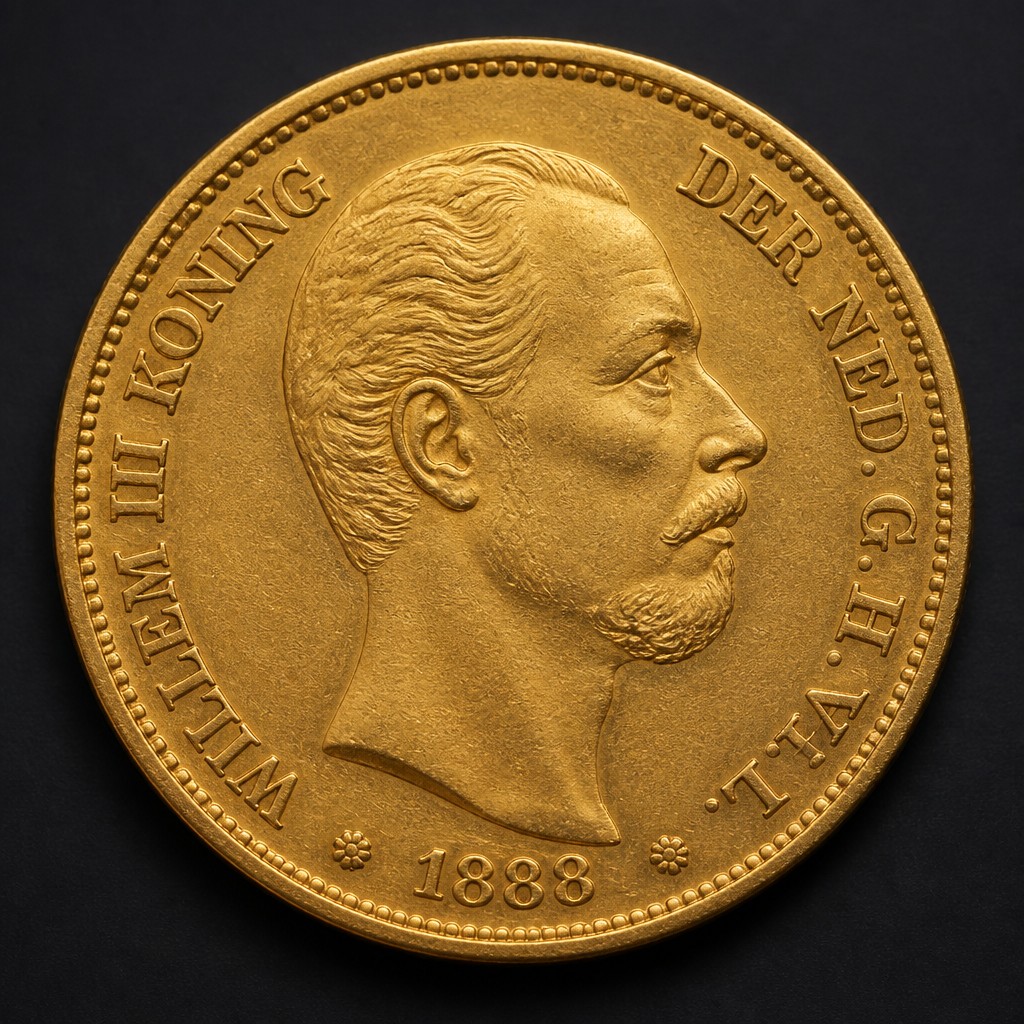
Netherlands 5 Gulden Gold
A gold 5 gulden coin struck intermittently by the Kingdom of the Netherlands, first under King William I in the 1820s and later as a rare 1912 commemorative under Queen Wilhelmina.
European