
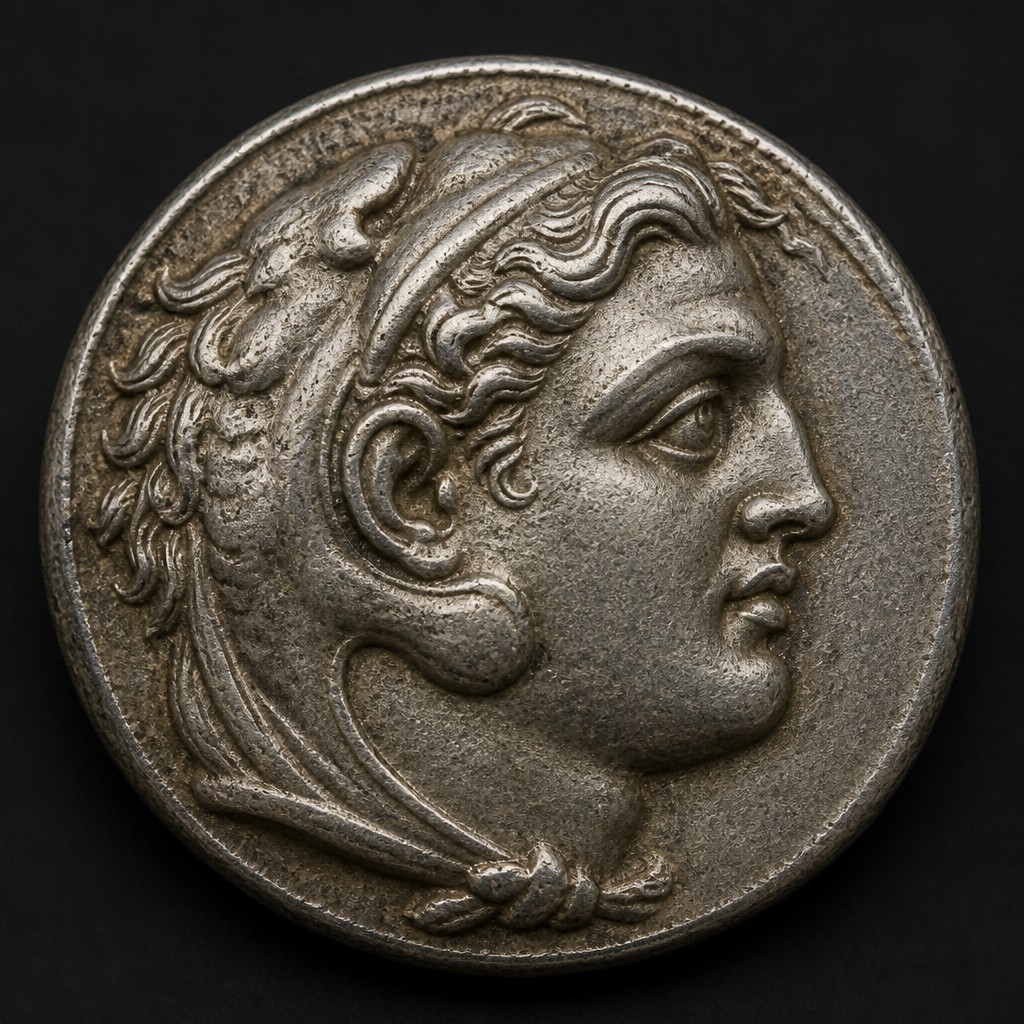
Demetrios Poliorketes Nike Tetradrachm
A Hellenistic silver tetradrachm of Demetrios I of Macedon, celebrated for its obverse image of Nike standing on a ship's prow, commemorating his naval victory at Salamis in Cyprus.
- Country
- Kingdom of Macedon (Antigonid dynasty)
- Denomination
- Tetradrachm
- Metal
- Silver
Got a coin like this?
Identify any coin from a photo, free.
Overview
Demetrios Poliorketes ('the Besieger'), one of the most colorful and militarily ambitious of Alexander the Great's Successors, issued a tetradrachm whose obverse, Nike alighting on a warship's prow and raising a trumpet to her lips, is regarded as one of the great masterpieces of Hellenistic coin design. The image commemorates his decisive naval victory over Ptolemy I at the Battle of Salamis off Cyprus in 306 BC, after which Demetrios and his father Antigonos I both took the title of king.
The coin is prized by collectors of Hellenistic royal coinage for combining genuine historical narrative, a real and dramatic battle, with exceptional artistic execution, making it one of the most iconic tetradrachm types of the entire Hellenistic period.
History & Background
Demetrios I, son of Antigonos I Monophthalmos, was a general and later king active across the fractured territories of Alexander the Great's former empire during the Wars of the Successors. His naval triumph at Salamis in Cyprus in 306 BC over the fleet of Ptolemy I of Egypt was a defining moment that prompted both Antigonos and Demetrios to formally adopt royal titles, marking a key step in the transition from Alexander's unified empire to the competing Hellenistic kingdoms.
Demetrios went on to briefly control much of Greece and eventually the throne of Macedon itself from around 294 to 288 BC, styling himself Poliorketes for his skill (and occasional failures) at siege warfare, most famously the long and ultimately unsuccessful siege of Rhodes. His tetradrachms bearing the Nike-on-prow design were struck at multiple mints across his shifting territories, reflecting both his naval ambitions and his self-presentation as a favored, victorious ruler.
How to Identify
The obverse shows Nike, winged and in flowing drapery, standing atop the prow of a warship, blowing a trumpet held to her lips, with waves sometimes indicated beneath the ship. The reverse depicts Poseidon, nude but for a cloak, striding forward and brandishing a trident, with the royal title and name of Demetrios inscribed in the field, along with mint-specific control marks or monograms.
Because Demetrios struck this type at several different mints during his reign, collectors distinguish individual issues by monograms, symbols, and stylistic details in the field, while the core Nike-and-Poseidon design remained consistent as his signature royal coinage. The tetradrachm follows the standard heavier Attic weight typical of Hellenistic royal issues of the period.
Value & Collectibility
Demetrios Poliorketes Nike tetradrachms are highly regarded within Hellenistic numismatics and, owing to their artistic and historical importance, are actively sought by collectors of royal Greek coinage. Prices for legible, moderately worn examples typically start in the low thousands of dollars, while sharply struck, well-centered pieces with strong artistic detail in the Nike figure can bring considerably more at major auctions.
As with most Hellenistic royal tetradrachms, value is driven heavily by strike quality and centering on the intricate Nike-and-ship composition, along with the rarity of the specific mint or control-mark variety represented.
Frequently asked questions
What does 'Poliorketes' mean?
It means 'the Besieger,' a nickname earned for Demetrios's extensive, ambitious siege campaigns, most famously the long siege of Rhodes.
What battle does the coin commemorate?
It commemorates Demetrios's naval victory over Ptolemy I at the Battle of Salamis off the coast of Cyprus in 306 BC.
Why did Demetrios and his father take the title of king after this battle?
The scale of the naval victory was seen as sufficiently prestigious to justify Antigonos I and Demetrios formally claiming royal status, a significant step in the fragmentation of Alexander's former empire into rival kingdoms.
Where were these tetradrachms struck?
They were issued from multiple mints across Demetrios's shifting territories, including sites in Macedon, Cyprus, and Ionia, distinguished by different control marks.
Other coins you may enjoy
Theodosius I Solidus
379–395 AD
Republican Victoriatus
c. 211–170 BC
Islamic Gold Dinar (Umayyad)
c. 696–750 AD
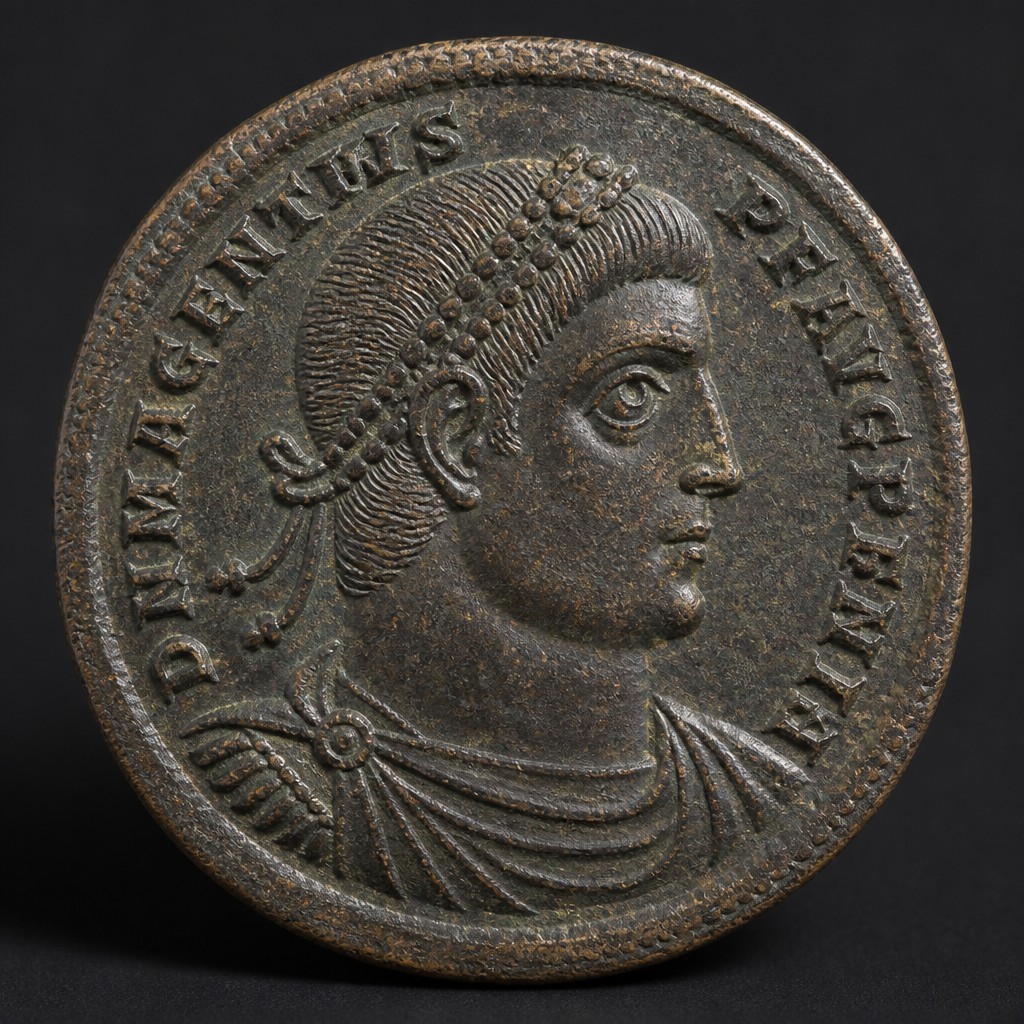
Magnentius Double Centenionalis
350–353 AD
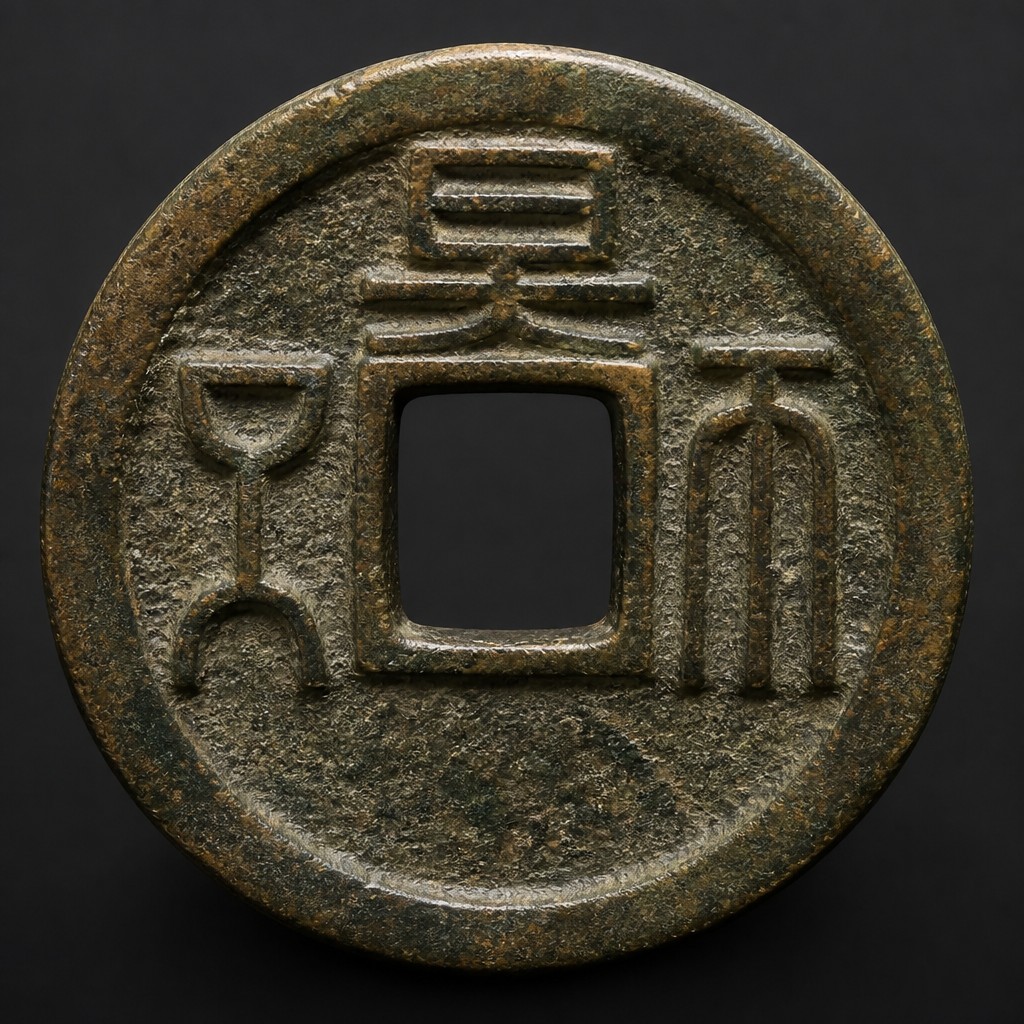
Chinese Wu Zhu Cash
118 BC – 618 AD
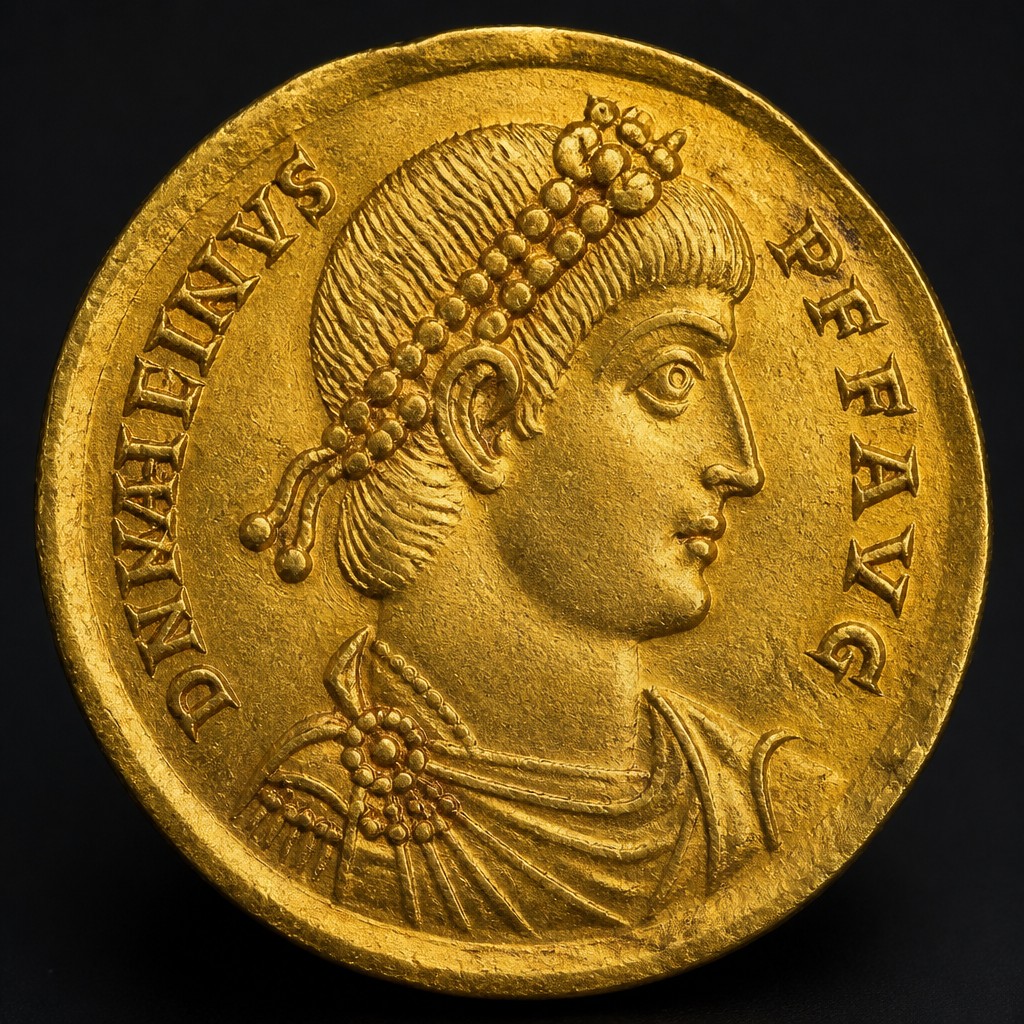
Valentinian I Solidus
364–375 AD
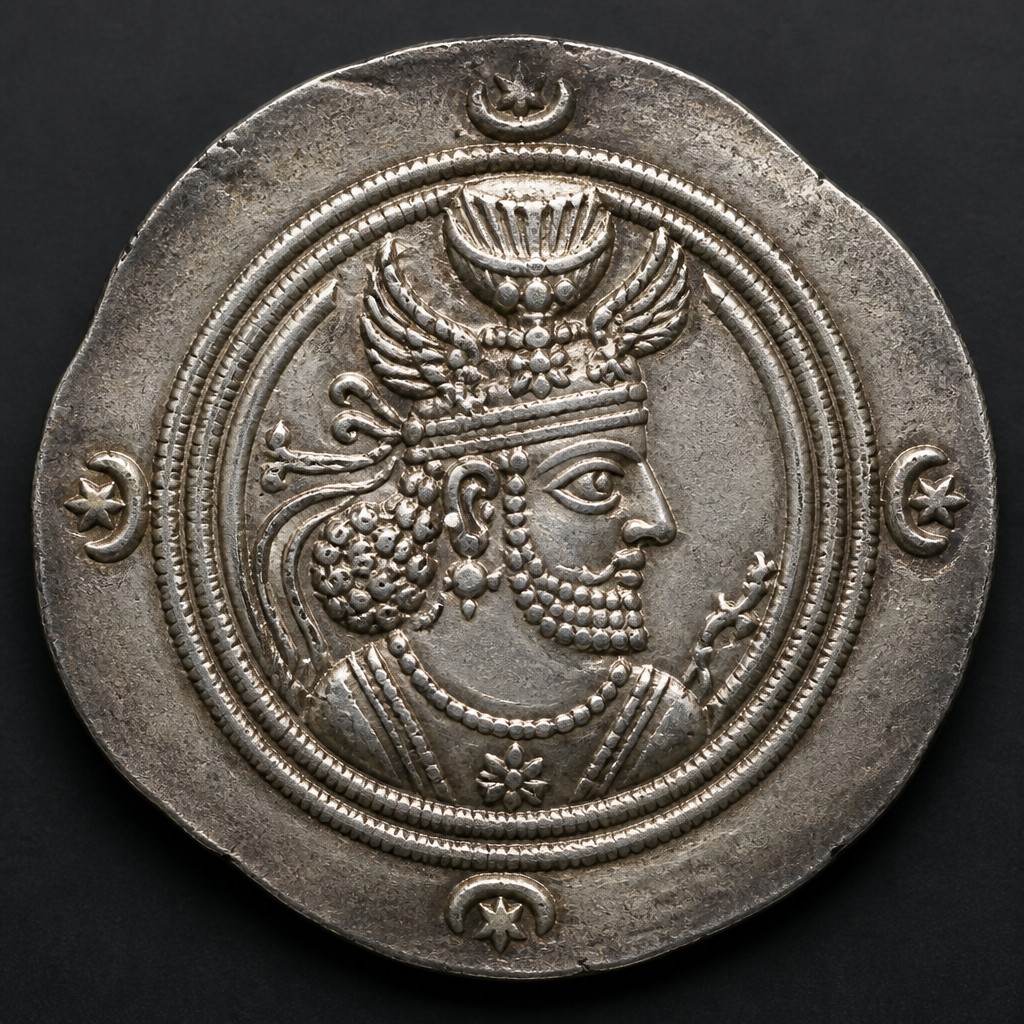
Sassanian Silver Drachm
c. 224–651 AD
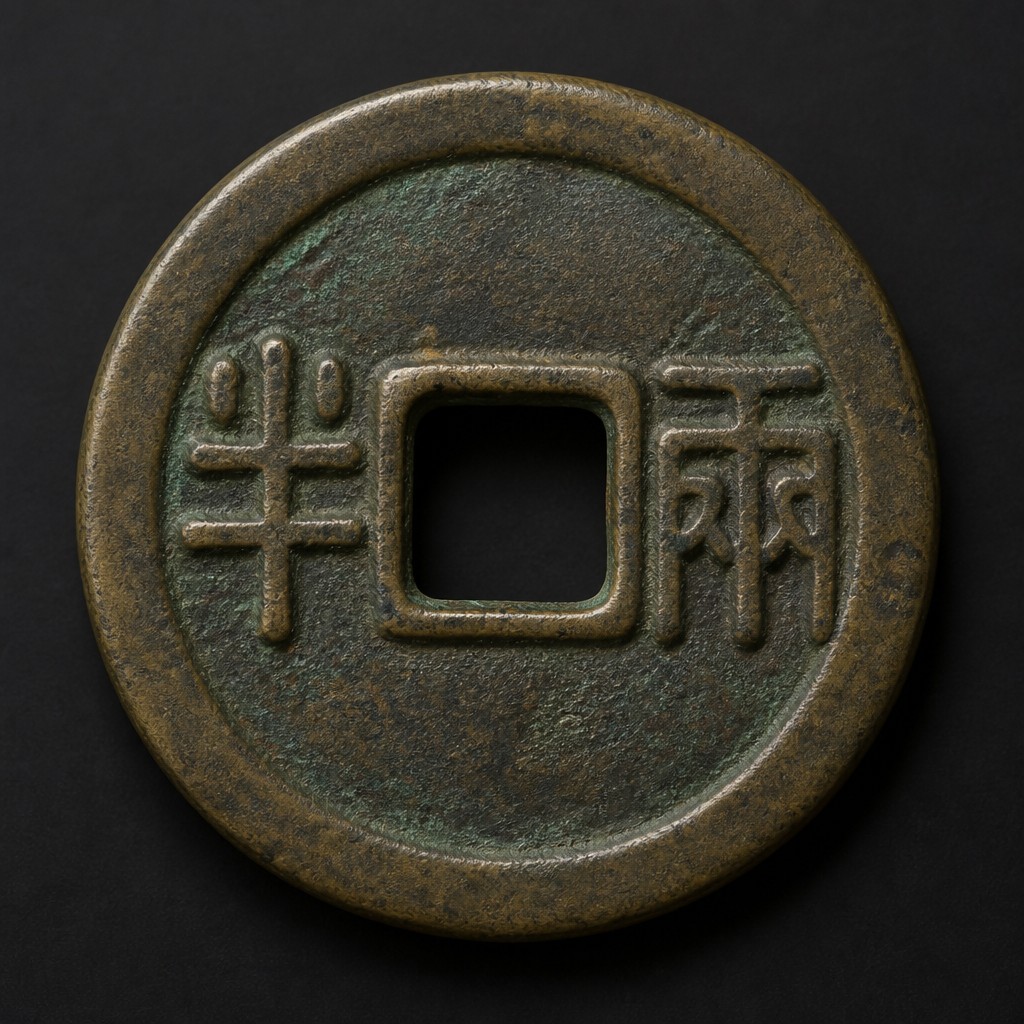
Chinese Ban Liang Cash
c. 221–118 BC
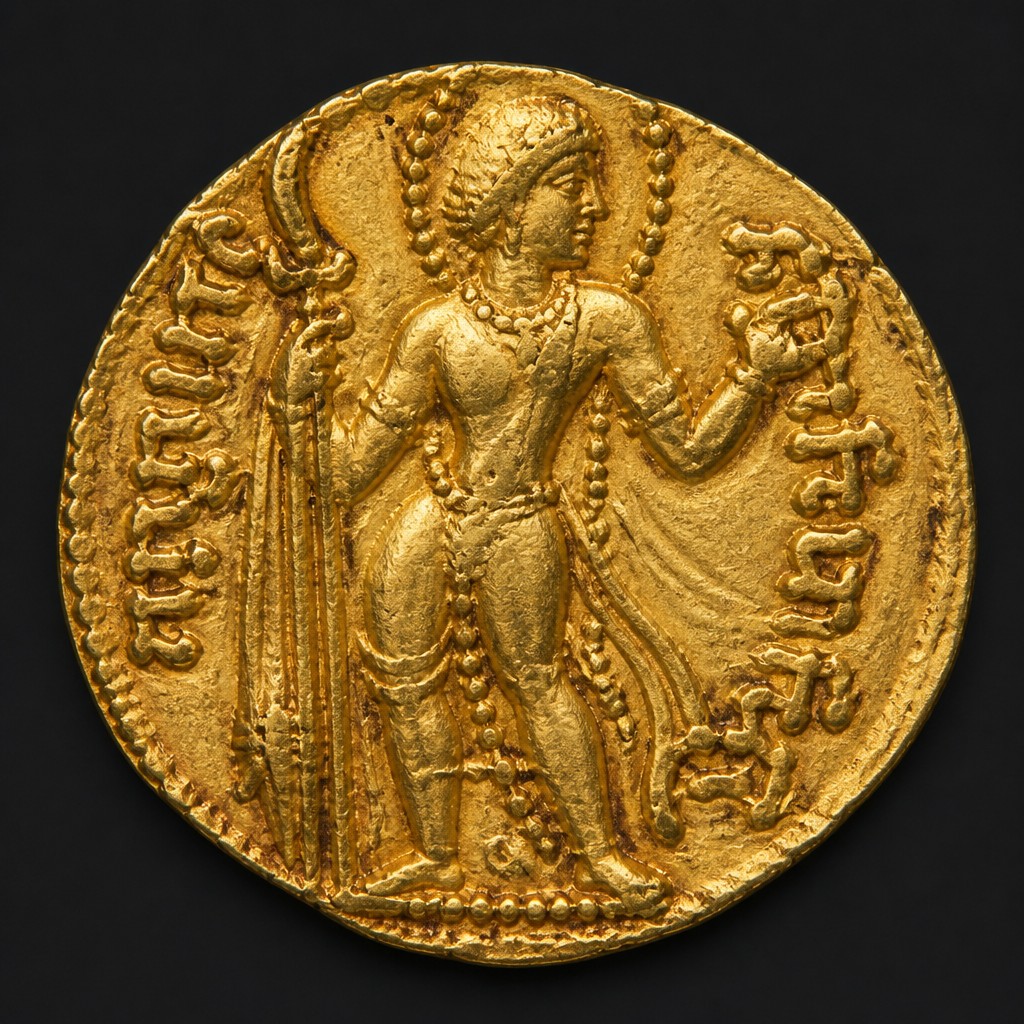
Gupta Empire Gold Dinar
c. 320–550 AD
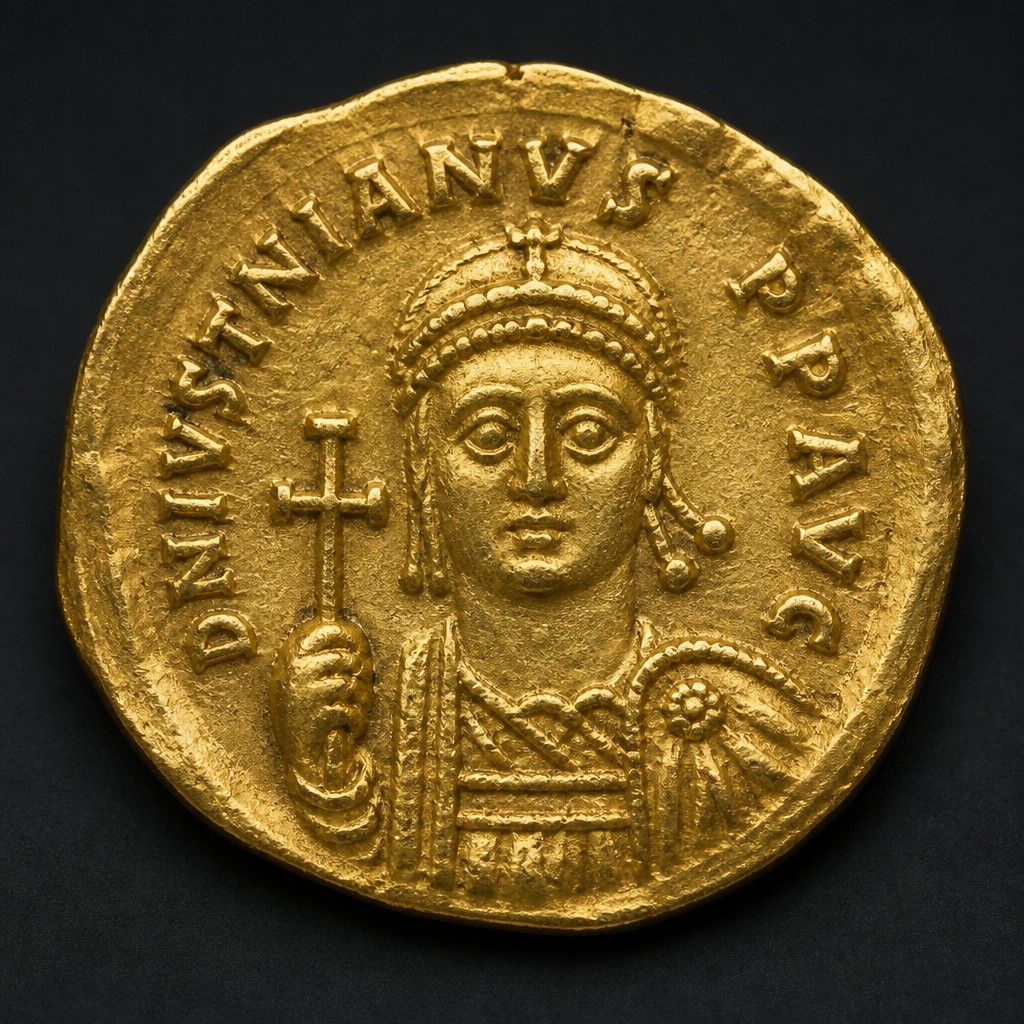
Byzantine Gold Tremissis
c. 4th–7th century AD
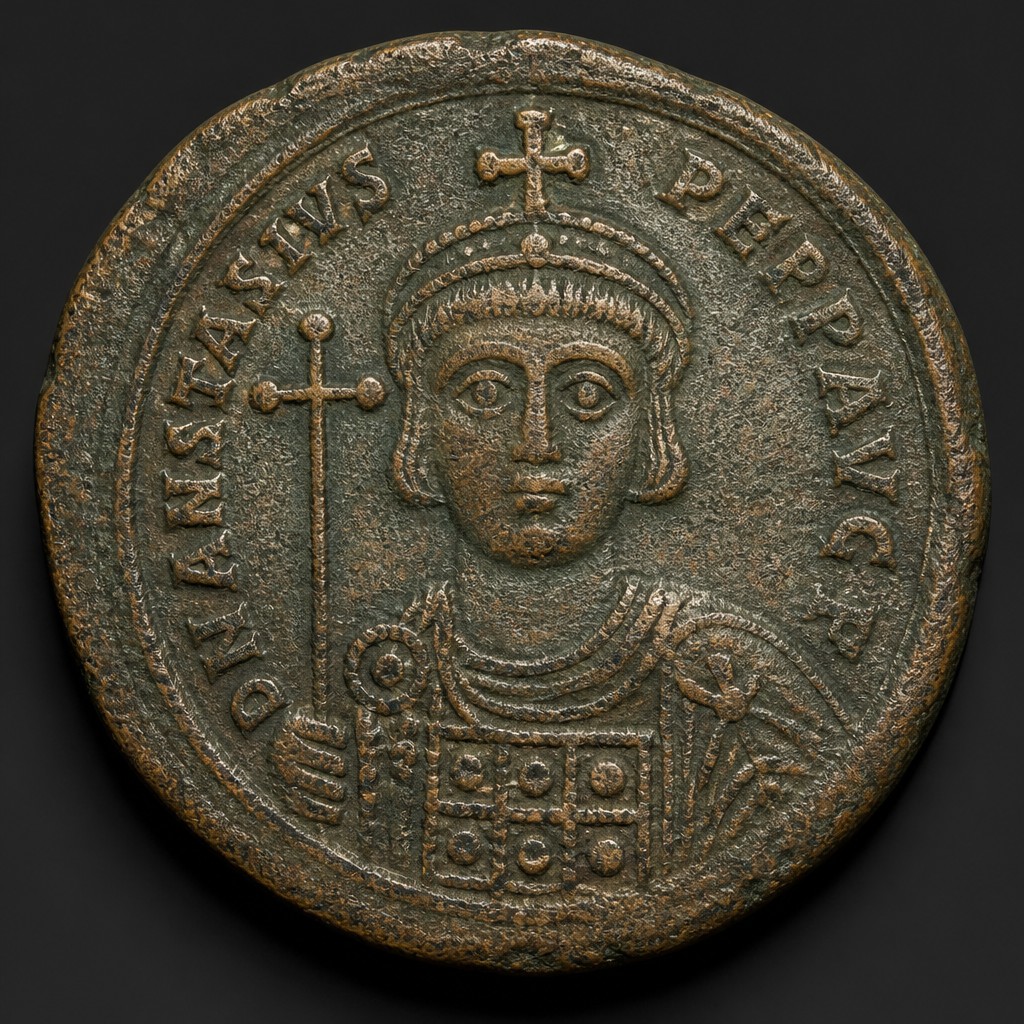
Byzantine Follis
498–c. 11th century AD
Celtic Gold Stater
c. 3rd century BC – 1st century AD