
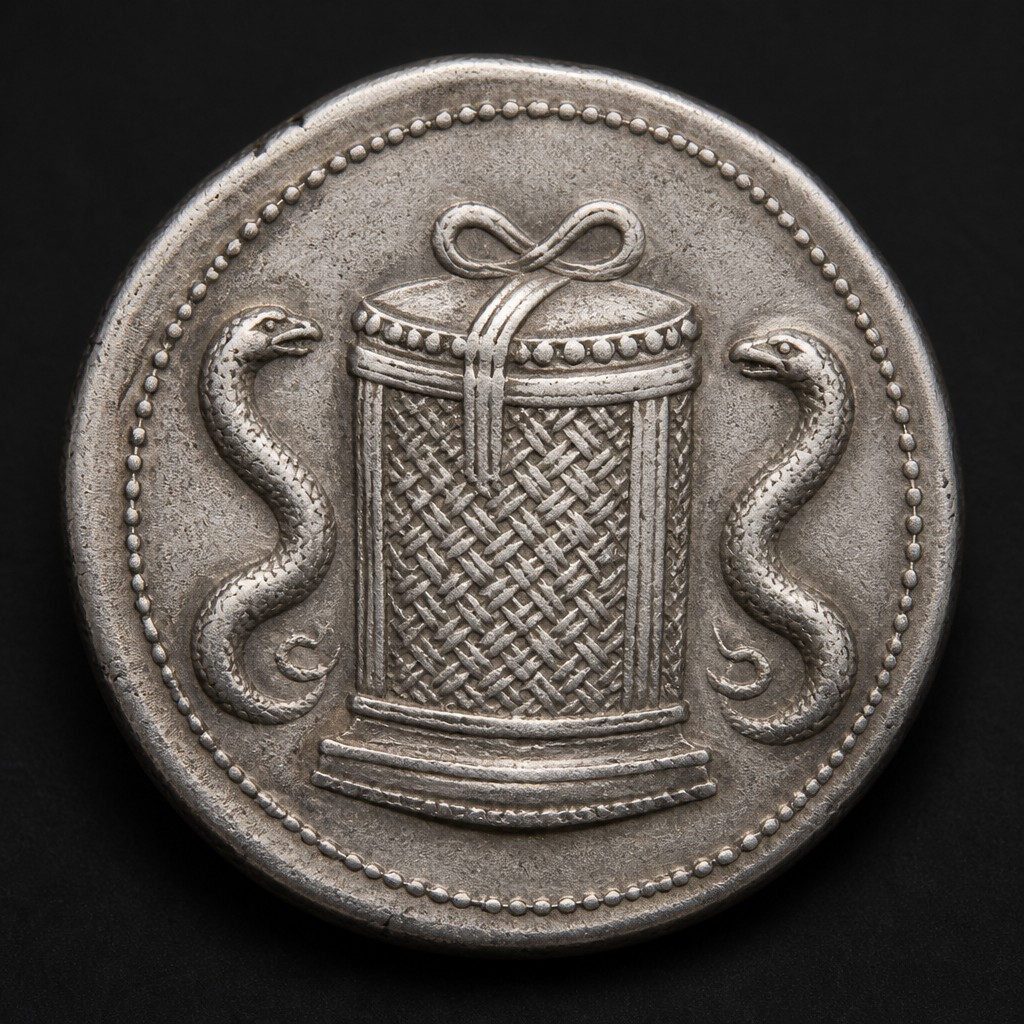
Pergamon Cistophoric Tetradrachm
A reduced-weight Hellenistic silver coin introduced by the Attalid kings of Pergamon, named for the sacred cista mystica chest depicted on the obverse and later adopted throughout Roman Asia.
- Country
- Kingdom of Pergamon (Hellenistic Asia Minor)
- Denomination
- Cistophoric Tetradrachm
- Metal
- Silver
Got a coin like this?
Identify any coin from a photo, free.
Overview
The cistophorus was a distinctive silver denomination introduced by the kings of Pergamon in the second century BC, struck at a lighter weight standard than the standard Attic tetradrachm and used to unify coinage across the Attalid kingdom's territories in Asia Minor. Its name comes from the cista mystica, a sacred basket associated with the mystery cult of Dionysos, from which a snake emerges on the obverse.
Because the type persisted long after Pergamon itself fell to Rome, being continued by numerous cities of the Roman province of Asia and even by Roman governors and emperors for regional use, the cistophorus offers collectors an unusually long and geographically wide series to study, bridging the Hellenistic and early Roman imperial periods.
History & Background
Pergamon rose to prominence as a major Hellenistic kingdom under the Attalid dynasty, particularly during the reigns of Eumenes II and his successors in the second century BC, becoming a wealthy center of art, scholarship, and architecture. The Attalid kings introduced the cistophorus as a standardized regional coinage, likely to facilitate trade and taxation across the kingdom's diverse cities while distinguishing it from other contemporary Hellenistic tetradrachms.
When the last Attalid king, Attalos III, bequeathed his kingdom to Rome in 133 BC, the province of Asia was formed, and the cistophoric standard was retained by Rome for regional coinage struck at numerous Asian mint cities, continuing to be issued under Roman proconsuls and eventually Augustus and later emperors. This continuity makes the cistophorus a useful marker for tracing the transition from Hellenistic kingdom to Roman provincial administration.
How to Identify
The obverse shows a serpent emerging from a half-open cista mystica (a round basket or chest associated with Dionysiac mystery rites), the whole scene enclosed within a wreath of ivy leaves and berries. The reverse depicts a bow case (gorytos) flanked by two coiled serpents, accompanied by a city monogram, magistrate's name, or (in the Roman period) an emperor's name and titles, depending on date and issuing authority.
The coin is notably broader and thinner than a standard Attic tetradrachm and struck to a lighter weight standard, distinguishing it at a glance from contemporary Seleucid or Ptolemaic tetradrachms of similar denomination name. Collectors identify the specific issuing city or period by the monogram, magistrate names, or imperial titulature present on the reverse, since the core obverse and reverse types remained remarkably stable across the long life of the series.
Value & Collectibility
Cistophoric tetradrachms are collected both as Hellenistic Pergamene coinage and, for later issues, as an entry point into early Roman provincial and imperial numismatics, giving the series broad appeal. Prices for common, well-worn examples can be relatively affordable, often in the low hundreds of dollars, while well-struck early Attalid issues or scarce Roman-period varieties with clear imperial portraits or titulature bring substantially more.
As with most ancient silver, value depends heavily on strike quality, centering, and the legibility of the identifying monogram or legend, with certain rare mint cities or specific reigns commanding notable premiums among specialist collectors of the series.
Frequently asked questions
Where does the name 'cistophorus' come from?
It derives from the cista mystica, the sacred basket depicted on the obverse, associated with the mystery cult of Dionysos; 'cistophorus' literally means 'cista-bearer'.
Why is it lighter than a standard tetradrachm?
The Attalid kings of Pergamon introduced a reduced weight standard specifically for this regional coinage, distinct from the heavier Attic-standard tetradrachms used elsewhere in the Hellenistic world.
Did the coin continue after Pergamon fell to Rome?
Yes, Rome retained the cistophoric standard for provincial coinage in Asia for well over a century after inheriting the Attalid kingdom in 133 BC.
How can I tell which city or ruler issued a given cistophorus?
Look for monograms, magistrate names, or imperial titles on the reverse near the bow case, which typically identify the specific mint city and period.
Other coins you may enjoy
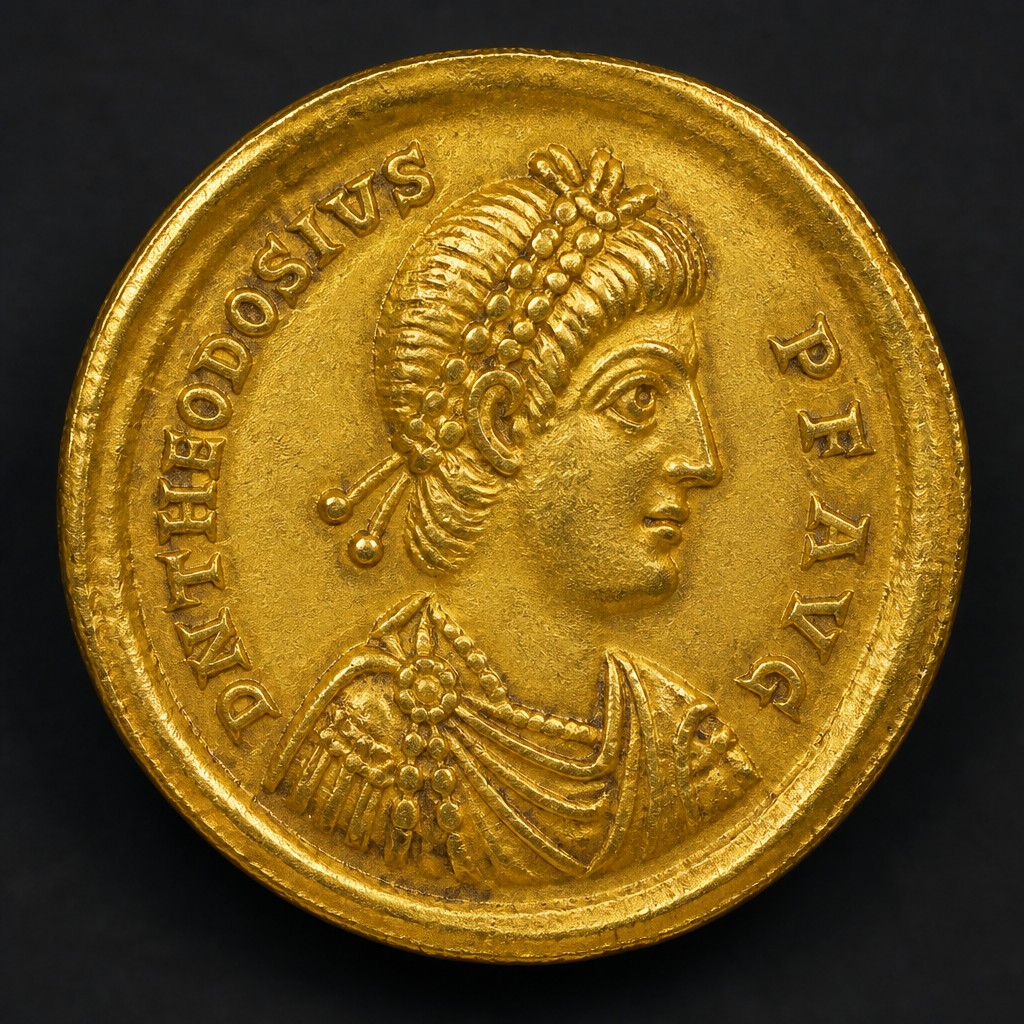
Theodosius I Solidus
379–395 AD
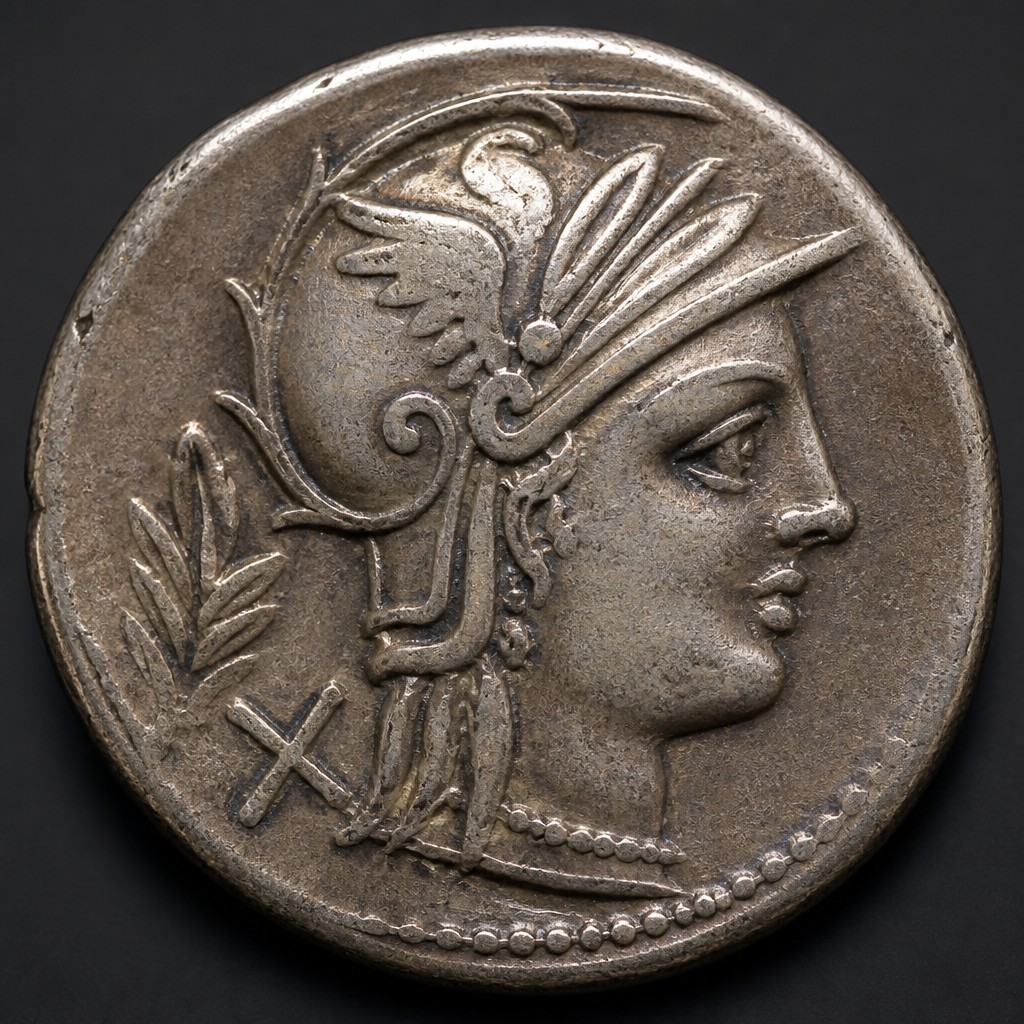
Republican Victoriatus
c. 211–170 BC
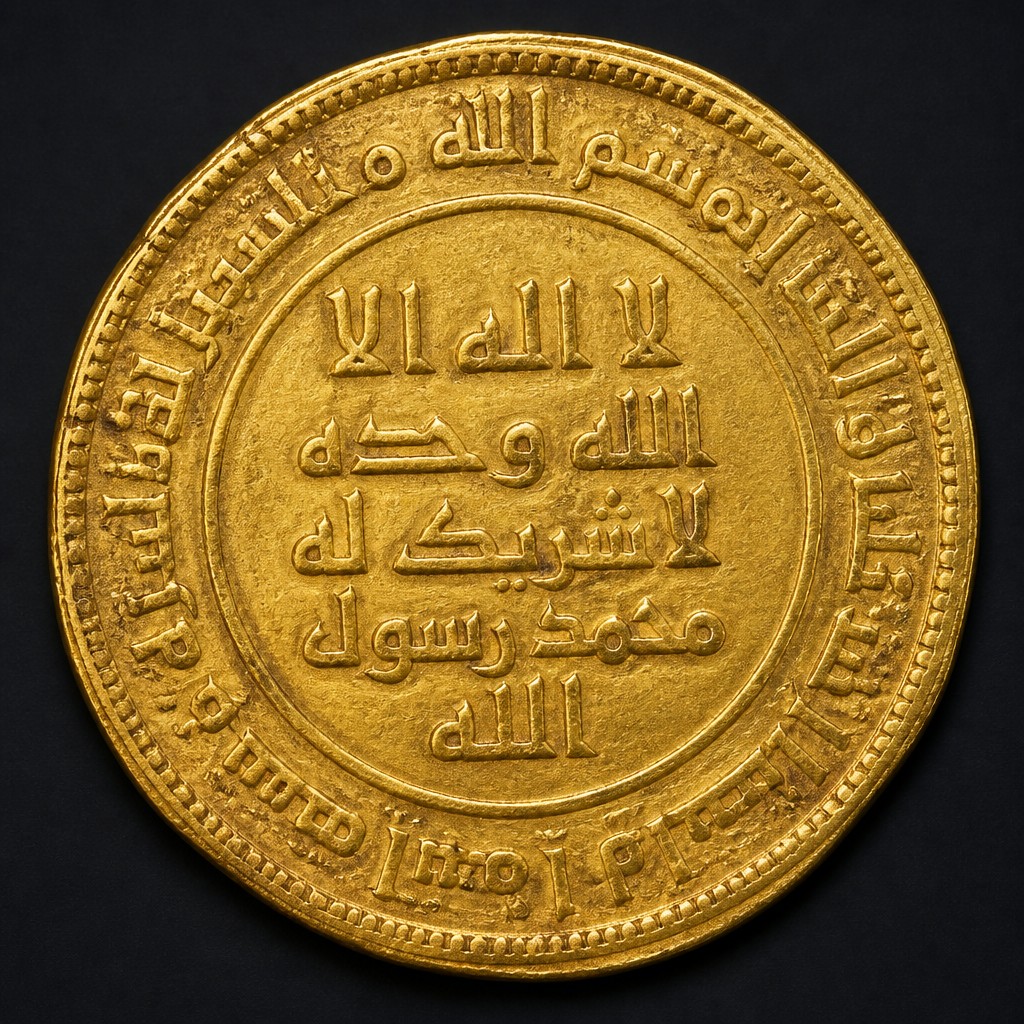
Islamic Gold Dinar (Umayyad)
c. 696–750 AD
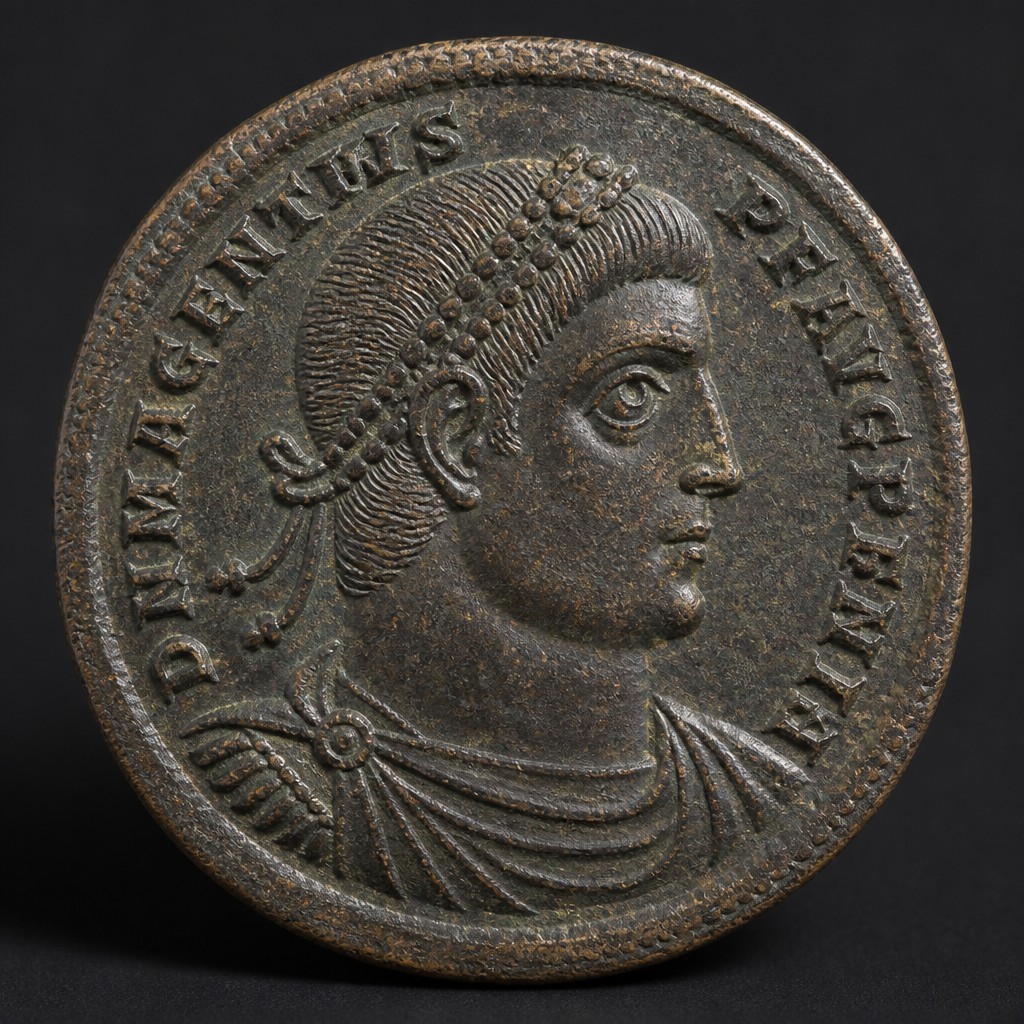
Magnentius Double Centenionalis
350–353 AD
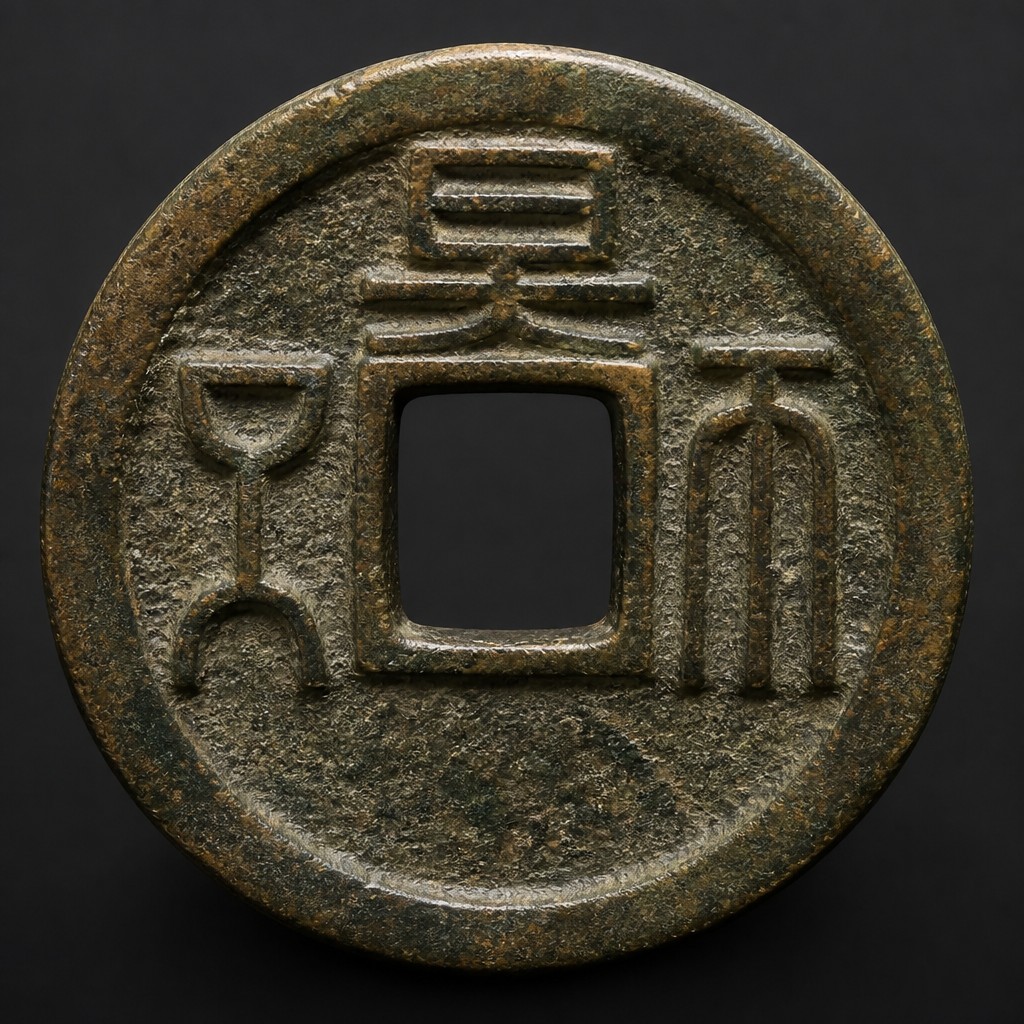
Chinese Wu Zhu Cash
118 BC – 618 AD
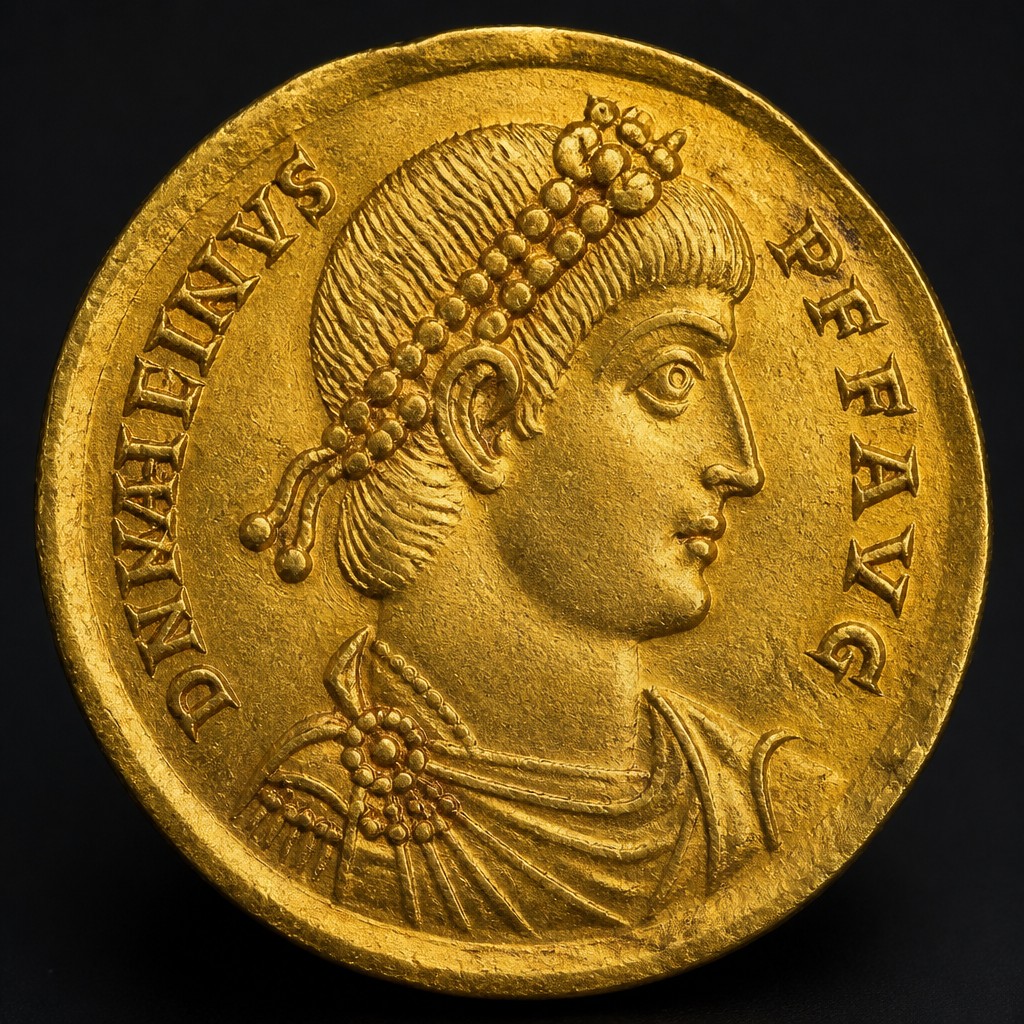
Valentinian I Solidus
364–375 AD
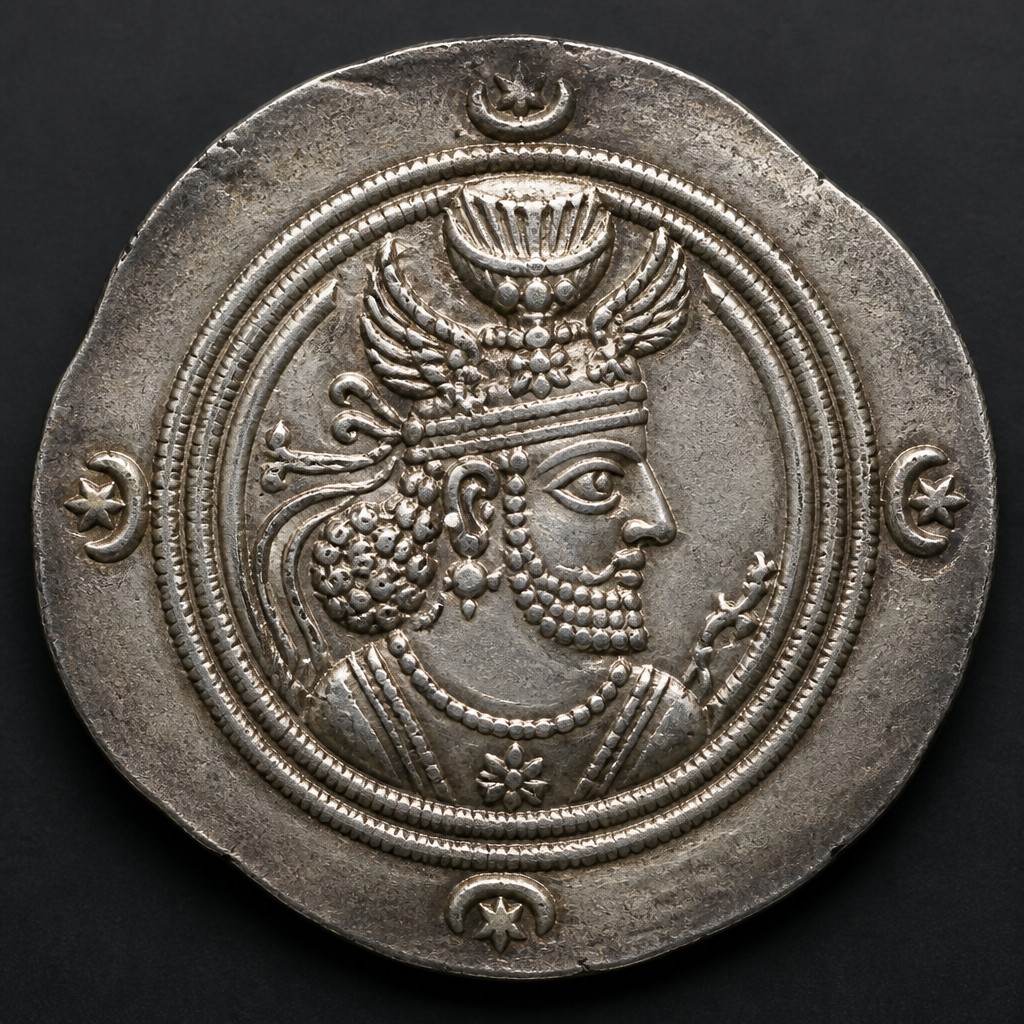
Sassanian Silver Drachm
c. 224–651 AD
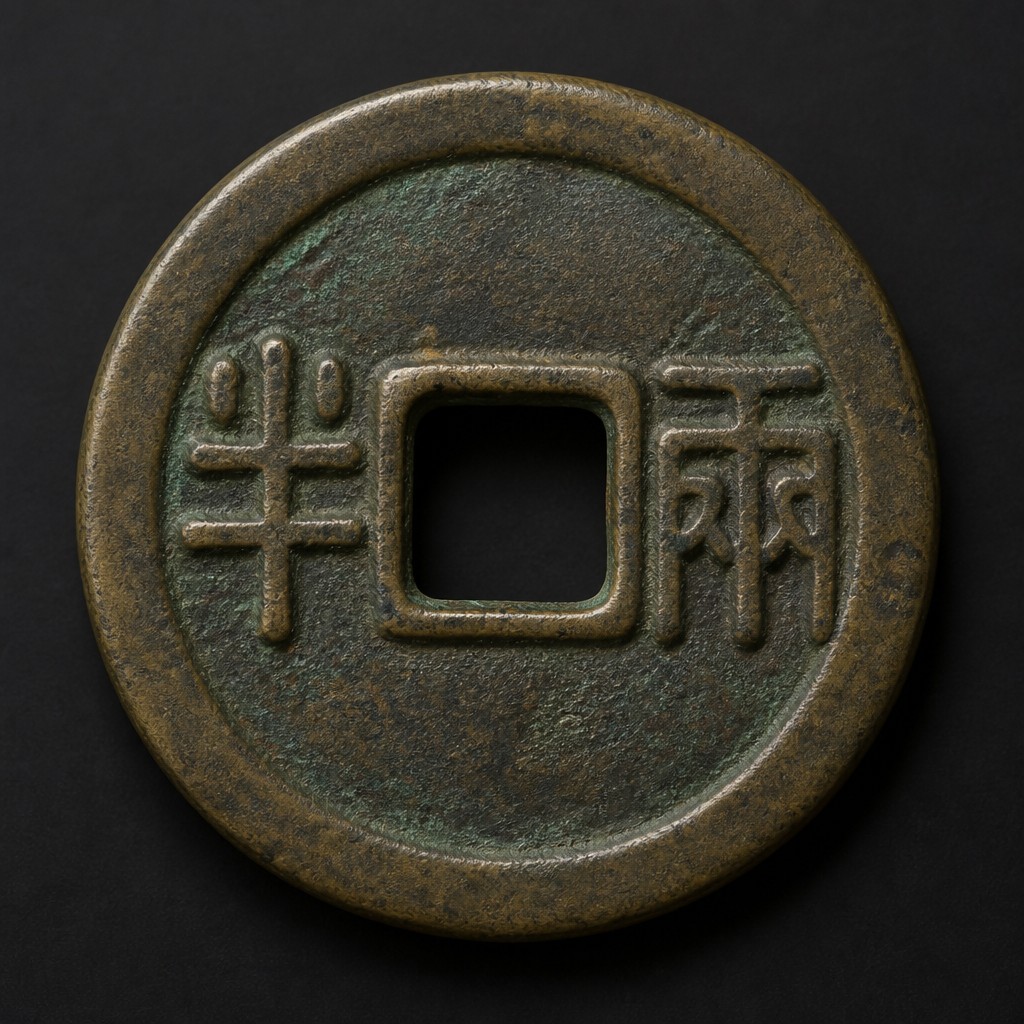
Chinese Ban Liang Cash
c. 221–118 BC
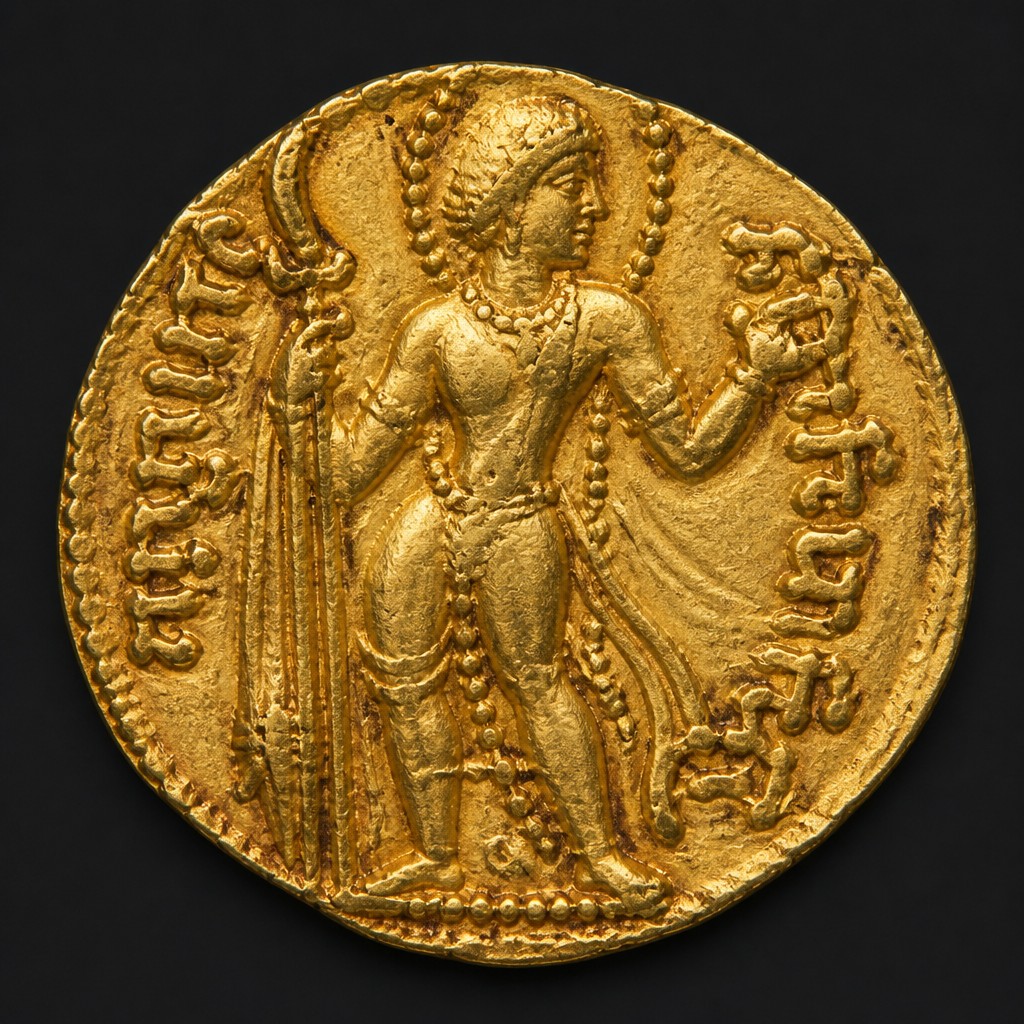
Gupta Empire Gold Dinar
c. 320–550 AD
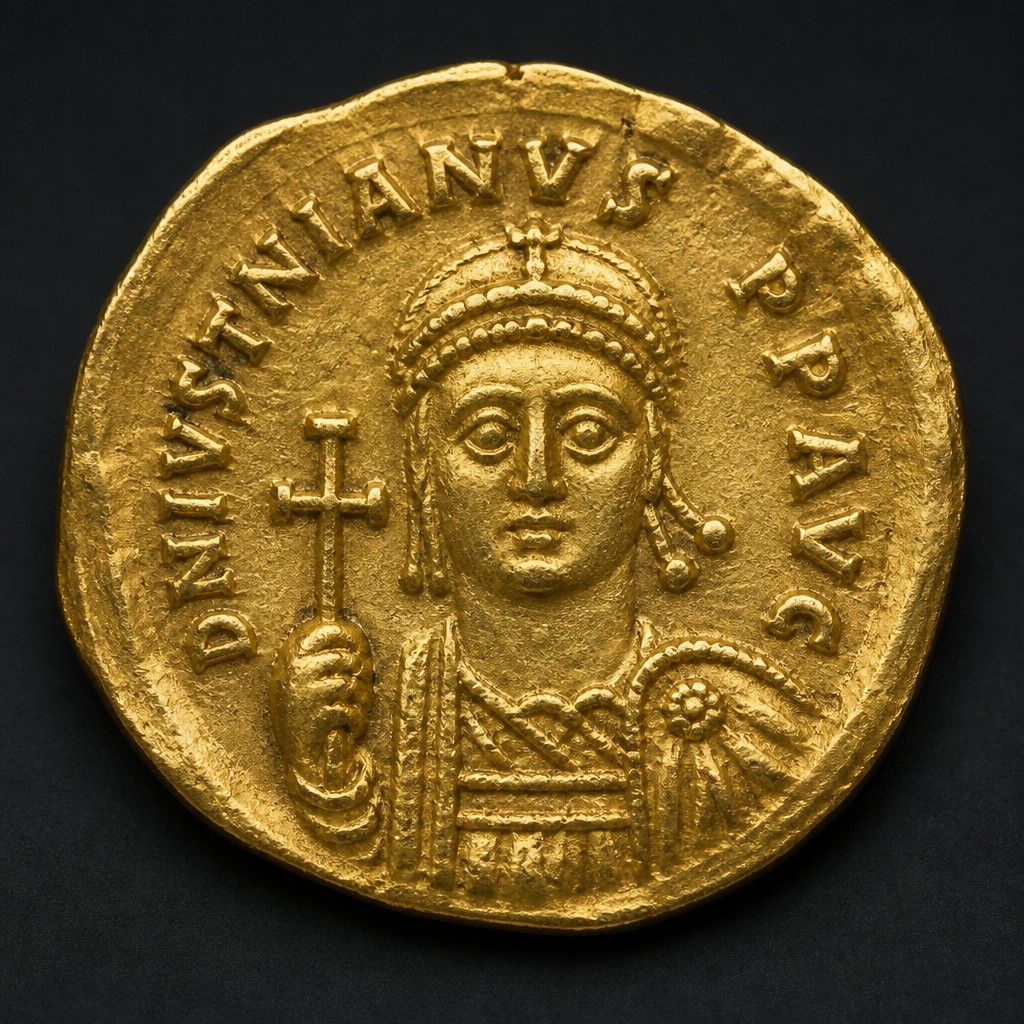
Byzantine Gold Tremissis
c. 4th–7th century AD
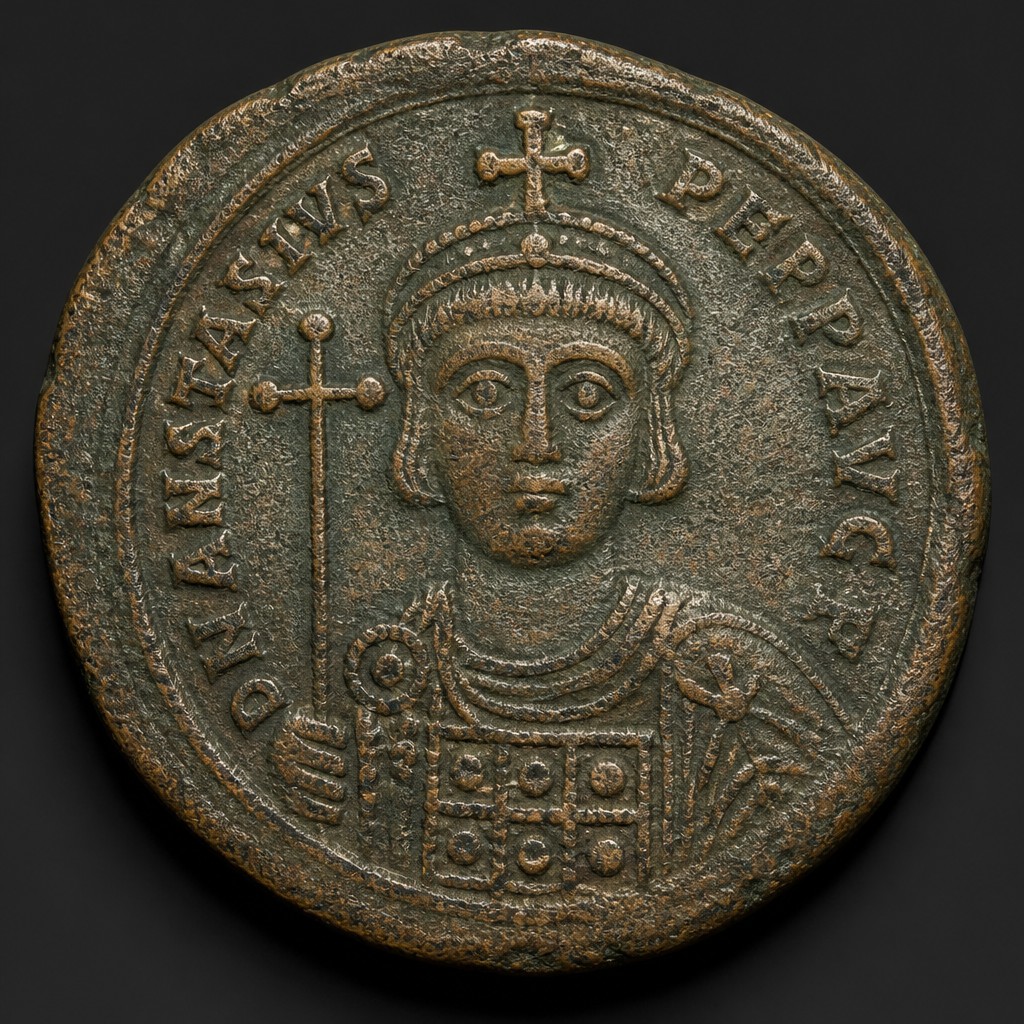
Byzantine Follis
498–c. 11th century AD
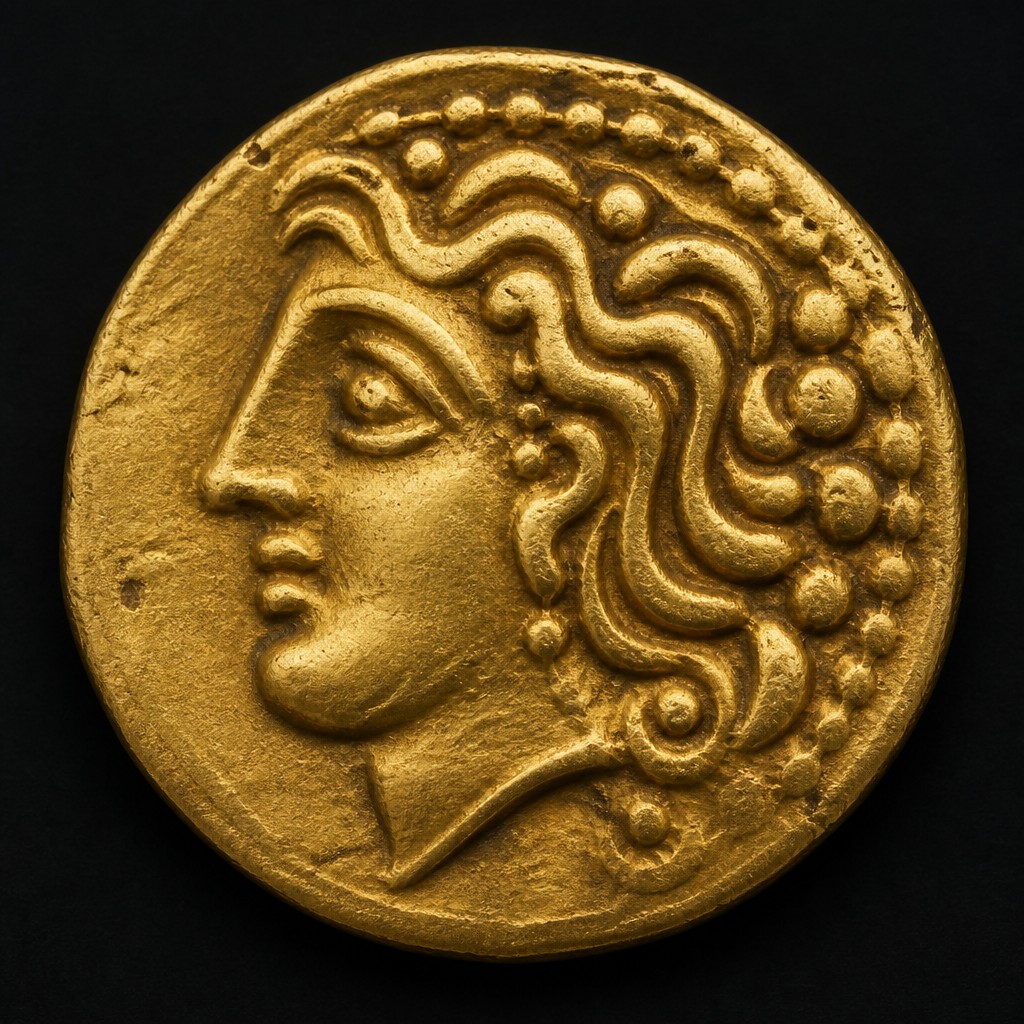
Celtic Gold Stater
c. 3rd century BC – 1st century AD