
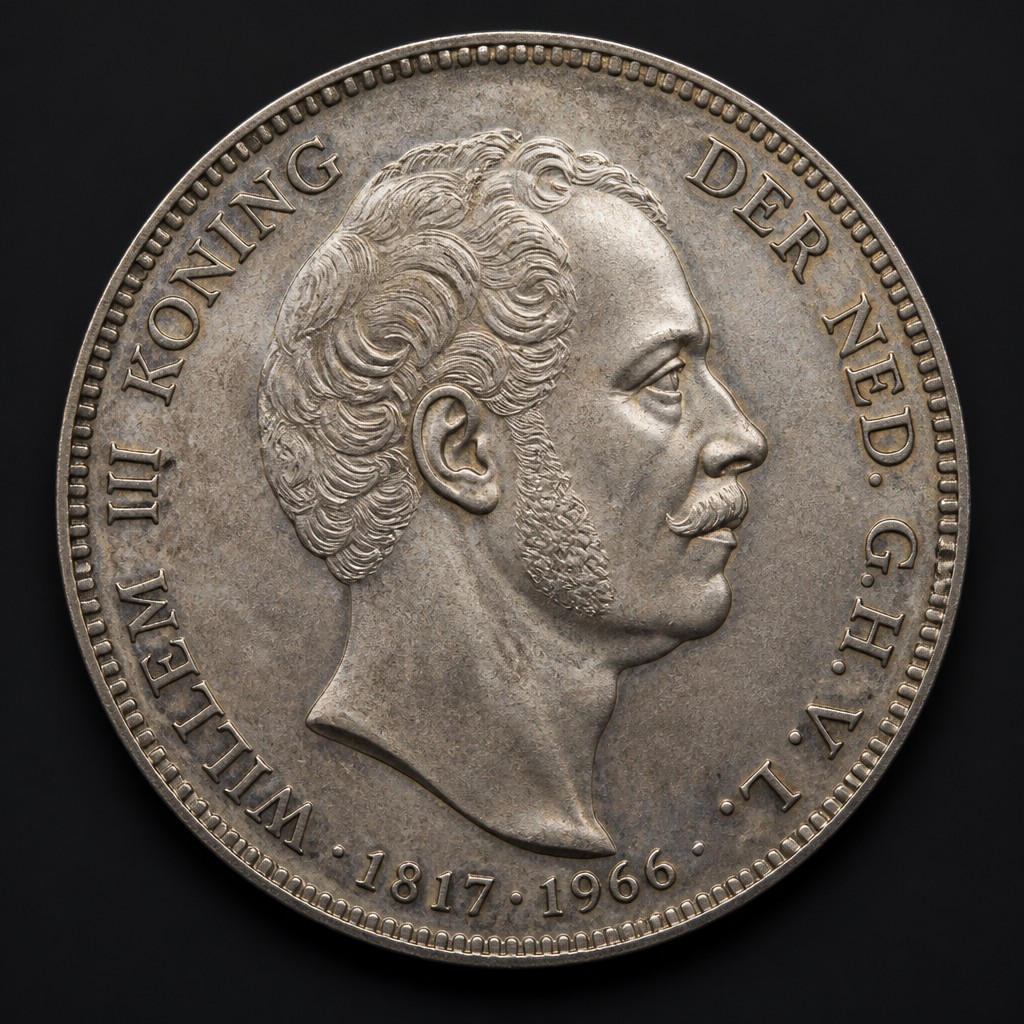
Netherlands 2½ Gulden
The largest regularly circulating silver coin of the Kingdom of the Netherlands, popularly nicknamed "rijksdaalder," featuring the reigning monarch's portrait across more than a century of Dutch coinage.
- Country
- Netherlands
- Denomination
- 2½ Gulden
- Metal
- .720 silver (later issues in base metal after silver withdrawal)
Got a coin like this?
Identify any coin from a photo, free.
Overview
The 2½ Gulden coin has served as the flagship large silver denomination of the Kingdom of the Netherlands since the country adopted its decimal guilder system in the early 19th century following the Napoleonic Wars. Continuing a centuries-old Dutch naming tradition, the coin quickly became known in everyday speech as the "rijksdaalder," even though it formally carries the "2½ G." denomination inherited from the decimal system introduced under King Willem I.
Over its long production history, the coin's obverse has featured the portrait of each successive Dutch monarch, including Willem I, Willem II, Willem III, Queen Wilhelmina, and Queen Juliana, giving collectors a continuous visual record of the Dutch monarchy spanning roughly a century and a half. The reverse consistently carries the crowned Dutch coat of arms along with the denomination and date.
As with many European nations, the Netherlands gradually withdrew silver from its circulating coinage in the mid-20th century, with the 2½ gulden eventually being struck in base metal or reserved for commemorative issues before the currency was ultimately replaced by the euro in 2002, ending two centuries of guilder-denominated Dutch coinage.
History & Background
Following the collapse of Napoleonic rule and the formation of the united Kingdom of the Netherlands in 1815 under King Willem I, the new government adopted a decimal currency system based on the guilder, replacing the more complex denominational structures of the preceding Dutch Republic and French occupation periods. The 2½ gulden coin, introduced in the coinage reforms of the late 1810s, became the kingdom's principal large silver denomination, informally inheriting the historic "rijksdaalder" name from the earlier large Dutch silver trade coins of the 16th-18th centuries.
Through the 19th and into the 20th century, the coin was struck under each reigning monarch, with notable gaps and design changes reflecting political events such as Belgium's secession from the Kingdom in 1830-1839 and the shift to queens regnant beginning with Wilhelmina in 1890 due to Dutch succession law at the time.
Silver 2½ gulden coinage continued into the mid-20th century before rising silver prices and changing monetary policy led the Netherlands to shift the denomination toward base metal and later largely to commemorative-only status, mirroring a broader international trend away from silver in circulating coinage, and the entire guilder system was ultimately retired with the Netherlands' adoption of the euro in 2002.
How to Identify
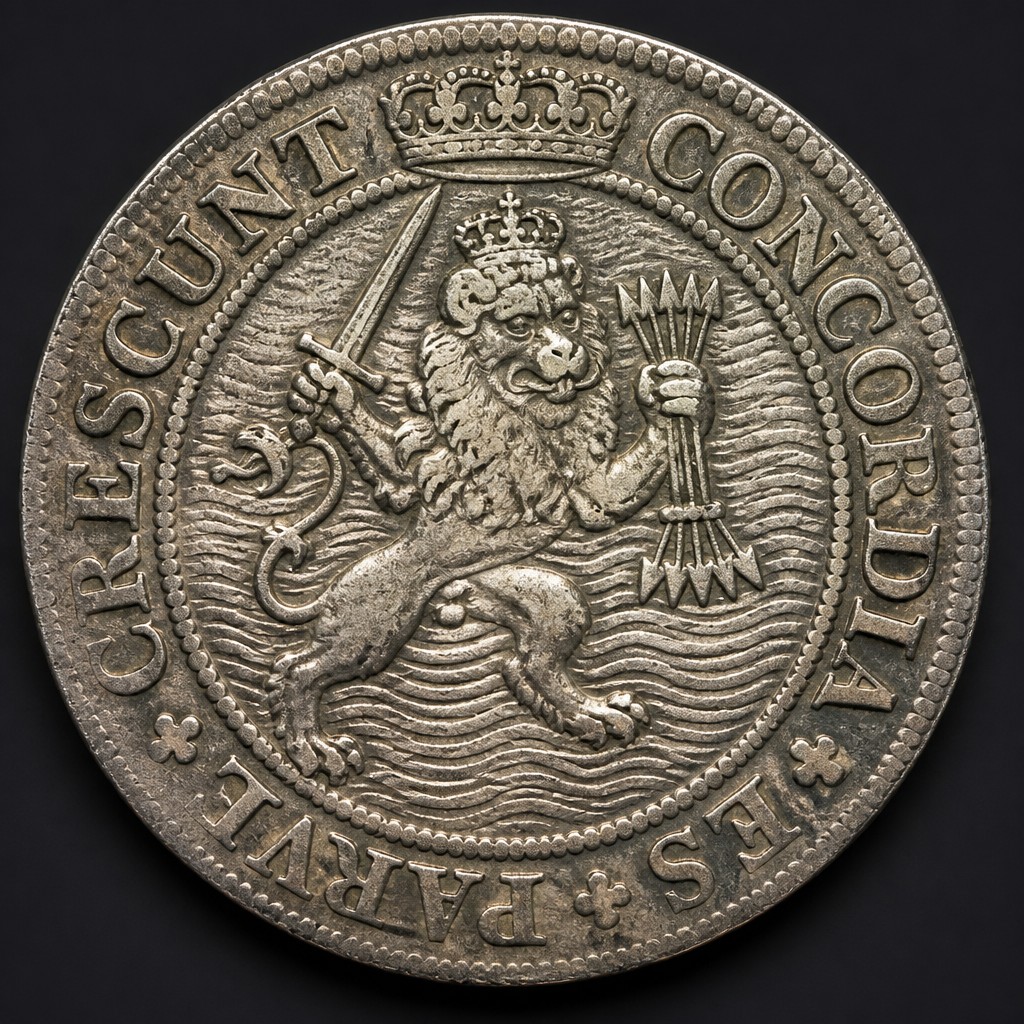
The obverse bears a right- or left-facing portrait of the reigning Dutch monarch (Willem I, Willem II, Willem III, Wilhelmina, or Juliana, depending on date) with the ruler's name and title in Latin or Dutch around the border. The reverse displays the crowned coat of arms of the Kingdom of the Netherlands, flanked by a lion motif, with the denomination "2½ G." and the date, along with the mint's privy marks.
Silver-era examples are struck in .720 fine silver, approximately 38mm in diameter, with a reeded edge, while later base-metal or commemorative strikings differ in composition and sometimes in size or edge treatment; checking the specific date and any accompanying edge lettering helps distinguish silver-standard issues from later non-silver strikes. Mint privy marks, such as a fish associated with the Utrecht mint under certain mint masters, appear on many issues and assist in precise dating and attribution.
Collectors distinguish this coin from the historic (pre-1815) rijksdaalder types by its consistent decimal "2½ G." denomination and standardized Kingdom-era design format, and from other Dutch denominations, like the 1 gulden or 10 cent, primarily by its larger size and distinct portrait-and-arms layout.
Value & Collectibility
Common 19th- and 20th-century silver 2½ gulden coins in circulated grades are widely available and generally affordable, given substantial mintages sustained across multiple long reigns. Scarcer early dates, particular monarch-and-year combinations with lower mintages, and coins in higher mint-state or proof condition can command meaningfully higher prices, and certain transitional or short-production years are noted rarities among specialists.
As with most European silver crowns, condition, strike quality, and correct date attribution are the primary drivers of value, with well-preserved, lightly circulated, or uncirculated examples commanding a significant premium over the heavily worn coins that dominate the used coin market.
Frequently asked questions
Why is the 2½ gulden coin nicknamed "rijksdaalder"?
It inherited the name informally from the historic large Dutch silver trade coin of the 16th-18th centuries, even though it is a distinct decimal-era denomination.
Which monarchs appear on this coin?
Willem I, Willem II, Willem III, Queen Wilhelmina, and Queen Juliana all appear on 2½ gulden coins issued during their respective reigns.
What is the silver content of this coin?
Silver-era issues were struck in .720 fine silver; later 20th-century coins shifted to base metal as silver was withdrawn from circulation.
When did the Netherlands stop using the guilder?
The guilder, including the 2½ gulden denomination, was retired when the Netherlands adopted the euro in 2002.
Are all 2½ gulden coins silver?
No, only earlier issues are silver; later 20th-century circulating and many commemorative issues were struck in base metal.
Other coins you may enjoy
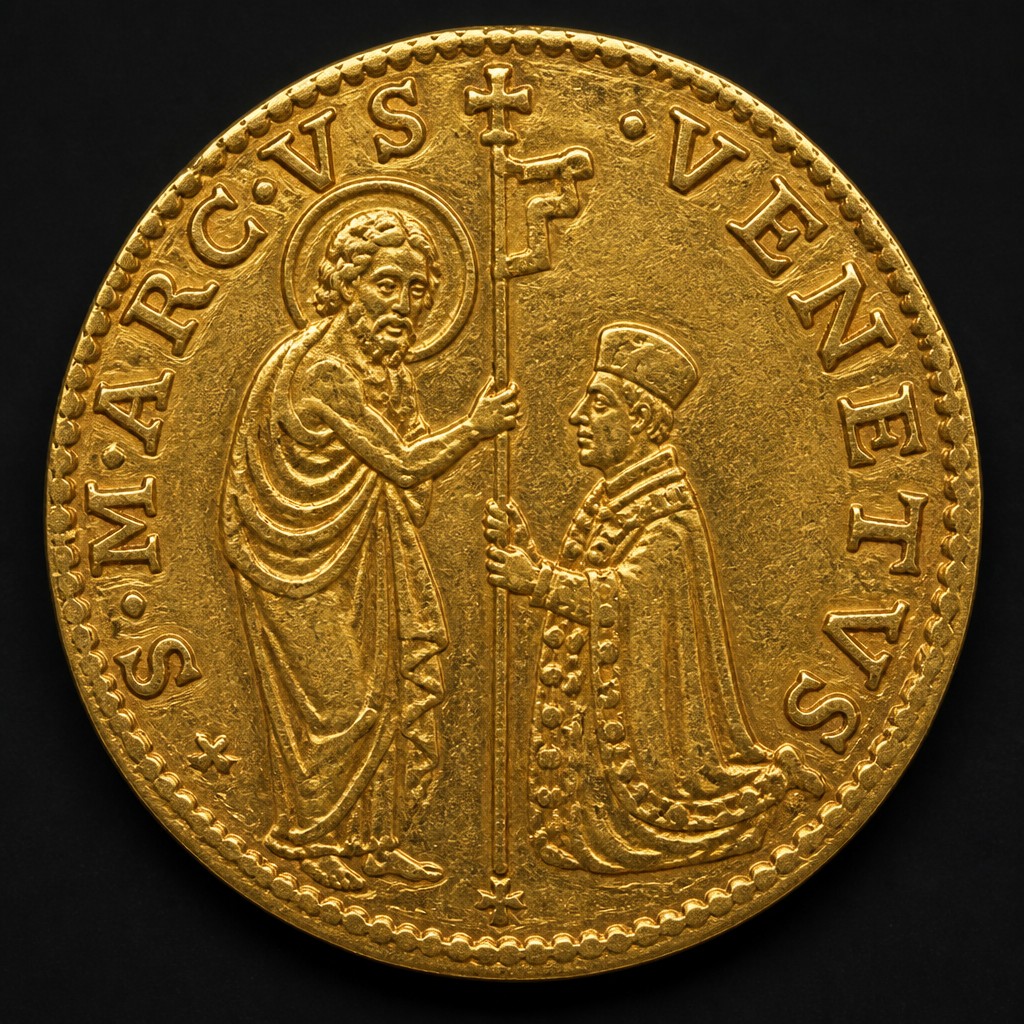
Venetian Ducat
1284–1797
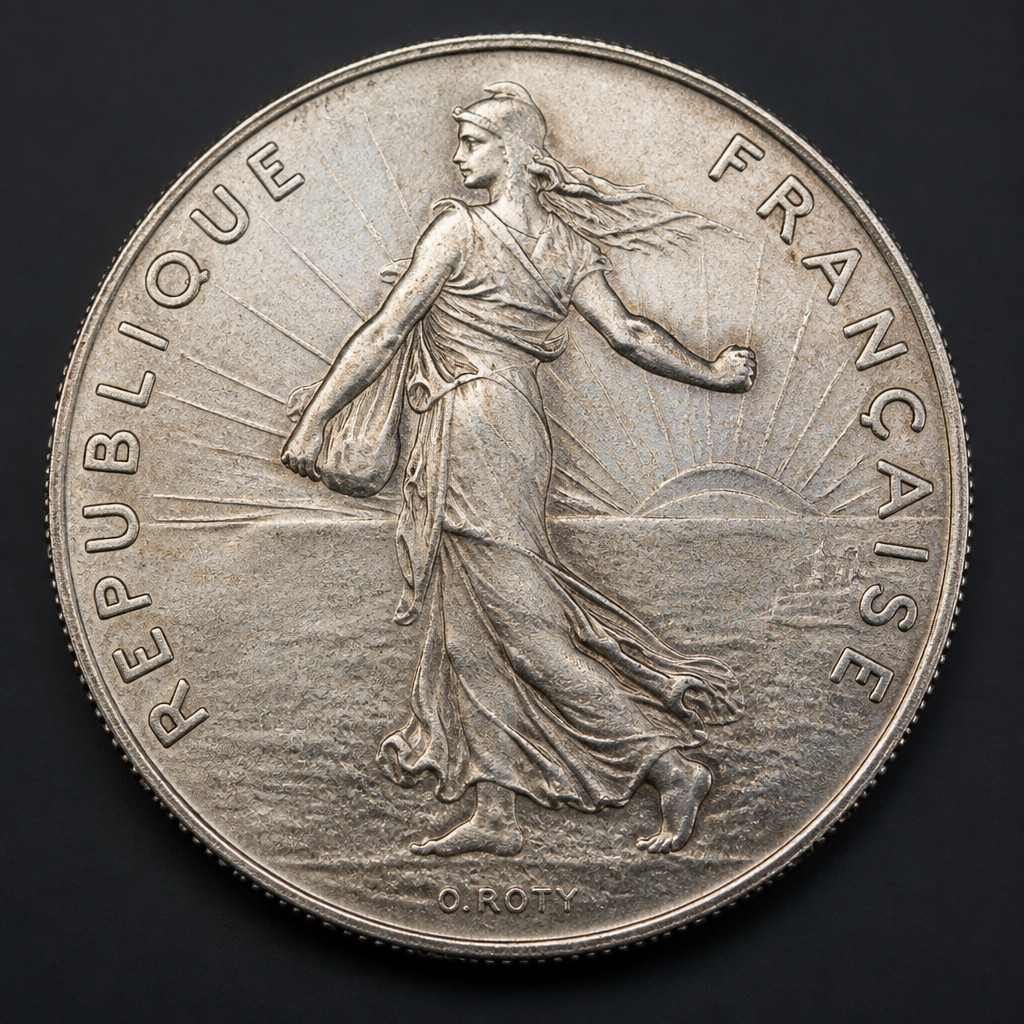
French 100 Francs Silver
1980s–2001 (pre-euro era)
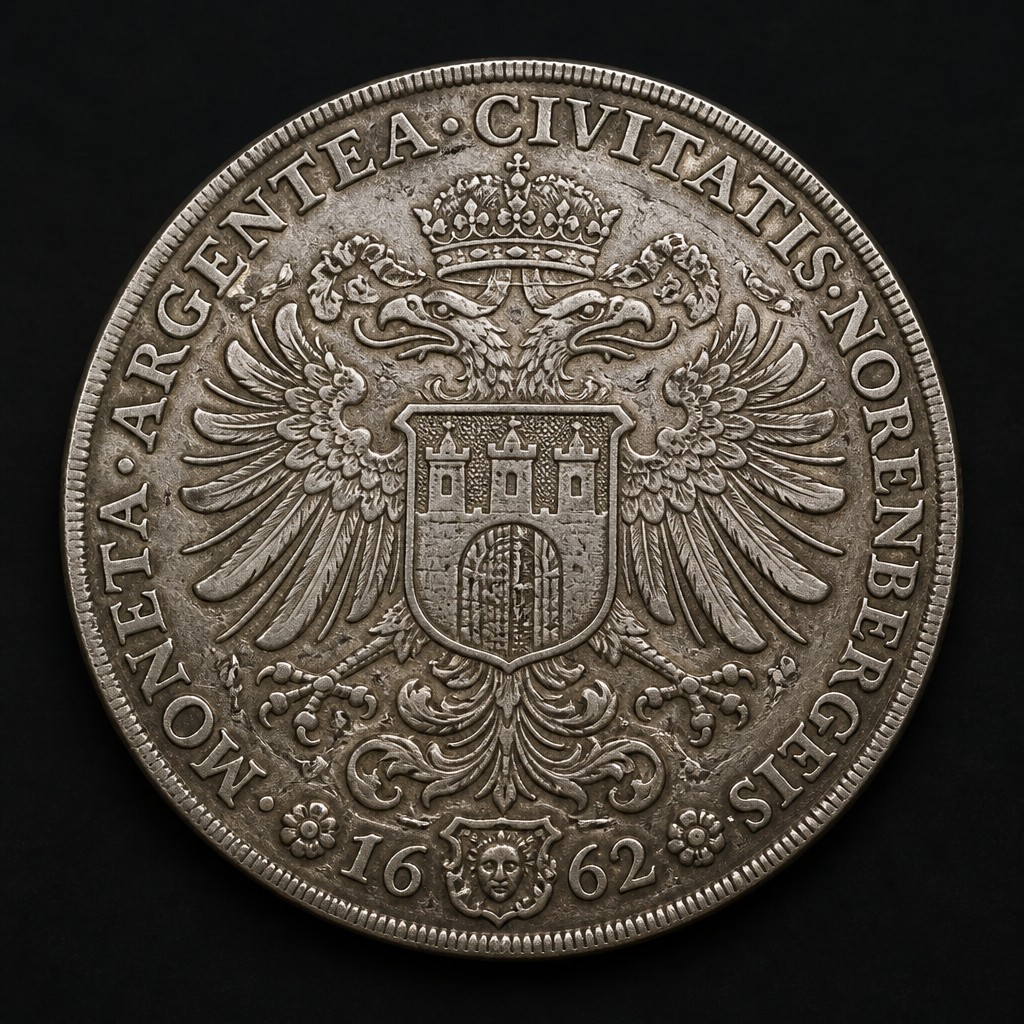
Nuremberg Thaler
16th–18th century
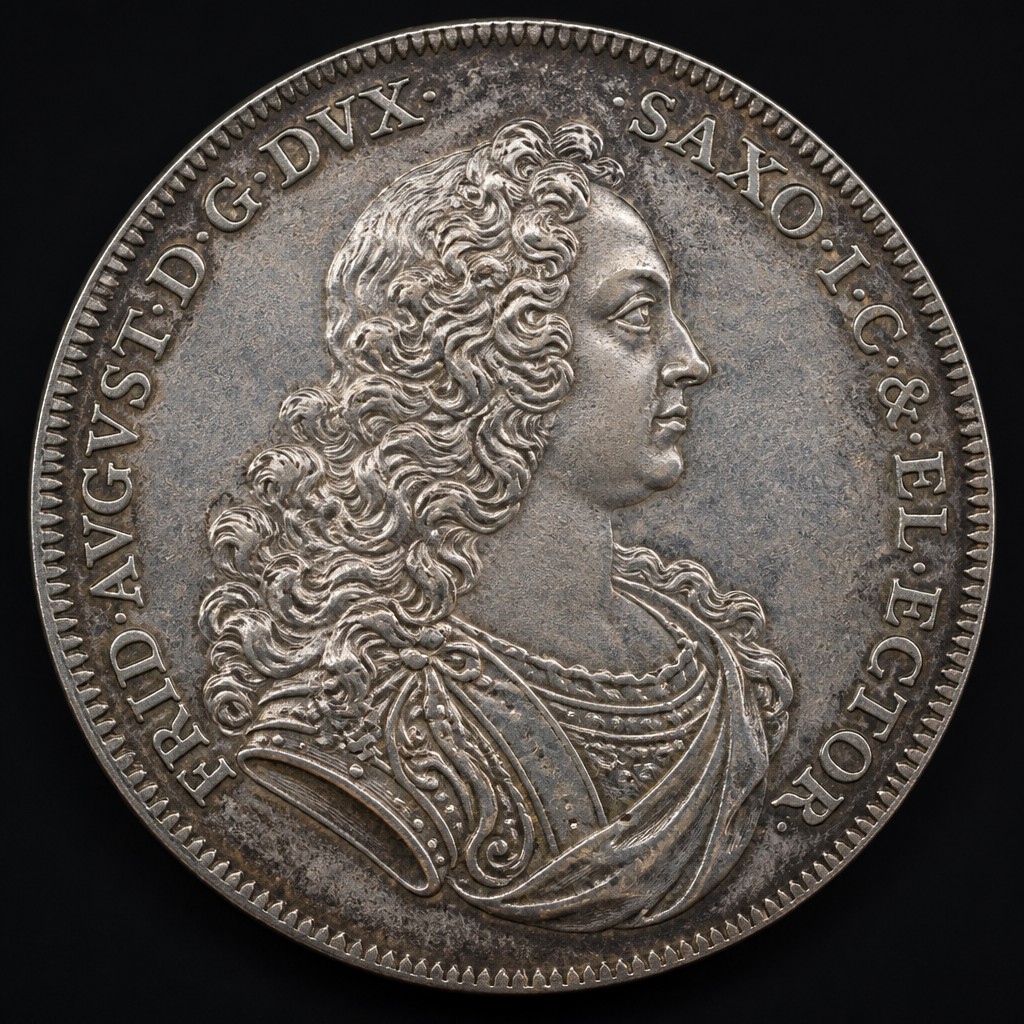
Saxon Speciestaler
17th–19th century
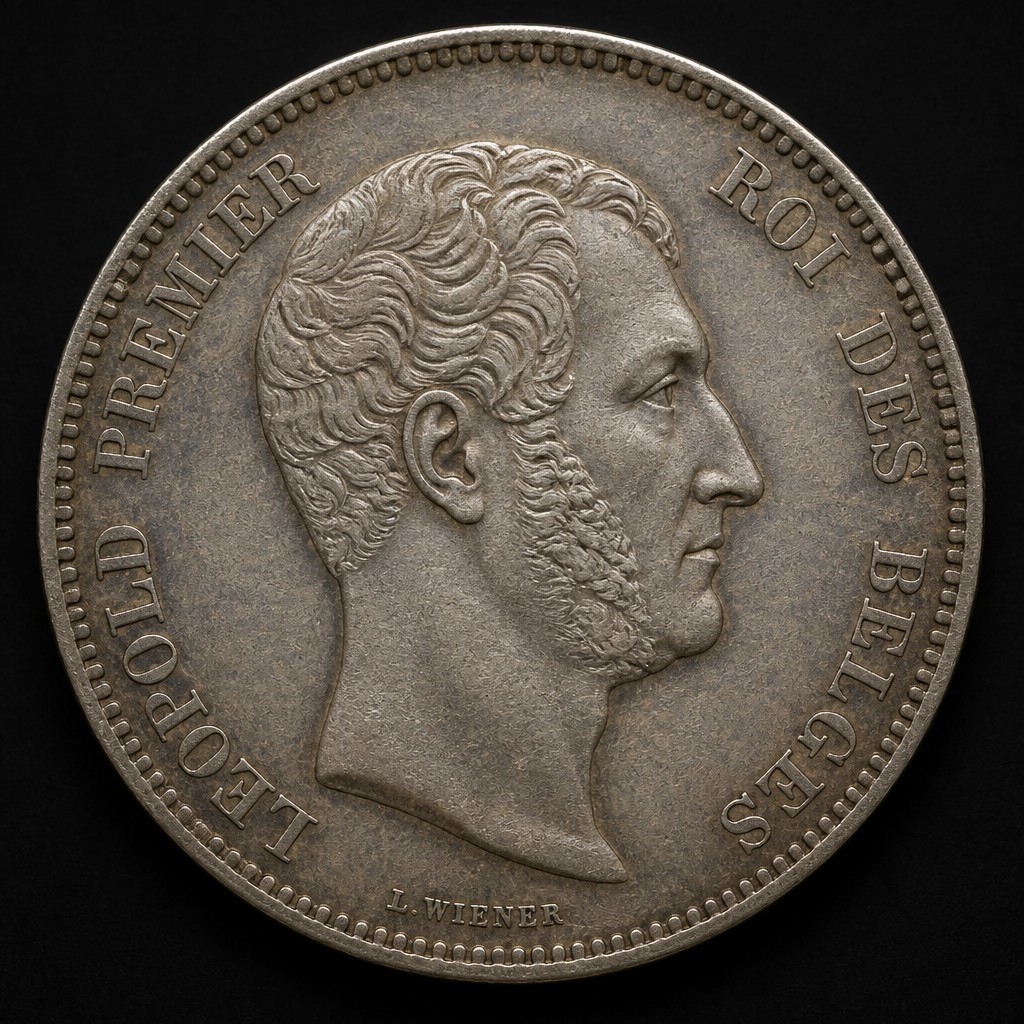
Belgian 5 Francs
1832–1876 (large silver type); later reduced-size and later-metal issues into the 20th century
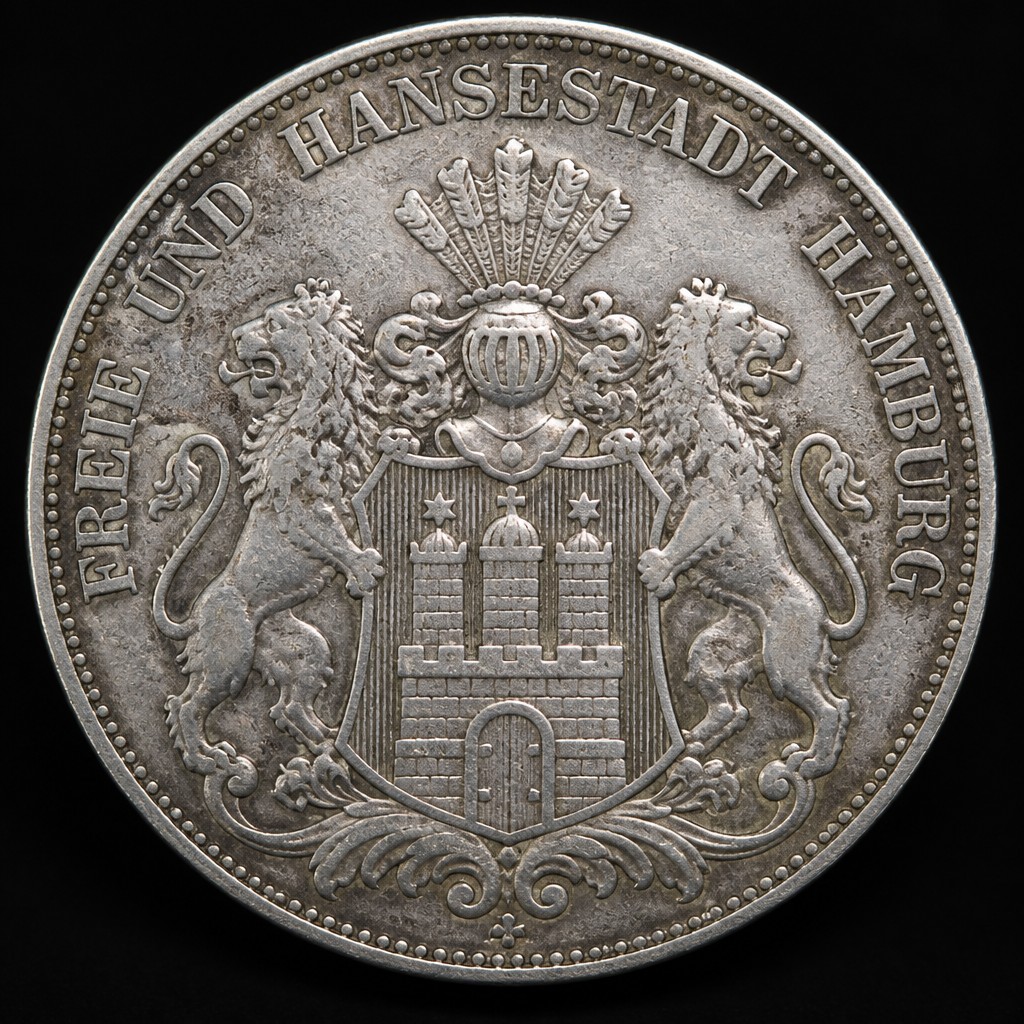
Hamburg Thaler
17th century–1871
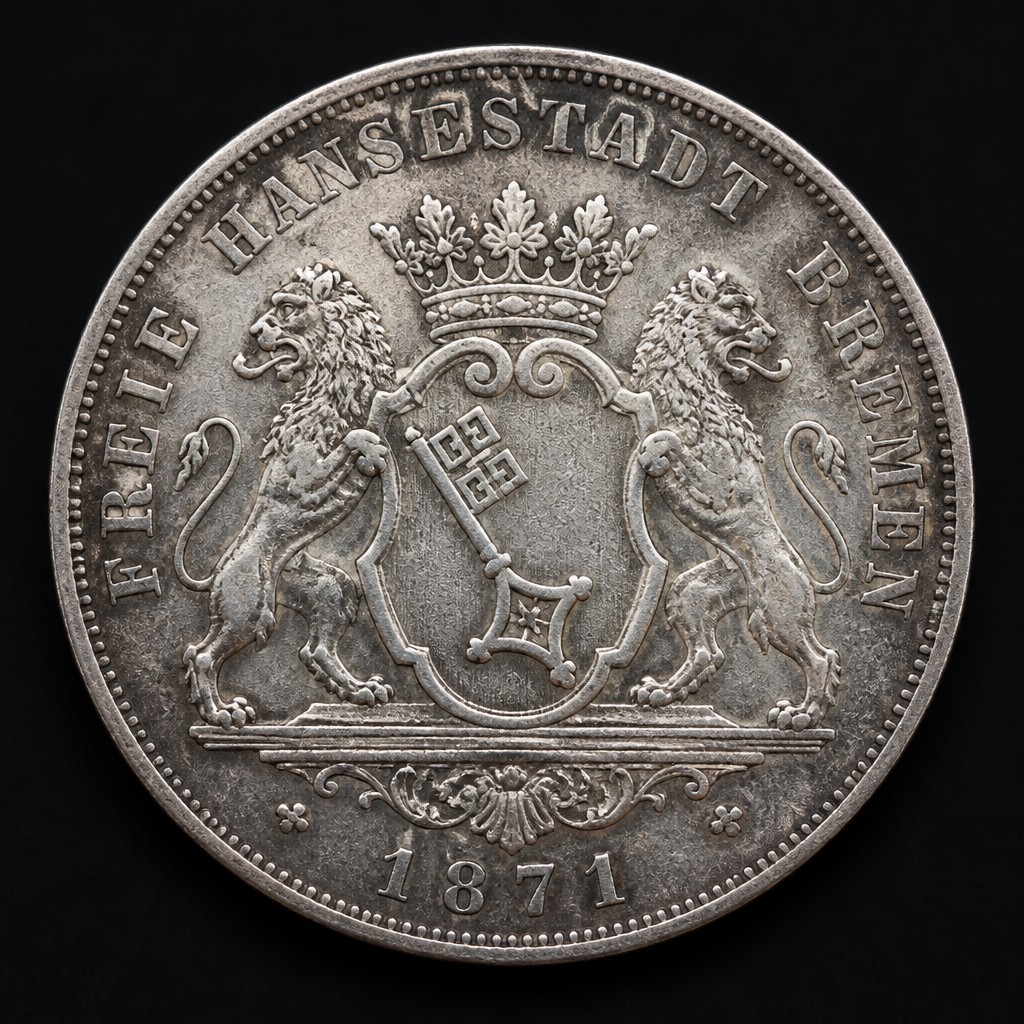
Bremen Thaler
17th century–1871
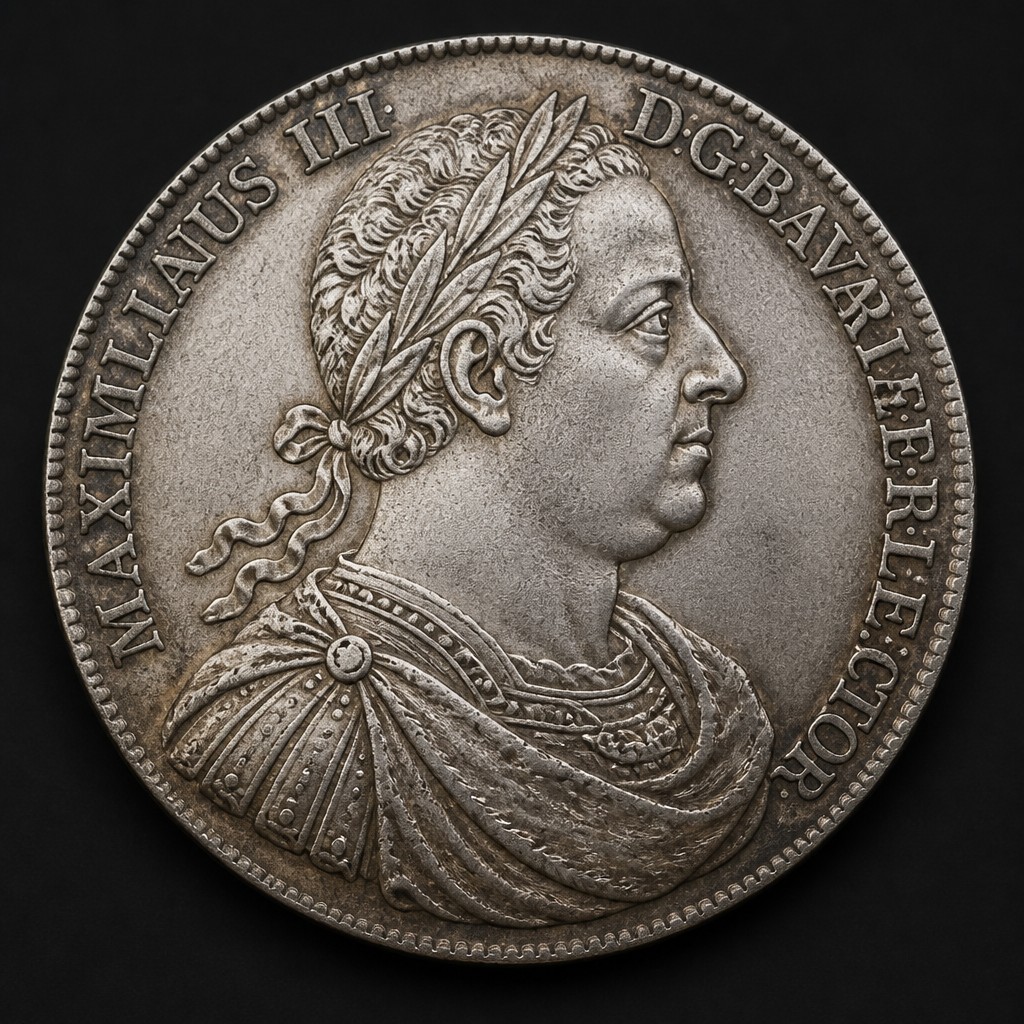
Bavaria Thaler
Circa 1620s-1871
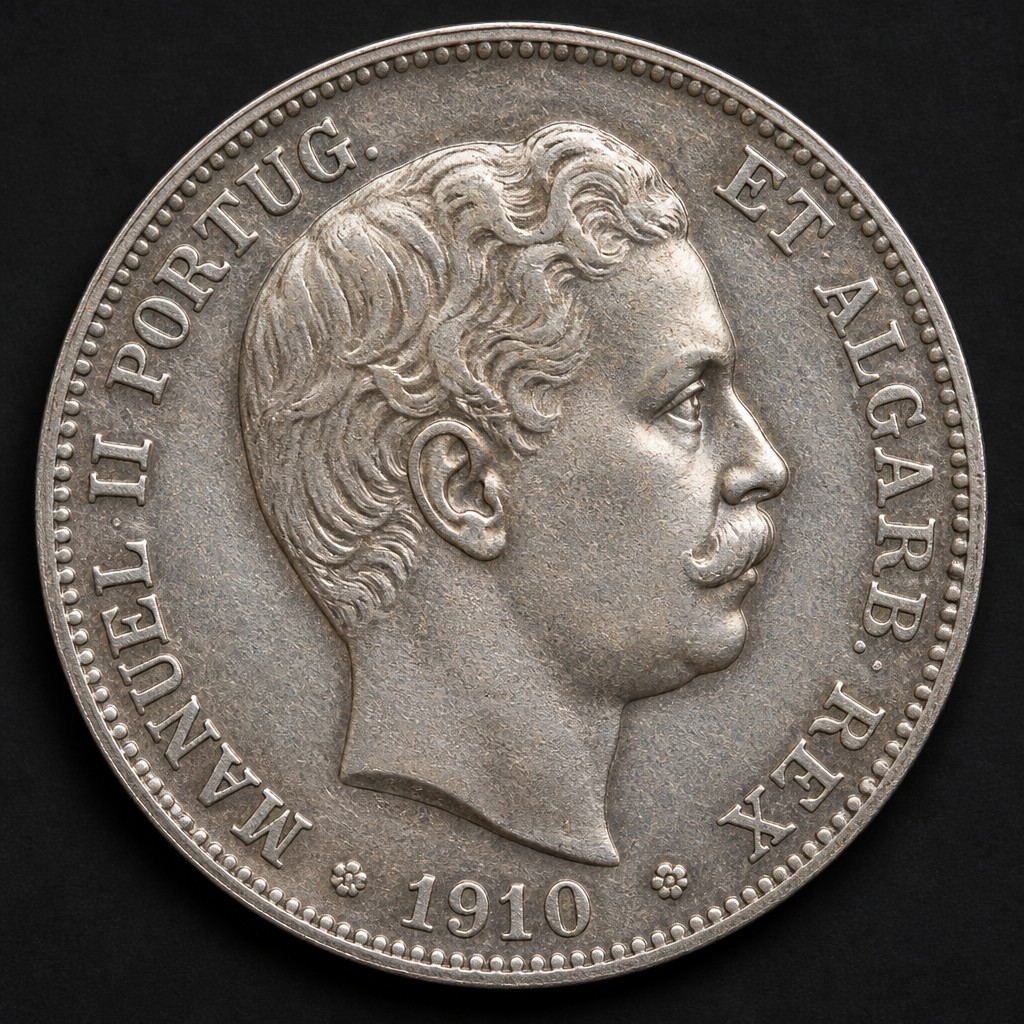
Portuguese 1000 Reis
19th century–1910 (Kingdom period)
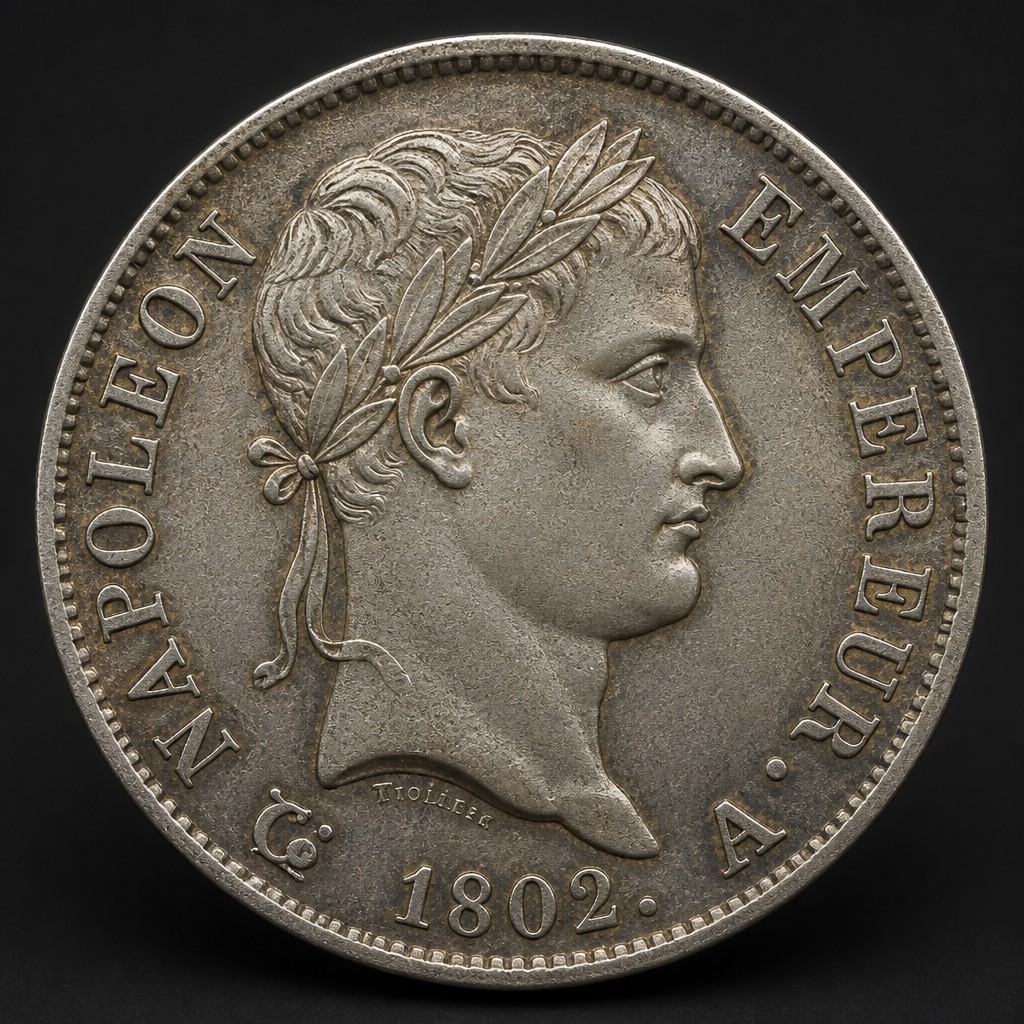
French 5 Francs "Napoleon"
1802–1815
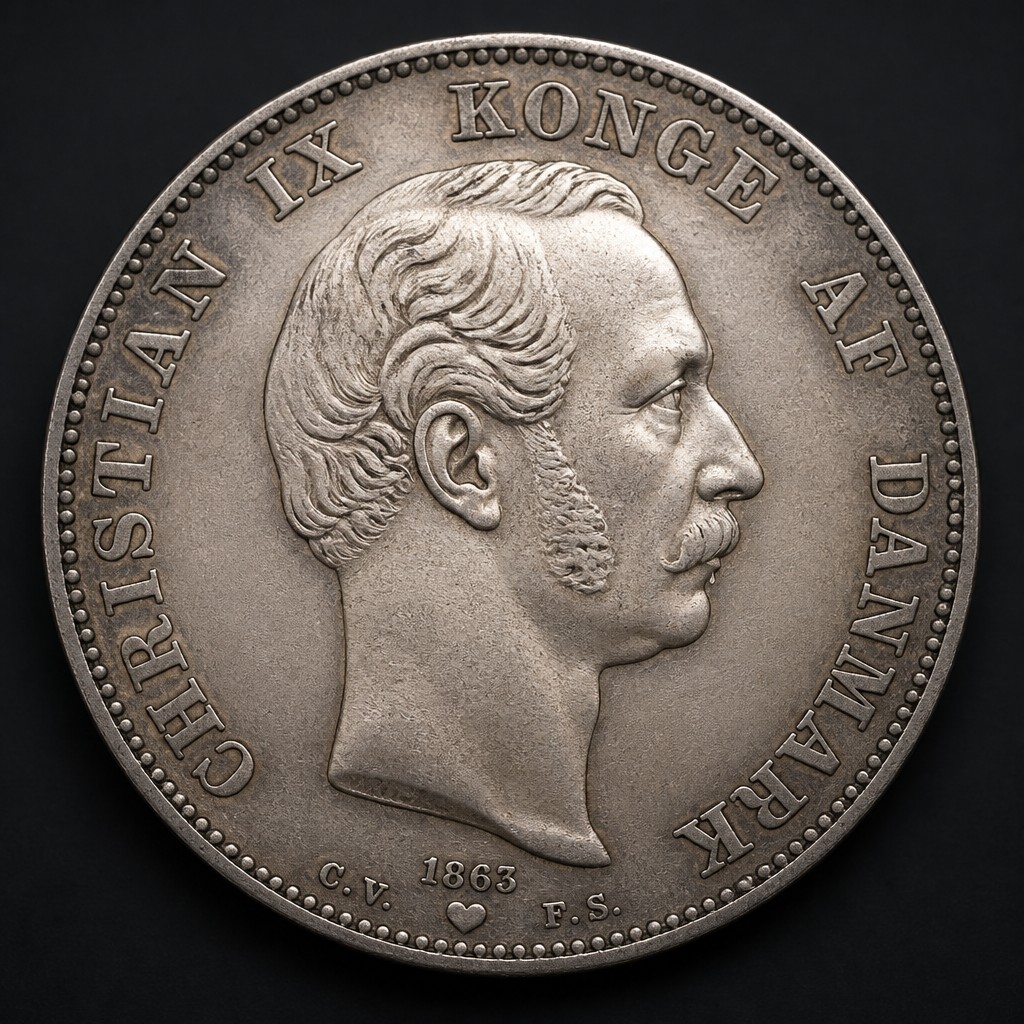
Danish 2 Rigsdaler
19th century (until 1873 currency reform)
Dutch Lion Daalder (Leeuwendaalder)
c. 1575–1713