
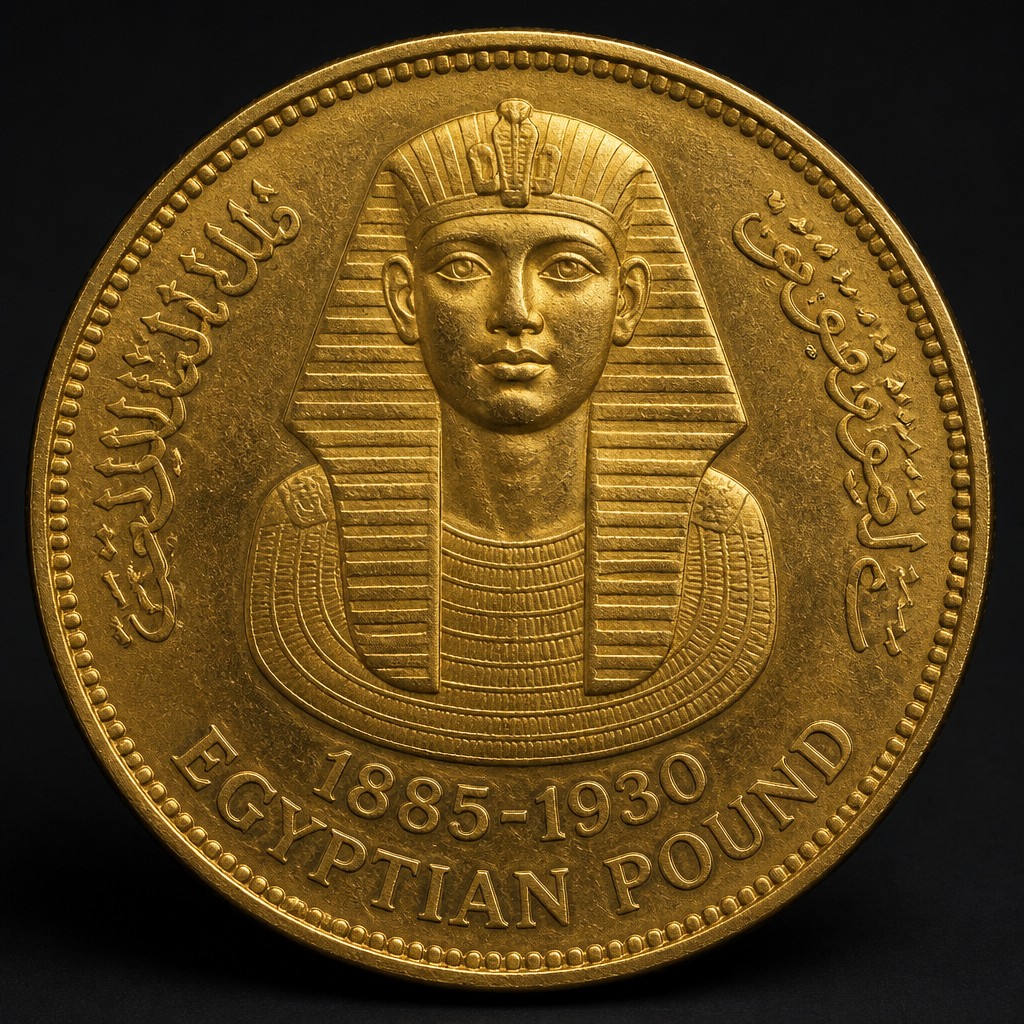
Egyptian Pound (gold)
Egypt's principal gold coin, struck from the Khedivate through the Sultanate and early Kingdom era, carrying the ruler's portrait or tughra and Arabic legends.
- Country
- Egypt
- Denomination
- 1 Pound (100 Piastres)
- Metal
- 0.875 or 0.900 fine gold
Got a coin like this?
Identify any coin from a photo, free.
Overview
The gold Egyptian pound was the top denomination of Egypt's coinage system during the late Ottoman-vassal Khedivate, the British-protected Sultanate, and the early independent Kingdom of Egypt. Equal to 100 piastres, it functioned both as circulating high-value money and as a store of wealth, much like other gold pound and sovereign-type coins issued around the world in the same era.
Gold pounds were struck under several rulers, including Khedive Tewfik, Khedive Abbas Hilmi II, Sultan Hussein Kamel, Sultan Fuad (later King Fuad I), and briefly under King Farouk. Because gold coinage of this size was expensive to produce and mostly hoarded or exported rather than spent, surviving examples in worn circulated grades are less common than one might expect for a coin struck across several decades.
Today the coin is collected both by Egyptian and Middle Eastern numismatists and by generalist gold-coin collectors, and it also holds interest as a bullion piece owing to its substantial gold content.
History & Background
Egypt began striking a modern decimal coinage under Khedive Muhammad Tewfik in the 1880s, after currency reforms brought the pound (junayh) into line with British and European gold-standard practice while Egypt remained nominally under Ottoman suzerainty and increasingly under British influence following the 1882 occupation. The gold pound anchored this system as the principal high-value coin.
Production continued under subsequent rulers as Egypt's constitutional status changed: from Khedivate to Sultanate under British protectorate in 1914, and then to the nominally independent Kingdom of Egypt from 1922. Portraits or tughras changed with each ruler, but the pound's weight and fineness stayed broadly consistent so that the coin remained a recognizable, gold-standard unit of value.
Gold pound coinage tapered off in the 1930s as Egypt, like much of the world, moved coinage away from full-value gold circulation, and the denomination survived afterward mainly as a commemorative and bullion issue rather than a workhorse circulating coin.
How to Identify
Obverse designs vary by ruler: earlier issues (Tewfik, Abbas Hilmi II) show a stylized Ottoman-style tughra or the ruler's name in Arabic script within a decorative border, while later Kingdom-era coins (Fuad, Farouk) show a more Western-style profile portrait of the monarch with his name and titles in Arabic. The reverse typically states the denomination, date (often in both Hijri and Gregorian, or Hijri only on earlier issues), and mint details within a wreath or decorative frame.
The coin is small and heavy for its size, roughly 21 mm in diameter with a gold content in the range of about a quarter troy ounce, so it feels notably dense compared to base-metal coins of similar diameter. Edges are typically reeded.
Collectors distinguish rulers primarily by the portrait or tughra style and by the accompanying titles (Khedive, Sultan, or Malik/King), and dates should be checked against known reign years since forgeries and later restrikes of Middle Eastern gold coins are not uncommon in the market.
Value & Collectibility
Value is driven heavily by gold content as a floor, with numismatic premiums layered on top depending on ruler, date, mint state, and overall rarity of that particular type. Common dates in worn condition often trade close to bullion value plus a modest premium, while well-preserved examples of scarcer rulers or short-lived issues can bring meaningfully more.
As a rough guide, circulated common-date gold pounds have often traded in the low hundreds of dollars range tied to the gold market, while choice uncirculated or rarer ruler/date combinations can reach several hundred to over a thousand dollars; exceptional pieces can exceed that. Because prices track the gold market closely, buyers should always weigh current spot gold prices alongside numismatic rarity.
Authentication matters more than usual with this series because of counterfeits and later official or unofficial restrikes; buying from reputable dealers or using professional grading services is advisable for higher-value pieces.
Frequently asked questions
How much gold does an Egyptian gold pound contain?
Most issues are struck in gold fineness around .875 to .900, with the coin's overall gold content amounting to roughly a quarter troy ounce, though exact figures vary slightly by date and ruler.
Which rulers appear on the Egyptian gold pound?
Depending on the date, the coin can show a tughra or name of Khedive Tewfik or Abbas Hilmi II, Sultan Hussein Kamel or Fuad, or King Fuad I or Farouk as portraiture and titles evolved with Egypt's political status.
Is the Egyptian gold pound the same as a sovereign?
It is a comparable gold-standard denomination but not identical to the British sovereign; the two have different weights, designs, and national origins even though both functioned as prestige gold coins of their era.
Why are worn examples of some dates hard to find?
Gold coins this valuable were frequently hoarded, melted, or exported rather than used in daily commerce, so circulated survivors of certain rulers or years can be scarcer than mintage figures alone might suggest.
Other coins you may enjoy
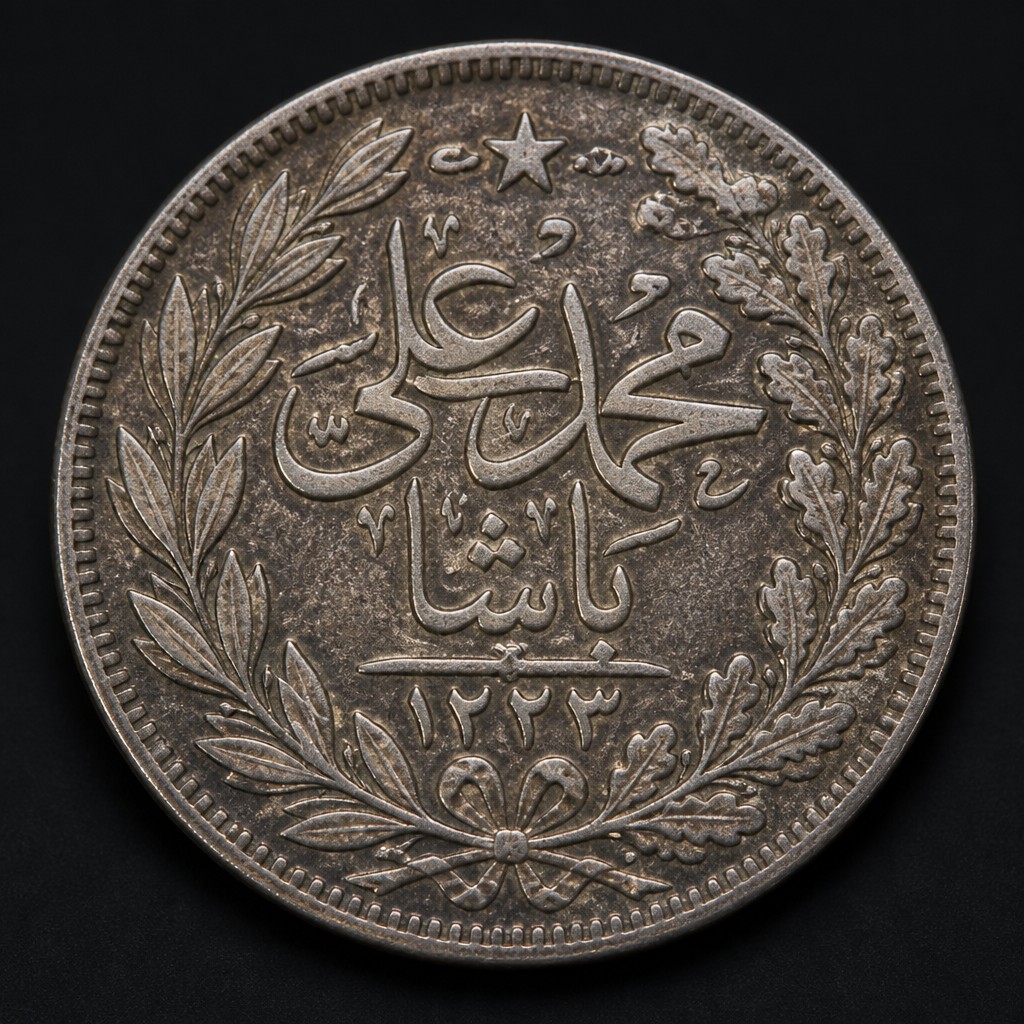
Egyptian Qirsh (Muhammad Ali Era)
Early-to-mid 19th century (c. 1805–1848)
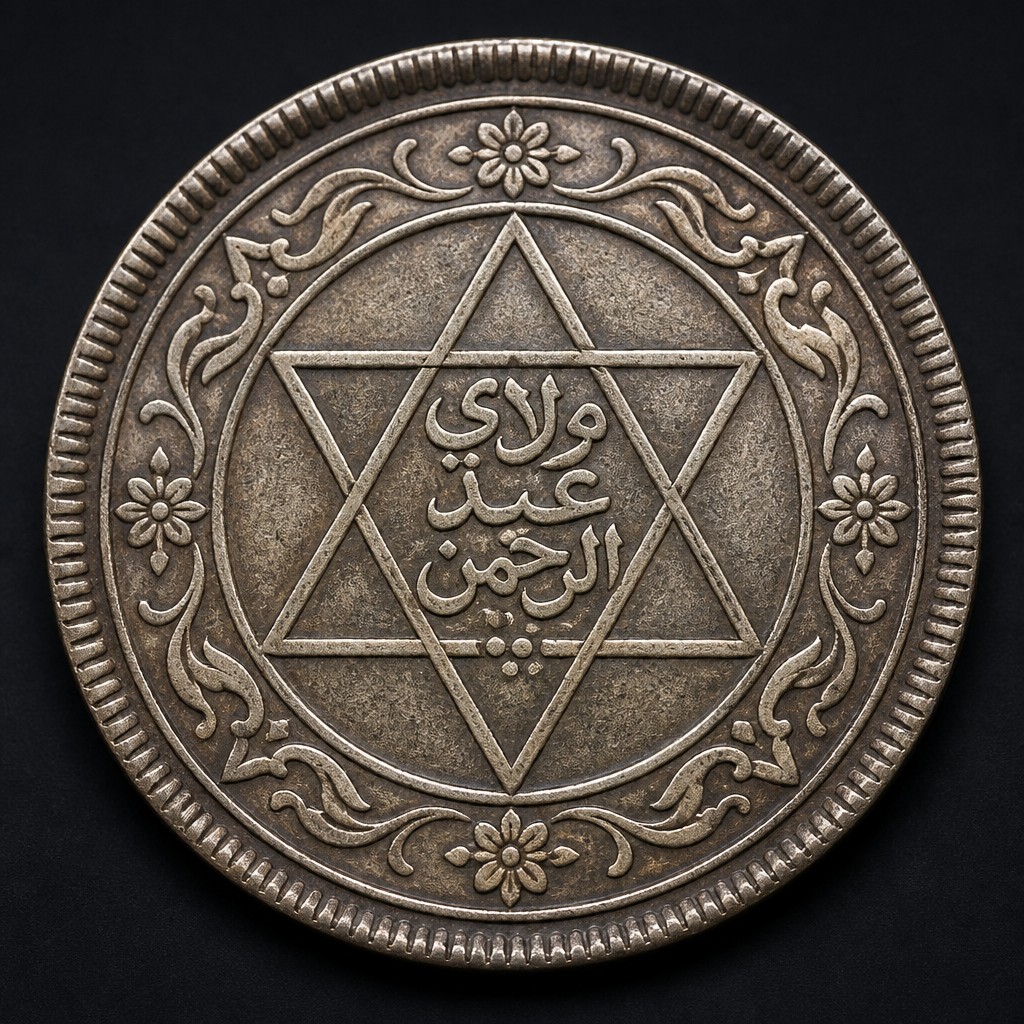
Moroccan Rial (Alawi Dynasty Coinage)
18th–19th century (pre-protectorate era)
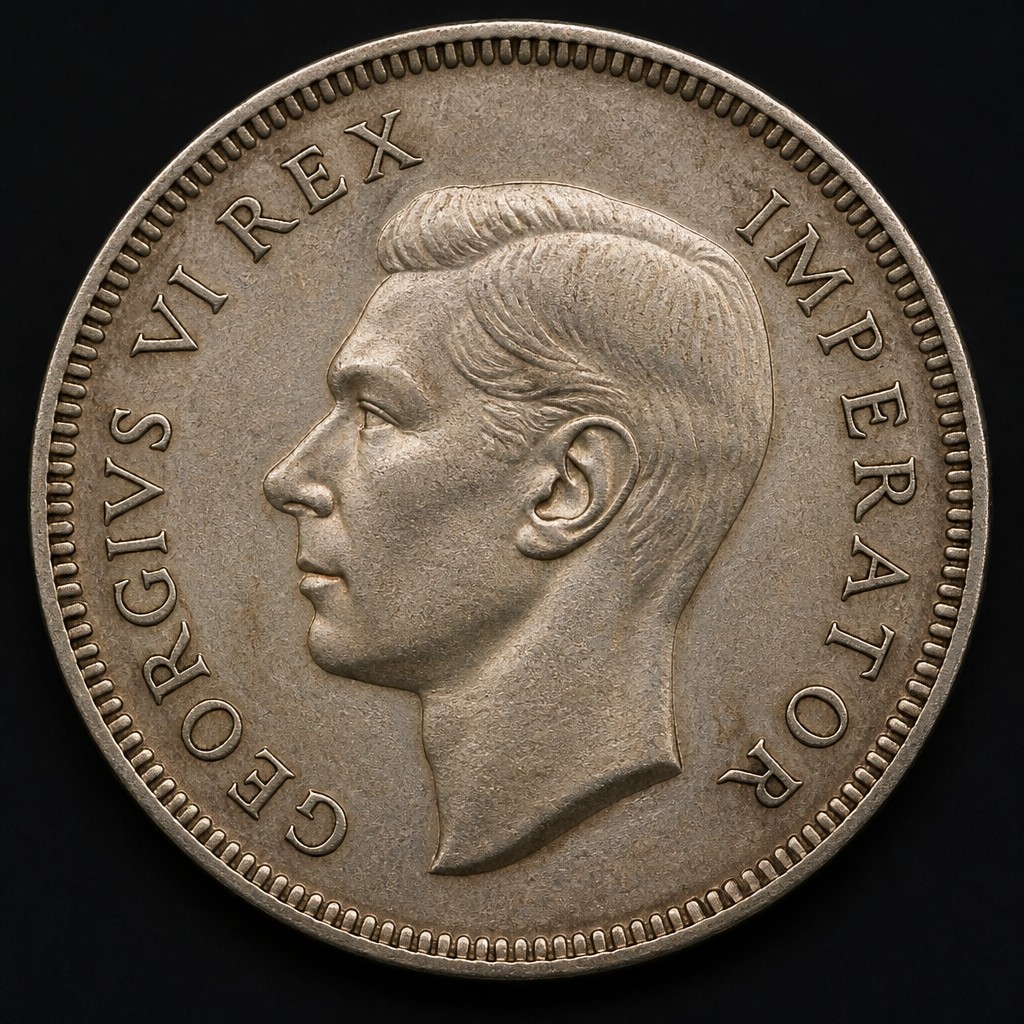
South African Sixpence (Union)
1923-1960
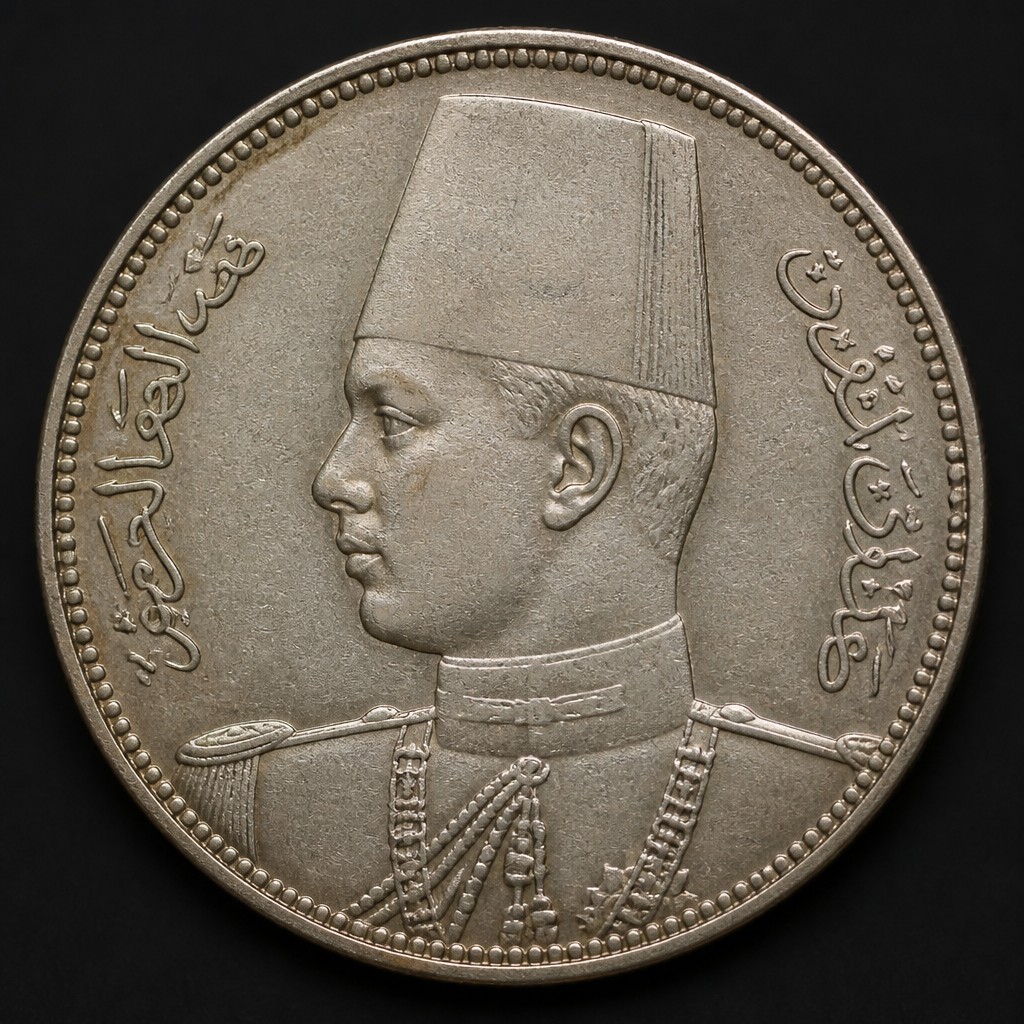
Egyptian Farouk 5 Piastres
1937-1952
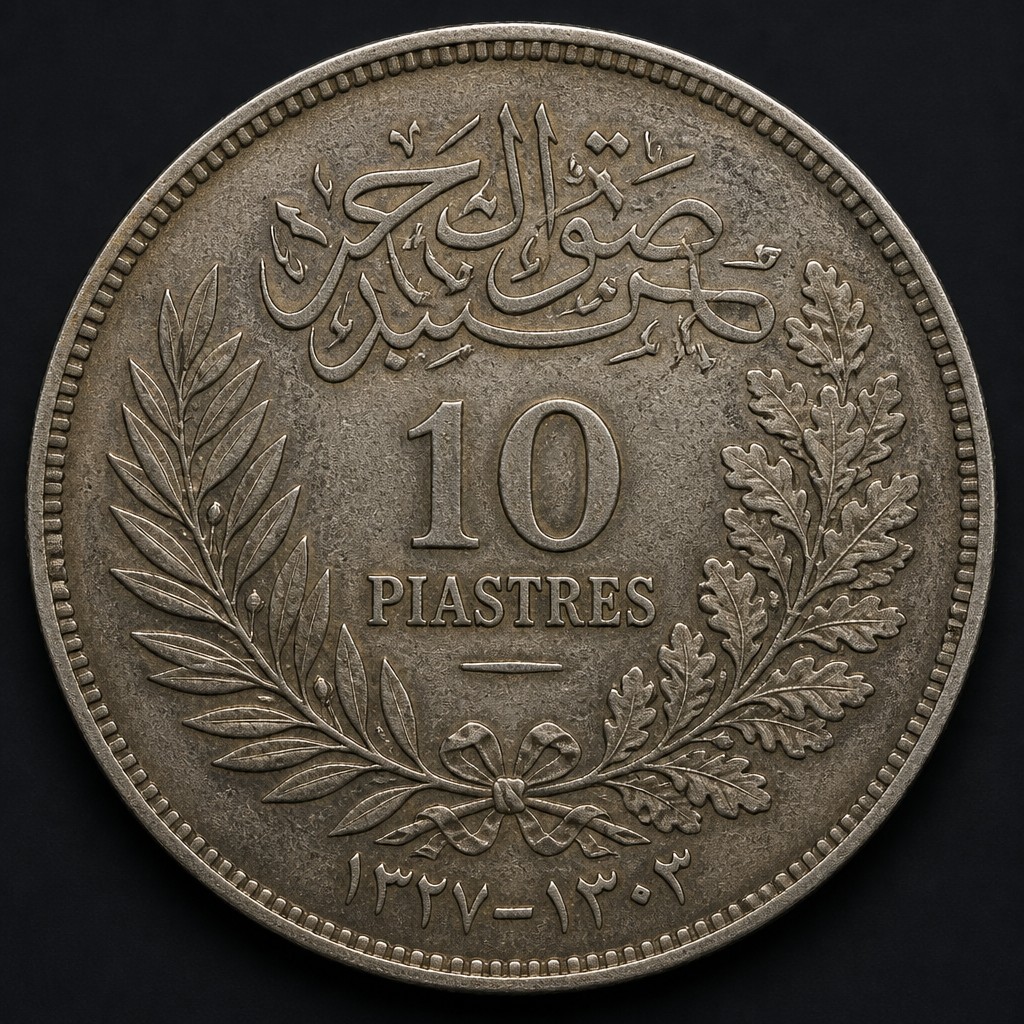
Egyptian 10 Piastres (silver)
1885–1939
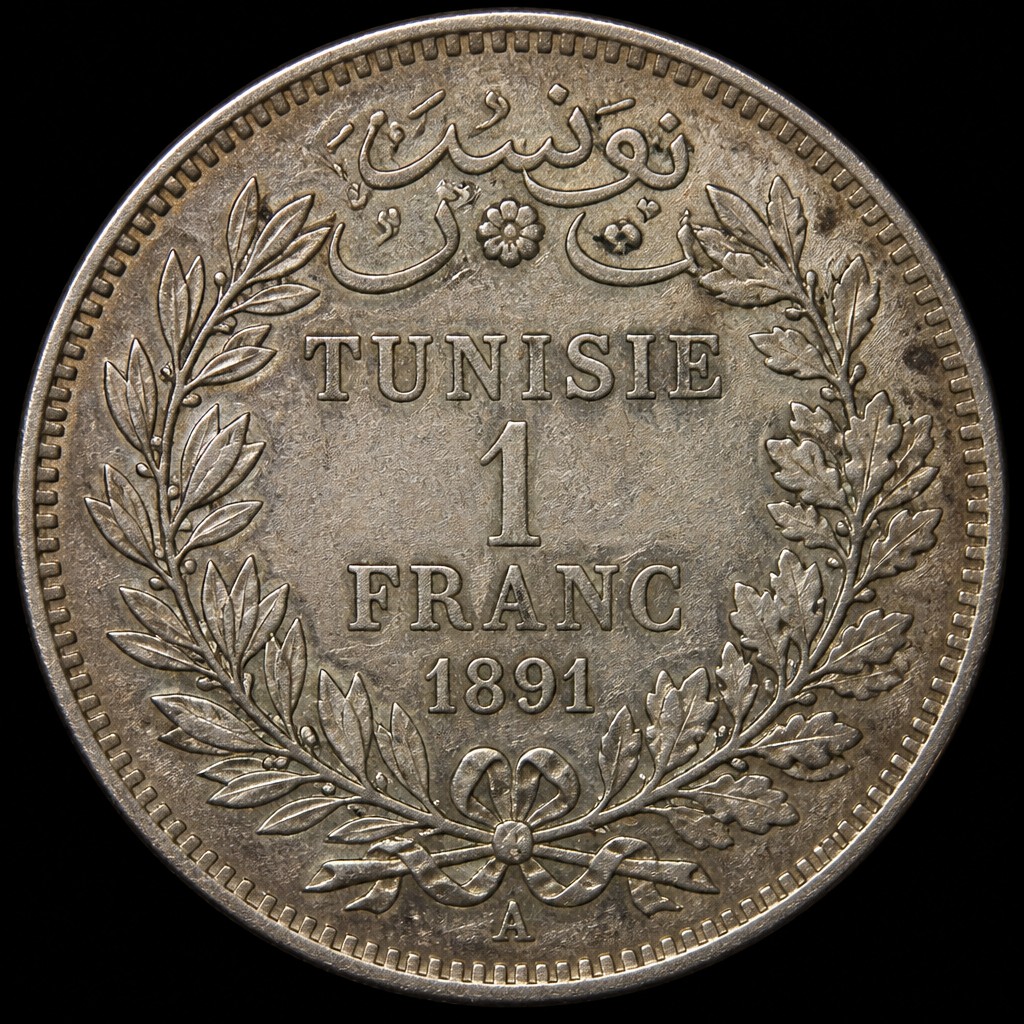
Tunisian Franc (Beylik Era)
Late 19th–early 20th century (c. 1891–1957 transition)
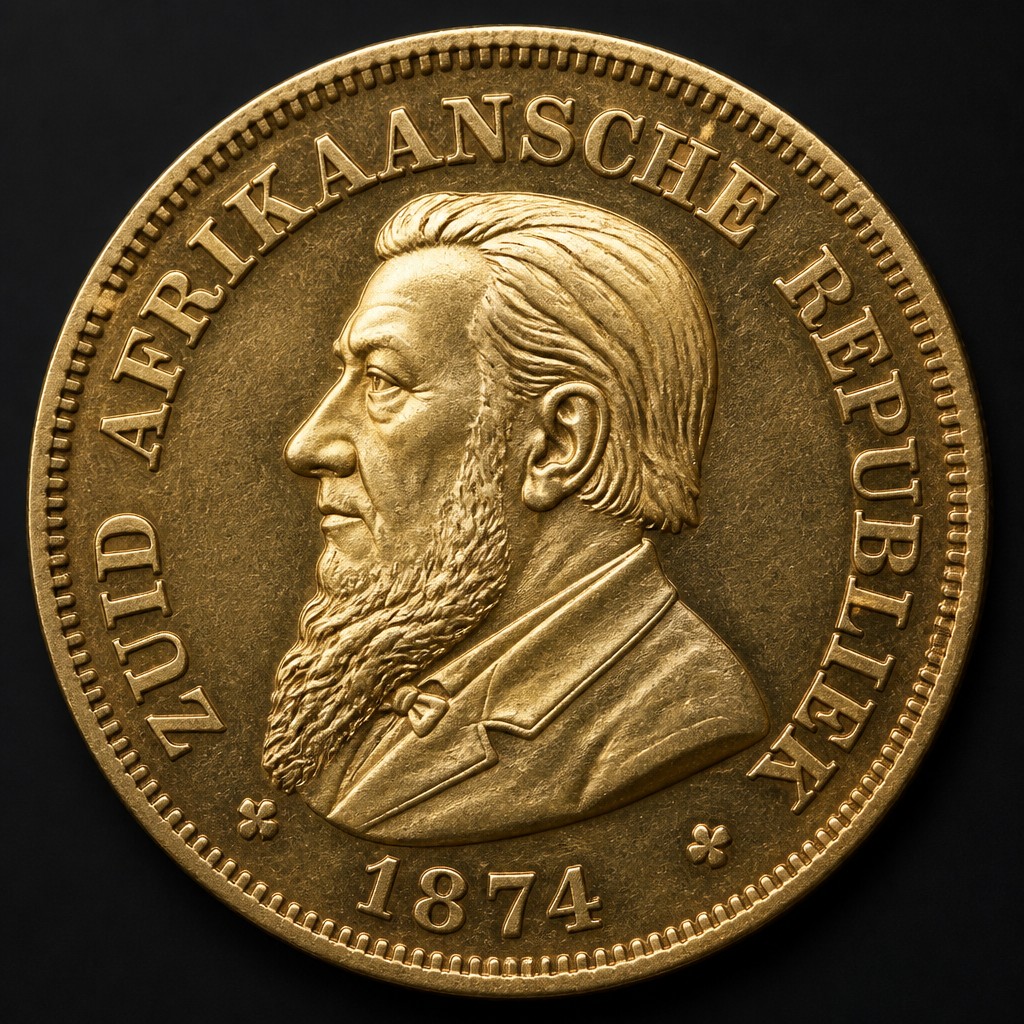
South African Republic Burgers Pond
1874
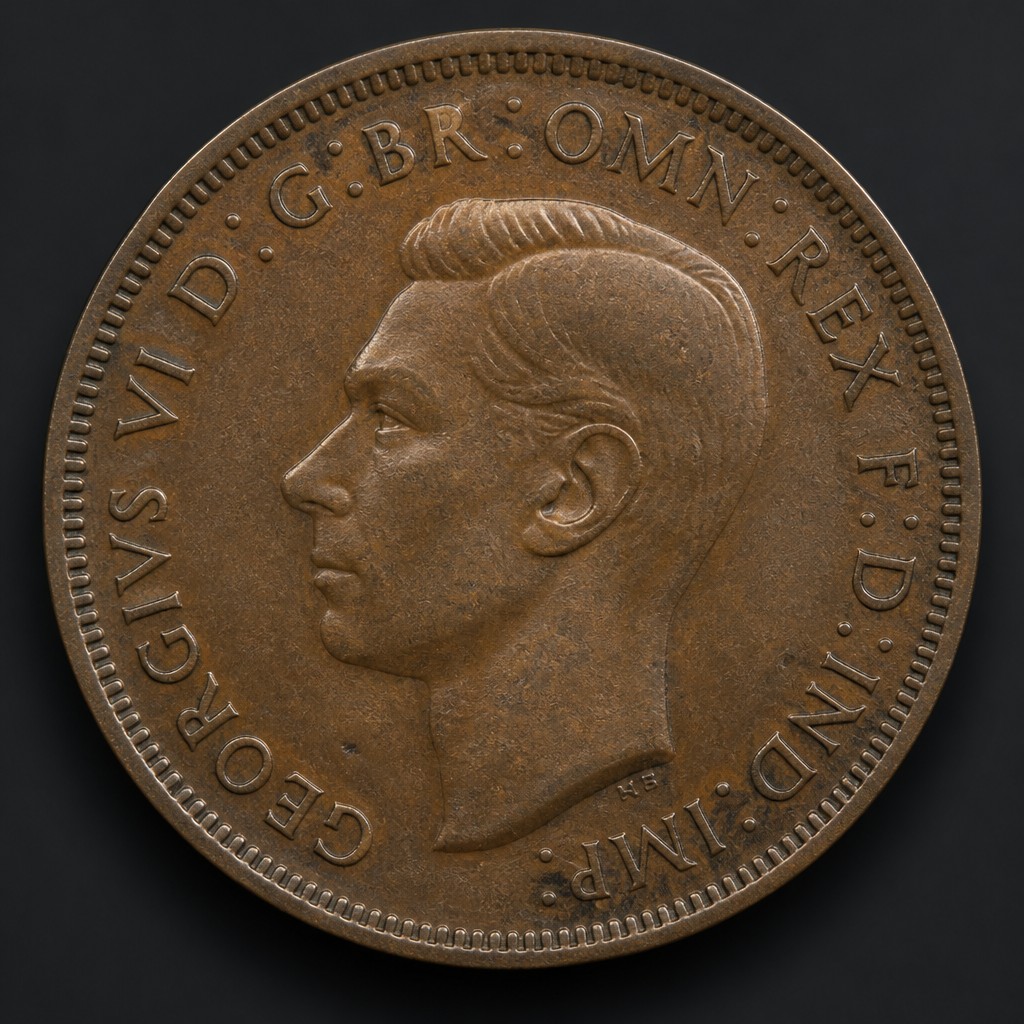
New Zealand Penny (KGVI)
1937-1952
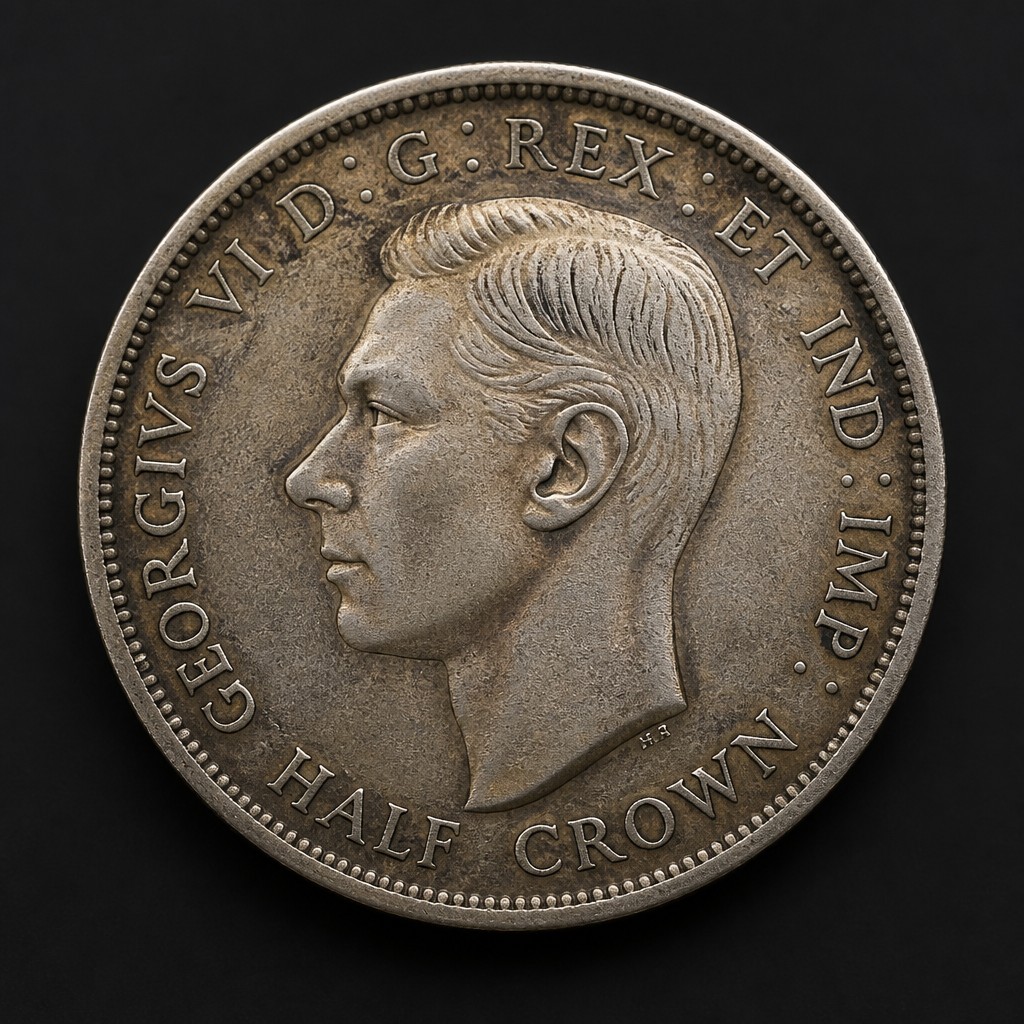
New Zealand Half Crown (pre-decimal)
1933-1965
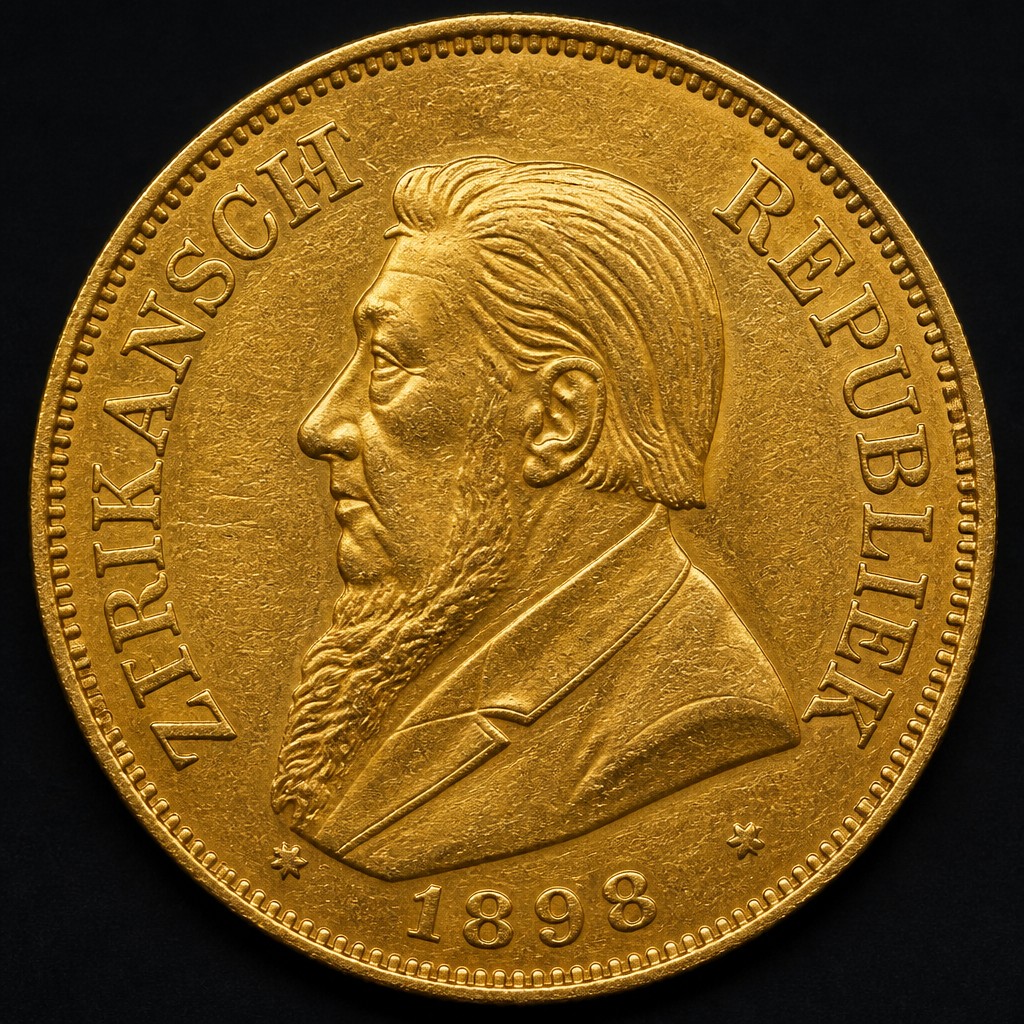
South African ZAR Kruger Pond
1892-1900
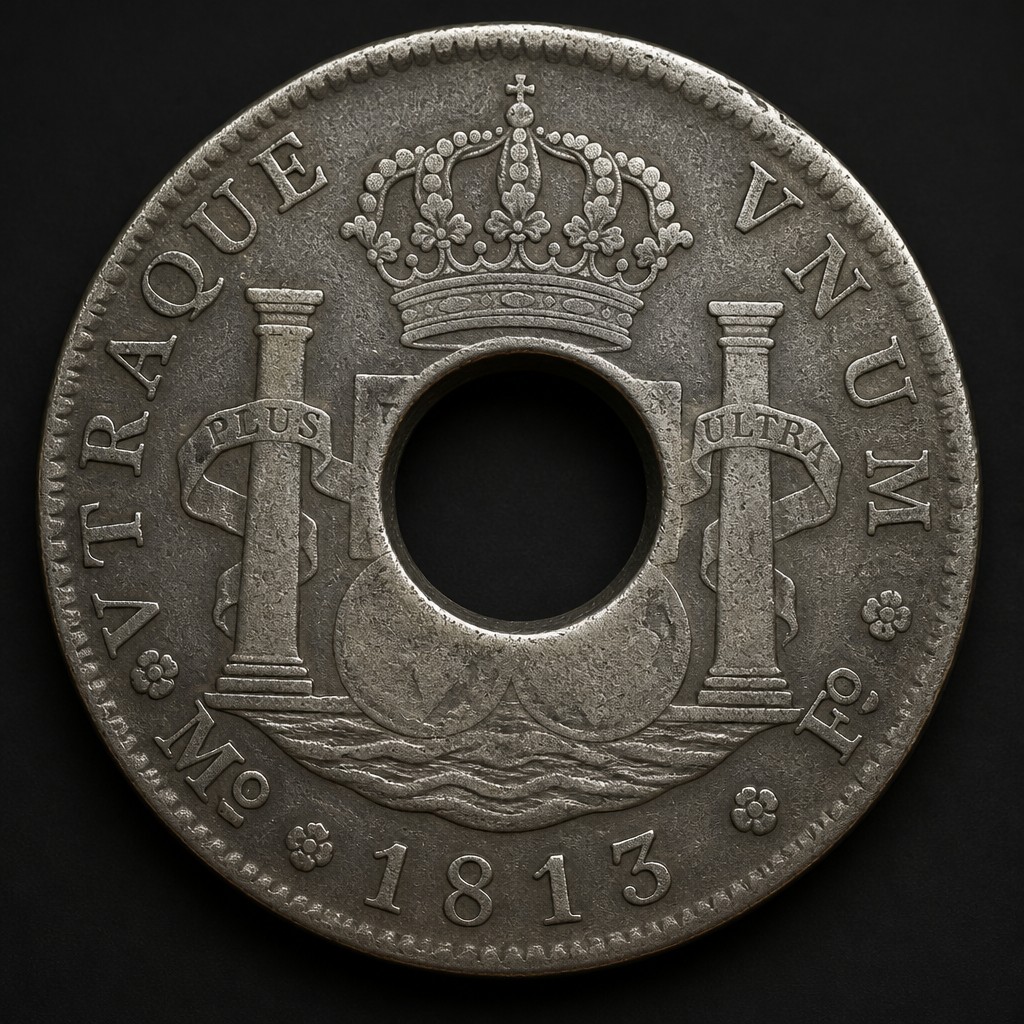
Australian Holey Dollar and Dump
1813
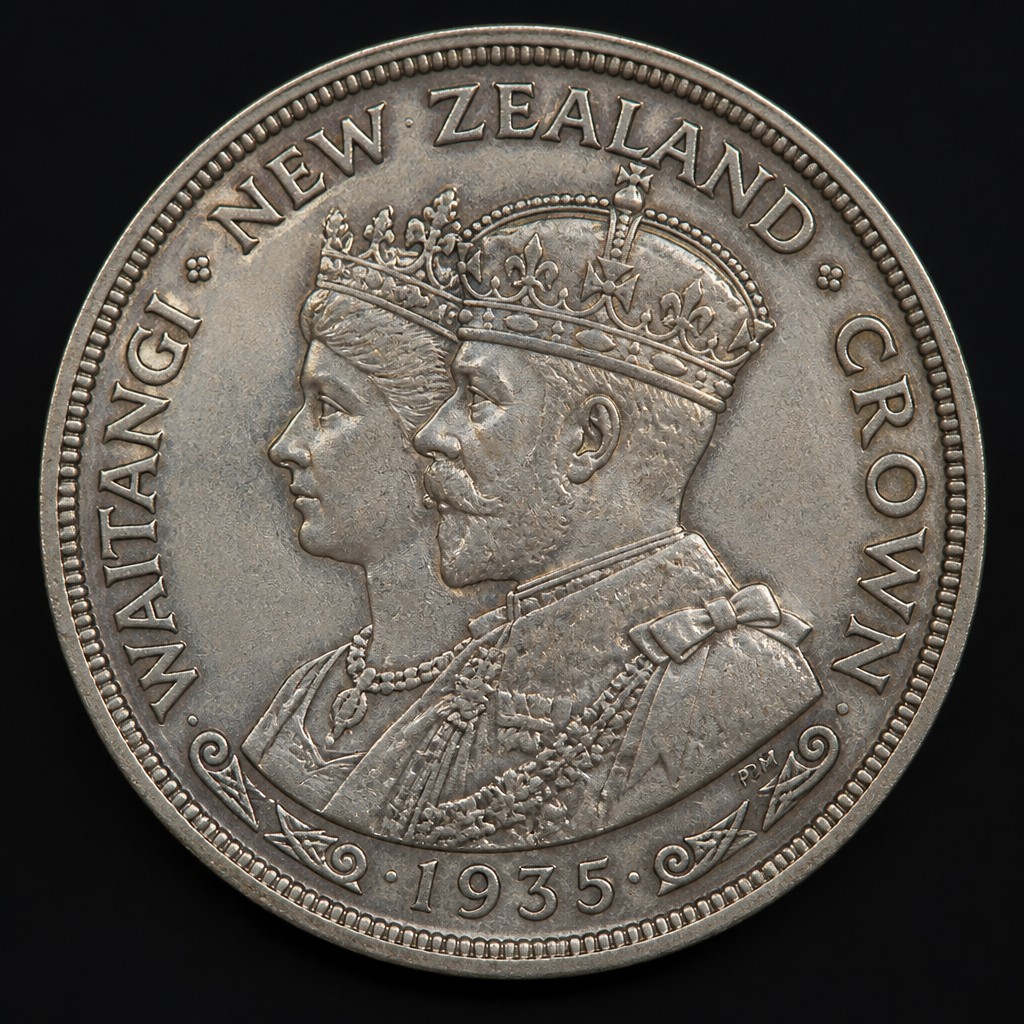
New Zealand Waitangi Crown (1935)
1935