
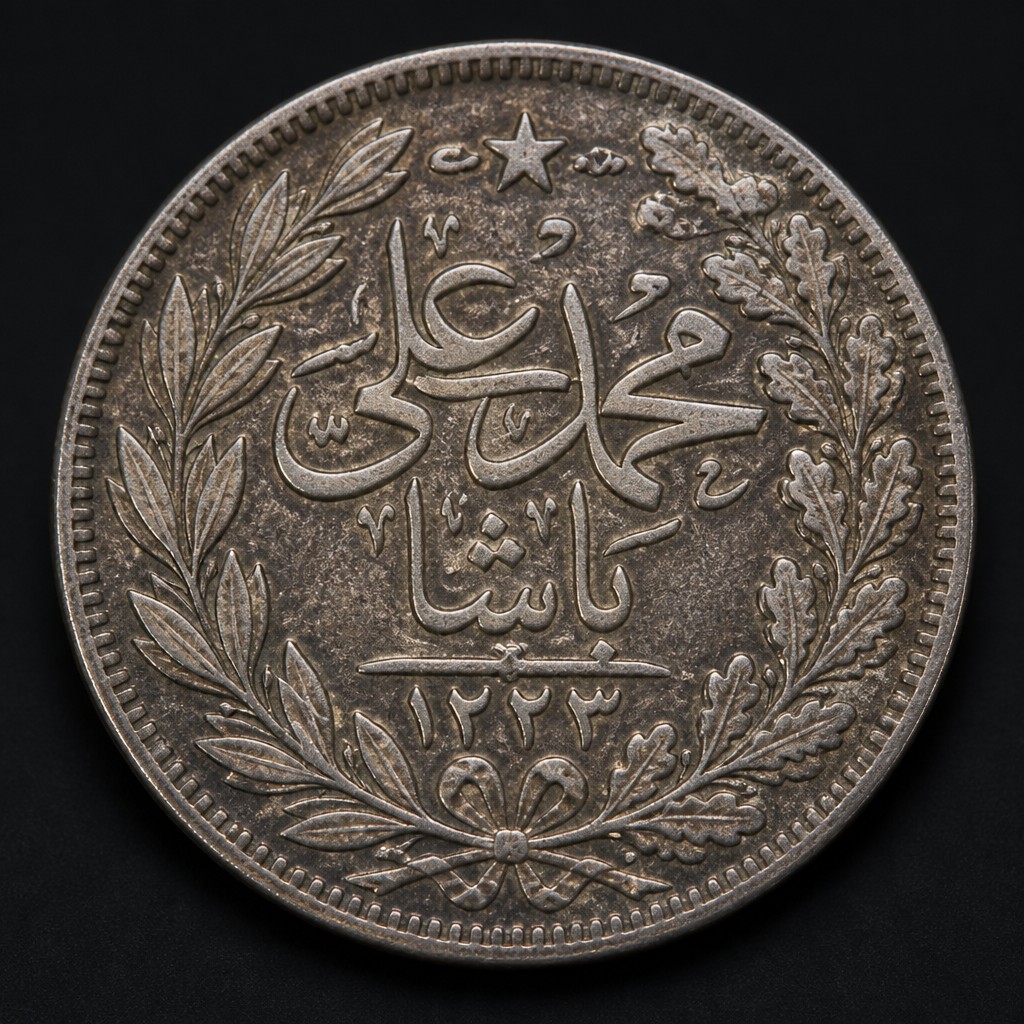
Egyptian Qirsh (Muhammad Ali Era)
Silver-billon piastre struck in Egypt under Muhammad Ali Pasha in the name of the Ottoman Sultan, reflecting Egypt's growing autonomy within the empire.
- Country
- Egypt (Ottoman Egypt under Muhammad Ali)
- Denomination
- 1 Qirsh (Piastre)
- Metal
- Billon or silver, with related copper para issues
Got a coin like this?
Identify any coin from a photo, free.
Overview
The qirsh, commonly rendered in English as the piastre, was Egypt's standard coin denomination during the reign of Muhammad Ali Pasha, the Ottoman governor who transformed Egypt into a semi-autonomous, modernizing state in the early 19th century. Though struck in the name of the reigning Ottoman sultan, as protocol required, the coinage was produced at Egypt's own Cairo mint and reflected Muhammad Ali's broader program of economic and administrative reform.
These coins circulated alongside smaller para denominations, with the qirsh serving as the primary unit of account for everyday transactions in a currency system that Muhammad Ali worked to stabilize and standardize as part of his effort to build an independent Egyptian economic and military base.
As Ottoman provincial coinage, Egyptian qirsh pieces from this era are studied both as artifacts of Egyptian history and as part of the broader story of 19th-century Ottoman monetary reform, since Muhammad Ali's mint innovations often outpaced changes in Istanbul itself.
History & Background
Muhammad Ali Pasha arrived in Egypt with an Albanian Ottoman military contingent and seized power amid the political chaos following the French withdrawal, being formally recognized as Ottoman governor (wali) of Egypt in 1805. Over his long rule, he pursued sweeping modernization of Egypt's army, agriculture, and economy, including reform of the currency struck at the Cairo mint.
As an Ottoman vassal, Muhammad Ali's coinage bore the tughra (monogram) and name of the reigning Ottoman sultan rather than his own name, following imperial protocol, even as Egypt operated with substantial de facto independence. Coins were denominated in qirsh (piastres) and smaller para fractions, with silver content and weight periodically adjusted to manage debasement pressures common across the empire in this period.
Muhammad Ali's dynasty continued to rule Egypt (and later Sudan) after his death in 1849, and the qirsh remained the core unit of Egyptian currency for generations afterward, eventually being subdivided decimally and continuing in a much reduced role into modern Egyptian coinage.
How to Identify
Egyptian qirsh coins of the Muhammad Ali era typically show Arabic-script Ottoman calligraphy on both sides: the sultan's tughra or name and titles on one side, and the mint name (Misr, for Cairo), Hijri accession date, and regnal year on the other, following standard Ottoman provincial coin format. There is no portrait, consistent with Islamic coinage tradition of the period.
The coins are typically small, thin silver or silver-billon pieces, with weight and fineness varying somewhat across the different issues struck during Muhammad Ali's decades-long rule as the empire adjusted its silver standards. Related copper or billon para coins of smaller value were struck alongside the qirsh for lower-value transactions.
Because the design format closely follows general Ottoman provincial coinage conventions, distinguishing an Egyptian Cairo-mint qirsh from other Ottoman provincial issues requires reading the mint name "Misr" in the Arabic legend, along with checking the regnal year cipher against the reigning sultan of the period (Selim III, Mahmud II, or Abdulmejid I, depending on exact date).
Value & Collectibility
Values for Muhammad Ali-era Egyptian qirsh coins depend heavily on condition, strike quality, and completeness of the legend, since many surviving pieces are worn or holed from historical use as jewelry or ornament, which is common for small Ottoman-era silver coins from this region.
Most common qirsh and para denominations from this period are moderately available to collectors of Ottoman and Egyptian coinage and are not considered great rarities individually, though certain early or transitional dates tied to Muhammad Ali's currency reforms attract more specialist interest.
Typical worn examples are modestly priced, generally in the range of common world silver minors, while well-preserved, fully legible specimens or scarcer transitional issues can bring meaningfully higher prices among collectors focused on Ottoman Egypt.
Frequently asked questions
Whose name appears on these coins if Muhammad Ali ruled Egypt?
As an Ottoman governor, Muhammad Ali struck coins in the name of the reigning Ottoman sultan, following imperial protocol, even though Egypt was largely self-governing.
What does 'qirsh' mean?
Qirsh is the Arabic term for piastre, the standard Ottoman-Egyptian silver coin denomination of the era.
Where were these coins struck?
At the Cairo mint, identified in the Arabic legend as 'Misr'.
Why is Muhammad Ali historically significant?
He modernized Egypt's military, economy, and administration in the early 19th century, building the foundation for the dynasty that ruled Egypt into the 20th century.
Other coins you may enjoy
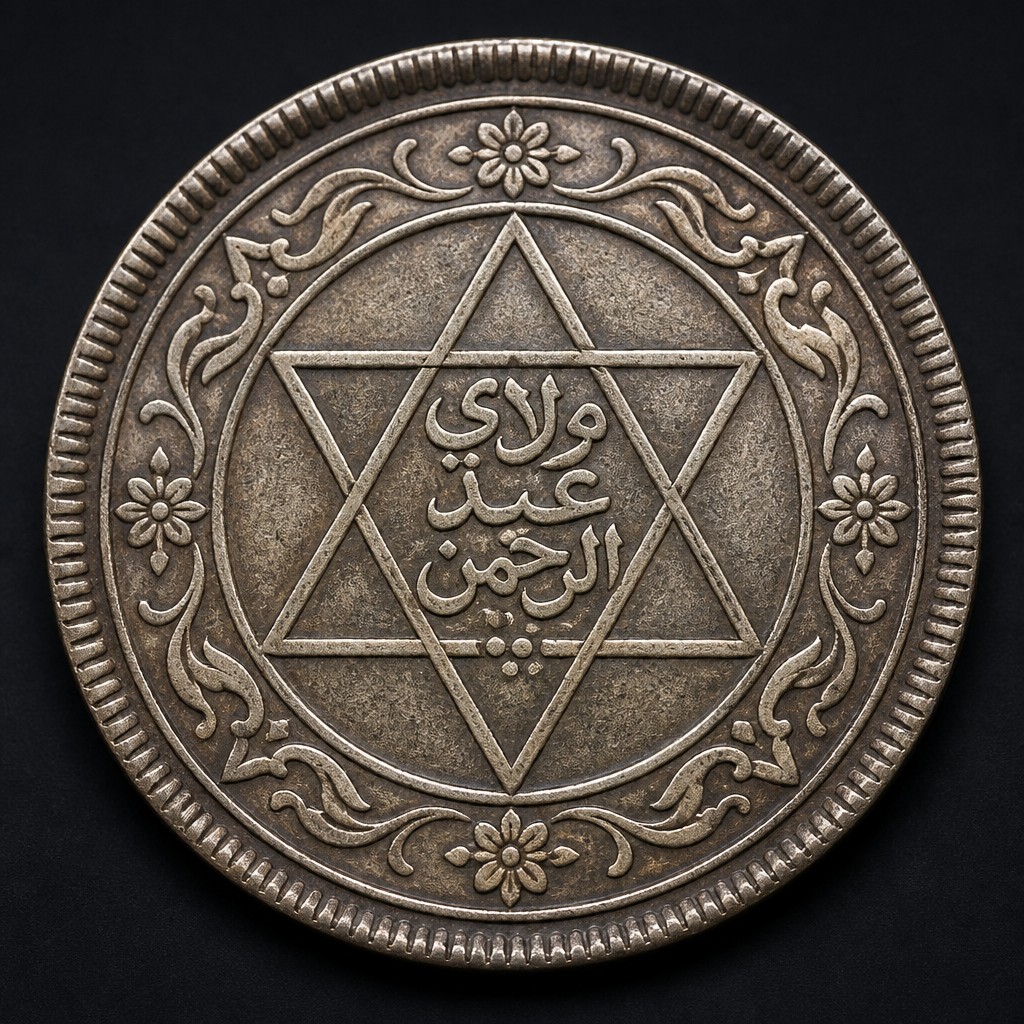
Moroccan Rial (Alawi Dynasty Coinage)
18th–19th century (pre-protectorate era)
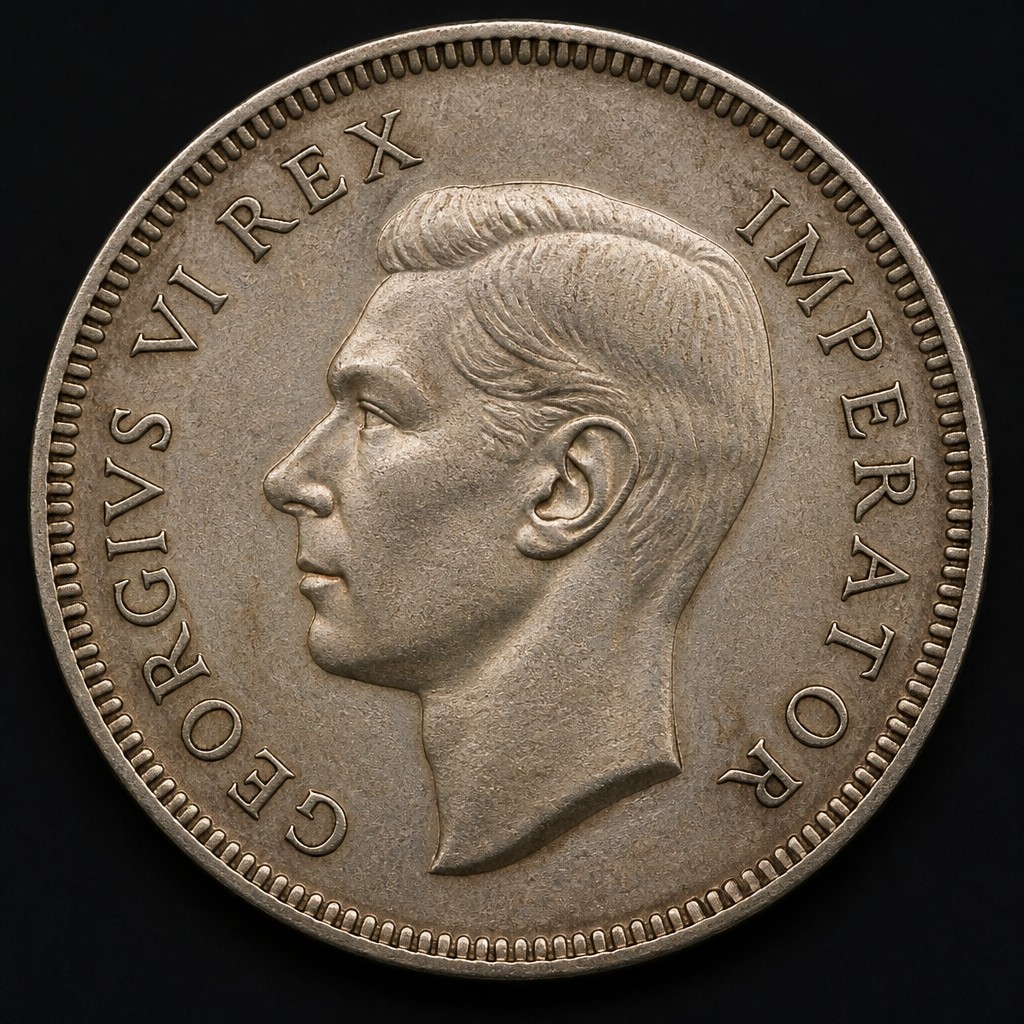
South African Sixpence (Union)
1923-1960
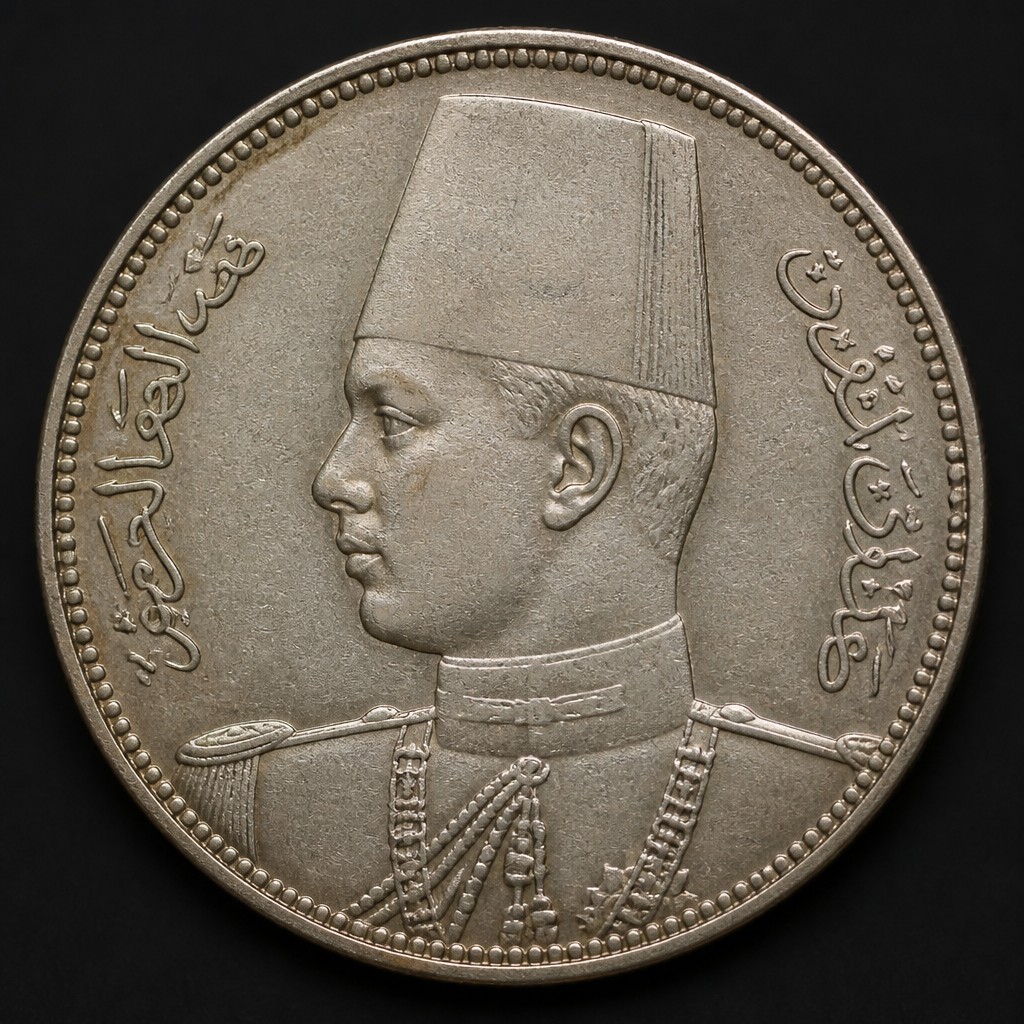
Egyptian Farouk 5 Piastres
1937-1952
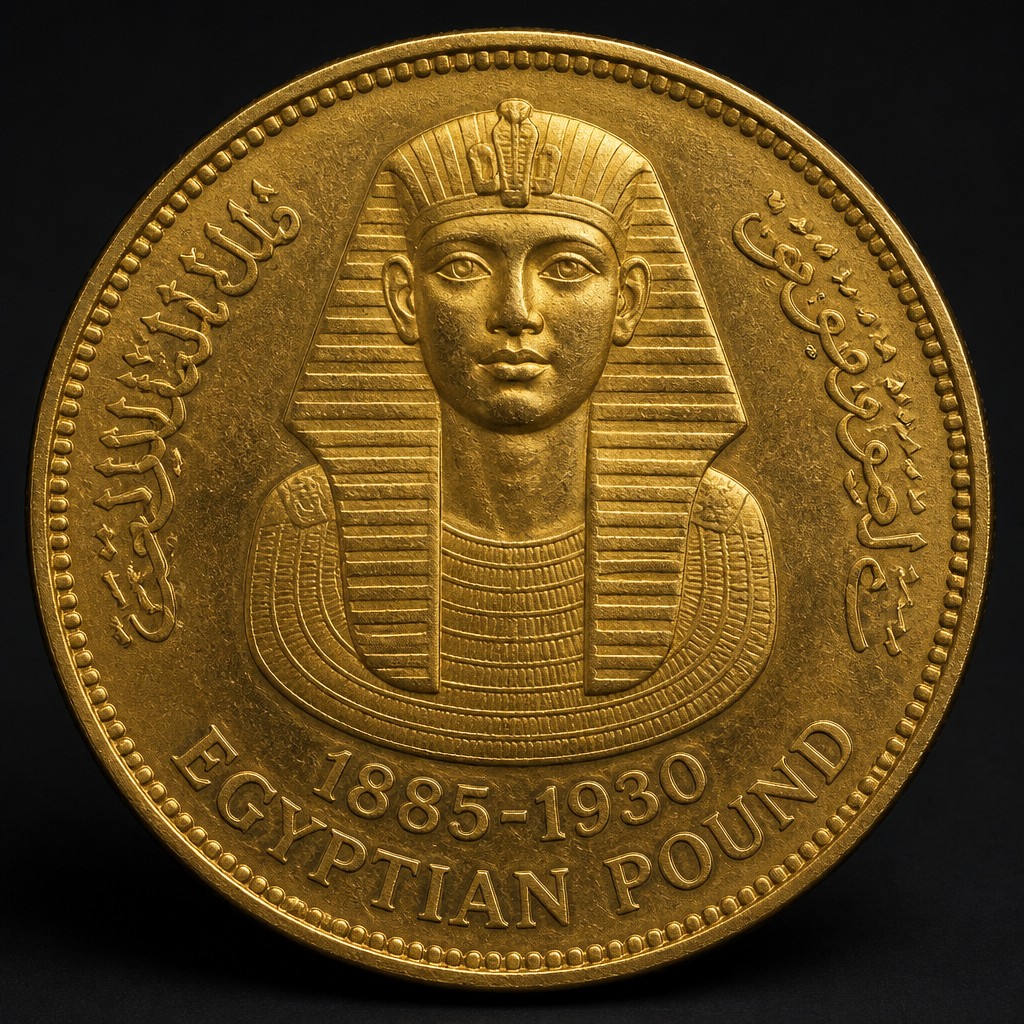
Egyptian Pound (gold)
1885–1930
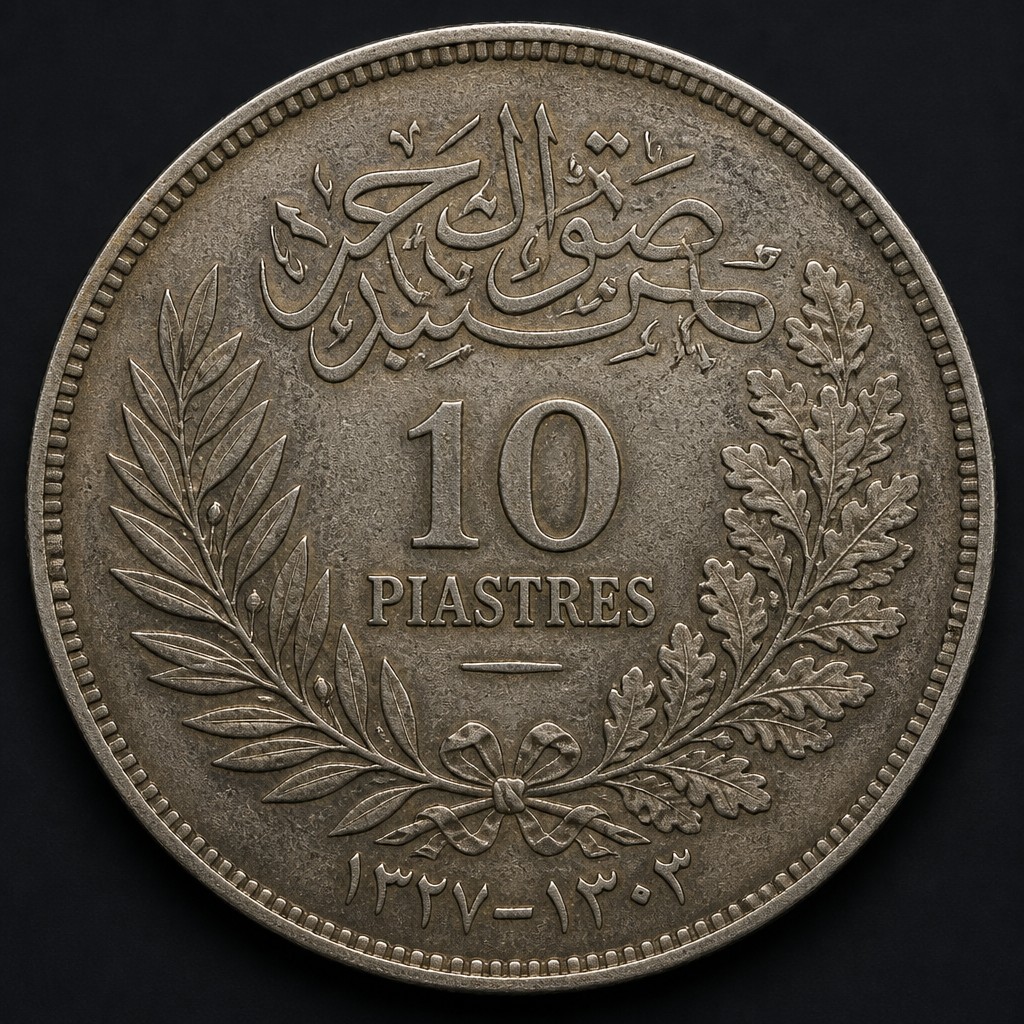
Egyptian 10 Piastres (silver)
1885–1939
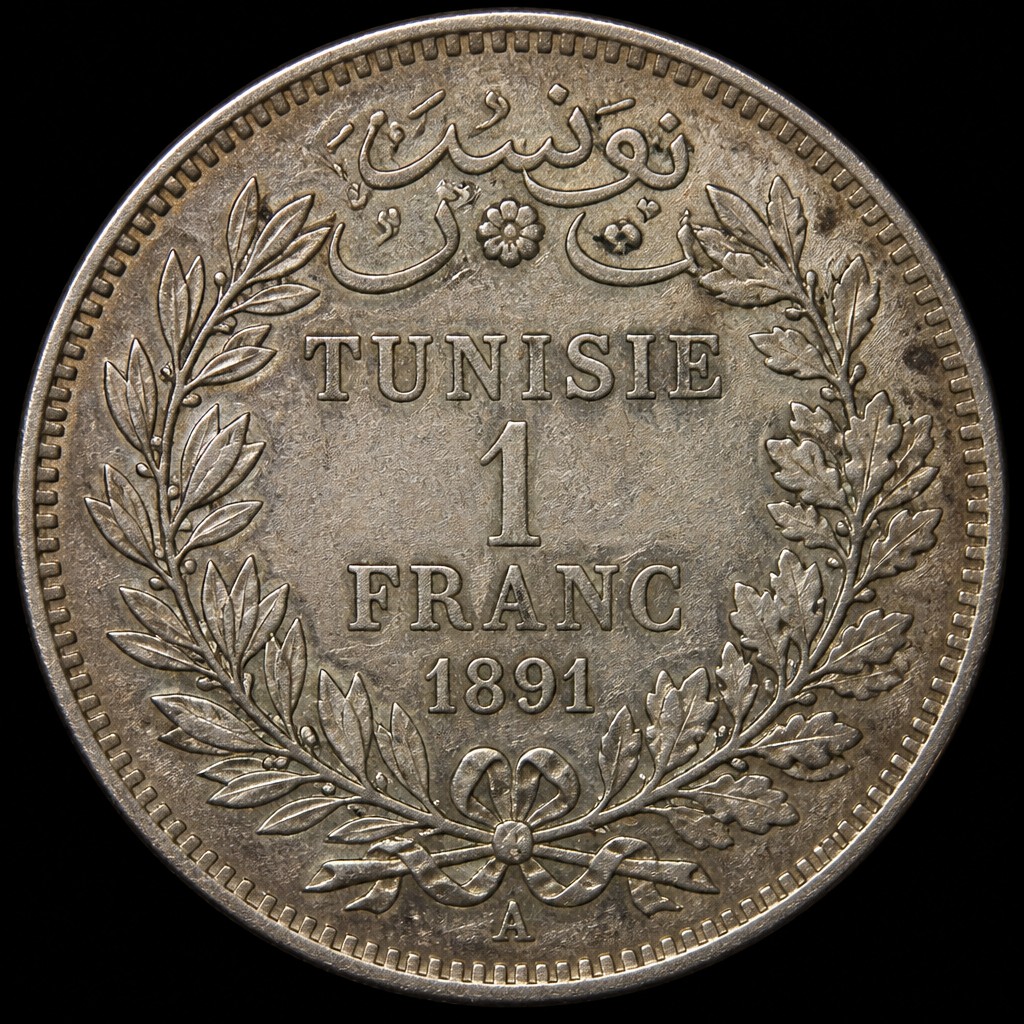
Tunisian Franc (Beylik Era)
Late 19th–early 20th century (c. 1891–1957 transition)
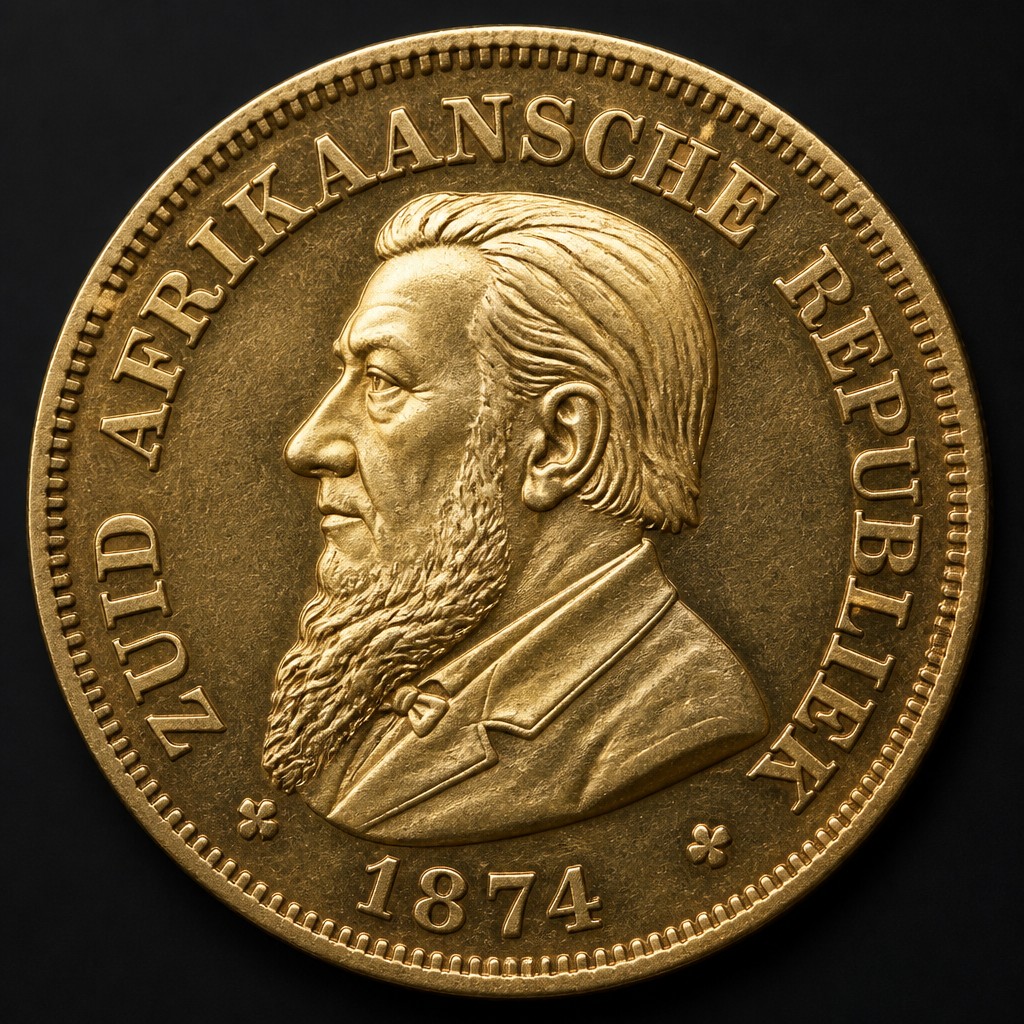
South African Republic Burgers Pond
1874
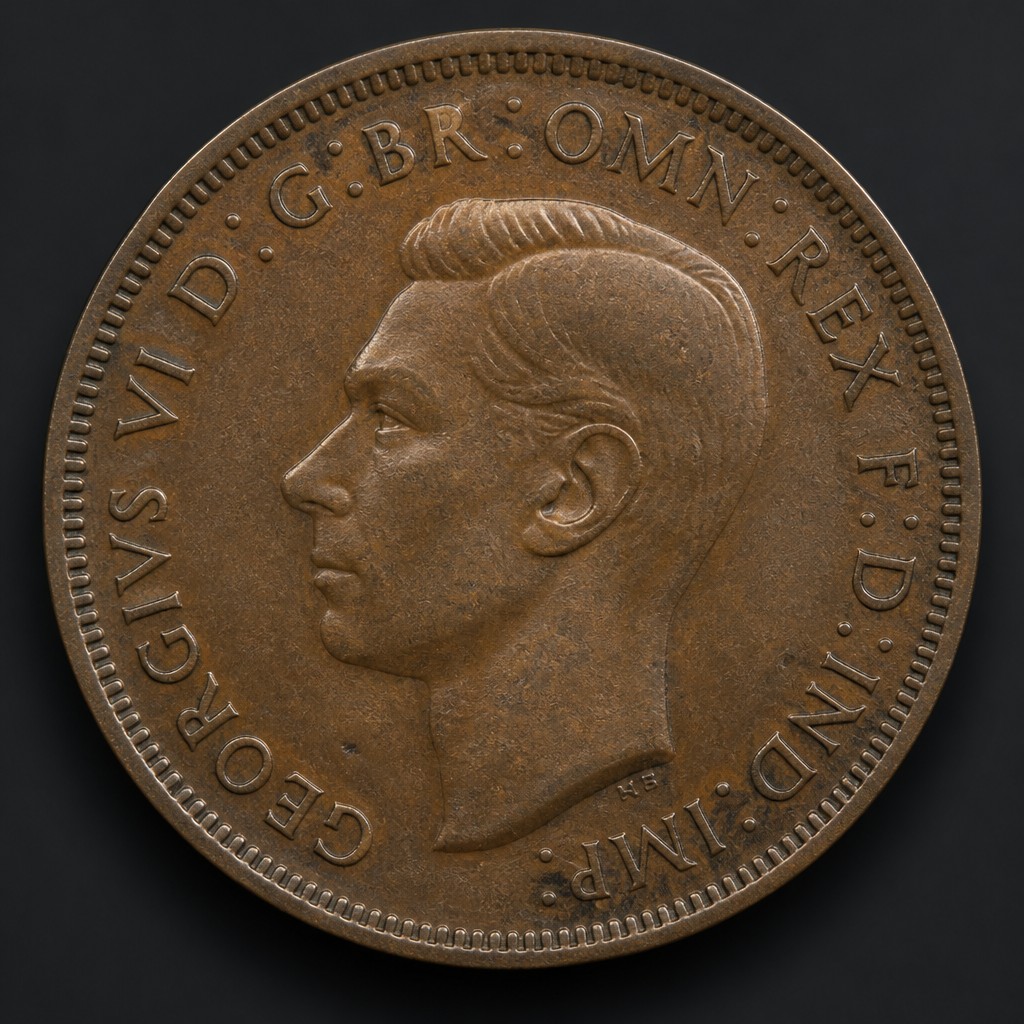
New Zealand Penny (KGVI)
1937-1952
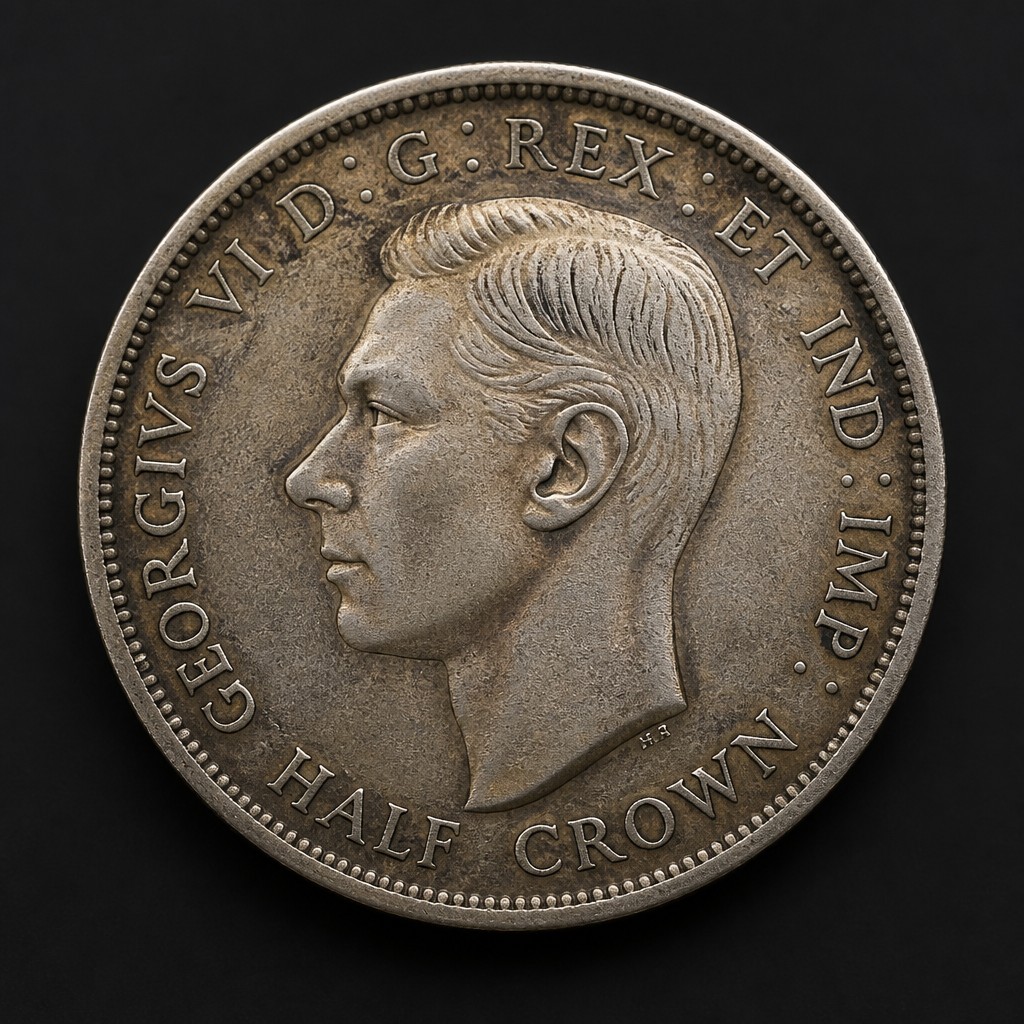
New Zealand Half Crown (pre-decimal)
1933-1965
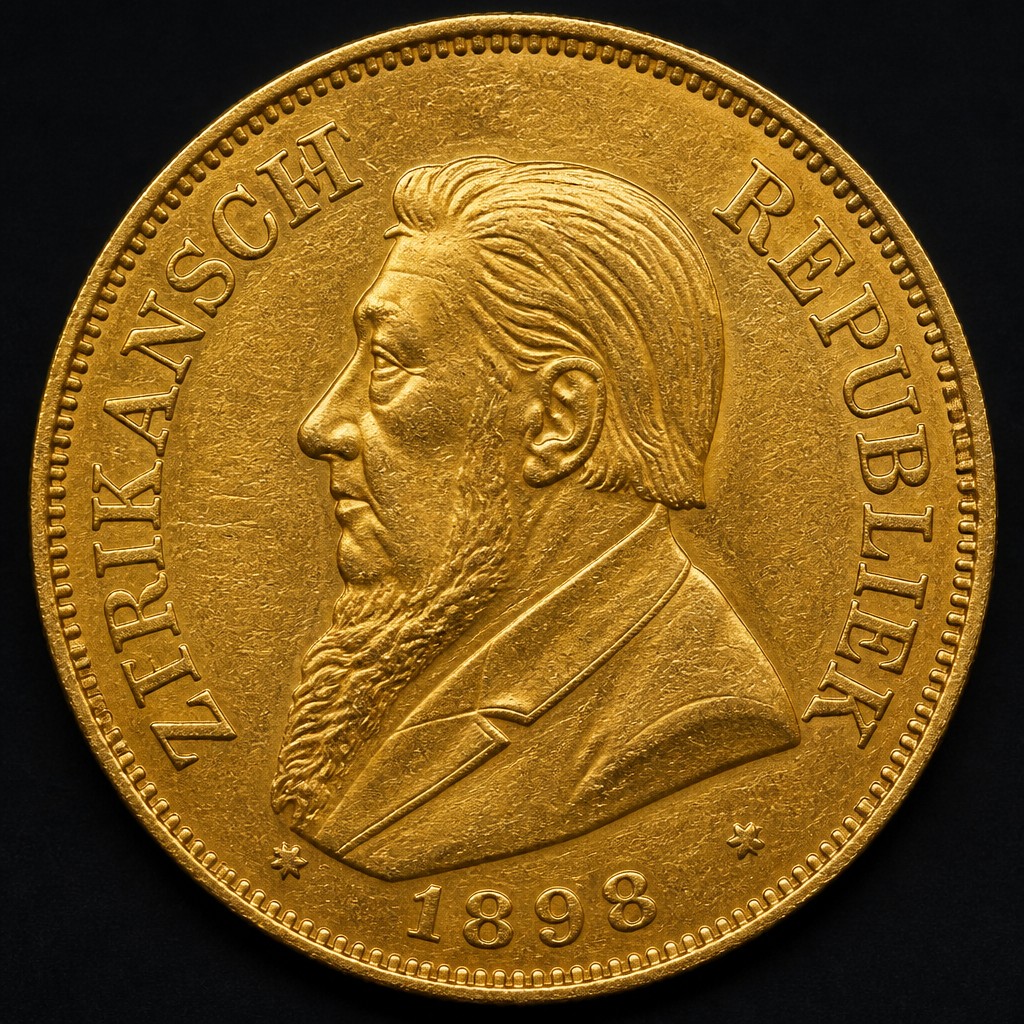
South African ZAR Kruger Pond
1892-1900
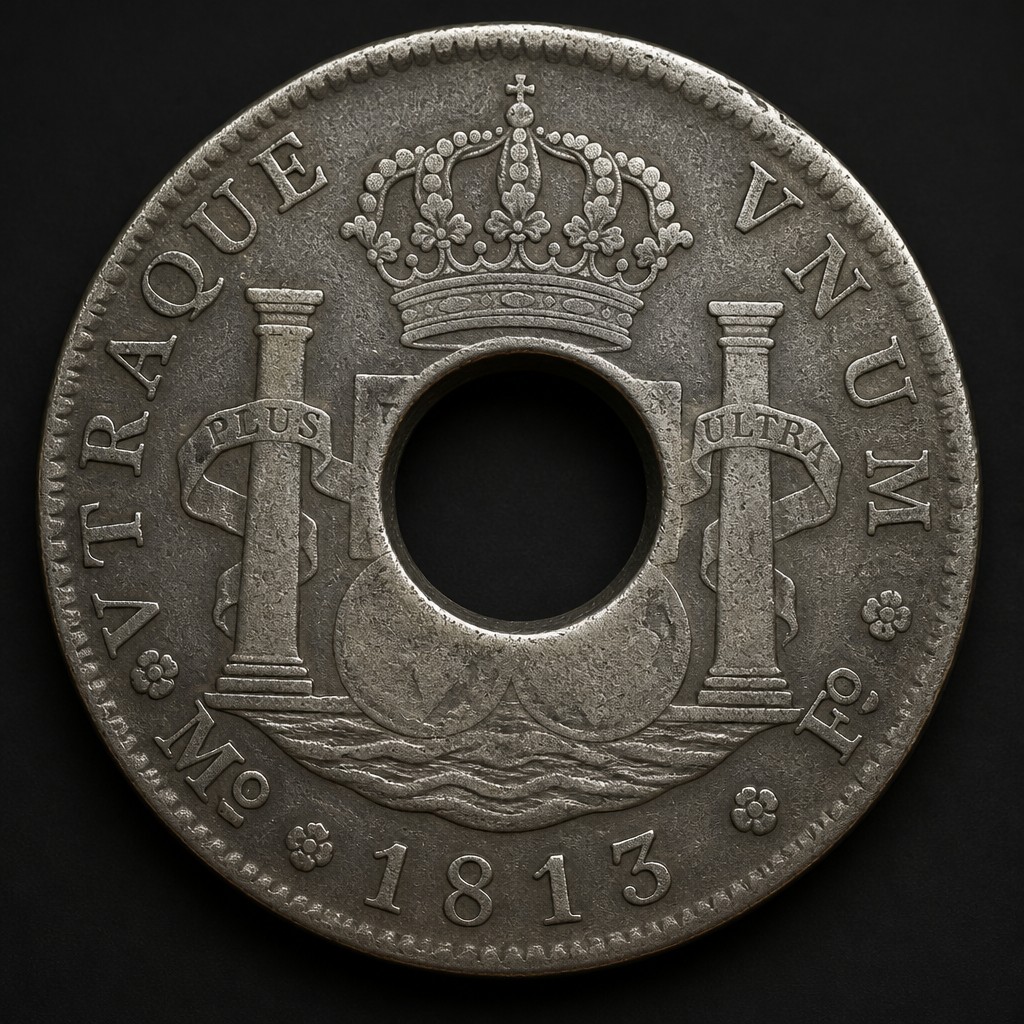
Australian Holey Dollar and Dump
1813
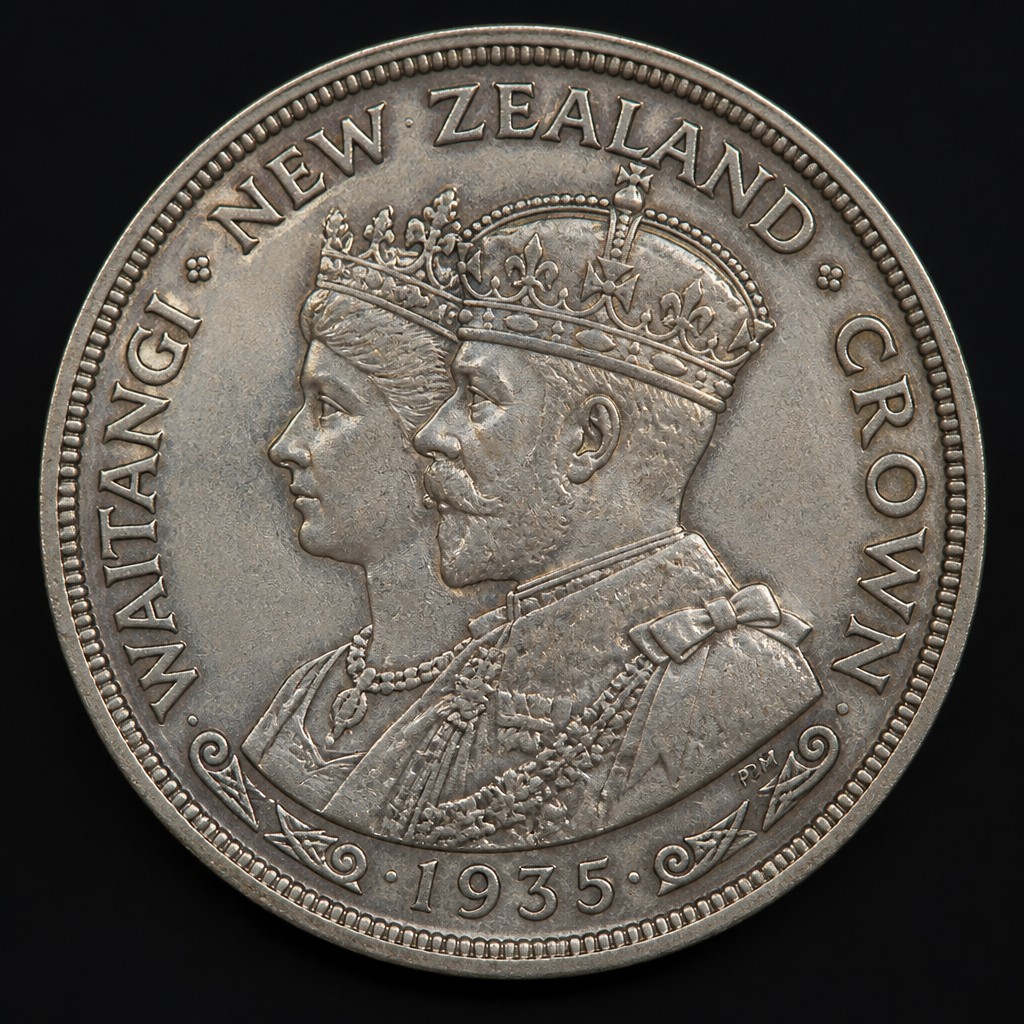
New Zealand Waitangi Crown (1935)
1935