
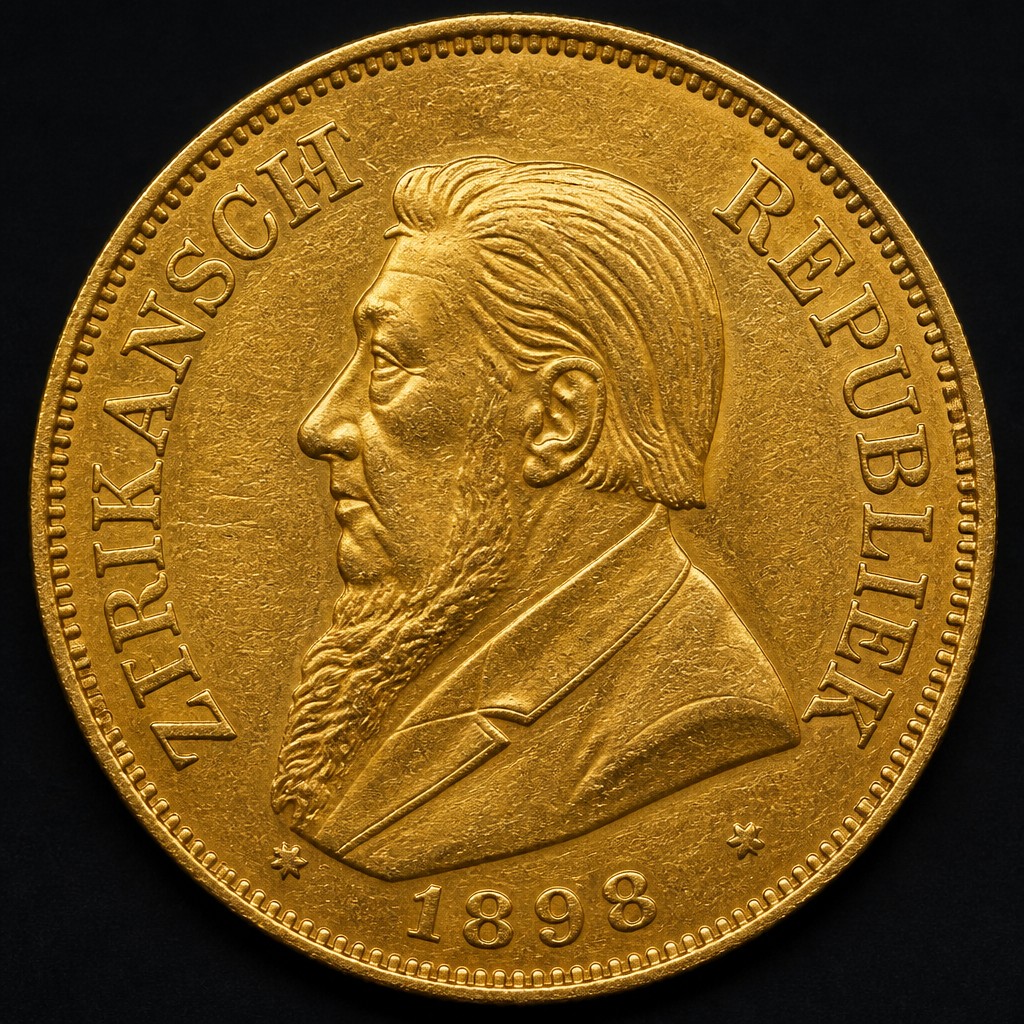
South African ZAR Kruger Pond
Gold pound-equivalent coin of the old South African Republic (Transvaal) under President Paul Kruger, notable for its wagon reverse and the rare 'single shaft' variety.
- Country
- South African Republic (Transvaal, ZAR)
- Denomination
- One Pond
- Metal
- 22 karat gold (approx. 91.7% gold)
Got a coin like this?
Identify any coin from a photo, free.
Overview
The Kruger pond was the gold coinage of the Zuid-Afrikaansche Republiek (ZAR), commonly known as the Transvaal or South African Republic, minted under President Paul Kruger's government before the region was absorbed into British-controlled territory following the Second Boer War. It was struck to a gold standard comparable to the British sovereign, giving it similar weight and fineness.
The coin's obverse bears Kruger's bearded portrait, while the reverse depicts the Transvaal coat of arms, including an ox wagon, a standing lion, and a motto referencing unity and strength. A famous die variety, known as the 'single shaft' wagon, shows the wagon's draught pole rendered with a single shaft rather than the standard double-shaft depiction, making it a significant and valuable rarity within the series.
Because the Transvaal state ceased to exist as an independent republic after 1902, the Kruger pond has lasting significance as the coinage of a short-lived but historically important southern African state.
History & Background
The Zuid-Afrikaansche Republiek established its own mint at Pretoria in the 1890s to strike gold coinage independent of British currency, asserting economic sovereignty during a period of rising tension between the Boer republics and the British Empire, driven in part by the Witwatersrand gold rush that began in 1886.
President Paul Kruger, the republic's long-serving leader, appeared on the coin's obverse, and the reverse depicted national symbols including an ox wagon central to Boer pioneer (Voortrekker) history, along with a lion and the republic's motto.
Production of the Kruger pond ceased with the outbreak and outcome of the Second Boer War (1899-1902), after which the Transvaal was annexed as a British colony and later joined the Union of South Africa in 1910, ending independent Transvaal coinage permanently.
How to Identify
Obverse: President Paul Kruger's bearded left-facing portrait with ZUID-AFRIKAANSCHE REPUBLIEK around the rim. Reverse: the Transvaal coat of arms featuring an ox wagon, a standing lion, an anchor, and other heraldic elements, along with the denomination EEN POND and date.
The coin is struck in 22 karat gold, weighing approximately 7.98 grams and measuring about 22mm in diameter, closely matching the British sovereign standard of the same period.
The key variety to check for is the wagon's draught pole: the standard type shows two shafts (a 'double shaft' wagon), while a rare and highly valuable variety shows only a single shaft, the result of a die-engraving difference. Because of significant value differences between varieties, careful examination or expert attribution is recommended.
Value & Collectibility
Standard 'double shaft' Kruger ponds are valued primarily on gold content with a numismatic premium reflecting historical demand, while genuine 'single shaft' variety coins are dramatically more valuable due to their rarity and the strong collector following for Transvaal coinage. Condition and originality significantly affect prices across all varieties.
Because the coin has strong historical and nationalistic appeal in South African collecting circles, well-preserved and clearly authenticated examples can command solid premiums over simple bullion value.
Given the high stakes associated with the rare variety, buyers should seek expert attribution or third-party certification before assuming any single example is the scarcer single-shaft type.
Frequently asked questions
Who is depicted on the obverse?
President Paul Kruger, longtime leader of the South African Republic (Transvaal), appears in profile.
What is the 'single shaft' variety?
A rare die variation where the ox wagon on the reverse is shown with one draught shaft instead of the standard two, making it significantly more valuable.
How does it compare to a British sovereign?
It is very similar in gold weight and fineness, making it comparably valued as gold bullion coinage of the era.
Why did production stop?
The Second Boer War (1899-1902) ended the independent South African Republic, after which Transvaal coinage was discontinued.
Other coins you may enjoy
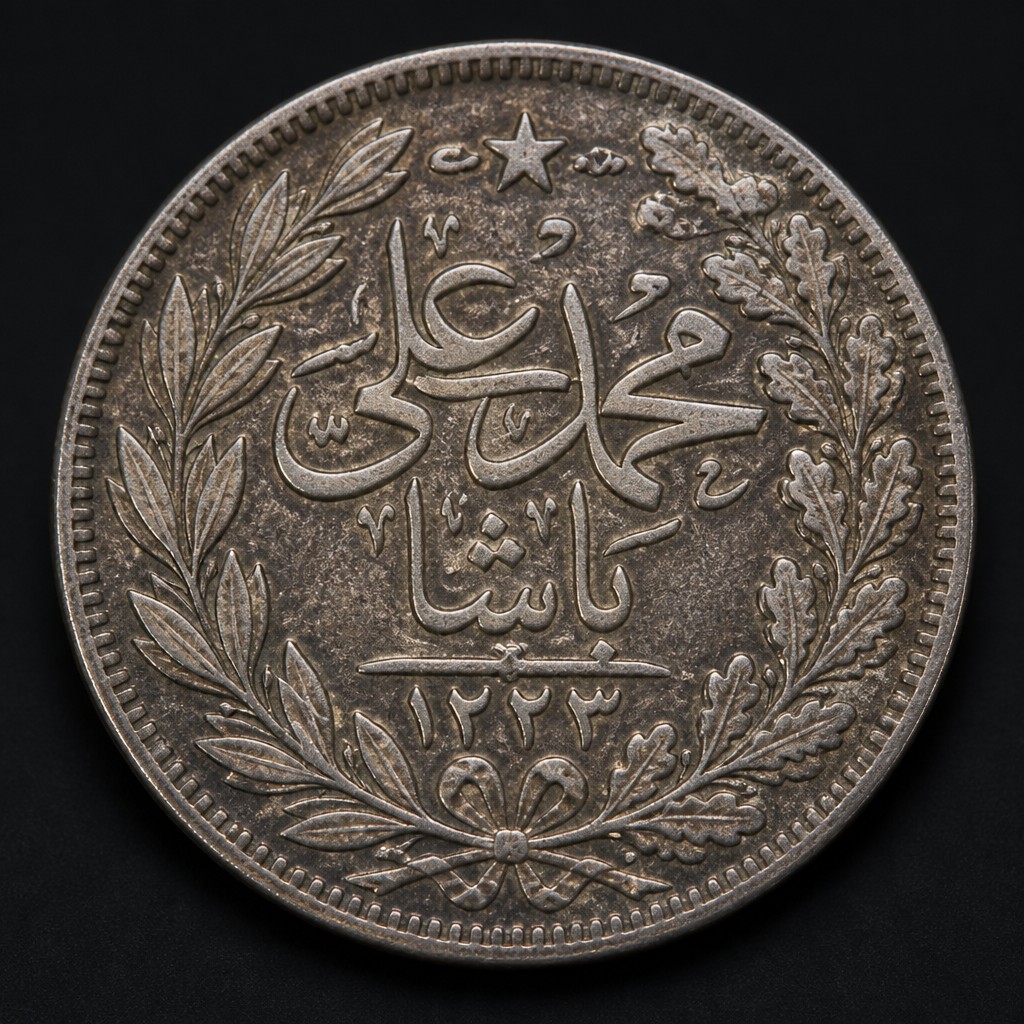
Egyptian Qirsh (Muhammad Ali Era)
Early-to-mid 19th century (c. 1805–1848)
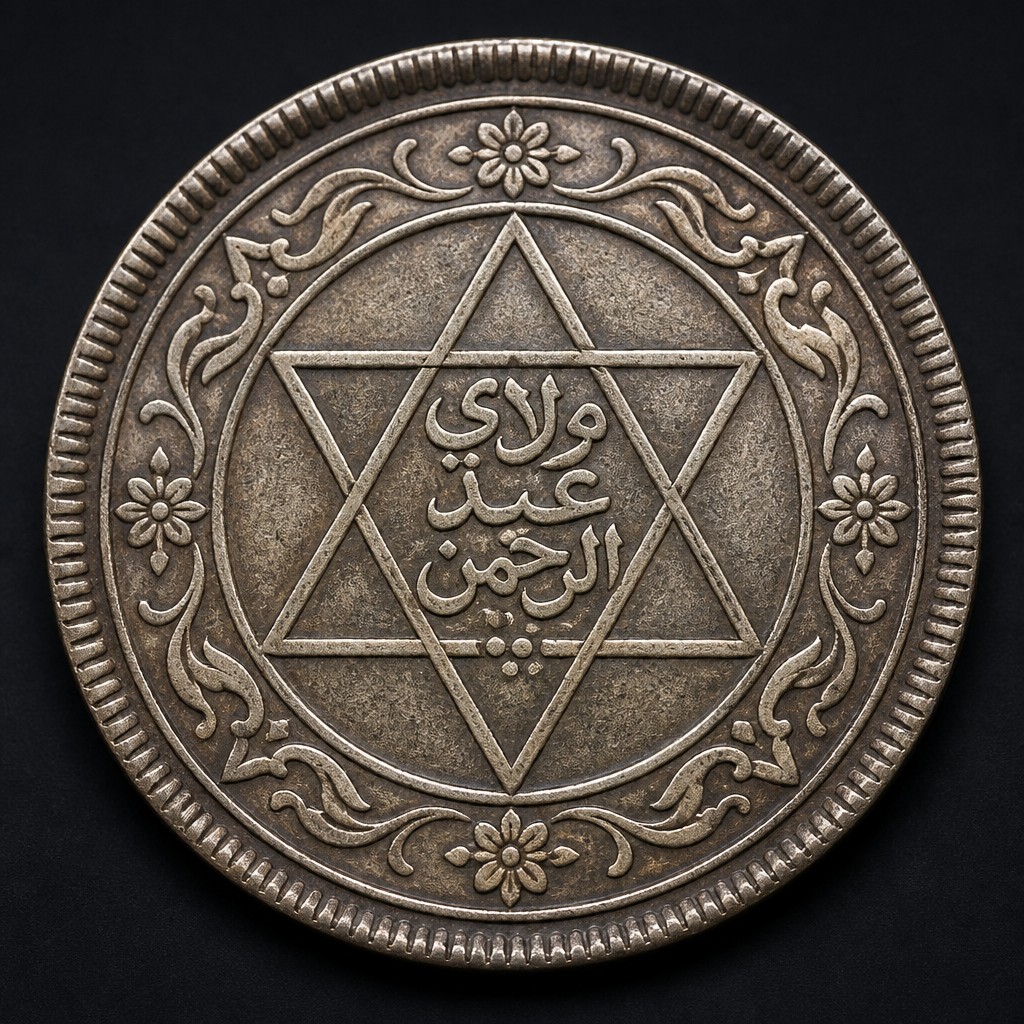
Moroccan Rial (Alawi Dynasty Coinage)
18th–19th century (pre-protectorate era)
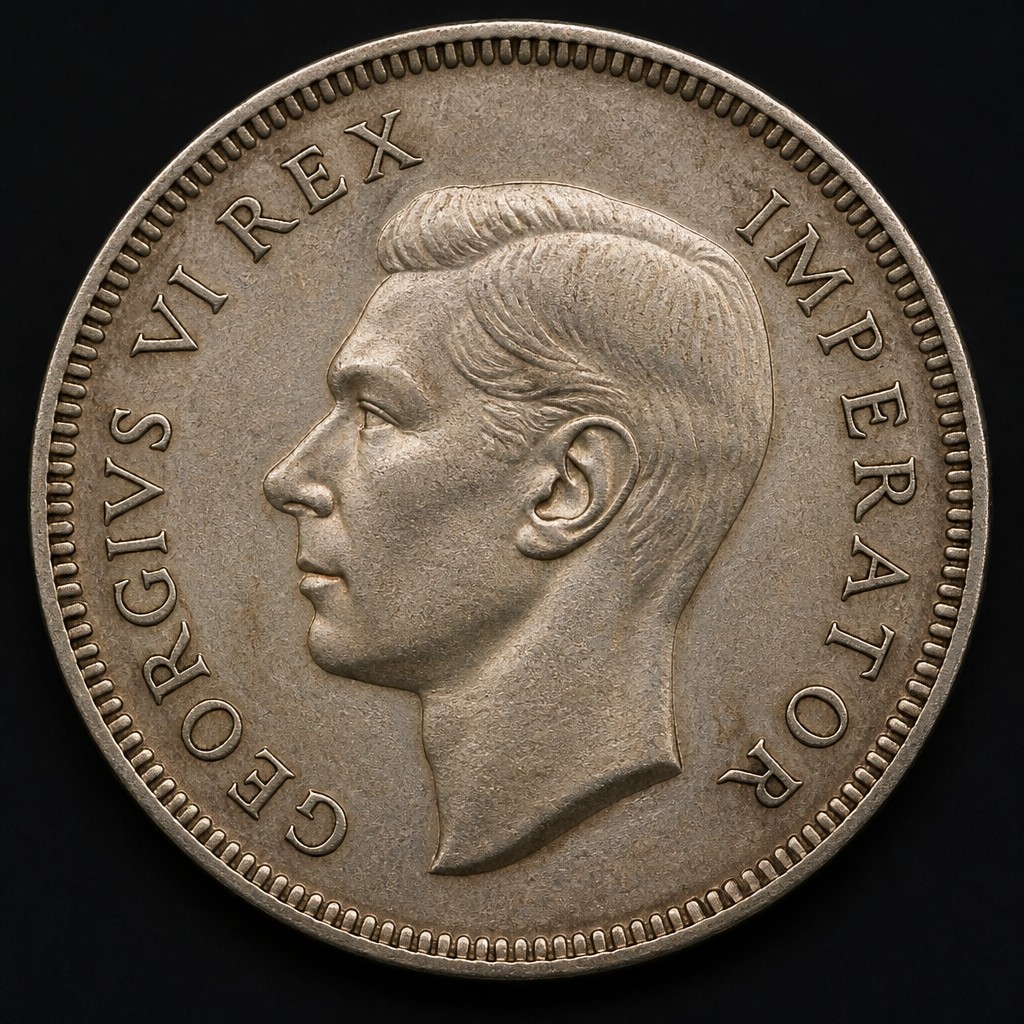
South African Sixpence (Union)
1923-1960
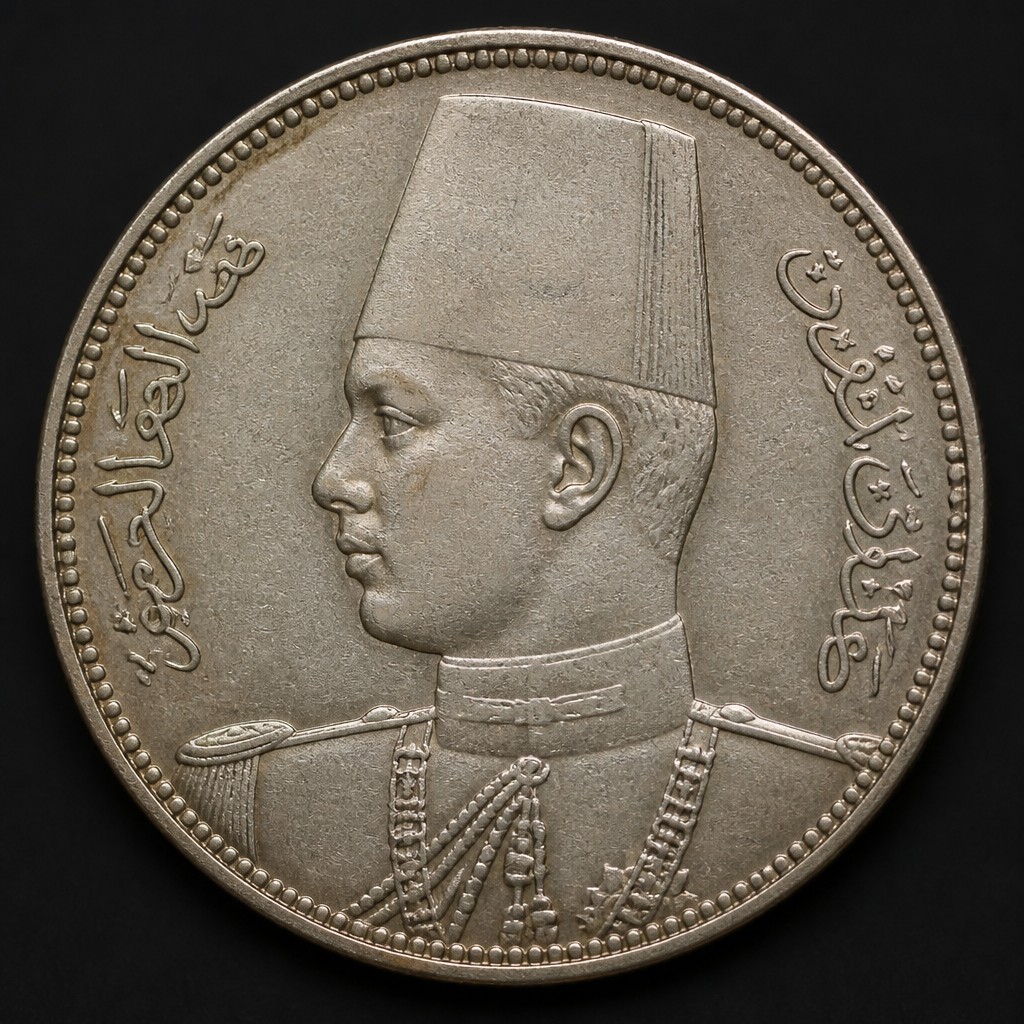
Egyptian Farouk 5 Piastres
1937-1952
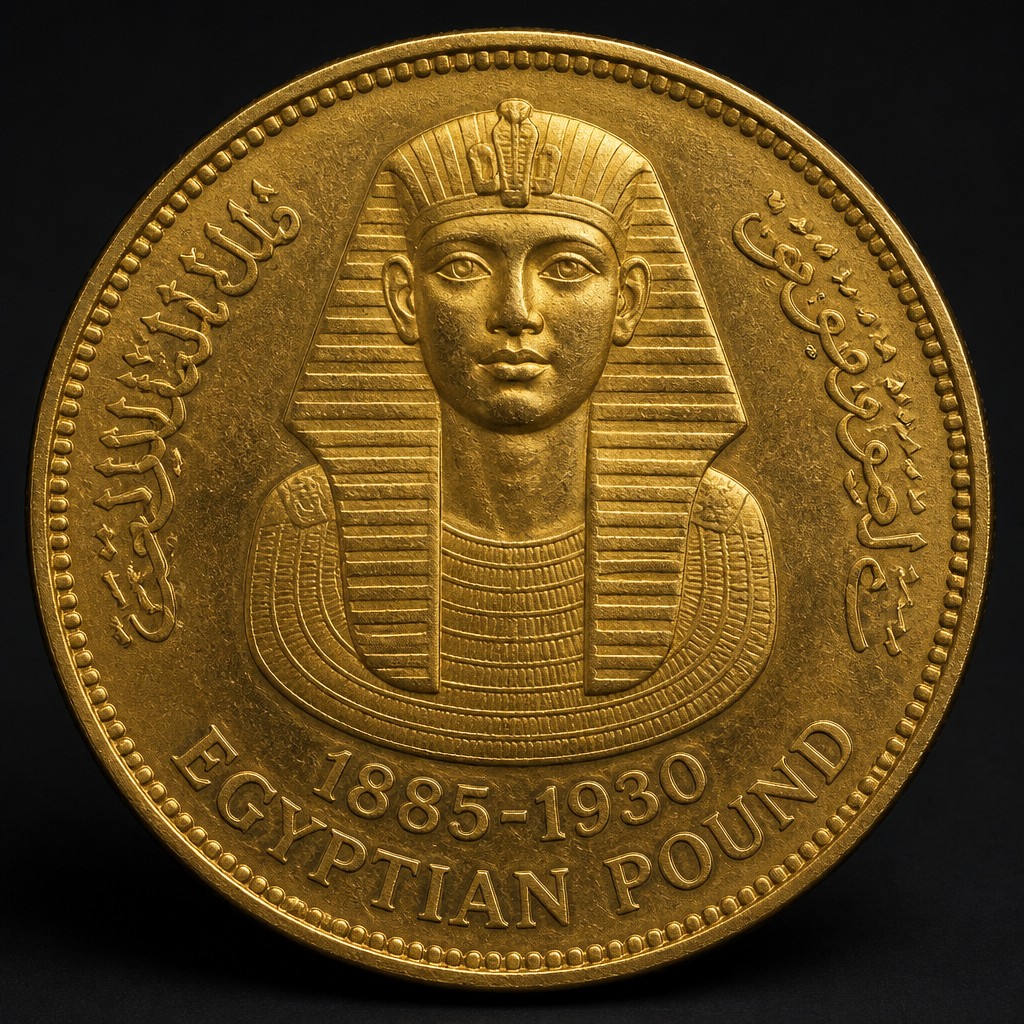
Egyptian Pound (gold)
1885–1930
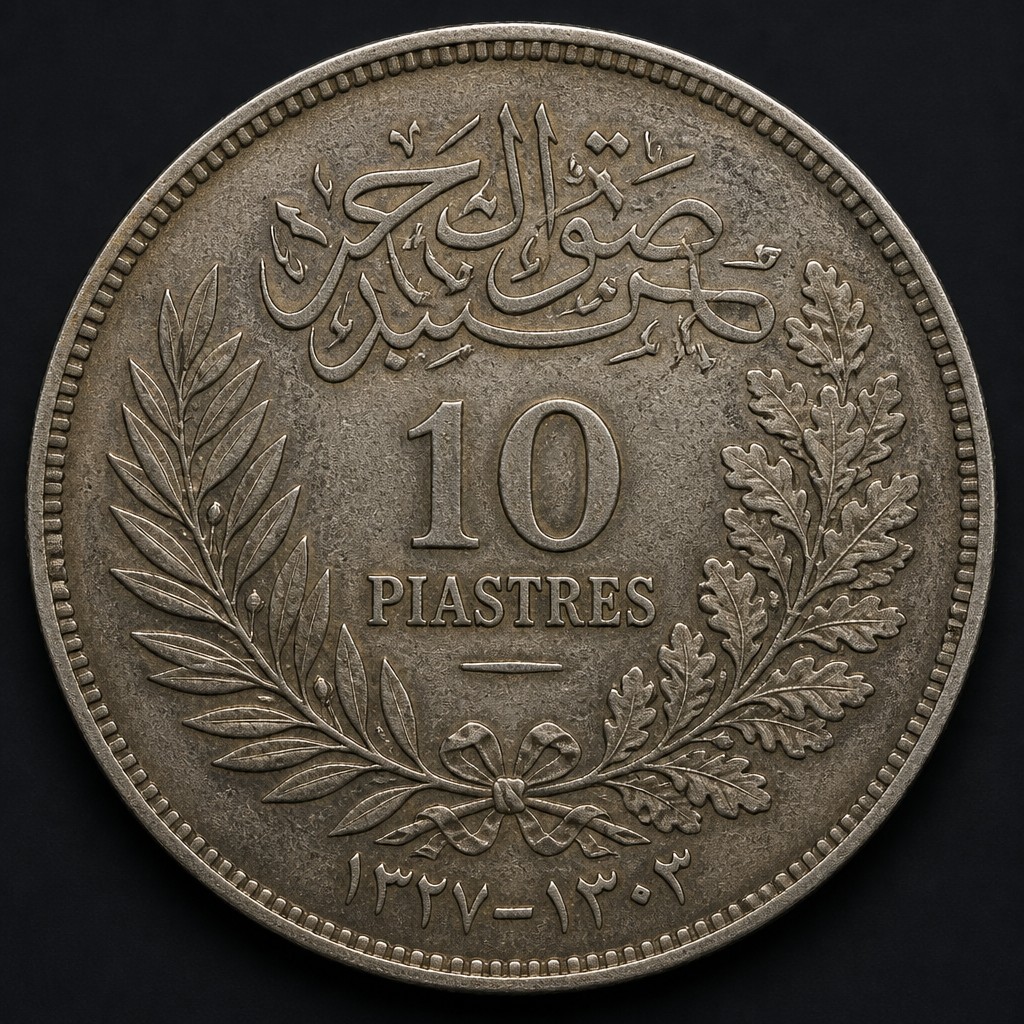
Egyptian 10 Piastres (silver)
1885–1939
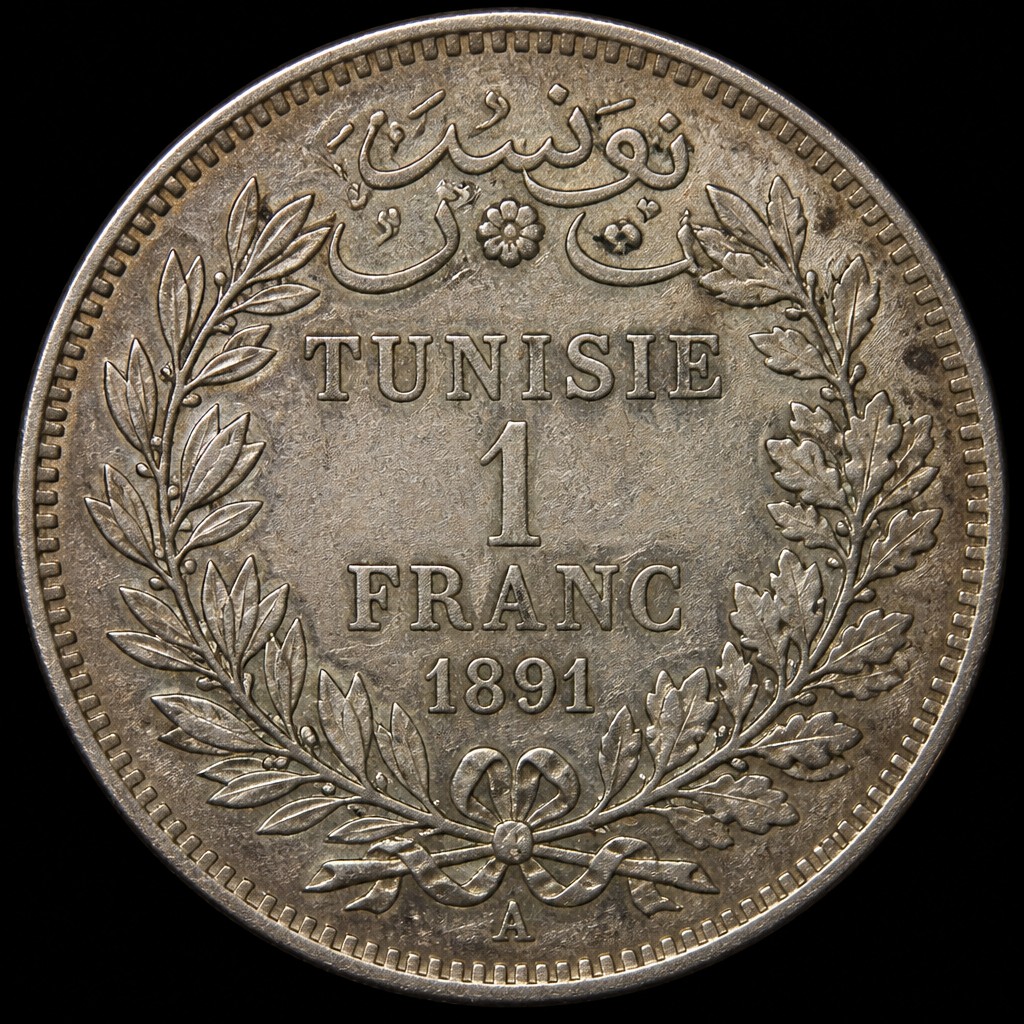
Tunisian Franc (Beylik Era)
Late 19th–early 20th century (c. 1891–1957 transition)
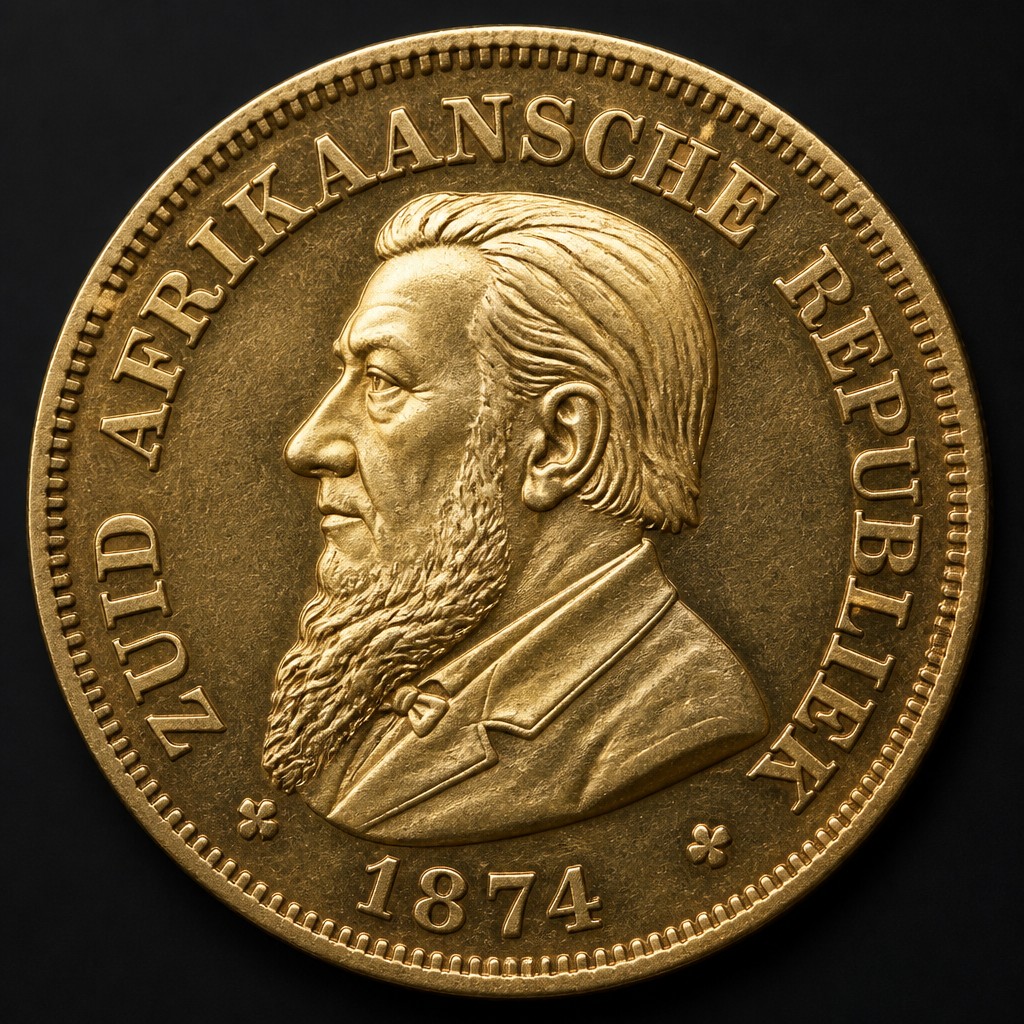
South African Republic Burgers Pond
1874
New Zealand Penny (KGVI)
1937-1952
New Zealand Half Crown (pre-decimal)
1933-1965
Australian Holey Dollar and Dump
1813
New Zealand Waitangi Crown (1935)
1935