
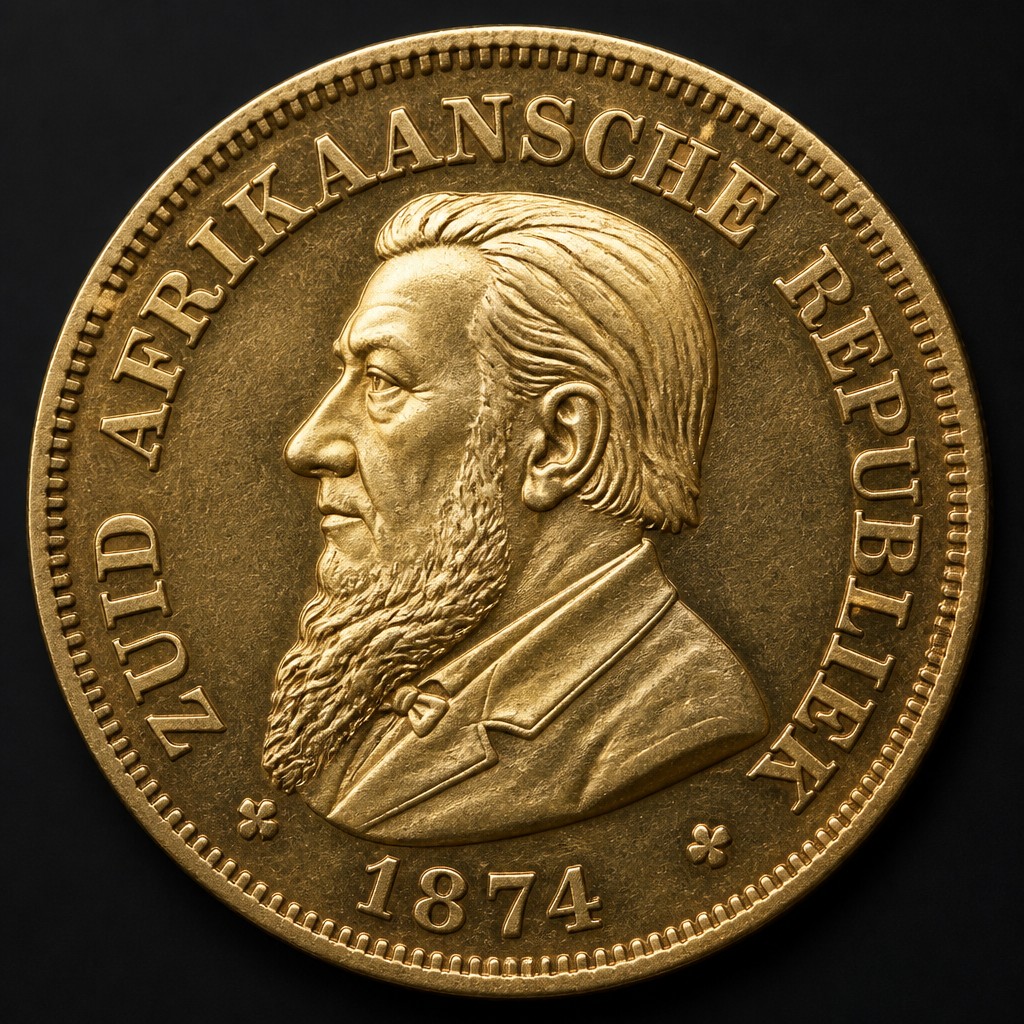
South African Republic Burgers Pond
The first coin struck for an independent South African state, issued in 1874 under President Thomas Burgers of the Transvaal, famous for its 'coarse beard' and 'fine beard' portrait varieties.
- Country
- South African Republic (Transvaal)
- Denomination
- 1 Pond
- Metal
- Gold (approximately .916 fine)
Got a coin like this?
Identify any coin from a photo, free.
Overview
The Burgers Pond is celebrated as the first gold coin ever struck specifically for a South African state, issued in 1874 during the presidency of Thomas François Burgers of the South African Republic, commonly known as the Transvaal. It stands as a landmark in South African numismatic history, predating the far more common Kruger-era ZAR gold coinage by more than a decade.
The coin's obverse portrait of President Burgers exists in two well-known style varieties, generally described by collectors as the "fine beard" and "coarse beard" types, based on the engraving style of his facial hair, a distinction that has become a defining feature for specialists collecting this issue.
Because of its small original mintage and enormous historical importance as South Africa's first indigenous gold coinage, the Burgers Pond occupies a place at the top of South African numismatics, sought after by both South African specialists and world gold coin collectors generally.
History & Background
President Thomas Burgers sought to establish the South African Republic's monetary independence and prestige by commissioning a national gold coin, having the dies engraved in Europe and coins struck in 1874 bearing his own portrait, an unusual choice for a republic that set the Burgers Pond apart from most contemporary coinage, which typically favored allegorical figures or monarchs rather than a sitting president.
The coin was struck in relatively small numbers and entered circulation in the Transvaal during a period of financial strain for the young republic, which struggled with debt and administrative challenges that eventually contributed to Burgers's political downfall and Britain's brief annexation of the Transvaal in 1877.
After the Transvaal regained independence and Paul Kruger became president, South African Republic gold coinage resumed on a much larger scale beginning in the mid-1870s, but the earlier Burgers Pond retained its distinct historical status as the pioneering issue that established the precedent for later ZAR gold coins.
How to Identify
The obverse depicts a left-facing portrait of President Thomas Burgers with a surrounding legend identifying the South African Republic, while the reverse displays the Transvaal coat of arms with the denomination and date, 1874, below or around the design.
The two recognized varieties, "fine beard" and "coarse beard," differ in the engraving style of Burgers's facial hair and are identified by close comparison of the portrait detail; the fine beard variety is generally considered the scarcer and more sought-after of the two by specialists.
The coin is struck in gold to a similar weight and diameter standard as other contemporary sovereign-sized gold coins, with a milled edge typical of machine-struck 19th-century gold coinage; its overall design, especially the presidential portrait rather than a monarch or allegorical figure, distinguishes it immediately from other African gold issues of the era, including later Kruger-era ZAR pounds.
Value & Collectibility
The Burgers Pond is one of the most valuable and sought-after coins in South African numismatics, commanding prices well above typical sovereign-sized gold coins due to its historical significance as the country's first indigenous gold coin and its limited original mintage.
The fine beard variety is generally regarded as scarcer than the coarse beard variety and commands a further premium; condition also plays a major role, with well-preserved, problem-free examples bringing significantly more than coins showing wear, cleaning, or mounting evidence from past use as jewelry.
Given its rarity and historical importance, genuine Burgers Ponds in any grade typically sell for many thousands of dollars, with exceptional examples of the scarcer variety reaching considerably higher figures at major auctions; buyers should be especially cautious of counterfeits given the coin's high value and should seek expert authentication before a significant purchase.
Frequently asked questions
Why is the Burgers Pond historically important?
It was the first gold coin struck specifically for an independent South African state, issued in 1874 under President Thomas Burgers.
What are the 'fine beard' and 'coarse beard' varieties?
They refer to two engraving styles of President Burgers's facial hair on the obverse portrait, with the fine beard type generally considered scarcer.
Is the Burgers Pond related to the later Kruger gold pounds?
It predates them; larger-scale ZAR gold coinage under President Paul Kruger began later in the 1870s after Burgers's presidency ended.
Why should buyers be cautious with this coin?
Its high value and rarity make it a target for counterfeiting, so professional authentication is strongly advised before purchase.
Other coins you may enjoy
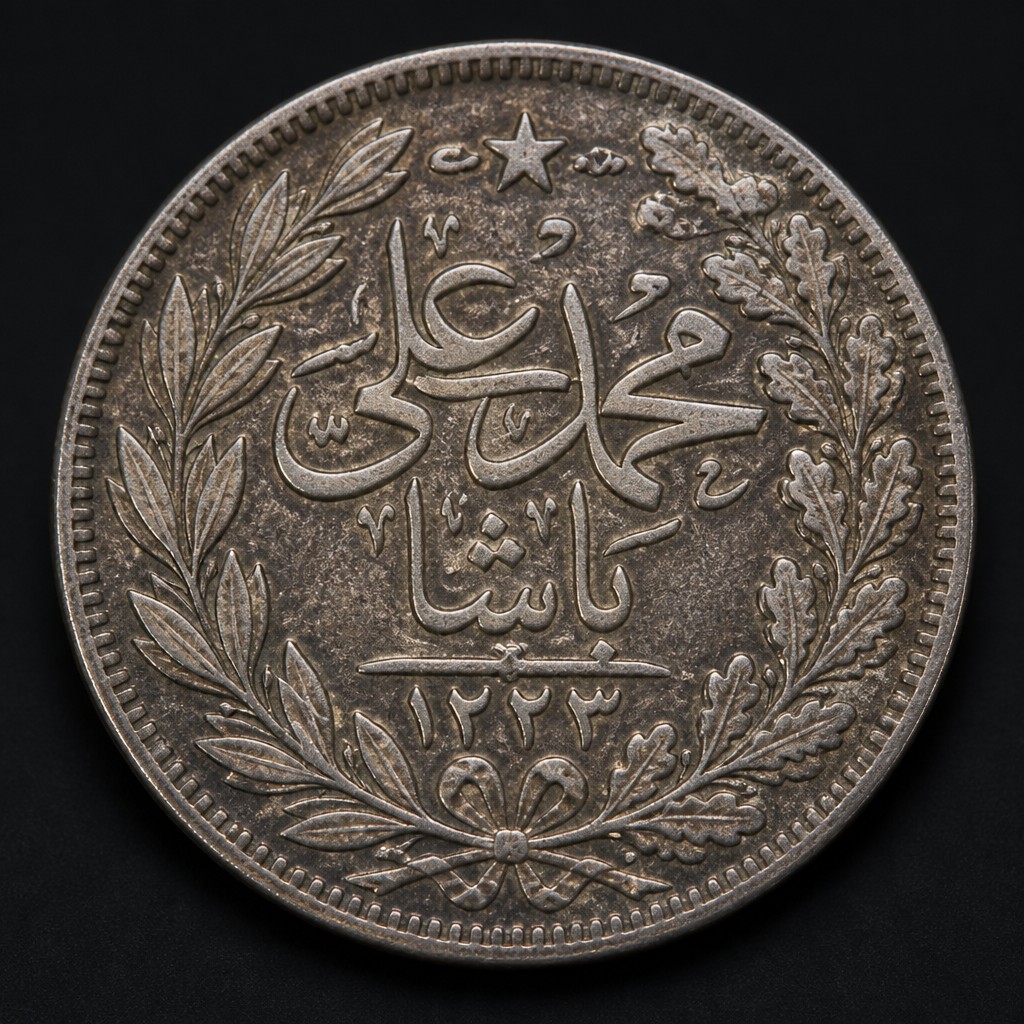
Egyptian Qirsh (Muhammad Ali Era)
Early-to-mid 19th century (c. 1805–1848)
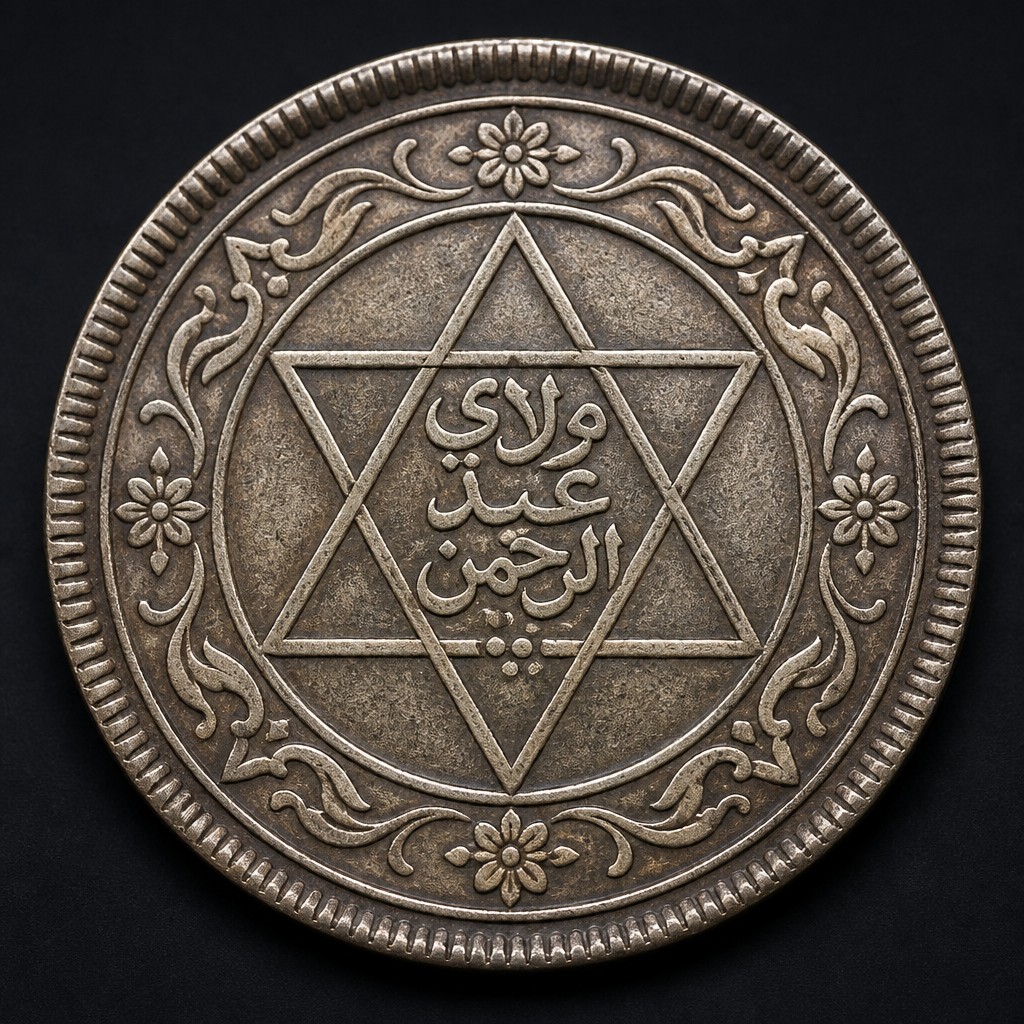
Moroccan Rial (Alawi Dynasty Coinage)
18th–19th century (pre-protectorate era)
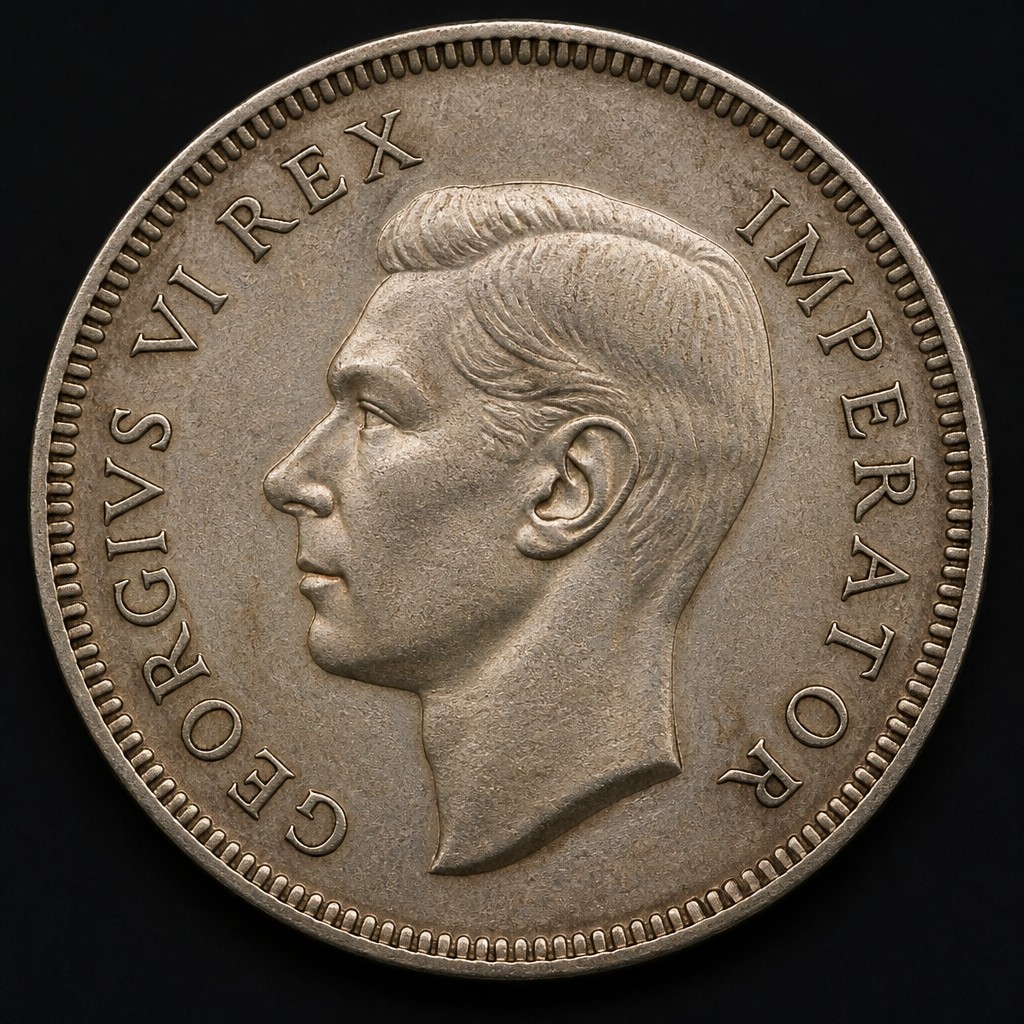
South African Sixpence (Union)
1923-1960
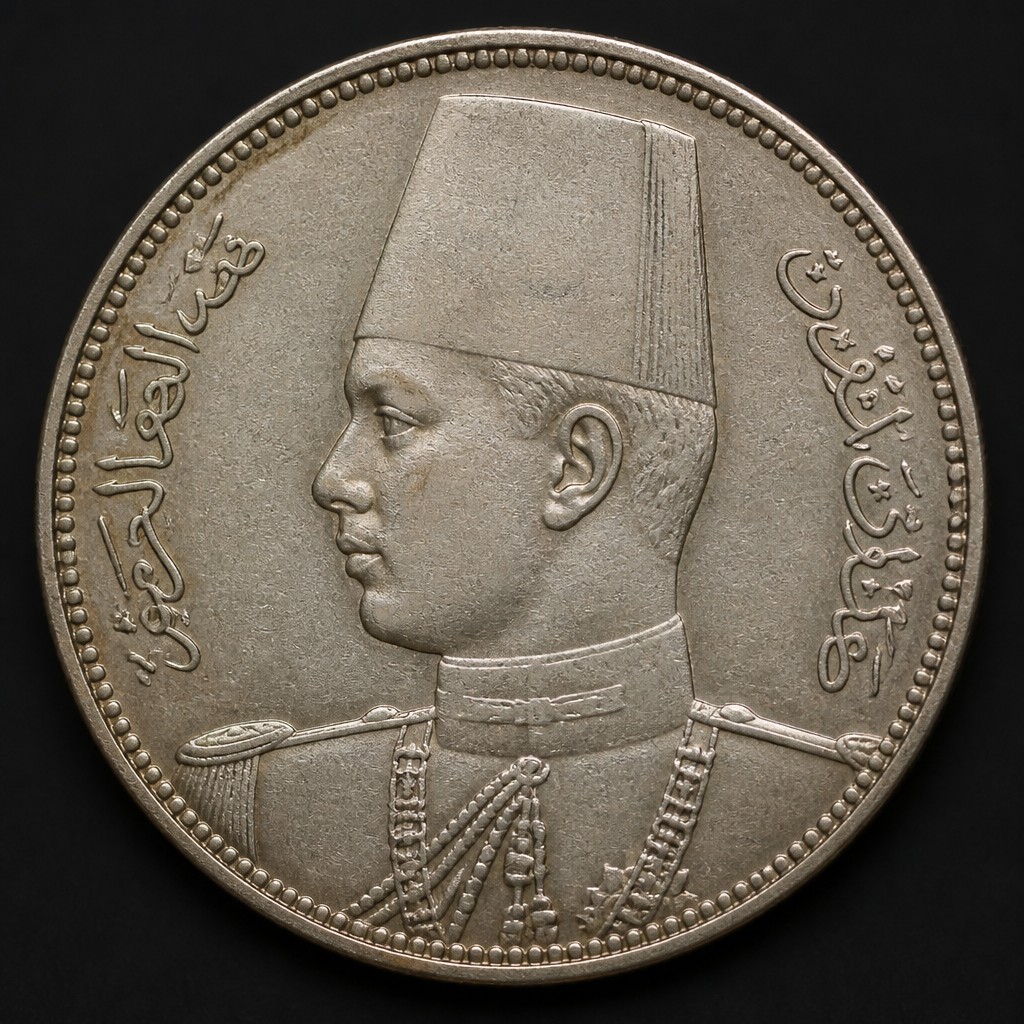
Egyptian Farouk 5 Piastres
1937-1952
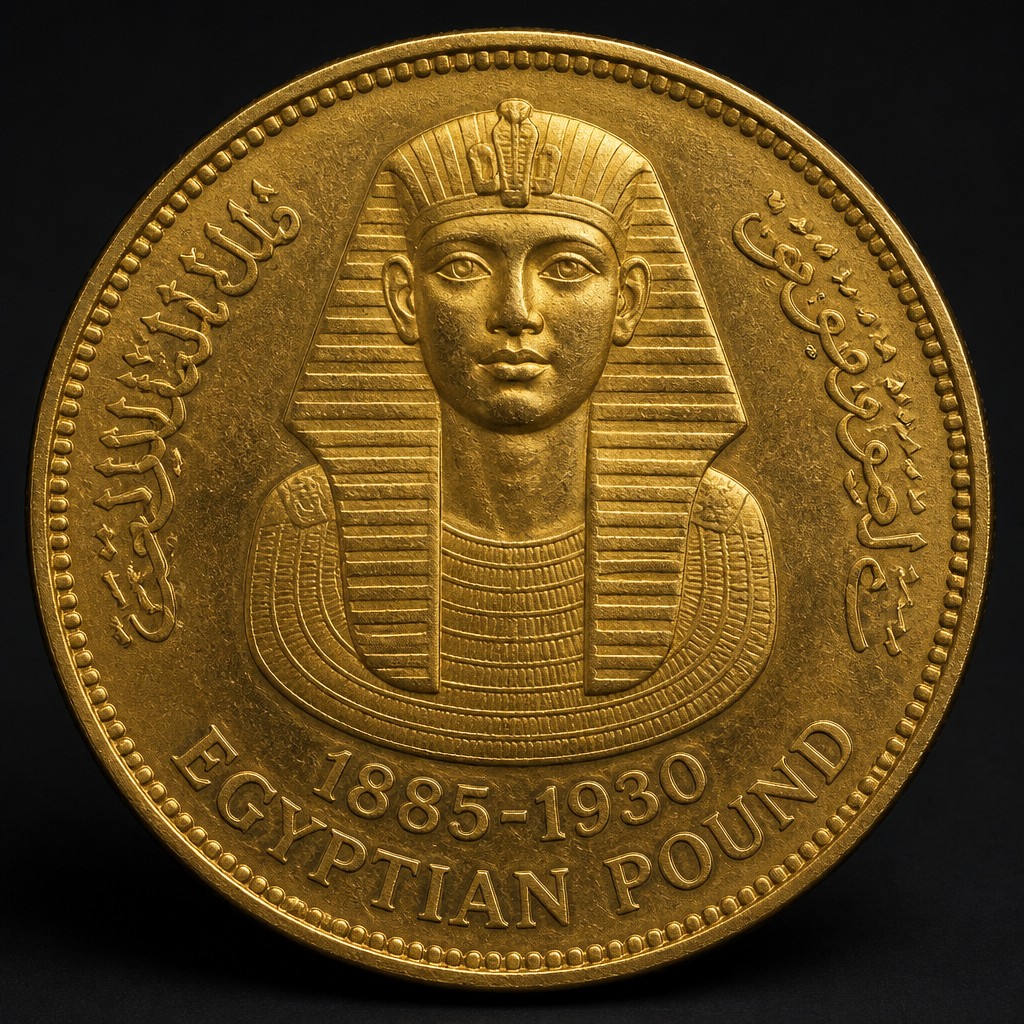
Egyptian Pound (gold)
1885–1930
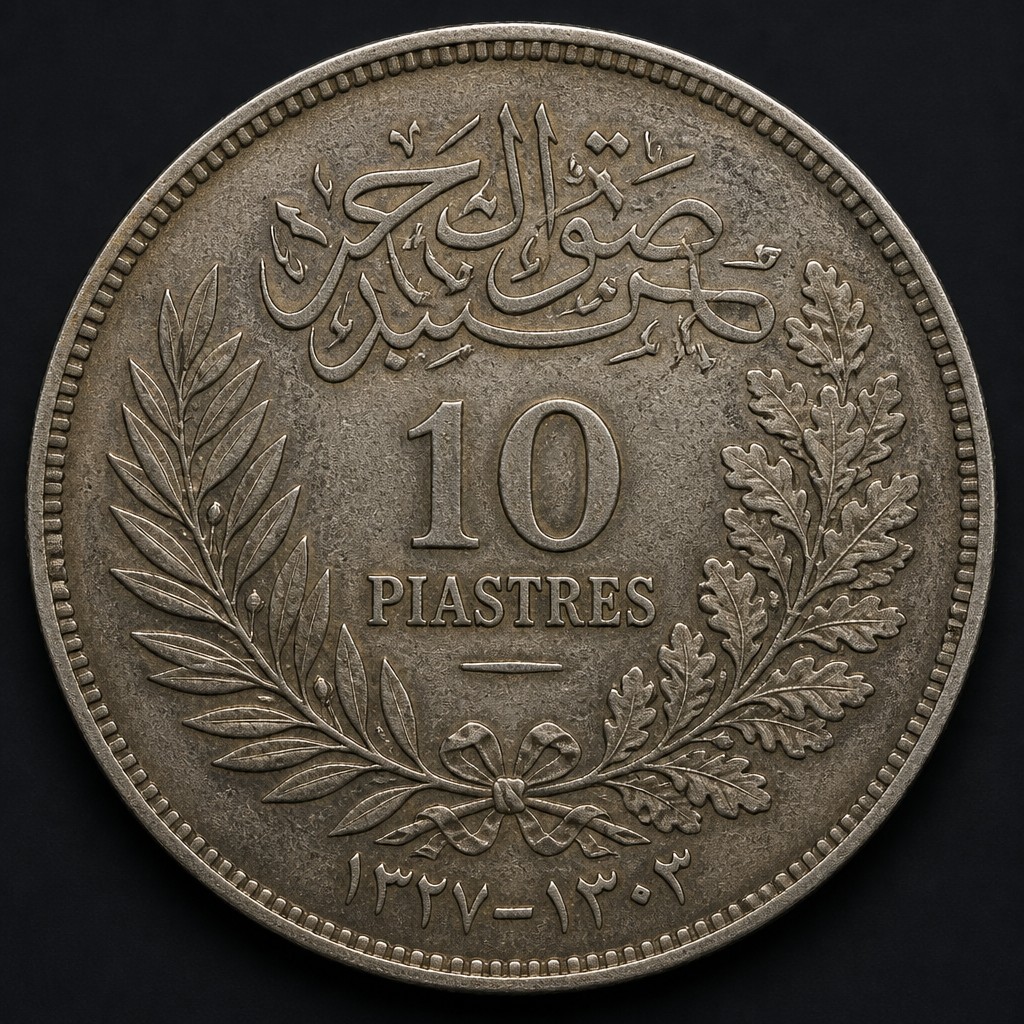
Egyptian 10 Piastres (silver)
1885–1939
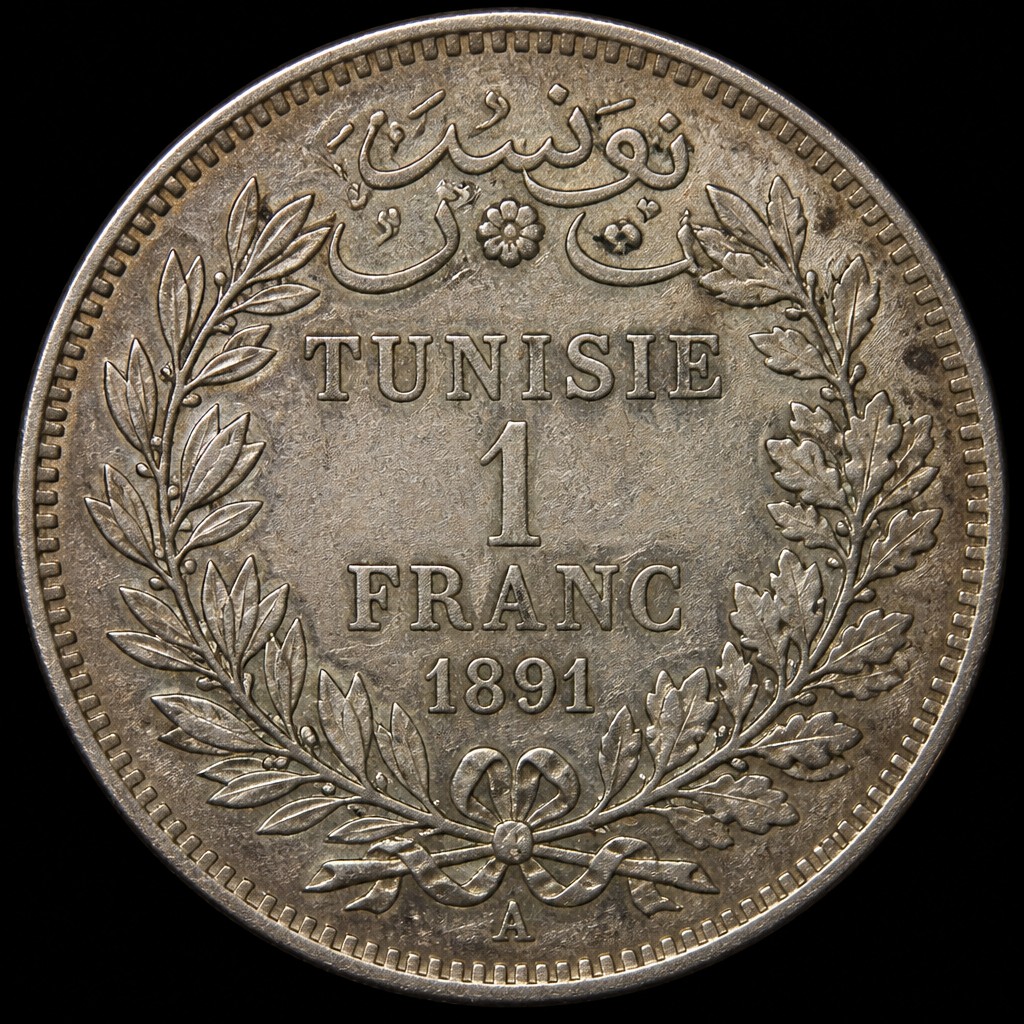
Tunisian Franc (Beylik Era)
Late 19th–early 20th century (c. 1891–1957 transition)
New Zealand Penny (KGVI)
1937-1952
New Zealand Half Crown (pre-decimal)
1933-1965
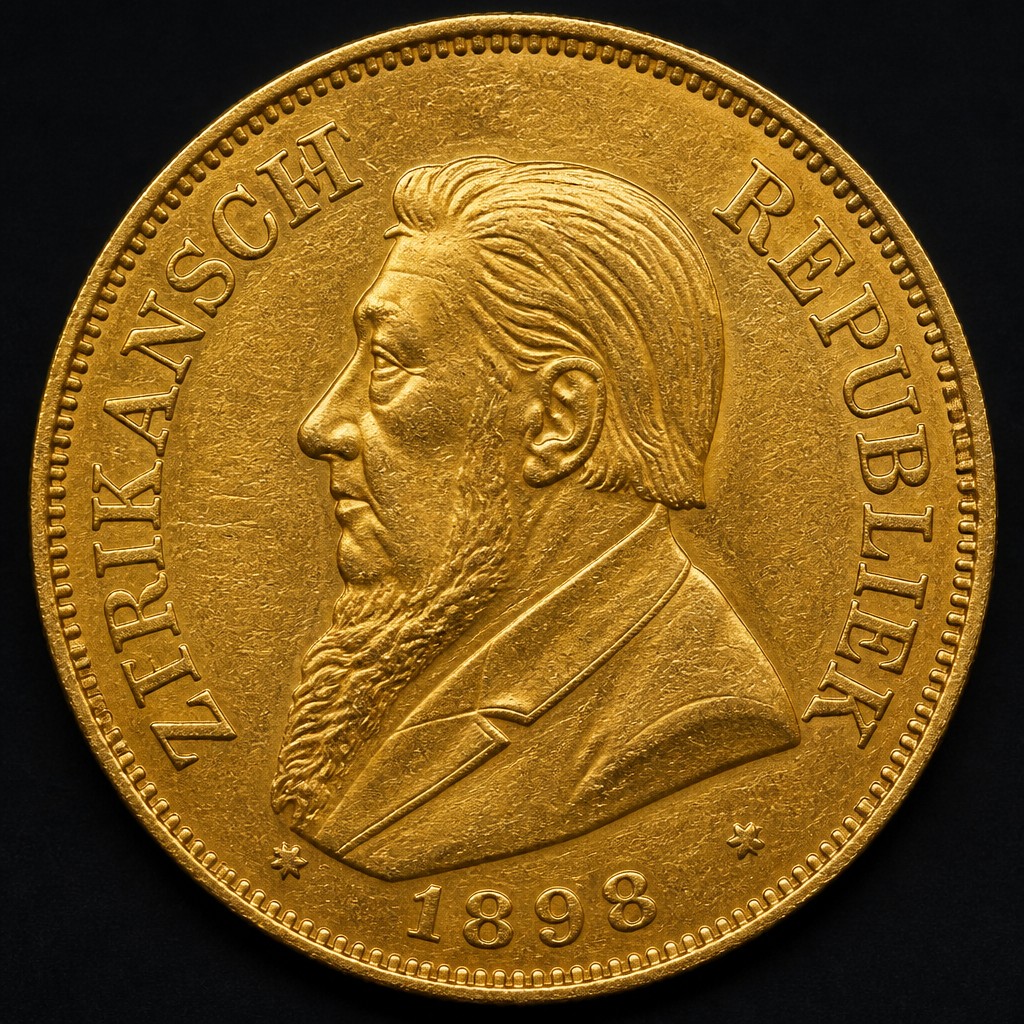
South African ZAR Kruger Pond
1892-1900
Australian Holey Dollar and Dump
1813
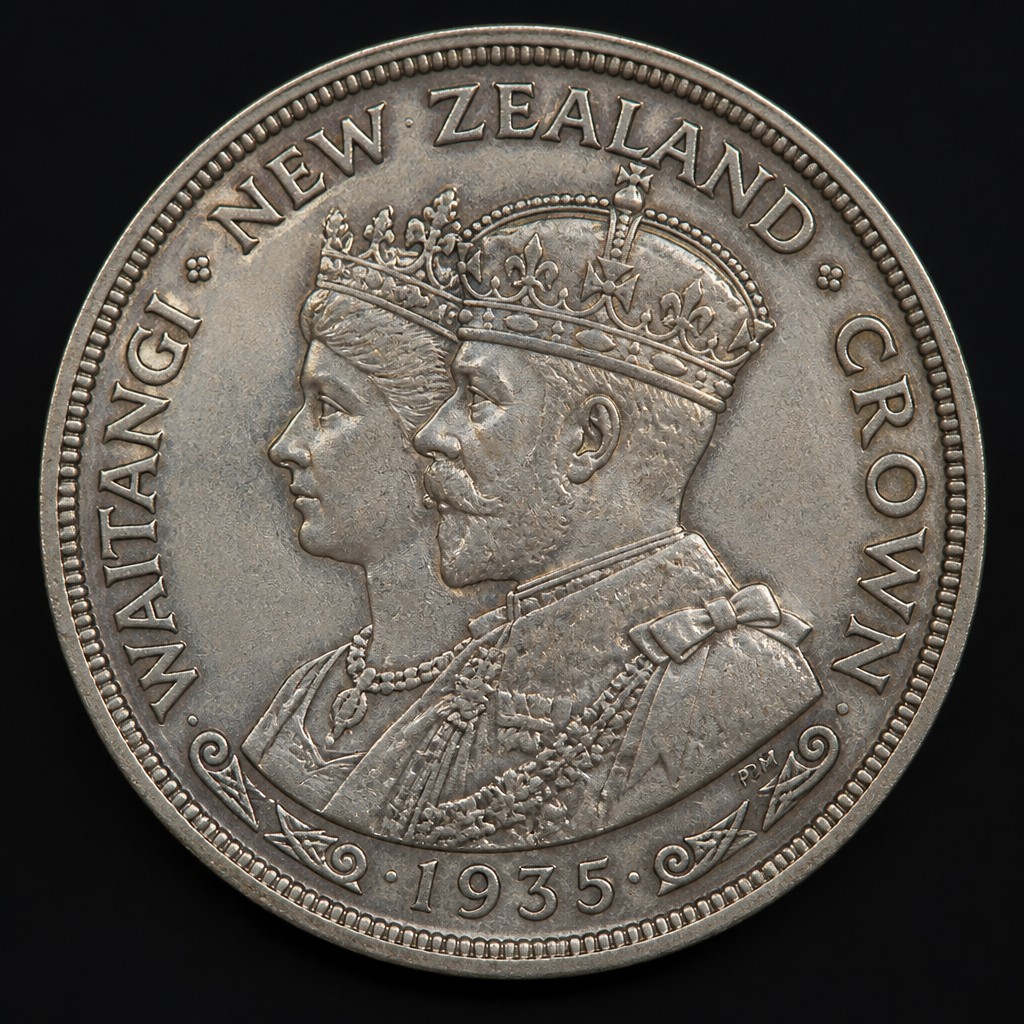
New Zealand Waitangi Crown (1935)
1935