
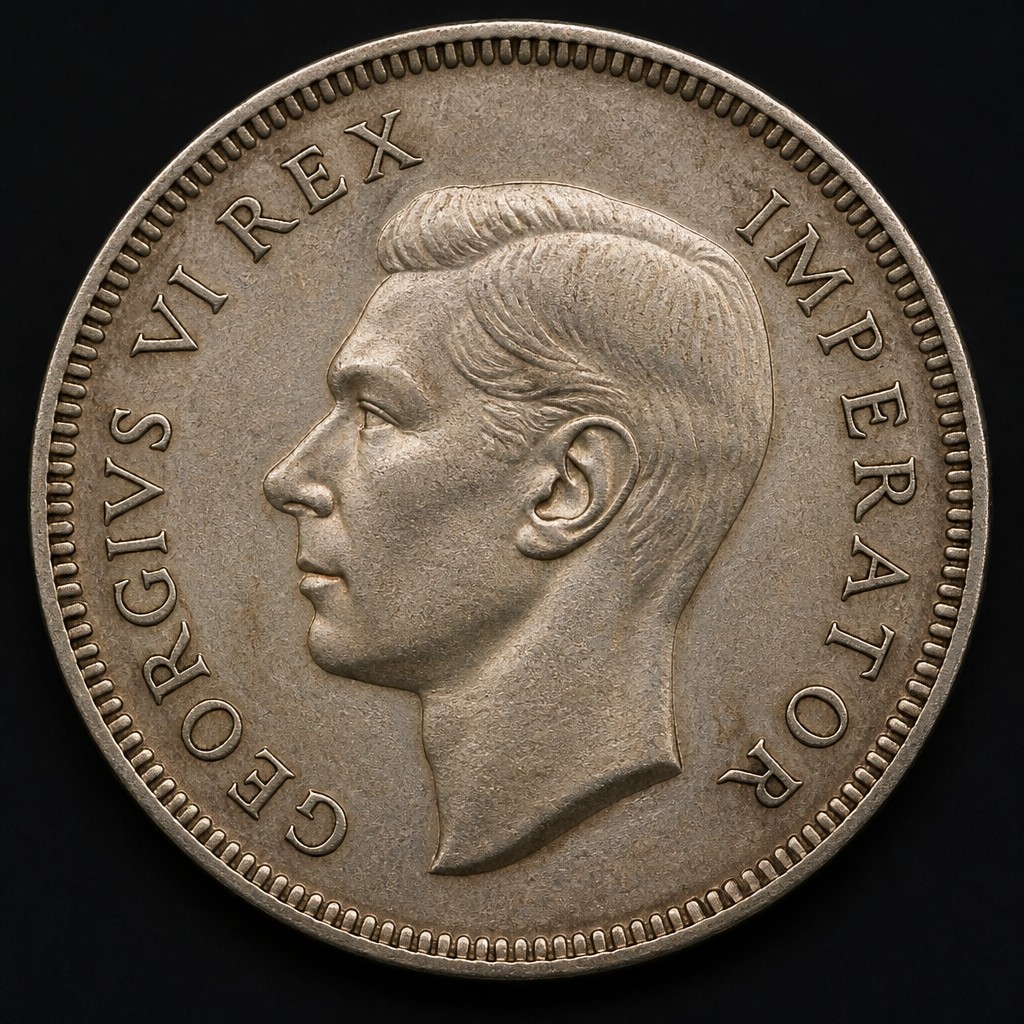
South African Sixpence (Union)
Small silver sixpence of the Union of South Africa, known for its protea flower reverse, circulated from the 1920s through the transition to decimal currency.
- Country
- Union of South Africa
- Denomination
- Sixpence
- Metal
- 80% silver (later 50% silver)
Got a coin like this?
Identify any coin from a photo, free.
Overview
The sixpence was one of the smaller regular denominations issued by the Union of South Africa, part of a coinage system that combined British monetary units with distinctly South African design elements. Its reverse features the protea, South Africa's national flower, a design used consistently across most of the coin's production run.
Struck initially in high-grade silver and later at reduced fineness in line with broader mid-20th century trends in Commonwealth silver coinage, the sixpence circulated widely for everyday small transactions for several decades.
The denomination, along with the rest of the Union's pound-shilling-pence system, was retired when South Africa introduced its decimal rand and cents currency in 1961.
History & Background
The Union of South Africa, formed in 1910 from the merger of British colonies and former Boer republics, began issuing its own coinage in the early 1920s that used shared British denominations but featured uniquely South African design themes, including national flora and fauna.
The sixpence's protea reverse became one of the most recognizable small silver denominations of the era, appearing consistently through the reigns of George V, George VI, and Elizabeth II with only minor obverse portrait updates.
Production ended as South Africa transitioned to a decimal currency system in 1961, the same year it became a republic and left the Commonwealth, ending the pound-based coinage era entirely.
How to Identify
Obverse: the reigning monarch's portrait with South Africa referenced in the surrounding legend, often in both English and Afrikaans. Reverse: a protea flower design with the denomination SIXPENCE and date.
The coin is small, roughly 19mm in diameter, consistent with sixpence-sized coinage across the British Commonwealth. Silver content was originally 80%, later reduced to 50% in line with postwar silver coinage debasement seen across many Commonwealth nations.
Collectors distinguish the South African sixpence from British or other Commonwealth sixpences primarily by its protea reverse design and bilingual English-Afrikaans legends.
Value & Collectibility
Most Union sixpences are common in circulated condition and are valued modestly, largely reflecting their small silver content, though well-preserved uncirculated examples and certain lower-mintage years can bring stronger collector premiums.
As with most small circulated silver coinage from this era, grade and originality (absence of cleaning or excessive wear) are the primary value drivers rather than dramatic date rarity.
Collectors building a Union of South Africa type set often seek one attractive example of both the higher-silver early issues and the later reduced-fineness coins to represent the full design run.
Frequently asked questions
What flower appears on the reverse?
The protea, South Africa's national flower, appears on the coin's reverse for most of its production run.
What language appears alongside English?
Afrikaans, reflecting the bilingual coinage practice of the Union of South Africa era.
Is the coin pure silver?
No, it was struck in 80% silver initially, later reduced to 50% silver in the postwar period.
When did the sixpence stop being used?
It was discontinued when South Africa adopted decimal rand currency in 1961.
Other coins you may enjoy
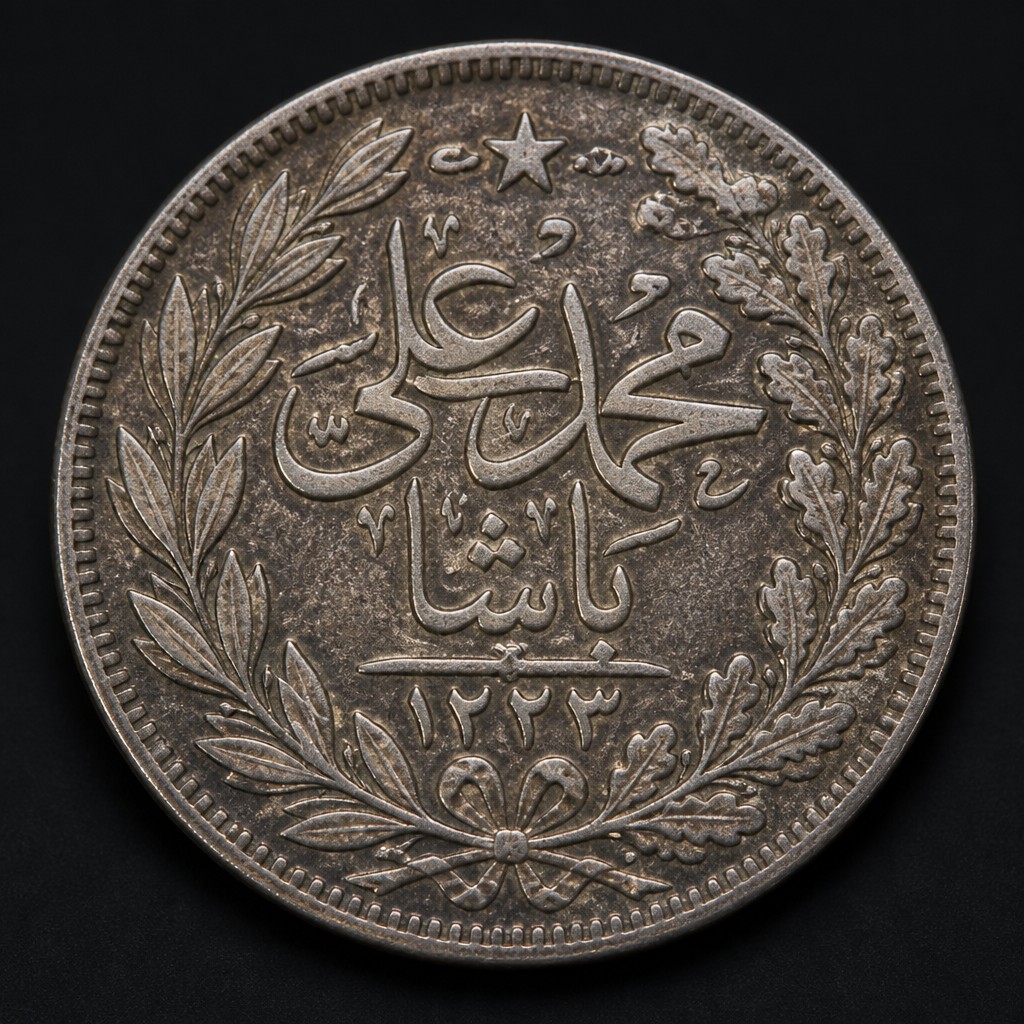
Egyptian Qirsh (Muhammad Ali Era)
Early-to-mid 19th century (c. 1805–1848)
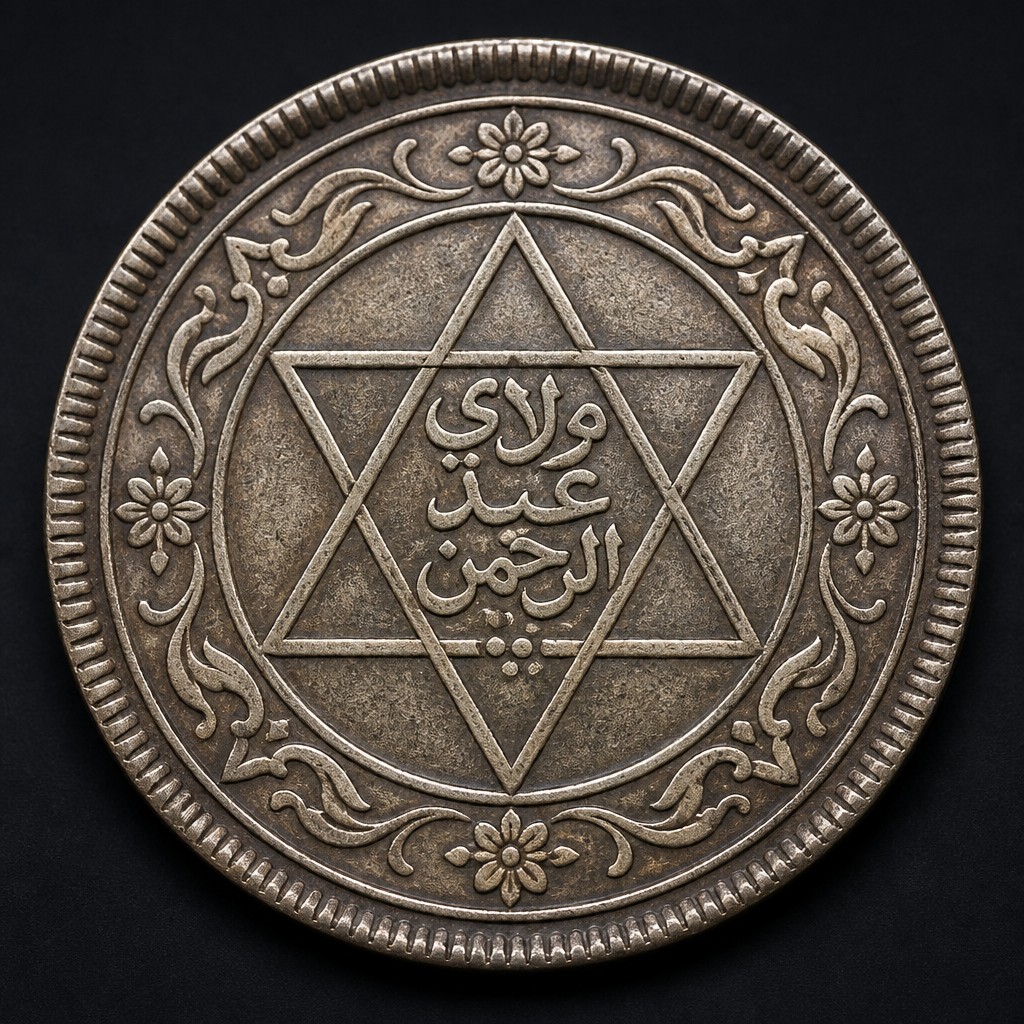
Moroccan Rial (Alawi Dynasty Coinage)
18th–19th century (pre-protectorate era)
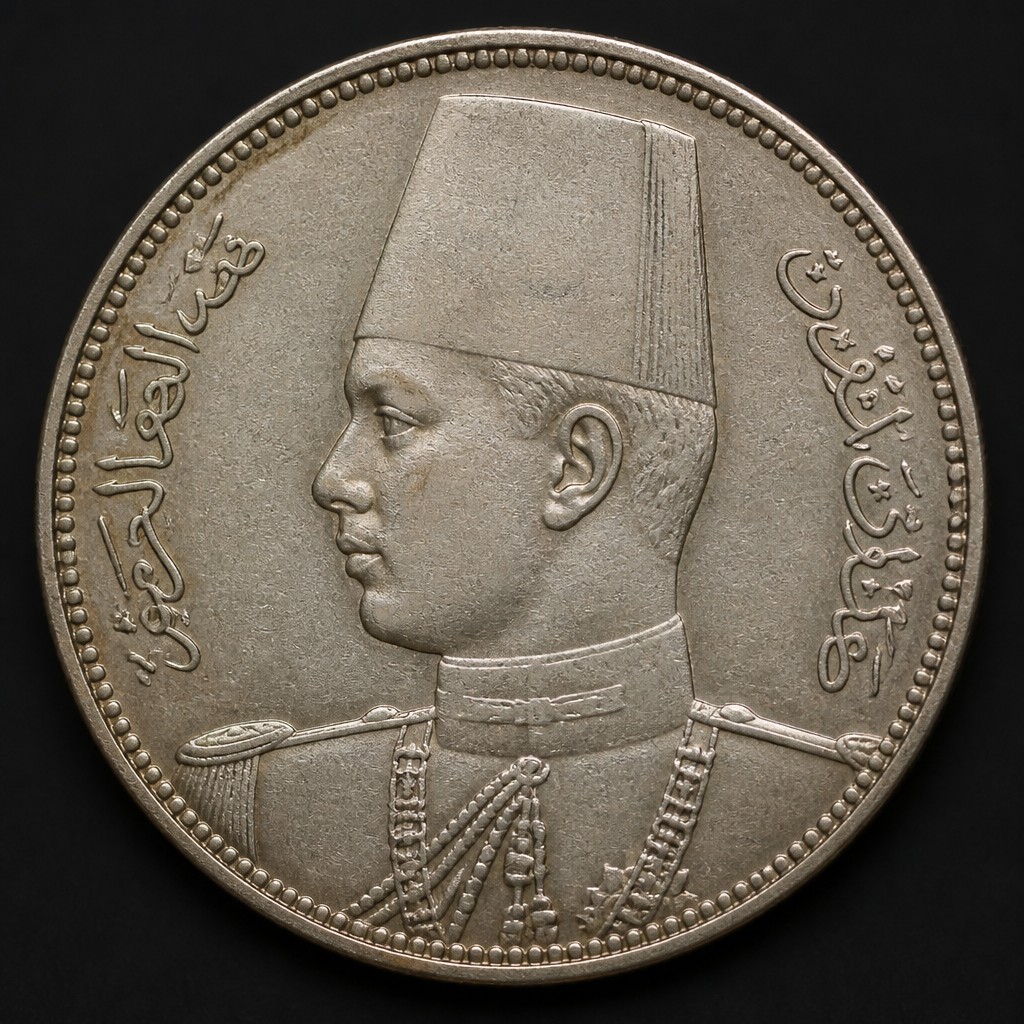
Egyptian Farouk 5 Piastres
1937-1952
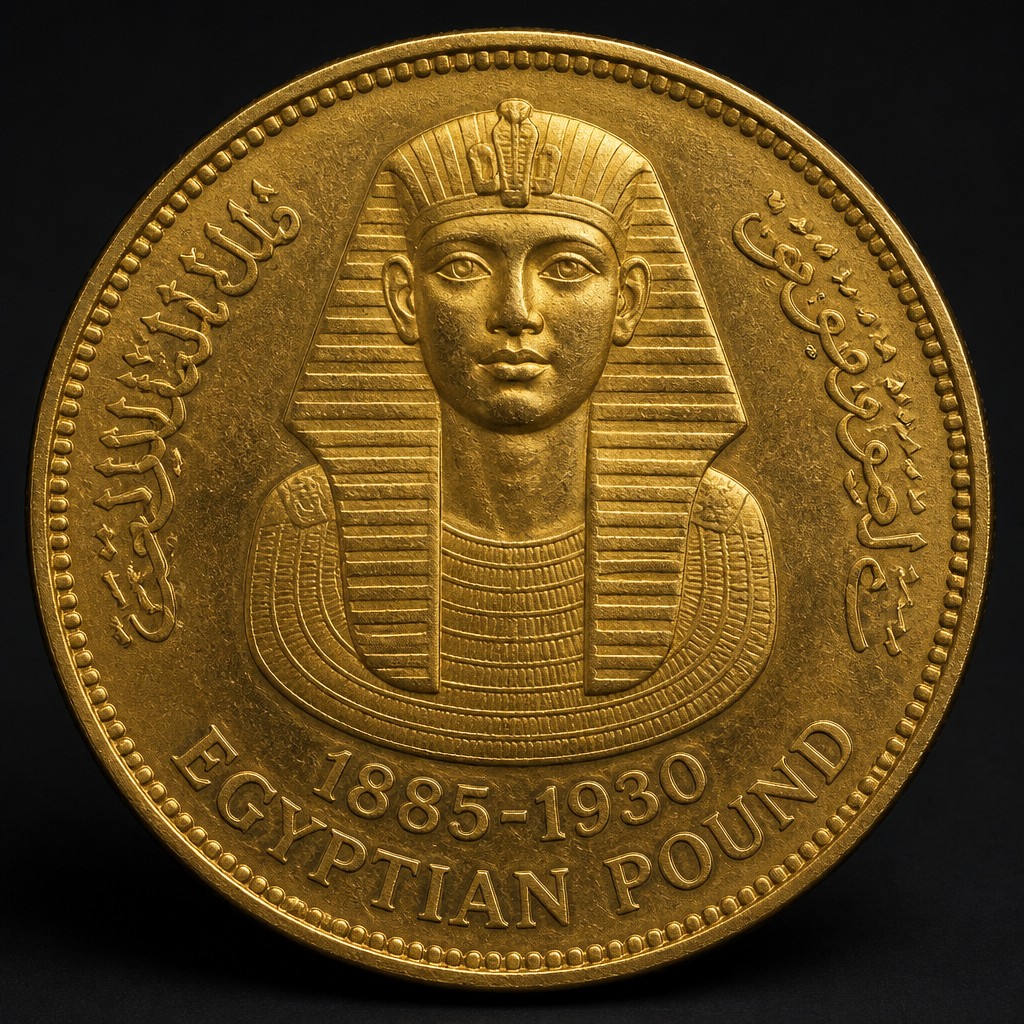
Egyptian Pound (gold)
1885–1930
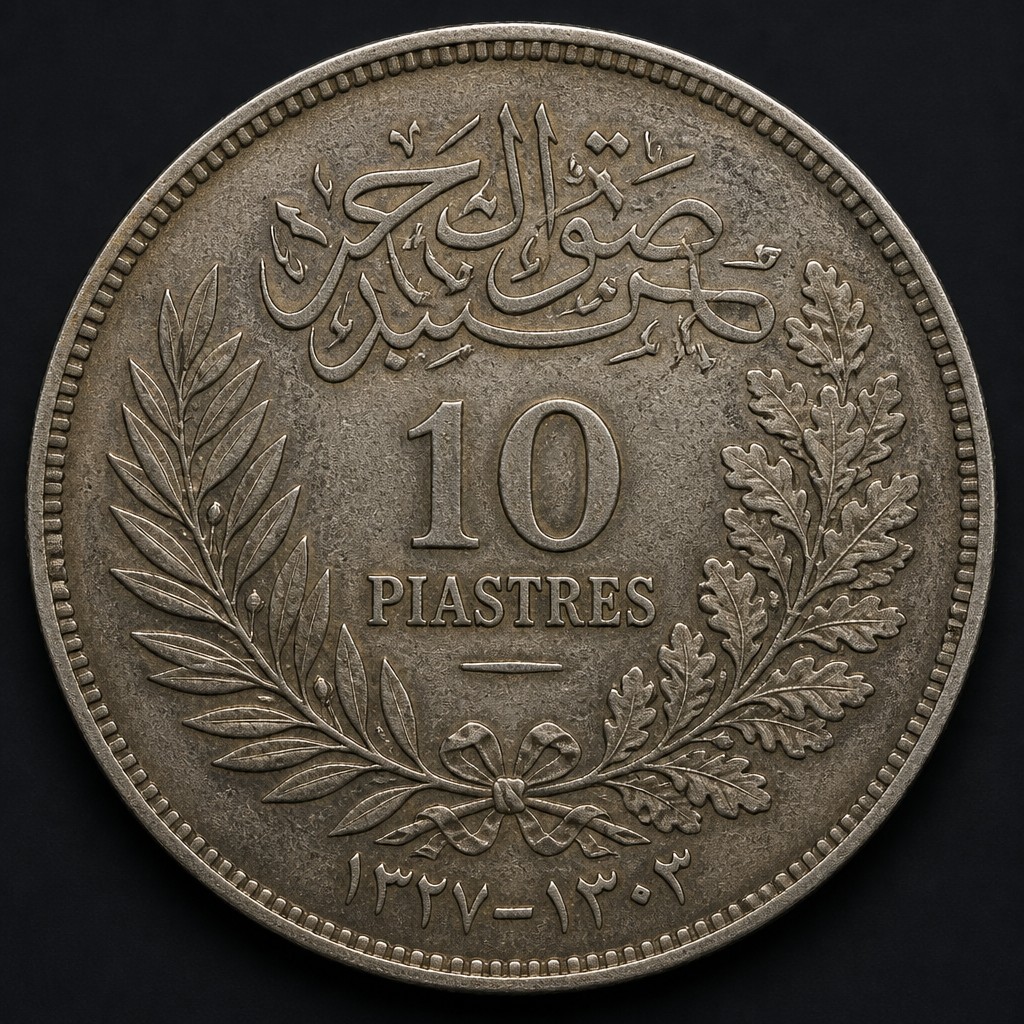
Egyptian 10 Piastres (silver)
1885–1939
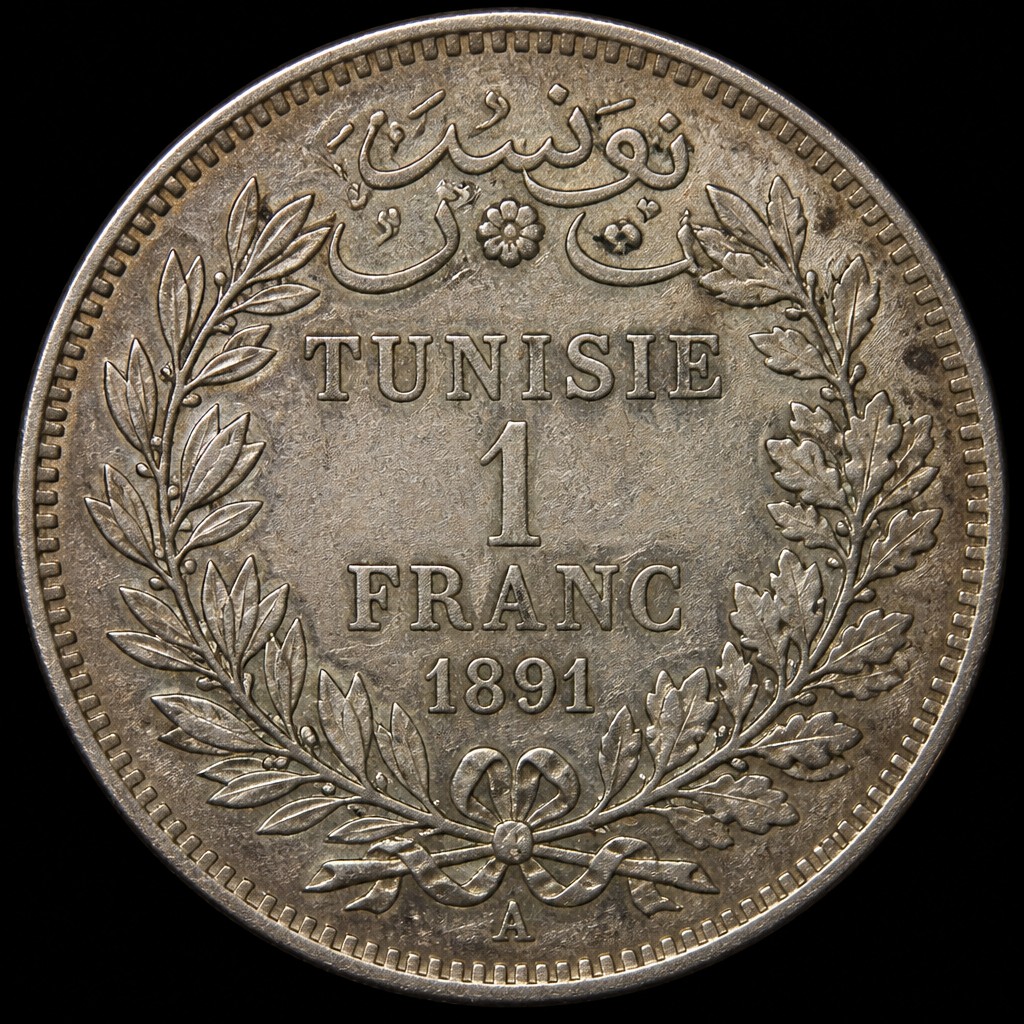
Tunisian Franc (Beylik Era)
Late 19th–early 20th century (c. 1891–1957 transition)
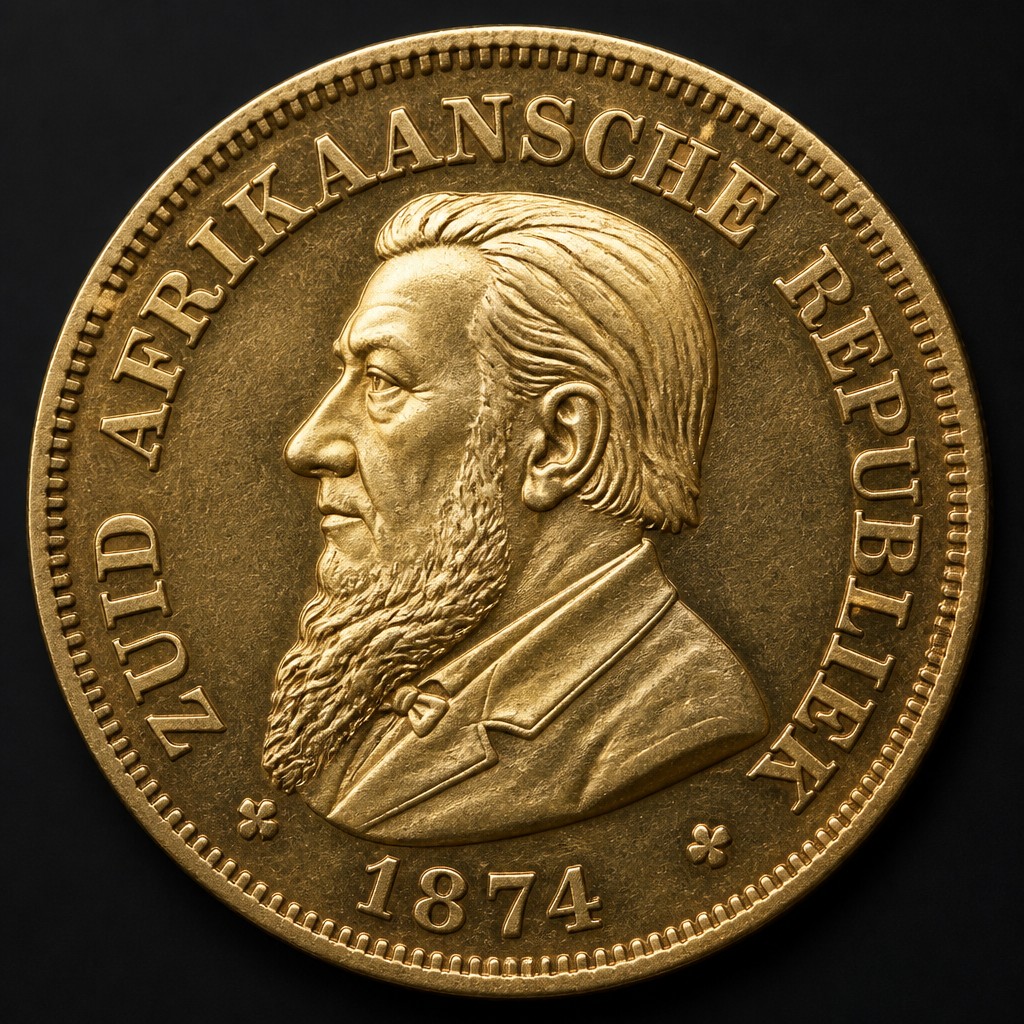
South African Republic Burgers Pond
1874
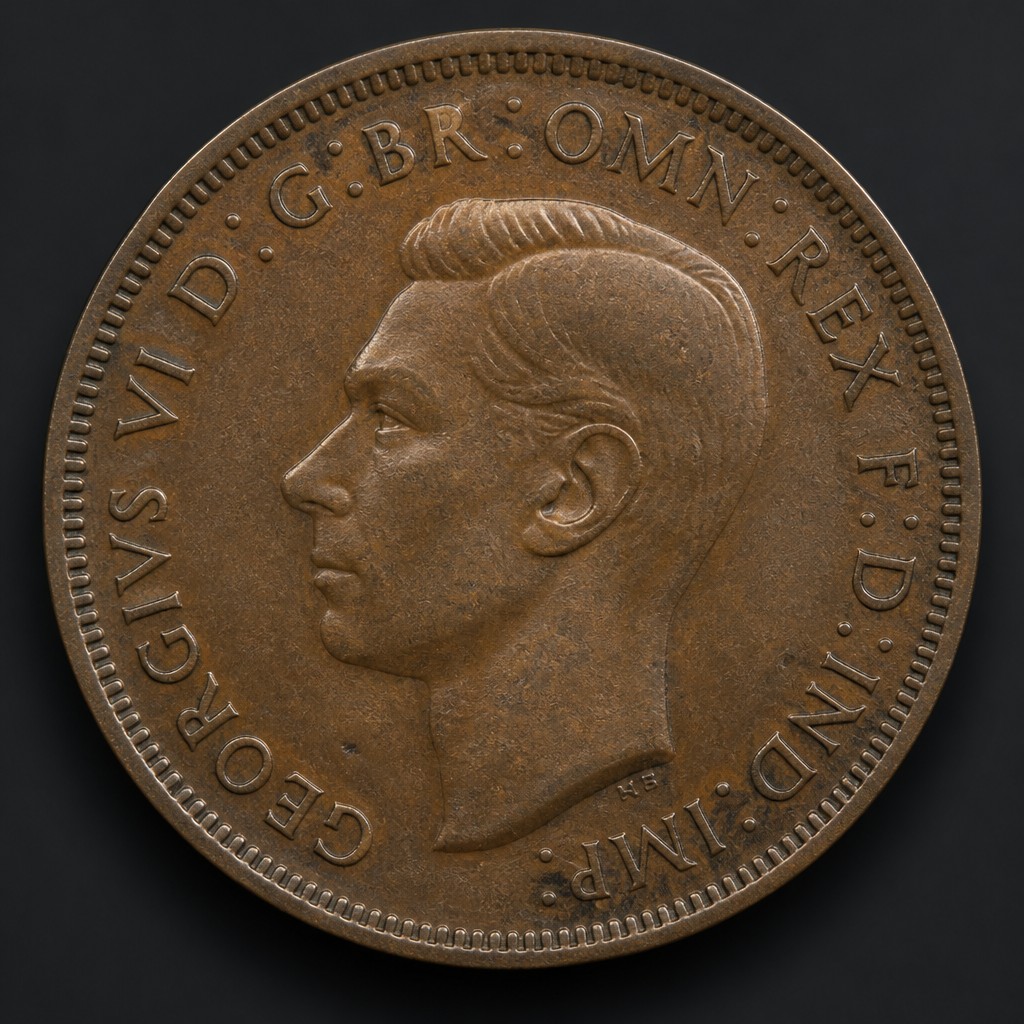
New Zealand Penny (KGVI)
1937-1952
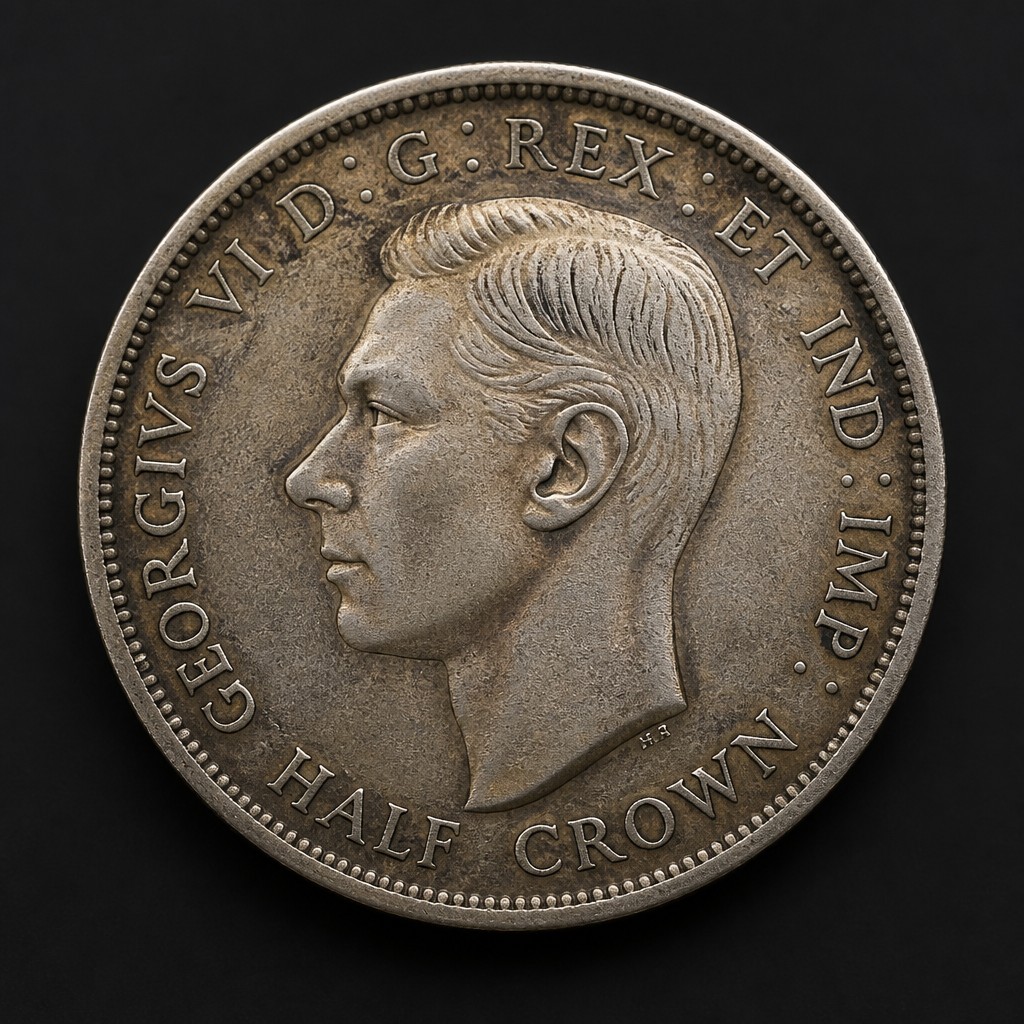
New Zealand Half Crown (pre-decimal)
1933-1965
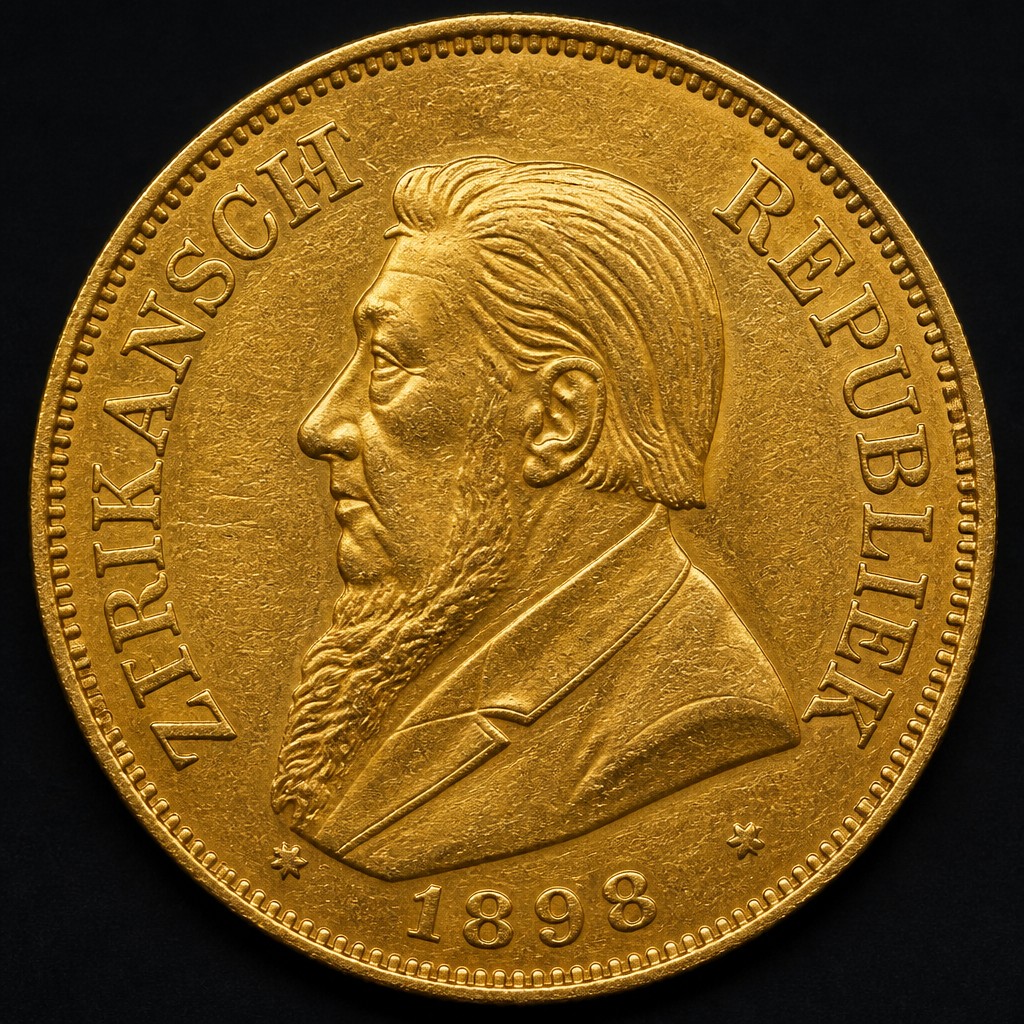
South African ZAR Kruger Pond
1892-1900
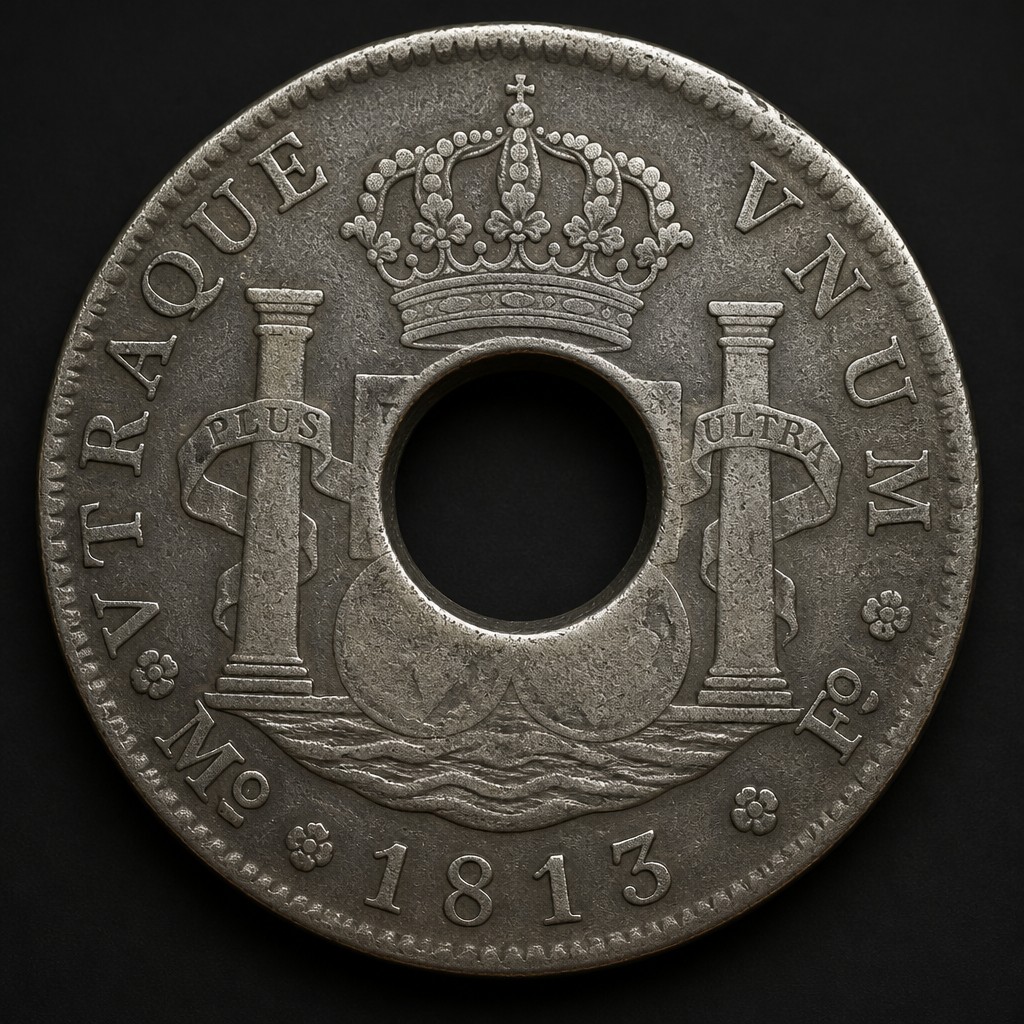
Australian Holey Dollar and Dump
1813
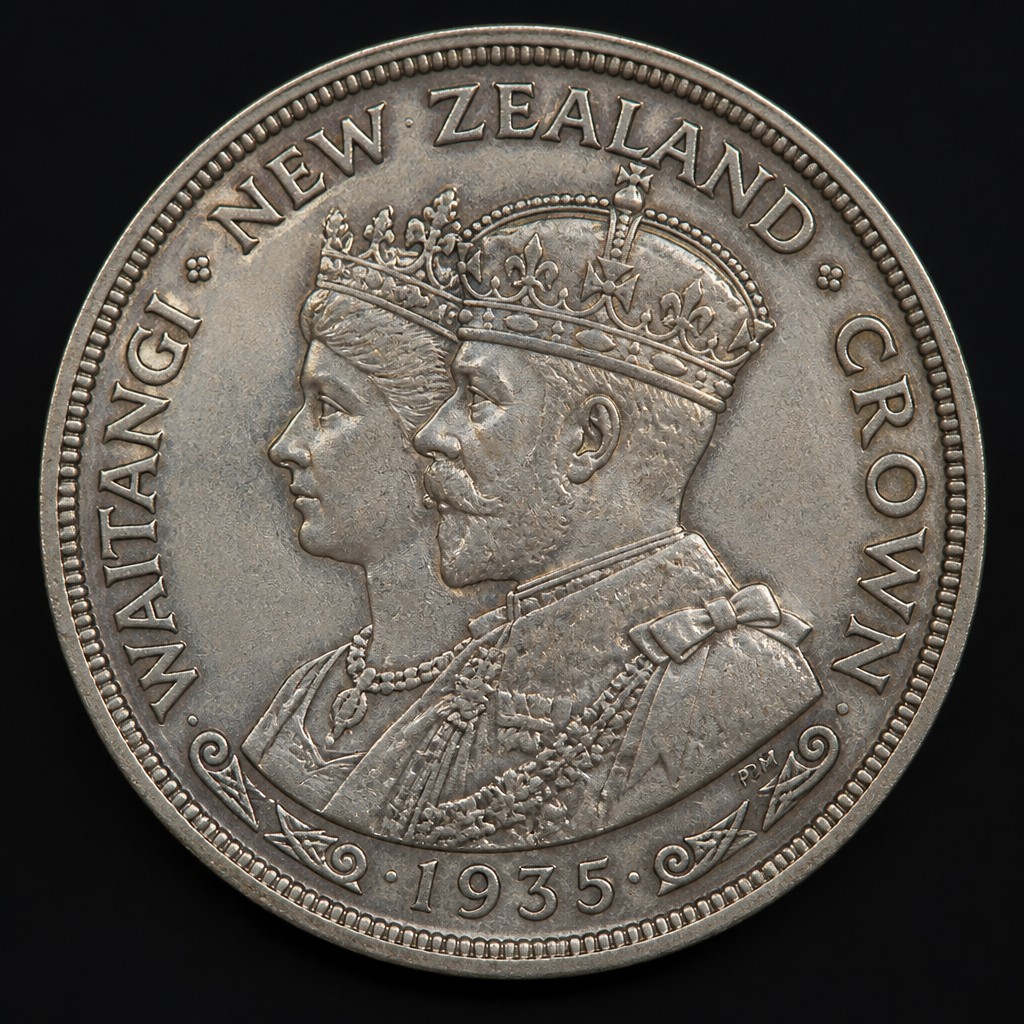
New Zealand Waitangi Crown (1935)
1935