
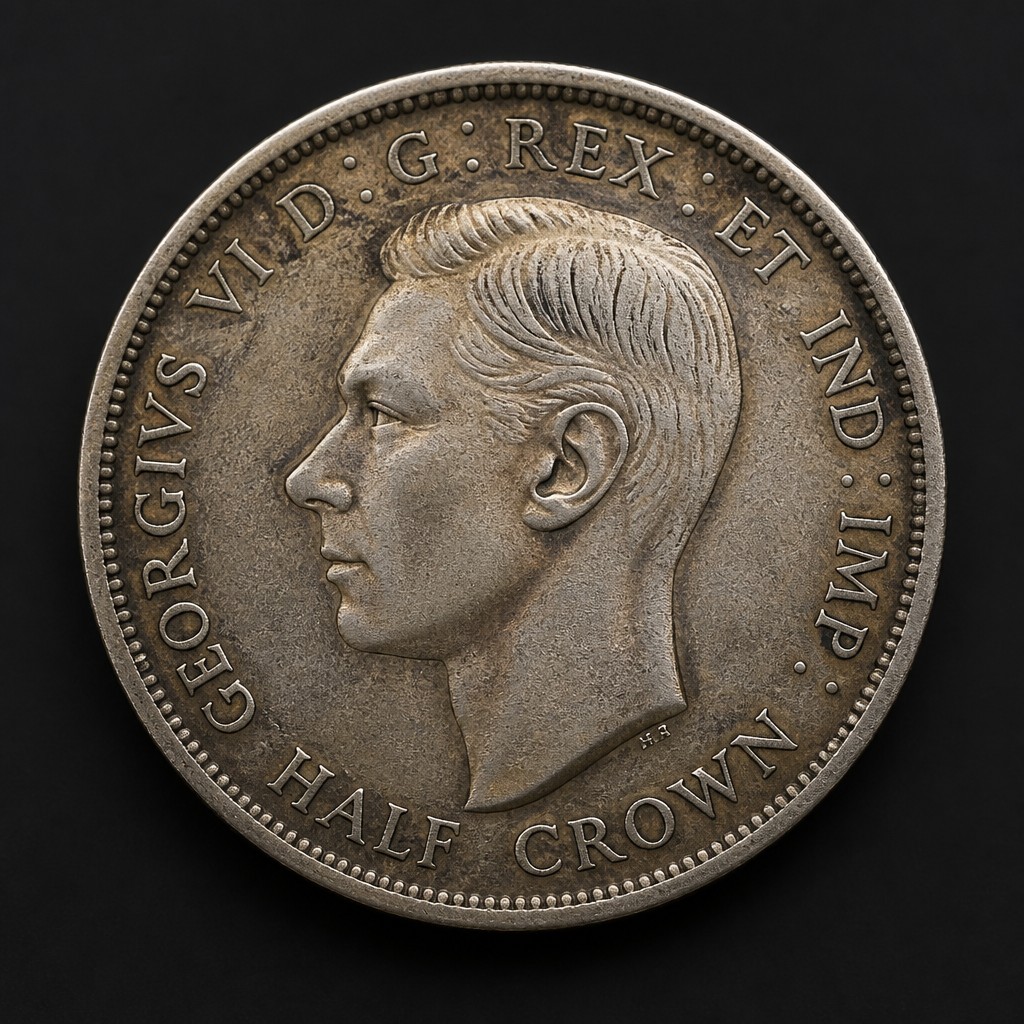
New Zealand Half Crown (pre-decimal)
The largest denomination in New Zealand's regular pre-decimal coin series, featuring the national coat of arms, circulated from 1933 until decimalization in 1967.
- Country
- New Zealand
- Denomination
- Half Crown (Two Shillings Sixpence)
- Metal
- 50% silver (later cupronickel from 1947)
Got a coin like this?
Identify any coin from a photo, free.
Overview
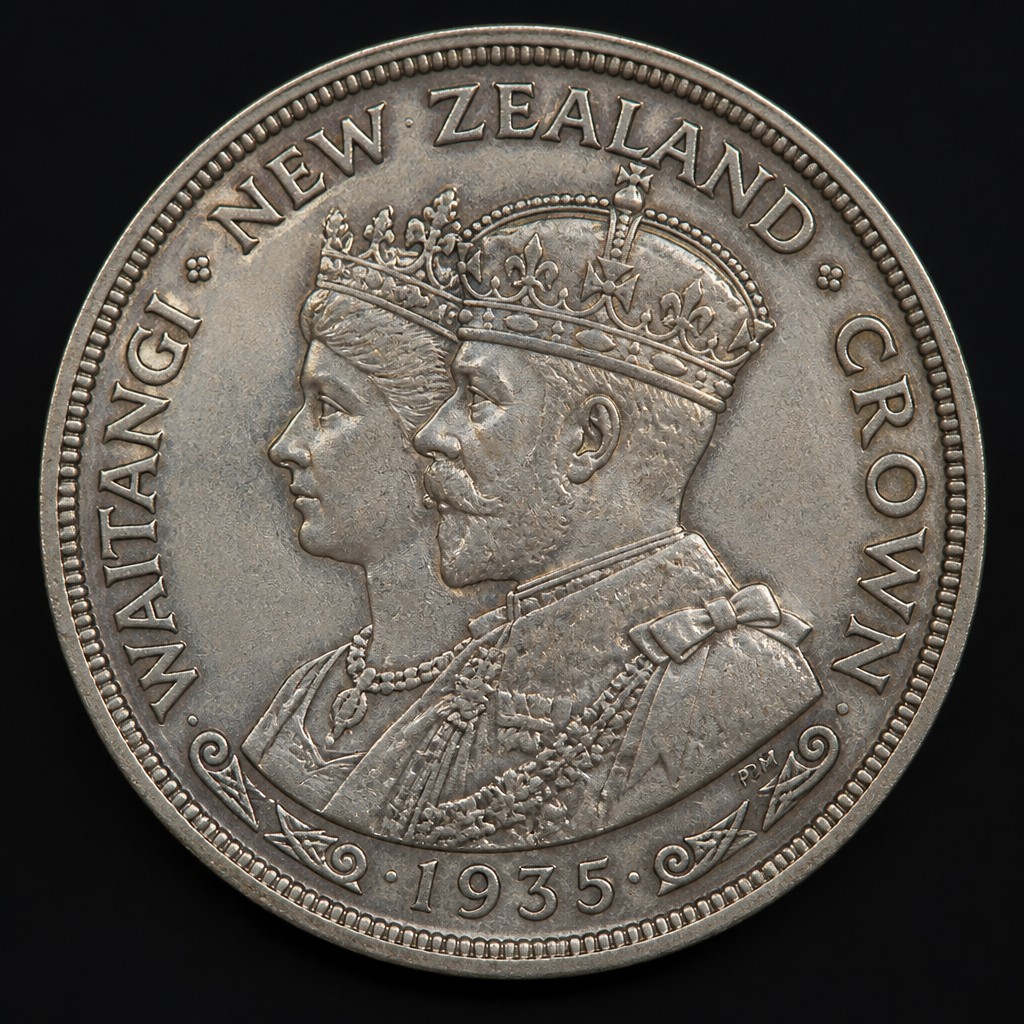
The half crown was the highest-value coin in New Zealand's standard pre-decimal circulating series (excluding the special 1935 Waitangi crown), worth two shillings and sixpence. Introduced in 1933 alongside the rest of the country's first uniquely national coinage, its reverse depicts the New Zealand coat of arms.
As the largest and heaviest coin in regular circulation, the half crown played an important role in everyday transactions for decades, valued for its substantial size relative to the smaller denominations bearing native wildlife imagery.
Like its companion denominations, the half crown moved from silver to cupronickel composition in the late 1940s before the entire pre-decimal series was retired in 1967.
History & Background
The half crown was part of the 1933 New Zealand coinage reform that replaced shared British designs with locally themed coins for the first time. Unlike the florin, threepence, or penny, which used native flora and fauna, the half crown's reverse was reserved for the more formal image of the national coat of arms, reflecting its status as the top-value coin in the series.
It circulated through the reigns of George V, George VI, and Elizabeth II, continuing largely unchanged in design apart from the obverse monarch's portrait and periodic metal composition updates.
The denomination, along with the rest of New Zealand's pre-decimal coinage, was withdrawn when the country adopted dollars and cents in 1967, with no direct decimal equivalent retaining its exact value.
How to Identify
Obverse: the current monarch's portrait with Commonwealth titles. Reverse: the New Zealand coat of arms, featuring a shield with symbols representing agriculture, industry, and the nation, flanked by a European woman and a Maori warrior as supporters, with HALF CROWN or the denomination and date.
The coin is the largest in the regular pre-decimal series, roughly 32mm in diameter. Silver content is 50% for coins from 1933-1946, switching to cupronickel from 1947 onward, similar to the florin's composition timeline.
Collectors distinguish it from the florin primarily by its larger size and the coat-of-arms reverse rather than the kiwi design used on the florin.
Value & Collectibility
Common-date half crowns in worn condition are valued modestly, generally in line with their silver content for pre-1947 issues, while cupronickel dates trade more on numismatic demand than metal value. Higher-grade uncirculated examples and scarcer early dates can bring stronger collector premiums.
As the largest coin in the series, well-preserved half crowns are popular for type collections representing New Zealand's pre-decimal coinage.
Overall values tend to be moderate compared to genuinely rare New Zealand issues like the Waitangi crown, making the half crown a more accessible collecting entry point.
Frequently asked questions
What is depicted on the reverse?
The New Zealand coat of arms, flanked by symbolic figures, rather than the native wildlife seen on smaller denominations.
How big is the coin compared to the florin?
It is the largest coin in the regular pre-decimal series, noticeably bigger than the florin.
Is it made of silver?
Coins dated 1933-1946 are 50% silver; from 1947 onward the composition changed to cupronickel.
When was it discontinued?
It was withdrawn along with the rest of New Zealand's pre-decimal coinage when decimal currency was introduced in 1967.
Other coins you may enjoy
Egyptian Qirsh (Muhammad Ali Era)
Early-to-mid 19th century (c. 1805–1848)
Moroccan Rial (Alawi Dynasty Coinage)
18th–19th century (pre-protectorate era)
South African Sixpence (Union)
1923-1960
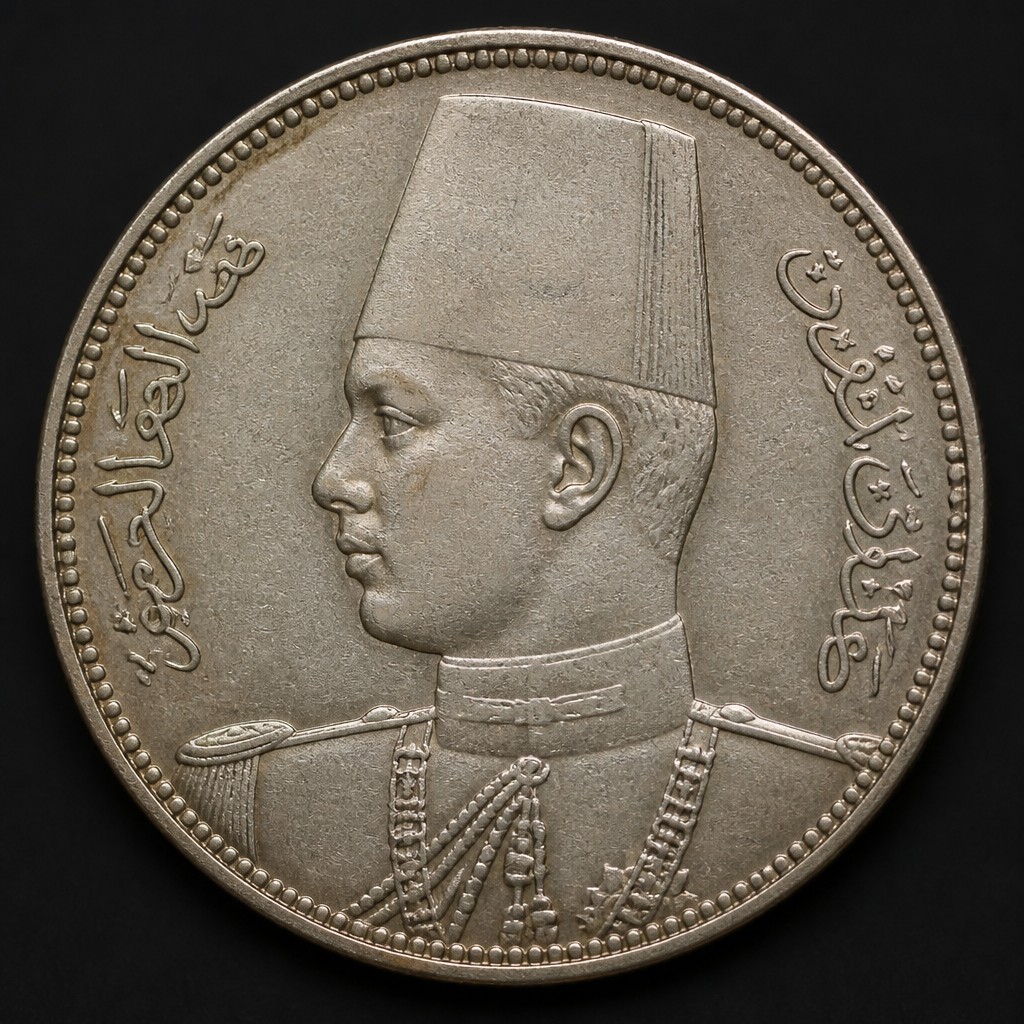
Egyptian Farouk 5 Piastres
1937-1952
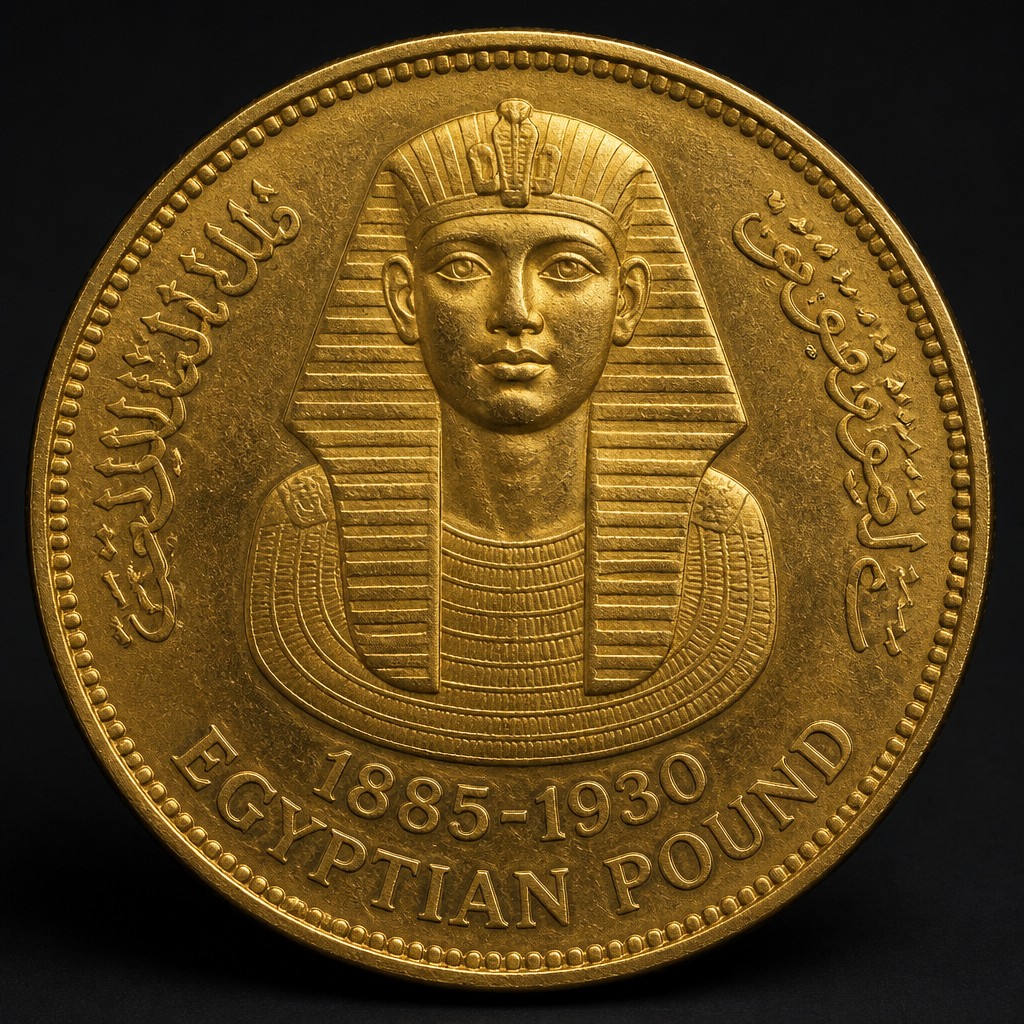
Egyptian Pound (gold)
1885–1930
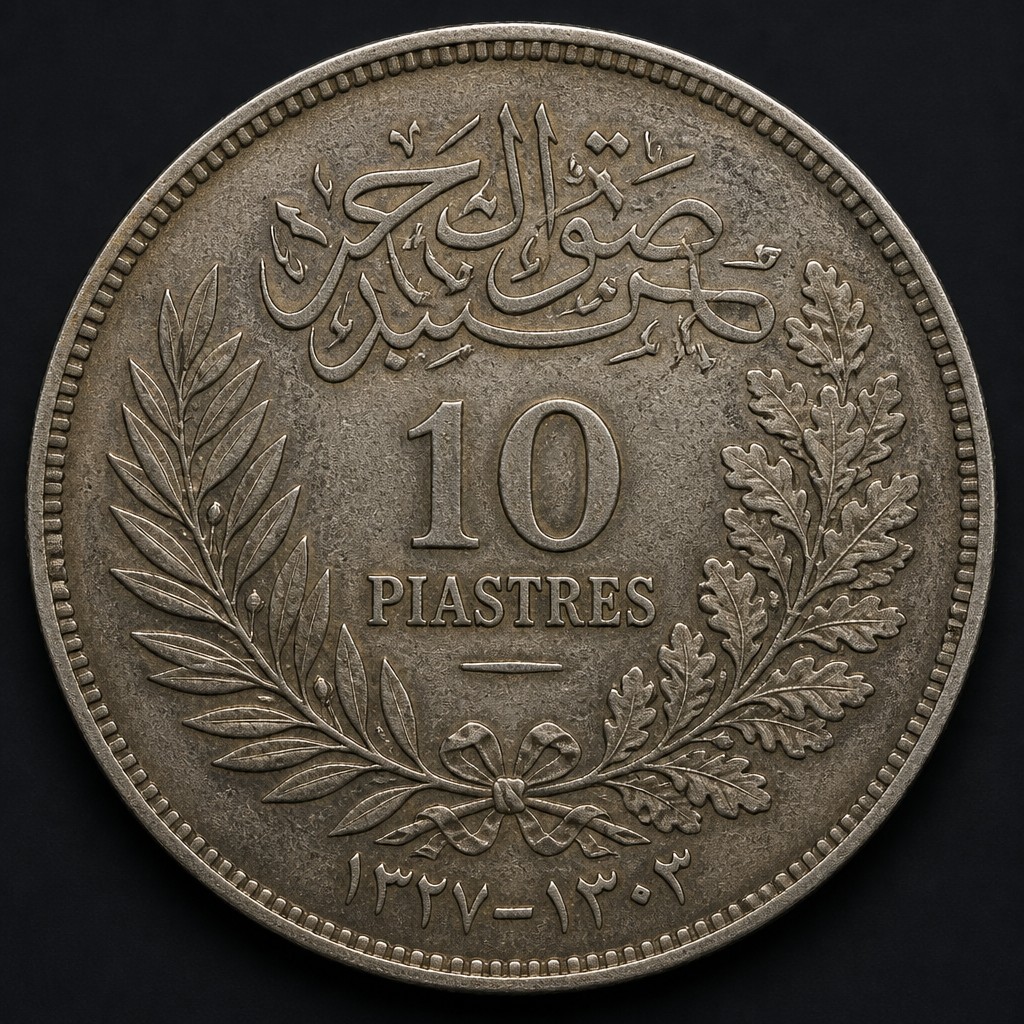
Egyptian 10 Piastres (silver)
1885–1939
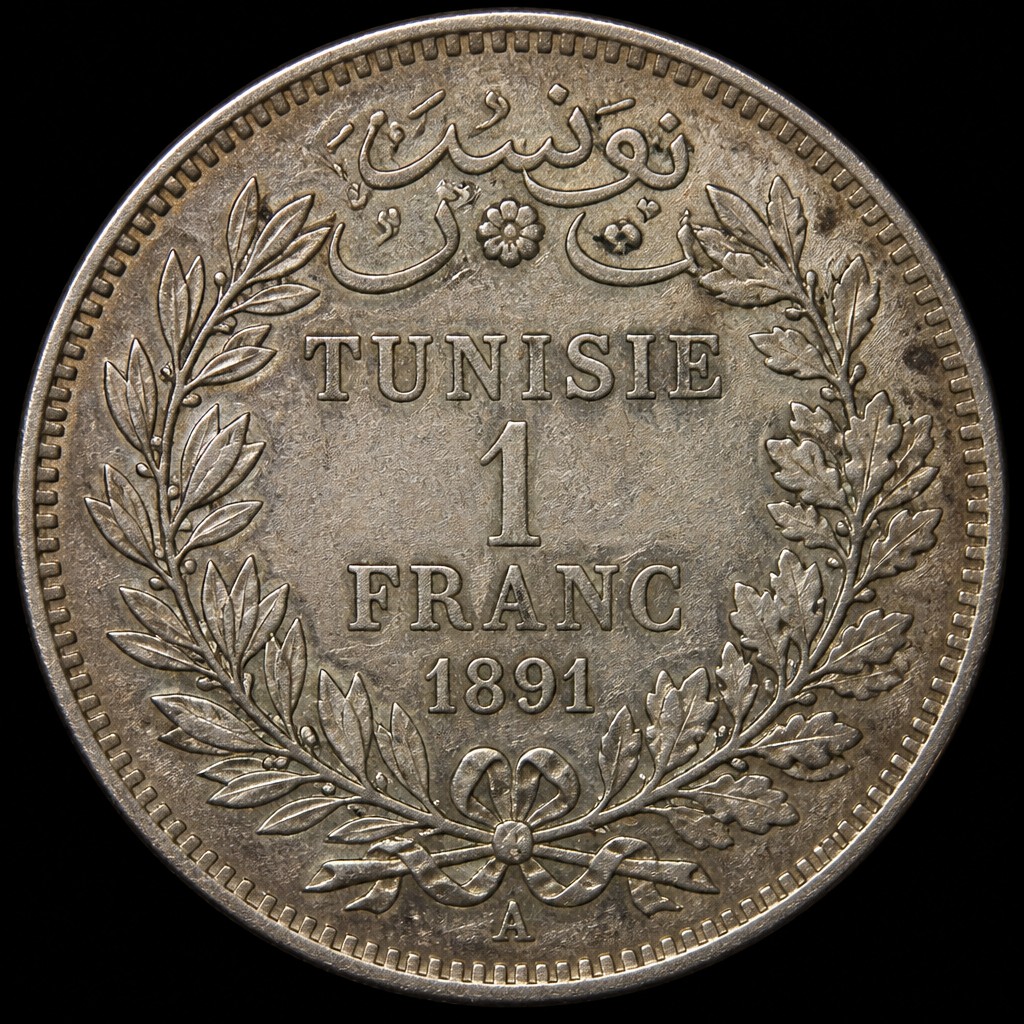
Tunisian Franc (Beylik Era)
Late 19th–early 20th century (c. 1891–1957 transition)
South African Republic Burgers Pond
1874
New Zealand Penny (KGVI)
1937-1952
South African ZAR Kruger Pond
1892-1900
Australian Holey Dollar and Dump
1813
New Zealand Waitangi Crown (1935)
1935