
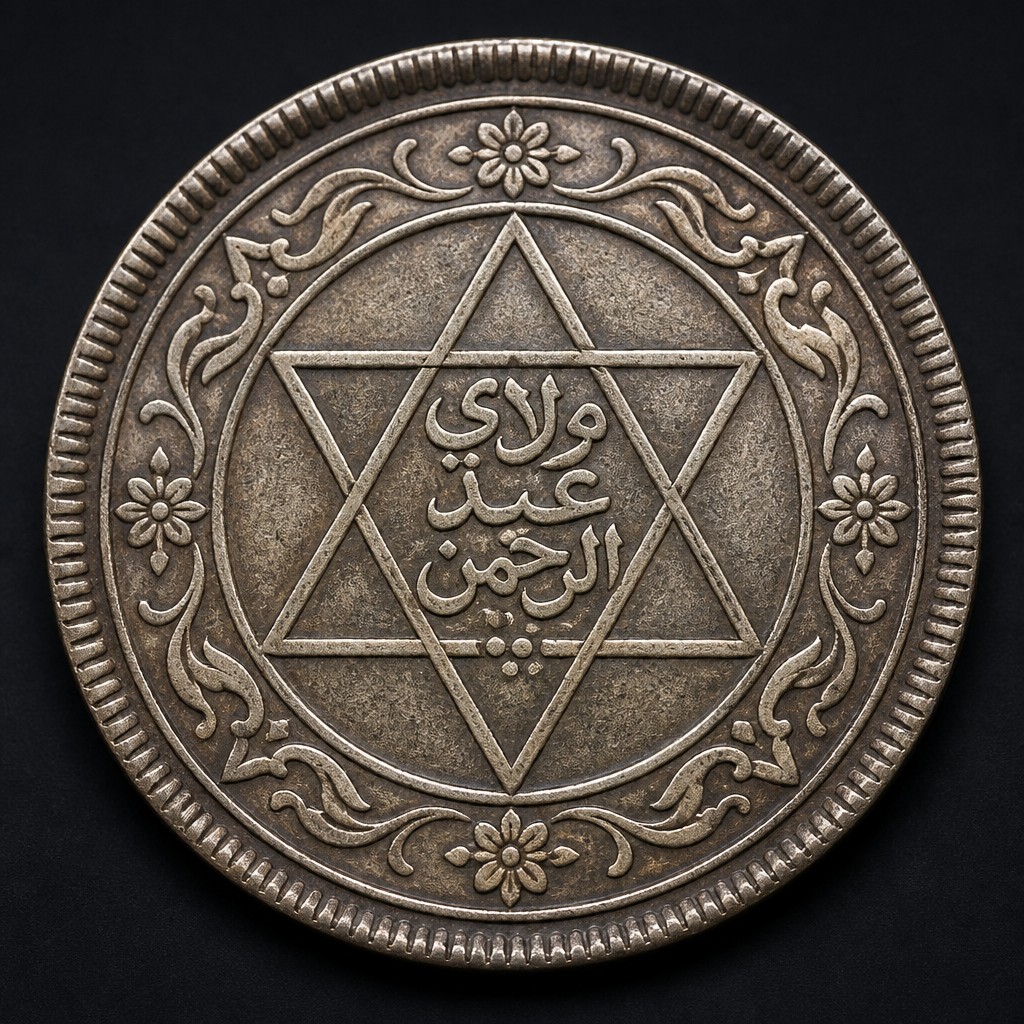
Moroccan Rial (Alawi Dynasty Coinage)
Silver rial coinage struck by Morocco's Alawi sultans in the pre-colonial era, following Islamic coinage tradition with Arabic legends and no ruler portrait.
- Country
- Morocco
- Denomination
- 1 Rial (also called Dirham)
- Metal
- Silver
Got a coin like this?
Identify any coin from a photo, free.
Overview
During the long rule of Morocco's Alawi dynasty, which has governed the country since the 17th century, silver rial (also called dirham in some contexts) coins were struck under the authority of the reigning sultan at mints in cities such as Fez and Marrakesh. These coins reflect Morocco's position as one of the few North African states that retained full independence through most of the Ottoman era, striking its own coinage rather than provincial Ottoman issues.
Alawi-era silver coins followed conservative Islamic numismatic conventions, favoring calligraphic legends over imagery, and typically named the reigning sultan along with the mint city and a Hijri date. Coinage weight and fineness were adjusted periodically in response to regional silver supply and trade conditions.
This coinage predates Morocco's later 19th and early 20th century currency reforms undertaken as European financial influence grew, and it eventually gave way to more standardized franc-based and, after independence, dirham-based currency systems in the modern era.
History & Background
The Alawi dynasty rose to power in Morocco in the mid-17th century and has ruled the country continuously since, making it one of the longest-reigning ruling houses in the Islamic world. Successive Alawi sultans issued silver rial and related fractional coinage from mints in major cities, asserting Moroccan sovereignty at a time when much of the rest of North Africa fell under direct or indirect Ottoman administration.
Coinage under sultans such as Sidi Muhammad ibn Abdallah and his 19th-century successors reflected both traditional Islamic monetary practice and growing engagement with European trade, which eventually introduced pressures for currency reform, including experiments with new denominations and, later, French financial oversight.
By the late 19th and early 20th centuries, Morocco's currency system underwent significant reform amid increasing European economic penetration, eventually leading to the introduction of a franc-pegged currency during the French and Spanish protectorate period, which superseded the older Alawi silver rial coinage for circulation.
How to Identify
Alawi-era Moroccan rial coins are struck with Arabic calligraphic legends on both sides, typically including the name and titles of the reigning sultan, the mint city (such as Fez or Marrakesh), and a Hijri date, without any portrait or figural imagery, consistent with Islamic coinage tradition.
The coins are silver, generally modest in size compared to European crown-sized coins, and their exact weight and fineness varied across the decades as sultans adjusted the standard in response to trade and bullion conditions. Strikes can be somewhat irregular in shape and centering compared to contemporary European milled coinage, reflecting traditional Moroccan minting methods.
To identify a specific issue, collectors look for the sultan's name and mint city in the Arabic legend and compare the Hijri date to reference chronologies of Alawi rulers, since the coin's general design remained conservative and similar across different reigns.
Value & Collectibility
Values for pre-protectorate Alawi silver rial coins depend on condition, legibility of the Arabic date and mint name, and specific ruler or mint rarity, with certain scarce mint-and-date combinations valued more highly by specialists in Moroccan and North African Islamic coinage.
Because striking methods were often less precise than contemporary European coinage, well-centered, clearly legible examples are notably more desirable than typical off-center or worn specimens, which make up a large share of the surviving population.
Common examples in modest condition are generally affordable relative to other world silver coins of similar age and silver content, while rare rulers, mints, or exceptional condition examples can bring substantially higher prices in the specialized Islamic and North African coin market.
Frequently asked questions
Why don't these coins show a sultan's portrait?
Islamic coinage tradition generally avoided figural imagery, so Moroccan coins relied on calligraphic inscriptions naming the ruler instead of a portrait.
What information is inscribed on the coin?
The sultan's name and titles, the mint city, and a Hijri calendar date typically appear in the Arabic legend.
Which mints struck these coins?
Major Moroccan cities including Fez and Marrakesh were common mint locations under the Alawi sultans.
When did this coinage system end?
It was gradually replaced during the late 19th and early 20th century currency reforms, culminating in franc-based currency under the French and Spanish protectorate period.
Other coins you may enjoy
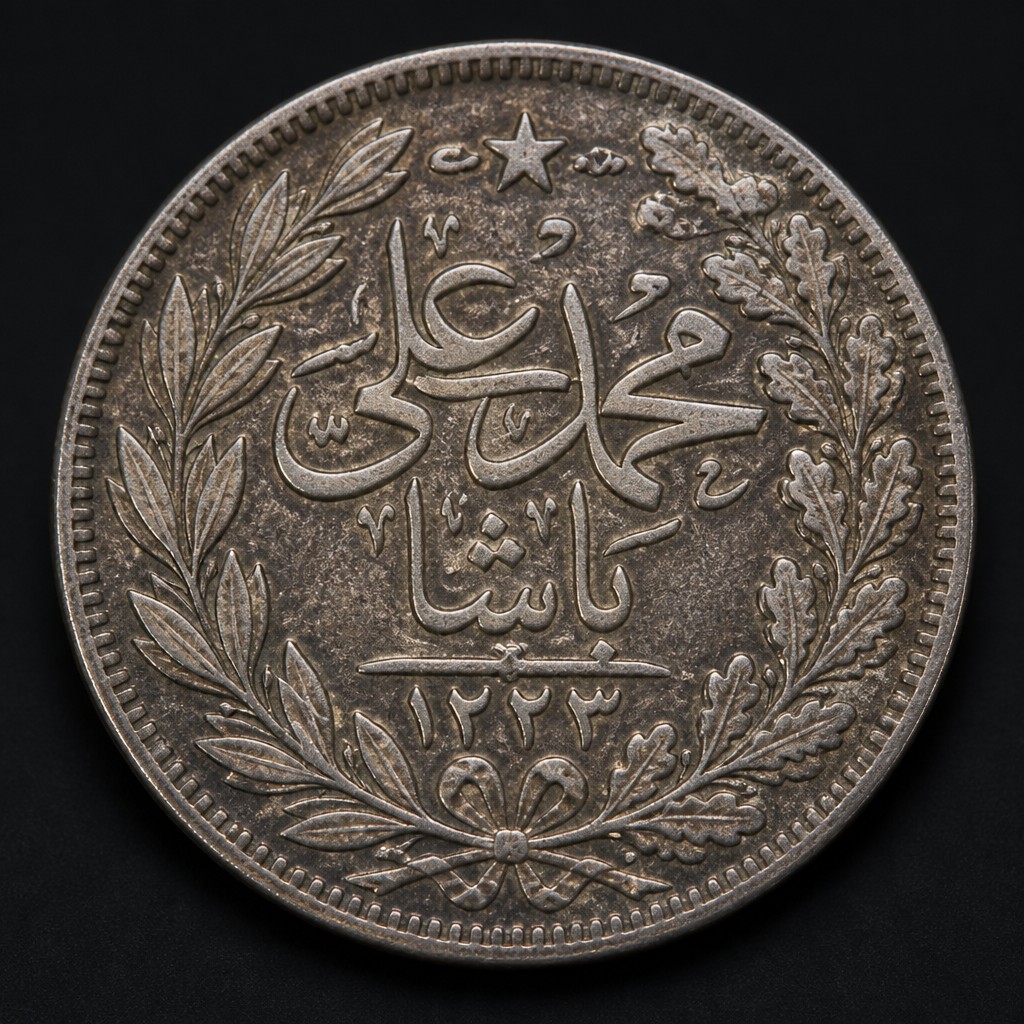
Egyptian Qirsh (Muhammad Ali Era)
Early-to-mid 19th century (c. 1805–1848)
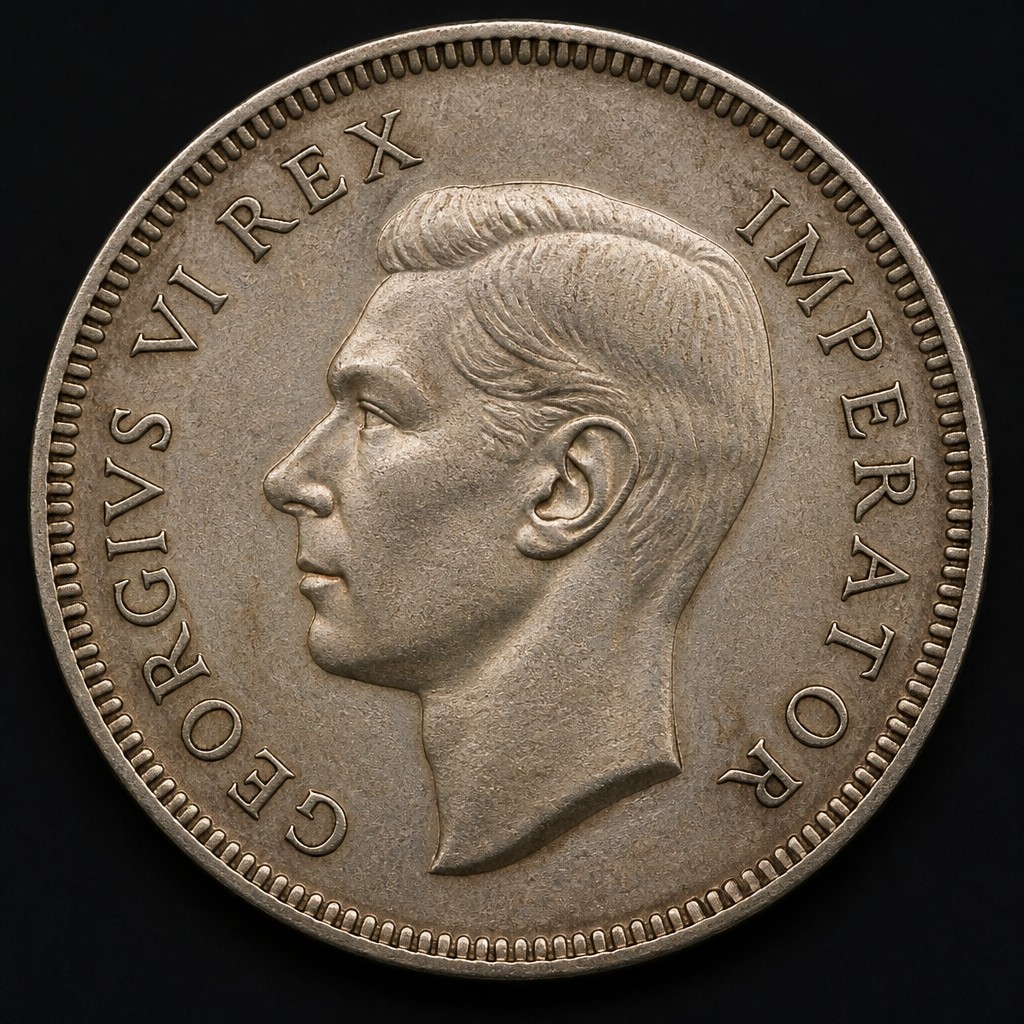
South African Sixpence (Union)
1923-1960
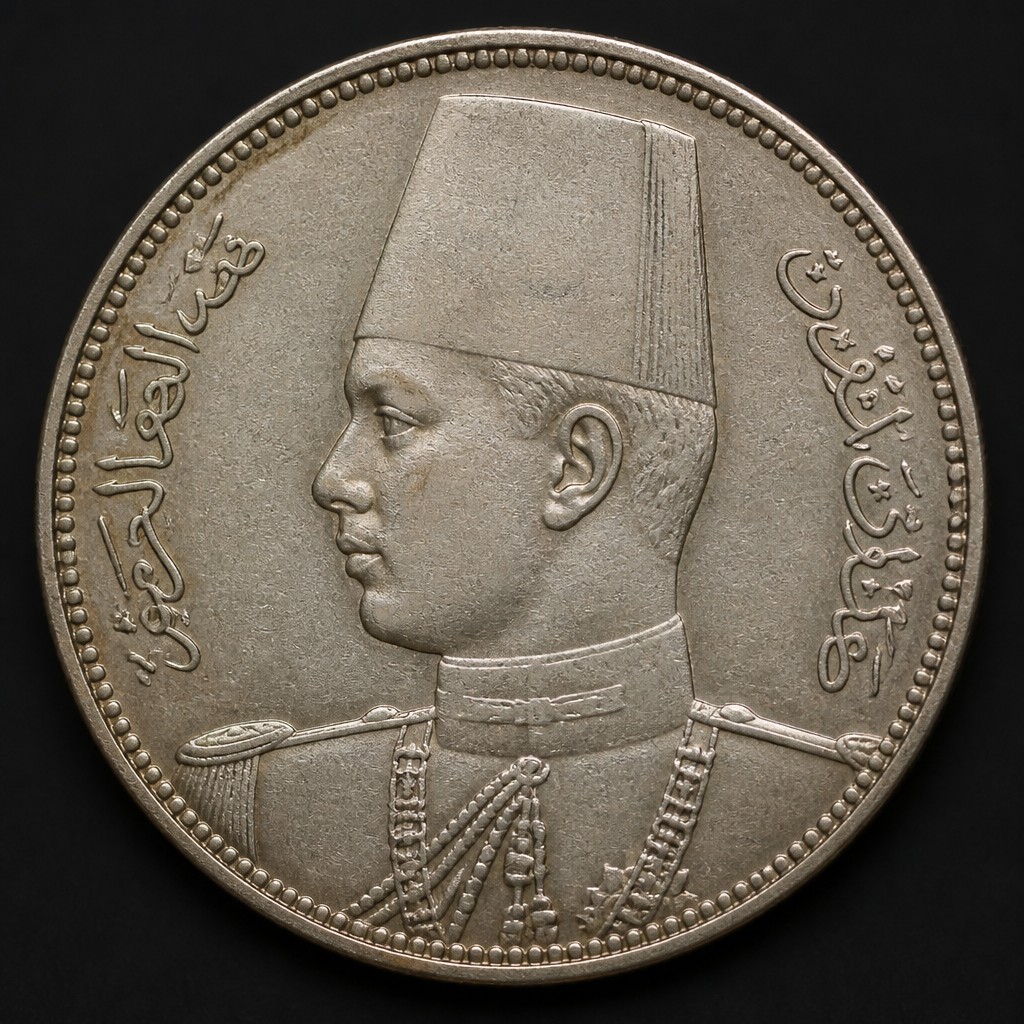
Egyptian Farouk 5 Piastres
1937-1952
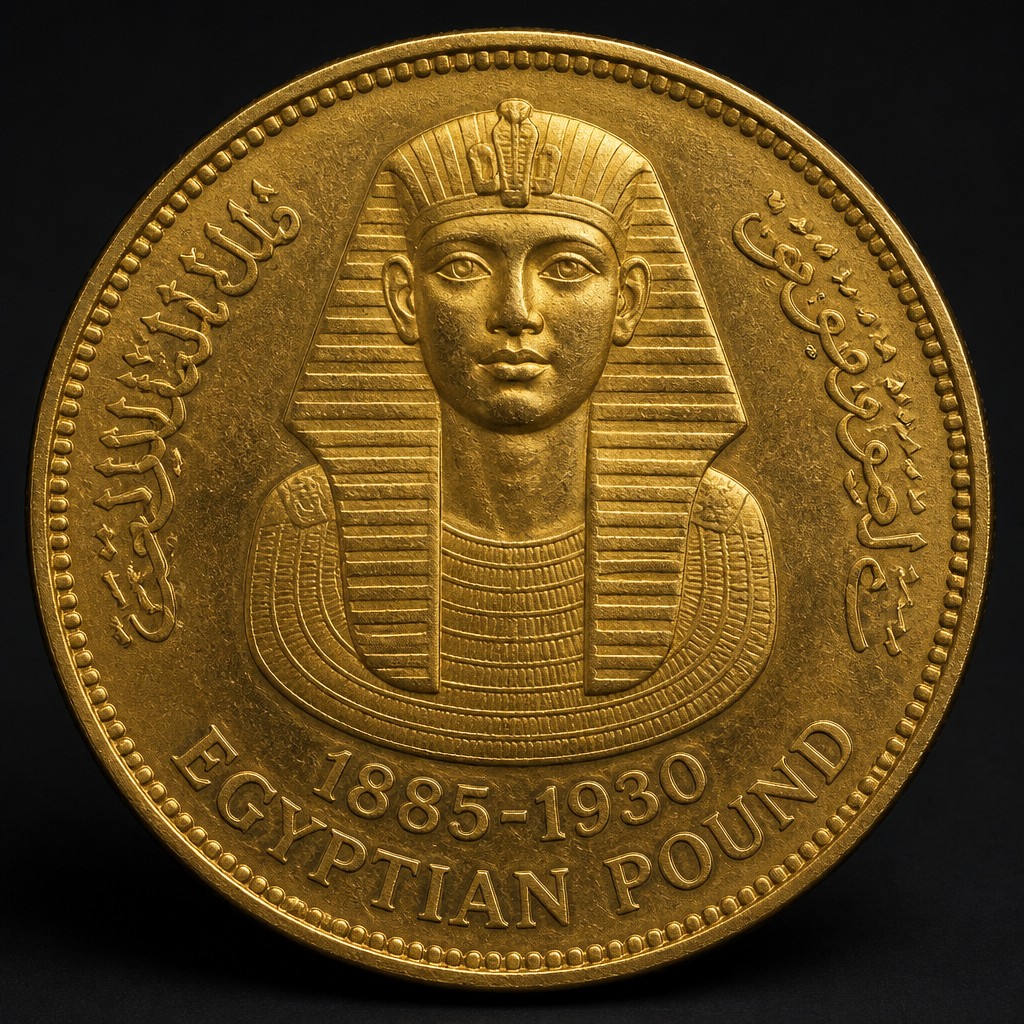
Egyptian Pound (gold)
1885–1930
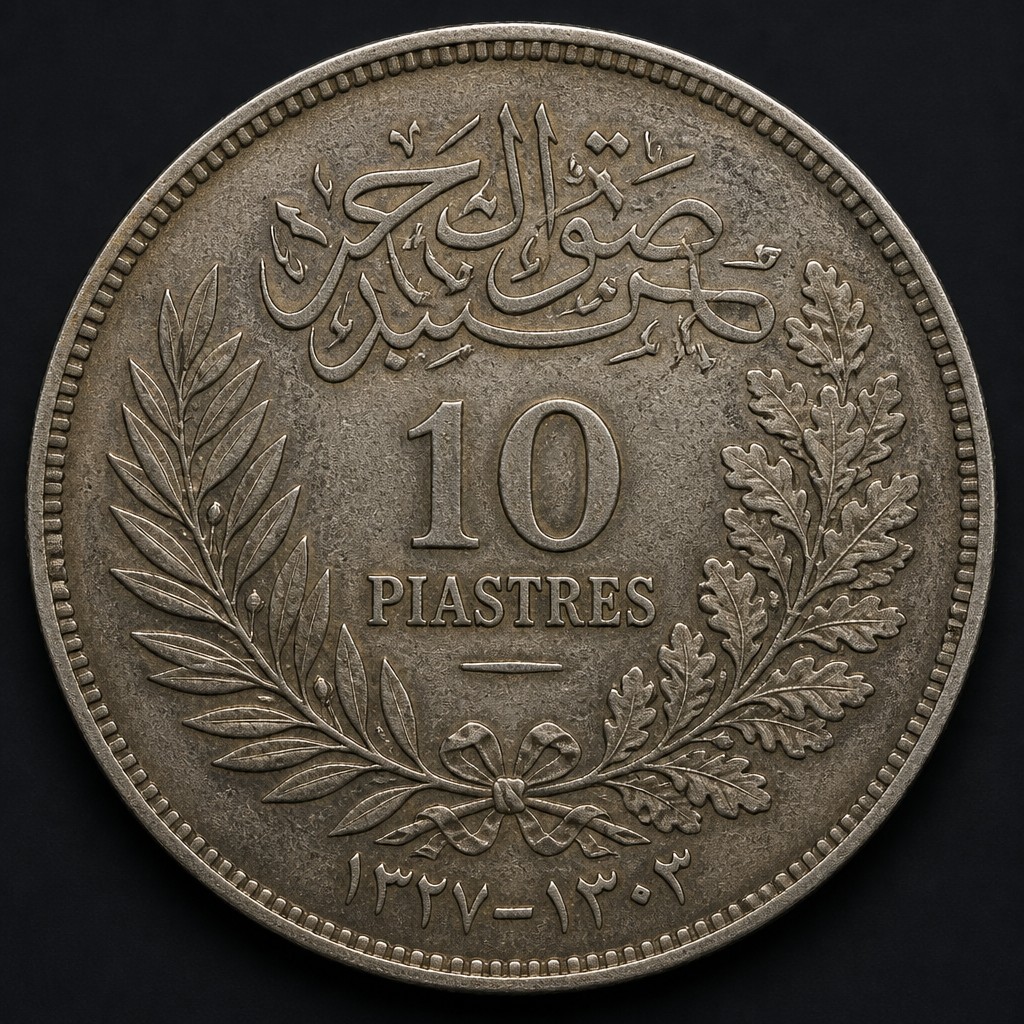
Egyptian 10 Piastres (silver)
1885–1939
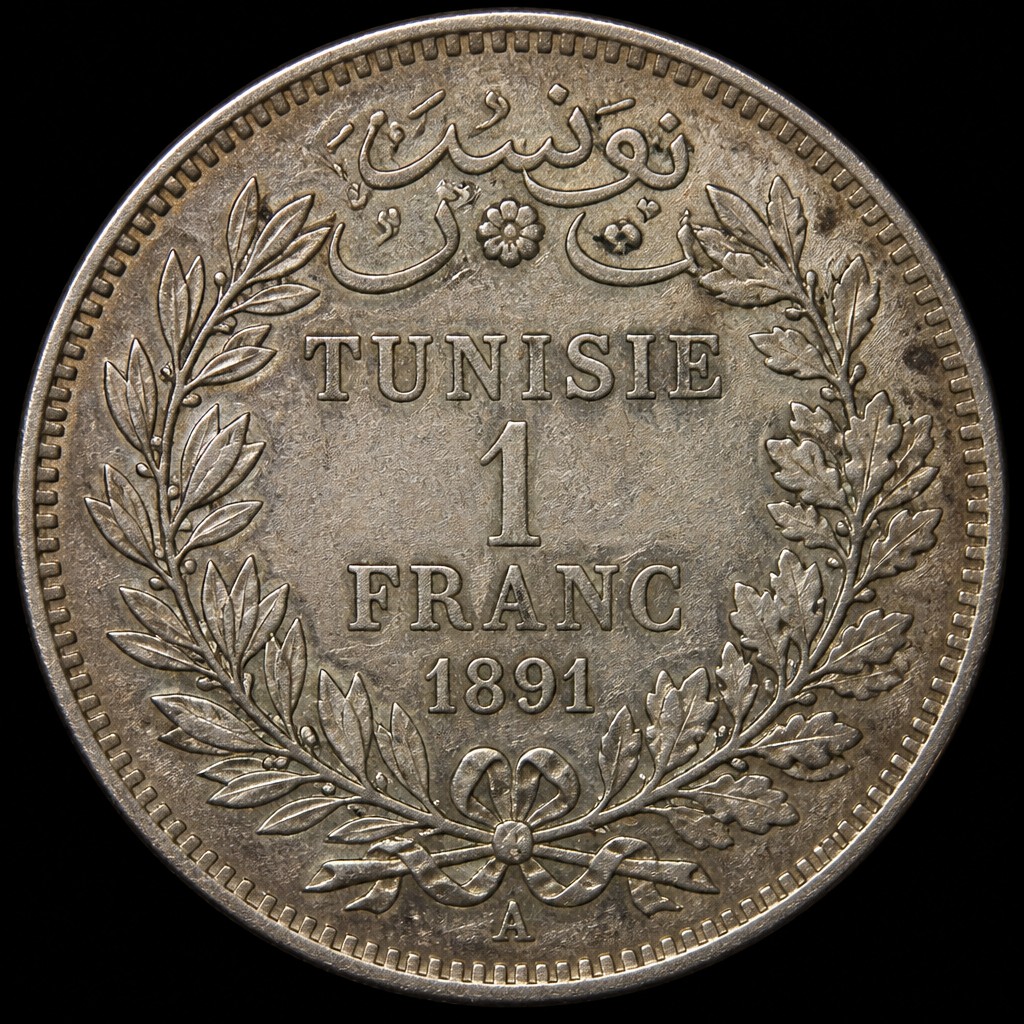
Tunisian Franc (Beylik Era)
Late 19th–early 20th century (c. 1891–1957 transition)
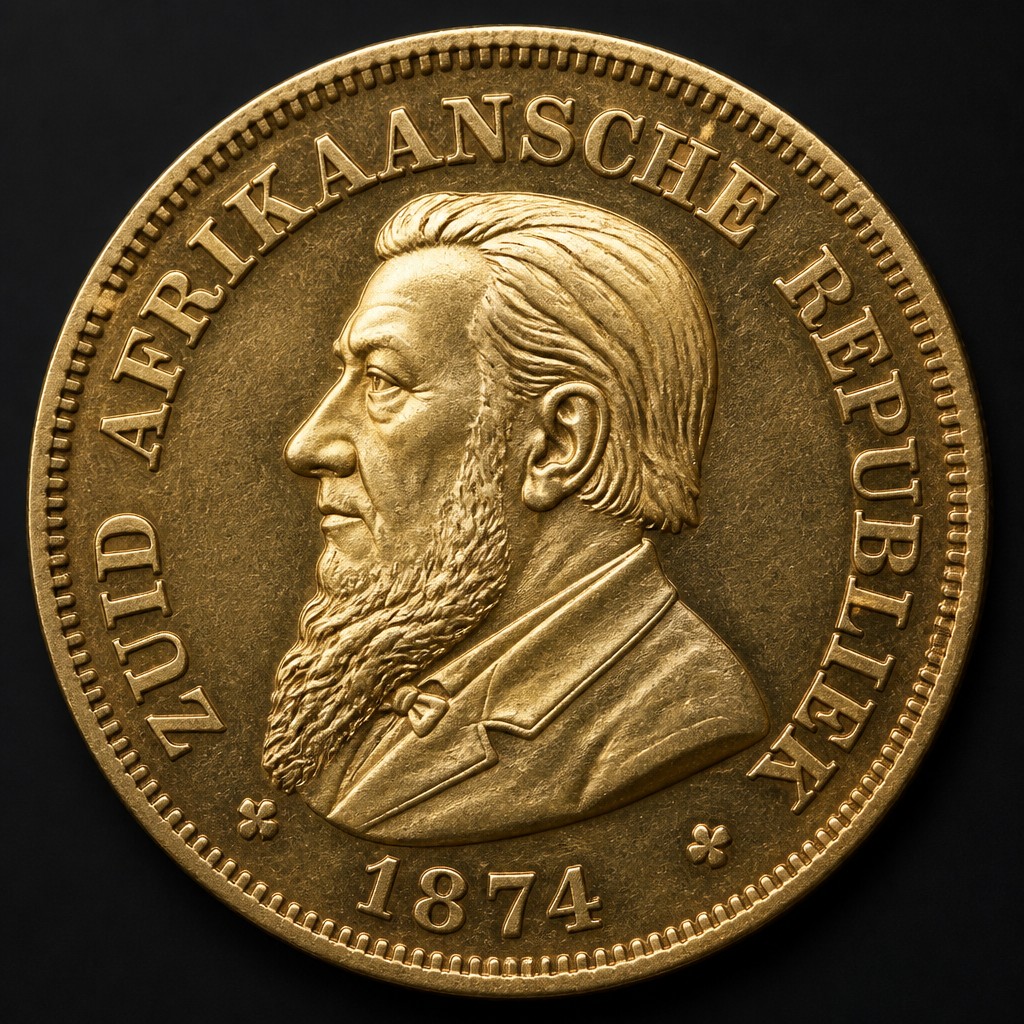
South African Republic Burgers Pond
1874
New Zealand Penny (KGVI)
1937-1952
New Zealand Half Crown (pre-decimal)
1933-1965
South African ZAR Kruger Pond
1892-1900
Australian Holey Dollar and Dump
1813
New Zealand Waitangi Crown (1935)
1935