
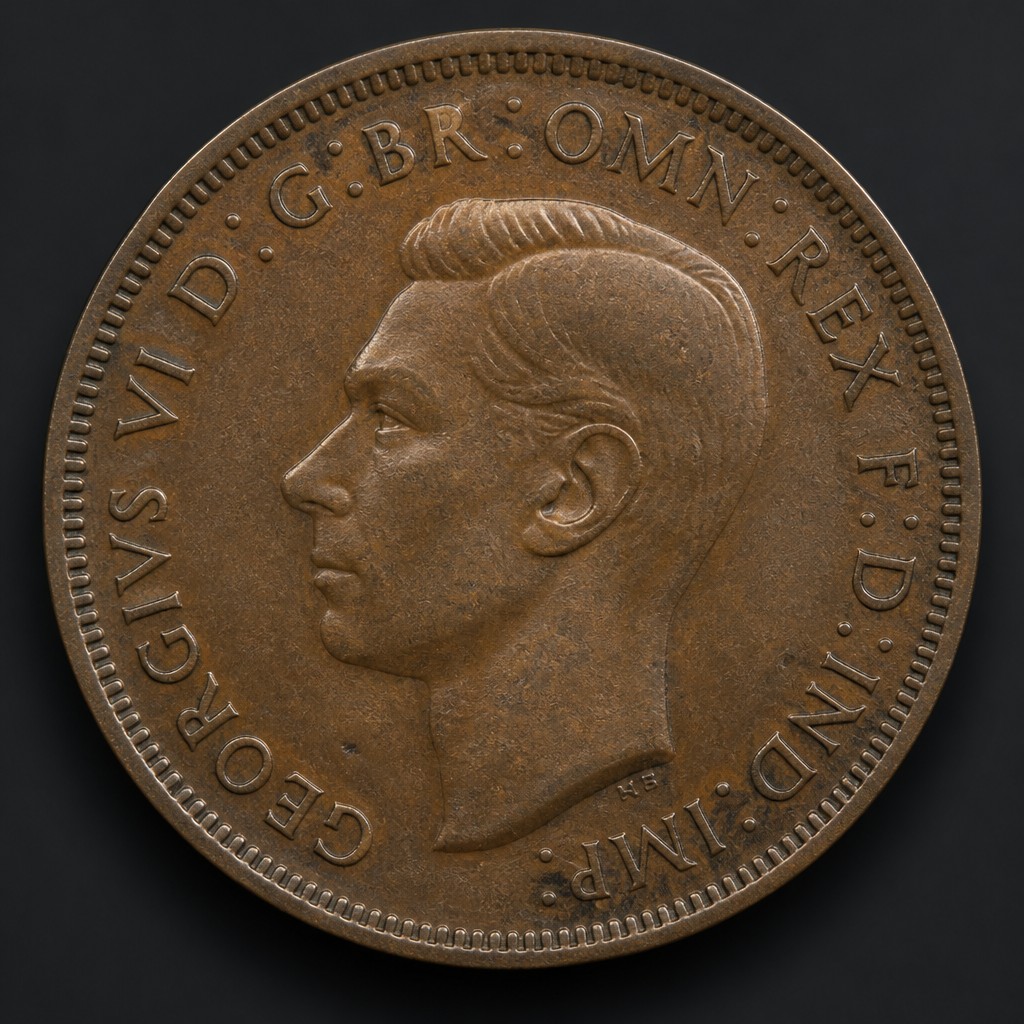
New Zealand Penny (KGVI)
New Zealand bronze penny struck under King George VI, notable for its reverse featuring the native tuatara reptile, part of the country's distinctive 1933-launched coin series.
- Country
- New Zealand
- Denomination
- One Penny
- Metal
- Bronze
Got a coin like this?
Identify any coin from a photo, free.
Overview
The New Zealand penny featuring King George VI on the obverse was struck during his reign from 1937 to 1952, continuing the design series first introduced in 1933 for New Zealand's national coinage. Its reverse depicts a tuatara, a unique reptile native to New Zealand, reflecting the series' broader theme of showcasing the country's distinctive flora and fauna.
As the smallest-value coin in daily circulation, the penny saw heavy use and was produced across George VI's reign in significant numbers, making most dates readily available to collectors today.
The coin is part of a broader denomination set from the era, including the halfpenny (hei-tiki design), threepence (crossed patu clubs), sixpence (huia bird), and shilling (Maori warrior), all designed with a coordinated national identity theme.
History & Background
New Zealand's 1933 coinage reform introduced distinctly national reverse designs for each denomination, with the penny receiving a tuatara design intended to highlight New Zealand's unique natural heritage. When George VI ascended the throne in 1936 following Edward VIII's abdication, his portrait replaced George V's on New Zealand's coinage beginning with issues from 1937.
Production continued through World War II and into the postwar period until George VI's death in 1952, after which Queen Elizabeth II's portrait took over for subsequent pennies.
The penny, along with the rest of the bronze and silver pre-decimal series, remained in use until New Zealand adopted decimal currency in 1967, retiring the design in favor of new cent denominations.
How to Identify
Obverse: King George VI's portrait with the standard royal titles used on Commonwealth coinage of the period. Reverse: a tuatara, a spiny-backed reptile native to New Zealand, shown in profile with ONE PENNY and the date.
The coin is struck in bronze, approximately 31mm in diameter, matching typical penny-sized coins from other Commonwealth nations of the era. There is no mint mark system comparable to Australia's, as production was centralized through the Royal Mint and its approved facilities.
Collectors distinguish the New Zealand penny from the similarly sized Australian penny primarily by the tuatara reverse versus the kangaroo design used on Australian coins of the same era.
Value & Collectibility
Most George VI-era New Zealand pennies are common in circulated grades and are valued modestly, generally as affordable pieces for type or reign-based collections. Certain lower-mintage years within the range can be more sought after, particularly in higher uncirculated grades with strong luster.
As with most circulated bronze coinage of the period, well-preserved, minimally worn examples command noticeably higher prices than heavily worn coins, since bronze surfaces are prone to corrosion and toning issues that affect eye appeal.
Collectors should check specific year mintages in a current reference, as demand and pricing can vary meaningfully across the George VI penny range despite a shared basic design.
Frequently asked questions
What animal is shown on the reverse?
A tuatara, a reptile species native to New Zealand, distinct from the kangaroo seen on Australian pennies.
Why does the coin feature George VI?
He became king in 1936 after Edward VIII's abdication, and his portrait appears on New Zealand pennies struck from 1937 to 1952.
What is the coin made of?
Bronze, matching the composition used for pennies across the British Commonwealth during this period.
When did New Zealand stop using pennies?
The penny, along with the rest of the pre-decimal series, was retired when decimal currency was introduced in 1967.
New Zealand Penny (KGVI) identified by the community
Real coins identified with Coin Identifier.
Other coins you may enjoy
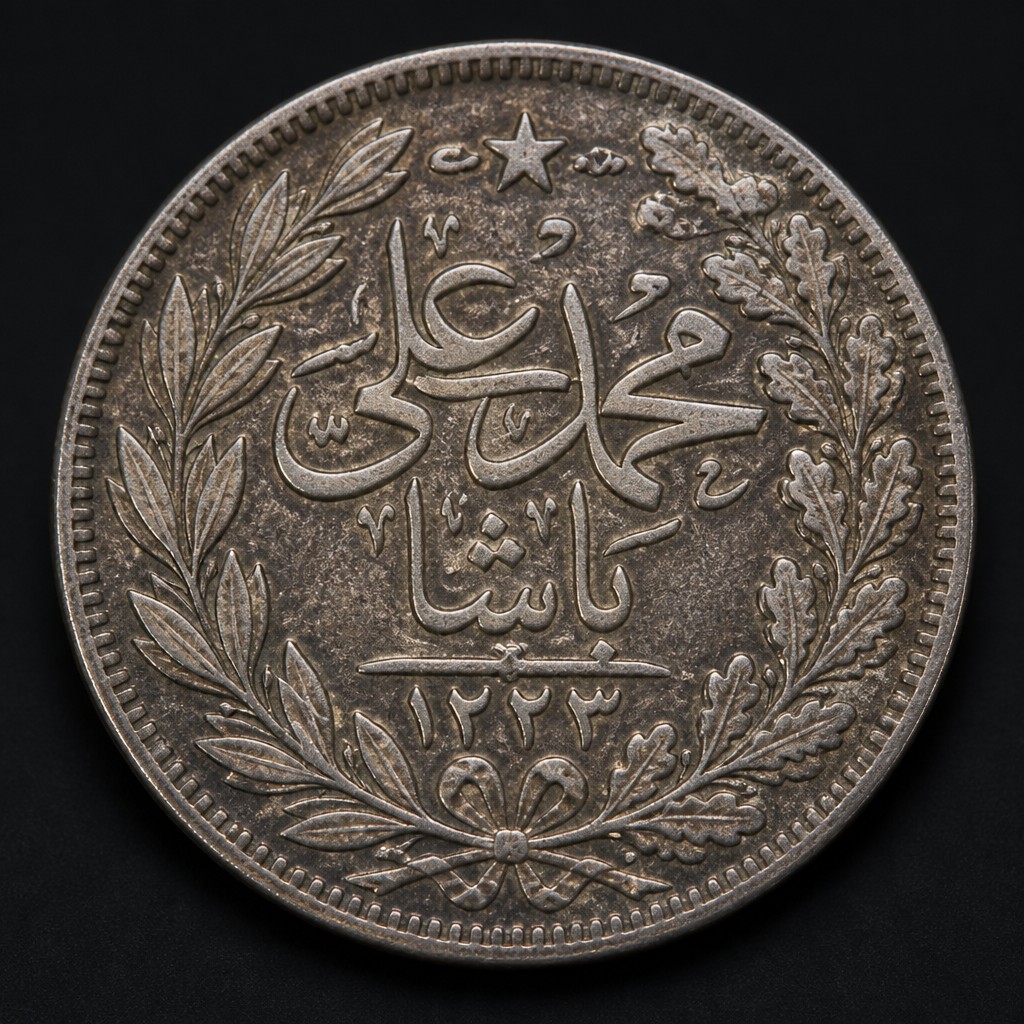
Egyptian Qirsh (Muhammad Ali Era)
Early-to-mid 19th century (c. 1805–1848)
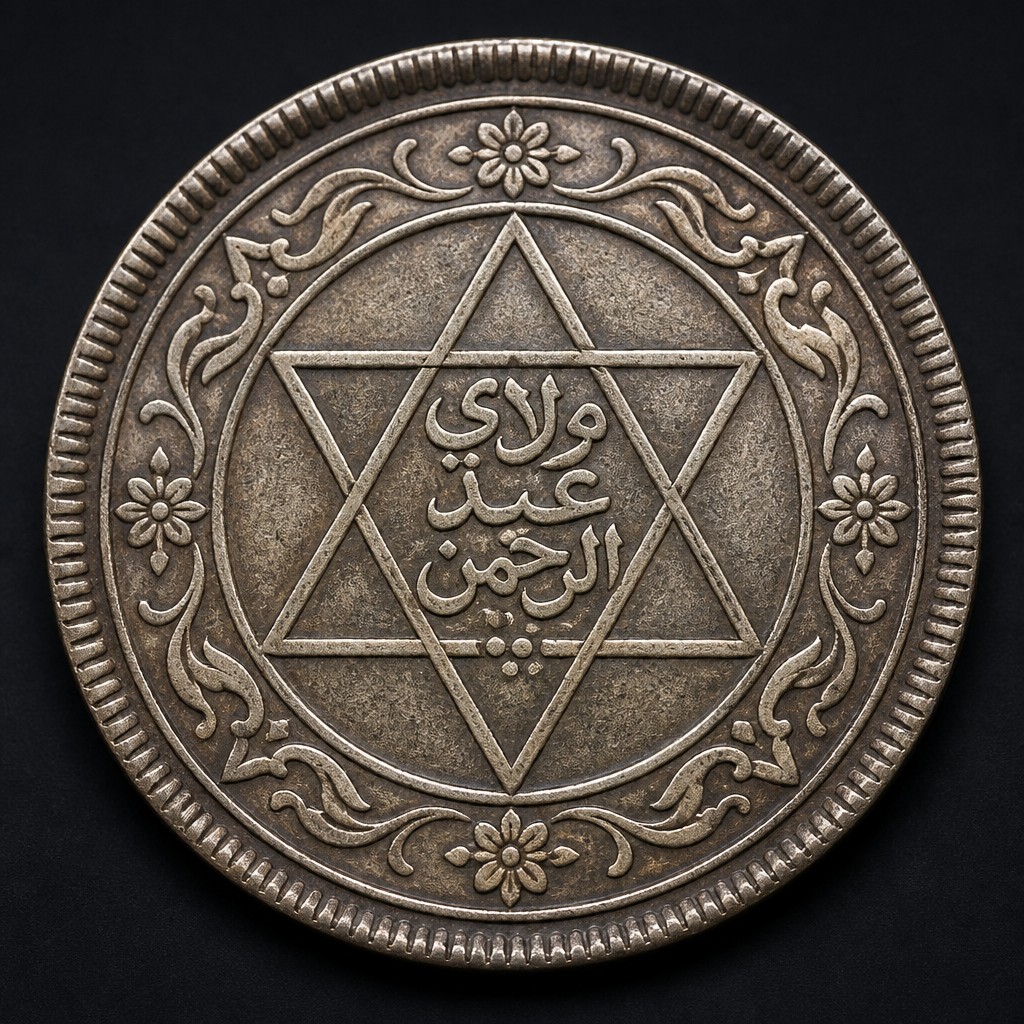
Moroccan Rial (Alawi Dynasty Coinage)
18th–19th century (pre-protectorate era)
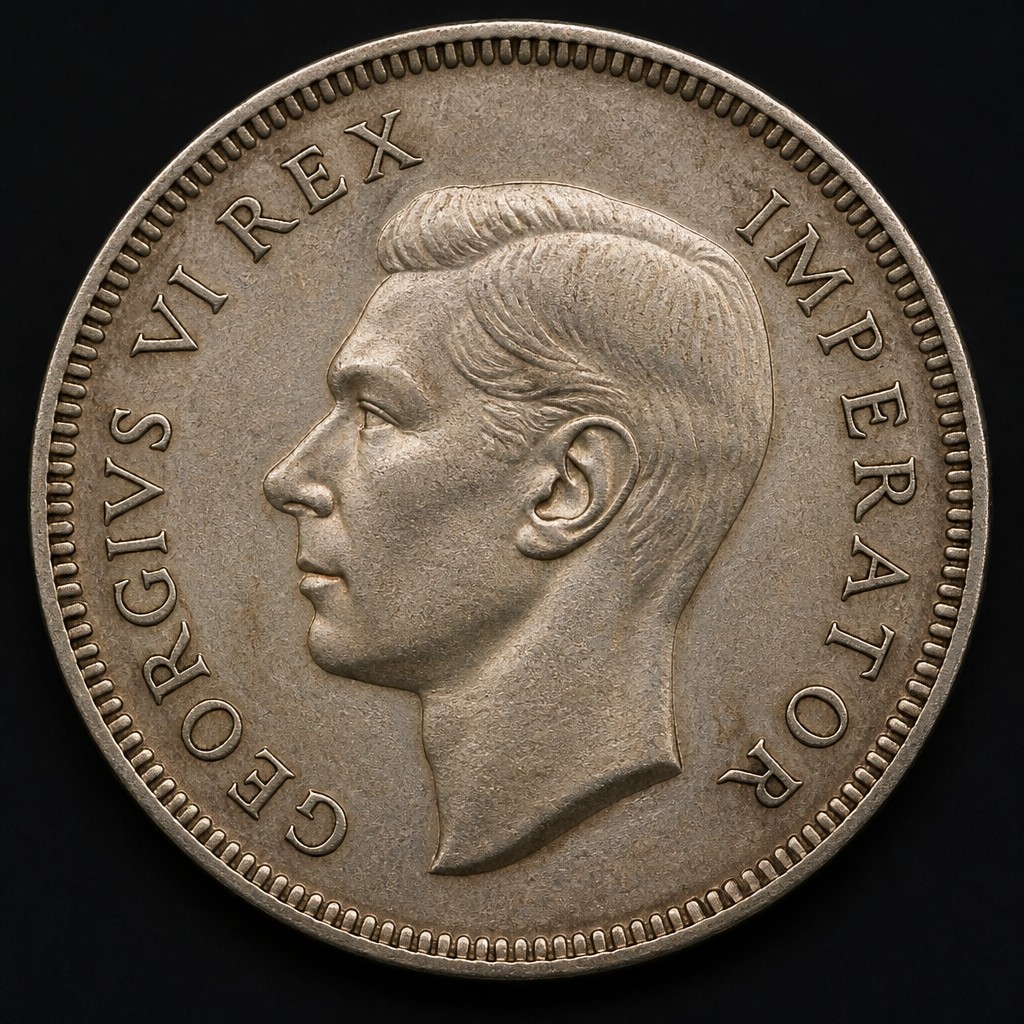
South African Sixpence (Union)
1923-1960
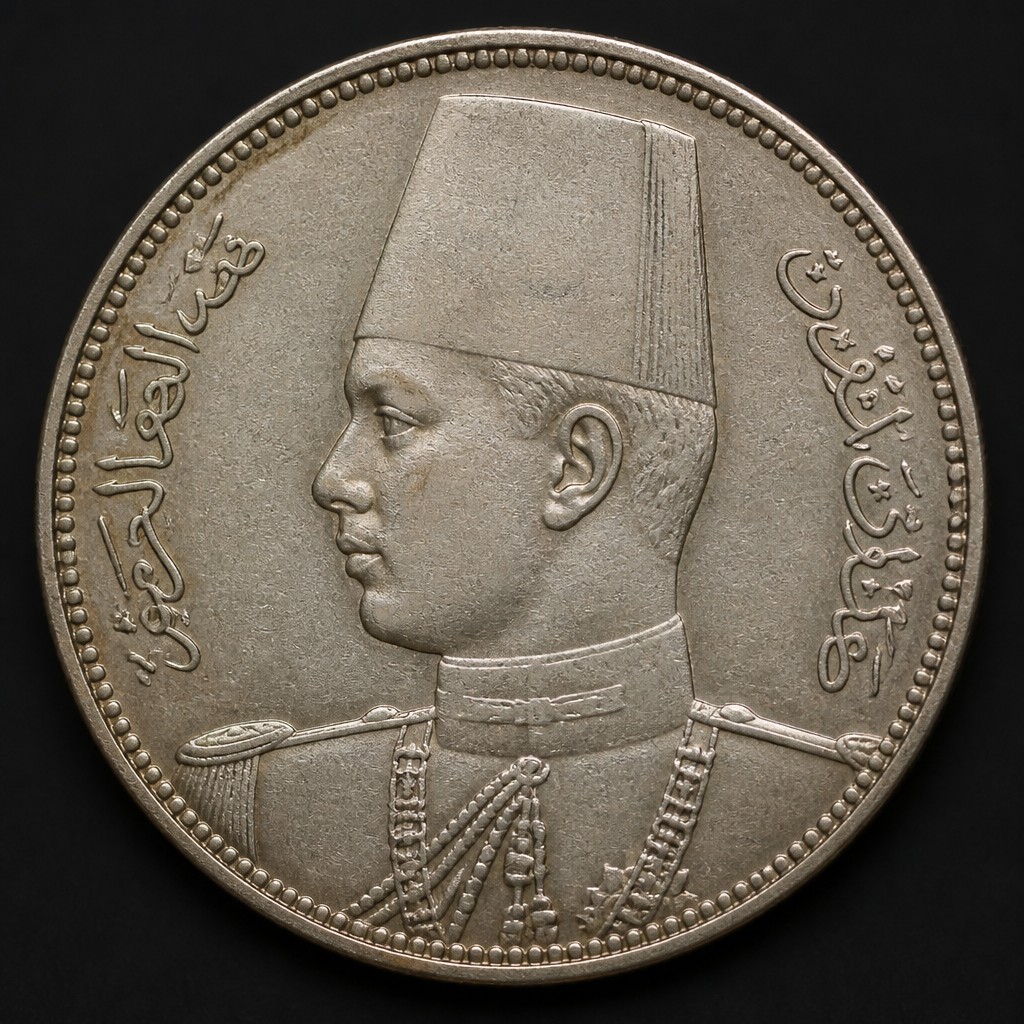
Egyptian Farouk 5 Piastres
1937-1952
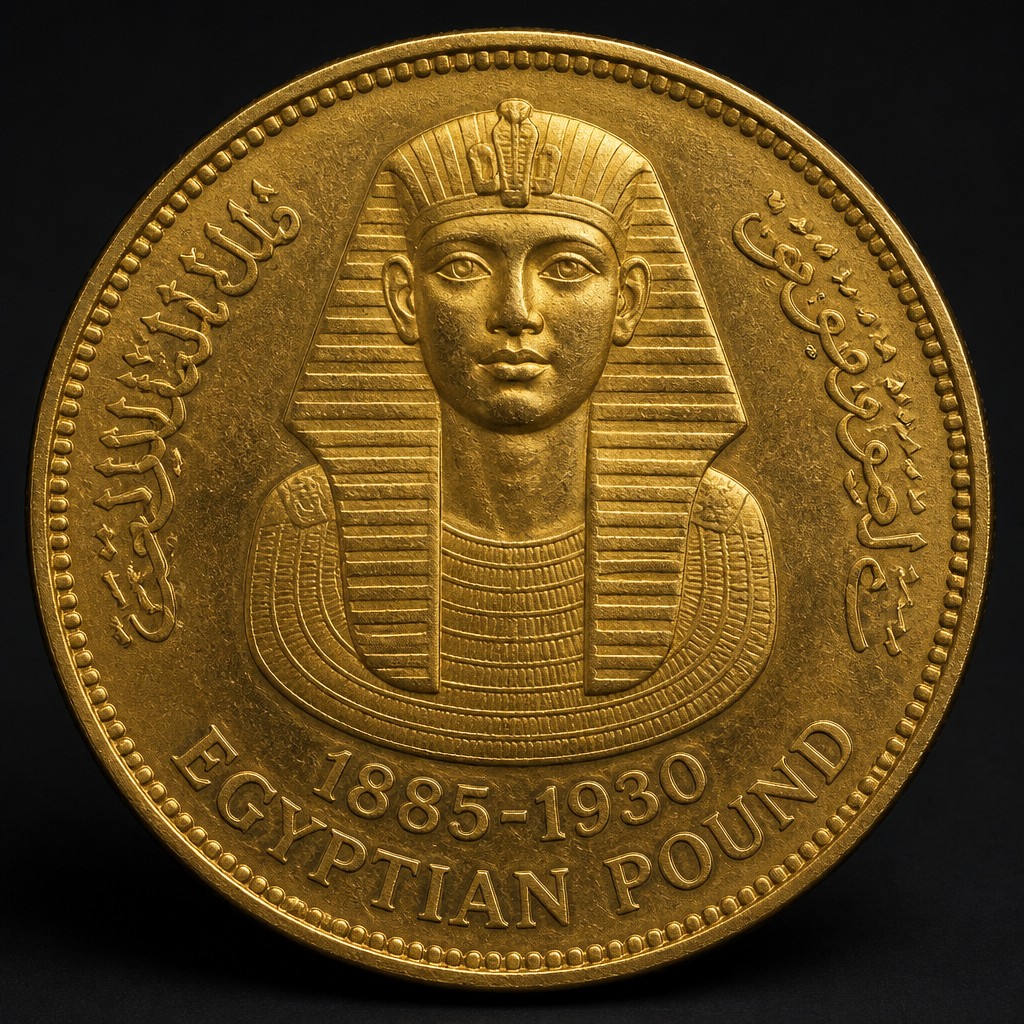
Egyptian Pound (gold)
1885–1930
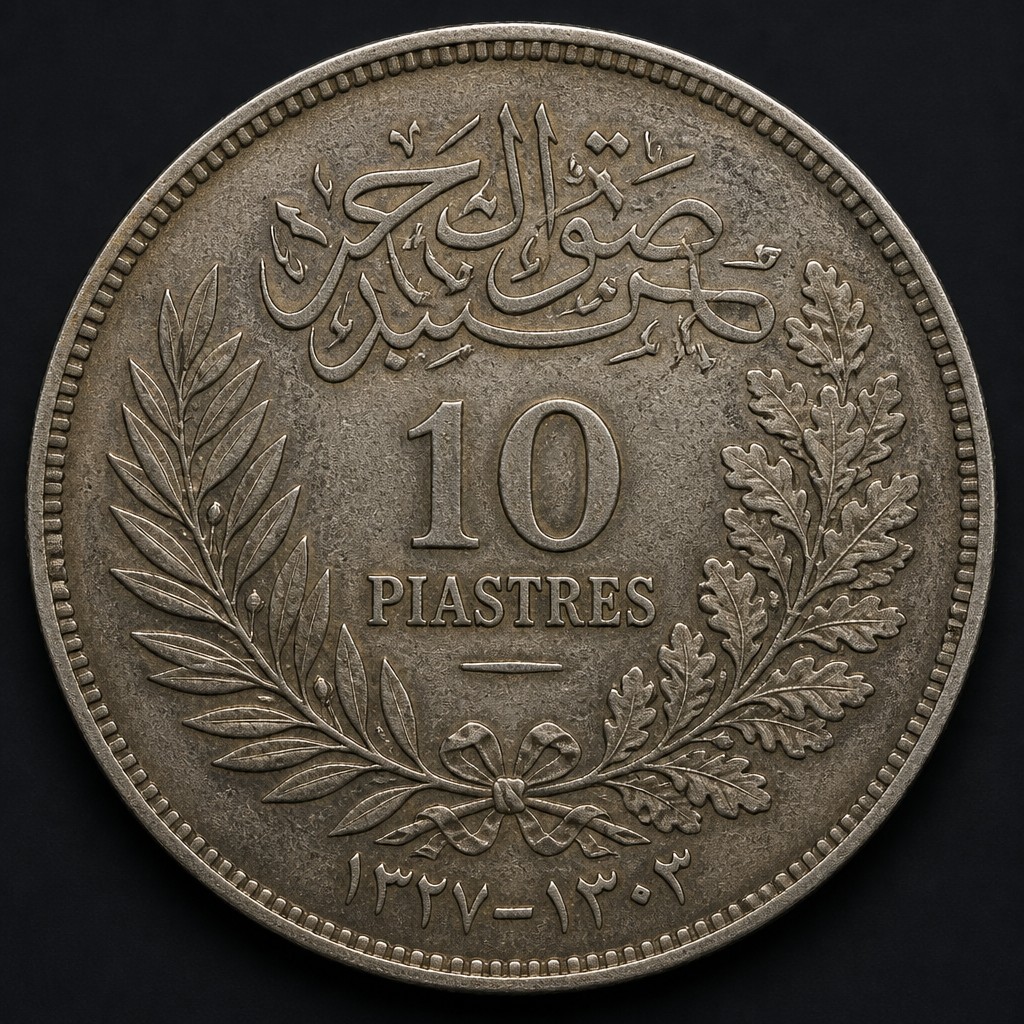
Egyptian 10 Piastres (silver)
1885–1939
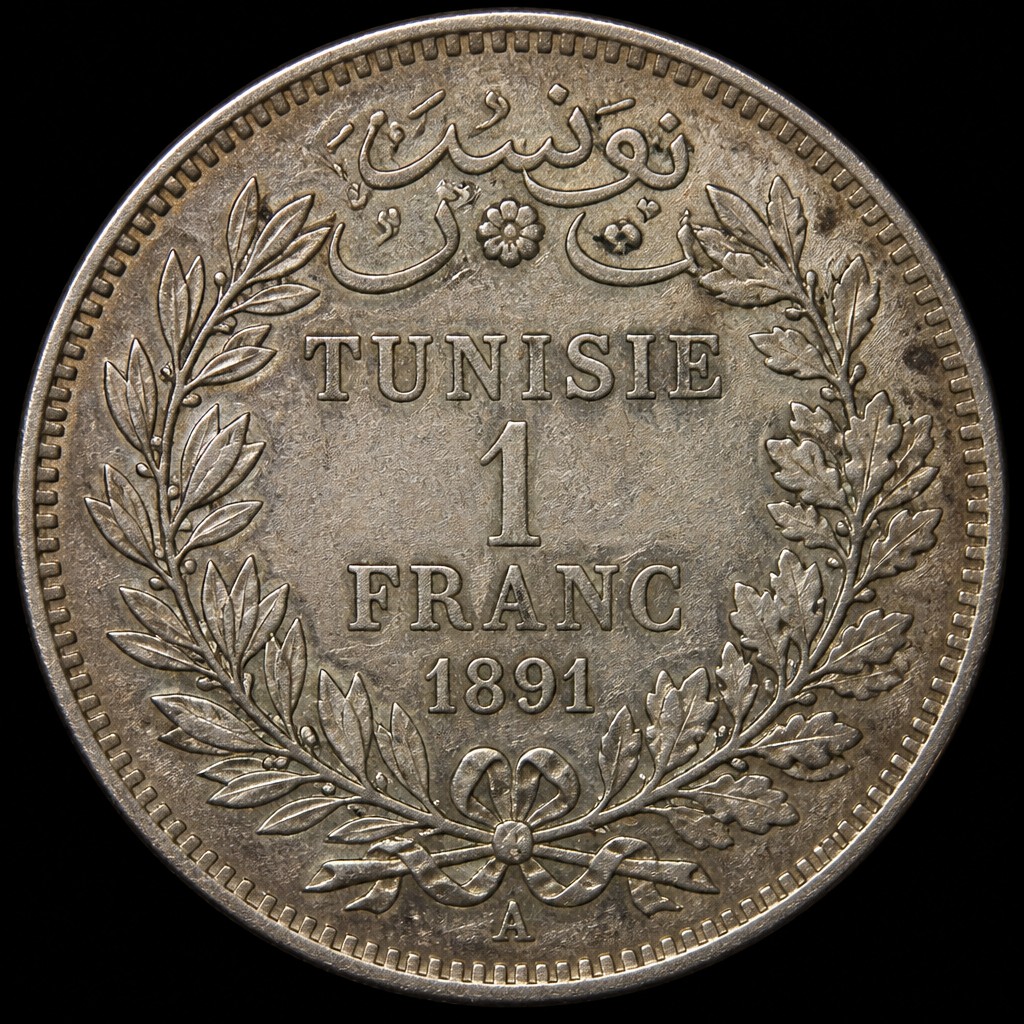
Tunisian Franc (Beylik Era)
Late 19th–early 20th century (c. 1891–1957 transition)
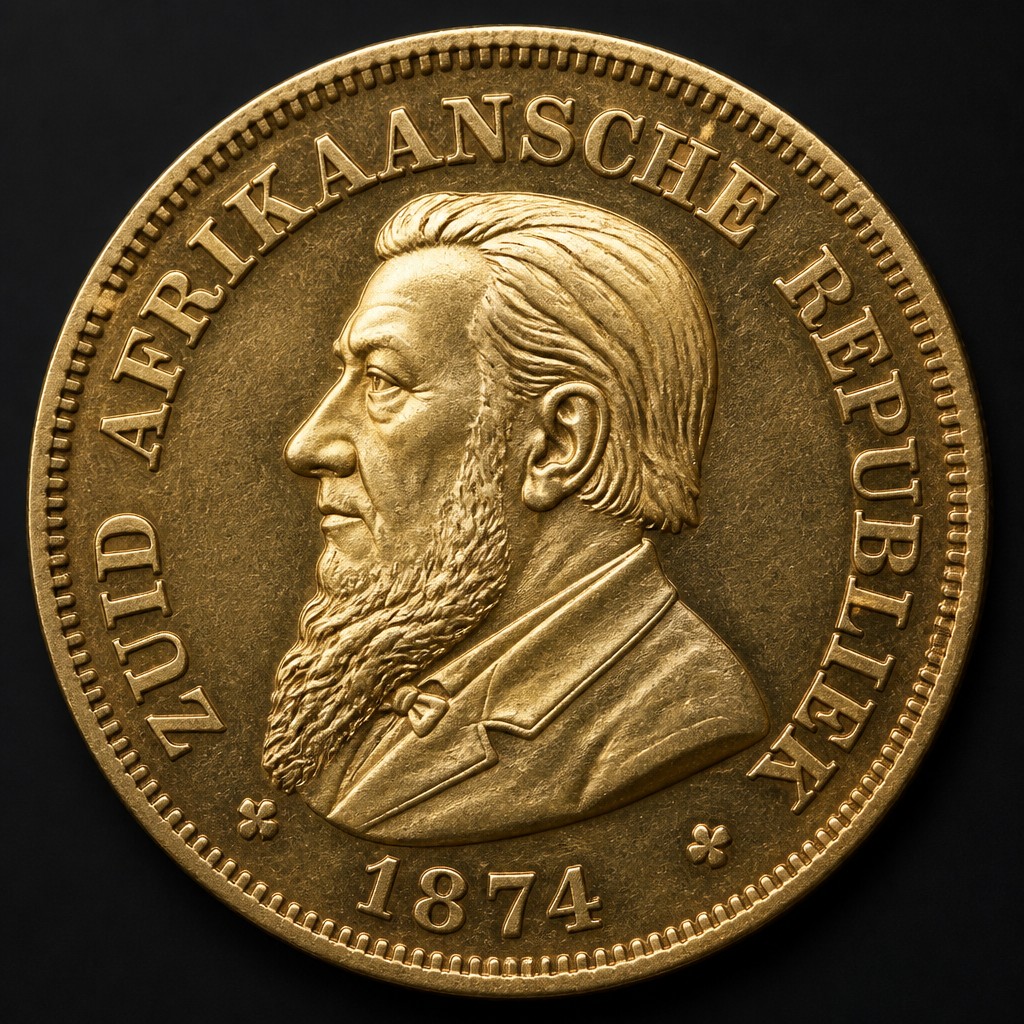
South African Republic Burgers Pond
1874
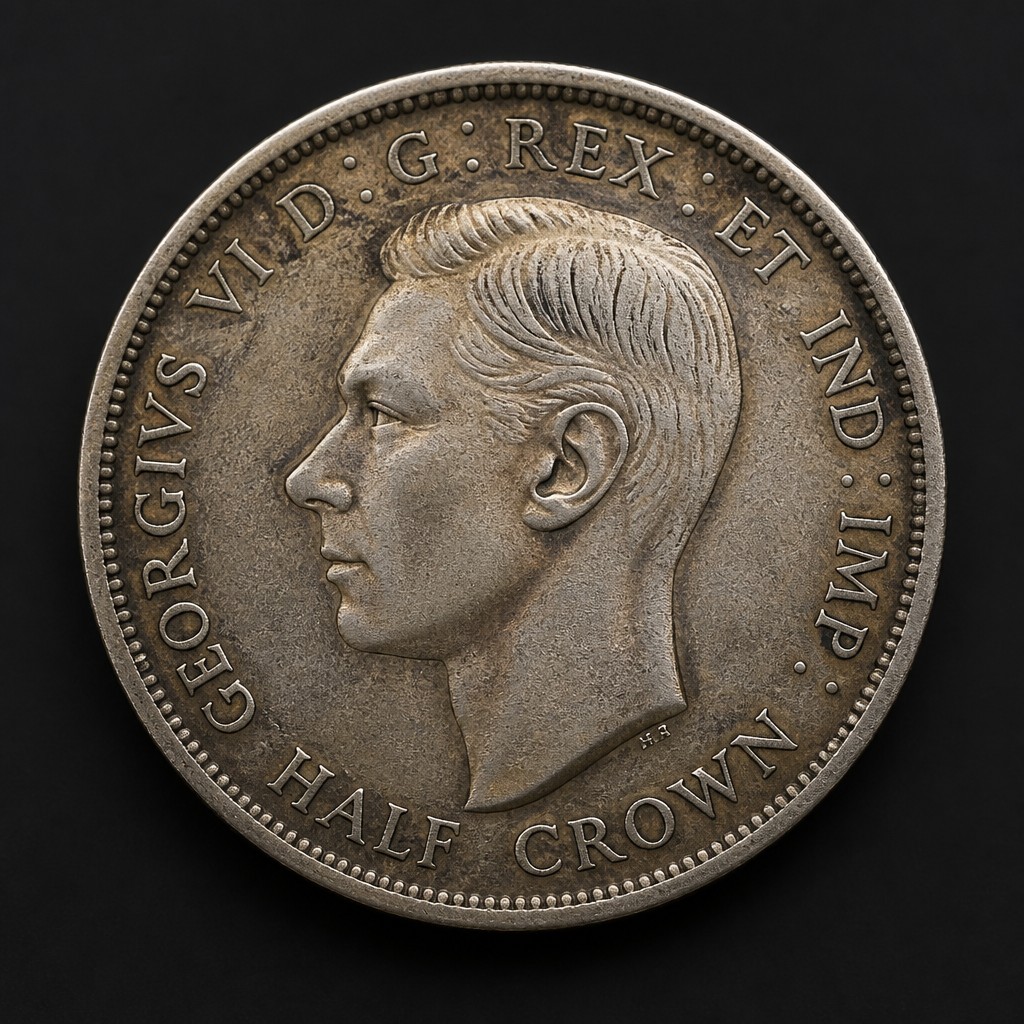
New Zealand Half Crown (pre-decimal)
1933-1965
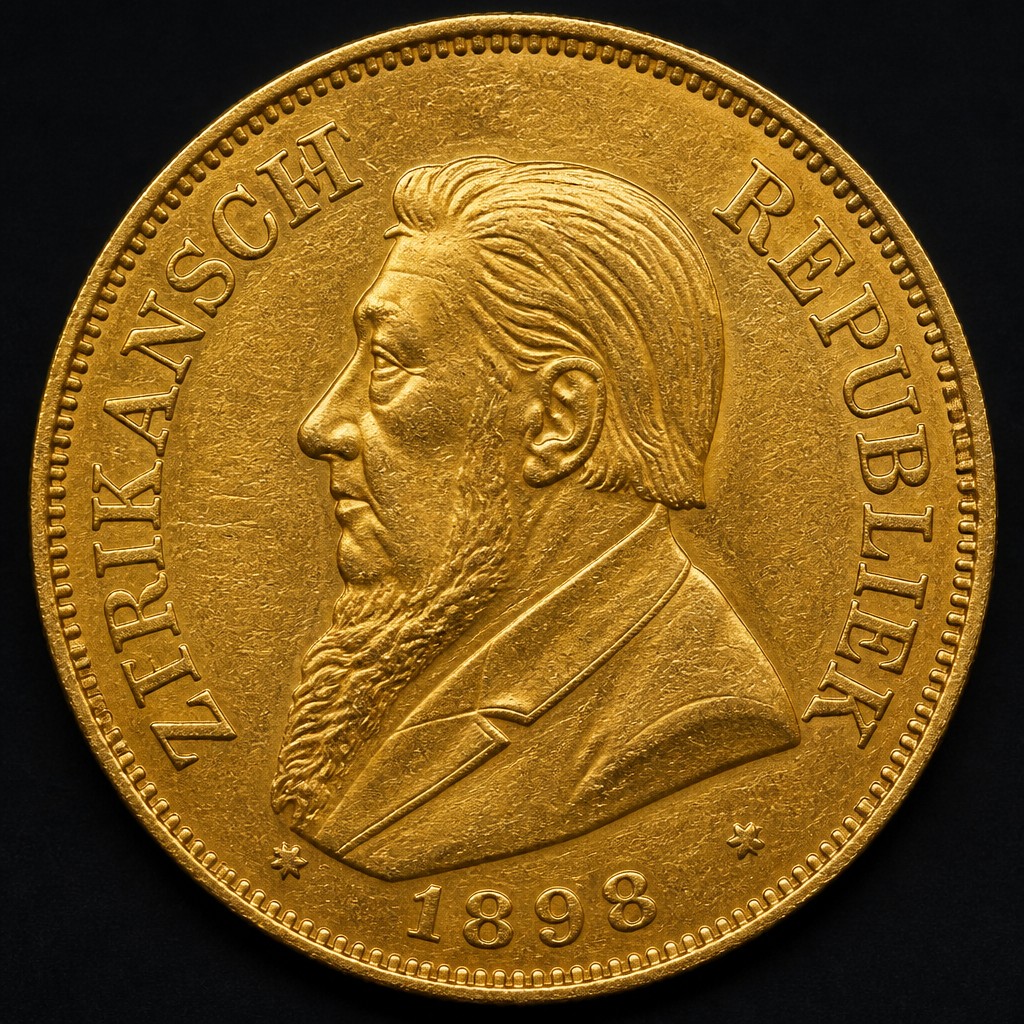
South African ZAR Kruger Pond
1892-1900
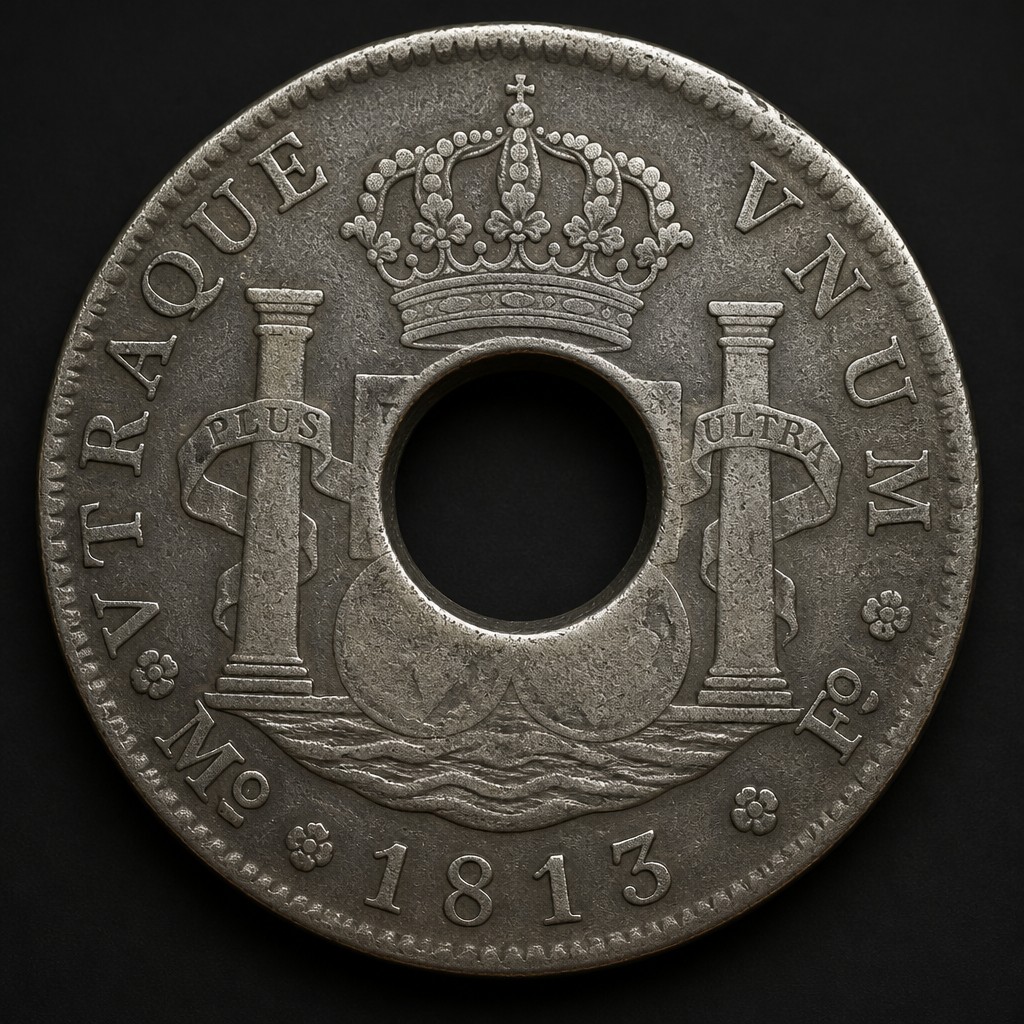
Australian Holey Dollar and Dump
1813
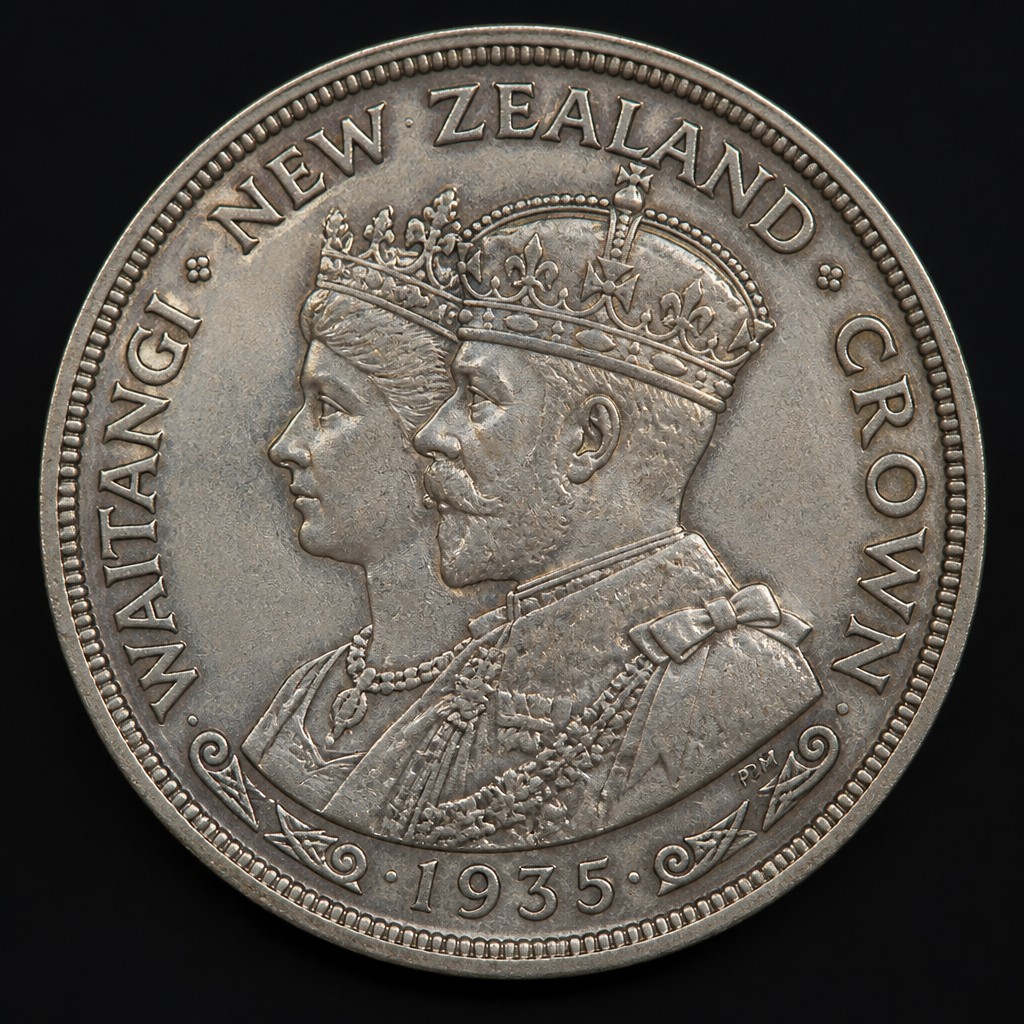
New Zealand Waitangi Crown (1935)
1935