
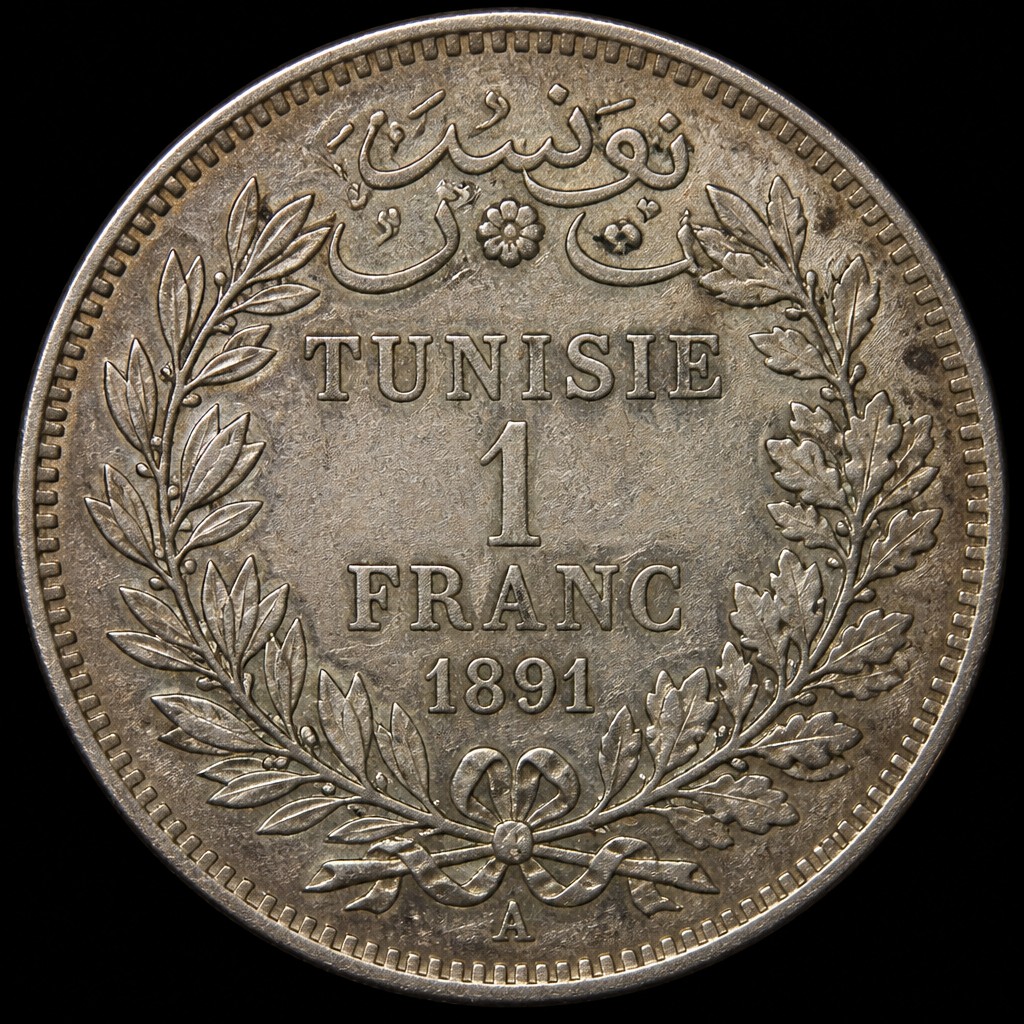
Tunisian Franc (Beylik Era)
French-franc-aligned coinage struck in the name of the Tunisian Bey during the era of French protectorate influence, blending Arabic and French inscriptions.
- Country
- Tunisia (Beylik of Tunis)
- Denomination
- 1 Franc (and fractional/multiple denominations)
- Metal
- Silver, with bronze/copper minor coins
Got a coin like this?
Identify any coin from a photo, free.
Overview
As French influence over Tunisia grew following the establishment of the French protectorate in 1881, the ruling Husainid Bey's traditional currency system was reformed and pegged to the French franc, resulting in a distinctive Beylik franc coinage that carried both Arabic inscriptions naming the Bey and French-style denominational numerals. This currency bridged Tunisia's status as a nominally independent beylik under Ottoman suzerainty with its practical administration under French protectorate authority.
The coinage included silver and bronze denominations similar in structure to French coinage of the period, making it easier to integrate Tunisia's economy with French monetary and banking systems while preserving symbolic sovereignty for the Bey, whose name and title continued to appear on the coins.
This franc-based beylik coinage continued, with periodic design and composition updates, through the protectorate period and into the transition toward Tunisian independence in 1956, after which the modern Tunisian dinar eventually replaced the franc-denominated system entirely.
History & Background
Tunisia had been a nominal Ottoman province ruled by its own hereditary Husainid beys since the early 18th century, but by the late 19th century, mounting debt and European financial pressure led to the establishment of the French protectorate in 1881. As part of the broader restructuring of Tunisian finances, the currency was reformed and tied to the French franc, with coins struck bearing the reigning Bey's name alongside French-influenced denominational design.
Coins were produced both at the Paris mint and, at various points, at facilities in Tunis, reflecting the close administrative integration between French colonial authorities and the beylical government during this period. Denominations mirrored the French decimal franc/centime structure, easing trade and taxation across the protectorate.
The beylik franc system persisted through Tunisia's protectorate era, continuing even as the country moved toward autonomy in the 1950s, until the Bey's rule ended with Tunisian independence in 1956 and the subsequent creation of the Tunisian dinar in 1958, which replaced the older franc-based coinage entirely.
How to Identify
Beylik-era Tunisian franc coins typically show the tughra or name and title of the reigning Bey along with an Arabic inscription and Hijri date on one side, paired with French-style Arabic numeral denomination and sometimes a Gregorian date on the other, reflecting the dual French-Tunisian administrative character of the coinage.
Silver denominations were used for higher values (such as multiple francs) while bronze or copper-nickel pieces served smaller denominations, generally similar in size and weight standard to contemporary French coinage of the same face values, easing direct comparison and exchange.
To distinguish a Beylik franc coin from equivalent French coinage of the period, look for the Arabic legend and Bey's name, which is the clearest marker; the overall size, decimal denomination structure, and sometimes the depiction of a crescent-and-star or similar Tunisian symbol also help confirm the issue.
Value & Collectibility
Beylik franc coins are generally affordable and available to collectors of French colonial and North African coinage, since they were struck in substantial quantities to support everyday commerce across the protectorate period. Condition, denomination, and specific date are the primary drivers of value.
Higher silver denominations and coins from shorter-lived or transitional years tend to attract more collector interest than common low-denomination bronze pieces, which remain widely available in worn grades.
Most circulated examples are inexpensive, generally in line with comparable French colonial minor coinage, while choice uncirculated or scarcer date/denomination combinations can be worth more to specialists in Tunisian and French protectorate numismatics.
Frequently asked questions
Why is this called 'Beylik' coinage?
It was issued in the name of the Bey of Tunis, the hereditary ruler of Tunisia, even though the country was administered as a French protectorate.
How does this coinage relate to the French franc?
It was pegged to and modeled on the French franc/centime decimal system, easing integration with French colonial finances.
Where were these coins minted?
Mainly at the Paris mint, with some production also associated with facilities in Tunis.
When did this currency system end?
It phased out after Tunisian independence in 1956, replaced by the Tunisian dinar introduced in 1958.
Other coins you may enjoy
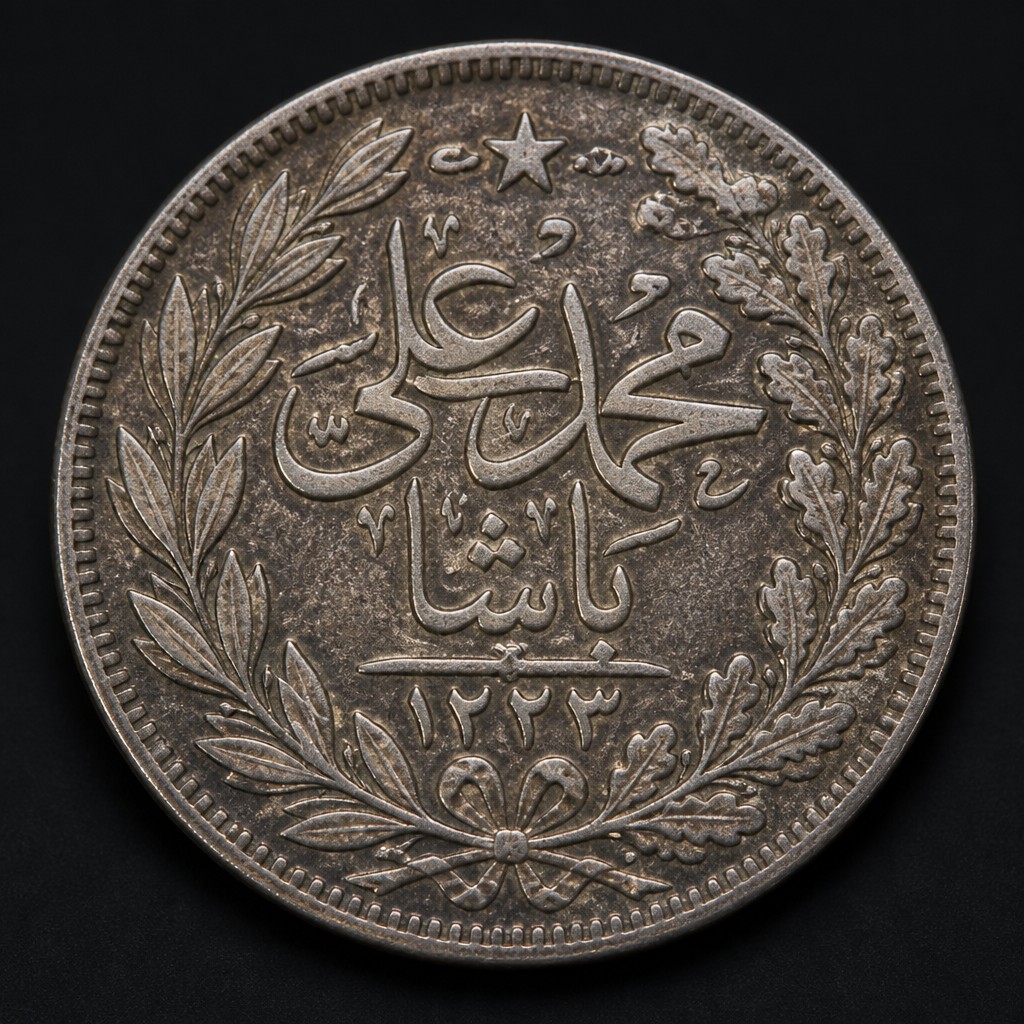
Egyptian Qirsh (Muhammad Ali Era)
Early-to-mid 19th century (c. 1805–1848)
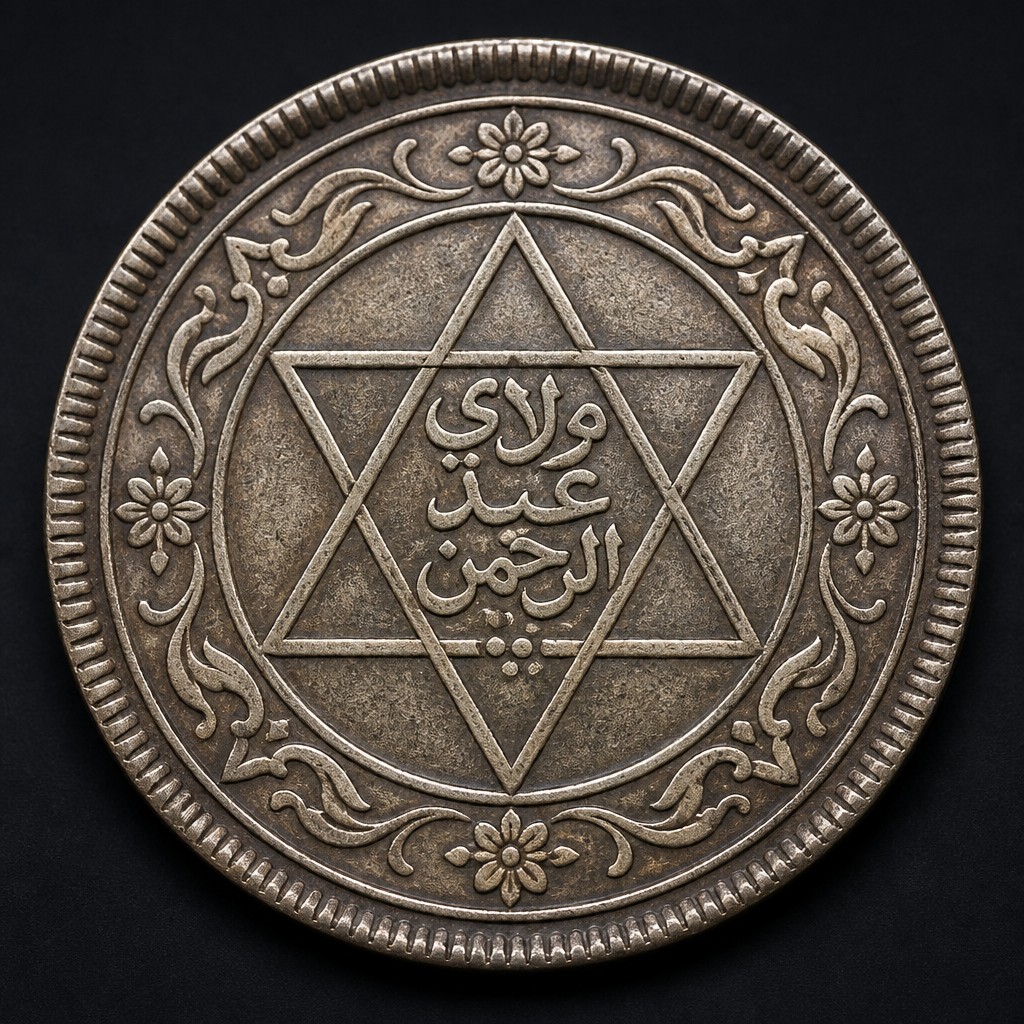
Moroccan Rial (Alawi Dynasty Coinage)
18th–19th century (pre-protectorate era)
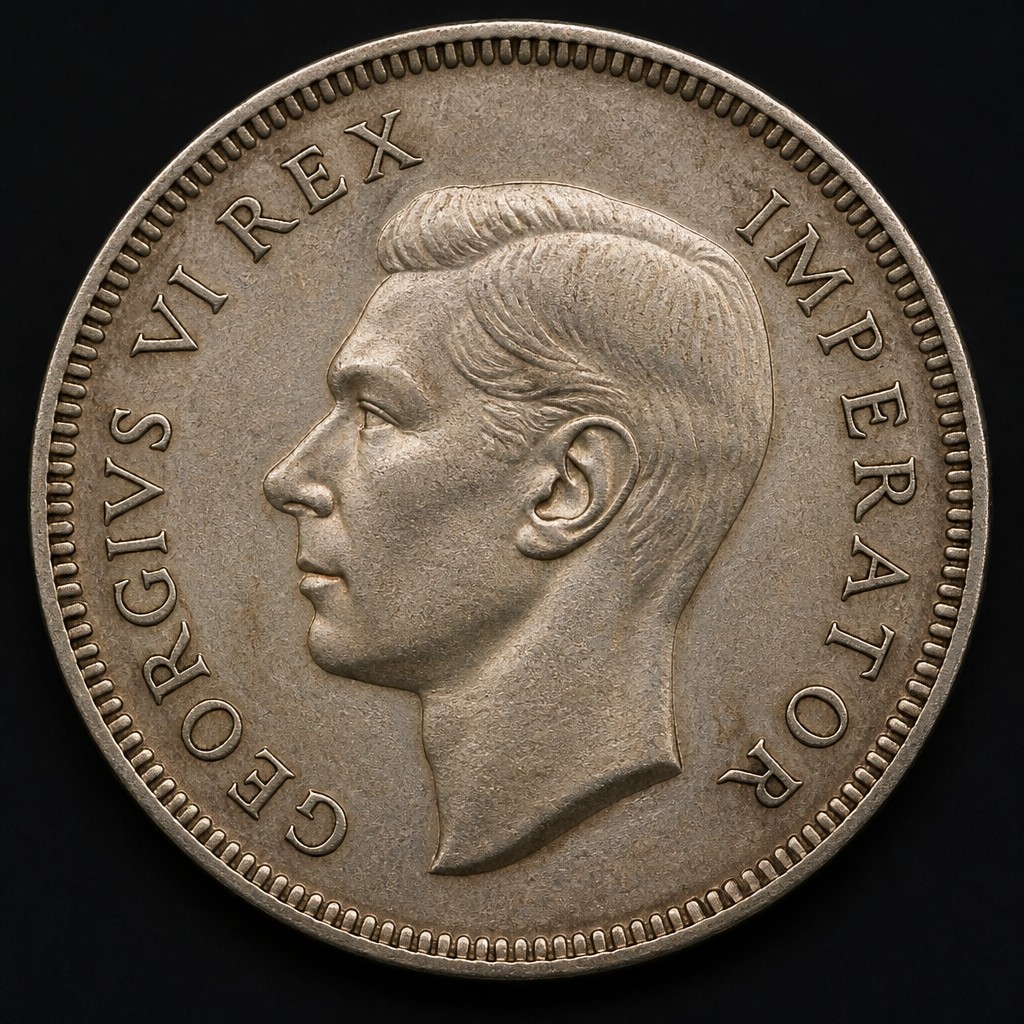
South African Sixpence (Union)
1923-1960
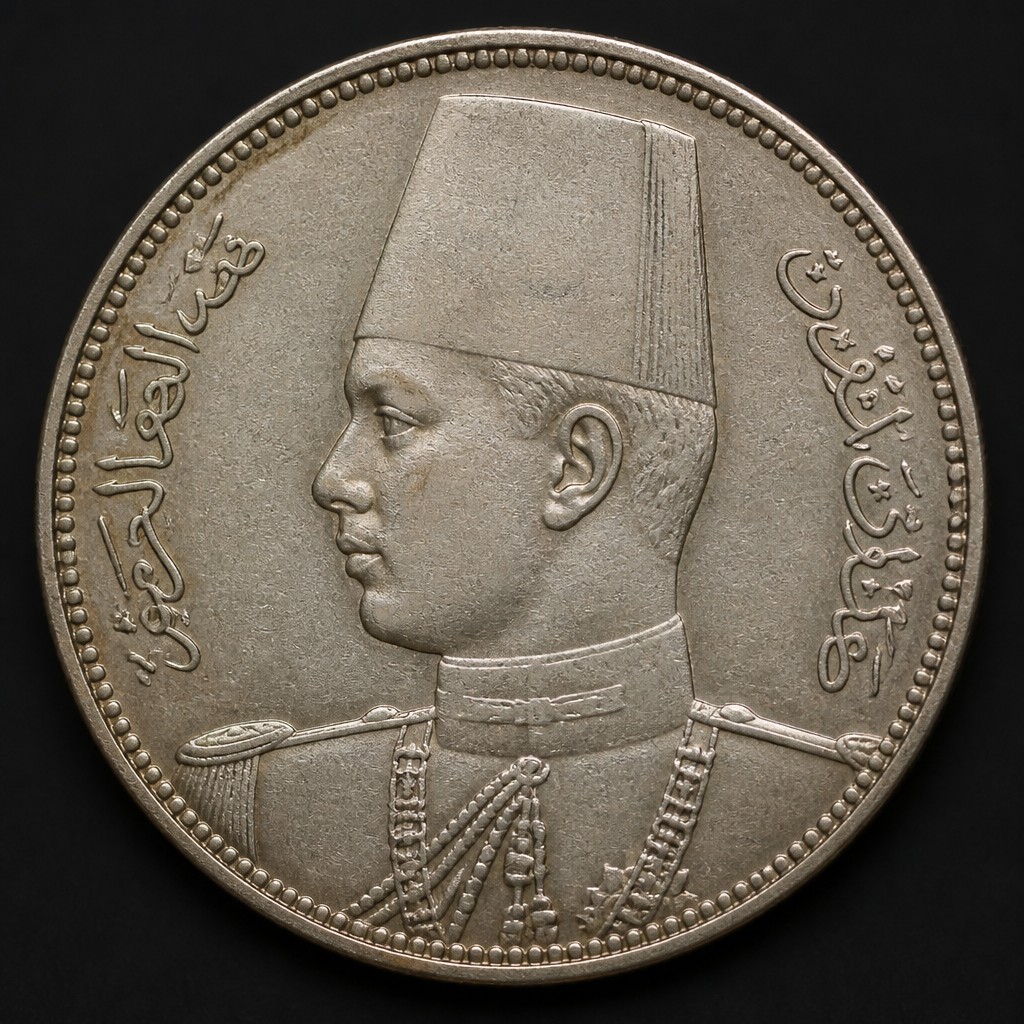
Egyptian Farouk 5 Piastres
1937-1952
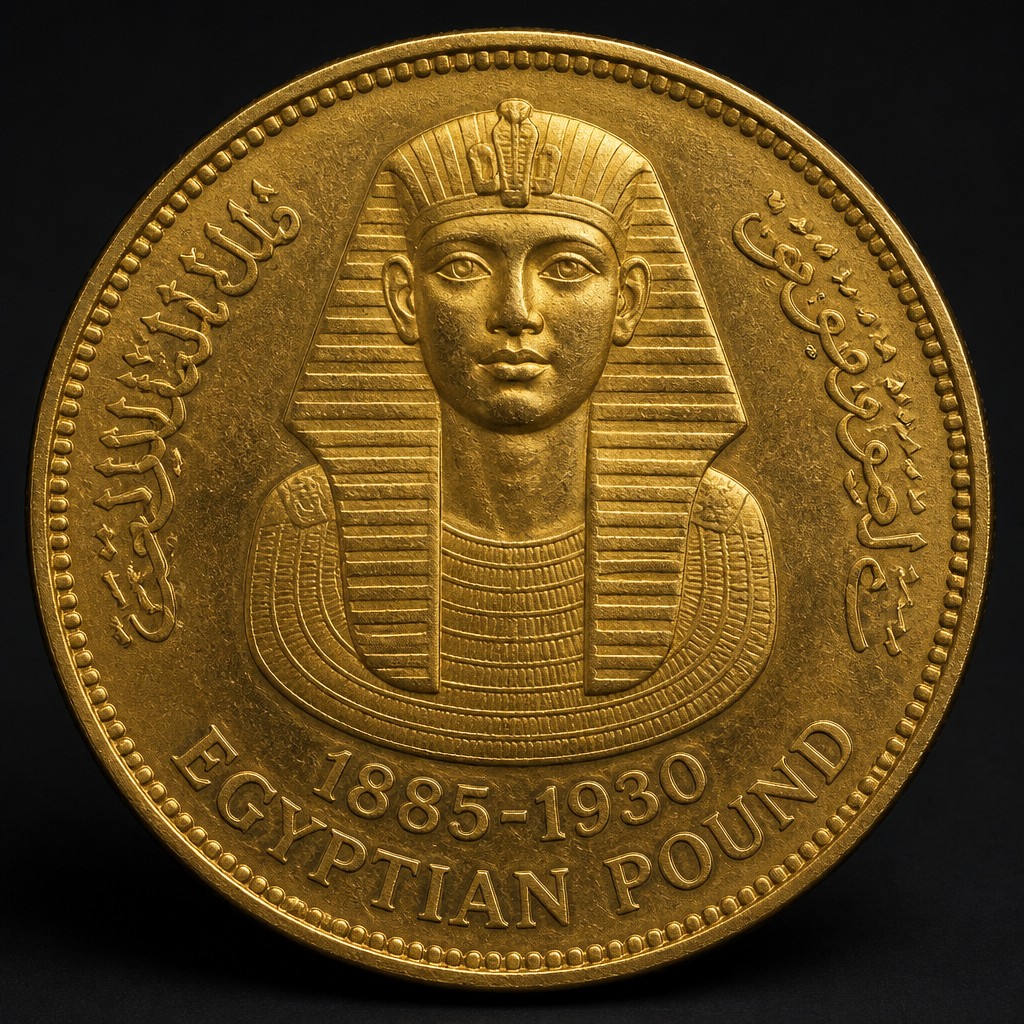
Egyptian Pound (gold)
1885–1930
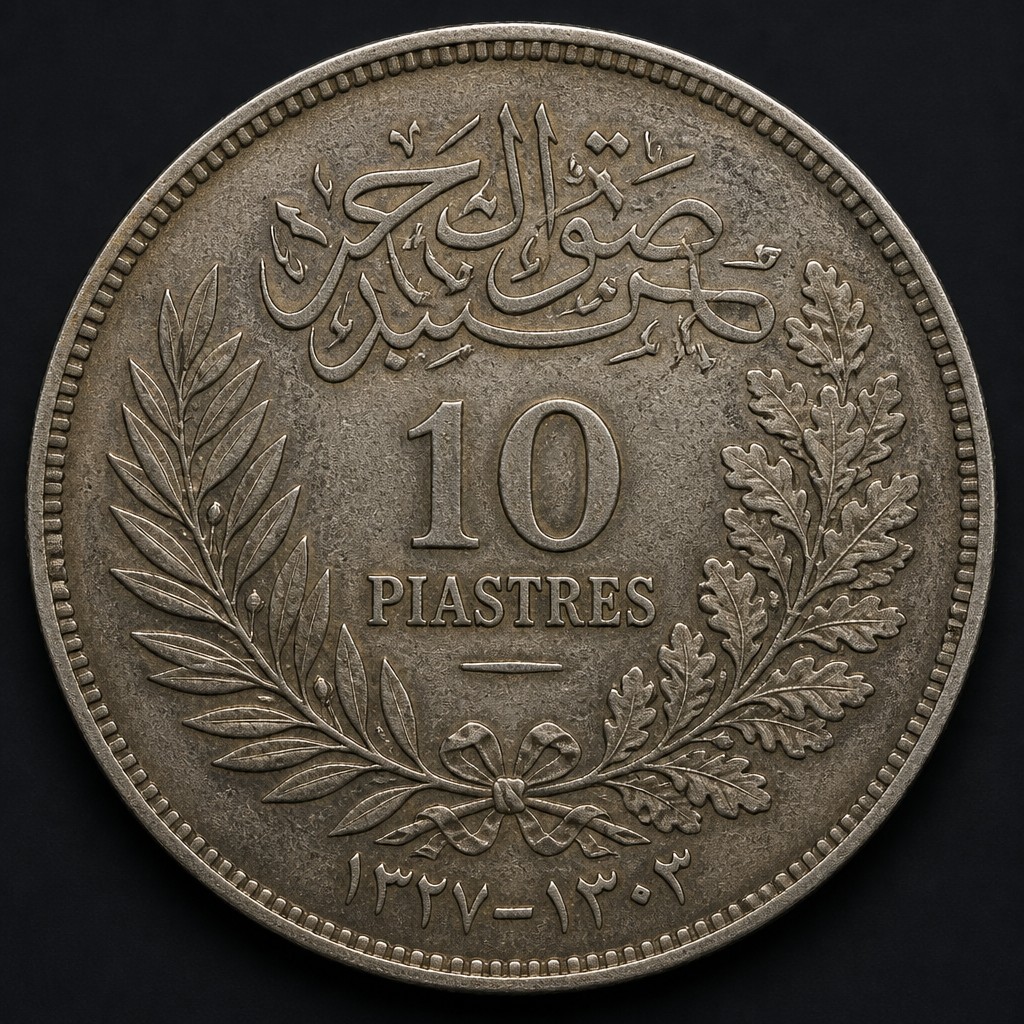
Egyptian 10 Piastres (silver)
1885–1939
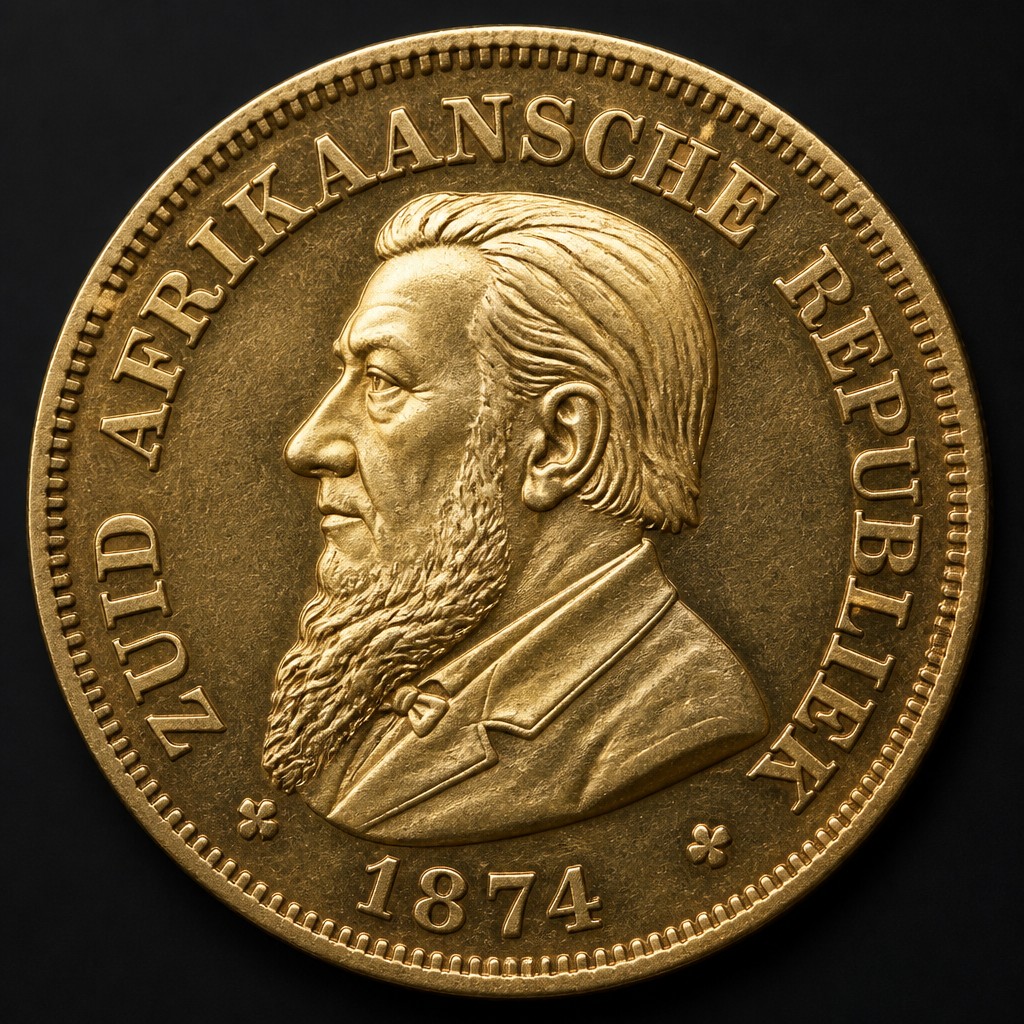
South African Republic Burgers Pond
1874
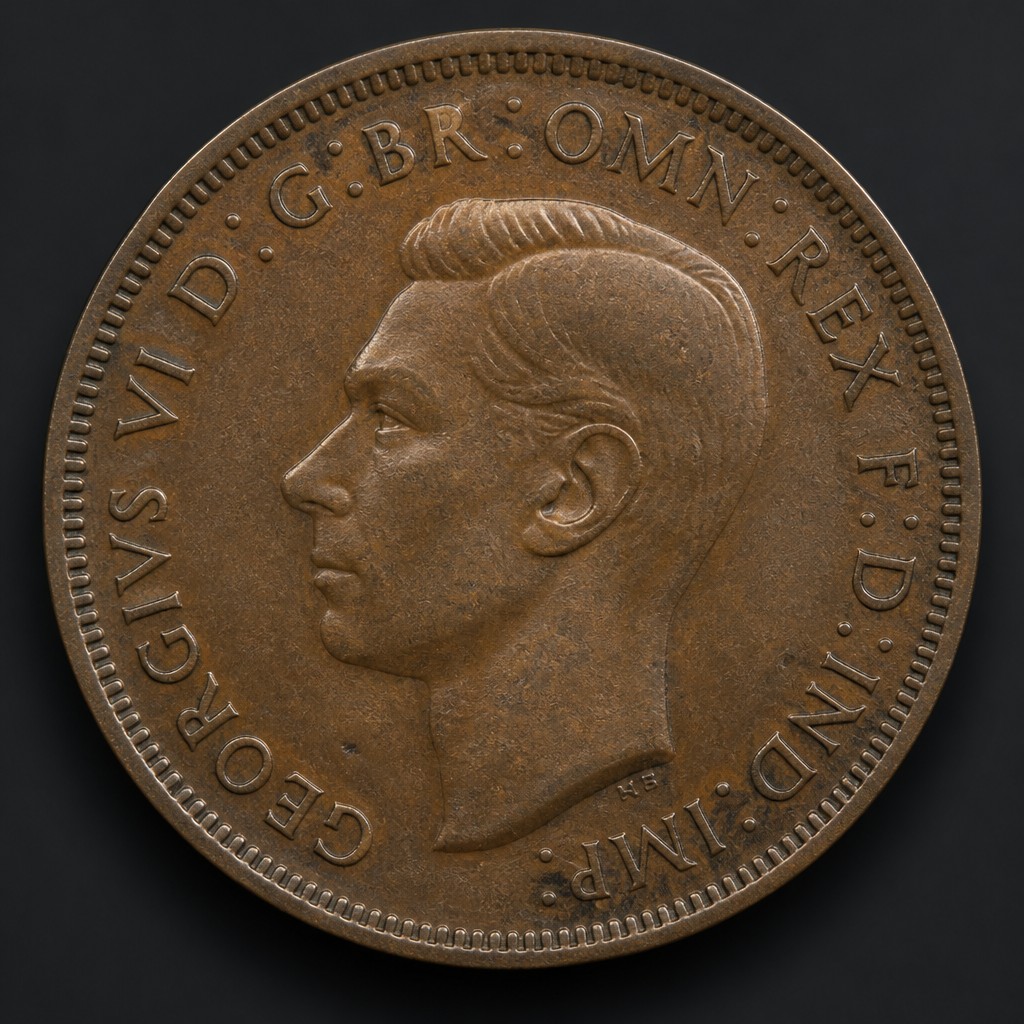
New Zealand Penny (KGVI)
1937-1952
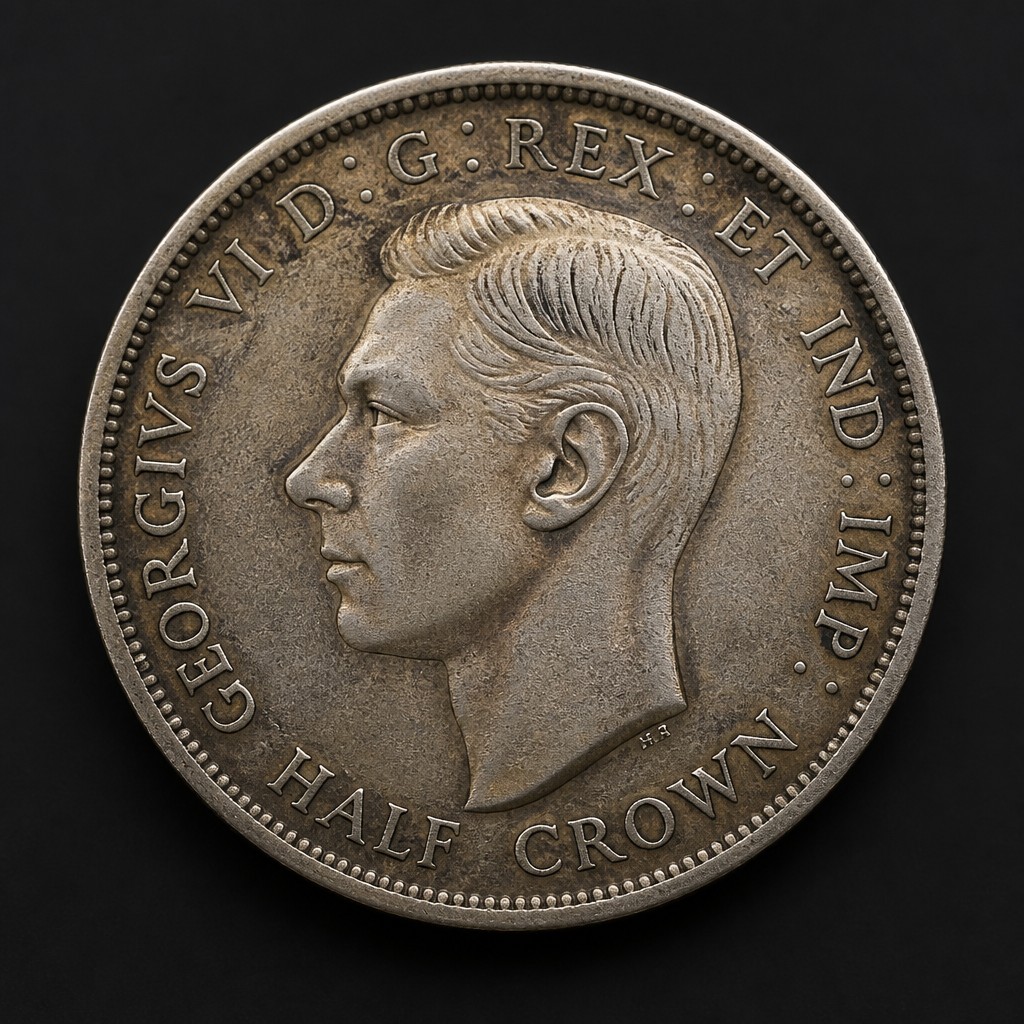
New Zealand Half Crown (pre-decimal)
1933-1965
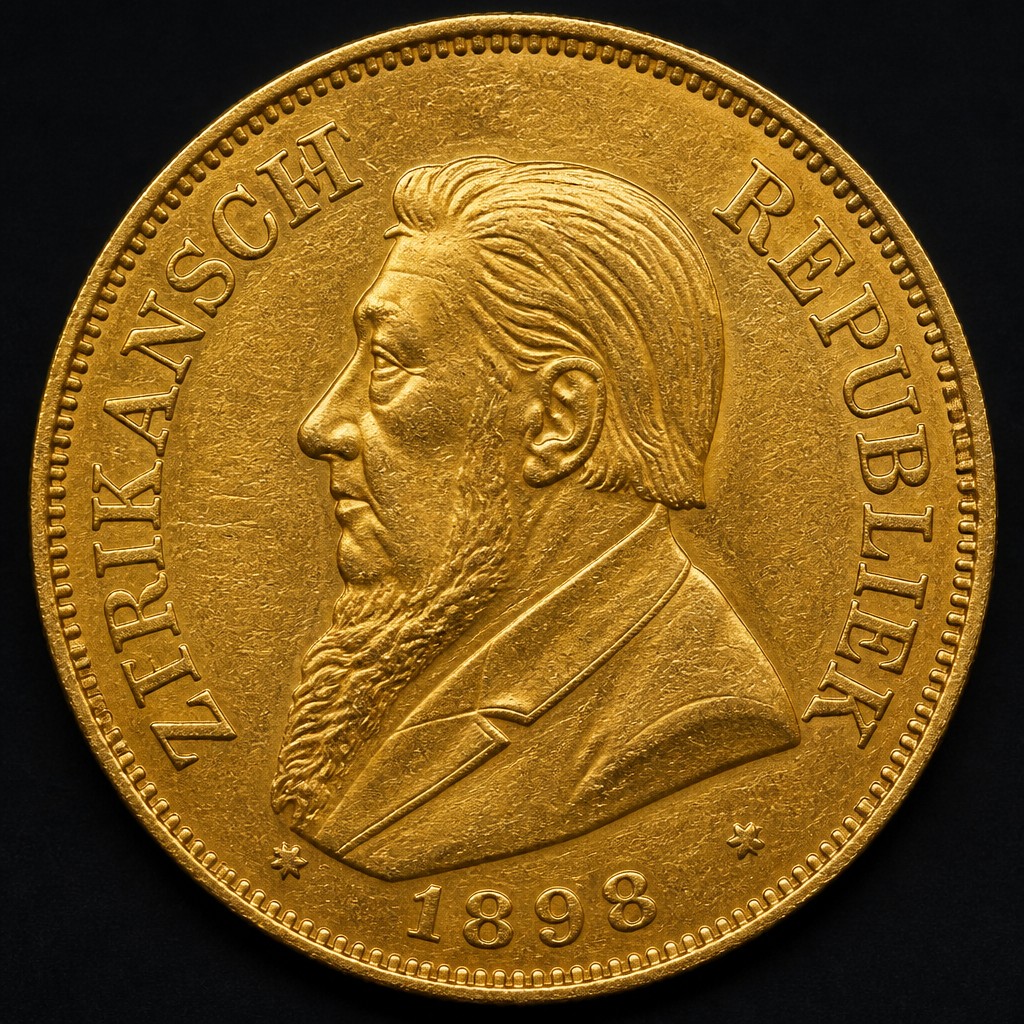
South African ZAR Kruger Pond
1892-1900
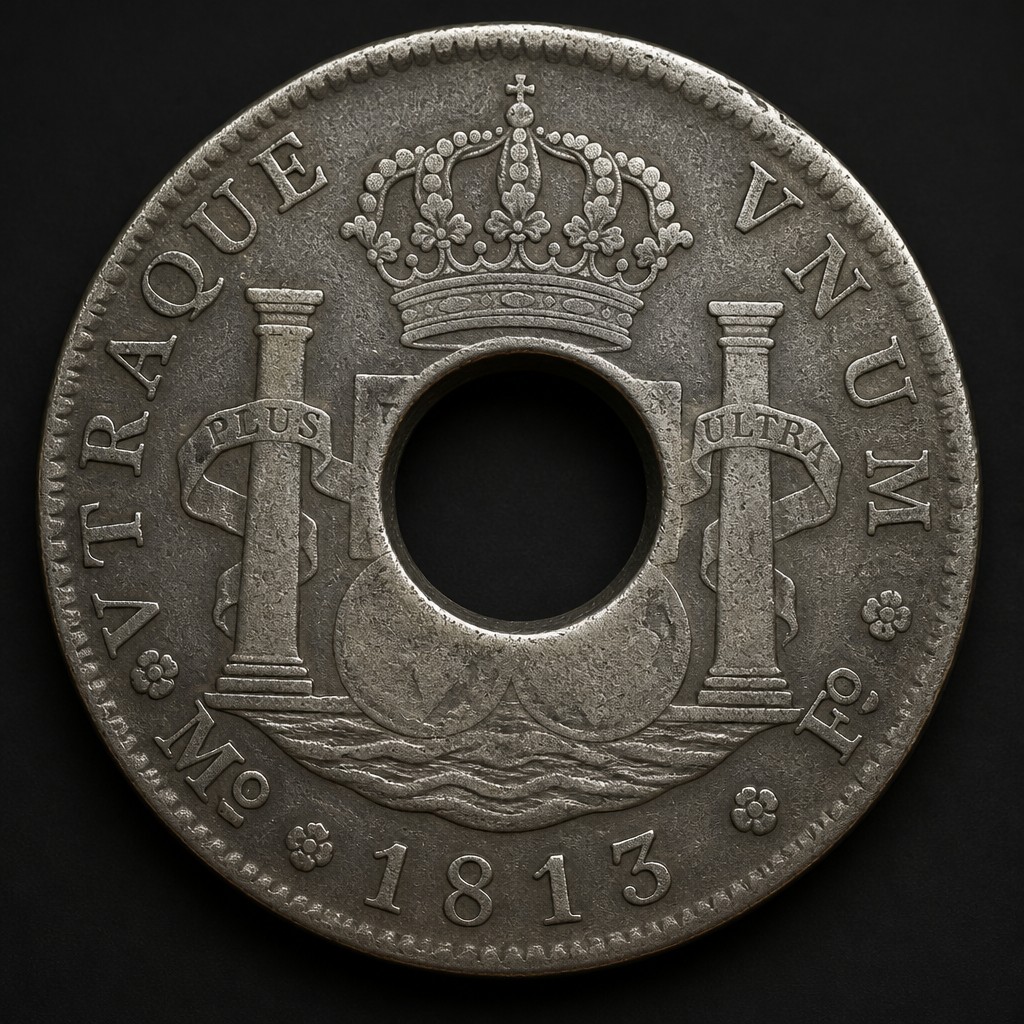
Australian Holey Dollar and Dump
1813
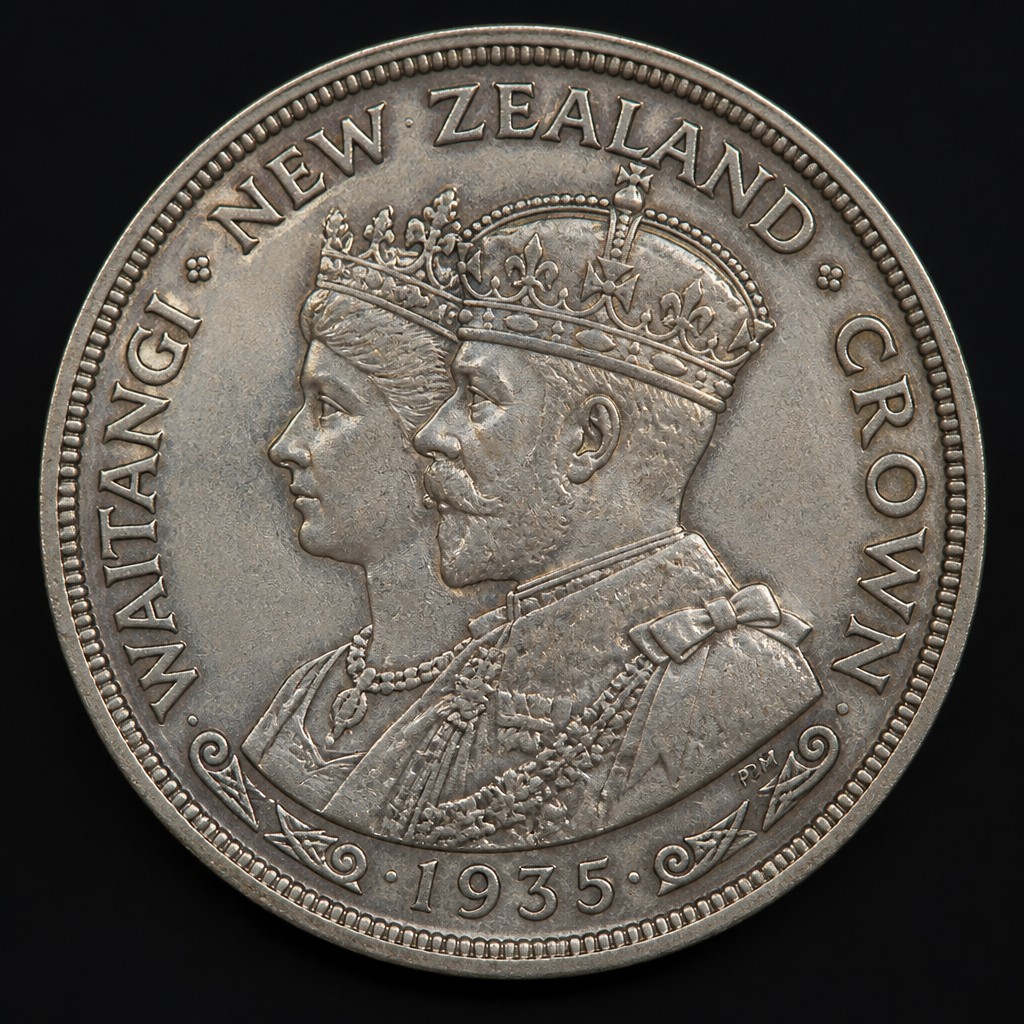
New Zealand Waitangi Crown (1935)
1935