
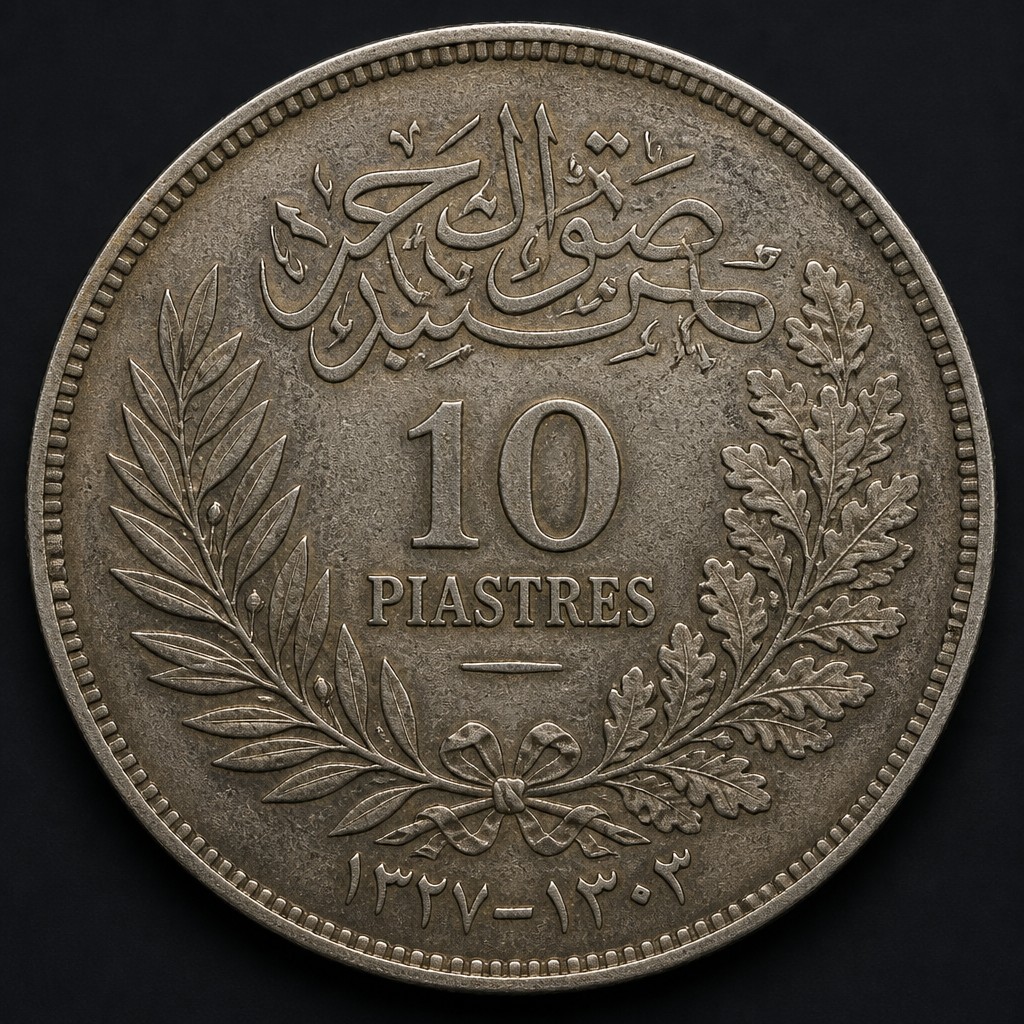
Egyptian 10 Piastres (silver)
A workhorse silver coin of Khedival, Sultanate, and Kingdom-era Egypt, one-tenth of a pound and commonly found in worn circulated grades from decades of daily use.
- Country
- Egypt
- Denomination
- 10 Piastres
- Metal
- Silver (typically .833 fine)
Got a coin like this?
Identify any coin from a photo, free.
Overview
The silver 10 piastre coin was one of the most heavily used denominations in Egypt's modern coinage system, sitting below the gold pound and serving everyday commerce for roughly half a century. It was struck across several political eras, from the Khedivate through the British-era Sultanate to the early independent Kingdom of Egypt.
Because it circulated widely and for a long time, most surviving specimens show real wear, and problem-free higher grades are noticeably scarcer and more sought after than the coin's large original mintages would suggest. It remains an accessible entry point into Egyptian and Middle Eastern silver coinage for collectors.
The design changed gradually to reflect each ruler while keeping a consistent visual language of Arabic script, ornamental borders, and a crescent-and-star or similar motif tying the coin to its regional context.
History & Background
Egypt modernized its coinage in the 1880s under Khedive Tewfik, adopting a decimal system where the pound divided into 100 piastres, itself an evolution from the older Ottoman-linked piastre (qirsh) accounting units used across the region. The 10-piastre silver coin quickly became a common denomination for larger everyday transactions.
Subsequent rulers, including Abbas Hilmi II, Hussein Kamel, and Fuad, continued the series with their own names or tughras, reflecting Egypt's shifting status from an Ottoman vassal state to a British protectorate and finally to a nominally independent kingdom after 1922. Silver fineness and coin specifications were adjusted from time to time in line with broader monetary policy and the price of silver.
Production of this classic silver type wound down by the late 1930s as Egypt, like many countries in the interwar period, moved toward smaller silver coins or base-metal substitutes for lower-value denominations, eventually giving way to different post-independence and Republic-era coinage after 1952.
How to Identify
The obverse typically carries the ruler's name, title, and regnal information in Arabic script, often within a decorative floral or geometric border; earlier issues favor a tughra-like calligraphic monogram, while later Kingdom issues may show a simpler inscribed design without a portrait, consistent with the avoidance of ruler portraiture on many Islamic-world coins of the period. The reverse states the denomination (10 Qirsh/Piastres) and date, usually with both the Hijri and Gregorian years shown.
The coin is a mid-sized silver piece with a reeded edge, and its silver content and slightly worn, well-circulated look are typical since the type saw heavy daily use. Collectors should check the date and ruler's name carefully, as several visually similar Egyptian silver denominations (5, 10, and 20 piastres) share a similar overall design template and are best told apart by size and the stated value.
Mint marks are generally minimal on Egyptian issues of this era compared to European coinages, so attribution relies mainly on matching the inscribed ruler's name and date to known reference charts.
Value & Collectibility
Common dates in well-worn, heavily circulated condition are inexpensive and widely available, making this an affordable way to own a piece of pre-World War II Egyptian history. Values rise for coins in higher circulated grades, for scarcer individual dates, and for the earliest Khedival issues, which tend to be tougher to find problem-free.
Typical worn examples of common dates often trade for modest sums, generally in the single digits to low tens of dollars, while nicer About Uncirculated or Mint State examples of any date, or any example of a scarcer date, can bring considerably more. As with most circulated world silver, cleaning or heavy wear reduces value significantly, so originality of surface is an important consideration for buyers.
Frequently asked questions
How many piastres make an Egyptian pound?
One hundred piastres equal one Egyptian pound, so the 10-piastre coin represents one-tenth of a pound.
What is the silver content of the 10 piastre coin?
Most issues were struck in silver around .833 fine, though exact fineness and weight were adjusted at various points across the series.
Why are high-grade examples harder to find?
The coin circulated heavily as everyday spending money for decades, so most surviving pieces show noticeable wear, and truly high-grade survivors are comparatively scarce.
How can I tell which ruler issued my coin?
Check the Arabic inscription and any accompanying tughra or name against reference material for Khedives Tewfik and Abbas Hilmi II, Sultans Hussein Kamel and Fuad, or King Fuad I, since the design's core layout stayed similar across reigns.
Egyptian 10 Piastres (silver) identified by the community
Real coins identified with Coin Identifier.
Other coins you may enjoy
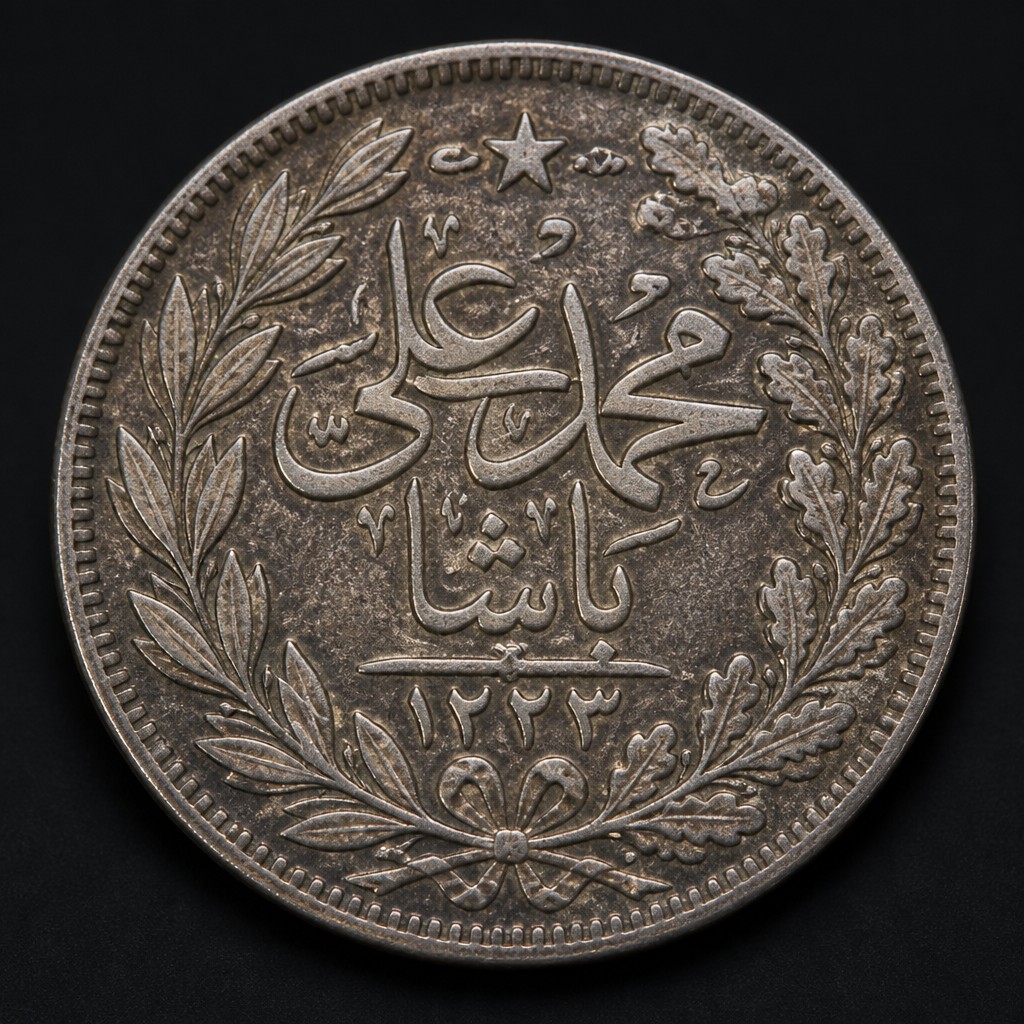
Egyptian Qirsh (Muhammad Ali Era)
Early-to-mid 19th century (c. 1805–1848)
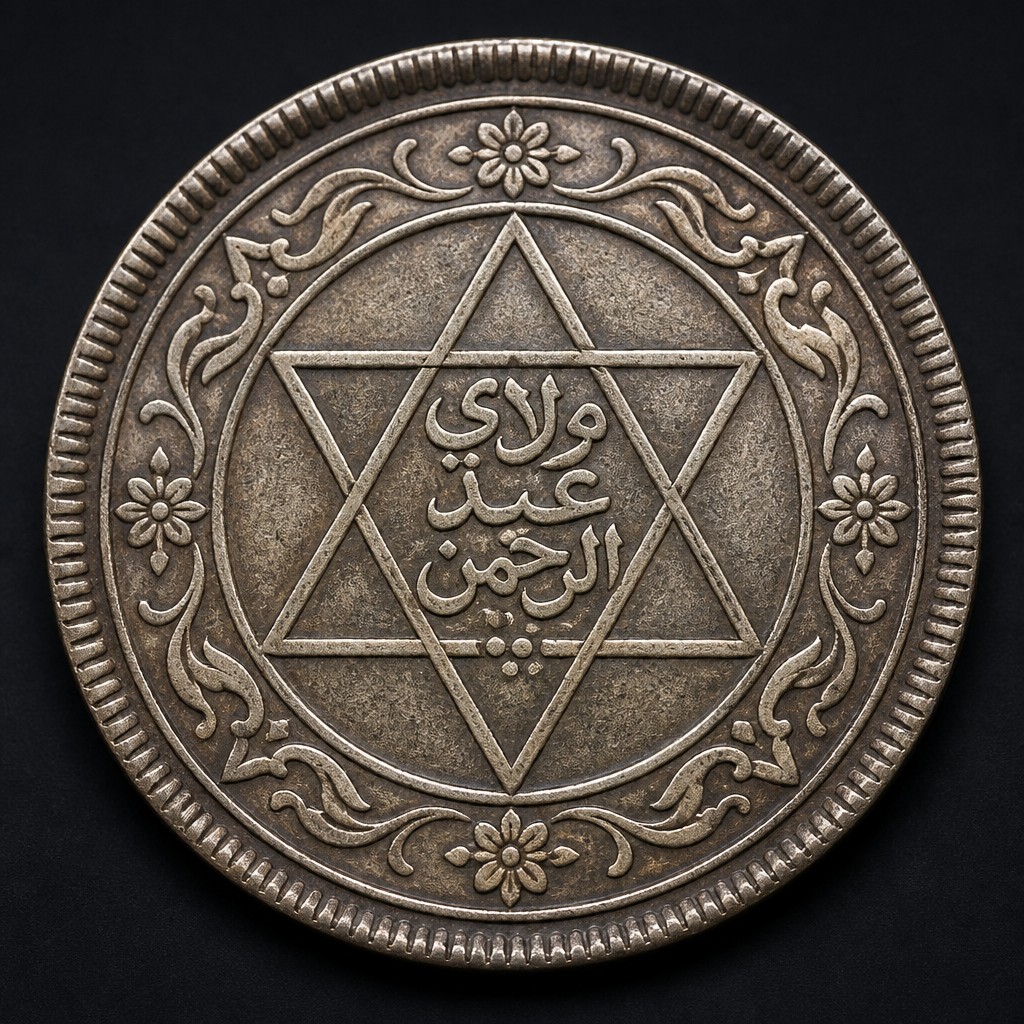
Moroccan Rial (Alawi Dynasty Coinage)
18th–19th century (pre-protectorate era)
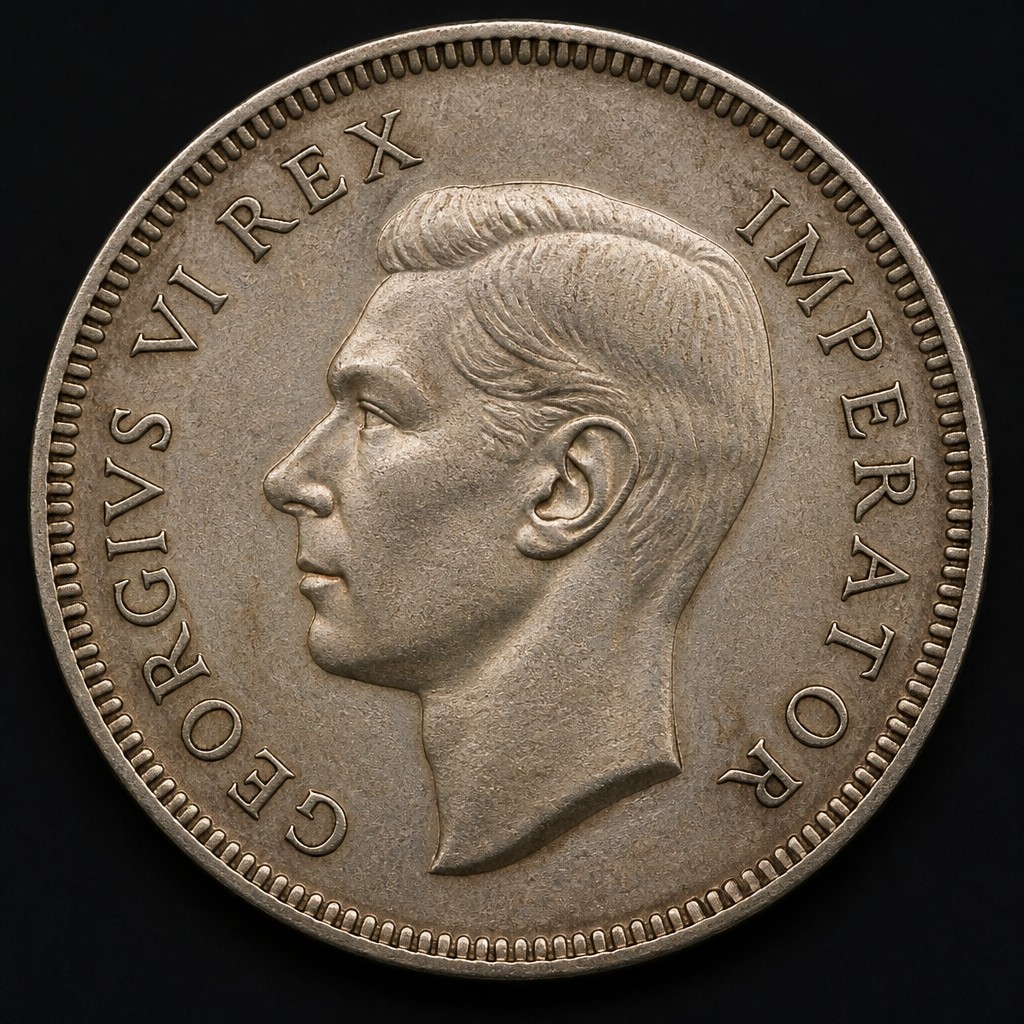
South African Sixpence (Union)
1923-1960
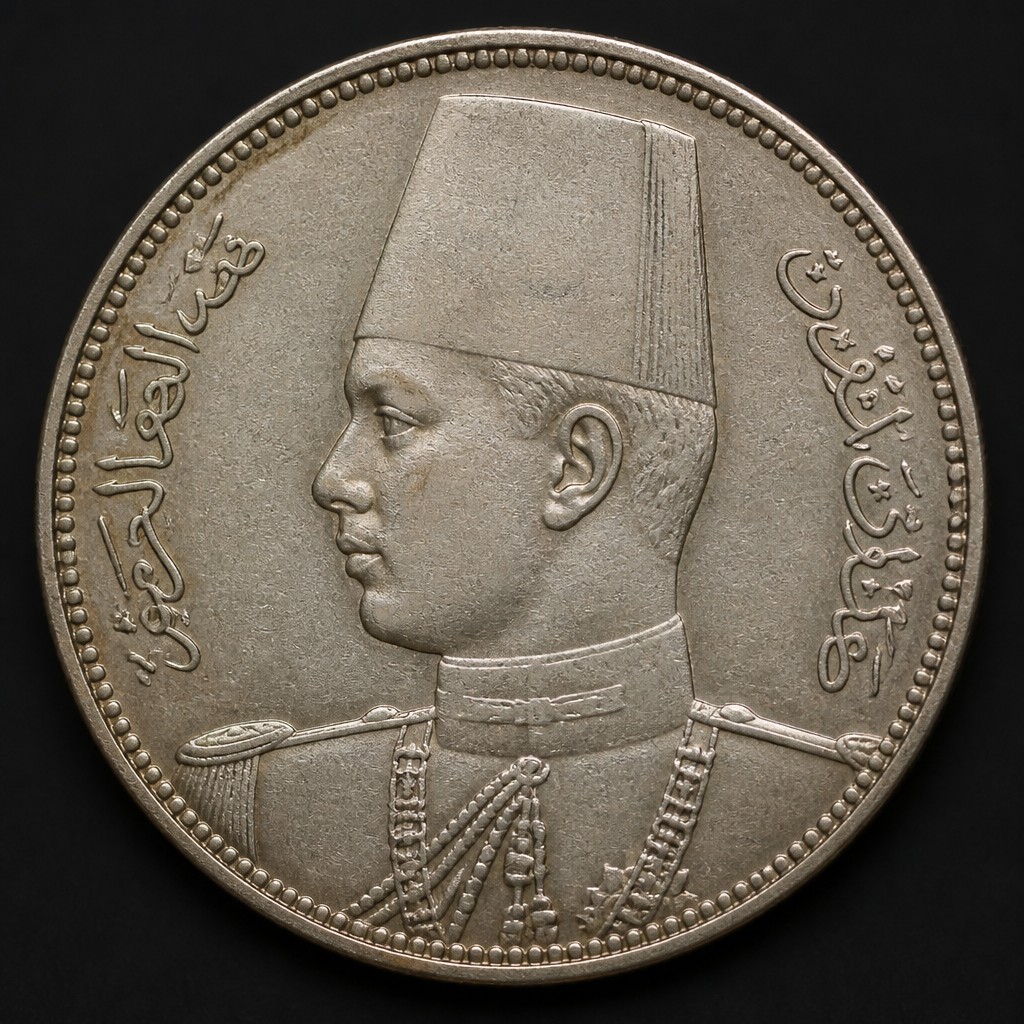
Egyptian Farouk 5 Piastres
1937-1952
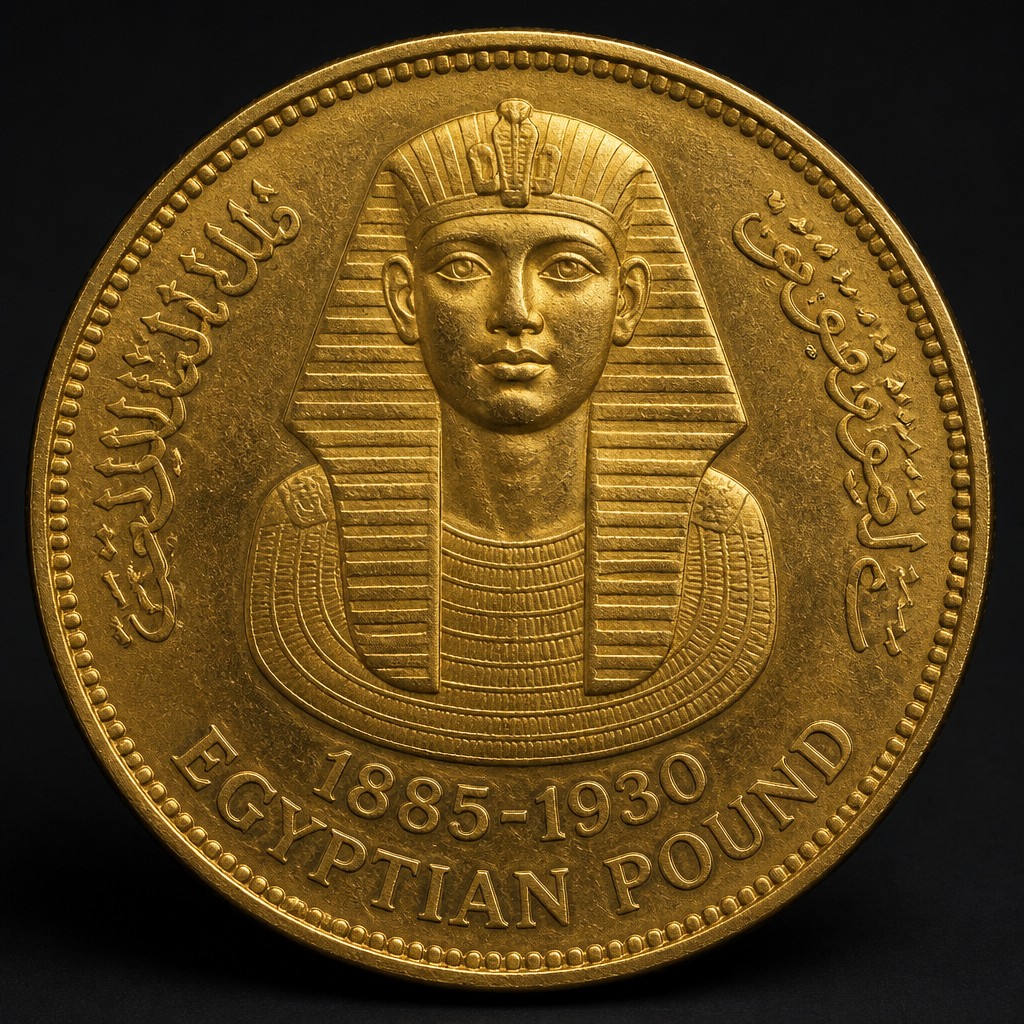
Egyptian Pound (gold)
1885–1930
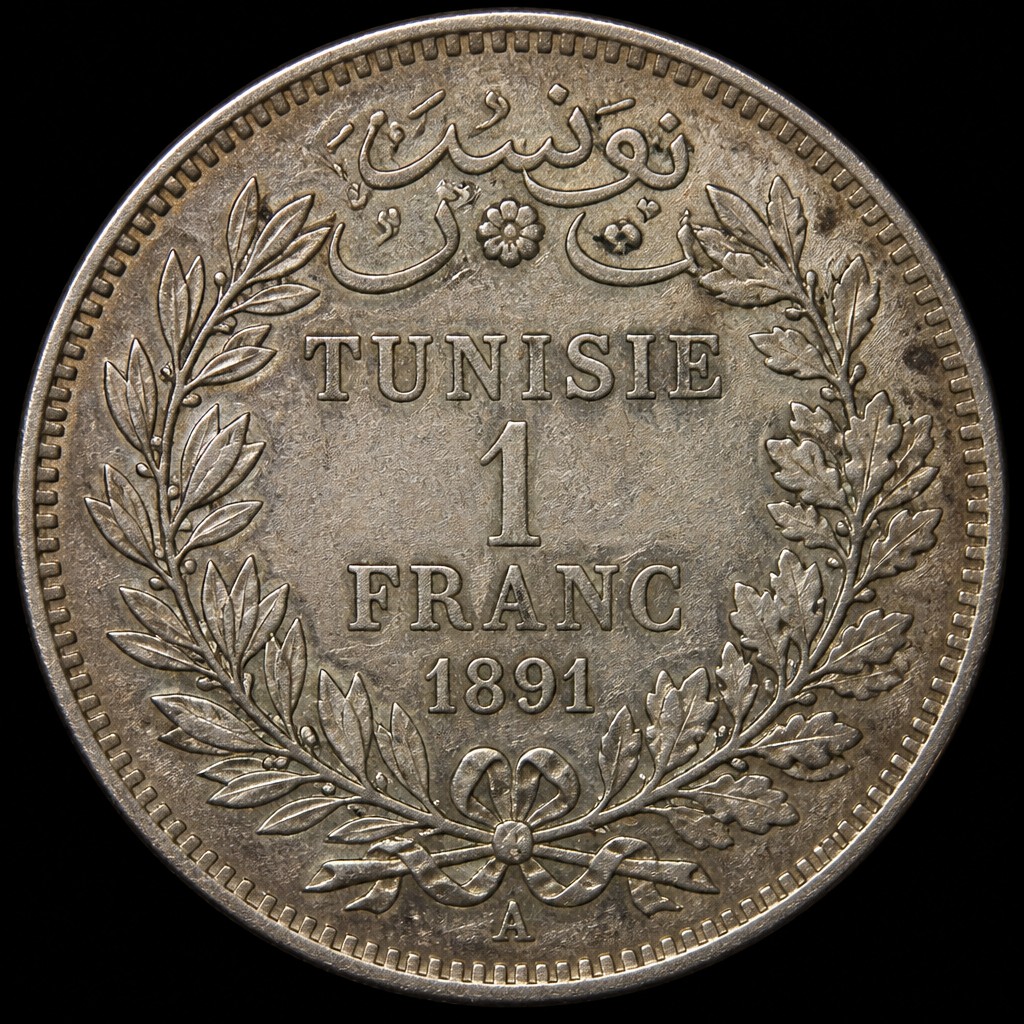
Tunisian Franc (Beylik Era)
Late 19th–early 20th century (c. 1891–1957 transition)
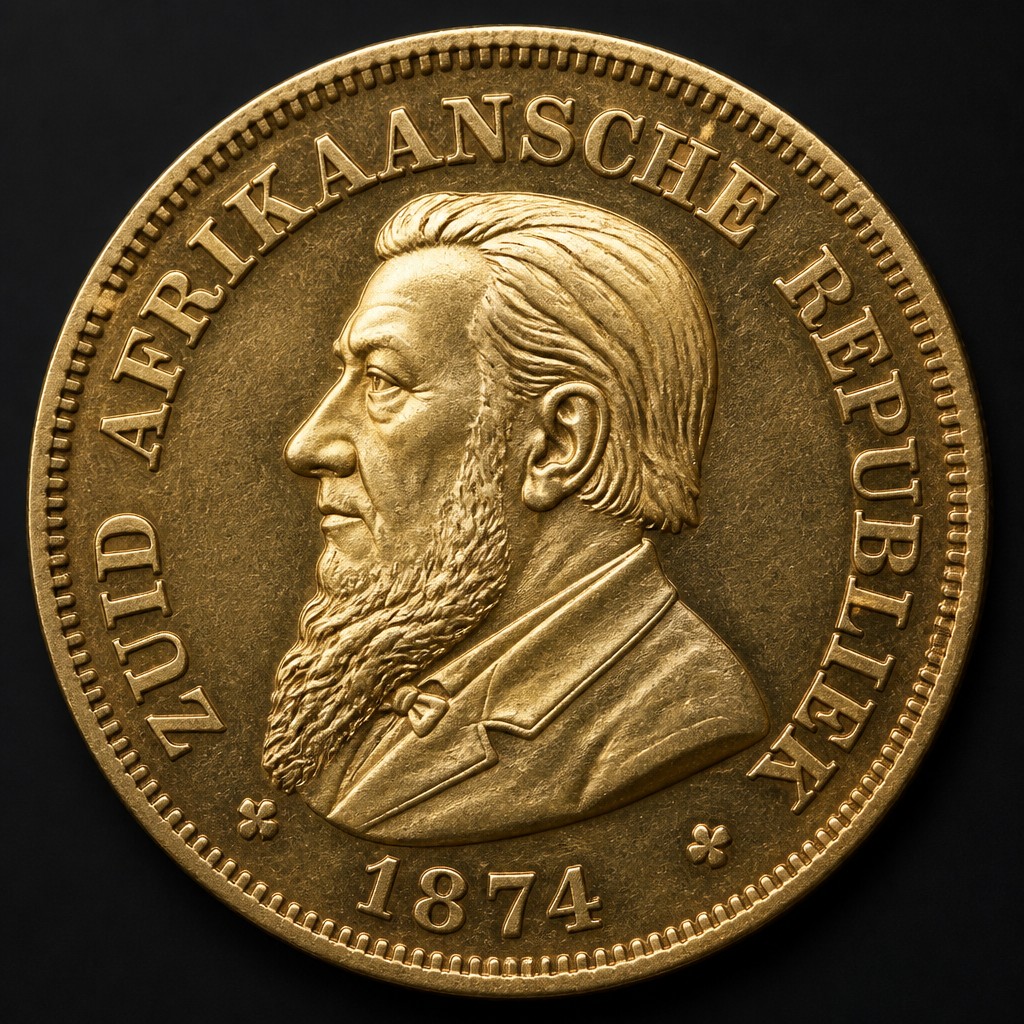
South African Republic Burgers Pond
1874
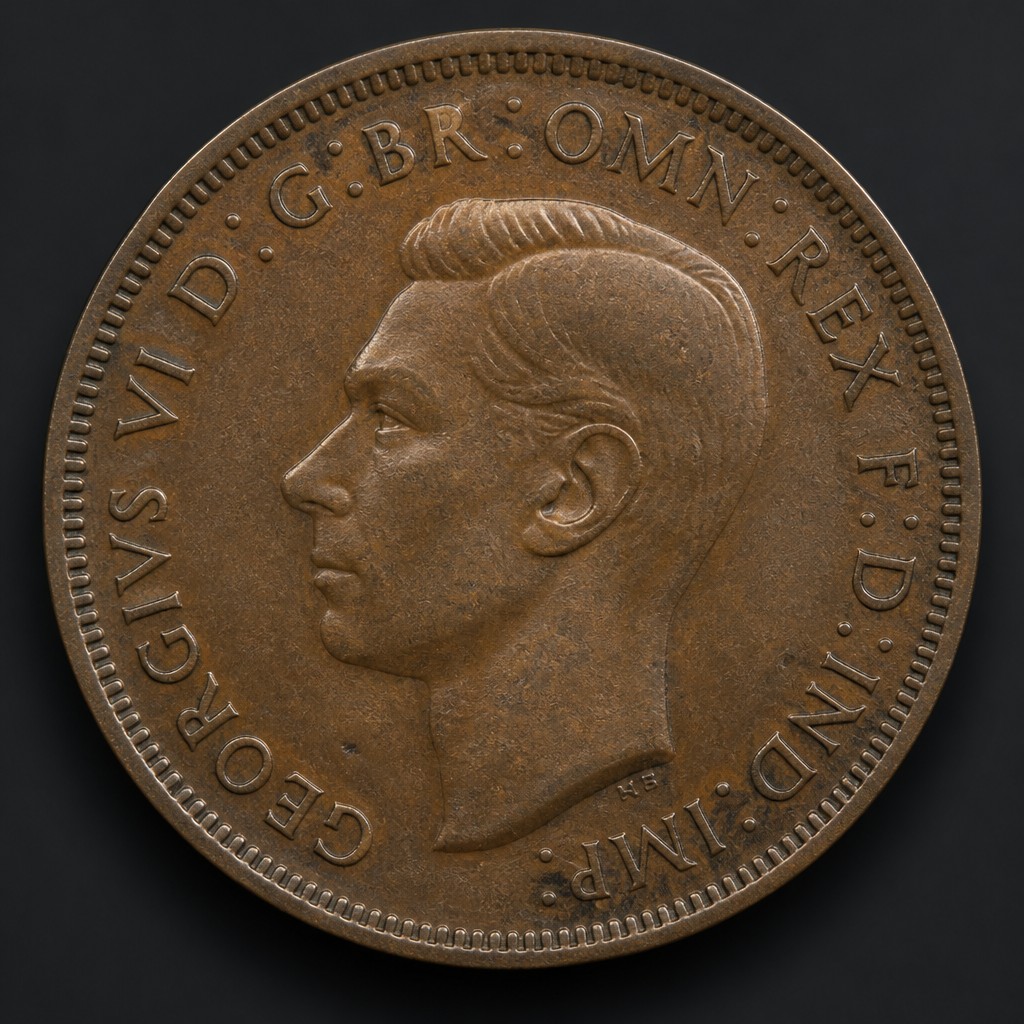
New Zealand Penny (KGVI)
1937-1952
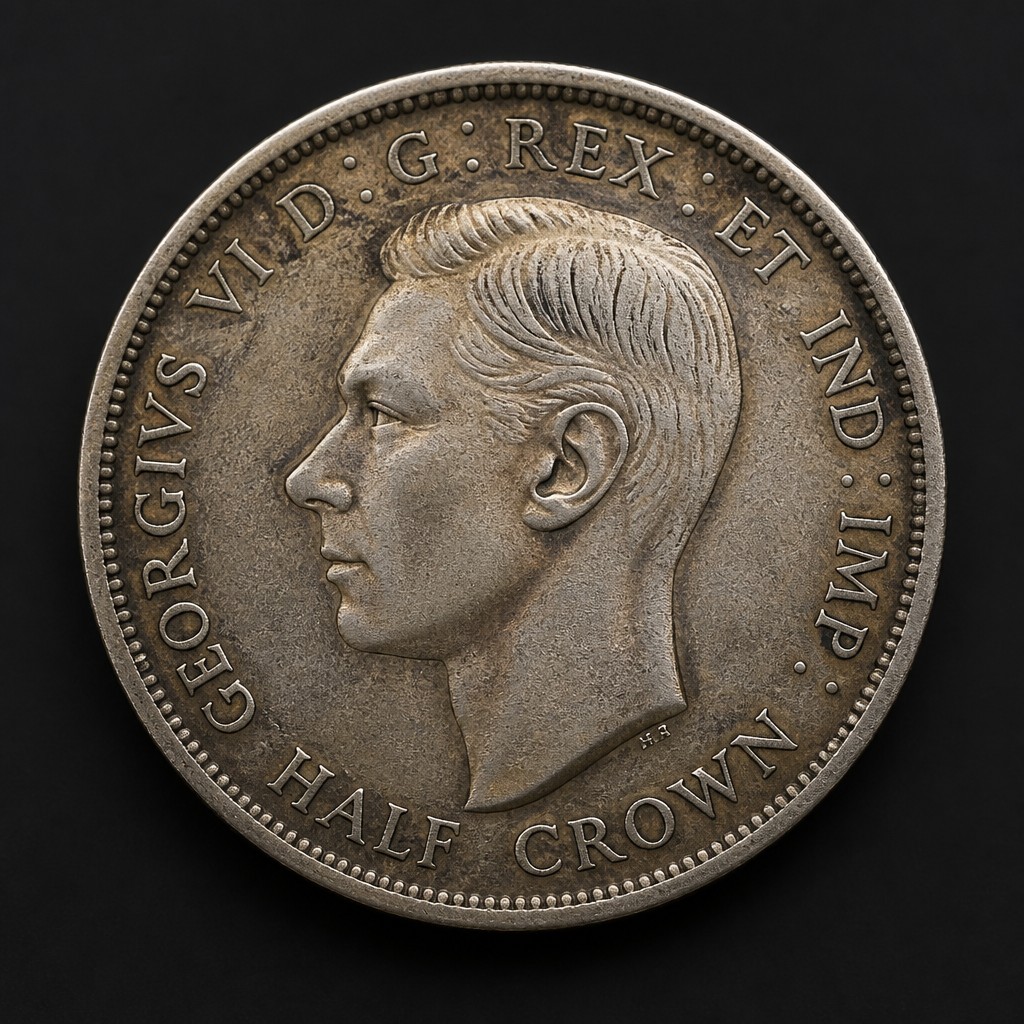
New Zealand Half Crown (pre-decimal)
1933-1965
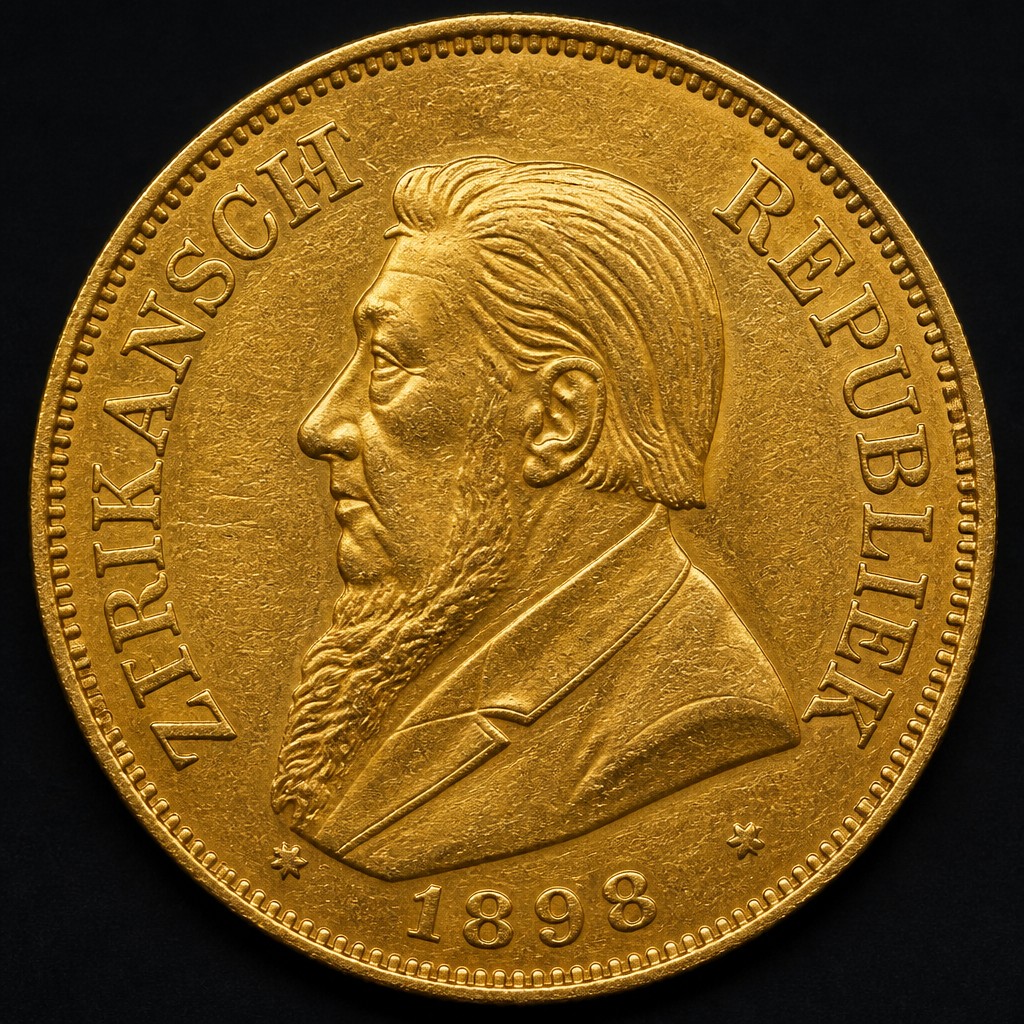
South African ZAR Kruger Pond
1892-1900
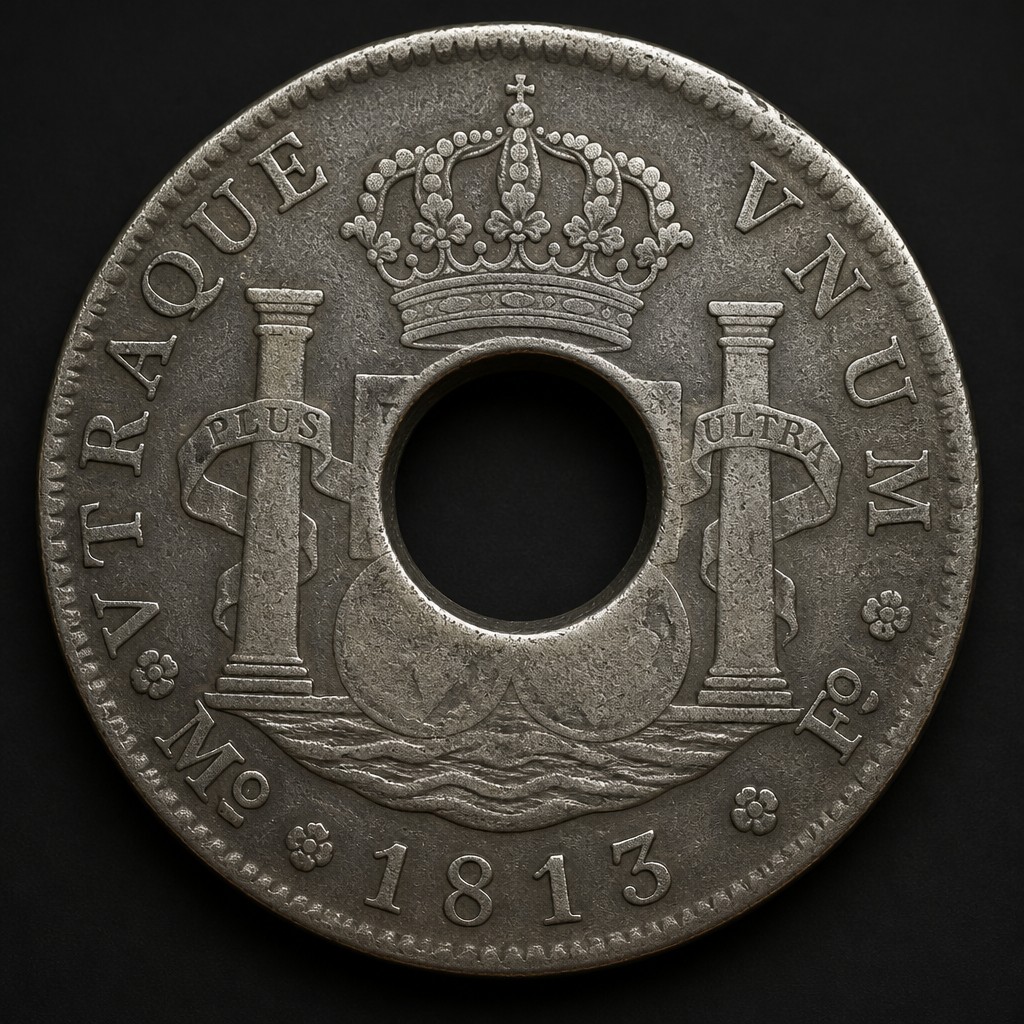
Australian Holey Dollar and Dump
1813
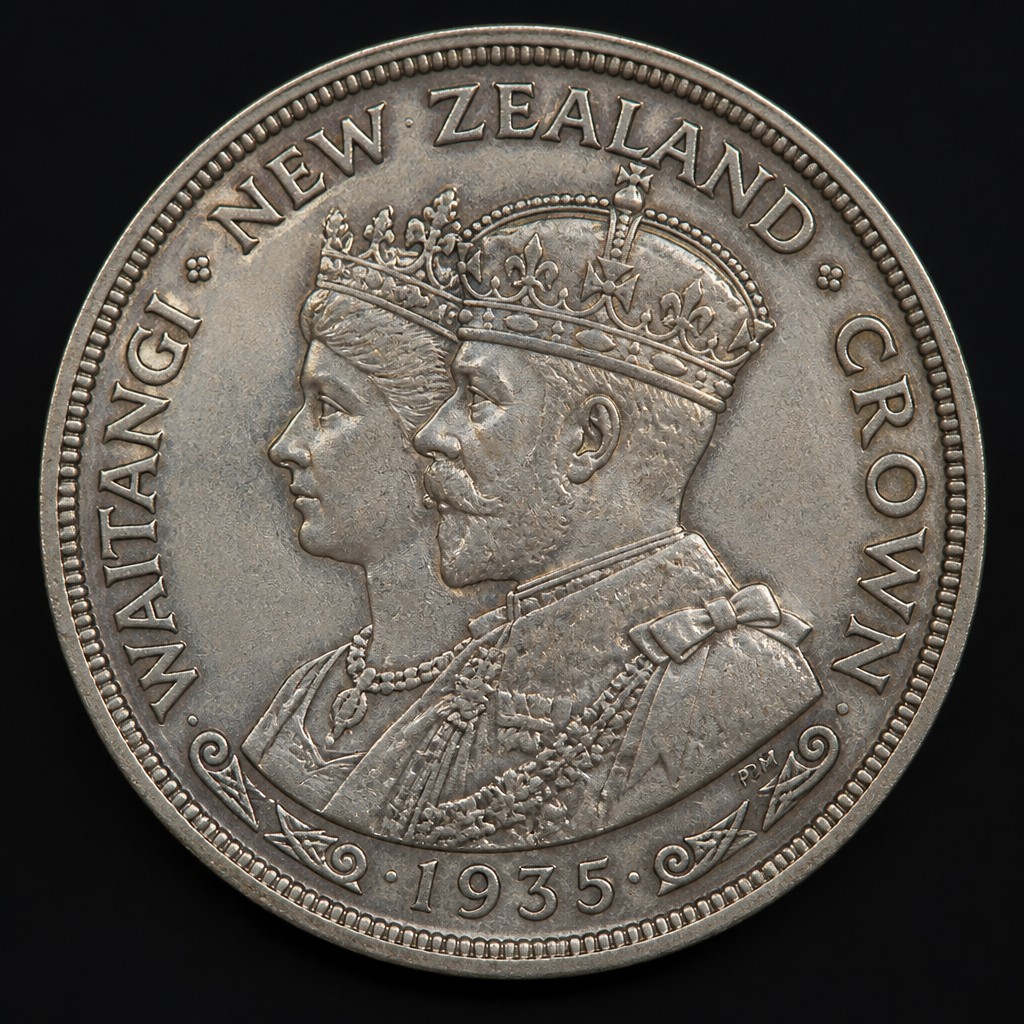
New Zealand Waitangi Crown (1935)
1935