
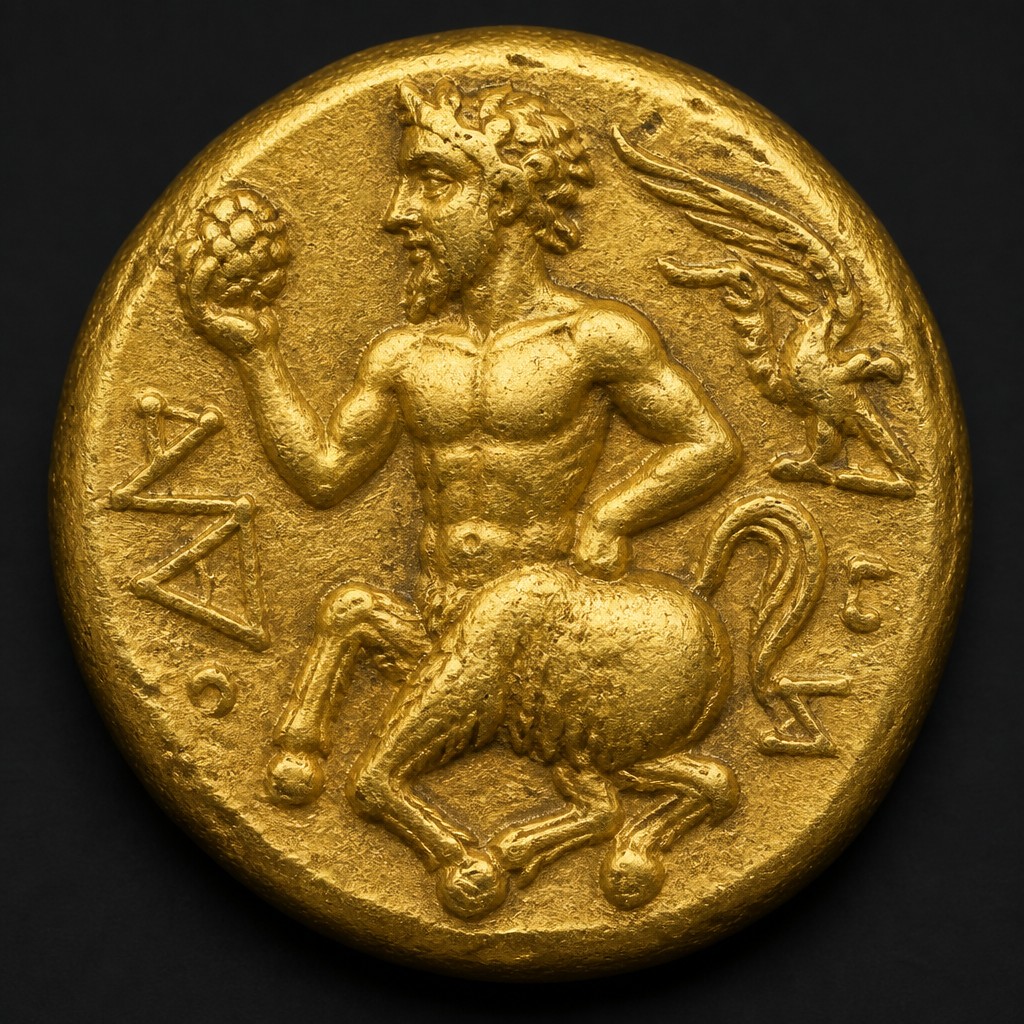
Panticapaeum Gold Stater (Pan/Griffin)
Gold stater of Panticapaeum, capital of the Bosporan Kingdom on the Crimean peninsula, showing the bearded head of Pan and a griffin standing on a grain ear.
- Country
- Ancient Greece (Bosporan Kingdom, Crimea)
- Denomination
- Stater
- Metal
- Gold
Got a coin like this?
Identify any coin from a photo, free.
Overview
The Panticapaeum gold stater is one of the most admired gold coins of the ancient Greek world, prized for its rich, high-relief portrait of the satyr-god Pan and its elegant griffin-and-grain-ear reverse, which advertises the grain trade that made the Bosporan Kingdom wealthy. It is among the finest examples of Greek numismatic art produced outside the Greek mainland.
Collectors highly value these staters both for their artistic sophistication and for their connection to the Bosporan Kingdom, a Greek-ruled state on the northern shore of the Black Sea that served as a crucial supplier of grain to Athens and other Greek cities.
History & Background
Panticapaeum was founded as a Greek colony by settlers from Miletus around the 7th century BC on the Cimmerian Bosporus, the strait connecting the Sea of Azov to the Black Sea (near modern Kerch, Crimea). By the 5th and 4th centuries BC, the city had become the capital of the Bosporan Kingdom, a state that grew wealthy by exporting grain from the fertile Pontic steppe to mainland Greece, especially Athens.
The city's gold coinage, struck primarily in the 4th century BC, reflects this prosperity, using gold likely sourced through trade rather than local mines. The griffin, a mythical creature associated in Greek thought with guarding gold, paired with the grain ear, directly symbolizes the twin foundations of the kingdom's wealth: precious metal and agricultural export.
How to Identify
The obverse depicts the bearded, animalistic head of Pan shown nearly facing forward (three-quarter view), with pointed goat-like ears and sometimes small horns, rendered in a bold, expressive high-relief style distinct from typical idealized Greek deity portraits. The reverse shows a griffin, a mythical lion-bodied, eagle-headed creature, walking or standing atop a stalk of grain (wheat or barley), with the abbreviated ethnic ΠΑΝ often present in the field, referencing the city's name.
The stater is struck in gold, typically weighing around 9.1 grams, following the local Bosporan weight standard, and stands out for its rich yellow color and fine detail compared to the more common silver issues of the era.
The distinctive Pan portrait combined with the griffin-on-grain-ear reverse makes this stater immediately recognizable and difficult to confuse with other regional gold issues, such as those of Lampsacus or Cyzicus, which use different obverse and reverse imagery despite similar high artistic quality.
Value & Collectibility
Panticapaeum gold staters are among the more valuable ancient Greek gold coins available to collectors, reflecting both their gold content and their exceptional artistic quality, with well-preserved examples often reaching well into five figures at auction, and even worn or lower-grade examples commanding strong four-figure prices due to gold value and rarity.
Sharpness of the Pan portrait's fine facial detail and the griffin's definition are major value drivers, along with overall centering and the absence of striking flaws, since the type's appeal rests heavily on its artistic execution rather than historical rarity alone.
Frequently asked questions
Who is depicted on the obverse?
The obverse shows Pan, the Greek god of the wild, shepherds, and rustic music, depicted with distinctive goat-like features in a bold three-quarter facing view.
Why is a griffin shown with a grain ear?
The griffin, associated with guarding gold in Greek myth, paired with the grain ear symbolizes the two pillars of Bosporan wealth: gold and the region's lucrative grain export trade.
What was the Bosporan Kingdom?
It was a Greek-ruled state centered on Panticapaeum in the Crimean region, which grew wealthy supplying grain to mainland Greek cities, especially Athens.
Are these coins rare?
Panticapaeum gold staters are scarcer and generally more valuable than the kingdom's more common silver and bronze issues, reflecting the smaller number of gold coins struck.
Other coins you may enjoy
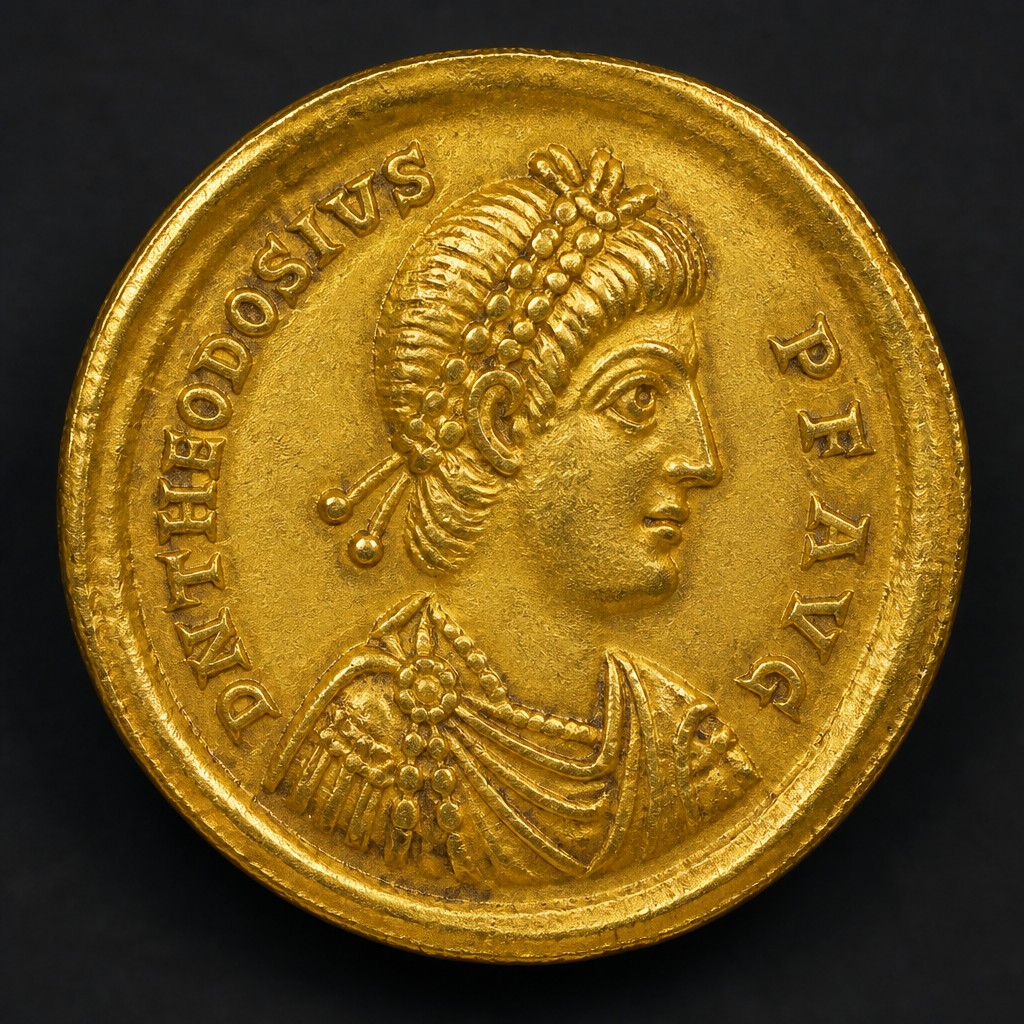
Theodosius I Solidus
379–395 AD
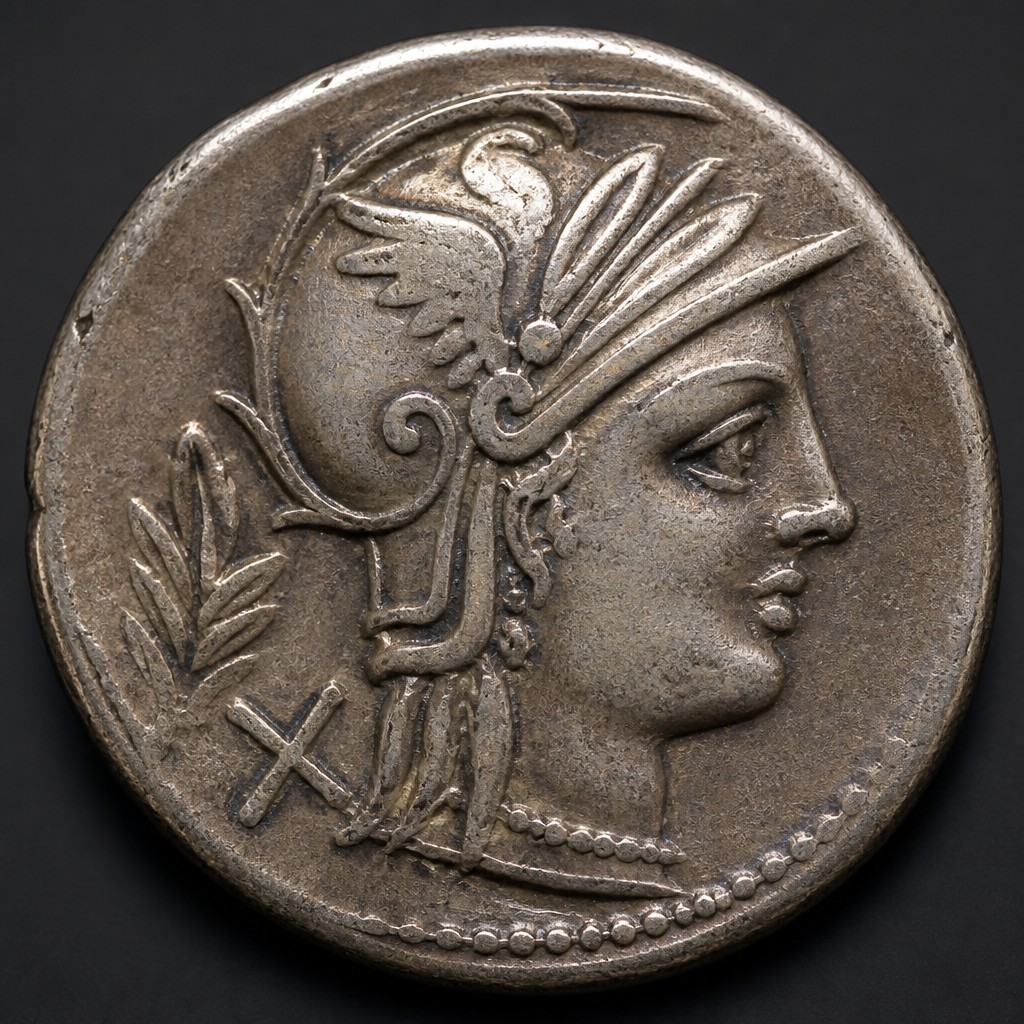
Republican Victoriatus
c. 211–170 BC
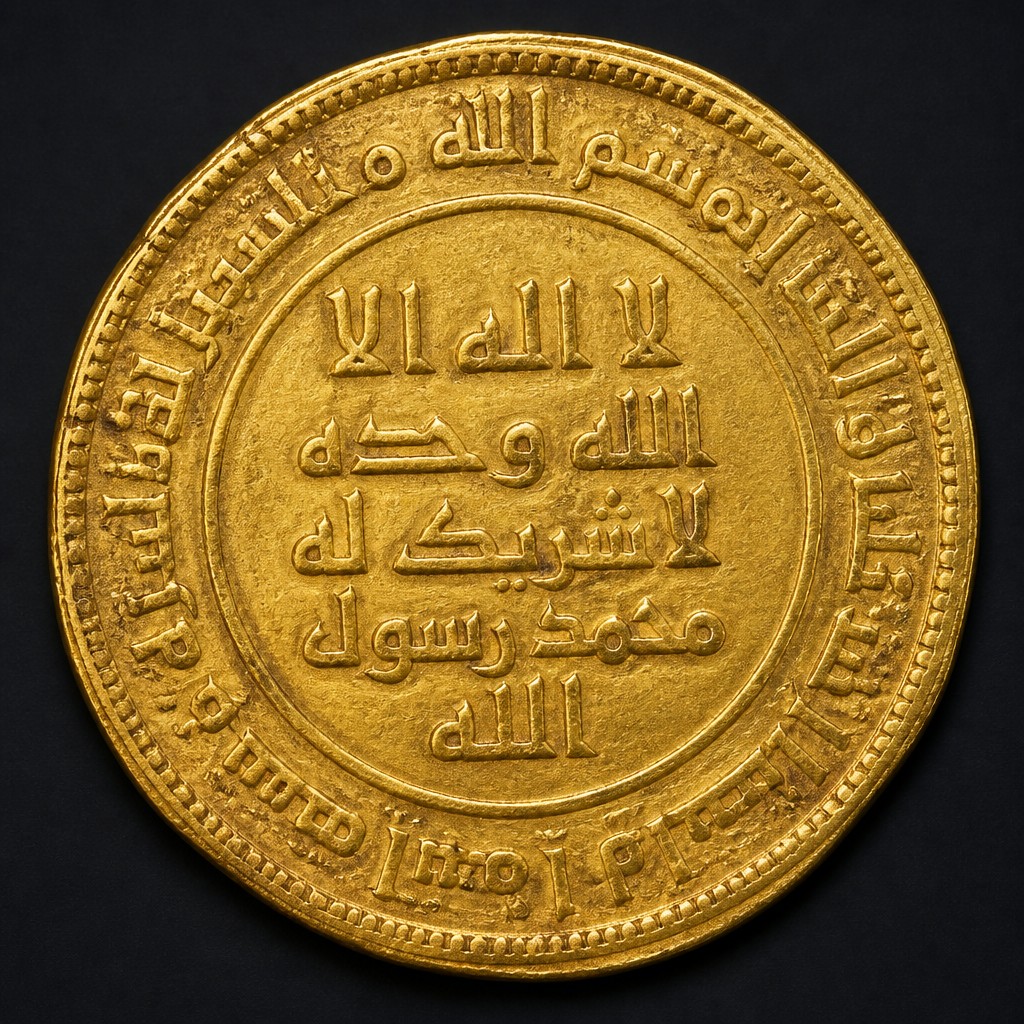
Islamic Gold Dinar (Umayyad)
c. 696–750 AD
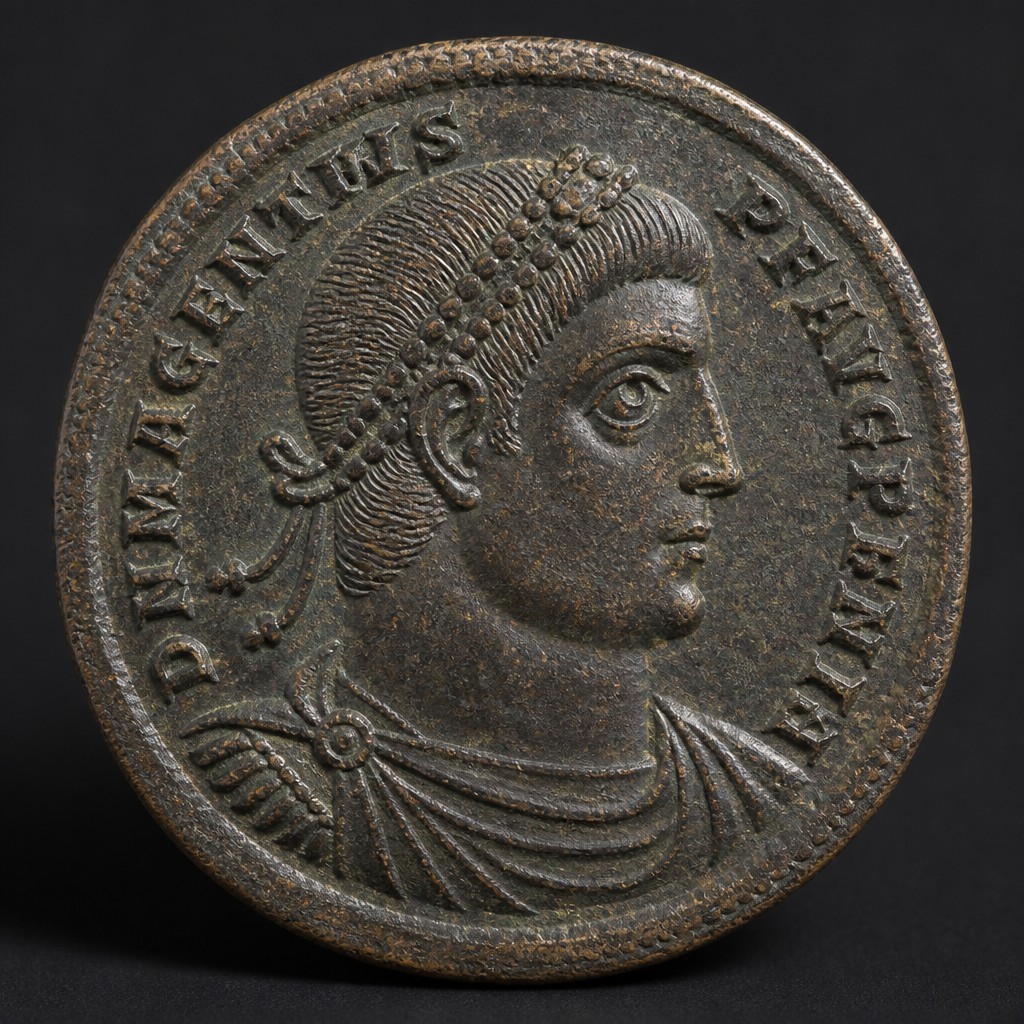
Magnentius Double Centenionalis
350–353 AD
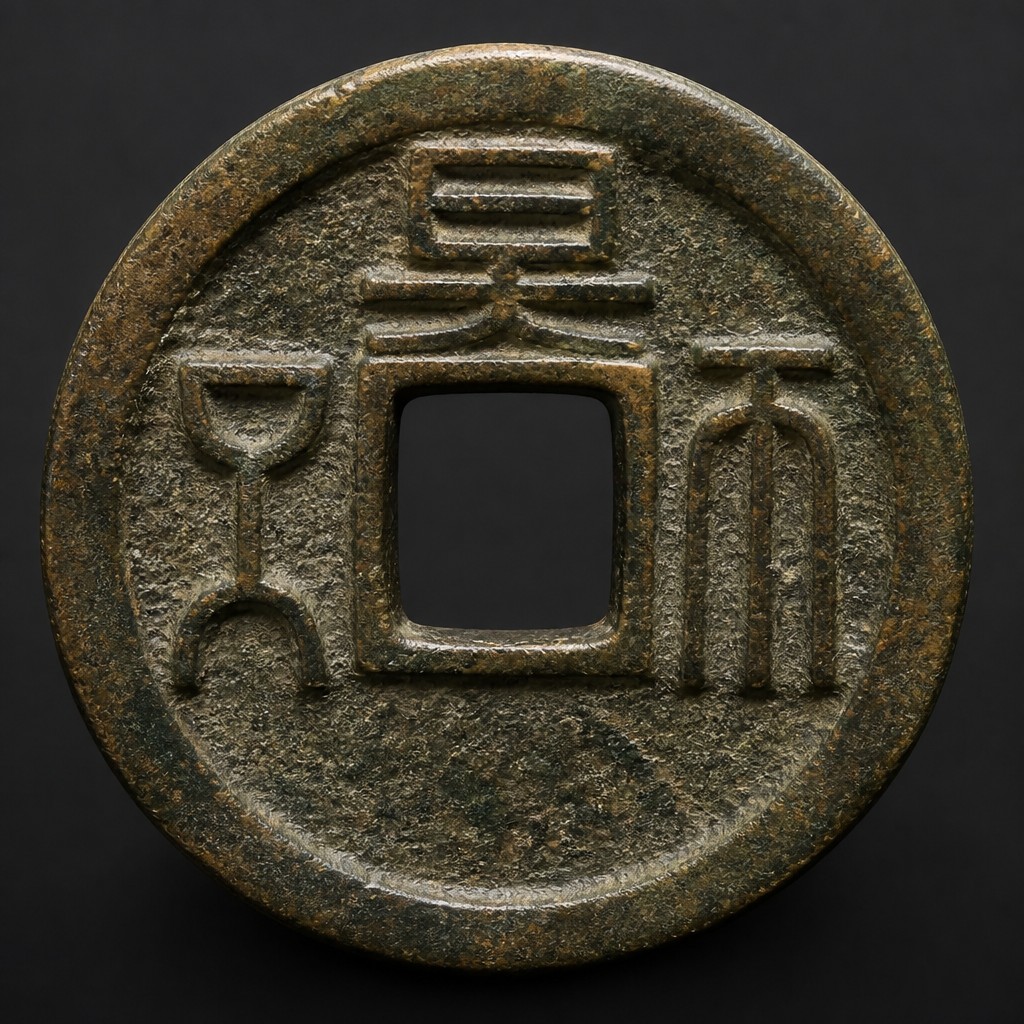
Chinese Wu Zhu Cash
118 BC – 618 AD
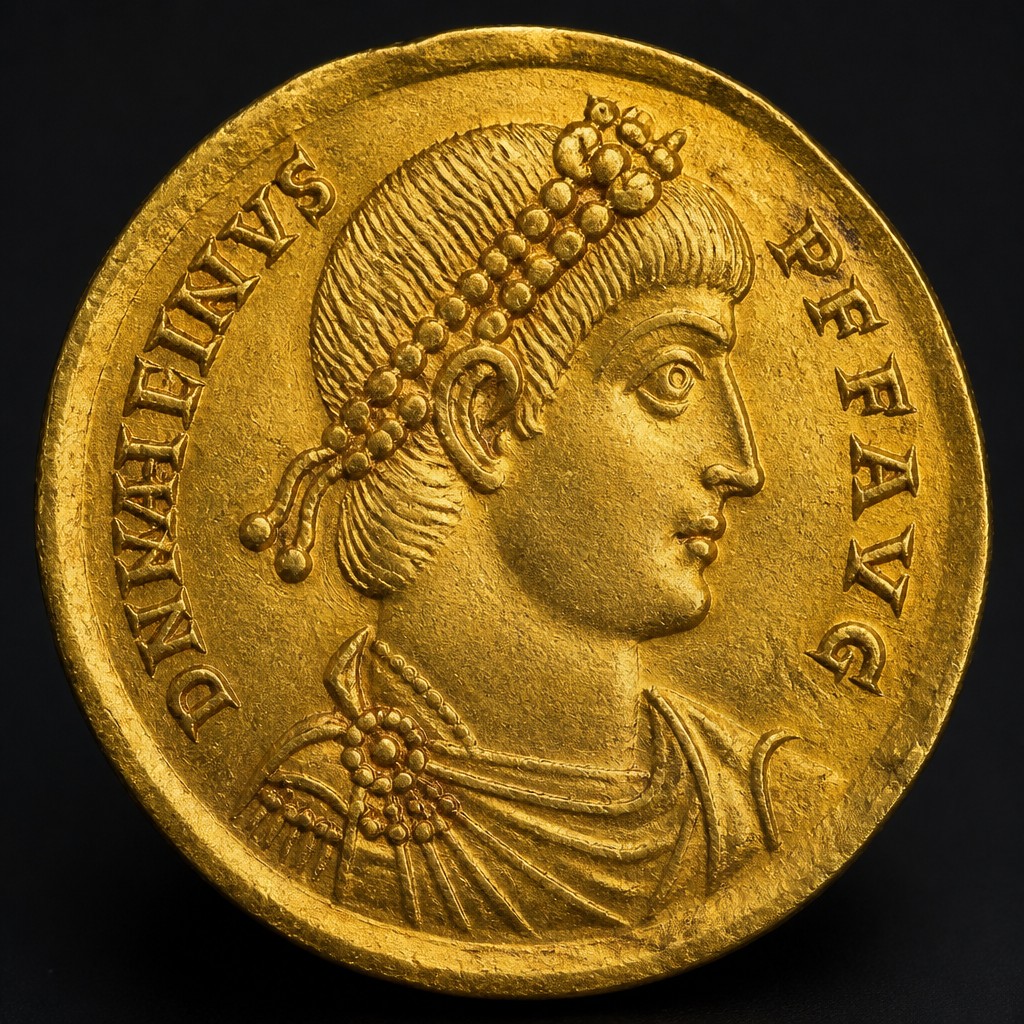
Valentinian I Solidus
364–375 AD
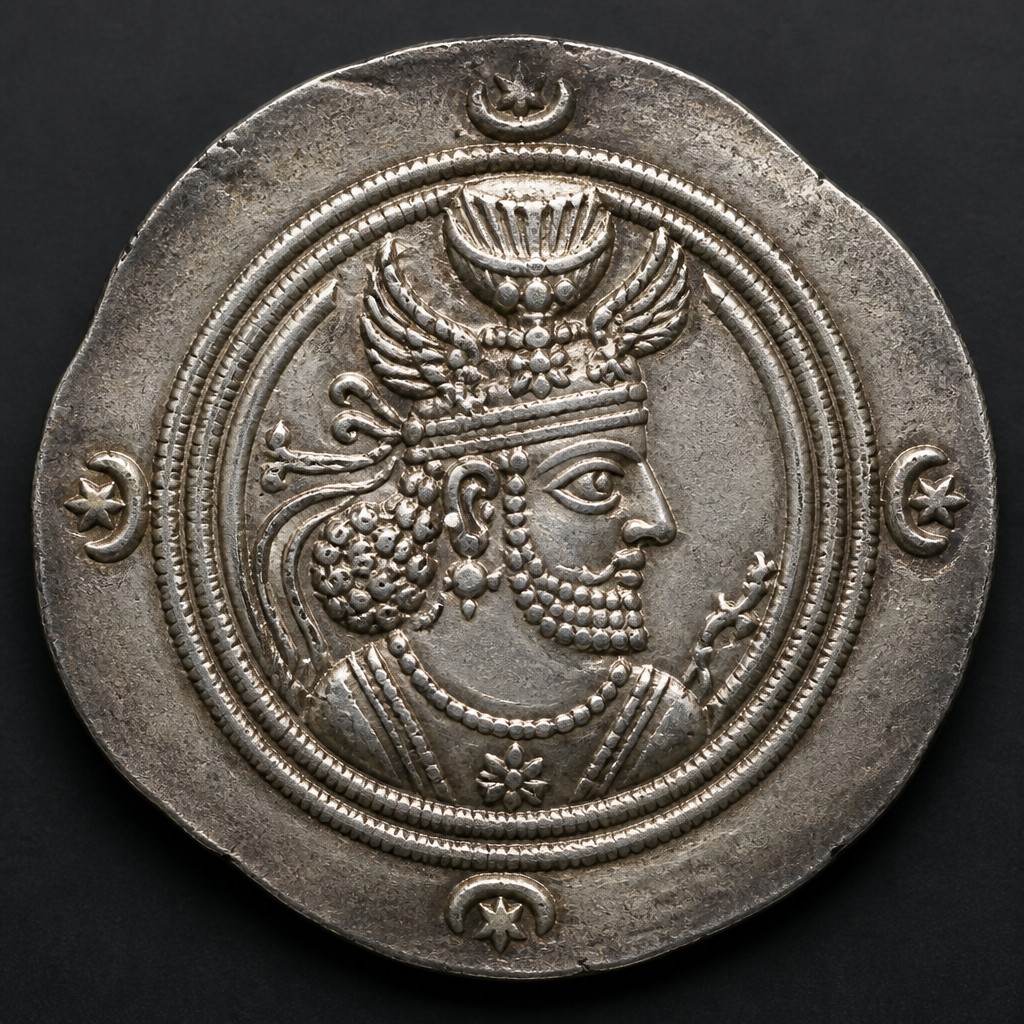
Sassanian Silver Drachm
c. 224–651 AD
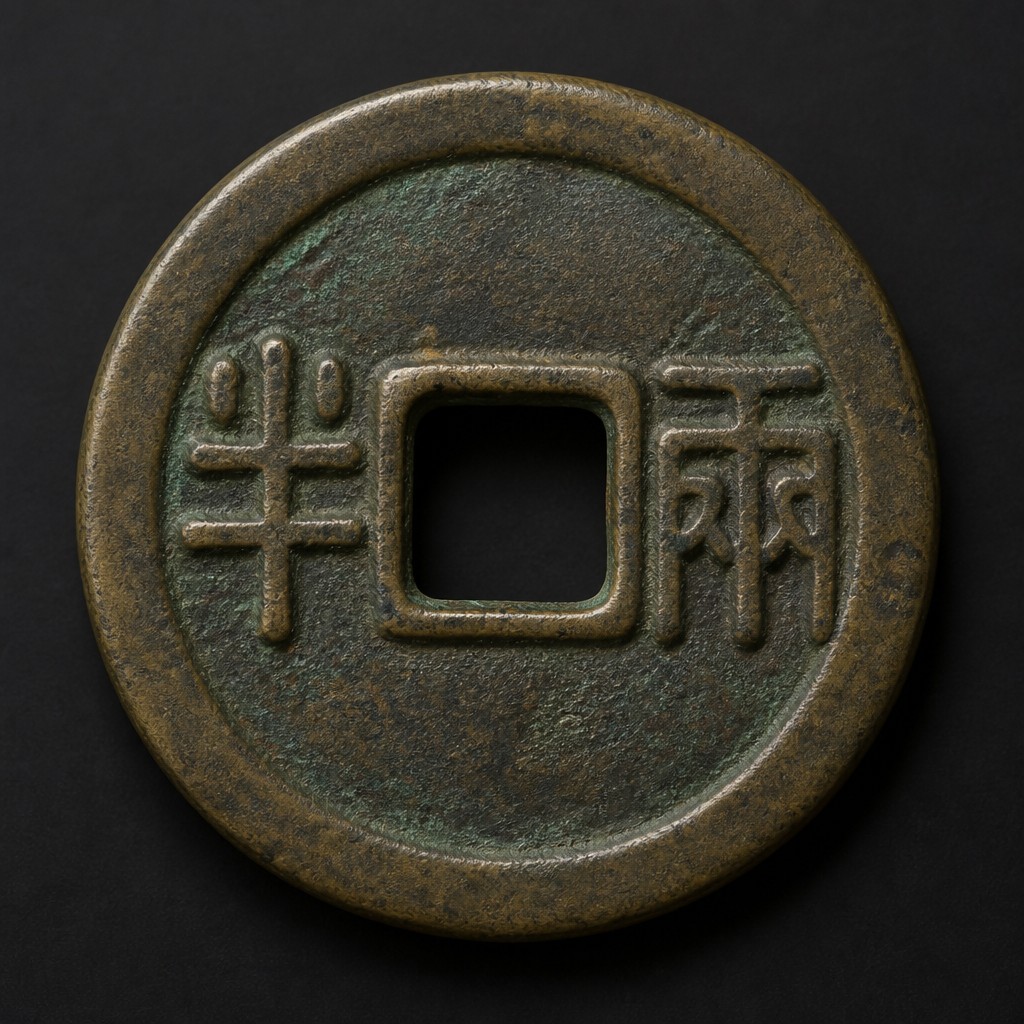
Chinese Ban Liang Cash
c. 221–118 BC
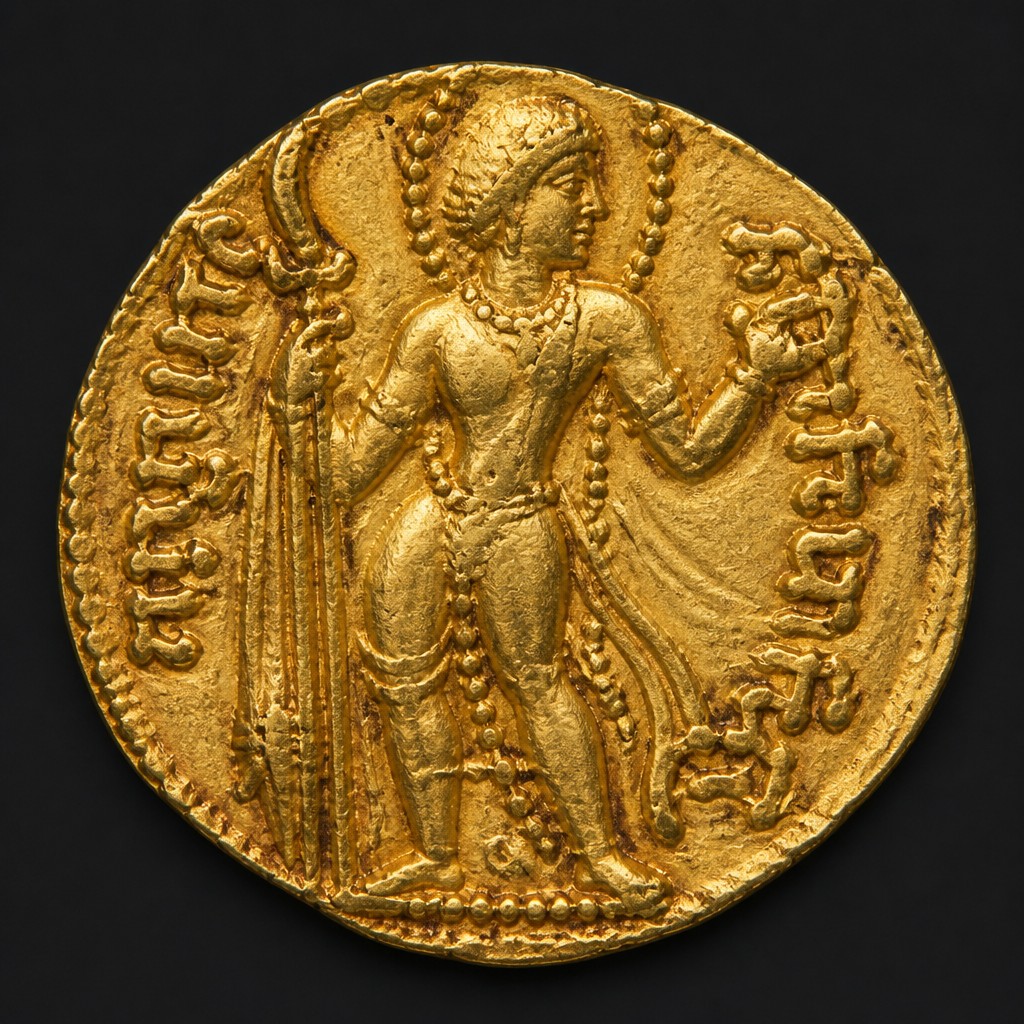
Gupta Empire Gold Dinar
c. 320–550 AD
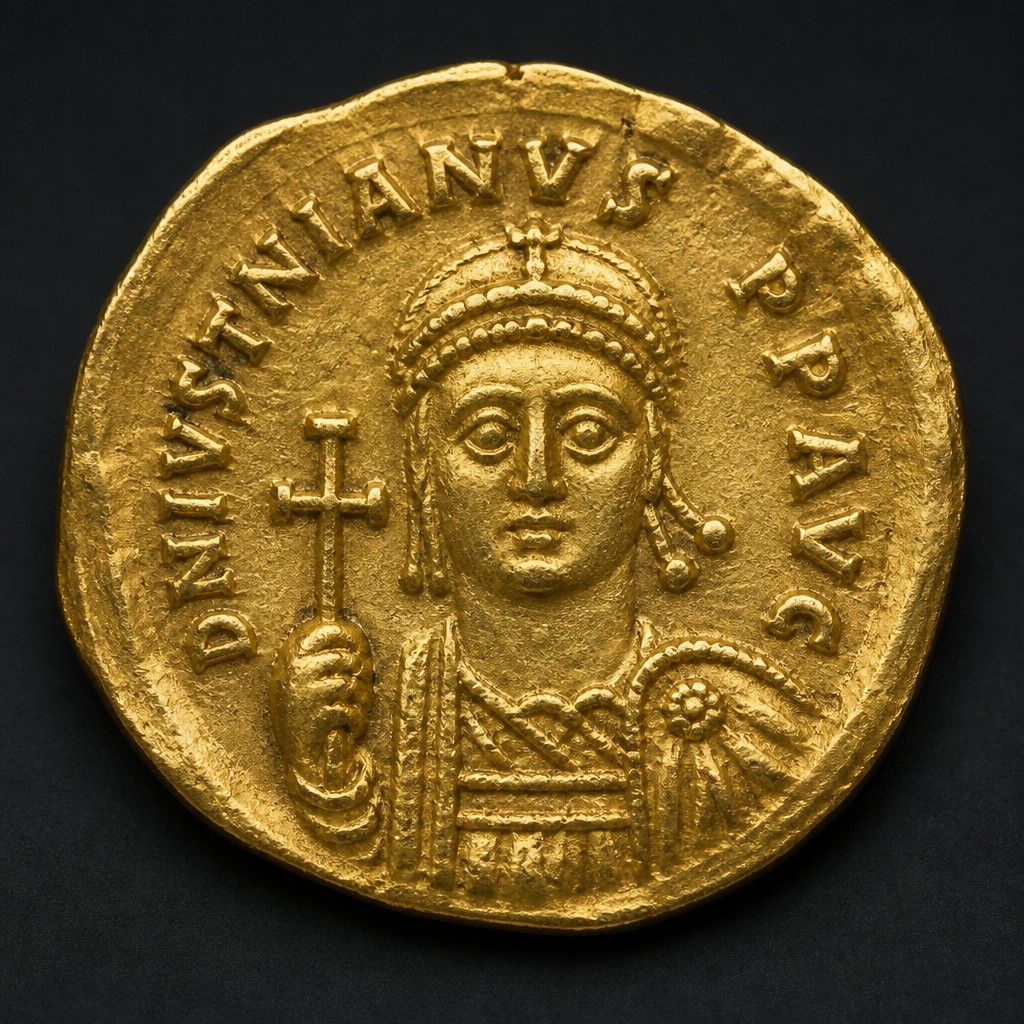
Byzantine Gold Tremissis
c. 4th–7th century AD
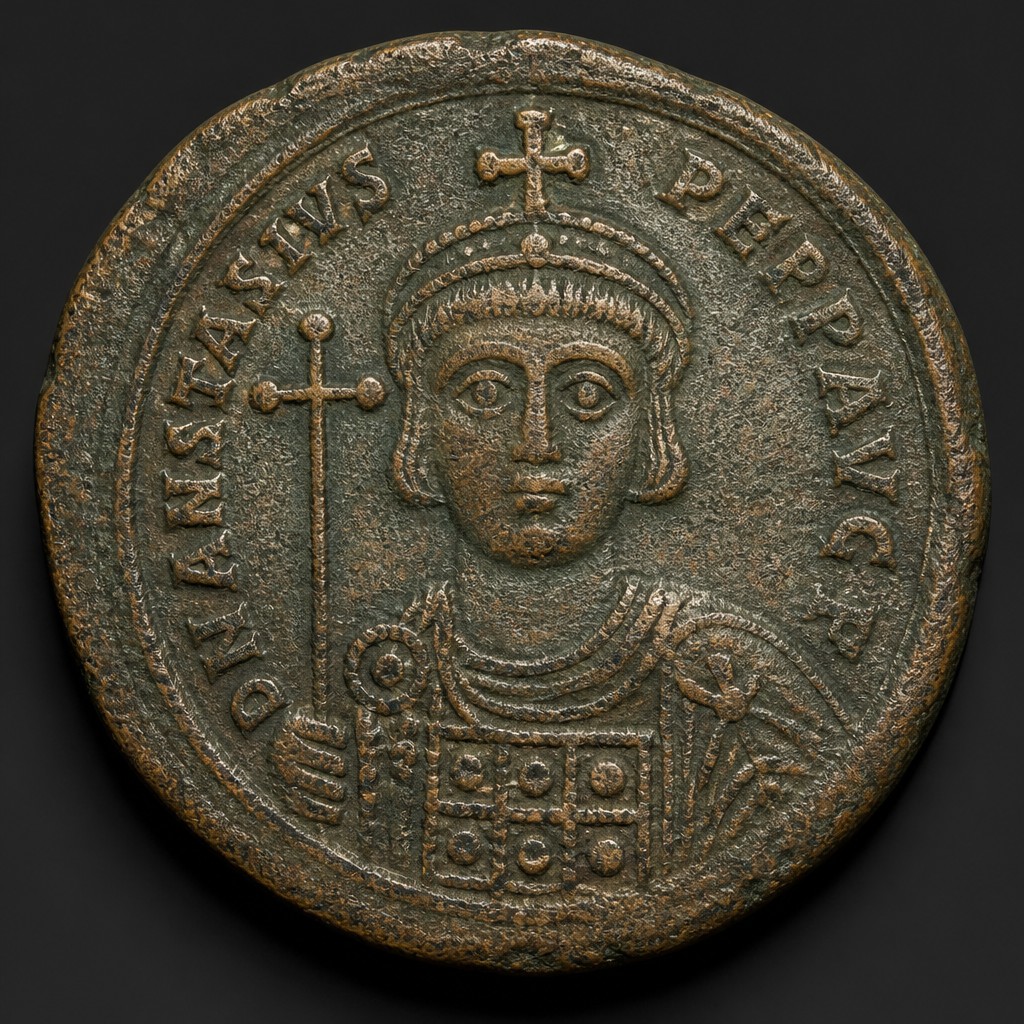
Byzantine Follis
498–c. 11th century AD
Celtic Gold Stater
c. 3rd century BC – 1st century AD