
Coin Encyclopedia
Search and identify coins from around the world — with country, denomination, metal, mint, history, and how to tell them apart.
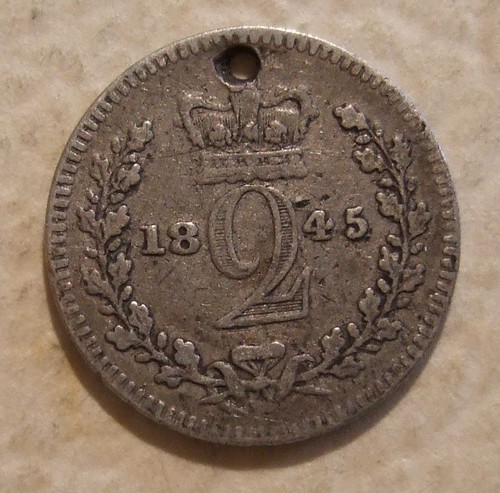
Victoria Maundy Twopence
A tiny sterling-silver ceremonial coin from a Royal Maundy set. This 1845 example shows Victoria's young head and a crowned 2 in a wreath.
British Isles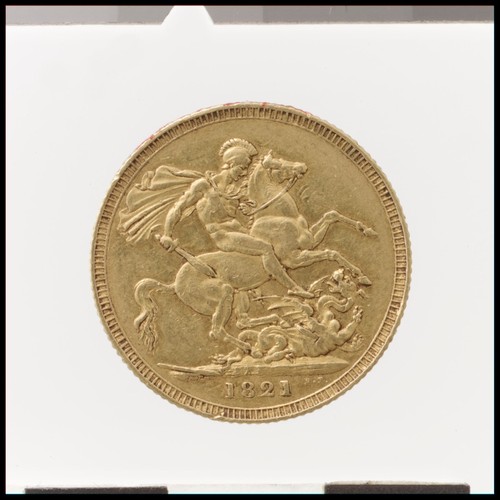
Sovereign of George IV
A milled gold sovereign of Great Britain struck under George IV, with the king's laureate head and Pistrucci's St George slaying the dragon reverse, dated 1821.
Milled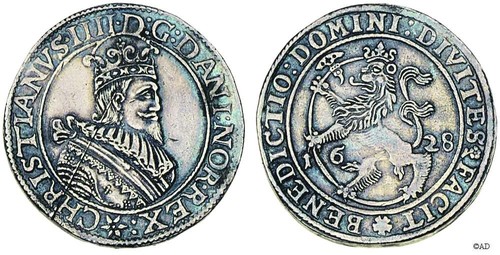
Speciedaler
Large early-modern Norwegian silver crown of the Dano-Norwegian kingdom, showing a crowned royal bust and the Norwegian lion shield, dated 1628.
Early Modern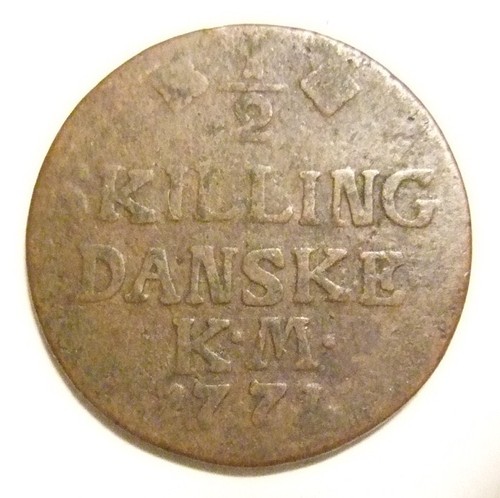
½ Skilling
A small copper Danish half skilling of 1771, showing a royal crown over the king's cipher and the value ½ SKILLING DANMARK K:M on the reverse.
Early Modern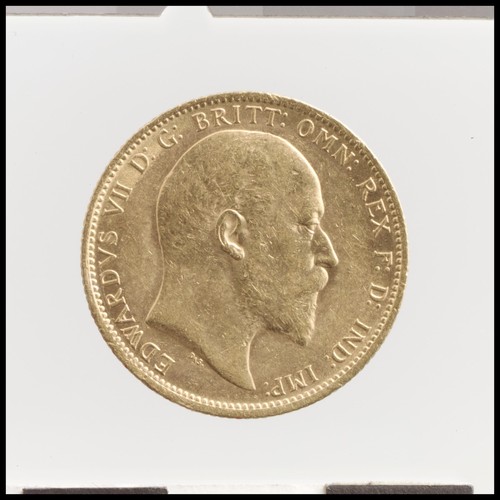
Gold Sovereign
The British gold sovereign: a one-pound gold coin. This 1817 George III example shows a laureate bust and a crowned heraldic shield of the royal arms.
World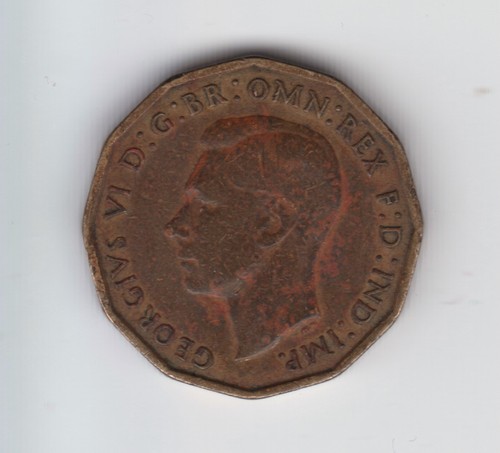
British Brass Threepence
Chunky twelve-sided nickel-brass threepence of George VI, showing his head and a thrift plant reverse; the example shown is dated 1942.
British Isles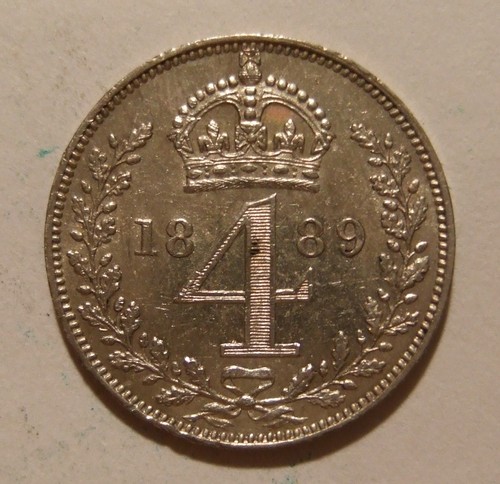
Victoria Maundy Fourpence
A tiny sterling-silver ceremonial coin from a royal Maundy set. This 1889 example shows Victoria's crowned Jubilee Head and a crowned '4' in a wreath.
British Isles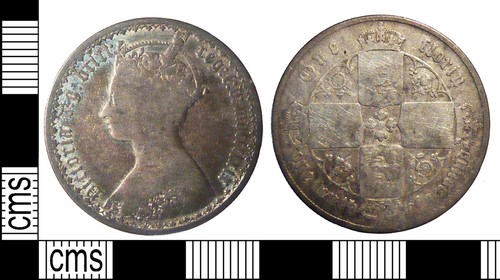
Gothic Florin
A silver two-shilling florin of Queen Victoria in the medieval-revival Gothic style, with an ornate crowned cruciform shield reverse dated 1869.
Milled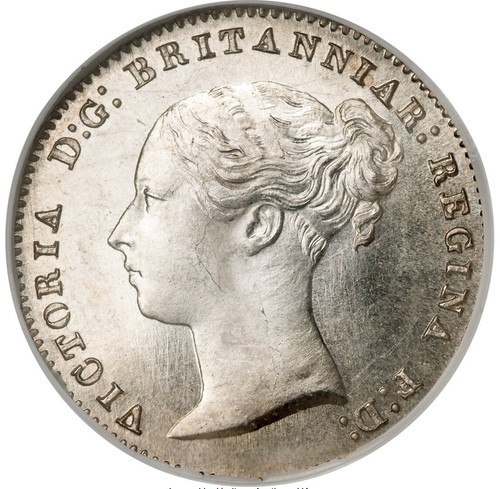
British Silver Threepence
Tiny sterling-silver threepence of Queen Victoria; the young-head type shown here dates to 1858 and is one of Britain's smallest circulating coins.
British Isles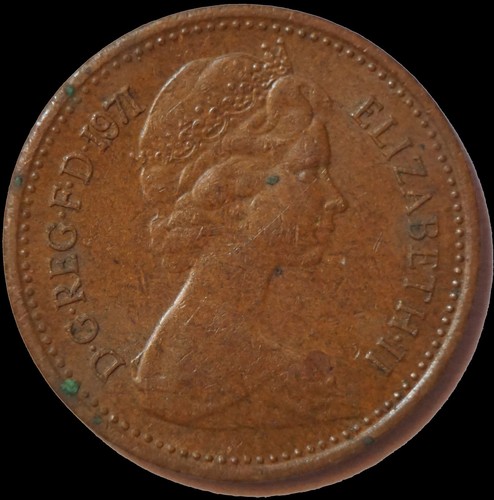
British Decimal Half Penny
The smallest UK decimal coin, a tiny bronze half-penny introduced with decimalisation in 1971, bearing a crown reverse and the Machin portrait of Elizabeth II.
British Isles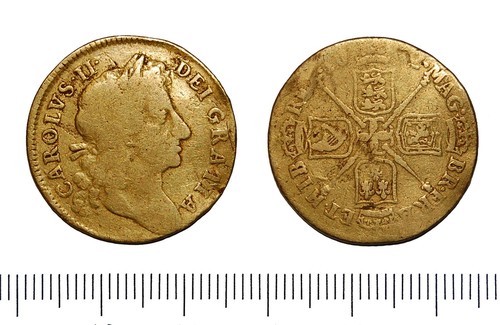
Gold Guinea
English gold coin of the Guinea denomination; the example shown bears the right-facing bust of Charles II with a crowned cruciform shield reverse dated 1668.
World Coins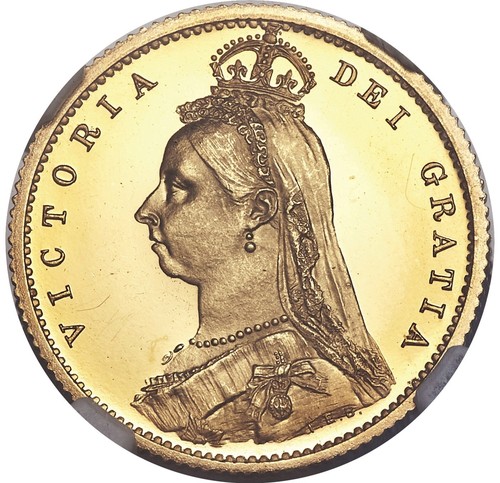
Half Sovereign
A small British 22-carat gold coin worth ten shillings; this example shows Queen Victoria's veiled, crowned Jubilee Head portrait and is dated 1887.
World Coins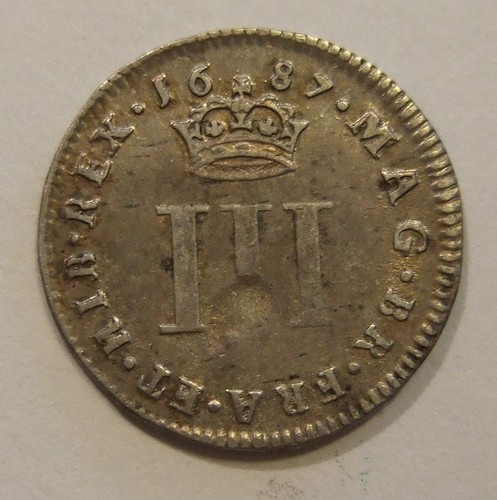
Maundy Three Pence
A tiny sterling-silver threepence tied to Britain's Royal Maundy tradition; the photographed 1687 coin shows James II's bust and a crowned Roman numeral III.
Maundy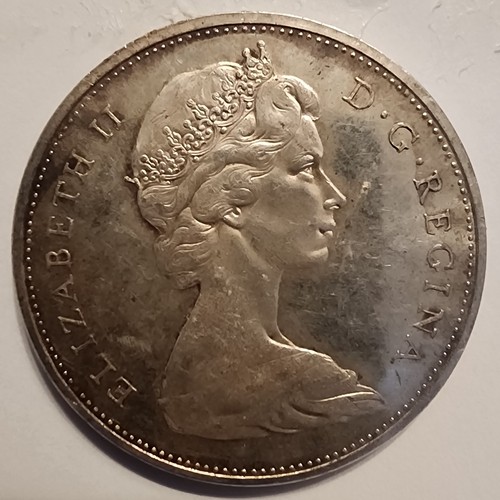
Voyageur Dollar
Canada's first circulating silver dollar, struck in 1935 for King George V's Silver Jubilee, showing a voyageur and guide paddling a canoe.
World Coins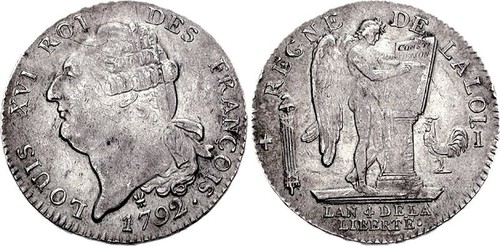
Constitutional Ecu
A French silver ecu of the constitutional-monarchy era showing King Louis XVI on the obverse and a standing armed Liberty figure on the reverse, dated 1792.
Revolutionary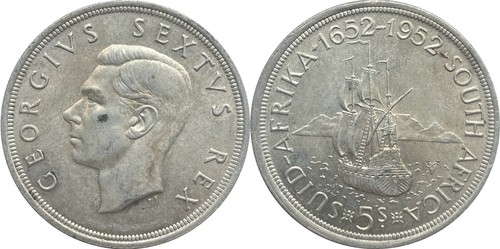
South Africa 5 Shillings
A large 1952 South African silver crown marking Cape Town's 300th anniversary, with King George VI and a sailing-ship reverse.
Circulation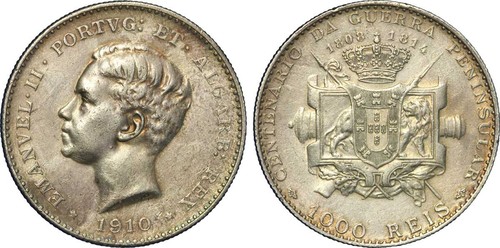
Reis (Peninsular War)
A 1910 Portuguese silver Reis struck under King Manuel II to mark the centenary of the Peninsular War, dated 1808-1814 across the king's bust.
Modern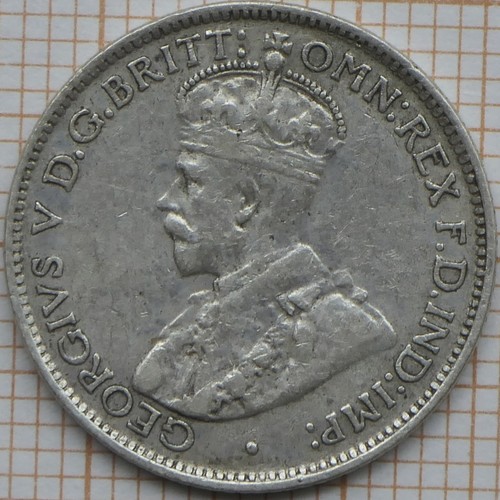
Australian Sixpence
Small silver sixpence of the Commonwealth of Australia; this 1935 piece carries the crowned bust of King George V.
Australian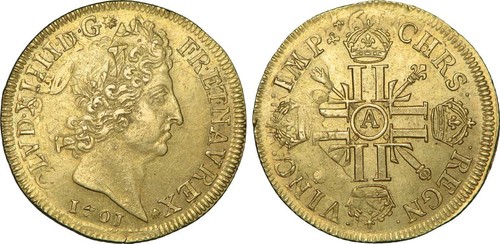
Double Louis d'Or
A large gold coin of Louis XIV dated 1701: the king's laureate profile and 'LUDOVICUS MAGNUS' obverse, an ornate cross of arms reverse.
Royal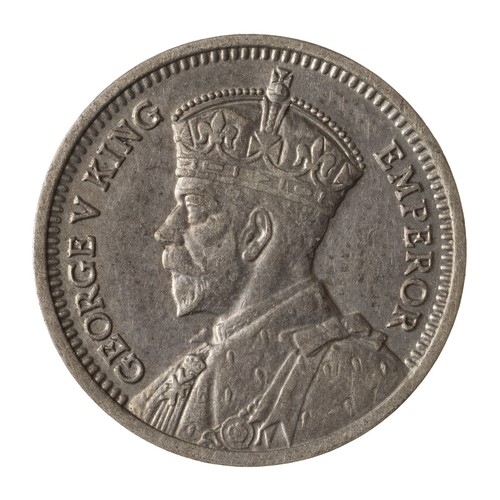
New Zealand Threepence
New Zealand's small silver threepence; this 1933 example carries the crowned bust of King George V with GEORGIVS V and his royal titles.
New Zealand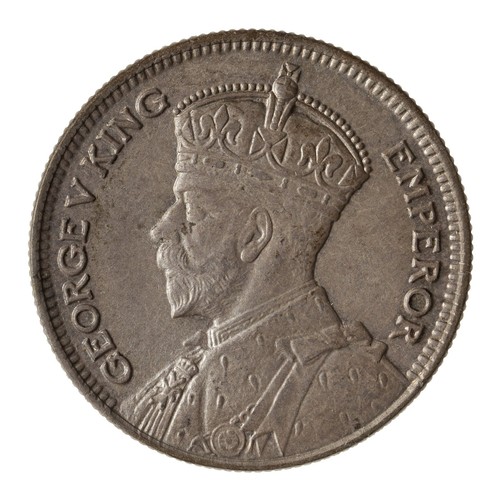
New Zealand Sixpence
New Zealand's small silver sixpence, famed for its native-bird reverse. This 1934 example shows King George V and the bird design with NEW ZEALAND SIXPENCE.
New Zealand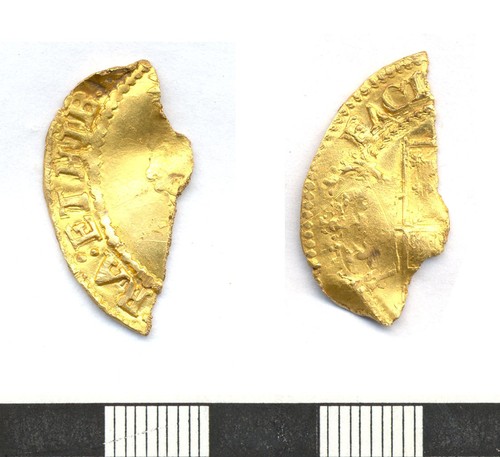
Laurel
A hammered English gold coin of James I worth twenty shillings, named for the king's laurel-wreathed profile, struck 1619-1625.
Hammered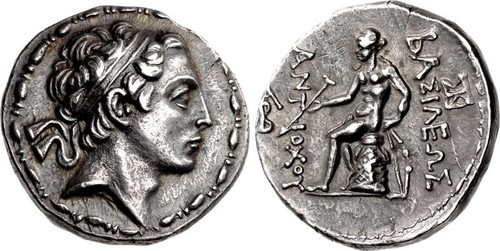
Antiochos IV Epiphanes Tetradrachm
Large silver tetradrachm of the Seleucid king Antiochos IV Epiphanes, 175-164 BC, with his diademed head and an enthroned deity reverse.
Ancient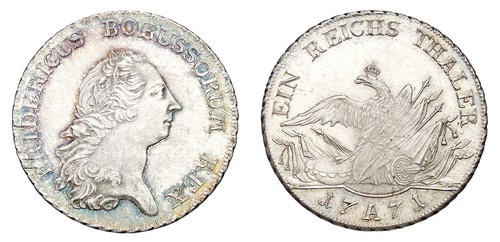
Prussian Taler
A large silver taler of the Kingdom of Prussia showing the crowned profile of Frederick II and a heraldic coat of arms, struck through the mid-to-late 1700s.
German States