
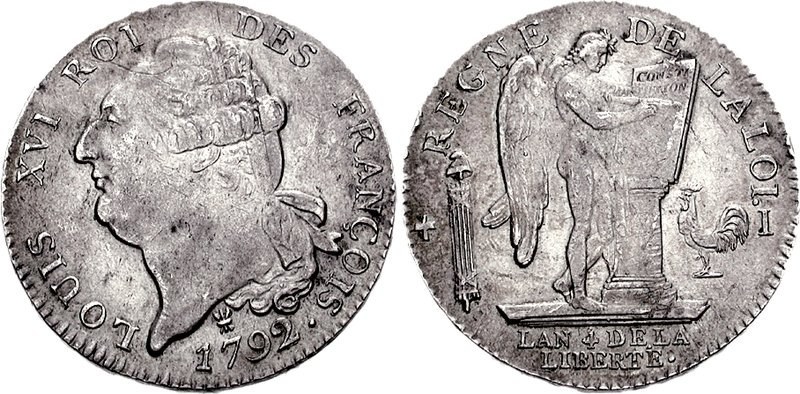
Constitutional Ecu
A French silver ecu of the constitutional-monarchy era showing King Louis XVI on the obverse and a standing armed Liberty figure on the reverse, dated 1792.
- Country
- France
- Denomination
- 1 Ecu
- Metal
- Silver
Got a coin like this?
Identify any coin from a photo, free.
Overview
The Constitutional Ecu is a large French silver coin struck during the short-lived constitutional monarchy of the Revolution, when Louis XVI reigned as a king bound by the new constitution rather than as an absolute monarch. The obverse carries the portrait of Louis XVI; the reverse shows a standing allegorical Liberty figure holding a sword and a shield. The photographed example is dated 1792, placing it in the final phase of the monarchy.
As a full ecu, it is a broad, heavy silver piece meant to serve as one of the highest-value everyday coins of its day. It sits at a turning point in French coinage, between the royal ecus of the old regime and the franc-based coinage that the Republic would soon introduce.
History & Background
After the Revolution of 1789, France experimented with a constitutional monarchy in which Louis XVI remained on the throne but under a new legal framework. Coinage of this period reflects the change: the king is still portrayed, but the imagery and legends begin to carry the language and symbols of the Revolution. The Constitutional Ecu belongs to this brief window around 1791–1793, and the 1792 date on this piece falls near its close.
1792 was a pivotal year. The monarchy was suspended in the late summer of that year and the Republic was proclaimed, so silver ecus bearing the king's portrait and the date 1792 come from the very end of royal coinage in France. Within a short time the ecu itself would give way to the new decimal franc system introduced by the Republic, making coins of this type a tangible record of the transition from kingdom to republic.
How to Identify
Begin with the obverse. It shows the profile portrait of Louis XVI, typically surrounded by a royal-and-revolutionary legend naming him as king. The reverse of the photographed coin shows a standing allegorical figure of Liberty holding a sword and a shield, with the date 1792 present in the legend or field.
The coin is a full silver ecu: a large-diameter, substantial piece that feels heavy in the hand and shows the bright tone of high-grade silver. Expect an inscribed or decorated edge typical of large French silver of the era rather than a plain edge. Because many old French silver coins are called "ecu," confirm this one by the combination of the Louis XVI portrait, the standing armed Liberty reverse, and the 1792 date rather than by size alone.
Mint and privy marks — small letters or symbols identifying the striking workshop and officials — are commonly placed near the base of the design or within the legends on French coins of this period, and they matter for attributing a specific piece.
Value & Collectibility
The Constitutional Ecu is a historically significant type tied to a dramatic moment in French history, which gives it collector appeal beyond its silver content. Value depends heavily on the exact date, mint, variety, and above all condition, since these large silver coins saw hard use and well-preserved examples are far scarcer than worn ones.
Heavily circulated pieces trade closer to a modest premium over their silver value, while sharply detailed, lightly worn, or higher-grade examples command substantially more from collectors of Revolutionary-era coinage. Specific mint marks and die varieties can raise value further. Because prices vary widely with grade and rarity, check recent auction results for the same date, mint, and condition rather than relying on a single figure.
As with any sought-after historic silver coin, be aware that fakes and altered pieces exist; genuine metal value plus historical demand make authentication worthwhile before paying a strong premium.
Frequently asked questions
Why is it called the Constitutional Ecu?
It was struck while France was a constitutional monarchy during the Revolution, when Louis XVI reigned under the new constitution. The coin's imagery and legends reflect that transitional period, which is how the type gets its name.
Who is shown on the coin?
The obverse shows a portrait of King Louis XVI. The reverse of this example shows a standing allegorical figure of Liberty holding a sword and a shield, with the date 1792.
Is the Constitutional Ecu made of silver?
Yes. It is a large silver ecu, one of the higher-value coins of its day, and it carries genuine precious-metal value in addition to its historical interest.
Why is the 1792 date significant?
1792 is the year the French monarchy was suspended and the Republic was proclaimed. An ecu with the king's portrait and this date comes from the very end of royal coinage, just before the decimal franc replaced the ecu.
How much is a Constitutional Ecu worth?
It carries a premium over its silver value because of its history. Worn pieces sell nearer to that base, while well-preserved examples and scarcer mints bring more. Check recent sales for the same date, mint, and grade.
Constitutional Ecu guides
In-depth guides for identifying, valuing, and collecting Constitutional Ecu.
Other coins you may enjoy
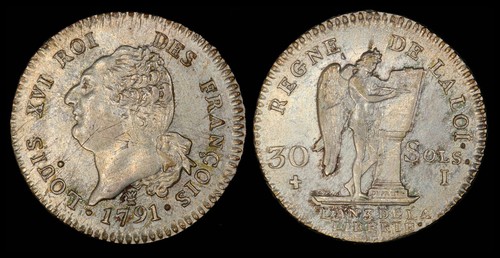
French 30 Sols
1791–1793 (French Revolution)
French Constitutional Ecu
1792
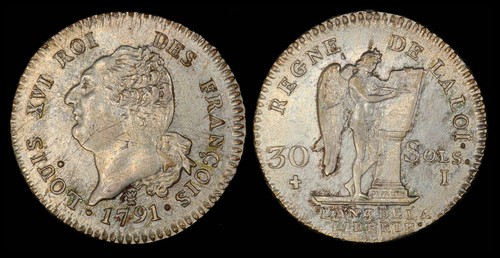
30 Sols (Half Ecu)
1791
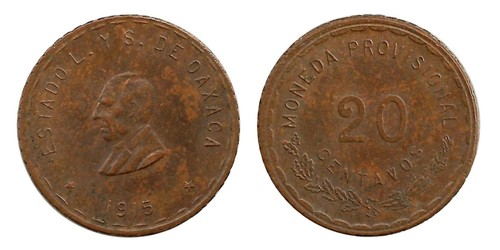
Oaxaca 20 Centavos
1915 (observed); Mexican Revolution provisional issue
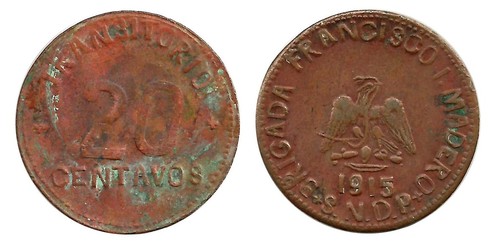
Puebla 20 Centavos
1915
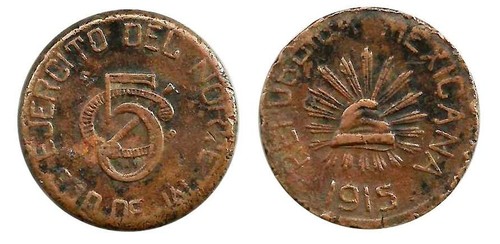
Jalisco 5 Centavos
1915
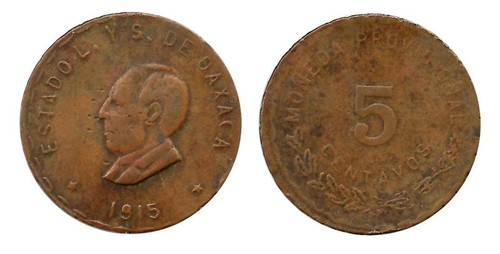
Oaxaca 5 Centavos
1915
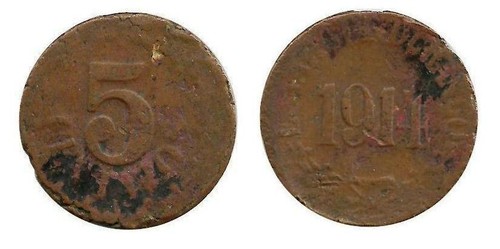
Durango 5 Centavos
1914
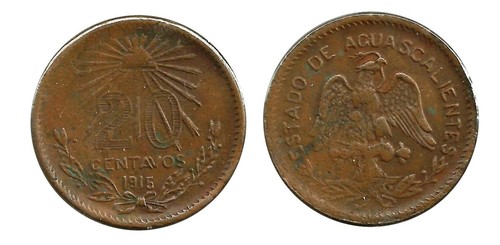
Aguascalientes 20 Centavos
1915
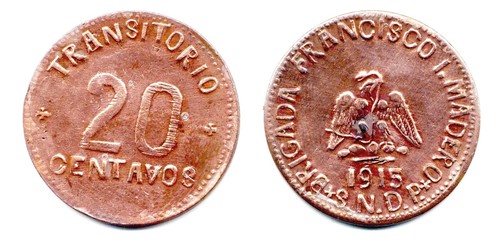
Chiconcuautla 20 Centavos
1915