Australian Sixpence
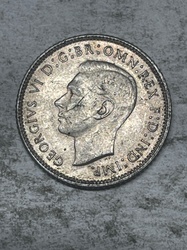
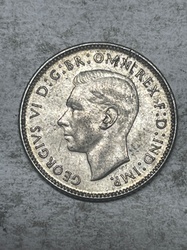
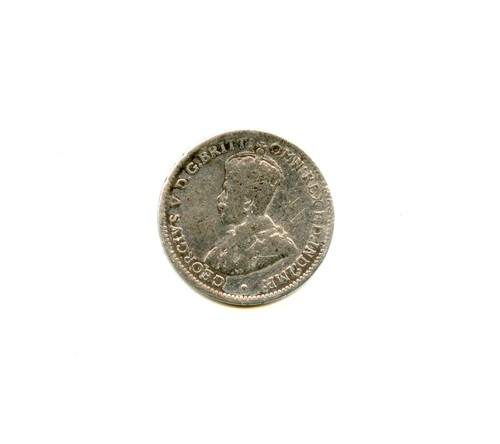
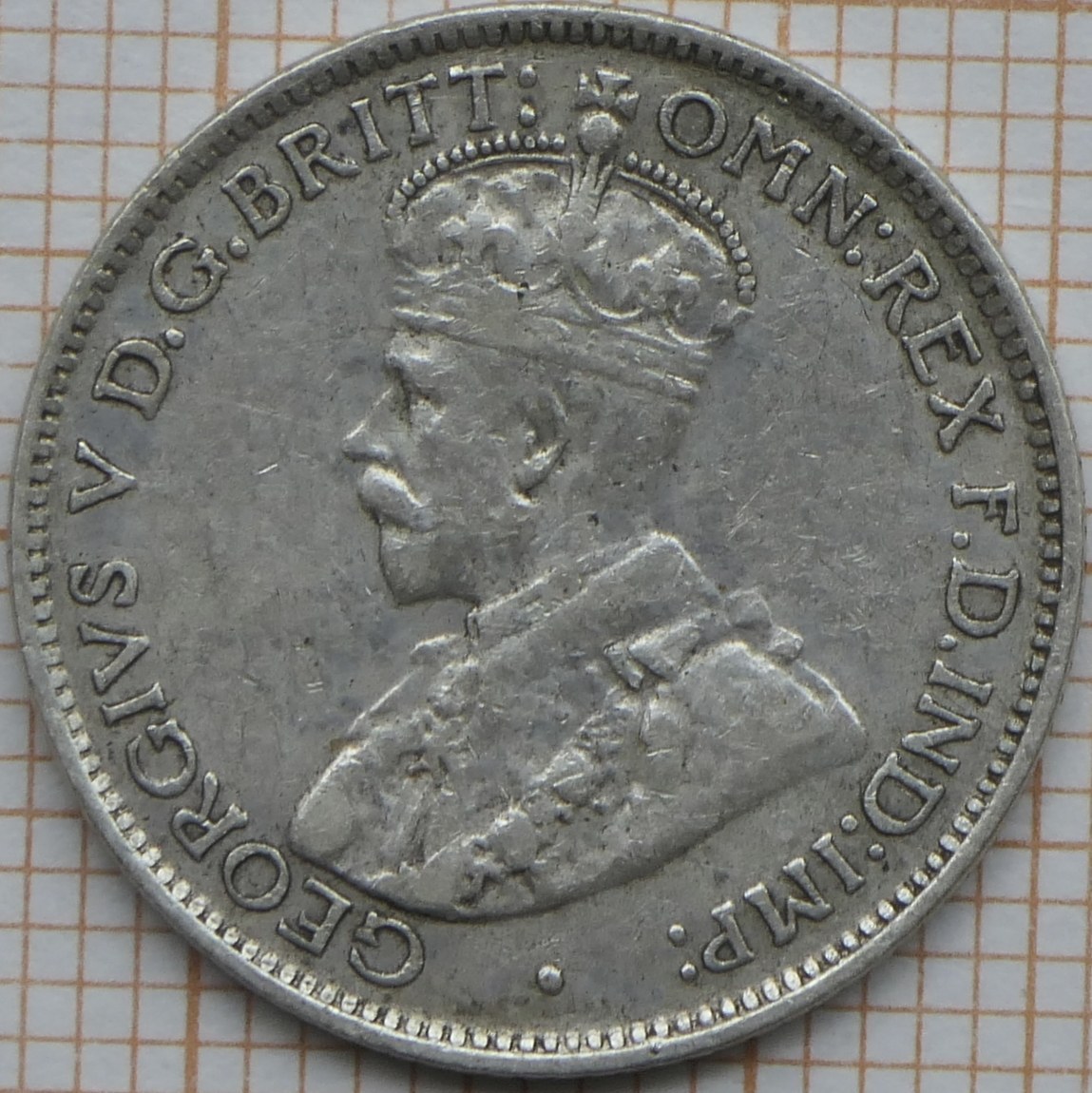
Small silver sixpence of the Commonwealth of Australia; this 1935 piece carries the crowned bust of King George V.
- Country
- Australia
- Denomination
- Sixpence
- Metal
- Silver
Got a coin like this?
Identify any coin from a photo, free.
Overview
The Australian Sixpence is a small silver coin worth six pence, one of the pre-decimal denominations used across the Commonwealth of Australia until the changeover to dollars and cents in 1966. The example shown here is dated 1935 and belongs to the reign of King George V.
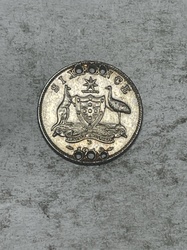
The obverse carries the king's crowned effigy surrounded by the Latin royal legend, read on this coin as GEORGIVS V D:G: BRITT OMN: REX EMPEROR. The reverse of the type (not shown in this image) bears the Australian Commonwealth coat of arms, with the word SIXPENCE, the country name, and the date.
At roughly 19 mm across and under 3 grams, the sixpence is one of the smaller coins in the series. Pieces struck up to 1945, including this 1935 example, are sterling silver (.925 fine), which gives the well-worn survivors a modest melt value in addition to their collector interest.
History & Background
Australia's Federation in 1901 created the Commonwealth, but for its first years the new nation continued to circulate British silver. A distinctly Australian coinage was introduced from 1910, when the first Commonwealth silver, including the sixpence, was struck to the same weights and standards as the British pieces it replaced.
The sixpence ran from 1910 through 1963, spanning four monarchs: Edward VII on the single 1910 issue, then George V, George VI, and Elizabeth II. This 1935 coin falls near the end of the long George V series (1911-1936). Early issues were often struck at the Royal Mint in London and its branches before Australian mints at Melbourne and elsewhere took over domestic production.
In 1946 the silver standard was reduced from sterling (.925) to 50% silver to conserve bullion, so later sixpences contain less precious metal than pre-war pieces such as this one. The denomination was retired when Australia adopted decimal currency on 14 February 1966; the sixpence had no direct decimal successor and was demonetised as the changeover progressed.
How to Identify
Identify the obverse first. A crowned bust of a king facing left with the legend beginning GEORGIVS V marks a George V sixpence struck between 1911 and 1936. The reading here, GEORGIVS V D:G: BRITT OMN: REX EMPEROR, is the Latin royal style abbreviating "George V, by the Grace of God, King of all the Britains, Emperor." The date 1935 sits on the reverse.
The reverse of the Australian sixpence (not visible in this image) shows the Commonwealth coat of arms — a central shield with kangaroo and emu supporters — together with the word SIXPENCE and AUSTRALIA. This coat-of-arms reverse is the standard design for the denomination and distinguishes it from the British sixpence, which uses different reverse motifs.
Confirm the physical standard: the sixpence is a small silver coin about 19 mm in diameter, weighing roughly 2.8 grams, with a reeded edge. Pre-1946 issues like this one are .925 sterling silver; issues from 1946 onward are .500 silver. Size and portrait together separate it from the larger threepence-to-florin denominations and from British coins of similar face value.
Value & Collectibility
Most circulated Australian sixpences are common and trade for modest sums, with worn examples valued largely for their small silver content. As a pre-1946 sterling piece, this 1935 coin contains about 2.6 g of fine silver, which sets a bullion floor beneath its collector value.
Premiums rise with condition and with scarcer dates and mint varieties within the George V series. Coins with sharp detail, original lustre, or key-date status can be worth many times a common circulated example, and certified high grades command the strongest prices.
Values move with the silver market and with grade, so treat any figure as indicative only. For a specific coin, check recent sales of the same date and grade, or seek an opinion from a reputable dealer or third-party grading service before buying, selling, or insuring.
Frequently asked questions
Is the Australian Sixpence silver?
Yes. Sixpences dated 1910 to 1945, including this 1935 piece, are .925 sterling silver. From 1946 to 1963 the standard was lowered to .500 (50%) silver.
Who is on the 1935 sixpence?
King George V, shown as a crowned bust facing left with the Latin legend GEORGIVS V. He appears on Australian sixpences from 1911 to 1936.
What is on the reverse of the Australian sixpence?
The Commonwealth coat of arms — a shield flanked by a kangaroo and an emu — with the word SIXPENCE, AUSTRALIA, and the date. It is not shown in this image but is the standard reverse for the type.
When did the sixpence stop being used?
Australia switched to decimal dollars and cents on 14 February 1966. The sixpence had no direct decimal equivalent and was withdrawn during the changeover.
How much is a 1935 Australian sixpence worth?
Common circulated examples are worth a small premium over their silver content, while high-grade or scarce pieces bring more. Have a specific coin appraised for an accurate figure.
Australian Sixpence guides
In-depth guides for identifying, valuing, and collecting Australian Sixpence.
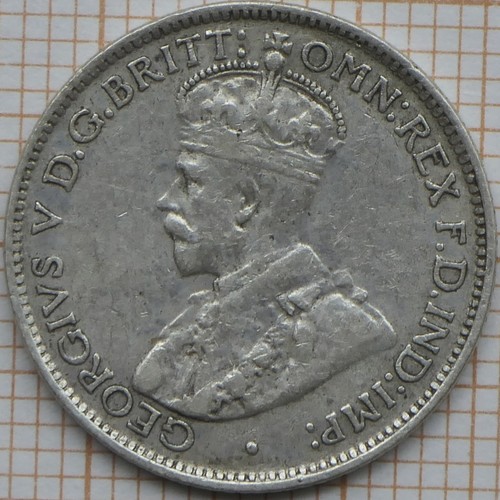
Australian Sixpence identified by the community
Real coins identified with Coin Identifier.