How to Identify the Australian Sixpence
Practical checks for the small silver sixpence: obverse legend, coat-of-arms reverse, size and silver standard, and look-alikes.
Read the full Australian Sixpence encyclopedia entry →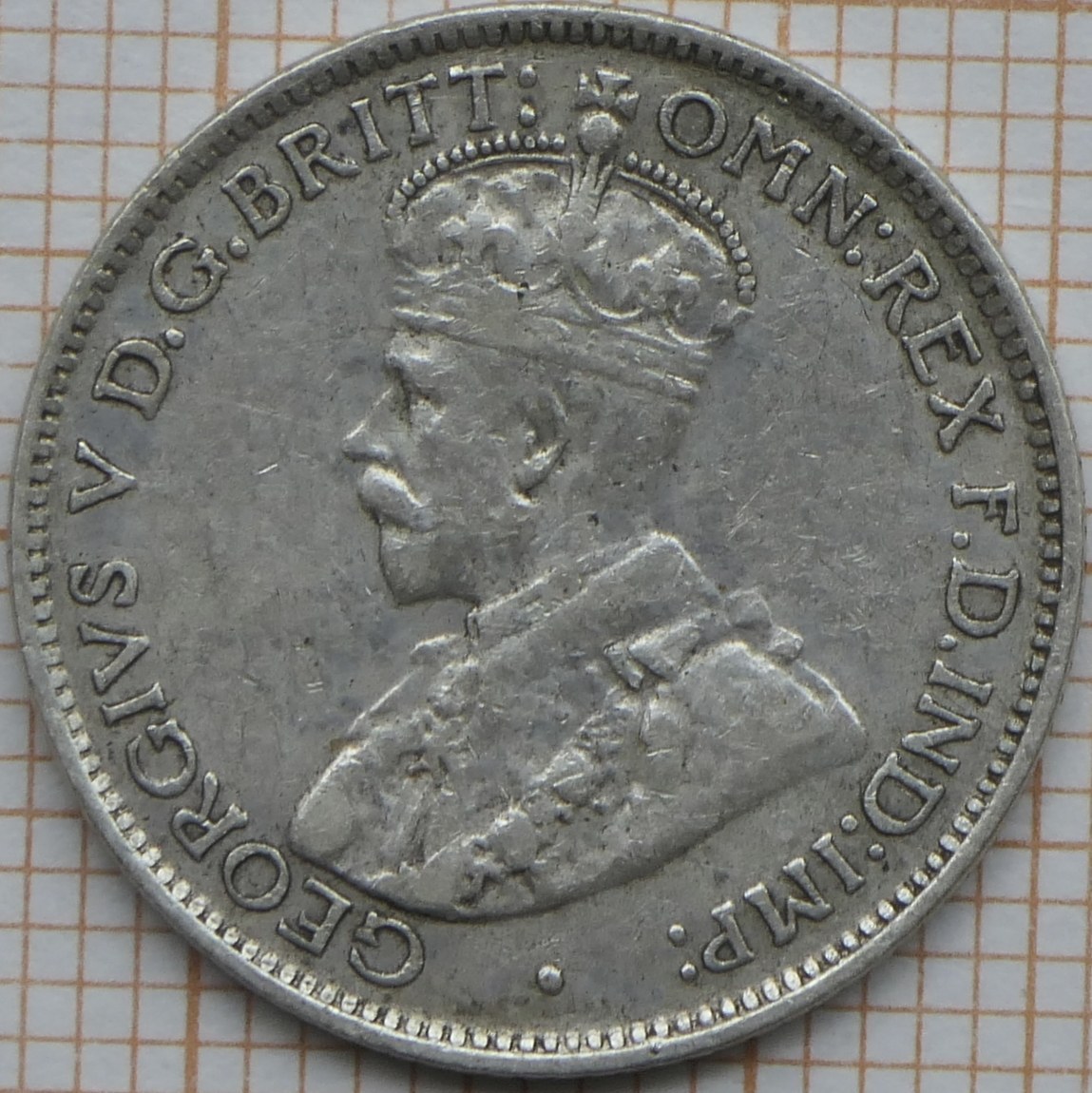
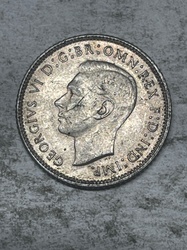
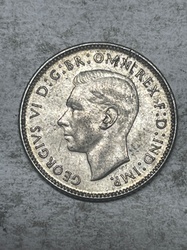
Begin with the obverse portrait and legend, which fix the reign. A crowned bust facing left with a legend opening GEORGIVS V is a George V sixpence (1911-1936). On this coin the full style reads GEORGIVS V D:G: BRITT OMN: REX EMPEROR. An uncrowned or differently styled bust, or a name such as EDWARDVS, GEORGIVS VI, or ELIZABETH, points to a different monarch and date range within the 1910-1963 series.
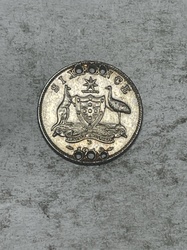
Turn the coin to read the reverse and the date. The Australian sixpence reverse shows the Commonwealth coat of arms — a shield with a kangaroo and an emu as supporters — and spells out SIXPENCE and AUSTRALIA with the year, here 1935. This wording is the quickest way to separate the coin from a British sixpence, which never names Australia and uses different reverse designs.
Use size and metal as a cross-check. The sixpence is a small coin, about 19 mm across and roughly 2.8 grams, with a reeded edge. Pre-1946 coins are .925 sterling silver and later ones .500 silver, so a genuine piece is non-magnetic and has the soft ring and colour of silver. A coin that is markedly the wrong size or weight, or that responds to a magnet, is suspect.
Mind the neighbouring denominations and foreign look-alikes. The threepence is smaller and the shilling and florin are larger, and all of the Australian silver of this era can share a coat-of-arms style reverse, so read the denomination word rather than relying on the arms alone. British, New Zealand, and South African silver of the same period carry similar royal portraits; confirm the country name and denomination together before attributing the coin.
Finally, weigh the coin against its size for authentication and inspect the date and legend under magnification for signs of tooling or an altered date, which matter most on scarce years. Cleaning leaves hairlines and can reduce value, so avoid polishing a promising find and, for anything appearing to be a key date or high grade, seek verification from a reputable dealer or grading service.
Frequently asked questions
How do I tell an Australian sixpence from a British one?
Read the reverse. The Australian coin names AUSTRALIA and SIXPENCE around the Commonwealth coat of arms. British sixpences do not name Australia and use different reverse designs, even though the royal portrait can look similar.
Does the sixpence have a mint mark?
Many circulation sixpences carry no mint mark, while some issues bear small letters or dots indicating the mint. Check low on the reverse near the arms; when in doubt, match the date to a reference for the mints used that year.
What should a genuine sixpence weigh?
About 2.8 grams at roughly 19 mm in diameter, with a reeded edge, struck in .925 silver before 1946 or .500 silver from 1946. It should be non-magnetic; wrong weight, size, or a magnetic response signals a fake.
Should I clean a sixpence I have found?
No. Cleaning leaves fine scratches and usually lowers collector value. Leave the coin as found and, for a potentially scarce date, have it assessed by a reputable dealer or grading service.
Australian Sixpence identified by the community
Recent Australian Sixpence coins identified with Coin Identifier.