
Coin Encyclopedia
Search and identify coins from around the world — with country, denomination, metal, mint, history, and how to tell them apart.
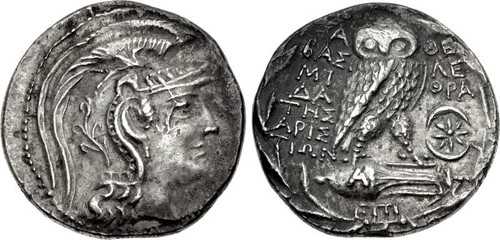
Athens New Style Tetradrachm
Athens' late silver tetradrachm on a broad thin flan: a helmeted Athena obverse and an owl perched on an amphora within an olive wreath.
Ancient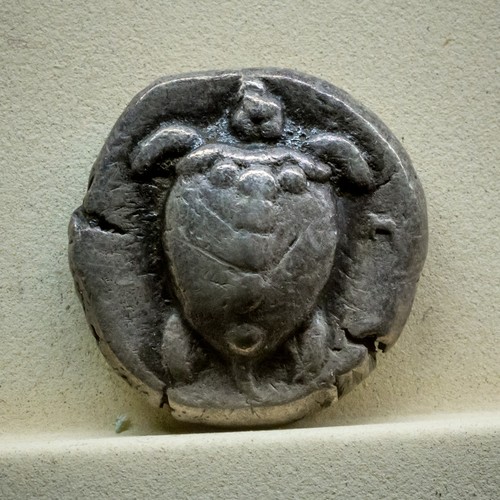
Aigina Turtle Stater
Thick silver stater of the island of Aigina, c. 480-456 BC, with a sea turtle on the obverse and a divided incuse punch on the reverse.
Ancient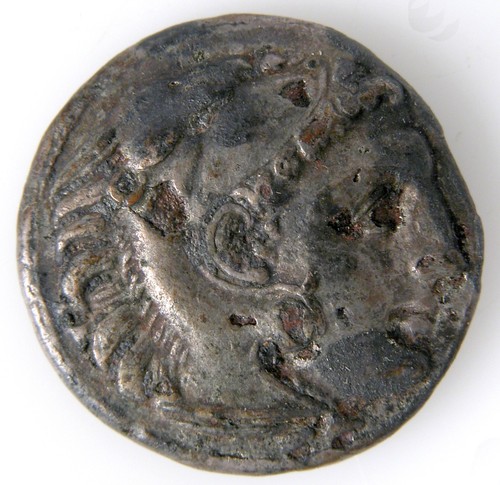
Alexander the Great Silver Drachm
Silver drachm in the name of Alexander the Great, with the head of young Herakles in a lion skin and Zeus enthroned on the reverse.
Ancient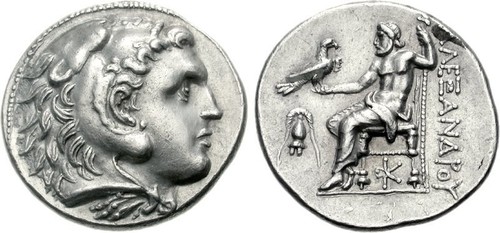
Antigonos II Gonatas Tetradrachm
Silver tetradrachm of the Macedonian king Antigonos II Gonatas, c. 275-270 BC, with a bearded royal head and a seated Nike holding a wreath.
Ancient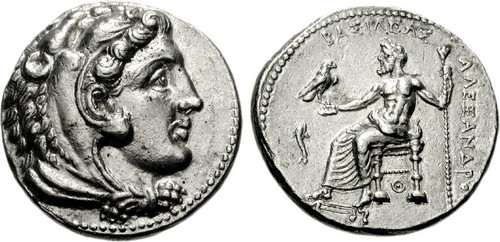
Alexander the Great Tetradrachm
Silver tetradrachm of Alexander III of Macedon with the head of Heracles in a lion skin and an enthroned deity holding an eagle on the reverse.
Ancient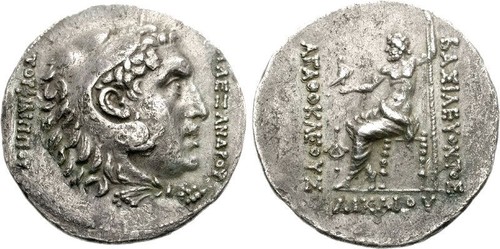
Agathokles Commemorative Tetradrachm for Alexander the Great
Silver tetradrachm of Agathokles of Syracuse, c. 310-300 BC, struck in the Alexander tradition with a bearded head and an enthroned deity reverse.
Ancient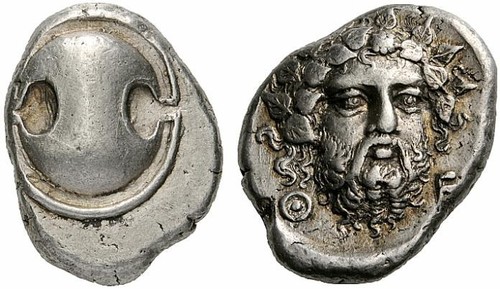
Thebes Stater
Silver stater of Thebes with the Boeotian shield and a bearded head of Dionysos, struck as federal coinage of the Boeotian League, c. 395-338 BC.
Ancient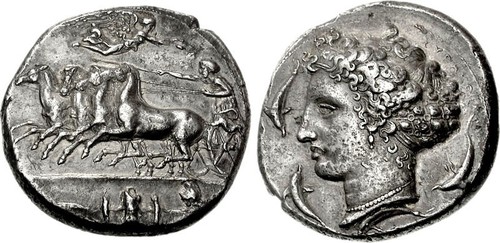
Syracuse Dekadrachm
Large silver dekadrachm of Syracuse, c. 405-380 BC, showing a racing quadriga crowned by Victory and a head of the nymph Arethusa with flowing hair.
Ancient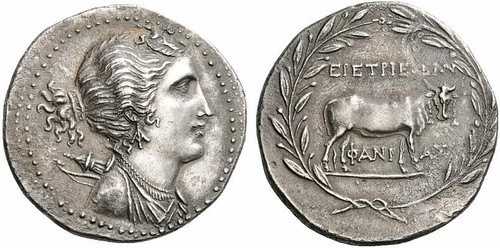
Tetradrachm of Eretria
A silver tetradrachm attributed to Eretria on Euboea, pairing the head of a female figure with a standing bull and the Greek legend EYBOIA.
Ancient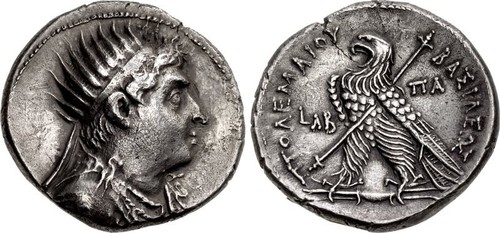
Tetradrachm of Ptolemy VIII
Silver tetradrachm of Ptolemy VIII of Egypt, c. 170-116 BC, with a diademed royal head on the obverse and an eagle on a thunderbolt reverse.
Ancient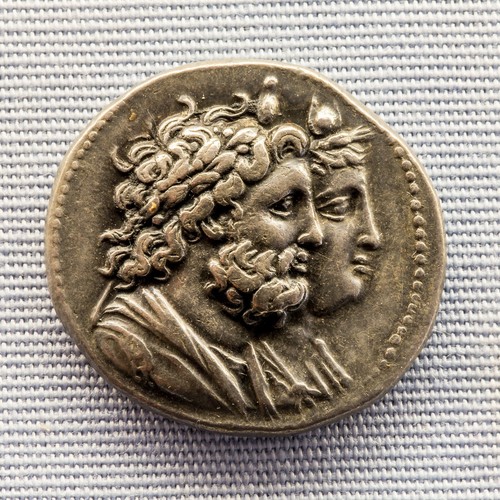
Tetradrachm of Ptolemy IV
Silver tetradrachm of Ptolemy IV Philopator, 221-204 BC, with the jugate busts of Sarapis and Isis on the obverse and an eagle on a thunderbolt on the reverse.
Ancient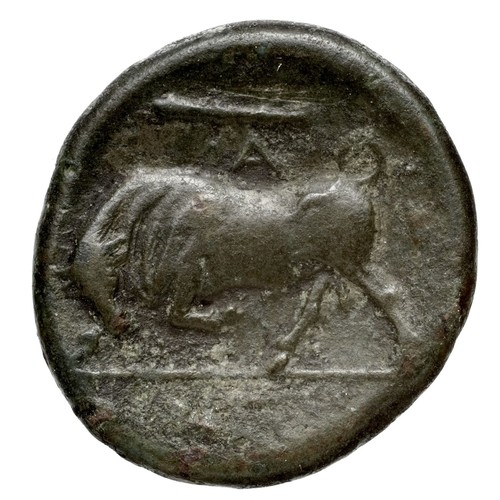
Syracuse Bronze Coin of Hiero II
Ancient Greek bronze of Syracuse struck under King Hieron II, c. 275-215 BC, bearing a Hellenistic profile head; a very common Sicilian city bronze.
Ancient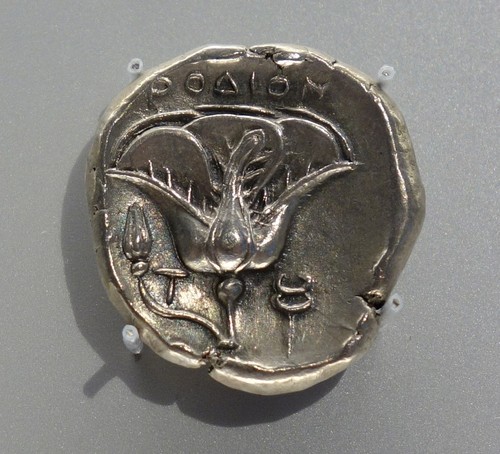
Rhodes Tetradrachm
Silver tetradrachm of the island city of Rhodes, 4th century BC, with the radiate head of the sun-god Helios and a rose, the city's civic emblem.
Ancient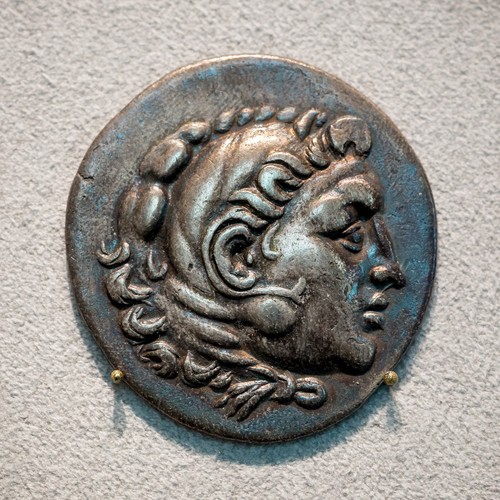
Macedonian Silver Tetradrachm
Large silver tetradrachm of ancient Macedon in the Alexander type, c. 188-170 BC, with the head of Heracles in a lion skin and Zeus enthroned holding an eagle.
Ancient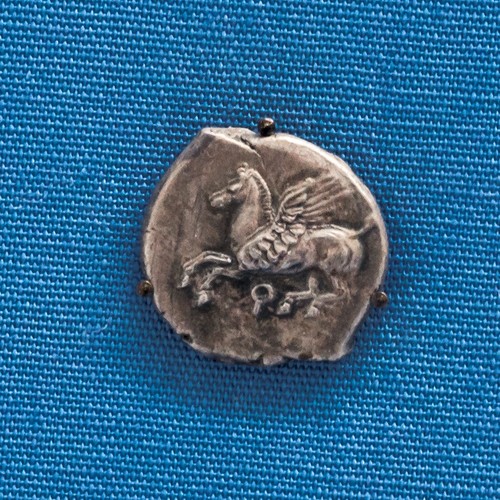
Corinth Pegasos Stater
Classical silver stater of Corinth showing the winged horse Pegasos on the obverse and a helmeted head of Athena on the reverse.
Ancient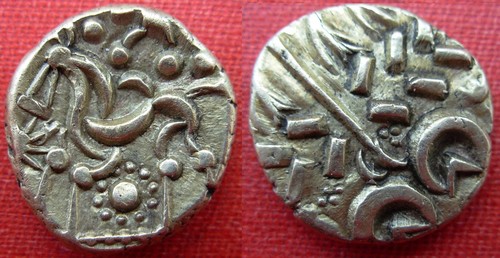
Corieltauvi Stater
A gold stater of the Corieltauvi tribe of Iron Age Britain, with an abstracted head on the obverse and a stylized horse and symbols on the reverse.
Ancient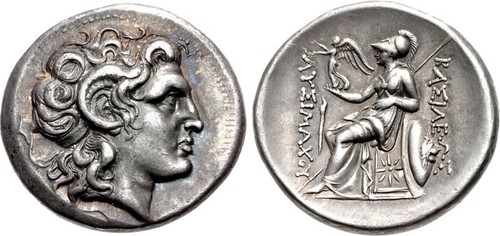
Lysimachos Tetradrachm
Silver tetradrachm of Lysimachos of Thrace, c. 297-282 BC, showing the deified head of Alexander the Great and Athena seated with a shield and spear.
Ancient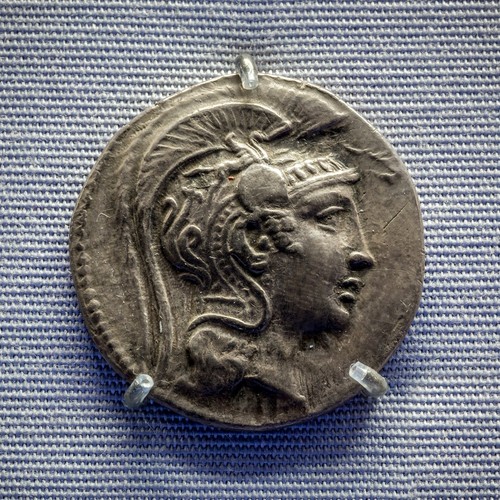
Athenian Owl Tetradrachm
Broad silver 'New Style' tetradrachm of Athens (c. 165-42 BC): helmeted Athena on the front, owl on an amphora within an olive wreath on the back.
Ancient Coins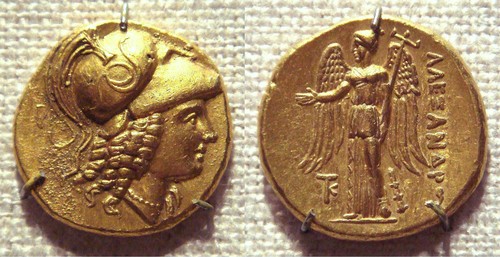
Alexander the Great Gold Stater
Gold stater struck in the name of Alexander the Great, with a helmeted Athena obverse and Nike holding a wreath on the reverse; this example c. 323-315 BC.
Ancient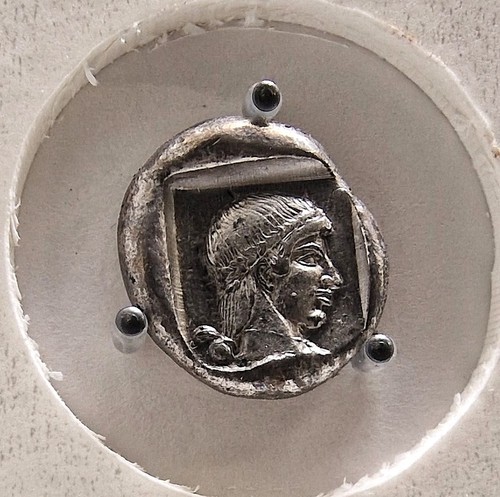
Cnidian Drachm
An archaic hand-struck silver drachm of the Greek city of Cnidus, showing the goddess Aphrodite on one side and an eagle on the other.
Ancient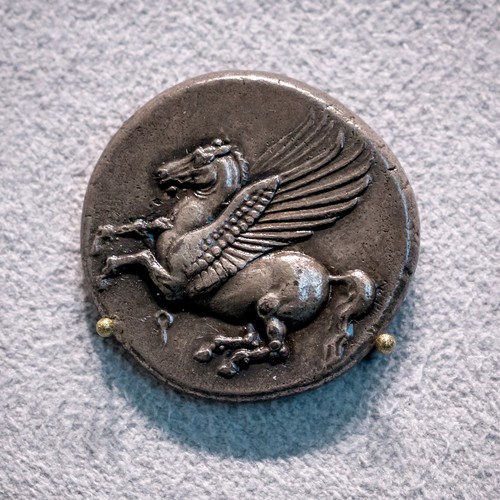
Corinthian Stater
Silver stater of ancient Corinth showing the winged horse Pegasos on one side and the helmeted head of Athena on the other.
Ancient Coins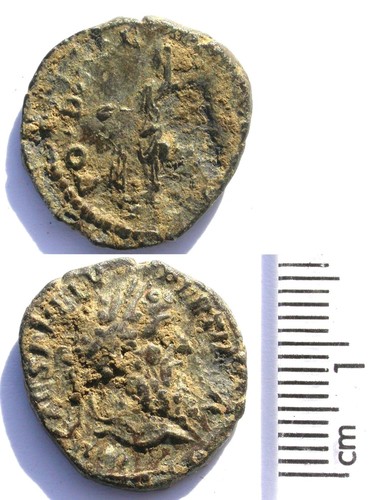
Denarius of Pertinax
A rare silver denarius of Pertinax, Roman emperor for 86 days in 193 AD, showing his laureate portrait and a personification reverse.
Ancient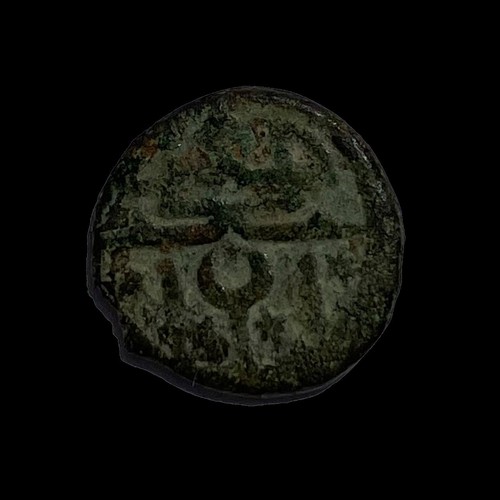
Ottoman Manghir
The manghir was the small copper coin of the Ottoman Empire, used for everyday change; this example bears a tughra and dates to the reign of Murad II.
Medieval Islamic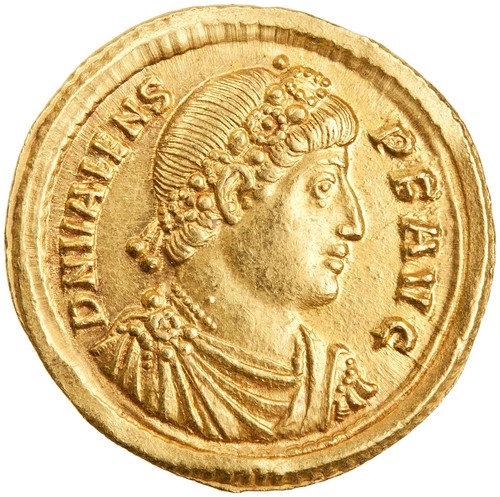
Solidus of Valens
A late Roman gold solidus struck for Valens, eastern emperor from AD 364 to 378, showing his diademed profile facing right.
Ancient