
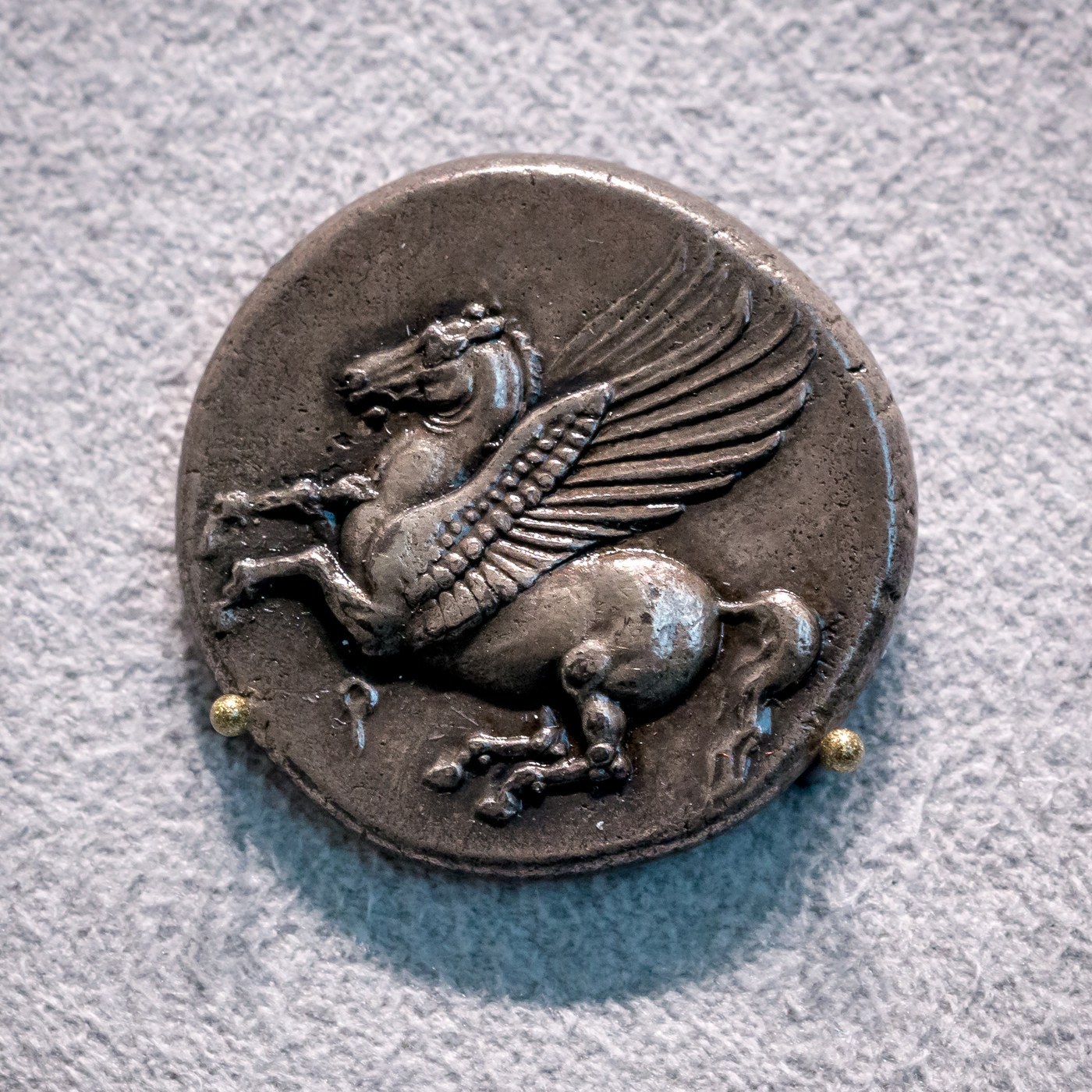
Corinthian Stater
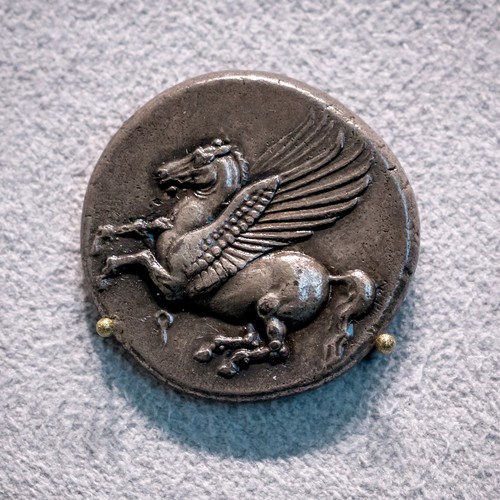
Silver stater of ancient Corinth showing the winged horse Pegasos on one side and the helmeted head of Athena on the other.
- Country
- Ancient Greece
- Denomination
- Stater
- Metal
- Silver
Got a coin like this?
Identify any coin from a photo, free.
Overview
The Corinthian Stater is a silver coin of the wealthy trading city of Corinth in ancient Greece, and the example shown carries the winged horse Pegasos flying to the left on the obverse with the helmeted head of the goddess Athena on the reverse. Coins of this design were struck through much of the Classical period, and the type illustrated belongs to the mature fourth-century BC issues of roughly 350-338 BC.
Because of the horse that dominates the design, these coins are widely known to collectors as "Pegasi." The pairing of Pegasos and Athena is the defining emblem of Corinth's coinage and one of the most recognizable images in all of Greek numismatics. The type was so popular that many other cities, especially Corinth's colonies in western Greece, copied it closely.
History & Background
Corinth was one of the richest commercial cities of ancient Greece, controlling the narrow isthmus between mainland Greece and the Peloponnese and profiting from trade in two directions. Its silver staters, struck on the local Corinthian weight standard, became a major trade currency of the Classical Greek world. The city drew its imagery from local legend: Pegasos, the winged horse tamed by the Corinthian hero Bellerophon at the fountain of Peirene, and Athena, who was said to have helped him.
The design was issued over a long span, evolving in style from archaic through classical forms. By the middle of the fourth century BC, the period of the coin shown, the head of Athena is rendered in a refined classical style wearing a crested Corinthian helmet, and small symbols and letters were added in the field. The type effectively ended as an independent civic coinage with the rise of Macedon and Philip II's victory over the Greek states in 338 BC, after which Corinth's monetary independence was curtailed.
How to Identify
Look for a silver coin of stater size, roughly 20-22 mm across and about 8-8.6 grams, with a winged horse in flight on one face. On this type Pegasos flies to the left, usually with a single archaic-form wing curling upward; on many issues a letter (the Corinthian koppa, resembling a Q) appears beneath the horse.
The other face shows the head of Athena wearing a Corinthian helmet pushed back on her head, typically facing left or right depending on the issue, often with small control symbols or letters in the field behind or before her neck. The metal is good silver, hand-struck so the flan is irregular and slightly ovoid, and each coin is unique because the dies were individually engraved. Wear shows first on the high points of the horse's body and the crest and cheek of Athena's helmet.
Value & Collectibility
Corinthian staters were struck in large numbers over a long period and survive in reasonable quantity, so they are among the more attainable ancient Greek silver coins. Value depends mainly on the sharpness of strike, the amount of wear, centering, and the artistic quality of the Athena head, which varies considerably from die to die.
Worn or off-center examples with weak detail sit at the lower end of the market, while well-centered coins with a full Pegasos and a finely styled Athena command a strong premium. Toning, freedom from corrosion or cleaning scratches, and a clear control symbol can all add to desirability. As with all ancient coins, a documented provenance and confidence in authenticity matter greatly to value.
Frequently asked questions
What is the winged horse on the coin?
It is Pegasos, the mythical winged horse of Greek legend associated with the Corinthian hero Bellerophon. Pegasos is the badge of Corinth and appears on the city's staters.
Whose head is on the other side?
It is Athena, goddess of wisdom and warfare, shown wearing a crested Corinthian helmet. On these coins she is rendered in refined classical style.
Is it real silver?
Yes. The Corinthian stater is a silver coin of about 8 to 8.6 grams struck on the local Corinthian weight standard, roughly 20 to 22 mm across.
Why do Corinthian staters look slightly different from one another?
They were struck by hand from individually engraved dies over many decades, so the style of Athena's head, the position of Pegasos, and the small control symbols all vary between issues.
Did other cities copy this design?
Yes. Corinth's colonies and allies in western Greece and Sicily struck their own Pegasos-and-Athena staters, called Corinthian-type or 'Pegasi', so the exact city is identified from the symbols and letters in the design.
Corinthian Stater guides
In-depth guides for identifying, valuing, and collecting Corinthian Stater.
Other coins you may enjoy
Antoninianus
250-270 AD
Sestertius of Antoninus Pius
138-161 AD
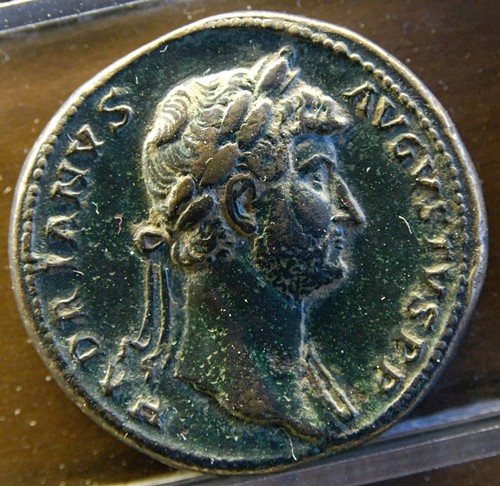
Sestertius of Hadrian
117-138 AD
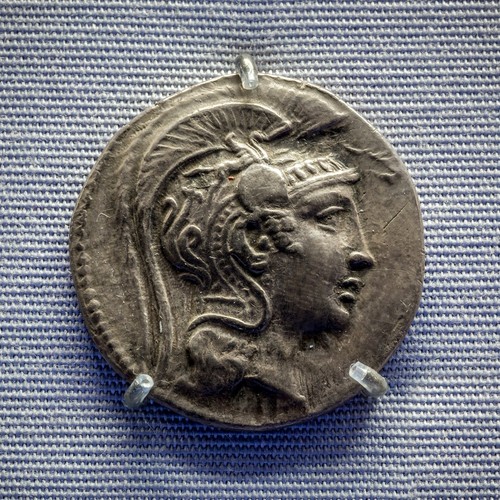
Athenian Owl Tetradrachm
165-42 BC
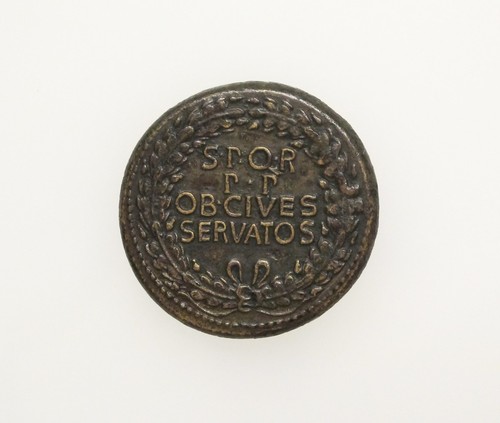
Sestertius of Caligula
37-41 AD
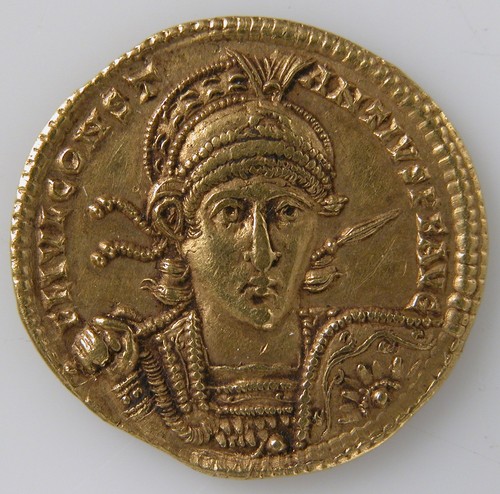
Solidus of Constantius II
337-361 AD
Sestertius of Alexander Severus
222-235 AD
Antoninianus of Gallienus
253-268 AD
Aureus of Nero
54-68 AD
Antoninianus of Laelianus
AD 269
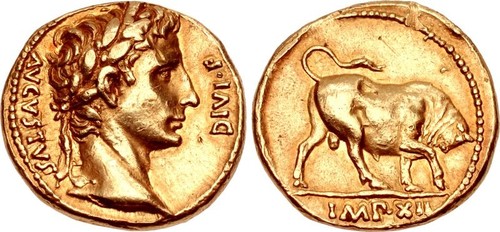
Aureus of Augustus
27 BC-14 AD
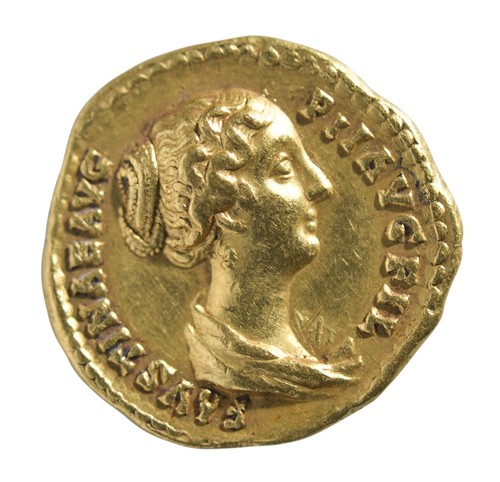
Aureus of Faustina II
147-150 AD