
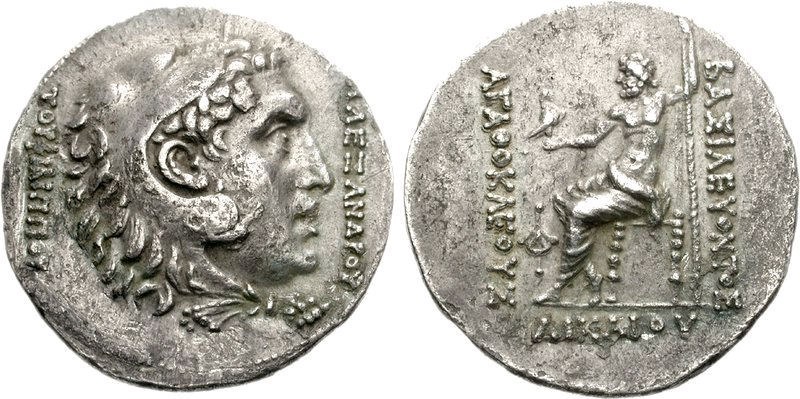
Agathokles Commemorative Tetradrachm for Alexander the Great
Silver tetradrachm of Agathokles of Syracuse, c. 310-300 BC, struck in the Alexander tradition with a bearded head and an enthroned deity reverse.
- Country
- Ancient Sicily
- Denomination
- Tetradrachm
- Metal
- Silver
Got a coin like this?
Identify any coin from a photo, free.
Overview
This is a large silver tetradrachm associated with Agathokles, the ruler of Syracuse in Sicily around the end of the fourth century BC. The coin follows the internationally familiar formula of the Alexander the Great coinage: a bearded male head on the obverse and a seated figure holding attributes on the reverse, struck in high-grade silver on a broad flan.
The example shown belongs to the period roughly 310-300 BC, when Agathokles was consolidating power in Sicily and campaigning against Carthage. By adopting the coin types made famous by Alexander and his successors, his mint tied Syracusan silver to the most trusted trade currency of the Hellenistic world, allowing it to circulate far beyond Sicily.
Because the design borrows the pan-Hellenic Alexandrine imagery rather than a purely local Syracusan type, the coin sits at the crossroads of Greek Sicilian coinage and the broader successor-kingdom money of the age. It is identified by its bearded obverse head, its enthroned reverse deity, and its weight and fabric as a full tetradrachm.
History & Background
Agathokles rose from humble origins to become tyrant of Syracuse around 317 BC and later declared himself king (basileus), taking the royal title in imitation of Alexander's successors, the Diadochi, who had carved up the empire after Alexander's death in 323 BC. His long reign was dominated by warfare with Carthage, including a bold invasion of North Africa launched in 310 BC.
During these years the Syracusan mint produced silver in several styles, and among them are tetradrachms cast in the Alexandrine mold. Striking coins that echoed Alexander's own tetradrachms was a deliberate act of prestige and practicality: it aligned Agathokles with the memory of the great conqueror and produced money instantly recognizable to soldiers, merchants, and mercenaries across the Mediterranean.
This commemorative link to Alexander was part of a wider phenomenon. Long after Alexander's death, mints from Macedon to Asia Minor continued issuing coins in his name and types, and ambitious rulers on the Hellenistic stage drew on that imagery to legitimize their own authority. Agathokles' Sicilian version places Syracuse within that international tradition.
How to Identify
The obverse carries a bearded male head in fine Greek relief, filling much of the flan. On coinage of this Alexandrine tradition the head is a heroic or divine type rather than a plain civic badge, and it may be read variously as a deity or a ruler in the guise of Alexander's own imagery. Look for the strong profile, curling hair, and beard that mark this as the portrait side.
The reverse shows a seated figure holding attributes, in the manner of the enthroned deity of the classic Alexander tetradrachm, who is typically depicted holding a long scepter and an outstretched hand or bird. The figure sits on a throne or seat, with the drapery and attributes rendered in relief and space around the figure for legends or symbols.
In hand the coin is a full tetradrachm of high-grade silver, on the order of roughly 17 grams and about 25 to 28 mm across, struck by hand so the flan is somewhat irregular and the centering can vary. The metal usually shows old grey or iridescent toning. The combination of a bearded head, an enthroned figure with attributes, and tetradrachm weight and size is the core identifier.
Value & Collectibility
As genuine ancient Greek silver of Sicily linked to a famous ruler and the Alexander tradition, this tetradrachm carries a solid collector market. Worn but clearly identifiable examples typically trade from the low hundreds of dollars upward, while well-centered, sharply struck coins with strong portrait detail and clean surfaces can reach well into the four figures.
Value is driven by the strength and style of the obverse head, the clarity of the seated reverse figure and its attributes, the completeness of any legends, the flan's centering, and overall eye appeal and toning. Attractive style and documented provenance add meaningful premiums, as does secure attribution to the Syracusan issue rather than a generic Alexandrine mint.
The ranges here are general context, not appraisals. Any specific coin's price depends heavily on condition, style, authenticity, and attribution, and high-value ancient silver of this kind is often sold with specialist cataloguing or third-party certification.
Frequently asked questions
Why does a Sicilian coin copy Alexander the Great's design?
Alexander's tetradrachms were the most widely trusted trade currency of the age. By striking coins in the same tradition, Agathokles of Syracuse tied his silver to that reputation and associated himself with Alexander's prestige.
Who was Agathokles?
Agathokles was the ruler of Syracuse in Sicily around 317-289 BC. He began as tyrant, later took the royal title of king in imitation of Alexander's successors, and spent much of his reign at war with Carthage.
Is the bearded head Alexander himself?
Not necessarily. On coinage of this Alexandrine tradition the obverse head is a heroic or divine type rather than a literal ruler portrait. It is best described as a bearded head in the Alexander tradition rather than a certain likeness of any one person.
What is the seated figure on the back?
It is an enthroned deity holding attributes such as a scepter, in the manner of the classic Alexander tetradrachm reverse. The figure sits on a throne, with the attributes and drapery rendered in relief.
How big and heavy is a tetradrachm?
A tetradrachm is a large silver coin, on the order of roughly 17 grams and about 25 to 28 mm across. It is struck by hand, so the flan and centering vary from coin to coin.
Agathokles Commemorative Tetradrachm for Alexander the Great guides
In-depth guides for identifying, valuing, and collecting Agathokles Commemorative Tetradrachm for Alexander the Great.
Other coins you may enjoy
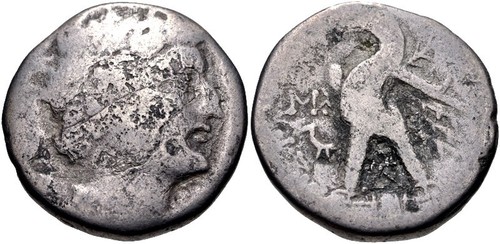
Tetradrachm of Ptolemy XII
80-51 BC
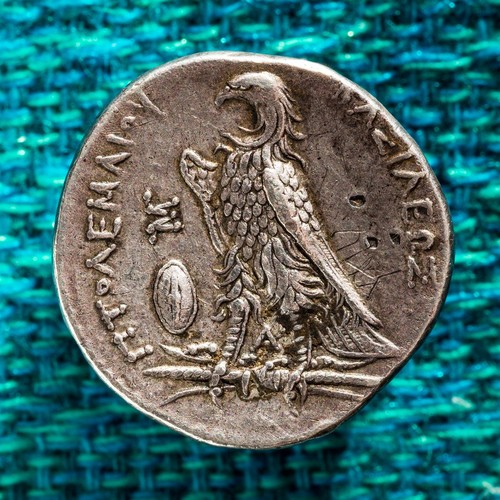
Tetradrachm of Ptolemy I
305-283 BC
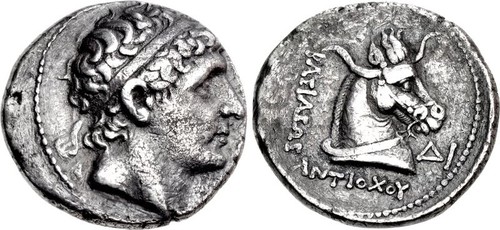
Tetradrachm of Antiochos I Soter
281-261 BC
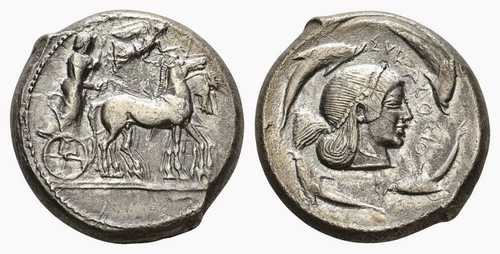
Syracuse Tetradrachm
c. 5th-4th century BC (Classical period)
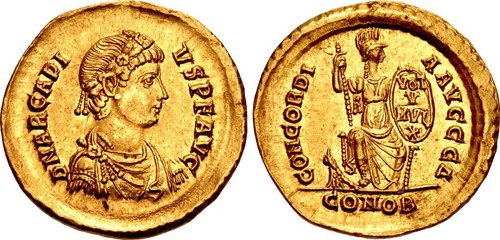
Solidus of Arcadius
AD 395-402
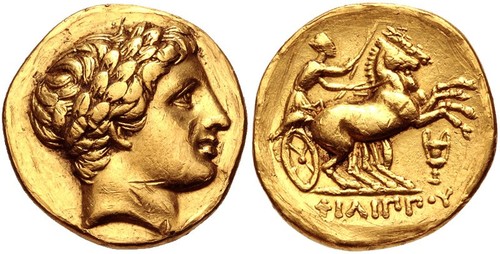
Philip III Gold Stater
323-317 BC
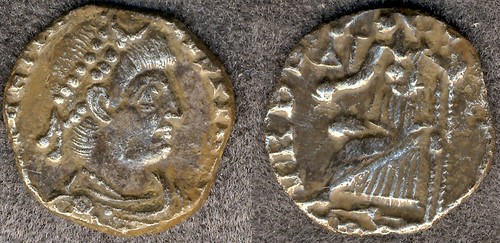
Siliqua of Gratian
AD 367-383
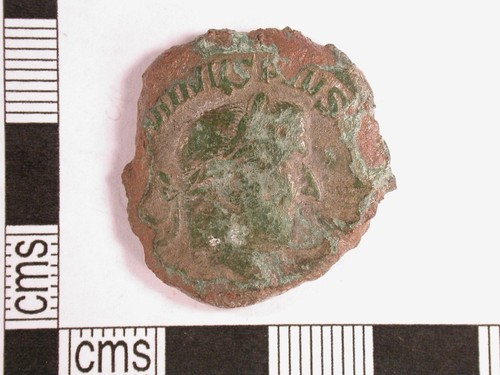
Sestertius of Maximinus Thrax
235-238 AD
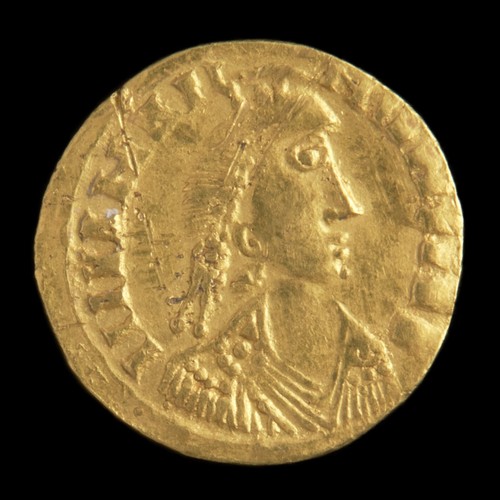
Solidus of Valentinian III
AD 425-455
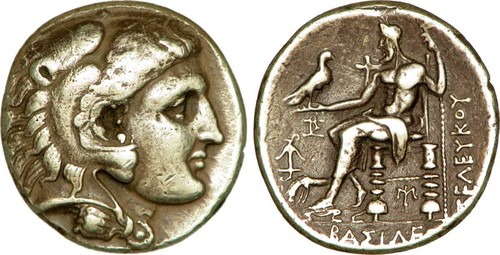
Seleucus I Nicator Tetradrachm
Late 4th-3rd century BC
Nummus of Magnentius
AD 350-353
Follis of Galerius
AD 308-310